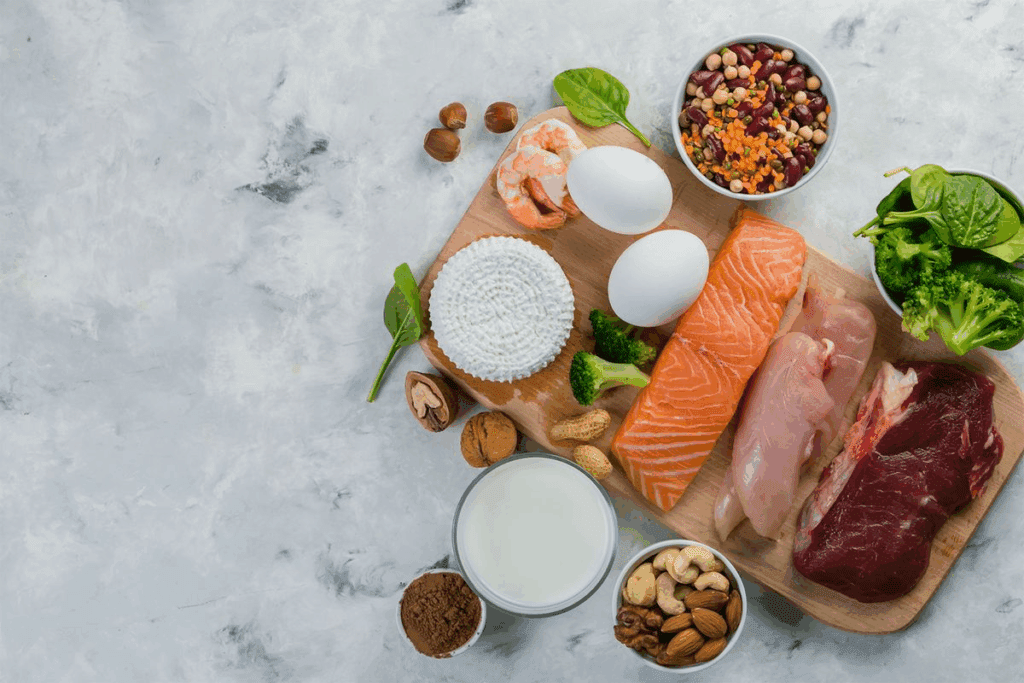
At Liv Hospital, we know how key a good diet plan is for losing weight and getting ready for bariatric surgery. A 1200 calorie high protein bariatric diet plan helps with lasting weight loss and better health. High-protein caloric bypass diet menu plan for the maintenance phase.
This diet plan mixes well-known eating methods with care tailored just for you. It helps people reach their health goals. The Medical Expert, with about 1,200 calories a day. It focuses on foods high in protein, low in carbs and fat. This supports steady weight loss and overall health.
Key Takeaways
- A 1200 calorie high protein bariatric diet plan supports sustainable weight loss.
- This diet plan is key for those getting ready for bariatric surgery.
- It focuses on high-protein, low-carb, and low-fat foods.
- Personalized care is key to reaching health goals.
- A well-structured diet plan is vital for successful weight loss.
Understanding the Bariatric Diet Fundamentals

Learning about the bariatric diet is key for losing weight and keeping it off. This diet is made for people who have had or are getting bariatric surgery. It helps them eat more nutrients in smaller amounts.
The Purpose of a 1200 Calorie Restriction
A 1200 calorie limit is often suggested for bariatric patients. It makes sure they get enough nutrients without eating too many calories. This helps with proper healing and avoids problems after surgery.
“The key to successful weight loss after bariatric surgery is not just about reducing calories, but ensuring that the calories you do consume are rich in nutrients,” emphasizes the importance of nutrient-dense foods in a bariatric diet.
Why Protein Takes Priority in Bariatric Nutrition
Protein is very important in a bariatric diet. Patients should eat 70-90 grams of protein daily to keep muscle while losing weight fast. Lean meats, eggs, fish, Greek yogurt, and protein supplements are great protein sources for meals.
By eating more protein, bariatric patients can control hunger better. This supports their nutritional needs during weight loss. It also helps with recovery and long-term weight control.
Benefits of a High Protein Bariatric Approach

A high protein bariatric diet has many benefits for those having bariatric surgery. It helps patients lose weight more effectively.
Preserving Muscle Mass During Rapid Weight Loss
One big plus of a high protein diet is keeping muscle mass during quick weight loss. With enough protein, the body keeps muscle, losing fat instead. This is key for staying healthy and keeping a good metabolism.
Key benefits of preserving muscle mass include:
- Enhanced metabolic rate
- Better overall physical strength
- Improved body composition
Improved Satiety and Reduced Cravings
High-protein foods make you feel full and cut down cravings. This makes it easier for bariatric patients to stick to their diets. Protein takes longer to digest, so you stay full longer. This helps control hunger and stops overeating.
Eating small, protein-rich meals helps avoid overeating and keeps the digestive system healthy. This is great for a 1200 calorie bariatric meal plan.
Supporting Pre and Post-Surgery Success
A high protein diet is key before and after surgery. Before surgery, it helps get the body ready by reducing fat and improving health. After surgery, it aids in healing and helps keep weight loss steady.
Benefits | Pre-Surgery | Post-Surgery |
Weight Loss | Reduces fat stores | Continues weight loss |
Muscle Mass | Preserves muscle | Maintains strength |
Overall Health | Improves health | Supports healing |
Creating Your Caloric Bypass Diet Menu for Optimal Results
A successful caloric bypass diet starts with the right balance of nutrients. Focus on protein, carbohydrates, and healthy fats for the best results.
Protein Requirements: Reaching 70-90 Grams Daily
Protein is key in a bariatric diet, helping keep muscle mass during weight loss. Aim for 70-90 grams of protein daily. Lean proteins like poultry, fish, and lean meats are best. Adding protein-rich foods to your meals helps meet your daily needs.
Carbohydrate Limitations and Guidelines
Carbohydrates should be limited, focusing on non-starchy veggies that fill half your plate. Aim for carbs to be about 1/4 of your total intake. This helps manage calories and ensures you get needed nutrients. Whole grains and fiber-rich foods are good carb choices.
Healthy Fat Incorporation
Healthy fats are vital for health and should be added in moderation. Avocados, nuts, and olive oil are good sources. They add fats, help with feeling full, and balance your diet.
By balancing these elements, you can make a diet menu that supports weight loss and health. For more detailed guidance and a sample meal plan, talk to a healthcare professional or a registered dietitian. They can offer personalized advice.
Structuring Your Meal Pattern for Success
A well-planned meal pattern is key for a successful bariatric diet journey. It’s important to think about meal frequency, timing, and nutrient balance. This is true for a 1200 calorie high protein bariatric diet plan.
Small, Frequent Meals: The 3+2 Approach
Eating small, frequent meals is a big help for bariatric patients. We suggest the 3+2 approach. This means eating three main meals and two snacks each day. It helps prevent overeating and keeps your digestive system healthy.
Spreading out your meals keeps your energy stable. It also helps you avoid eating too much at once. This is very important for bariatric patients, as it helps manage hunger and supports health.
Timing Your Meals with 30-Minute Intervals
We also advise bariatric patients to eat with 30-minute intervals between meals. This lets your body digest food properly and prevents discomfort.
The 30/30/30 rule is a good guide. It says to stop drinking 30 minutes before meals, eat slowly, and wait 30 minutes after meals to drink again. This rule helps with post-surgery success and managing complications.
Balancing Nutrients Throughout the Day
Balancing nutrients is very important for bariatric patients on a 1200 calorie high protein diet. We suggest spreading out protein, carbohydrates, and healthy fats throughout the day. This keeps your nutrition balanced.
By balancing your nutrients, you support your health and weight loss goals. It’s important to work with a healthcare professional or registered dietitian. They can help create a meal plan that fits your needs.
High-Protein Food Choices for Bariatric Patients
High-protein foods are key for bariatric patients on a 1200 calorie diet. They help keep muscle mass, reduce cravings, and make you feel full. We’ll look at protein-rich foods good for bariatric patients.
Lean Protein Sources to Prioritize
Lean proteins are vital for bariatric patients. They offer needed nutrients without too much fat. Here are some top lean protein sources:
- Chicken and Turkey: Great for lean protein.
- Fish: Fatty fish like salmon are high in protein and omega-3s.
- Eggs: Eggs are versatile and packed with protein.
- Low-fat Cottage Cheese: Rich in protein, easy to add to meals or snacks.
Protein Supplements: When and How to Use Them
Protein supplements can help bariatric patients meet protein needs. But, picking the right ones is important:
- Select Unflavored or Low-Sugar Options: To avoid too much sugar.
- Consult with a Healthcare Provider: Before adding supplements to your diet.
- Use as Directed: Stick to recommended amounts to avoid too much.
Plant-Based Protein Options for Varied Diets
Plant-based diets have many high-protein options for bariatric patients:
- Legumes: Beans, lentils, and chickpeas are protein and fiber rich.
- Nuts and Seeds: Almonds, chia seeds, and hemp seeds are protein and healthy fats.
- Tofu and Tempeh: Soy products that are great protein sources for various dishes.
- Plant-Based Protein Powders: Made from pea, rice, or hemp, these are easy supplements.
Adding these high-protein foods to their diet helps bariatric patients with weight loss and health.
Mastering Portion Control on a 1200 Calorie Plan
To succeed on a 1200 calorie high protein bariatric diet, you must understand and use portion control. It’s not just about eating less. It’s about eating the right amount to meet your nutritional needs while keeping calories in check.
Getting portion control right helps avoid eating too many calories. This is key for losing weight and staying healthy. By mastering portion control, you can stick to your diet better and reach your weight loss goals more easily.
Measuring Techniques for Accurate Portions
Using measuring techniques is a great way to ensure you’re getting the right portion sizes. This means using tools like kitchen scales or measuring cups to measure your food.
For example, a digital kitchen scale can help you measure protein like chicken or fish to the exact gram your diet plan calls for. You can also use measuring cups to measure the right amount of vegetables or grains.
Food Item | Recommended Portion Size | Measuring Tool |
Chicken Breast | 3 oz (85g) | Digital Kitchen Scale |
Brown Rice | 1/2 cup cooked | Measuring Cup |
Broccoli | 1 cup chopped | Measuring Cup |
Visual Guides for Portion Estimation
When measuring isn’t practical, visual guides can be super helpful. Comparing food portions to familiar objects can give you a quick way to estimate serving sizes.
For instance, a 3-ounce serving of protein is about the size of a deck of cards. A serving of pasta or rice is roughly the size of a tennis ball.
“Using visual cues can simplify portion control, making it easier to stick to your diet plan even when you’re not at home.” — Nutrition Expert
Avoiding Common Portion Pitfalls
There are a few common pitfalls to watch out for with portion control. One big one is underestimating serving sizes, which can lead to eating more calories than you mean to.
Another pitfall is eating directly from large containers or bags. This makes it hard to tell how much you’re eating. Instead, portion out your food onto a plate or into a bowl.
By being aware of these pitfalls and using both measuring techniques and visual guides, you can master portion control on a 1200 calorie plan. This supports weight loss and improves your overall nutrition.
Hydration Strategies for Bariatric Success
Drinking enough water is key for bariatric surgery success. It affects both short-term and long-term health. We’ll look at important hydration tips for bariatric patients to reach their weight loss goals and stay healthy.
Meeting Your 64-Ounce Daily Fluid Goal
It’s important to drink at least 64 ounces of fluid each day. This can be water, unsweetened tea, or low-calorie broths. Drinking enough helps control hunger, aids digestion, and prevents dehydration problems.
To hit this goal, drink fluids all day long. Use a hydration log or a mobile app to track your intake. This ensures you reach your daily target.
Separating Eating and Drinking Times
The 30/30 drinking rule is a good guide for bariatric patients. Drink fluids 30 minutes before or after meals. Wait 30 minutes before eating after drinking. This rule helps food stay in the stomach longer, making you feel full and reducing nutritional deficiencies.
Choosing Bariatric-Friendly Beverages
Not all drinks are good for bariatric patients. Stick to low-calorie, nutrient-rich options. Here’s a list of good and bad drinks:
Beverage Type | Recommended | Not Recommended |
Water | Yes | No |
Unsweetened Tea | Yes | No |
Low-Calorie Broths | Yes | No |
Sugary Drinks | No | Yes |
Carbonated Beverages | No | Yes |
By picking the right drinks and following hydration tips, bariatric patients can support their health and weight loss journey.
7-Day Sample 1200 Calorie High Protein Meal Plan
A 7-day meal plan is key for those on a 1200 calorie high protein diet. It helps get the right nutrients for health. This plan mixes protein, healthy fats, and carbs for weight loss and well-being.
Breakfast Options Under 300 Calories
Starting with a healthy breakfast is important. Here are some high protein breakfast ideas under 300 calories:
- Greek Yogurt Parfait: Layer Greek yogurt, fresh berries, and granola for a protein-packed breakfast (approx. 250 calories, 20g protein).
- Scrambled Eggs with Spinach: Scramble eggs with fresh spinach and serve with whole-grain toast (approx. 220 calories, 18g protein).
- Protein Smoothie: Blend protein powder, almond milk, and frozen berries for a quick and nutritious breakfast (approx. 200 calories, 25g protein).
Protein-Packed Lunch Ideas
Lunch should be filling and rich in protein. Here are some options:
- Grilled Chicken Breast: Serve with quinoa and steamed vegetables for a balanced meal (approx. 400 calories, 40g protein).
- Turkey and Avocado Wrap: Use a whole-grain wrap, sliced turkey breast, avocado, and lettuce for a healthy and filling lunch (approx. 450 calories, 35g protein).
- Lentil Soup with Protein Boost: Add cooked lentils to a vegetable broth and include a scoop of protein powder for an extra boost (approx. 400 calories, 20g protein).
Dinner Recipes for Bariatric Patients
Dinner should be light yet satisfying. Here are some dinner ideas:
- Baked Salmon with Roasted Vegetables: Season salmon fillet with herbs and bake with a variety of roasted vegetables (approx. 350 calories, 35g protein).
- Chicken and Vegetable Stir-Fry: Stir-fry chicken breast with a mix of colorful vegetables and serve with brown rice (approx. 400 calories, 30g protein).
- Turkey Meatballs with Zucchini Noodles: Make meatballs with lean turkey and serve with zucchini noodles for a low-carb, high-protein dinner (approx. 300 calories, 25g protein).
Strategic Snacks for Between Meals
Snacking is key to keep energy up. Choose snacks that are high in protein and low in calories:
- Hard-Boiled Eggs: A convenient and protein-rich snack (approx. 70 calories, 6g protein per egg).
- Cottage Cheese: Rich in protein and can be paired with fruit for added flavor (approx. 80 calories, 11g protein per 1/4 cup).
- Protein Bars: Look for bars that are low in sugar and high in protein (approx. 150-200 calories, 15-20g protein).
Following this 7-day meal plan helps meet nutritional needs and supports weight loss. Stay hydrated and get personalized advice from a healthcare provider or dietitian.
Conclusion: Sustaining Your Bariatric Diet Long-Term
Keeping up with a bariatric diet long-term needs dedication and flexibility. We know that losing weight doesn’t stop after surgery. It’s a journey that lasts a lifetime. Seeing bariatric surgery as a tool, not a quick fix, is key to keeping weight off.
A good bariatric diet plan, whether before or after surgery, is the first step to a healthier life. Eating lots of protein and balanced foods helps a lot. This way, people can lose a lot of weight and feel better overall.
If you’re thinking about a bariatric diet without surgery, the main ideas are the same. Focus on protein, control calories, and drink plenty of water. This can lead to big weight loss and better health.
Keeping up with the changes made before and after surgery is important for lasting success. We suggest getting ongoing support and checking in with doctors regularly. This helps track progress and make any needed changes.
FAQ
What is a 1200 calorie high protein bariatric diet plan?
A 1200 calorie high protein bariatric diet plan is for people getting ready for bariatric surgery. It focuses on lots of protein and fewer calories. This helps with steady weight loss and better health.
Why is protein prioritized in bariatric nutrition?
Protein is key in bariatric nutrition because it keeps muscle mass while losing weight. It also helps you feel full and supports success before and after surgery.
How can I meet my daily protein requirements on a bariatric diet?
To meet your daily protein needs, eat lean proteins, use protein supplements, and add plant-based proteins. Aim for 70-90 grams of protein each day.
What are some high-protein food choices for bariatric patients?
Good protein choices for bariatric patients include lean meats, fish, and poultry. Also, protein supplements and plant-based options like beans and tofu are good.
How do I structure my meal pattern for success on a bariatric diet?
Eat small, frequent meals, spaced 30 minutes apart. Balance your nutrients all day to help with health and weight loss.
What are some tips for mastering portion control on a 1200 calorie plan?
To control portions, use measuring tools and visual guides. Avoid eating too much to keep your meals healthy and balanced.
How can I stay hydrated on a bariatric diet?
Drink 64-ounce of fluids daily, separate eating from drinking, and choose healthy drinks. This helps keep you hydrated and healthy.
Can I follow a bariatric diet plan without surgery?
Yes, you can follow a bariatric diet without surgery. It helps with weight loss and better health, using similar guidelines.
How long should I follow a pre-bariatric surgery diet plan?
The time to follow a pre-bariatric diet varies. Usually, it’s for a few months, like 3 months, to get ready for surgery.
Where can I find a 1200 calorie high protein meal plan PDF?
You can find 1200 calorie high protein meal plans in PDF format from healthcare providers, registered dietitians, or online resources. They specialize in bariatric nutrition.
References
National Center for Biotechnology Information. Evidence-Based Medical Guidance. Retrieved from https://www.ncbi.nlm.nih.gov/pmc/articles/PMC7664846/