Last Updated on November 27, 2025 by Bilal Hasdemir
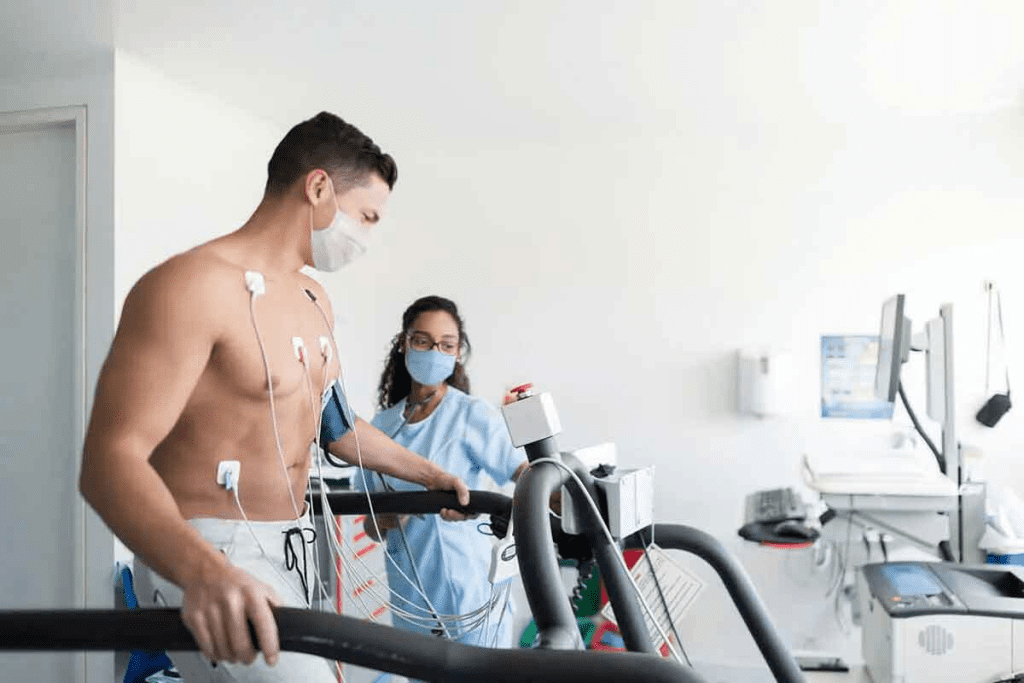
Getting ready for a nuclear stress test means knowing the rules and what to do. At Liv Hospital, we stress the need to follow certain steps. This includes being NPO (nothing by mouth) for at least 4 hours before the test.
Before a nuclear stress test, fasting is key to getting accurate results. University Hospitals says to fast from midnight or have a light breakfast before 6:30 a.m. Then, you must fast until the test. We also tell patients to skip caffeine for at least 48 hours before and to bring their current medications.
Many patients also ask, “Can a CT scan show tumors? Yes ” CT scans are highly effective at detecting tumors, showing detailed images of internal organs, bones, and tissues. While CT and nuclear stress tests serve different purposes, both play vital roles in diagnosing and monitoring health conditions.
Key Takeaways
- Fasting for at least 4 hours before a nuclear stress test is typically required.
- Caffeine should be avoided for at least 48 hours before the test.
- Patients should bring a list of their current medications to the test.
- The total appointment length for a nuclear stress test is approximately four to six hours.
- Specific protocols may vary depending on the type of nuclear stress test and the timing of the appointment.
Understanding Nuclear Stress Tests: Basic Principles and Purpose
The nuclear stress test is a key test for doctors to check the heart’s work under stress. It helps spot heart disease and risk. This is vital for heart health.
What Is a Nuclear Stress Test?
A nuclear stress test, or myocardial perfusion imaging, uses a tiny bit of radioactive material. It shows how blood flows to the heart muscle at rest and under stress. SPECT (Single Photon Emission Computed Tomography) imaging makes detailed heart images.
The test is done in two parts: at rest and under stress. By comparing these images, doctors find out if blood flow is low. This could mean heart disease or other issues.
How Nuclear Stress Tests Differ from Standard Stress Tests
Unlike regular stress tests, nuclear tests show blood flow and heart function. They use special materials and advanced imaging.
Nuclear tests give a closer look at heart health. Doctors can:
- Find heart areas with poor blood flow
- Spot coronary artery disease more accurately
- Check if heart treatments work
Common Reasons for Prescribing Nuclear Stress Tests
Doctors order nuclear stress tests for many reasons, like:
| Reason | Description |
| Diagnosing Coronary Artery Disease | To find blockages or narrowing in the coronary arteries |
| Assessing Heart Function | To check the heart’s pumping ability and overall health |
| Evaluating Treatment Effectiveness | To see if treatments for heart issues are working |
Knowing about nuclear stress tests helps patients get ready. It shows how important they are for heart health.
NPO for Nuclear Stress Test: Fasting Requirements Explained
To get accurate results, patients must follow certain fasting rules before a nuclear stress test. This is key the test’s success and safety.
Definition and Importance of NPO Status
NPO stands for “nil per os,” which means “nothing by mouth.” For a nuclear stress test, it means patients can’t eat or drink anything for a while before. This rule is important to make sure the test results are not skewed by what the patient ate or drank.
Standard Fasting Period: The 4-Hour Rule
Patients usually need to fast for at least 4 hours before the test. This helps keep recent meals from affecting the test’s accuracy. Patients should only drink water during this time. It’s very important to stick to these rules to get the best results.
What You Can and Cannot Consume Before the Test
While fasting, drinking water is okay. But, avoid caffeinated drinks because they can mess with the test’s results. Some medications and foods might also be off-limits. Always check with your doctor for specific guidelines.
Scientific Rationale Behind Fasting Requirements
The fasting rules for a nuclear stress test are to get precise results. Eating or drinking before can change how the heart works and how the test’s medicine spreads. By fasting, patients help make sure their hearts are in a normal state. This allows for a better check of how it handles stress.
Types of Nuclear Stress Tests and Their Specific Protocols
Nuclear stress tests are key for checking heart function under stress. They use physical exercise or medicine to stress the heart.
Exercise-Based Nuclear Stress Tests
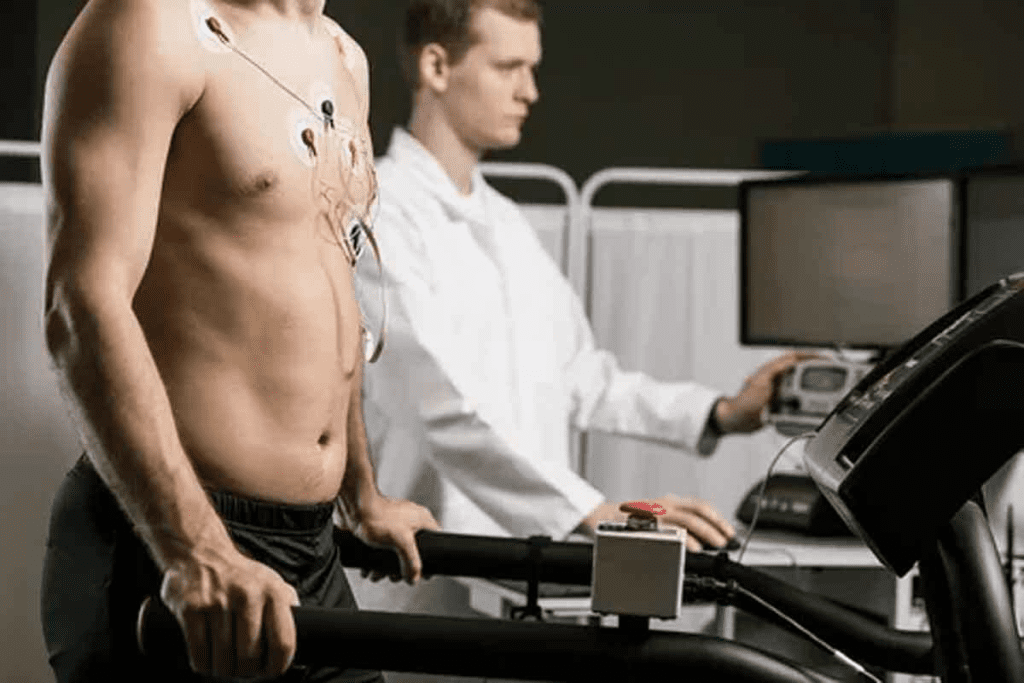
Exercise-based tests are the most common. Patients walk on a treadmill or bike to raise their heart rate. The workout gets harder to stress the heart more.
It’s important to avoid some medicines before the test. They can change the results. For example, beta-blockers stop the heart rate from going up enough during exercise.
The benefits of these tests include:
- They directly check how the heart reacts to physical stress.
- They let doctors watch the ECG and blood pressure during exercise.
- They are usually safe when watched by experts.
Pharmacologic Nuclear Stress Tests
Pharmacologic tests are for those who can’t exercise well. They use medicines like Lexiscan (regadenoson) or adenosine. These drugs widen the coronary arteries, like exercise does.
These tests are good for:
- People with mobility problems or severe arthritis.
- Those with neurological issues find exercise hard.
- Individuals who are very out of shape.
It’s key to tell your doctor about any medicines you take. Some can mess with the test results. For instance, caffeine can block the effects of adenosine and Lexiscan, making the test less effective.
Both kinds of tests help a lot. They show how well the heart works and help find heart disease. They also help figure out the risk of heart problems in the future.
Medications Used in Nuclear Stress Testing
Medications are key in nuclear stress testing. They help doctors diagnose heart issues accurately. These tests use medicines to stress the heart, take images of blood flow, and keep patients safe.
Radiopharmaceuticals: Technetium-99m and Thallium-201
Radiopharmaceuticals are special compounds for nuclear stress tests. They help see the heart’s blood flow. Technetium-99m is often chosen for its good images. Thallium-201 checks if the heart muscle is working properly.
Vasodilators: Lexiscan, Adenosine, and Dipyridamole
Vasodilators widen blood vessels, like exercise does for the heart. Lexiscan, adenosine, and dipyridamole are used in these tests. Lexiscan is liked for being easy to use and safe for patients. The CPT code for a Lexiscan nuclear stress test is 78452.
Inotropic Agents: Dobutamine
Dobutamine is used in tests for those who can’t exercise. It makes the heart work harder, like exercise does. It’s used when other medicines won’t work.
Medications to Avoid Before Your Test
Some medicines can mess up nuclear stress test results. Patients should not take caffeine or certain drugs like beta-blockers before the test. Always follow your doctor’s advice on medicines before your test.
Step-by-Step Nuclear Stress Test Protocol
We will guide you through the nuclear stress test protocol. This will help you know what to expect during the test.
Pre-Test Preparation and Registration
First, you’ll arrive at the testing facility and register. You’ll need to show ID, insurance, and sign consent forms. It’s important to follow any pre-test instructions from your doctor, like avoiding certain foods or medications.
Initial Radiotracer Injection and Resting Images
Then, a small radiotracer dose is injected into your blood. You’ll lie on an imaging table while a gamma camera takes resting heart images. This shows how your heart works at rest.
Stress Portion: Exercise or Pharmacologic Stress
Next, you’ll do either exercise stress or pharmacologic stress. Exercise stress means walking on a treadmill. Pharmacologic stress uses medication to mimic exercise effects on your heart. This step is key to seeing how your heart handles stress.
Second Radiotracer Injection and Stress Images
During stress, you’ll get a second radiotracer dose. Then, you’ll go back to the imaging table for more images. These stress images are compared to the resting ones to fully understand your heart’s function.
By following this protocol, doctors can learn a lot about your heart health. They can then make better decisions for your care.
CPT Codes for Nuclear Stress Tests: Billing and Insurance
Knowing the right CPT codes is key to filing and insurance claims for nuclear stress tests. CPT codes describe medical procedures and services. They are vital for the billing process of nuclear stress tests.
CPT Code 78452: The Standard for Lexiscan Nuclear Stress Tests
CPT code 78452 is for myocardial perfusion imaging with SPECT, including nuclear stress tests with Lexiscan. Healthcare providers need to use a code for accurate billing.
The American Medical Association says CPT code 78452 is for “Myocardial perfusion imaging, tomographic (SPECT) (including attenuation correction, qualitative or quantitative wall motion, ejection fraction by first pass or gated technique, additional quantification, when performed); planar, multiple studies at rest and/or stress (exercise or pharmacologic) and/or redistribution and/or rest reinjection.”
Other Common CPT Codes for Nuclear Cardiac Imaging
While CPT code 78452 is common, other codes might be used for specific procedures. For example:
- CPT code 78451: Myocardial perfusion imaging, tomographic (SPECT) (including attenuation correction, qualitative or quantitative wall motion, ejection fraction by first pass or gated technique, additional quantification, when performed); single study, at rest or stress (exercise or pharmacologic)
- CPT code 93015: Treadmill stress test, including supervision, interpretation, and report.
The CPT codes used can change based on the procedure and the patient’s condition.
Insurance Coverage and Prior Authorization Requirements
Insurance coverage for nuclear stress tests varies. Many plans cover them when medically necessary. But prior authorization is often needed.
“Prior authorization is a process where healthcare providers must obtain approval from a patient’s insurance company before performing a specific procedure or service.”
American Medical Association
Healthcare providers handle prior authorization. But it’s good for patients to know it’s required for coverage.
Understanding Your Medical Bill
After a nuclear stress test, patients get a medical bill. It’s important to understand these charges to manage healthcare costs.
| Service | Description | CPT Code |
| Nuclear Stress Test | Myocardial perfusion imaging with SPECT | 78452 |
| Treadmill Stress Test | Treadmill stress test, including supervision, interpretation, and report | 93015 |
Knowing CPT codes helps patients understand their medical bills. It ensures they are charged correctly.
Patient Preparation Beyond NPO Status
There’s more to getting ready for a nuclear stress test than just fasting. NPO status is important, but other things can also affect your test’s success and accuracy.
Medication Management Before the Test
Tell your doctor about all your medications. This includes prescription drugs, over-the-counter items, and supplements. Some meds might need to be changed or stopped before the test.
Always talk to your healthcare provider before changing your meds. They’ll give you advice based on your health and the test you’re having.
Clothing and Accessories Recommendations
Choose comfy clothes and shoes for exercise if needed. Men, wear a short-sleeved shirt for ECG electrodes. Don’t wear jewelry that could mess with the equipment.
Wear loose, comfy clothes for easy movement.
Duration Expectations and Planning Your Day
A nuclear stress test usually takes a few hours. But the actual test time is shorter. You’ll spend about half a day at the facility.
Knowing the time helps plan your day. Bring something to do, like a book or music, or a friend to keep you company.
Special Considerations for Diabetic Patients
If you have diabetes, talk to your doctor about your test day. You might need to change your meds or meal plan. Keeping an eye on your blood sugar is key, even if you’re fasting.
Diabetic patients should tell their doctor about their insulin and diabetes meds for specific advice.
Potential Risks, Side Effects, and Contraindications
Patients need to know about the risks and side effects of nuclear stress tests. These tests help find heart problems but come with some dangers.
Common Side Effects of Nuclear Stress Tests
People getting nuclear stress tests might feel some side effects. These can be because of the medicine or the test itself. Common side effects include:
- Flushing
- Shortness of breath
- Dizziness
- Headache
- Nausea
These side effects usually go away on their own. But it’ss key to tell your doctor if you have severe or lasting symptoms.
Radiation Exposure Considerations
Nuclear stress tests use small amounts of radiation. The dose is usually safe, but it’s important to think about the benefits and risks. This is more important for some people.
| Radiopharmaceutical | Typical Effective Dose (mSv) |
| Technetium-99m | 9-11 |
| Thallium-201 | 18-22 |
Who Should Not Undergo a Nuclear Stress Test
Some people might face higher risks with nuclear stress tests. These include:
- Patients with severe asthma or COPD
- Those with certain heart conditions, such as unstable angina
- Pregnant or breastfeeding women
- Individuals with known allergies to the radiopharmaceuticals used
Talking to your doctor about your health and worries is very important before the test.
Emergency Protocols During Testing
Places doing nuclear stress tests have plans for emergencies. These plans include:
- Trained staff and equipment for managing medical emergencies
- Availability of reversal agents for stress medications
- Preparedness for cardiopulmonary resuscitation if needed
Conclusion: Making Informed Decisions About Nuclear Stress Testing
It’s key for patients to know about nuclear stress tests. This includes the protocols, medications, and CPT codes. We’ve looked at why being NPO is important, the types of tests, and the drugs used.
The CPT code for a nuclear Lexiscan stress test, 78452, is vital. It helps patients understand their medical bills and insurance. Knowing this code can make navigating bills easier.
Patients should know the stress test Lexiscan CPT code and other details. This helps them prepare for the test and future steps. We suggest talking to your healthcare provider about your needs and worries. This way, you can get the best care.
FAQ
What is a nuclear stress test, and why is it prescribed?
A nuclear stress test checks how well the heart works when it’s stressed. It’s often used to find heart disease or to check if the heart gets enough blood. It helps see if there are blockages in the heart’s arteries.
Do I need to be NPO for a nuclear stress test?
Yes, you must not eat or drink anything for at least 4 hours before the test. This rule is to get accurate results and to keep you safe.
What types of nuclear stress tests are there, and how do they differ?
There are two main types. Exercise-based tests make you exercise to stress your heart. Pharmacologic tests use medicine to make your heart work hard, like exercise.
What medications are used during a nuclear stress test?
Medicines like Technetium-99m and Thallium-201 help see the heart’s blood flow. Vasodilators like Lexiscan, Adenosine, and Dipyridamole make the heart work hard. In some cases, Dobutamine is used too.
What is the CPT code for a Lexiscan nuclear stress test?
The CPT code for a Lexiscan test is 78452. This code helps with billing and might need insurance approval.
How can I prepare for a nuclear stress test beyond following NPO guidelines?
Before the test, manage your medicines as told, wear comfy clothes, and know how long it will take. Diabetics should watch their blood sugar closely.
What are the possible risks and side effects of a nuclear stress test?
Side effects can include dizziness, headaches, and nausea. There’s also radiation to think about. Some, like pregnant women, might not be able to have the test. But here are emergency plans in place.
What should I avoid consuming before a nuclear stress test?
Avoid eating and drinking, except for water, for 4 hours before. Some medicines, like those with caffeine, might also need to be skipped or managed.
How long does a nuclear stress test typically take?
The test can take several hours. It includes getting ready, the test itself, and the imaging part. You’ll get radiotracers injected during the test.
Will my insurance cover the cost of a nuclear stress test?
Insurance coverage for these tests varies. It depends on your provider and policy. Always check with your insurance to see what’s covered and if you need approval first.
References
- Leone, A., et al. (2022). Recurrent Glioblastoma Treatment: State of the Art and New Perspectives. Frontiers in Oncology, 12, Article 9405902. https://pmc.ncbi.nlm.nih.gov/articles/PMC9405902/