Last Updated on December 2, 2025 by Bilal Hasdemir

As men get older, their ability to have children slowly goes down, but it doesn’t stop suddenly. Studies show that male fertility starts to drop around 35, and after 40, changes in sperm quality and fertility rates become even more significant. At Liv Hospital, we help people understand these changes because knowing can a guy get a girl pregnant as he ages is key for family planning. Even though men keep producing sperm, the quality of that sperm declines with age, which affects their chances of conceiving.
Key Takeaways
- Male fertility begins to decline around age 35.
- Sperm quality and fertility rates significantly decrease after 40.
- Men continue to produce sperm, but the quality deteriorates with age.
- Understanding fertility decline is key to family planning.
- Factors influencing fertility decline include age and sperm quality.
Understanding Male Fertility and Its Natural Decline
Male fertility naturally decreases with age, but myths surround this change. As men age, several factors affect their ability to have children. We’ll look into the biology of male fertility and debunk myths about aging.
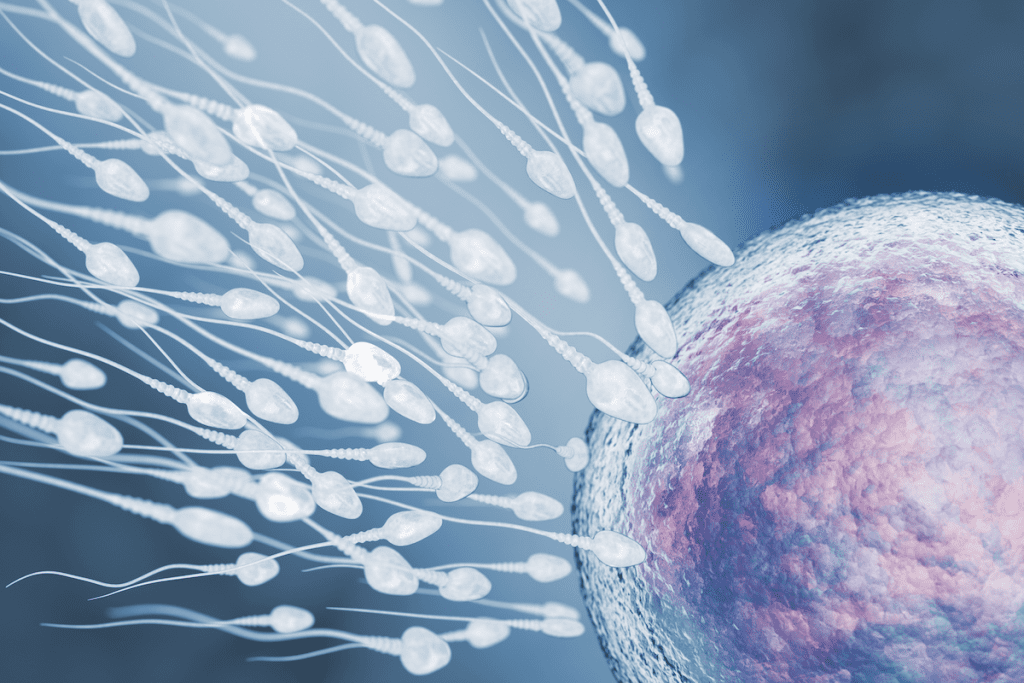
The Biology of Male Fertility
Male fertility involves the production of sperm. The quality and amount of sperm are key to fertility. Research shows that sperm concentration, motility, and morphology decline with age, impacting fertility.
Age also affects the success of vasectomy reversals. Men’s age at reversal and time after vasectomy influence success. Knowing these factors is vital for family planning.
Myths vs. Facts About Male Reproductive Aging
Many myths surround male reproductive aging. One myth is that men can father children at any age without issues. But male fertility, like female fertility, declines with age. “Men are not immune to the ticking clock when it comes to fertility,” experts say.
Here are some facts and myths:
- Myth: Men’s fertility does not decline with age.
- Fact: Men’s fertility declines gradually, starting in their 30s and more significantly after 40.
- Myth: Age does not affect the success of vasectomy reversal.
- Fact: Age and the time after vasectomy can impact reversal success.
Understanding male fertility is key to family planning. At Liv Hospital, we aim to provide accurate information and support. We help men make informed decisions about their fertility options.
Age Milestones in Male Fertility Decline
Knowing how male fertility changes with age is key to planning a family. As men get older, their ability to have children changes at key points.
Early 30s: The Beginning of Subtle Changes
In their early 30s, men might notice small changes in their fertility. Sperm quality starts to drop slowly, affecting count and movement. These small changes are the start of a bigger decline.

Mid-30s to 40: The First Significant Decline
By their mid-30s to 40, men see a big drop in fertility. Sperm quality worsens, impacting count, movement, and shape. This makes it harder for couples to conceive.
Studies show men over 35 face lower fertility rates. Conception time increases. For more on age’s impact on fertility, check BabyCentre.
40 to 50: Accelerated Fertility Reduction
Between 40 to 50, fertility drops faster. Sperm quality keeps falling, with more DNA fragmentation. This raises the risk of genetic issues in children.
Beyond 50: Can a Guy Get a Girl Pregnant at Advanced Ages?
After 50, men can father children, but the chances are much lower. Risks like genetic mutations and health problems grow. Men should think about these risks when planning for the future.
In summary, knowing about male fertility decline with age helps men plan better. By understanding these changes, men can make smart choices about their reproductive health.
Measurable Changes in Sperm Quality Over Time
As men get older, their sperm quality changes a lot. These changes can affect their ability to have children. At Liv Hospital, we know how important it is to understand these changes to help with fertility issues.
Sperm Count and Concentration Changes
Sperm count and concentration are key to male fertility. Studies show that as men age, these numbers often go down. This can start in the mid-30s and get worse with time.
Older men often have lower sperm counts. This makes it harder for them to conceive.
Key changes in sperm count and concentration include:
- Reduced sperm count: Older men tend to have fewer sperm.
- Lower sperm concentration: The concentration of sperm in the semen decreases with age.
Motility and Morphology Deterioration
Sperm motility and morphology are very important for fertilization. As men age, their sperm motility goes down. This makes it harder for the sperm to reach the egg.
Also, the shape of the sperm gets worse with age. This further reduces fertility.
The impact of aging on sperm motility and morphology is significant:
- Decreased motility: Older sperm are less capable of moving effectively.
- Abnormal morphology: The percentage of sperm with normal shapes decreases with age.
DNA Fragmentation and Genetic Integrity
DNA fragmentation is a big deal for sperm quality. As men age, DNA fragmentation rates go up. This can lead to genetic problems.
The effects of DNA fragmentation include:
- Increased risk of genetic mutations: Higher DNA fragmentation can lead to genetic abnormalities.
- Impact on fertility: High DNA fragmentation rates can make conception more difficult.
Hormonal Shifts Affecting Fertility
Hormonal changes, like a drop in testosterone, affect male fertility. As men age, testosterone levels go down. This can hurt sperm production and fertility.
Hormonal shifts and their impact on fertility:
- Testosterone decline: Lower testosterone levels can reduce sperm production.
- Impact on sperm quality: Hormonal changes can affect the overall quality of sperm.
It’s important for men thinking about having kids to know about these changes. At Liv Hospital, we help men understand these changes. We offer support and guidance for fertility concerns.
Health Risks Associated with Advanced Paternal Age
Advanced paternal age can lead to many health risks. These risks affect conception, pregnancy, and the health of the child. As men age, they face lower chances of successful conception and higher risks of miscarriage.
Also, advanced paternal age is linked to more birth complications and health issues in children.
Impact on Conception and Pregnancy Success
The quality of sperm decreases with age, impacting conception and pregnancy success rates. Older men have more DNA damage in their sperm. This can make it harder to conceive and increase the risk of miscarriage.
We will look into what causes these changes and how they affect family planning.
Increased Miscarriage and Birth Complication Rates
Advanced paternal age raises the risk of miscarriage and birth complications. Research shows that the risk of miscarriage goes up with the father’s age. Older fathers also face a higher chance of gestational diabetes, hypertension, and other pregnancy issues.
It’s important to think about these risks when considering delayed fatherhood. Knowing the possible complications helps prospective parents make informed choices about their reproductive health.
Potential Health Conditions in Offspring
Children born to older fathers may face health issues like autism spectrum disorder and schizophrenia. The exact reasons for these links are being studied. But it’s clear that older fatherhood plays a role.
Understanding these health risks helps families prepare for challenges. We aim to offer full support and guidance to those dealing with these complex health matters.
Conclusion: Managing Fertility Expectations as Men Age
As men get older, managing their fertility is key. Knowing how male fertility drops and the risks involved helps men make smart choices about their health. The time after a vasectomy and the success of reversal affect sperm quality a lot. Men thinking about reversal should understand the possible results.
At Liv Hospital, we aim to give men the care and advice they need for their fertility journey. Our team helps men understand the differences between sperm quality reversal and not reversing. We also help them weigh the costs and benefits of reversal.
Men should know how sperm quality changes with age and the health risks of older fatherhood. Taking steps early can help manage fertility expectations. We’re committed to top-notch healthcare and support for international patients.
FAQ
At what age does male fertility start to decline?
Male fertility begins to decline around 35. The changes become more noticeable after 40.
Can men still father children after the age of 50?
Yes, men can father children after 50. But the chances are much lower. The risks of older fatherhood also increase.
What changes occur in sperm quality as men age?
As men get older, their sperm count and concentration drop. Sperm motility and shape get worse. DNA damage also increases, impacting fertility.
How does advanced paternal age affect the health of offspring?
Older fathers face higher risks of birth complications and health issues in their children. This includes autism and schizophrenia.
What are the factors that influence the success of vasectomy reversal?
Success in vasectomy reversal depends on several factors. These include how long ago the vasectomy was, age, sperm quality, and any other fertility problems.
How does the time since the vasectomy affect the success of reversal?
The sooner after a vasectomy, the better the chances of successful reversal.
What is the impact of age on vasectomy reversal outcomes?
Age plays a role in vasectomy reversal success. Younger men tend to have better outcomes.
Is there a difference in sperm quality between men who undergo vasectomy reversal and those who do not?
Men who succeed in vasectomy reversal can have similar sperm quality to those who never had a vasectomy. But results can vary.
What is the cost-benefit analysis of vasectomy reversal?
The cost-benefit of vasectomy reversal depends on weighing the procedure’s cost against the chance to conceive later. This is important for men who want to have children later in life.
Reference
- da Silva, S. M. (2022). Reproductive axis ageing and fertility in men. Frontiers in Endocrinology. https://www.ncbi.nlm.nih.gov/pmc/articles/PMC9789007/