Last Updated on November 26, 2025 by Bilal Hasdemir
Certain types of hernias can lead to diarrhea. When a hernia affects the intestines, it can disrupt normal digestive processes.Learn can a hernia give you diarrhea and how it affects bowel movements and digestion.
The most common sign of a hernia is a soft swelling or bulge under the skin. This bulge is more noticeable when standing and less visible when lying down. Some hernias can cause unexpected digestive changes.
Liv Hospital’s patient-centered care addresses various hernia types and their surprising symptoms. They provide relief and treatment options for those affected.
Key Takeaways
- Certain hernias can cause gastrointestinal symptoms like diarrhea.
- The type of hernia and its location can affect the severity of symptoms.
- Liv Hospital offers patient-centered care for hernia treatment.
- Understanding the relationship between hernias and digestive issues is key.
- Hernias can cause unexpected digestive changes.
Understanding the Connection Between Hernias and Digestive Symptoms

Hernias can really mess with how your intestines work. This can cause a bunch of different digestive problems. The type of hernias and how bad they are play a big role in this.
When an organ like the intestine bulges through the belly wall, it can get stuck. This is called an incarcerated hernia.
The link between hernias and how your intestines work is complex. Hernias can mess with digestion by causing blockages, swelling, or changing the shape of your digestive tract. This can lead to symptoms like pain, nausea, vomiting, and changes in bowel movements, like diarrhea.
The Physiological Relationship Between Hernias and Intestinal Function
The intestine is key for digesting food and getting rid of waste. When a hernia happens, it can mess with the intestine’s job. For example, an incarcerated hernia can cut off blood to the intestine, causing damage and serious digestive issues.
Different hernias affect the intestine in different ways. For example, hernias in the groin area can press on the intestine. This can cause blockages or changes in how you go to the bathroom.
How Hernias Can Disrupt Normal Digestive Processes
Hernias mess with digestion in a few ways. They can physically block the flow of intestinal contents. This can cause symptoms like constipation, belly pain, and in bad cases, diarrhea.
They can also cause inflammation and irritation in the intestine. This happens when the herniated tissue gets trapped or cut off from blood. This makes digestion even harder.
It’s important to understand how hernias affect digestion. Knowing the different types of hernias and their effects helps doctors create better treatment plans. This helps to ease symptoms and prevent bigger problems.
Can a Hernia Give You Diarrhea? Exploring the Evidence
Hernias and diarrhea have a complex relationship. Hernias happen when an organ bulges through a weak spot in the muscle. This can mess with how we digest food.
Research on Hernia-Related Gastrointestinal Symptoms
Studies have looked into how hernias affect our stomach. They found that some hernias can cause diarrhea. This is because of the pressure they put on our intestines or how they affect our digestion.
Key findings from recent studies include:
- Hernias can block our bowels, causing pain, constipation, and sometimes diarrhea.
- The size and location of the hernia affect the symptoms we feel.
- Hernias that involve the intestine are more likely to upset our digestion.
Mechanisms Behind Hernia-Induced Diarrhea
Hernias can cause diarrhea in several ways. They can block part of our intestine, changing how we go to the bathroom. The pain from hernias can also make our bowel movements irregular.
| Mechanism | Description | Potential Symptoms |
| Bowel Obstruction | Partial or complete blockage of the intestine | Abdominal pain, constipation, diarrhea |
| Intestinal Pressure | Mechanical pressure on the intestines due to the hernia | Bloating, discomfort, altered bowel habits |
| Pain and Discomfort | Reflexive changes in bowel movements due to pain | Diarrhea, constipation, abdominal cramps |
Frequency of Diarrhea as a Hernia Symptom
Diarrhea isn’t a common symptom of hernias. But it can happen, mainly if the hernia affects our intestines a lot. How often diarrhea happens depends on the type of hernia and its effect on our stomach.
It’s important to see a doctor if you have ongoing or severe stomach problems, like diarrhea.
Types of Hernias Most Commonly Associated with Diarrhea
Certain hernias are more likely to cause diarrhea. This is because of their location and how they affect the intestines. The most common types include incarcerated, strangulated, and lower left stomach region hernias.
Incarcerated Hernias and Their Impact on Bowel Function
An incarcerated hernia happens when part of the intestine gets trapped. This can mess with normal bowel function. Symptoms include diarrhea, stomach pain, and nausea.
Diarrhea in incarcerated hernias comes from the intestine being partially blocked. This leads to a buildup of intestinal contents. It’s important to see a doctor if symptoms don’t get better or get worse.
Strangulated Hernias: When Blood Flow Is Compromised
A strangulated hernia is a serious issue where the intestine’s blood supply is cut off. This can cause tissue death and serious health risks. Symptoms include severe stomach pain, vomiting, and diarrhea.
The lack of blood flow increases the intestine’s permeability. This can release toxins and inflammatory substances. These can cause diarrhea.
Hernias in the Lower Left Stomach Region
Hernias in the lower left stomach region can also lead to diarrhea. They can press on the sigmoid colon, affecting its function. This can change bowel habits, including causing diarrhea.
The location of these hernias near the sigmoid colon can irritate and inflame the area. This can cause gastrointestinal symptoms. Knowing the exact location and type of hernia is key to managing symptoms.
Inguinal Hernias and Their Relationship to Digestive Disturbances
It’s important to know how inguinal hernias affect our digestive health. An inguinal hernia happens when part of the intestine bulges through a weak spot in the abdominal muscles. This can cause a range of digestive problems, from mild to severe.
Anatomy of Inguinal Hernias
Inguinal hernias occur when the abdominal contents bulge through the inguinal canal. The inguinal canal is a passage in the lower abdominal wall. There are two types: direct inguinal hernias and indirect inguinal hernias. Direct hernias happen when tissue pushes through the wall. Indirect hernias occur when tissue goes through a natural weakness in the canal.
How Inguinal Hernias Can Affect Intestinal Function
Inguinal hernias can affect how our intestines work. If a part of the intestine gets trapped or cut off in the hernia, it can cause serious problems. Symptoms include stomach pain, nausea, vomiting, and changes in bowel movements, like diarrhea.
“The presence of an inguinal hernia can significantly alter the normal functioning of the intestine, leading to a range of gastrointestinal symptoms.”
A study in the Journal of Surgical Research shows how important it is to treat inguinal hernias quickly. It found that early treatment can prevent serious issues and improve health outcomes.
| Symptoms | Possible Complications |
| Abdominal pain | Bowel obstruction |
| Nausea and vomiting | Ischemia |
| Changes in bowel habits | Strangulation |
Recognizing Symptoms of Complicated Inguinal Hernias
It’s key to know the signs of serious inguinal hernias. Look out for severe stomach pain, fever, and signs of bowel blockage. Quick medical help is needed to avoid serious problems.
Early diagnosis and treatment of inguinal hernias can greatly improve patient outcomes. Understanding the link between inguinal hernias and digestive health helps doctors provide better care.
Ventral and Umbilical Hernias: Impact on Gastrointestinal Health
Ventral and umbilical hernias affect more than just the abdominal wall. They also impact our digestive health. These hernias happen when the abdominal wall weakens, letting intestines bulge out.
Characteristics of Ventral and Umbilical Hernias
Ventral hernias happen in the belly, not the groin. They can be different based on where they are and why they happen. Umbilical hernias are a type of ventral hernia near the belly button. They can cause a bulge or lump in the belly, leading to pain, often when you cough, strain, or lift heavy.
Umbilical hernias are common in babies because the umbilical ring doesn’t close fully after birth. In adults, they can happen due to increased pressure from obesity, pregnancy, or chronic coughing.
When These Hernias Lead to Digestive Complications
Ventral and umbilical hernias can cause digestive problems. When intestines bulge through, there’s a risk of incarceration. This means the intestine gets trapped, leading to symptoms like pain, nausea, vomiting, and constipation.
In serious cases, the intestine can become strangulated. This cuts off blood supply, needing quick medical help. It can cause tissue death and serious health risks.
Specific Cases of Lower Left Stomach Hernias
Umbilical hernias happen near the belly button, but other ventral hernias can occur in different spots, like the lower left stomach. The impact on digestion depends on the hernia’s location, size, and what’s inside.
Hernias in the lower left stomach might cause diarrhea if they press on the intestine. Treating these symptoms often means fixing the hernia and managing digestive health.
Less Common Hernias That May Cause Diarrhea
Less common hernias like femoral and hiatal hernias can really affect your digestion. They might not get talked about as much, but they can cause a lot of discomfort. This includes symptoms like diarrhea.
Femoral Hernias and Their Digestive Implications
Femoral hernias happen when tissue bulges through the femoral canal. They’re more common in women. This can lead to digestive problems because of their close location to the intestines.
- Symptoms may include groin pain, which gets worse when you cough or lift
- Digestive issues can happen if the hernia presses on or irritates the intestines
- In some cases, femoral hernias can block the bowel, causing diarrhea or constipation
Spigelian Hernias: Rare but Significant
Spigelian hernias are rare and happen along the semilunar line, below the arcuate line. Their location makes them hard to diagnose.
Key characteristics of Spigelian hernias include:
- They occur through a defect in the spigelian fascia
- Symptoms can be vague, making diagnosis tricky
- They can cause abdominal pain and potentially lead to bowel obstruction
Hiatal Hernias and Their Unique Digestive Symptoms
Hiatal hernias happen when part of the stomach bulges through the diaphragm into the chest. This type of hernia is known for causing stomach problems.
Common symptoms of hiatal hernias include:
- Heartburn and acid reflux
- Difficulty swallowing
- Regurgitation of food
- In some cases, diarrhea or constipation
It’s important to know about these less common hernias for proper diagnosis and treatment. If you’re having ongoing digestive issues, see a doctor to find out what’s causing them.
Hernia Stages and Progression: When Diarrhea Becomes a Concern
Hernias go through different stages, and the risk of diarrhea and other problems grows. Knowing these stages helps us see when diarrhea is a worry.
Early Stage Hernias and Typical Symptoms
In the early stages, hernias might not show symptoms. But as they grow, you might feel discomfort, pain, or see a bulge. Diarrhea can start as the hernia gets worse and affects the intestines.
Common early symptoms include:
- Mild discomfort or pain in the groin or abdomen
- A visible bulge or swelling
- A feeling of heaviness or pressure
Advanced Hernia Stages and Increased Risk of Complications
As hernias get worse, they can become trapped or strangulated. This raises the risk of serious problems, like diarrhea. An incarcerated hernia is when it gets stuck and can’t go back inside. If not treated, it might strangulate, cutting off blood to the trapped tissue, which is a big emergency.
A renowned surgeon notes:
“The progression of a hernia to an incarcerated or strangulated state is a serious condition that requires immediate medical attention. Symptoms can include severe pain, nausea, vomiting, and in some cases, diarrhea.”
Warning Signs That Require Immediate Medical Attention
It’s important to know the signs of a serious hernia. If you have any of these, get medical help right away:
| Symptom | Description |
| Severe Pain | Sudden, intense pain in the hernia area |
| Nausea and Vomiting | Feeling queasy or vomiting, possibly showing bowel obstruction |
| Fever | Elevated body temperature, possibly showing infection or strangulation |
| Diarrhea or Constipation | Changes in bowel habits, possibly showing bowel involvement |
If your hernia suddenly gets worse, your doctor might suggest medicine or surgery. Knowing about hernia stages and warning signs can help avoid serious issues.
Diagnosing Hernias That Cause Digestive Symptoms
Diagnosing hernias that cause digestive symptoms involves several steps. It’s important to get an accurate diagnosis to choose the right treatment.
Physical Examination Techniques
A physical exam is often the first step in diagnosing a hernia. Doctors use different methods to check the abdominal area for abnormalities.
- Visual inspection to identify any bulges or swelling
- Palpation to feel for masses or tenderness
- Coughing or straining to detect changes in the hernia size
These methods help doctors see if a hernia is present and how severe it is.
Imaging Studies for Hernia Diagnosis
Imaging studies are needed to confirm a hernia diagnosis and check its effect on digestion.
| Imaging Technique | Description | Use in Hernia Diagnosis |
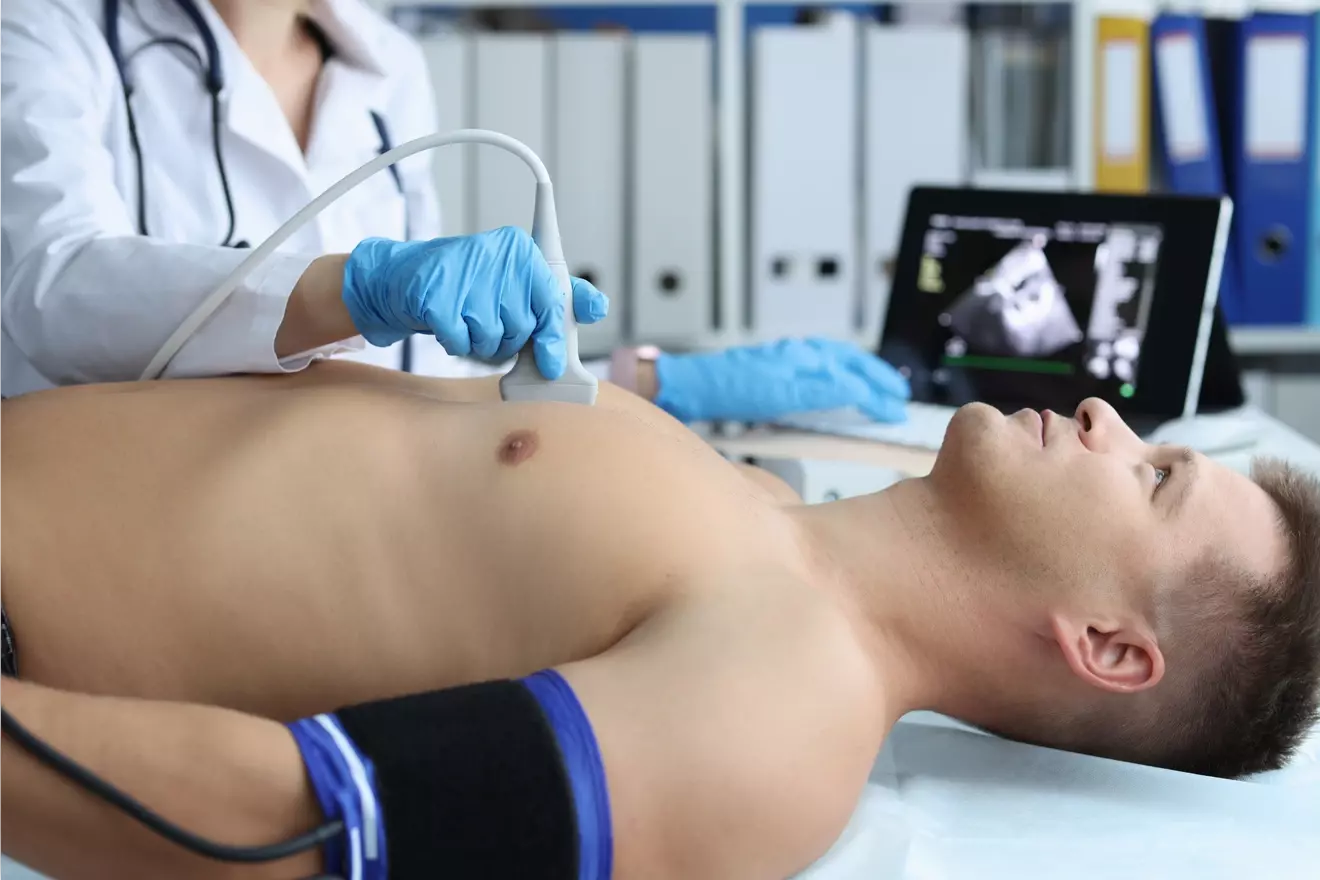
| Ultrasound | Non-invasive imaging using sound waves | Detects hernias and assesses surrounding tissue |
| CT Scan | Cross-sectional imaging using X-rays | Provides detailed images of hernia and surrounding structures |
| Barium Swallow | X-ray imaging after ingesting barium | Helps diagnose hernias affecting the upper digestive tract |
These studies help doctors understand the size and impact of the hernia on digestion.
Differentiating Hernia-Related Diarrhea from Other Causes
Diarrhea can have many causes, so it’s key to tell if it’s from a hernia or something else.
Doctors use several ways to figure this out:
- Endoscopy: to look inside the digestive tract
- Esophageal manometry: to check the esophagus’s function
- Stool tests: to find infections or inflammation
By using these methods, doctors can find out if a hernia is causing the symptoms.
Treatment Options for Hernias Causing Diarrhea
Hernias can cause diarrhea, and there are ways to manage it. Treatment options range from simple changes to surgery. The right choice depends on the hernia type, its size, and your health.
Conservative Management Approaches
For mild symptoms, simple changes might help. Eating more fiber and avoiding certain foods can help. Drinking plenty of water is also important.
Over-the-counter medications can help with diarrhea and pain. Making lifestyle changes, like losing weight, is also recommended. Avoiding heavy lifting is key to not making the hernia worse.
Surgical Repair Techniques
If simple changes don’t work, surgery might be needed. There are two main types: open repair and laparoscopic repair. The choice depends on the hernia and your health.
Laparoscopic surgery uses smaller cuts and might heal faster. But, the best surgery for you is decided by a doctor based on your needs.
Post-Treatment Expectations for Digestive Symptoms
After treatment, symptoms like diarrhea should get better. It’s important to follow your doctor’s instructions to heal right and avoid problems.
Some people might have ongoing or coming back symptoms. Regular check-ups with your doctor are key to keep an eye on things and solve any issues.
Conclusion: Managing Hernia-Related Digestive Symptoms
It’s key to know about the different hernias to handle their digestive symptoms. Hernias like inguinal, ventral, and umbilical can affect digestion in unique ways. Knowing the specifics of each hernia helps manage symptoms better.
Liv Hospital focuses on the best medical results. They stress the need for accurate diagnosis and treatment. This way, doctors can create plans that help reduce symptoms and improve health.
Handling hernia-related digestive issues needs a full plan. This plan should consider the hernia type and how severe it is. By understanding how hernias affect digestion, people can get the right care quickly. This helps lower the chance of serious problems.
FAQ
What kind of hernia is most likely to cause diarrhea?
Hernias in the lower left stomach area often cause diarrhea. Incarcerated and strangulated hernias can also lead to this symptom. They disrupt digestion, causing gastrointestinal issues.
Can a hernia cause diarrhea?
Yes, some hernias can lead to diarrhea. They can mess with how the intestines work. The type and severity of the hernia affect diarrhea risk.
How do hernias affect digestive health?
Hernias can mess with digestion by affecting the intestines. Incarcerated and strangulated hernias can cut off blood flow. This can cause digestive problems, including diarrhea.
What are the symptoms of a complicated inguinal hernia?
A complicated inguinal hernia can cause severe pain, nausea, vomiting, and diarrhea. If not treated, it can lead to serious issues like bowel obstruction or strangulation.
How are hernias diagnosed when they cause digestive symptoms?
Doctors use a physical exam, imaging like ultrasound or CT scans, and medical history to diagnose. These steps help figure out if a hernia is causing diarrhea.
What are the treatment options for hernias causing diarrhea?
Treatment includes diet changes, medication, and surgery. The best option depends on the hernia type, severity, and the patient’s health.
Can hiatal hernias cause diarrhea?
Yes, hiatal hernias can lead to diarrhea. They happen when the stomach bulges into the chest. This can cause heartburn, regurgitation, and diarrhea.
How can I stop a hiatal hernia attack?
Your doctor might suggest medication or surgery for attacks. Avoiding certain foods and elevating your bed can also help manage symptoms.
What are the different types of hernias?
There are many hernia types, like inguinal, ventral, umbilical, femoral, Spigelian, and hiatal. Each affects digestion differently.
Can a hernia cause chronic diarrhea?
Yes, hernias like incarcerated or strangulated can cause chronic diarrhea. Untreated, they can lead to ongoing digestive symptoms.
References
- Huttinger, R. (2023). Spigelian hernia. In StatPearls. National Library of Medicine. Retrieved from https://www.ncbi.nlm.nih.gov/books/NBK538290/