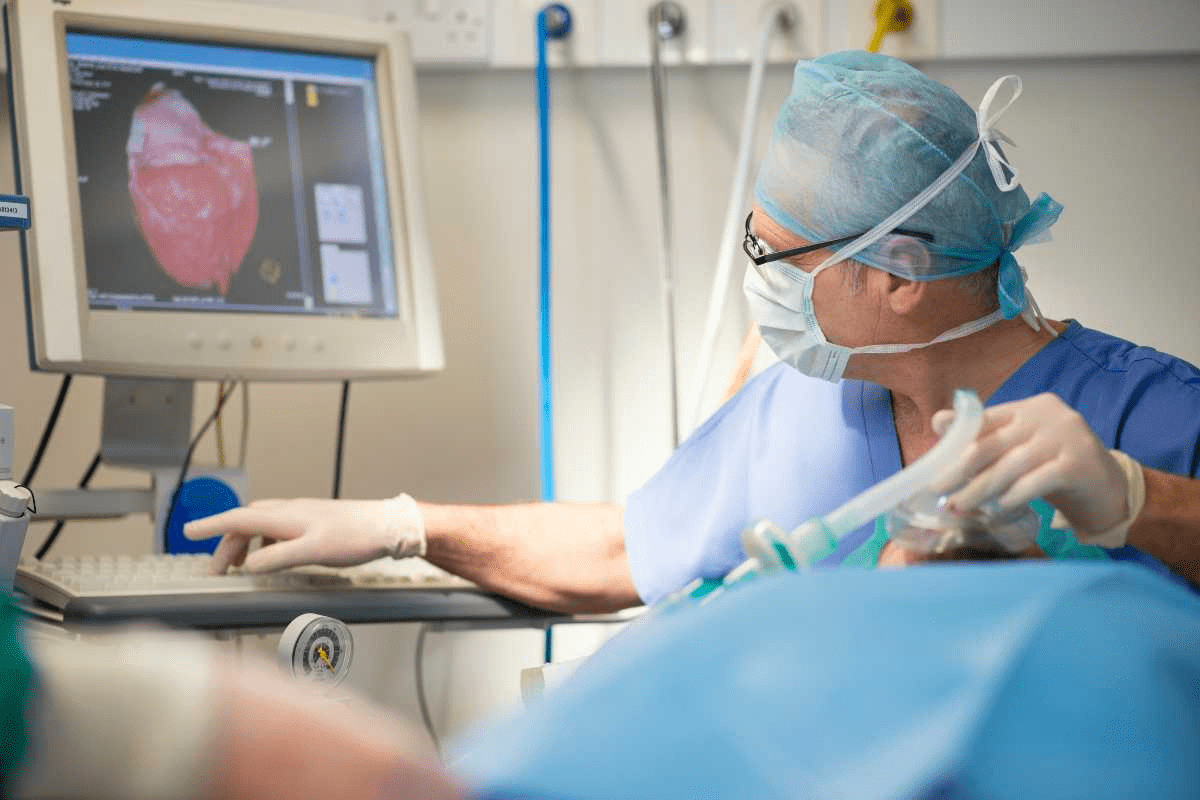
Last Updated on December 1, 2025 by Bilal Hasdemir
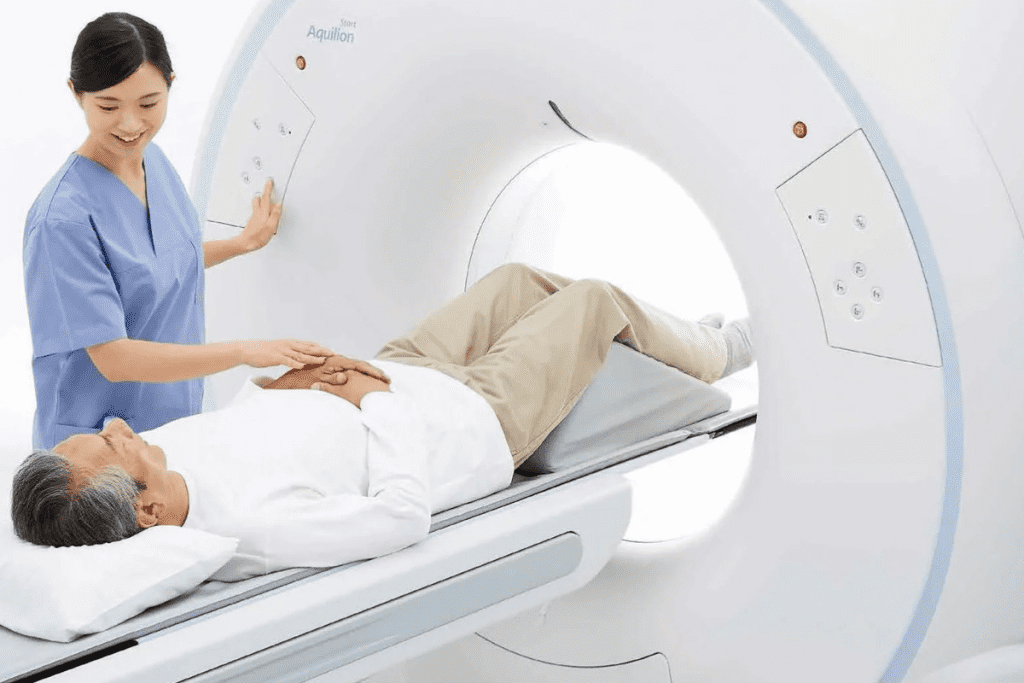
Inflammation is a common issue that affects millions globally, impacting quality of life. Diagnostic imaging is key in spotting and managing inflammation. Patients often ask, can a PET scan detect inflammation The answer is yes”PET scans are increasingly used to identify areas of inflammation in the body.
A PET (Positron Emission Tomography) scan is a non-invasive test that uses a radioactive tracer to measure the body’s metabolic activity. This makes it valuable not only for diagnosing and tracking conditions like cancer, neurological disorders, and heart disease, but also for detecting inflammation. By answering the question, can a PET scan detect inflammation, doctors can provide clearer diagnoses and more effective treatments for inflammatory conditions.
Key Takeaways
- PET scans can detect inflammation by visualizing metabolic activity in the body.
- The use of PET scans in inflammation detection is becoming increasingly important.
- PET scans are non-invasive and can help diagnose and manage various health conditions.
- Inflammation is a common condition that affects millions of people worldwide.
- Diagnostic imaging plays a critical role in identifying and managing inflammation.
Understanding PET Scan Technology
The PET scan process uses advanced technology to capture metabolic activity in the body. This is key for spotting various conditions, including inflammation.
What is a PET Scan?
A PET (Positron Emission Tomography) scan is a special imaging test. It shows how your tissues and organs work. It uses a radioactive drug, or tracer, to highlight activity.
PET scans are great for spotting metabolic changes in the body. These changes can signal different diseases.
How PET Scans Work
For a PET scan, a tiny amount of radioactive tracer is injected into your body. This tracer goes to areas with lots of chemical activity, like inflamed spots. The PET scan picks up the tracer, making images of where it’s found.
This lets doctors see metabolic activity and figure out conditions by how the tracer spreads.
Types of Radiotracers Used
There are many types of radiotracers for PET scans, each for different metabolic processes. The most used is FDG (Fluorodeoxyglucose). It goes to areas with lots of glucose, like inflamed tissues.
Other tracers are being made to target specific types of inflammation or diseases.
The Relationship Between PET Scans and Inflammation
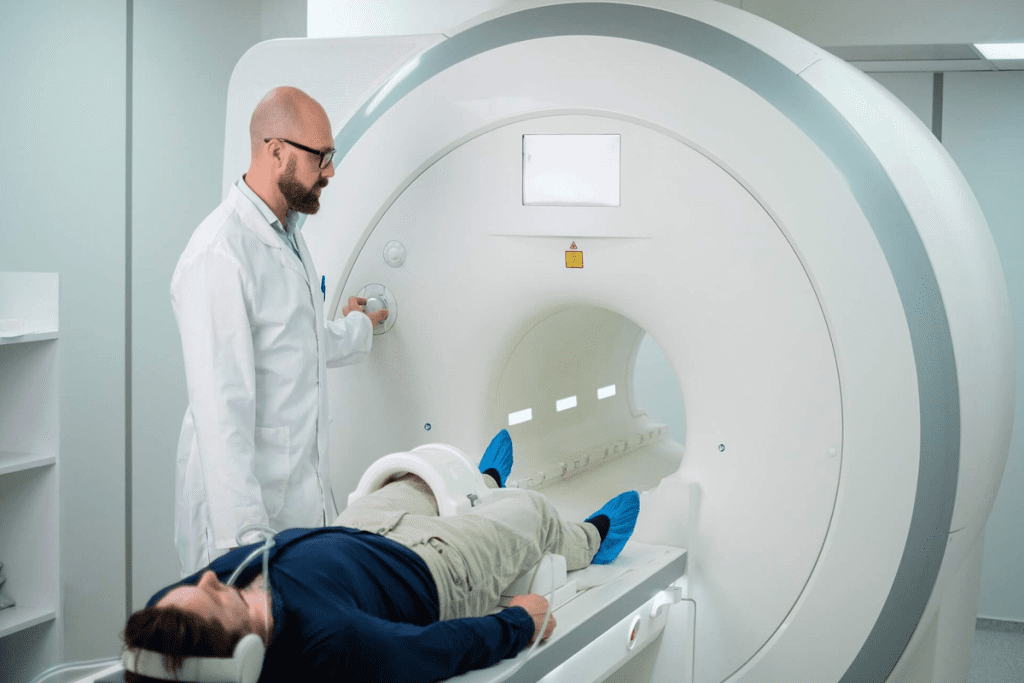
PET scans can spot inflammation by looking at metabolic activity. They use special tracers to see and measure different body processes. This includes inflammation.
Metabolic Activity and Inflammation
Inflammation makes cells work harder, which PET scans can see. They use certain tracers to find this activity. This is because immune cells need more energy and grow more when there’s inflammation.
The main tracer, FDG (Fluorodeoxyglucose), goes to places with lots of glucose. This includes active inflammatory cells. So, PET scans can show where inflammation is.
Cellular Processes Detected by PET
PET scans can find several signs of inflammation. These include:
- More glucose use by immune cells
- More cell growth
- More activity in certain immune cells
These signs show how the body reacts to injury or infection. PET scans can track these changes.
Inflammatory Markers Visible on PET
PET scans can show several signs of inflammation. These signs help doctors understand the inflammation better. They include:
- SUV (Standardized Uptake Value) measurements, which show how much tracer is taken up
- How the tracer spreads, which can point to certain inflammatory conditions
By looking at these signs, doctors can learn more about the inflammation.
Can a PET Scan Detect Inflammation?
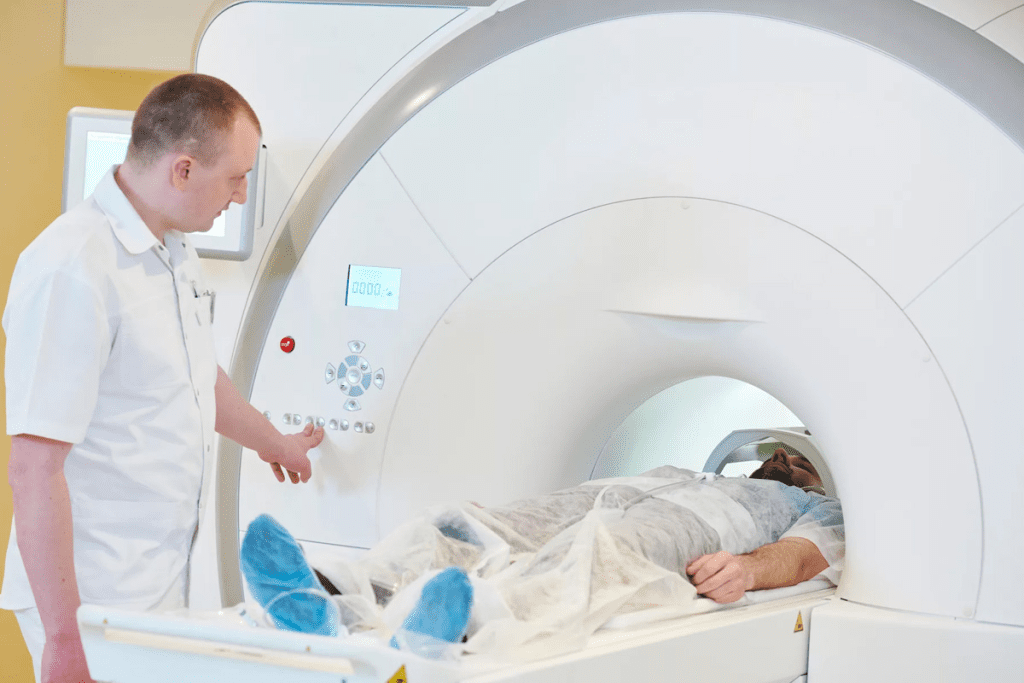
PET scans are useful for finding inflammation. They give clues about different inflammatory conditions. The question of whether a PET scan can detect inflammation is complex. It involves understanding both direct and indirect methods of detection.
Direct vs. Indirect Detection
PET scans mainly find inflammation indirectly. They show areas with high metabolic activity. The most used radiotracer, FDG (Fluorodeoxyglucose), goes to areas with lots of glucose, like inflamed tissues.
While PET scans don’t directly see inflammation, they give important info. They show the metabolic activity linked to inflammation.
Sensitivity and Specificity for Inflammatory Processes
The sensitivity and specificity of PET scans for inflammation vary. It depends on the condition being looked at. Studies show PET scans are good at finding inflammation, like in vasculitis and some infections.
But, the specificity can be lower. This is because FDG uptake is not specific to inflammation.
Comparison with Other Imaging Modalities
PET scans have unique benefits over other imaging methods. Unlike CT scans or MRI, which show anatomy, PET scans show tissue metabolism. This makes them great for spotting and tracking inflammatory diseases.
But, the right imaging method depends on the clinical situation. It also depends on what info is needed for patient care.
In conclusion, PET scans are a strong tool for finding and tracking inflammation. They offer insights that complement other imaging methods. Their ability to show tissue metabolism makes them very useful in checking various inflammatory conditions.
Specialized PET Tracers for Inflammation
Specialized PET tracers are key in finding and checking inflammation in the body. They have made PET scans better at spotting and tracking inflammation.
FDG (Fluorodeoxyglucose)
FDG is the top PET tracer for finding inflammation. It goes to places with lots of activity, which often means inflammation. FDG PET scans are now a main tool for diagnosing and tracking inflammatory diseases.
Newer Inflammation-Specific Tracers
New tracers have been made to focus more on inflammation. They aim at specific cells or molecules in inflammation. This gives more detailed info on the inflammation’s cause.
Research Developments in Tracer Technology
Research is always working to make tracer tech better. New tracers are being made to better target inflammation. This could mean earlier and more accurate diagnoses.
| Tracer Type | Target | Application |
| FDG | Metabolic Activity | General Inflammation Detection |
| Newer Tracers | Specific Inflammatory Cells/Molecules | Detailed Inflammatory Process Assessment |
Acute vs. Chronic Inflammation Detection
PET scans can tell the difference between acute and chronic inflammation. This is key for treating patients right. It helps doctors plan the best course of action.
PET Imaging of Acute Inflammatory Responses
Acute inflammation happens quickly, often due to infection or injury. PET scans spot this by showing where cells are working hard. FDG (Fluorodeoxyglucose) is used because it goes to areas with lots of glucose, showing inflammation.
Visualizing Chronic Inflammation
Chronic inflammation lasts a long time and is often seen in autoimmune diseases. PET scans can find it too, but the signs are not as strong. Special tracers help pinpoint chronic inflammation.
Distinguishing Between Inflammation Types
It’s hard to tell acute from chronic inflammation with PET scans because they both show high activity. But, the intensity and pattern of the tracer can give hints. Looking at PET scan data together with other images can make diagnosis more accurate.
| Inflammation Type | PET Scan Characteristics | Common Tracers Used |
| Acute Inflammation | High metabolic activity, intense tracer uptake | FDG |
| Chronic Inflammation | Lower grade metabolic activity, less intense tracer uptake | FDG, newer inflammation-specific tracers |
PET Scans for Autoimmune Disease Diagnosis
PET scans are now a key tool in diagnosing and managing autoimmune diseases. These diseases happen when the body’s immune system attacks its own tissues. PET scans can spot the metabolic activity linked to inflammation, helping to understand how severe the disease is.
Rheumatoid Arthritis
In rheumatoid arthritis, PET scans find active inflammation in joints. This info is key for deciding treatment and checking if it works. Fluorodeoxyglucose (FDG) PET scans are great because they show the increased glucose metabolism in inflammatory cells.
Lupus and Systemic Inflammation
Systemic lupus erythematosus (SLE) is a complex disease that can hit many organs. PET scans help see how much inflammation is in SLE patients. PET scans can also find hidden inflammation that doctors might miss.
Vasculitis Detection
Vasculitis is inflammation of blood vessels, which can be dangerous if not treated. PET scans are very good at finding vasculitis, mainly in big vessels. FDG PET scans can show the inflammation in vessel walls, helping catch it early.
PET scans give detailed info on inflammation, which is vital for diagnosing and managing autoimmune diseases. This info helps doctors create treatment plans that fit each patient’s needs. It improves outcomes and quality of life.
Inflammatory Bowel Disease and PET Imaging
PET imaging is a key tool in diagnosing and managing inflammatory bowel disease (IBD). IBD includes Crohn’s disease and ulcerative colitis. These conditions cause long-term inflammation in the gut.
Crohn’s Disease Assessment
Crohn’s disease can affect any part of the gut, from mouth to anus. PET scans show how much and where Crohn’s disease is by highlighting inflammation. The FDG (Fluorodeoxyglucose) tracer goes to active, inflamed areas.
Ulcerative Colitis Evaluation
Ulcerative colitis mainly hits the colon. PET imaging helps see how far it goes and how well treatments work. It spots inflammation, helping doctors manage the disease better.
Monitoring Treatment Response
PET scans track how treatments for IBD are working. By comparing before and after treatment scans, doctors can see if inflammation is going down. This helps them fine-tune treatment plans for better care.
In summary, PET imaging is vital for diagnosing and managing IBD. It helps doctors improve patient care by providing detailed insights.
PET Scans in Infectious Disease Diagnosis
PET scans are now a key tool in finding infections. They show where infections are and how big they are. This helps doctors spot infections that other tests can’t find.
Detecting Occult Infections
Occult infections are hard to find with regular tests. PET scans can spot these infections by showing where the body is working too hard, like in occult infections detected by PET.
Fever of Unknown Origin
Fever of Unknown Origin (FUO) means a person has a high fever but no clear cause. PET scans help find the cause of fever of unknown origin by showing infections or inflammation.
Sepsis and Systemic Infections
Sepsis is a serious condition where the body attacks itself because of an infection. PET scans can show how far sepsis has spread and help doctors treat sepsis detected by PET scan better.
| Diagnostic Modality | Sensitivity for Infections | Specificity for Infections |
| PET Scan | High | Moderate |
| CT Scan | Moderate | High |
| MRI | High for certain infections | High |
Neuroinflammation and PET Imaging
PET imaging has changed how we diagnose neurodegenerative diseases. It helps spot neuroinflammation, a complex brain process. Traditional methods can’t always catch it. PET scans show metabolic activity, making them key in this field.
Brain Inflammation Detection
PET imaging finds brain inflammation by showing active areas. This is great for spotting neuroinflammatory spots. Special tracers, like FDG (Fluorodeoxyglucose), help doctors see how widespread it is.
Neurodegenerative Diseases
PET scans are vital for diagnosing diseases like Alzheimer’s and Parkinson’s. They spot neuroinflammation, helping track disease progress and treatment effects.
Traumatic Brain Injury Assessment
PET imaging is also key for traumatic brain injuries. It finds inflammation and metabolic changes after a brain injury. This info guides treatment and predicts recovery.
In summary, PET imaging greatly improves our ability to detect neuroinflammation. It’s essential for diagnosing neurodegenerative diseases and assessing brain injuries. Its role in modern neurology is significant.
Cardiovascular Inflammation Assessment
Inflammation is a big part of heart diseases, and PET imaging helps find it. It’s linked to atherosclerosis, myocarditis, and inflammation after a heart attack.
Atherosclerosis Imaging
Atherosclerosis means plaque builds up in arteries, and inflammation makes it unstable. PET scans with special tracers can spot these inflamed plaques. This helps figure out heart disease risk.
Myocarditis Detection
Myocarditis is heart muscle inflammation, often from infection or autoimmune diseases. PET imaging shows active heart areas. This is key for early treatment.
Post-Infarction Inflammation
After a heart attack, inflammation helps with healing. PET scans track this inflammation. They give clues on how well the heart is healing and any possible problems.
PET scans are great for spotting and understanding heart inflammation. They help doctors make better treatment plans for heart patients.
- Key Benefits:
- Early detection of cardiovascular inflammation
- Assessment of disease severity
- Guidance for treatment decisions
Pulmonary Inflammation and PET Scans
PET scans are now a key tool for diagnosing lung inflammation. This inflammation can be caused by infections, autoimmune diseases, or environmental factors. It affects the lung tissue.
Pneumonia and Lung Infections
PET scans are great for spotting pneumonia and lung infections. They show where the infection is most active. This helps doctors decide how to treat it and check if it’s working.
Sarcoidosis Evaluation
Sarcoidosis causes granulomas in organs like the lungs. PET scans help see how far it has spread and if it’s active. They’re key in managing this condition.
Interstitial Lung Disease
ILD affects the lung’s interstitium. PET scans help find where inflammation and fibrosis are happening. This helps doctors figure out what type of ILD it is and how it’s changing.
PET scans are a big step forward in lung disease diagnosis and treatment. They give detailed info on the disease’s activity and spread. This helps doctors create better treatment plans.
PET/CT and PET/MRI Fusion for Enhanced Inflammation Detection
PET with CT or MRI has changed how we find inflammation. This mix of PET and CT or MRI gives us detailed views of inflammation. It helps us understand inflammation better.
Benefits of Hybrid Imaging
Hybrid imaging like PET/CT and PET/MRI has many benefits. Improved diagnostic accuracy is a key advantage. It lets us pinpoint and understand inflammatory lesions more clearly.
The benefits of hybrid imaging include:
- Enhanced diagnostic confidence
- Better differentiation between inflammatory and non-inflammatory processes
- More accurate assessment of disease extent and severity
Anatomical and Functional Correlation
PET/CT and PET/MRI link metabolic activity with body structures. This link is key to understanding inflammation. For example, in vasculitis, PET/CT shows active areas in vessel walls. These can be matched with CT’s anatomical views.
Clinical Applications of Fusion Imaging
PET/CT and PET/MRI have many uses in finding inflammation. These include:
- Diagnosis and monitoring of inflammatory bowel disease
- Assessment of vasculitis and other large vessel inflammatory diseases
- Evaluation of sarcoidosis and other granulomatous diseases
PET/CT and PET/MRI fusion imaging gives us a deeper look at inflammation. This helps improve patient care and outcomes.
Limitations of PET Scans in Inflammation Detection
PET scans have their challenges when it comes to detecting inflammation. They are useful for diagnosing and monitoring inflammatory conditions. Yet, they are not flawless.
False Positives and Negatives
PET scans can sometimes give false readings. False positives can wrongly identify non-inflammatory conditions as inflammatory. On the other hand, false negatives can miss actual inflammatory conditions.
- Several factors can lead to these false results:
- Technical problems during the scan
- Patient factors like blood sugar levels
- Errors in interpreting the scans by radiologists
Radiation Exposure Concerns
PET scans expose patients to small amounts of radiation. The dose is usually considered safe. But, there are worries about long-term risks, mainly for younger patients and those needing many scans.
Radiation exposure is a big concern. It affects whether PET scans are right for certain patients.
Cost and Accessibility Issues
PET scans can be very expensive. Their availability also varies a lot. Cost and accessibility are big hurdles to using PET scans for detecting inflammation.
In summary, PET scans are a valuable tool but knowing their limits is key for accurate diagnosis and care.
Patient Preparation for Inflammation-Focused PET Scans
To get the most out of your PET scan for inflammation, proper preparation is key.
Pre-Scan Instructions
Before your PET scan, you’ll get specific instructions. You’ll need to arrive early to register and complete paperwork. Wear comfortable clothes and avoid metal items.
Dietary and Medication Considerations
Dietary restrictions are common before a PET scan. You might need to fast or follow a special diet. Tell your doctor about any medications you’re taking. Some might need to be adjusted or stopped before the scan.
What to Expect During the Procedure
During the PET scan, you’ll lie on a table that slides into a scanner. The process is painless and can last from 30 minutes to several hours.
| Preparation Step | Description |
| Pre-Scan Instructions | Arrive early, wear comfortable clothing, avoid metal |
| Dietary Considerations | Follow specific diet, possibly fast before scan |
| Medication Considerations | Inform doctor about medications, adjust as necessary |
Interpreting PET Scan Results for Inflammatory Conditions
Understanding PET scan results for inflammatory conditions is key. It involves looking at the imaging data and the patient’s overall health. PET scans show how active the body’s cells are, which can point to inflammation.
Understanding SUV Values
The Standardized Uptake Value (SUV) is important in PET scans. It measures how much the radiotracer is taken up in certain areas. This helps doctors tell if something is normal or if it might be inflammatory or cancerous.
Higher SUV values mean more activity, which can show up in inflammation.
Pattern Recognition in Inflammatory Diseases
Recognizing patterns is essential in PET scans for inflammatory diseases. Certain patterns of uptake can point to specific conditions. For example, widespread uptake might mean a body-wide inflammation, while focused uptake could show a single area of inflammation.
Integration with Clinical Findings
Getting the most from PET scan results also means looking at the patient’s health history and symptoms. This information, along with the scan data, helps doctors make better decisions. They can then diagnose and treat more effectively.
Conclusion
PET scans are now a key tool for finding inflammation in the body. They use special tracers to spot areas where cells are working hard, which often means there’s inflammation.
This skill of PET scans is very important for diagnosing and treating many diseases. It helps doctors find the right treatment and keep track of how a disease is changing.
In short, PET scans are a powerful tool for understanding inflammation. As science moves forward, they will likely play an even bigger role in helping doctors care for patients with inflammatory diseases.
Looking at PET scans, we see their big role in medicine. They help doctors diagnose and manage diseases like autoimmune and heart problems. Knowing how PET scans work helps doctors give better care to their patients.
FAQ
Can a PET scan detect inflammation in the body?
Yes, PET scans can find inflammation by seeing metabolic activity linked to it.
What type of inflammation can be detected using a PET scan?
PET scans can spot both sudden and long-term inflammation. They can also find various inflammatory conditions, like autoimmune diseases and infections.
How does a PET scan work to detect inflammation?
PET scans use radiotracers, like FDG, to see metabolic activity. This helps find areas of inflammation.
What are the benefits of using PET/CT or PET/MRI fusion imaging for detecting inflammation?
PET/CT and PET/MRI fusion imaging give both body structure and function details. This helps better spot and understand inflammatory processes.
Are there any limitations to using PET scans for detecting inflammation?
Yes, PET scans have some downsides. These include the chance of false positives and negatives, worries about radiation, and cost and access issues.
How do I prepare for a PET scan to detect inflammation?
To get ready for a PET scan, follow specific instructions before the scan. You might need to change your diet and medications. Also, know what to expect during the procedure.
Can PET scans be used to monitor treatment response in inflammatory conditions?
Yes, PET scans can check disease activity and see how treatments work in inflammatory conditions. This includes inflammatory bowel disease.
What is the role of PET scans in diagnosing autoimmune diseases?
PET scans help find and measure inflammation in autoimmune diseases. This includes conditions like rheumatoid arthritis, lupus, and vasculitis.
Can PET scans detect neuroinflammation?
Yes, PET scans can spot neuroinflammation. This is linked to neurodegenerative diseases and brain injuries.
How are PET scan results interpreted for inflammatory conditions?
To understand PET scan results, look at SUV values and patterns in inflammatory diseases. Also, combine PET findings with clinical information.
Can PET scans detect cardiovascular inflammation?
Yes, PET scans can check for heart inflammation. This includes seeing atherosclerosis, detecting myocarditis, and looking at post-infarction inflammation.
Are PET scans useful for detecting pulmonary inflammation?
Yes, PET scans can find lung inflammation. This includes spotting pneumonia, sarcoidosis, and interstitial lung disease.
Can PET scans detect infectious diseases?
Yes, PET scans can find hidden infections. They can also check for unknown fever, sepsis, and systemic infections.
References
- Pijl, J. P., Saraste, A., et al. (2021). Limitations and pitfalls of FDG-PET/CT in infection and inflammation. Seminars in Nuclear Medicine, 51(1), 46“54. https://www.sciencedirect.com/science/article/pii/S0001299821000404
- Wu, C., & Nerad, J. (2013). PET imaging of inflammation biomarkers. Nuclear Medicine and Biology, 40(7), 872“879. https://pmc.ncbi.nlm.nih.gov/articles/PMC3706689/
- Vass, L., et al. (2020). Advances in PET to assess pulmonary inflammation. European Journal of Radiology, 132, 109312. https://www.ejradiology.com/article/S0720-048X(20)30371-5/fulltext
- Albano, D., & others. (2025). Emerging PET radiopharmaceuticals in cardiovascular, neuro, and pulmonary inflammation. European Journal of Hybrid Imaging, 9, Article 263. https://ejhi.springeropen.com/articles/10.1186/s41824-025-00263-7