Last Updated on November 27, 2025 by Bilal Hasdemir
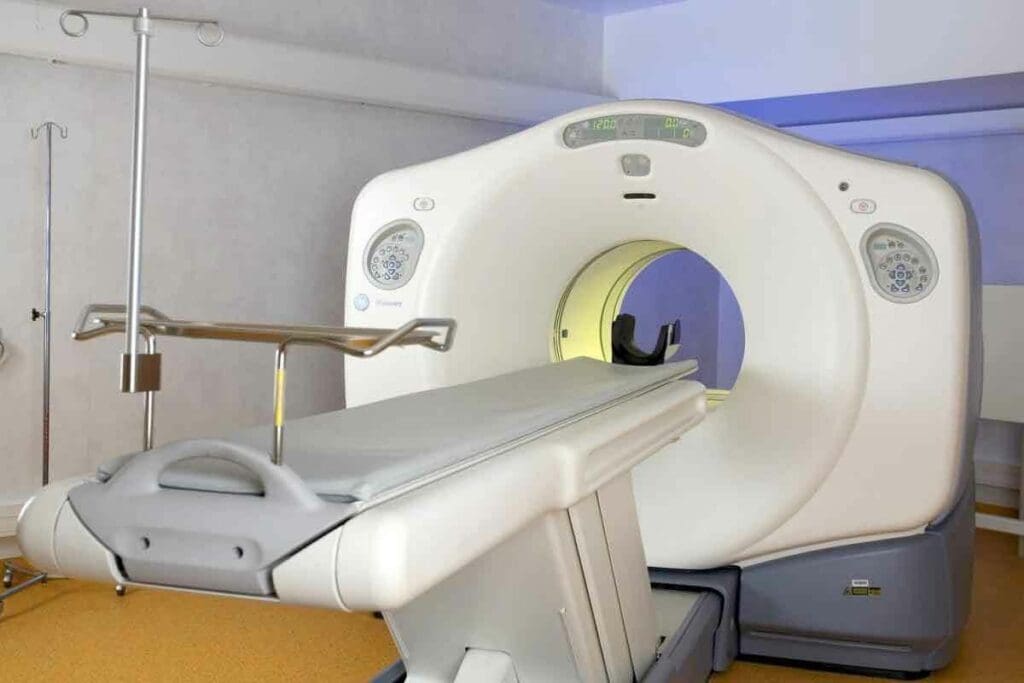
Choosing the right tool for cancer detection is key. PET scans are known for their accuracy and dependability.Learn how accurate PET scans are for detecting cancer and can a pet scan miss cancer.
At Liv Hospital, patients get the latest in imaging tech. This ensures every diagnosis is precise and trusted. A PET scan uses a radioactive drug to highlight active cells. Cancer cells appear as bright spots because they use energy faster than normal cells.
Key Takeaways
- PET scans are widely used in cancer detection, with annual global utilization reaching millions of procedures.
- Liv Hospital integrates the latest PET-CT technology to optimize cancer detection.
- The accuracy of PET scans varies with the type of cancer and how it’s combined with other tests.
- Certain types of cancer, such as low-grade lymphomas, may be missed by PET scans.
- False-positive results can occur due to various conditions, including infections and post-operative surgical conditions.
Understanding PET Scans and Their Role in Cancer Detection
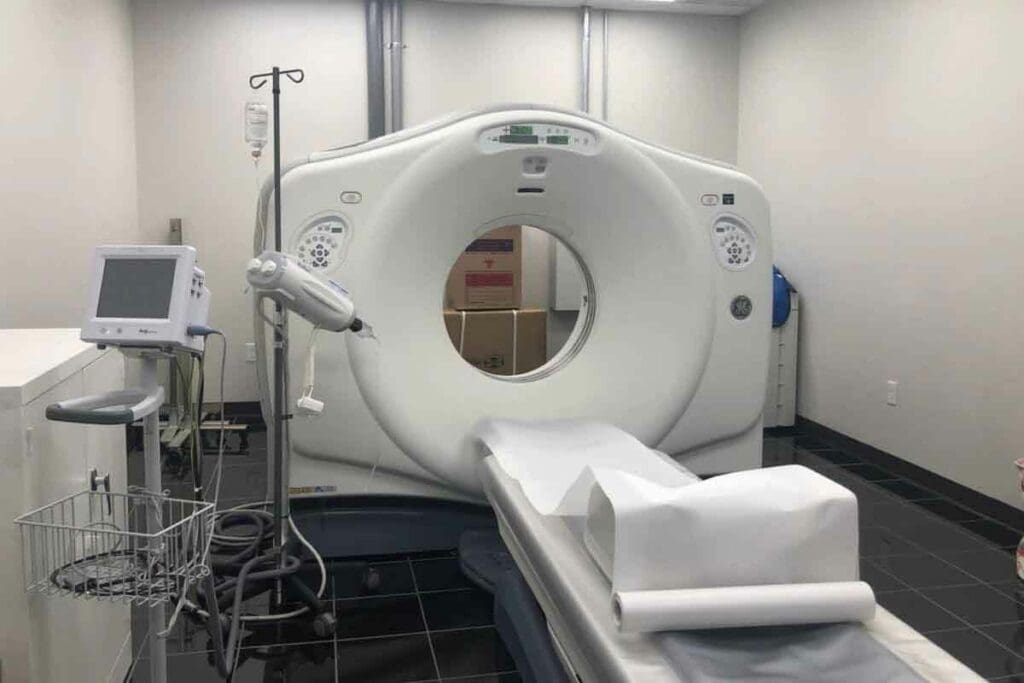
Learning about PET scans is key to understanding their role in fighting cancer. PET scans, or Positron Emission Tomography scans, are a game-changer in cancer detection.
What Is a PET Scan and How Does It Work?
A PET scan is a test that uses a special sugar molecule to find cancer. This sugar molecule is injected into your blood. It goes to areas where cells are growing fast, like cancer cells.
The PET scanner picks up signals from this sugar molecule. It makes detailed pictures of how your body works. Doctors use these pictures to spot cancer.
The Science Behind Cancer Detection with PET
PET scans work by spotting changes in how your body uses energy. Cancer cells use more energy than normal cells. This makes them show up on PET scans.
This info is key to finding and understanding cancer. Doctors can see how far cancer has spread. They can also check if treatments are working.
Global Utilization and Importance in Oncology
PET scans are a big deal in fighting cancer all over the world. They help doctors see how tumors work. This is great for finding cancer, checking if treatments are working, and watching for cancer to come back.
| Region | Number of PET Scans (Annual) | Cancer Detection Rate |
| North America | 1,500,000 | 85% |
| Europe | 1,200,000 | 82% |
| Asia-Pacific | 900,000 | 80% |
The use of PET scans worldwide shows how important they are in cancer care. As technology gets better, PET scans will keep being a big help in finding and treating cancer.
PET Scan Accuracy Rates: What the Statistics Show

Knowing how accurate PET scans are is key for doctors and patients dealing with cancer. PET scans are vital in cancer care, showing how tumors work. The stats on PET scan accuracy give us a clear picture of their reliability in finding cancer.
Sensitivity Rates Explained
PET scans are very good at finding cancer, with accuracy rates between 85-100%. Sensitivity is about correctly identifying those with the disease. This means most cancer cases are found correctly. For example, a 90% sensitivity rate means 90 out of 100 cancer patients are diagnosed correctly.
The high sensitivity of PET scans is great for catching tumors early. This is important for early diagnosis and tracking how treatments work. But, sensitivity can change based on the cancer type and the scan technology used.
Specificity Rates and Their Meaning
Specificity is another important measure for PET scans. Specificity is about correctly identifying those without the disease. PET scans usually have specificity rates between 80-90%. This means 80-90% of people without cancer are correctly told they don’t have it.
A high specificity is important to avoid false positives. False positives can cause unnecessary worry, extra tests, and wrong treatments. Finding the right balance between sensitivity and specificity is key to accurate cancer detection with PET scans.
How Digital PET-CT Technology Improves Detection
Digital PET-CT technology has made PET scans even more accurate. Digital PET-CT combines PET’s functional info with CT’s anatomical details, giving a clearer view of tumors. This tech has boosted both sensitivity and specificity in cancer detection.
New digital PET-CT scanners have better image quality and can spot small tumors. This is a big plus for catching cancers early, when they’re easier to treat. Digital PET-CT technology is key to better patient results by improving image quality and reducing false negatives.
Can a PET Scan Miss Cancer? Understanding the Limitations
PET scans are great for finding cancer, but they’re not perfect. It’s important to know their strengths and weaknesses. These scans, like any tool, have their own limits.
One big limit is how well they can spot tumors. The size of a tumor matters a lot. Small tumors might not show up because the scanner’s resolution isn’t high enough.
Size Matters: Detection Thresholds for Tumors
PET scans have a minimum size for detecting tumors. This size is usually around 5-8 mm. But it can change based on the scanner and where the tumor is in the body.
| Tumor Size (mm) | Detection Likelihood |
| <5 | Low |
| 5-8 | Moderate |
| >8 | High |
The table shows that tumors under 5 mm are harder to find. This is why PET scans might miss small tumors.
Types of Cancer That May Evade Detection
Some cancers are hard to spot with PET scans. This is because they don’t use much glucose or grow slowly. For example, some prostate cancers might not show up well.
“The sensitivity of PET scans can vary significantly depending on the type of cancer being evaluated. Tumors with low FDG uptake, such as certain prostate cancers, may be more challenging to detect.”
This means we have to think about the cancer type when we look at the PET scan results.
What a Negative PET Scan Really Means
A negative PET scan doesn’t always mean there’s no cancer. It just means the scan didn’t find any big changes in the areas checked. But, it doesn’t mean cancer is definitely not there.
PET scans are very useful, but they have their limits. Knowing these limits helps us understand what the results mean. This is important for deciding what to do next or how to treat the cancer.
When Doctors Recommend PET Scans in the Cancer Journey
The cancer journey is complex, and PET scans are a valuable tool. Doctors use them to inform treatment decisions at different stages. Knowing when PET scans are recommended can help patients navigate their cancer care more effectively.
Initial Diagnosis and Staging
At the start of cancer diagnosis, PET scans are often recommended. They help identify how far the cancer has spread in the body. This process, known as staging, is critical for determining the right treatment plan. PET scans provide functional information about the cancer, showing how active the cancer cells are. This is as important as knowing their location.
During initial diagnosis and staging, PET scans can help doctors:
- Identify the primary tumor and its metabolic activity
- Detect possible spread to lymph nodes or distant organs
- Guide biopsy decisions to ensure the most relevant tissue is sampled
Treatment Response Monitoring
Once treatment starts, PET scans are used to see how well the cancer is responding. This is key for treatments like chemotherapy and radiation therapy. By evaluating changes in metabolic activity, doctors can tell if the cancer is responding to treatment. This is before significant changes in tumor size occur.
Surveillance and Recurrence Detection
After treatment ends, PET scans play a role in surveillance for recurrence. Regular scans can help detect cancer recurrence early. This is when it is more likely to be treatable. This is important for cancers that have a high risk of recurrence.
Surveillance with PET scans offers several benefits, including:
- Early detection of recurrence, potentially improving outcomes
- Monitoring for new cancers or metastases
- Providing peace of mind for patients through regular assessment
By understanding the role of PET scans at different stages of the cancer journey, patients can better appreciate their value in care.
PET Scan Accuracy by Cancer Type
PET scans work differently for each type of cancer. It’s important to know how well they work for each one. They help doctors see how tumors grow by showing where they are active. But, they don’t work the same for every cancer.
Lung Cancer: High Sensitivity Detection
PET scans are great at finding lung cancer early. They spot tumors by showing where they are most active. Studies show they can find lung cancer very well, often over 90% of the time. This is very helpful for diagnosing and planning treatment for lung cancer.
Key benefits of PET scans in lung cancer detection include:
- High sensitivity in detecting malignant nodules
- Accurate staging of the disease
- Guiding treatment decisions
Colorectal Cancer: Effectiveness and Limitations
PET scans are useful for colorectal cancer, mainly for finding cancer that has come back or spread. But, they might not find small tumors or those that don’t use much energy.
The limitations of PET scans in colorectal cancer include:
- Reduced sensitivity for small or mucinous tumors
- Difficulty in distinguishing between malignant and inflammatory processes
Lymphoma and Blood Cancers: Superior Detection
PET scans are very good at finding and managing lymphoma and blood cancers. They can spot where the disease is and how well treatment is working.
Advantages of PET scans in lymphoma include:
- Accurate staging and restaging
- Monitoring treatment response
- Detecting early signs of relapse
Breast and Prostate Cancer: Detection Challenges
PET scans can be used for breast and prostate cancer, but they have their challenges. They might not find all types of breast cancer well. And, they can struggle to find prostate cancer early.
Challenges in using PET scans for breast and prostate cancer include:
- Variable uptake of FDG in different tumor subtypes
- Limited sensitivity for small or low-grade tumors
It’s key to understand how PET scans work for different cancers. This helps doctors make better plans for treatment and diagnosis.
Interpreting PET Scan “Hot Spots”: Not Always Cancer
When we look at PET scans, we see “hot spots” that aren’t always cancer. These spots show up because of a tracer called FDG. But they can mean different things, not just cancer.
Common Causes of Increased FDG Uptake
There are many reasons for “hot spots” on PET scans, not just cancer. Some reasons include:
- Inflammation or infection
- Recent surgery or injury
- Certain types of benign tumors
- Normal physiological processes
For example, inflammation or infection can make cells use more glucose. This is because the body is fighting off the infection, using more glucose in the process.
How Doctors Distinguish Cancer from Inflammation
Doctors use their expertise to tell if a “hot spot” is cancer or something else. They look at the patient’s history, symptoms, and other tests. They also use advanced imaging like PET-CT or PET-MRI for more details.
They check the shape and intensity of the FDG uptake. Cancer usually has a more irregular and intense uptake than inflammation or infection.
| Cause | Characteristics | Additional Diagnostic Steps |
| Cancer | Irregular shape, high intensity uptake | Biopsy, further imaging |
| Inflammation/Infection | Often diffuse, moderate uptake | Clinical correlation, antibiotics trial |
| Benign Tumors | Varying uptake, often well-defined | Further imaging, biopsy if needed |
When Additional Testing Is Necessary
If a PET scan shows a “hot spot,” more tests might be needed. This could include:
- Further imaging studies, such as MRI or CT scans
- Biopsy to examine the tissue directly
- Clinical correlation with the patient’s symptoms and medical history
- Repeat the ET scan after a period of time to assess changes
We know more tests can be stressful. But they’re key to making sure we get the right diagnosis and treatment plan.
Factors That Affect PET Scan Reliability
PET scans are used to find cancer. But their accuracy can change based on several factors. Knowing these helps us see what PET scans can and can’t do.
Patient Preparation and Blood Glucose Levels
Getting ready for a PET scan is key. Blood sugar levels matter a lot. If blood sugar is too high, it can mess up the scan’s results.
Patients usually fast before the scan. This keeps their blood sugar right. People with diabetes might need to change their medicine or insulin.
Timing of Scans After Treatment
When a scan is done after treatment matters too. Scans too soon after treatment might not show everything. This is because of inflammation or changes from treatment.
Doctors usually wait a bit before doing a scan. This helps get more accurate results.
Equipment Quality and Technologist Expertise
The PET scanner’s quality and the tech’s skill are important. Newer scanners give clearer images. Techs with lots of experience do the scan right.
This reduces mistakes and makes sure the images are good to look at.
Radiologist Experience in Interpretation
The radiologist’s skill is also key. Someone with lots of experience can spot cancer better. They can see small changes that might mean cancer is back or has spread.
Knowing how PET scans work helps doctors use them better. This means patients get the right diagnosis and treatment.
How PET Scans Compare to Other Cancer Detection Methods
It’s important to know how PET scans differ from other imaging methods for cancer diagnosis and treatment. We’ll look at how PET scans compare to CT and MRI scans. We’ll also see the benefits of using them together.
PET vs. CT: Functional vs. Anatomical Imaging
PET scans show how active the body’s cells are, while CT scans give detailed pictures of the body’s structure. “PET scans are great for finding cancer because they show active cells,” says a Medical expert, a top oncologist. This means PET scans can spot cancer early, even when it hasn’t changed the body much.
But CT scans are better for detailed body pictures. These are key to knowing how far cancer has spread and for planning surgery. Using both PET and CT scans together, called PET-CT imaging, gives a full view of the body’s activity and structure.
PET vs. MRI: Different Strengths in Cancer Detection
MRI scans give clear pictures of soft tissues, like the brain and spine. They’re great for finding cancers in these areas. But, RI doesn’t show cell activity like PET scans do.
“MRI is best for brain tumors because it shows the tumor’s size and where it is,” says a Medical expert, a leading radiologist. PET scans, on the other hand, are better for finding cancer that has spread all over the body.
The Power of Combined PET-CT Imaging
Combined PET-CT imaging is a game-changer for cancer diagnosis. It shows both how active cells are and the body’s structure in one scan. This helps doctors stage cancer more accurately and plan treatments better.
This method improves diagnosis, finds cancer spread better, and guides treatments more precisely. “Combined PET-CT has greatly helped us manage cancer better,” says a Medical expert.
When Other Tests Are Preferred Over PET
Even though PET scans are valuable, other tests are sometimes better. For some cancers or in certain places, MRI or CT scans might be better.
Choosing the right test depends on the cancer type, where it is, and the patient’s health. “A team of doctors, including oncologists and radiologists, should decide the best imaging for each patient,” advises a medical consultant.
In summary, knowing the strengths and limits of different imaging tests is key to managing cancer well. By picking the right test or tests, doctors can make better diagnoses and plans for treatment.
Technological Advancements Improving PET Scan Accuracy
Advances in PET scanning technology are changing how we detect and treat cancer. New technologies are making PET scans more accurate and reliable. This is a big step forward in medical imaging.
Beyond FDG: New Cancer-Specific Tracers
New tracers are being developed to target specific cancer cells. These tracers go beyond the traditional Fluorodeoxyglucose (FDG). For example, Fluorothymidine (FLT) helps assess cell growth, showing how aggressive tumors are.
These advanced tracers help doctors understand tumors better. This leads to more tailored treatment plans. As research grows, we’ll see more tracers, making PET scans even better.
Artificial Intelligence in Image Interpretation
Artificial Intelligence (AI) is now helping interpret PET scan images. AI can spot patterns and anomalies that humans might miss. This is a huge leap in cancer detection.
AI makes PET scan interpretations more accurate. It also cuts down on false positives. Plus, AI helps ensure diagnoses are consistent across different places.
Next-Generation PET Scanners and Resolution
New PET scanners are also key to better accuracy. They produce clearer images, spotting smaller tumors and tracking their spread. Time-of-flight (TOF) PET and digital PET are leading this innovation.
These scanners help doctors make more precise diagnoses. They also let us monitor how well treatments are working. This means we can adjust care plans as needed.
In summary, new tracers, AI, and next-generation scanners are making PET scans more accurate. These advancements will lead to better patient care and outcomes in cancer treatment.
Conclusion: Balancing PET Scan Benefits and Limitations in Cancer Care
PET scans have changed how we diagnose and treat cancer. They are very accurate in finding different types of cancer. But it’s important to know their limits for the best care. At Liv Hospital, we use the newest PET-CT technology and expert analysis for detailed cancer plans.
Research shows that PET scans are very good at finding cancer. For example, FDG-PET/CT helps change treatment plans for 20%–30% of lung cancer patients. This is backed by studies on PubMed Central. Even though PET scans are accurate, they’re not perfect. Things like tumor size and type can affect how well they work.
We aim to give each patient the care they need by understanding PET scans’ strengths and weaknesses. Our goal is to use advanced technology like PET-CT for the most accurate diagnoses and treatment plans. We keep up with the latest in cancer care to help our patients get better.
FAQ
How accurate are PET scans for detecting cancer?
PET scans are very accurate, with sensitivity rates of 85-100% and specificity rates of 80-90%. They are great for finding different types of cancer, thanks to digital PET-CT technology.
Can a PET scan miss cancer?
Yes, PET scans can miss cancer. This is more likely if tumors are small or if certain cancers don’t take up the tracer well. Some cancers might not be detected at all.
What does a negative PET scan result mean?
A negative PET scan means no cancer was found at the time of the scan. But, it doesn’t mean cancer can’t be there. Small tumors or certain cancers might not show up.
Are PET scans reliable for all types of cancer?
PET scans work well for many cancers, like lung, lymphoma, and colorectal cancer. But their accuracy can vary. Some cancers, like breast and prostate, can be harder to detect.
What are “hot spots” on a PET scan, and do they always mean cancer?
“Hot spots” on a PET scan show areas with more tracer uptake. They can mean cancer, but not always. Inflammation, infection, or other conditions can also cause them. Doctors look at more information to figure out what they mean.
How do doctors distinguish between cancer and inflammation on a PET scan?
Doctors look at the tracer uptake pattern, the patient’s history, and other imaging findings. They might need more tests to confirm if it’s cancer or inflammation.
What factors affect the reliability of PET scans?
Several things can affect how reliable PET scans are. These include how well the patient is prepared, blood sugar levels, when the scan is done after treatment, the quality of the equipment, and the skill of the technologist and radiologist.
How do PET scans compare to CT and MRI scans in cancer detection?
PET scans show how cancer cells work, while CT scans show their location. MRI scans are good for soft tissue and some cancers. PET-CT combines both, making it more accurate for diagnosis.
Are there any new advancements improving PET scan accuracy?
Yes, new tracers, artificial intelligence, and next-generation scanners are making PET scans better. They improve accuracy and detail.
Can PET scans be used for monitoring treatment response?
Yes, PET scans are great for checking how well treatment is working. They show changes in cancer metabolism, helping doctors adjust treatment plans.
Are PET scans used for surveillance and recurrence detection?
Yes, PET scans are used to watch for cancer coming back. They’re helpful, even when other tests can’t find it.
References
- Griffeth, L. K. (2005). Use of PET/CT scanning in cancer patients: technical and practical considerations. Radiographics, 25(1), 135-154. https://pmc.ncbi.nlm.nih.gov/articles/PMC1255942/