Last Updated on November 27, 2025 by Ugurkan Demir

Many people with sinus infections wonder if their body aches and chills are symptoms. They often feel nasal congestion and facial pressure.
At Liv Hospital, we know that sinus infections can cause body aches and chills. This happens when the immune system fights the infection.
It’s important to understand this connection. This helps us know when to seek medical help. Our focus is on diagnosing and treating patients based on solid evidence.
Can a sinus infection cause body aches? Yes, severe inflammation and infection often lead to systemic symptoms like muscle aches.
Key Takeaways
- Sinus infections can lead to systemic symptoms like body aches and chills.
- The body’s inflammatory response to the infection is a primary cause.
- Recognizing these symptoms is vital for timely medical intervention.
- Liv Hospital offers a full diagnosis and treatment for sinus infections.
- Our approach is patient-centered and evidence-based.
Understanding Sinus Infections: The Basics

It’s important to know the basics of sinus infections to spot their signs and get the right treatment. Sinus infections, or sinusitis, are common and affect many people.
What Is Sinusitis?
Sinusitis is when the sinuses, air-filled spaces in the bones of the face, get inflamed or infected. This usually happens because of viruses or bacteria. The inflammation can block mucus, causing nasal stuffiness, facial pain, and headaches.
In some cases, it can also lead to body aches and chills. These symptoms can be quite uncomfortable.
Prevalence of Sinus Infections in America
Sinus infections are more common than you might think. About 31 million Americans get diagnosed with sinusitis every year. This makes it a big health issue in the U.S., affecting many people’s lives.
The reasons for this high number include:
- Viral and bacterial infections
- Allergies
- Environmental factors like pollution
- Anatomical issues, such as nasal polyps or a deviated septum
Knowing these causes can help prevent and manage sinusitis.
The Immune Response to Sinus Infections

The immune system fights sinus infections in a complex way. It uses cells and chemicals that can make us feel achy and cold. When a germ gets into the sinuses, our body starts to defend itself.
This defense involves many immune cells and chemicals. The inflammatory process is a double-edged sword. It helps get rid of the infection but can also cause pain and discomfort.
How Your Body Fights Infection
When a sinus infection happens, our immune system makes more white blood cells. These cells are key in fighting off the germs. They release cytokines, which help coordinate the immune response.
- Cytokines help activate immune cells.
- They also make more cytokines, boosting the immune response.
- This chain of events can cause symptoms like body aches.
The Inflammatory Process
The inflammatory process is key in fighting sinus infections. It makes blood vessels wider, letting more immune cells get to the infection site.
The increased blood flow and vessel permeability cause signs of inflammation: redness, swelling, and pain. This process also releases chemicals like prostaglandins and bradykinin, which add to the pain and discomfort.
- The inflammatory response helps fight and get rid of the infection.
- But it can also cause body aches and chills.
- Controlling the inflammatory response is important to ease these symptoms.
Understanding how our immune system reacts to sinus infections and the role of inflammation is key. It helps us find better ways to treat the pain and discomfort caused by sinus infections.
Can a Sinus Infection Cause Body Aches?
To understand if sinus infections can cause body aches, we need to look at how our body reacts to infections. Sinus infections, or sinusitis, make our body fight back, which can lead to body aches among other symptoms.
The Connection Between Sinusitis and Muscle Pain
Sinusitis is known for causing nasal congestion, facial pain, and headaches. But, the body’s fight against the infection can also cause muscle pain and body aches. This happens because of inflammation and pain caused by proteins called cytokines.
Many people with sinus infections also experience body aches. The immune response is not just in the sinuses; it can affect the whole body. This leads to symptoms all over, not just where the infection is.
Research Findings on Systemic Symptoms
Research shows that body aches are common with sinus infections. The proteins released during the immune response can cause fatigue, fever, and muscle pain. While body aches are not the main symptom of sinusitis, they can happen as part of the body’s response to infection.
Body aches can sometimes make it hard to diagnose sinusitis. They can also be symptoms of other conditions. But, when combined with other symptoms like nasal discharge and facial pain, body aches are important to consider.
Understanding the connection between sinus infections and body aches helps in managing symptoms and getting the right treatment. Recognizing that sinusitis can cause systemic symptoms allows healthcare providers to offer better care.
Why Chills Occur During Sinus Infections
Sinus infections often cause chills. This happens because our body’s immune system is fighting off the infection. Knowing why we get chills can help us understand how our body defends itself.
Fever and Temperature Regulation
Fever is common with sinus infections. It’s linked to chills. When our body finds an infection, it raises its temperature to fight it off. This can make our temperature go up to 103°F.
The body’s temperature control is complex. It involves the hypothalamus and cytokines. When an infection is found, cytokines are released. They make the hypothalamus raise the body’s temperature.
The Role of Cytokines in Causing Chills
Cytokines are key in our immune response. They are proteins that fight off pathogens. Cytokines can cause fever by affecting the hypothalamus. They also make us feel chills as our body adjusts to the new temperature.
To understand the link between fever, chills, and sinus infections, let’s look at the typical temperatures and symptoms.
Temperature Range (°F) | Common Symptoms | Body’s Response |
100 – 101 | Mild chills, headache | Initial immune response |
101 – 102 | Moderate chills, body aches | Increased cytokine release |
102 – 103 | Severe chills, fatigue | Heightened immune activity |
In conclusion, chills during sinus infections are mainly due to our immune response. This includes cytokine release and fever. Understanding this can help us manage symptoms and appreciate our body’s fight against infection.
Common Symptoms of Sinus Infections
Knowing the signs of sinus infections is important for treatment. Sinus infections, or sinusitis, show different symptoms in various ways. These symptoms can affect people differently.
Primary Sinus Symptoms
The main symptoms of sinus infections involve the nasal passages and sinuses. These include nasal congestion, facial pressure, and headaches. Nasal congestion happens when the nasal tissues swell and produce more mucus, making it hard to breathe through the nose.
Facial pressure and pain come from pus or fluid buildup in the sinuses. This can be felt in the cheeks, forehead, or around the eyes. Sinus headaches can be mild or severe and worsen when leaning forward or lying down.
Systemic Symptoms Including Body Aches
Sinus infections can also cause body-wide symptoms. One common symptom is body aches. The body’s fight against the infection can lead to muscle pain and tiredness. This is why many people with sinus infections feel tired and have body aches.
Other systemic symptoms include fever and chills. Fever shows the body is fighting an infection. Chills happen when the body temperature goes up and down.
Fever Patterns in Sinus Infections
Fever patterns in sinus infections vary. Some people have a low-grade fever, while others have a higher temperature. Fever is often accompanied by chills, sweating, and feeling generally unwell.
It’s important to watch the fever and other symptoms to decide on the best treatment. If symptoms get worse or don’t get better with treatment, you should see a doctor.
Types of Sinus Infections and Their Symptoms
Sinusitis, or sinus infection, includes several conditions with varying severity and duration. Knowing these differences is key to finding the right treatment.
Acute Sinusitis
Acute sinusitis is a short-term inflammation of the sinuses, lasting up to four weeks. It’s often caused by a viral infection, but can also be bacterial. Symptoms include nasal congestion, facial pain, and thick nasal discharge.
In some cases, acute sinusitis can cause body aches and chills, similar to other respiratory infections.
Chronic Sinusitis
Chronic sinusitis is a long-standing inflammation lasting months or even years. It’s marked by recurring or persistent symptoms like nasal congestion, loss of smell, and facial pressure. Chronic sinusitis can significantly impact quality of life, causing fatigue and discomfort that can be debilitating.
Viral vs. Bacterial Infections
Sinus infections can be caused by either viral or bacterial pathogens. Viral sinusitis is more common and usually gets better with supportive care. Bacterial sinusitis, though, may need antibiotic treatment.
Distinguishing between the two can be tricky. But symptoms such as persistent thick nasal discharge and facial pain may indicate a bacterial infection.
Knowing if a sinus infection is viral or bacterial is vital for the right treatment. While both can cause body aches, fever and symptom duration help tell them apart.
Dehydration and Muscle Discomfort in Sinusitis
Dehydration often happens with sinus infections and makes muscle pain worse. When we get a sinus infection, our body loses more fluids. This is because of fever, sweating, and nasal discharge.
It’s key to know how dehydration affects muscles and pain. Dehydration can make muscles cramp, weaken, and feel sore. This makes the pain from a sinus infection even harder to bear.
How Sinus Infections Lead to Dehydration
Sinus infections can cause dehydration in a few ways. The increased nasal discharge from sinusitis leads to a lot of fluid loss. Also, fever makes us sweat more, losing even more fluids.
When we have a sinus infection, we might not want to drink much. This is because of a sore throat, nasal congestion, or feeling unwell. Not drinking enough, combined with losing more fluids, can quickly lead to dehydration.
The Impact on Muscle Function and Pain
Dehydration greatly affects muscle function and pain. When we lose too much fluid, our muscles can cramp, spasm, and hurt. Even a little dehydration can make muscles very uncomfortable. This makes having a sinus infection even more painful.
“Dehydration can make the symptoms of sinusitis, like muscle aches and body pain, worse. It creates a cycle of discomfort.”
To ease muscle discomfort from sinus infections, we need to drink lots of fluids. This includes water, clear broths, or drinks with electrolytes. Knowing how sinus infections, dehydration, and muscle pain are linked helps us manage our symptoms better and feel better faster.
Diagnosing Sinus Infections with Body Aches
To diagnose sinus infections with body aches, a detailed medical check-up is needed. We’ll look at how to diagnose sinusitis and tell it apart from other conditions with similar symptoms.
Medical Evaluation Process
The first step in diagnosing sinus infections is a detailed medical history and physical exam. We check the patient’s symptoms, like how bad the body aches are. We also look for signs of sinusitis, such as nasal congestion and facial pain.
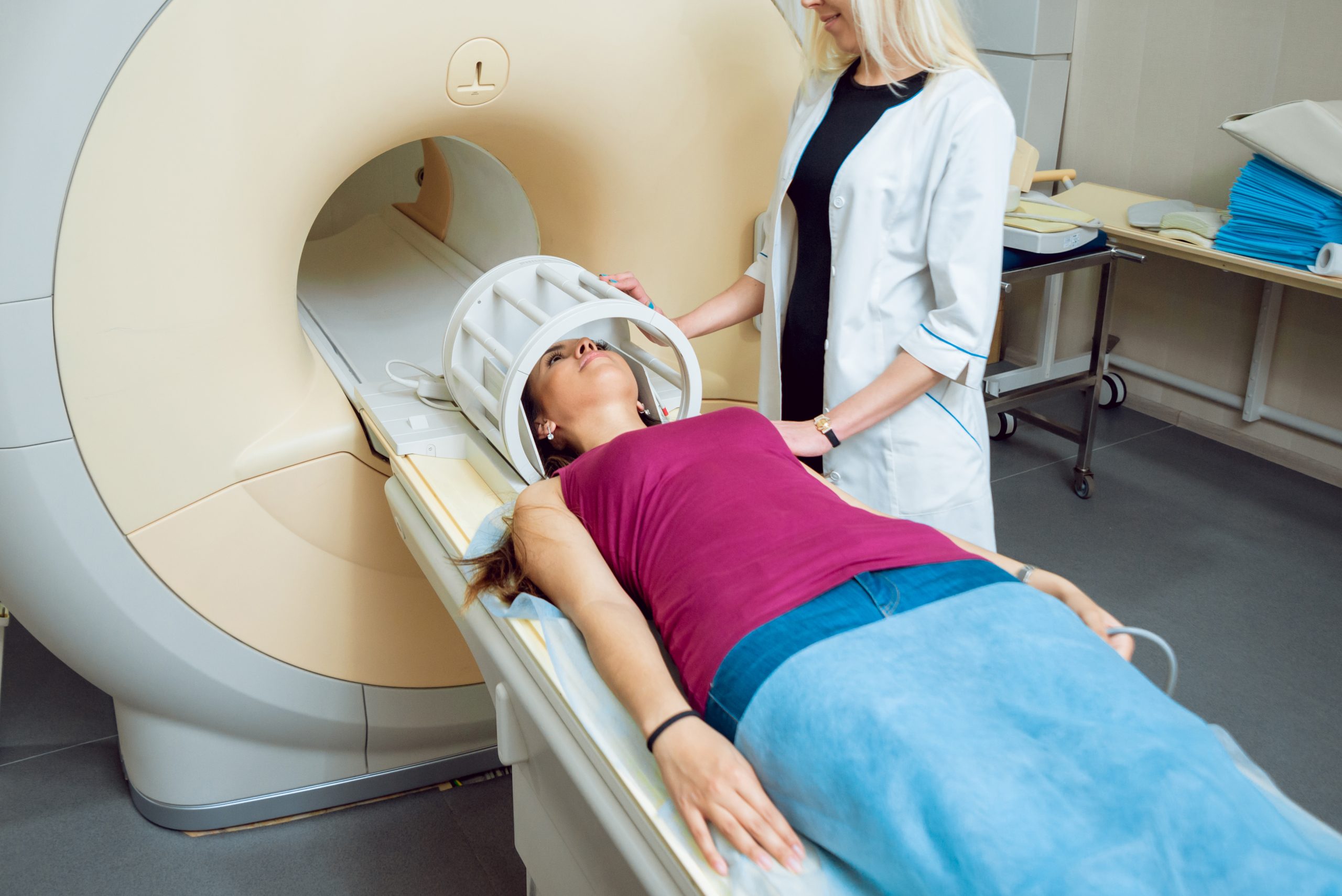
Imaging tests like CT scans might be needed to confirm the diagnosis. These tests help us see the sinuses and find any problems.
Differentiating from Other Conditions
It’s important to tell sinusitis apart from other conditions that might cause similar symptoms. This includes the flu or other respiratory infections.
Accurate diagnosis is key for effective treatment. Knowing the cause of symptoms helps us create a treatment plan that targets the sinus infection and body aches.
Treatment Options for Sinus Infections
Managing sinus infections requires a mix of treatments. These help ease symptoms like body aches and chills. The goal is to treat the infection and manage symptoms.
Over-the-Counter Medications
Over-the-counter (OTC) meds are key in fighting sinus infection symptoms. Decongestants like pseudoephedrine reduce nasal stuffiness. This makes breathing easier. Expectorants thin mucus, making it easier to cough up.
Pain relievers like acetaminophen or ibuprofen help with headaches and body aches. These meds are vital in managing pain from sinus infections.
- Pseudoephedrine (decongestant)
- Guaifenesin (expectorant)
- Acetaminophen (pain reliever)
- Ibuprofen (pain reliever)
Prescription Treatments
When OTC meds don’t work, or if it’s a bacterial infection, prescription treatments are needed. Antibiotics fight bacterial infections. Corticosteroids may be used to reduce swelling.
“Antibiotics are effective against bacterial sinus infections, but their use should be judicious to avoid resistance.”
– American Academy of Allergy, Asthma, and Immunology
Managing Body Aches and Chills
Body aches and chills can be very uncomfortable. Staying hydrated is key. It helps thin mucus and keeps the body strong.
Rest is also important. It helps the body fight off the infection. Over-the-counter pain relievers like ibuprofen can ease body aches and lower fever.
In conclusion, treating sinus infections requires a mix of treatments. This includes OTC meds, prescription treatments, and self-care for symptoms like body aches and chills. Knowing the treatment options helps patients work with their doctors to find the best plan.
Home Remedies for Sinus Infections and Body Aches
When sinus infections hit, they bring a bunch of uncomfortable symptoms, like body aches. It’s key to manage these symptoms well to feel better and recover. We’ll look at some home remedies that can ease both sinus infection symptoms and body aches.
Hydration and Rest
Drinking lots of water is vital when you have a sinus infection. It makes mucus thinner, making it easier to get rid of and easing sinus pressure. Staying hydrated also boosts your immune system, which can lessen body aches.
Rest is also critical. Your body needs more energy to fight off the infection. Getting enough rest helps your body fight the infection better, which can shorten and lessen body aches.
Hydration Method | Benefits |
Drinking water | Thins out mucus, supports immune function |
Herbal teas | Soothes throat, provides antioxidants |
Clear broths | Eases congestion, provides essential salts |
Steam and Saline Treatments
Steam inhalation is a simple yet effective way to ease sinus congestion. It helps loosen mucus and reduces sinus pressure. Adding eucalyptus oil to the steam can make it even more beneficial because of its decongestant properties.
Saline nasal sprays or rinses can also offer a lot of relief. They moisturize the nasal passages and sinuses, helping with drainage and reducing inflammation. Using them regularly can help ease sinus pressure and body aches.
Natural Pain Relief Methods
For body aches from sinus infections, there are several natural ways to find relief. Gentle stretching and warm compresses can help ease muscle tension and pain. You can also use over-the-counter pain relievers like acetaminophen or ibuprofen, but make sure to follow the dosage instructions.
Some people find relief in alternative therapies like acupuncture or aromatherapy. These methods can help reduce stress and promote relaxation, which can ease body ache discomfort.
Pain Relief Method | Benefits |
Gentle stretching | Reduces muscle tension, improves flexibility |
Warm compresses | Eases muscle pain, promotes relaxation |
Aromatherapy | Reduces stress, promotes well-being |
When to See a Doctor for Sinus Symptoms
Knowing when to see a doctor for sinus symptoms is key to avoiding serious issues. Sinus infections can cause severe symptoms that need medical help. If your symptoms don’t get better or get worse, it’s time to seek medical advice.
Warning Signs That Require Medical Attention
There are warning signs that mean you should see a doctor for your sinus symptoms. These include:
- Severe headache or facial pain that doesn’t get better with over-the-counter pain meds.
- High fever that lasts more than a few days, which might mean a bacterial infection.
- Thick, discolored nasal discharge, a sign of a bacterial sinus infection.
- Difficulty breathing or shortness of breath, which can happen if the infection reaches the lungs or causes a lot of nasal congestion.
- Confusion or disorientation, a sign of a severe infection that has reached the brain.
If you or someone you know has these symptoms, it’s important to get medical help right away.
Complications of Untreated Sinus Infections
Not treating sinus infections can lead to serious complications. These include:
- Chronic sinusitis, a condition where the sinuses stay inflamed or infected for a long time, causing long-term damage.
- Meningitis, a potentially life-threatening infection that happens when the sinus infection spreads to the membranes around the brain and spinal cord.
- Osteomyelitis, an infection of the bone, which can happen if the sinus infection spreads to the facial bones.
- Cavernous sinus thrombosis, a rare but serious condition where a blood clot forms in the cavernous sinus, potentially leading to stroke or other neurological problems.
Knowing about these complications shows why it’s important to get medical help if your sinus symptoms don’t get better or get worse.
Conclusion
We’ve looked into how sinus infections can lead to body aches. The body’s fight against sinusitis can cause pain and discomfort. It’s key to treat sinus infections well to avoid these symptoms.
Body aches from sinus infections are common. Our body’s immune response to a sinus infection causes inflammation. This inflammation can lead to muscle pain and discomfort. Knowing this helps us find the right treatment to ease our pain.
It’s important to understand the link between sinus infections and body aches. By treating the infection and using the right treatments, we can lessen both symptoms. This approach helps us recover faster and feel better overall.
FAQ
Can a sinus infection cause body aches and chills?
Yes, sinus infections can lead to body aches and chills. This happens because the immune system fights the infection. It causes inflammation and releases chemicals that make muscles hurt and raise your temperature.
Do you get body aches with a sinus infection?
Yes, body aches are common with sinus infections. They come from the body’s fight against the infection, causing inflammation and pain.
Can sinusitis cause body aches?
Yes, sinusitis can cause body aches. The immune system’s response to the infection leads to the release of chemicals. These chemicals cause muscle pain.
Why do I feel chills with a sinus infection?
Chills with a sinus infection often come from fever. The infection affects how the body regulates temperature. It also releases chemicals that can make you feel cold.
Can a sinus infection cause body pain?
Yes, sinus infections can cause body pain. This includes muscle and joint pain. It’s because of the infection’s effects on the body and the inflammation it causes.
What are the symptoms of a sinus infection with body aches?
Symptoms include sinus pressure, congestion, and headache. You might also cough, have a sore throat, and feel body aches, chills, and fever.
How do you treat body aches caused by a sinus infection?
Treatments include over-the-counter pain relievers and staying hydrated. Resting and using steam inhalation or saline nasal sprays can also help with sinus symptoms.
When should I see a doctor for sinus symptoms?
See a doctor if you have severe symptoms like high fever, severe headache, or facial pain. Also, if your symptoms don’t get better or get worse over time.
Can dehydration make sinus infection symptoms worse?
Yes, dehydration can make sinus infection symptoms worse. It makes mucus thicker, making it harder for the body to clear the infection.
Are sinus infections contagious?
Sinus infections can be contagious if they’re caused by a virus or bacteria. But it’s not the infection itself that’s contagious. It’s the pathogen that can spread to others.
References
- World Health Organization. (n.d.). Influenza (Seasonal). Retrieved from [https://www.who.int/news-room/fact-sheets/detail/influenza-(seasonal