Last Updated on December 1, 2025 by Bilal Hasdemir
Depression affects millions of people worldwide, and diagnosing it can be challenging. Recent research suggests that advanced imaging, like SPECT scans, may help. Many patients ask, “can a SPECT scan show depression? While a SPECT scan cannot diagnose depression on its own, it can reveal patterns of blood flow and brain activity linked to the condition. often use these insights alongside evaluations to support a more accurate diagnosis.
Knowing the spect scan duration and spect scan time is key for both patients and . A standard SPECT scan procedure time can be from 15 minutes to several hours. This depends on the scan’s specific needs.
Key Takeaways
- A brain scan can help diagnose depression.
- SPECT scan duration varies depending on the procedure.
- Understanding spect scan time is essential for patients.
- A SPECT scan can take anywhere from 15 minutes to several hours.
- Brain scan depression diagnosis is becoming increasingly accurate.
The Science Behind Brain Imaging and Depression
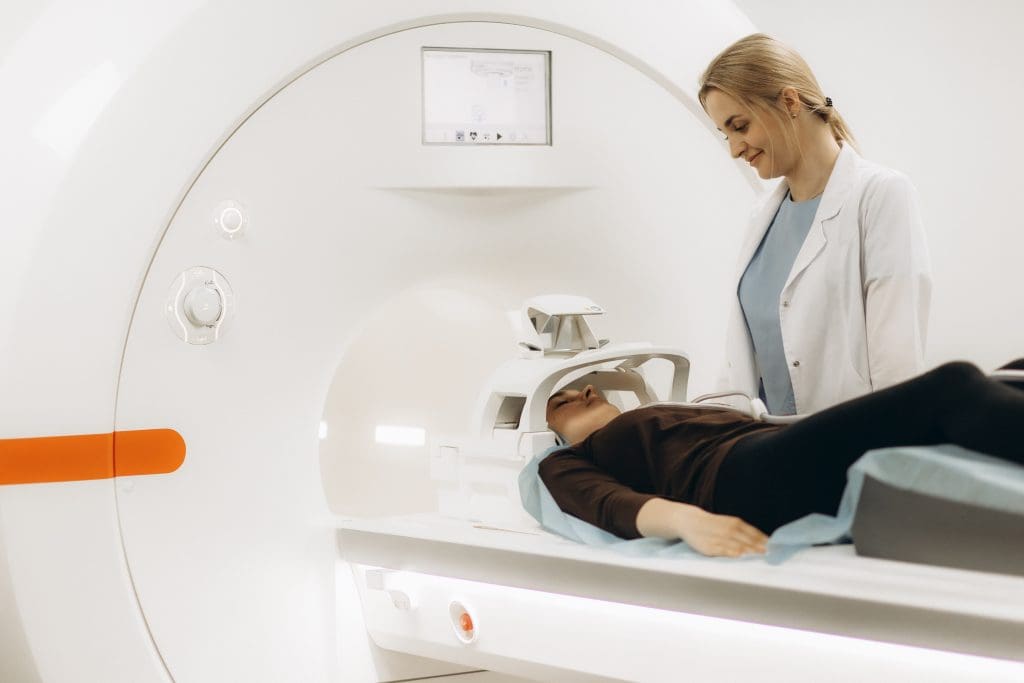
Recent advancements in brain imaging have greatly improved our understanding of depression’s effects on brain activity patterns. This progress is key to creating better diagnostic tools and treatment plans for those with depression.
Depression is a complex mental health disorder affecting millions globally. Knowing its neurobiological basis is crucial for better diagnosis and treatment. Brain imaging, especially SPECT scans, is vital in this effort.
Neurobiological Basis of Depression
Depression changes brain areas that control mood, emotions, and thinking. Studies show that people with depression have abnormal activity in areas like the prefrontal cortex and limbic system.
The neurobiological basis of depression involves neurotransmitters, brain regions, and neural circuits. Understanding these is key to seeing how depression impacts the brain.
| Brain Region | Function | Activity in Depression |
| Prefrontal Cortex | Decision-making, Emotional Regulation | Often shows decreased activity |
| Limbic System | Emotional Response, Motivation | Typically exhibits increased activity |
| Hippocampus | Memory Formation, Mood Regulation | May show reduced volume and activity |
How Brain Activity Patterns Reflect Mental Health
Brain activity patterns offer insights into mental health. In depression, specific patterns can show the disorder’s severity and type.
Healthcare professionals use imaging like SPECT scans to understand a patient’s condition. This knowledge is crucial for creating tailored treatment plans.
The time needed for a SPECT scan is important in diagnosis. The scan itself takes a certain time, but preparation, radiotracer injection, and waiting periods add to the total time.
What is a SPECT Scan and How Does It Work?
A SPECT scan is a detailed imaging method used in nuclear medicine. It shows how different parts of the body, especially the brain, work. This is done by using a small amount of radioactive material.
To get how SPECT scans work, we need to know their definition and basic principles. It’s a type of imaging that uses a tiny bit of radioactive tracer. This tracer is injected into the patient’s blood.
Definition and Basic Principles
The main idea behind SPECT scanning is that the tracer builds up in areas based on blood flow and activity. For brain imaging, this means we can see where things are happening more or less.
The SPECT scanner catches the gamma rays from the tracer. It uses a camera that moves around the patient. This lets it take pictures from different sides, creating a 3D image.
Radiotracer Function in Neural Imaging
The radiotracer function is key in neural imaging. It affects how good and accurate the SPECT scan is. For brain scans, technetium-99m based compounds like Tc-99m HMPAO and Tc-99m ECD are often used.
These compounds are picked because they can get into the brain and show where blood is flowing. The type of radiotracer used changes what the scan can show.
| Radiotracer | Characteristics | Application in Brain SPECT |
| Tc-99m HMPAO | Crosses blood-brain barrier, retained in brain tissue | Ideal for assessing regional cerebral blood flow |
| Tc-99m ECD | High uptake in brain, stable in vivo | Used for evaluating cerebral perfusion and function |
Knowing about radiotracers and SPECT scanning is important. It helps us understand how it’s used to diagnose and treat brain conditions, like depression.
SPECT Scan Duration and Time Requirements
When thinking about a SPECT scan for depression, knowing the time it takes is key. The scan’s length is important for both patients and . It affects when and how to schedule the scan.
Overview of the Complete SPECT Process
The SPECT process has several steps. First, patients get ready by removing metal and wearing a hospital gown. Then, they lie on a table that slides into the SPECT scanner. This device takes pictures of the brain’s activity.
The whole process, from getting ready to scanning, usually takes a few hours. But, the exact time can change for different reasons.
Factors Affecting Total Procedure Time
Several things can change how long a SPECT scan takes. These include:
- The specific protocol used by the healthcare facility
- The patient’s condition and ability to stay still during the scan
- The type of SPECT scanner used
Knowing these factors helps patients prepare better for their scan.
| Procedure Component | Typical Time Required |
| Preparation | 30 minutes |
| Radiotracer Uptake Time | 30-60 minutes |
| Actual Scanning Time | 15-30 minutes |
| Total Time | 1-2.5 hours |
The table shows a general idea of the time needed for each part of the SPECT scan. Remember, these times can change based on the scan’s specific details.
Pre-Scan Preparation Time for SPECT Imaging
To get the best results from a SPECT scan, patients must follow certain steps before the scan. This preparation is key to getting accurate and reliable images.
Patient Screening and Medical History Review
Before the SPECT scan, a detailed patient screening and medical history review happen. This checks the patient’s health, including any medical conditions, allergies, and past surgeries. The healthcare team looks at the patient’s history to spot any risks or factors that might affect the scan.
Key factors assessed during patient screening include:
- Existing medical conditions (e.g., diabetes, kidney disease)
- Allergies to medications or contrast agents
- Previous surgeries or implants (e.g., pacemakers, metal prosthetics)
- Current medications and supplements
Medication and Dietary Restrictions Timing
Patients might need to follow specific rules about their medications and diet before the scan. These rules help make sure the scan results are accurate and safe.
Common restrictions include:
- Fasting or avoiding certain foods and beverages
- Temporarily stopping certain medications
- Avoiding caffeine and nicotine
The exact timing of these restrictions depends on the scan’s needs and the patient’s situation. A detailed plan is usually given to the patient ahead of time.
| Preparation Step | Timing | Responsibility |
| Patient Screening | 1-2 days before scan | Healthcare Provider |
| Medical History Review | 1-2 days before scan | Healthcare Provider |
| Dietary Restrictions | 24 hours before scan | Patient |
| Medication Adjustments | As directed by healthcare provider | Patient |
SPECT Scan Injection Process and Waiting Period
The journey to understand brain function starts with a SPECT scan injection. This step is key to capturing detailed images of brain activity.
Radiotracer Administration Procedure
The radiotracer administration happens through a vein in the arm. It’s quick and usually painless. The radiotracer is drawn to active brain areas, showing how different parts of the brain work.
Required Uptake Time Before Imaging
After the radiotracer is given, there’s a waiting period. This lets the tracer absorb into the brain. The uptake time varies by radiotracer and facility. Patients often wait 30 minutes to several hours before the scan.
| Radiotracer Type | Typical Uptake Time | Imaging Duration |
| Tc-99m HMPAO | 30 minutes – 1 hour | 15-30 minutes |
| Tc-99m ECD | 45 minutes – 1.5 hours | 15-30 minutes |
Knowing the SPECT scan injection process and waiting period helps patients prepare. It lets them manage their time and feel less anxious about the procedure.
Actual SPECT Scan Imaging Duration
The time it takes for a SPECT scan depends on a few important things. These include how the camera moves, how long it takes to get images, and how the patient is positioned.
The SPECT scan imaging duration usually lasts between 15 to 30 minutes. This can change based on the scan type and the specific steps involved.
Camera Rotation and Image Acquisition Time
The camera’s rotation is a key part of the SPECT scan. It moves around the patient, taking pictures from different angles. This whole process takes about 15-20 minutes.
During this time, the camera captures a bunch of images. These images are then turned into a 3D picture of the brain’s activity.
The image acquisition time can be affected by a few things. These include the radiotracer’s activity, the camera’s sensitivity, and the imaging protocol. The system is set up to catch the gamma rays from the radiotracer. This ensures the images are of the best quality.
Patient Positioning Requirements
Getting the patient in the right position is very important for SPECT scans. Patients lie on their backs on the scanning table. Their head is kept still using a headrest or other device.
The technologist makes sure the patient’s brain is in the camera’s view. This careful positioning helps avoid mistakes and makes sure the images are clear.
Total SPECT Scan Appointment Length
A SPECT scan appointment has several stages. Each stage adds to the total time needed. Patients should plan to spend a lot of time at the facility.
Typical Time Commitment for Patients
The time for a SPECT scan can vary. But usually, patients need about 2 to 4 hours. This includes getting ready, the radiotracer injection, waiting, and the scan itself.
It’s not just the scan. It’s about getting ready and making sure the results are right.
Facility and Equipment Variations
The time for a SPECT scan can change based on the facility and equipment. Some places use newer, faster SPECT scanners. This can make the scan shorter.
Newer SPECT systems with better detectors can cut down scanning times. “SPECT technology has improved, making scans faster and more accurate,” a Journal of Nuclear Medicine study found.
Knowing these differences helps patients prepare better. It also sets the right expectations for how long they’ll be there.
Post-Procedure Recovery and Radiation Clearance Time
The time after a SPECT scan is key for patient safety and managing side effects. Right after the scan, patients are watched closely for any immediate issues.
Immediate Post-Scan Monitoring
Right after the scan, watch for any signs of discomfort or bad reactions to the radiotracer. This usually lasts 15 to 30 minutes. During this time, medical staff are ready to help with any problems.
Key aspects of immediate post-scan monitoring include:
- Vital sign checks
- Observation for allergic reactions
- Assessment of overall comfort and well-being
Safety Precautions and Timeframes
Safety after a SPECT scan focuses on keeping others from getting too much radiation. This includes family or caregivers. The radiotracer used in the scan gives off radiation that gets weaker as it decays.
Recommendations for safety precautions include:
- Maintaining a safe distance from others, especially children and pregnant women, for a certain period
- Avoiding close contact for a few hours post-scan, as advised by medical professionals
- Following specific guidelines provided by the healthcare facility regarding post-scan behavior
The time it takes for radiation to clear out depends on the radiotracer and the patient’s health. Usually, the radiation drops a lot within a few hours. But, it’s crucial to listen to the healthcare team’s advice.
By following these guidelines, patients can reduce risks from SPECT scans and have a safe recovery.
How SPECT Scans Reveal Depression Biomarkers
SPECT scans are a key tool in finding depression biomarkers. They look at blood flow in the brain. This helps us understand depression’s roots.
Blood Flow Patterns in Depressed Brains
SPECT scans show changes in blood flow in depressed brains. These changes can point to areas of high or low activity. This might link to depression symptoms.
Looking at blood flow patterns means checking where the radiotracer goes. Places with odd blood flow might show why someone is depressed.
Key Brain Regions Showing Abnormalities
Studies have found certain brain areas often change in depression. These include:
- The prefrontal cortex, which helps control mood
- The limbic system, key for emotions
- The hippocampus, important for memory
| Brain Region | Function | Abnormality in Depression |
| Prefrontal Cortex | Mood Regulation | Reduced Activity |
| Limbic System | Emotional Processing | Increased Activity |
| Hippocampus | Memory Formation | Reduced Volume |
SPECT scans can show how these brain areas work in depression. This helps understand each patient’s depression better.
SPECT Brain Scan Duration vs. Other Body Systems
The time needed for SPECT scans changes based on the body part being scanned. Brain scans have their own timing, but other areas like the heart, bones, kidneys, liver, and thyroid need different times.
Neurological vs. Cardiac SPECT Timing
Cardiac SPECT scans, which check heart function, take longer than brain scans. A cardiologist says, “Cardiac SPECT scans can last up to an hour, not counting prep and waiting for the tracer to work.” Brain scans, on the other hand, usually last 15-30 minutes. This difference comes from the heart’s complex nature and the need for detailed checks.
“SPECT scans can look at many body parts, each needing its own time,” notes the Society of Nuclear Medicine and Molecular Imaging.
Bone, Kidney, Liver, and Thyroid SPECT Duration
Each SPECT scan for different body parts has its own time:
- Bone SPECT: Used for finding bone problems, these scans can last 30-60 minutes.
- Kidney SPECT: For kidney function checks, scans take about 20-40 minutes.
- Liver and Spleen SPECT: These scans, for liver and spleen issues, usually need 30-60 minutes.
- Thyroid SPECT: For thyroid problems, scans take 20-30 minutes.
As
“SPECT imaging is key in nuclear medicine, showing how our bodies work and what might be wrong,”
It’s crucial to know the scan times for each area.
Results Processing and Analysis Timeframe
Understanding SPECT scan results is key to diagnosing depression. This involves several steps, from making images to expert analysis.
The time it takes to process results can change. This depends on the scan’s complexity and the imaging center’s workload.
Image Reconstruction Period
The first step in processing SPECT scan results is image reconstruction. This uses advanced software to create images from the scan data.
- This process usually takes a few hours to a day. It depends on the facility’s workload and the scan’s complexity.
- Using better imaging software can make this step faster, leading to quicker results.
Specialist Interpretation Timeline
Once the images are made, a specialist must analyze them. They look for signs of depression in the images.
- The time it takes for a specialist to interpret the images can vary. It depends on their availability and the case’s complexity.
- Usually, this step is done within a day or two after the images are created.
In summary, the total time for processing and analyzing results can be a few hours to several days. This depends on several factors.
Key factors influencing the results processing and analysis timeframe:
- Complexity of the SPECT scan
- Workload of the imaging facility
- Availability of specialists for interpretation
Evidence: SPECT’s Effectiveness in Depression Diagnosis
SPECT imaging is getting more attention in medical research for depression. It helps see how the brain works in people with depression.
Research Studies on Diagnostic Accuracy
Many studies have looked into how well SPECT scans work for depression. They found that SPECT can spot certain brain areas and patterns linked to depression. For example, a study in the Journal of Nuclear Medicine showed SPECT scans are very good at finding depression by showing brain blood flow issues.
Diagnostic accuracy is key in treating depression well. SPECT scans give extra info to help them understand patients better. This helps in making better treatment plans.
Case Examples and Success Rates
There are many stories of how SPECT scans helped with depression. One patient with hard-to-treat depression got a SPECT scan. It showed low blood flow in the brain’s front part. This led to a better treatment plan and better results.
Studies show SPECT scans are very accurate in finding depression. Using SPECT scans in doctor’s offices could make patient care even better by giving more exact info.
Limitations and Challenges of SPECT in Depression Assessment
SPECT scans are useful in studying depression but have some limits. They show brain activity patterns, but diagnosing depression with them is tricky.
Diagnostic Specificity Concerns
One big issue with SPECT scans is diagnostic specificity. They can spot brain activity linked to depression. But, this activity is also seen in other mental health issues. This makes it hard to say someone has depression just by looking at a SPECT scan.
This lack of specificity can cause false positives or wrong interpretations. For example, brain patterns seen in depression can also be in anxiety or substance abuse. This makes diagnosing depression even more complex and shows we need a full check-up.
Integration with Traditional Psychiatric Evaluation
SPECT scans are best used as a supplementary tool alongside traditional psychiatric methods. A full diagnosis usually includes talking to the patient, looking at their history, and sometimes using SPECT scans.
Using SPECT scan results with traditional evaluation can improve accuracy. A psychiatrist might use SPECT scans to back up or question their first thoughts based on talking to the patient. This way, treatment plans can be more personalized to fit the patient’s brain and depression.
In summary, SPECT scans give important insights into depression’s brain roots. But, their limits mean we must use them carefully and with other methods in treating patients.
Comparing SPECT Scan Time with Alternative Neuroimaging Methods
Neuroimaging methods vary in scan time and how well they diagnose depression. Knowing these differences helps doctors and patients choose the best test.
SPECT vs. PET Scan Duration and Efficacy
SPECT and PET scans are used to see how the brain works. They help find depression but work differently.
SPECT scans take 15-30 minutes. PET scans take longer, 30-60 minutes. This is because PET needs more time for the tracer to build up.
| Imaging Technique | Typical Scan Duration | Diagnostic Efficacy for Depression |
| SPECT | 15-30 minutes | High |
| PET | 30-60 minutes | Very High |
SPECT vs. fMRI and CT Scan Timing
fMRI and CT scans are used in different ways. fMRI looks at brain activity, while CT scans check for structural issues.
fMRI scans can take 15-90 minutes. CT scans are much faster, taking just a few minutes.
Choosing a scan depends on what you need to know. SPECT and PET show brain function. fMRI looks at how brain areas work together. CT scans check for structural problems.
In the end, picking a scan is based on many things. It’s about the question you’re trying to answer, the patient, and the situation. Knowing what each scan does helps make better choices.
Coverage and Accessibility of SPECT for Depression
and SPECT scan access are key for depression diagnosis. Patients and face a complex world of tests. Knowing the and how to get SPECT scans is vital.
Current Reimbursement Landscape
for SPECT scans in depression varies a lot. Some plans cover scans for physical issues but not mental health. This makes getting a SPECT scan for depression harder.
- Medicaid: These programs have rules for SPECT scans. They often need proof that the scan is needed.
- Private : Coverage can differ a lot. Some plans cover more than others.
- Pre-authorization: Many plans need approval before a SPECT scan. This adds more steps.
Availability Across Different Healthcare Settings
SPECT scans for depression are not the same everywhere. Where you can get a scan depends on:
- Geographic Location: Rural places often have fewer options than cities.
- Healthcare Facility Type: Special centers might have better technology than hospitals.
- Network: You might only see in your network. This can limit choices.
Knowing these details helps patients and with SPECT scans for depression. By understanding insurance and where scans are available, people can make better choices.
Conclusion: Balancing Time Investment and Diagnostic Value of SPECT in Depression
SPECT scans are very useful in diagnosing depression. They show how the brain works in people with depression. Even though getting a SPECT scan takes a lot of time, it’s worth it.
Knowing how long a SPECT scan takes helps everyone involved. It lets patients and plan better. This way, the scan can help make treatment plans better for people with depression.
Looking at the time needed for a SPECT scan and its benefits shows its importance. As technology gets better, SPECT scans will keep being a key tool. They help find and treat depression more effectively.
FAQ
How does the SPECT scan duration vary for different body systems?
The time for a SPECT scan can change based on what part of the body is being scanned. For example, cardiac, bone, kidney, liver, and thyroid scans each have their own timing.
What is the typical time commitment required for a SPECT scan appointment?
A SPECT scan appointment usually takes 2 to 4 hours. This depends on the facility and the equipment they use.
How long does it take to recover from a SPECT scan?
Recovering from a SPECT scan is usually quick. Most people can go back to normal activities right away. The radiation leaves the body in a few hours.
What are the limitations and challenges of using SPECT for depression assessment?
Using SPECT for depression has its limits. There are concerns about how specific it is, how it fits with traditional psychiatric methods, and the need for more research.
Is a SPECT scan covered by insurance for depression diagnosis?
coverage for SPECT scans for depression varies. It’s best to check with your insurance to see what’s covered and what you might have to pay out of pocket.
How does SPECT scan duration compare to other neuroimaging methods?
SPECT scans can take different amounts of time compared to other methods like PET, fMRI, and CT scans. Each has its own time and effectiveness.
Can a SPECT scan diagnose depression?
A SPECT scan can’t directly say you have depression. But, it can find signs in the brain that might suggest it.
How long does it take to process and analyze SPECT scan results?
Getting the scan results can take a few hours to a few days. This includes the time to reconstruct the images and for specialists to interpret them.
What is the actual SPECT scan imaging duration?
The scan itself can take anywhere from 15 to 60 minutes. This depends on the type of scan and the camera used.
How long does it take to inject the radiotracer, and what is the waiting period?
Injecting the radiotracer takes just a few minutes. Then, you’ll wait anywhere from 15 minutes to several hours. This depends on the type of substance used.
What is the preparation time required before a SPECT scan?
Before a SPECT scan, you’ll need to get ready. This includes talking about your health, screening, and possibly changing your diet. It takes about 30 minutes to an hour.
How long does a SPECT scan take?
A SPECT scan usually takes 2 to 4 hours. This includes getting ready, the injection, waiting, and the scan itself.