Last Updated on November 27, 2025 by Ugurkan Demir
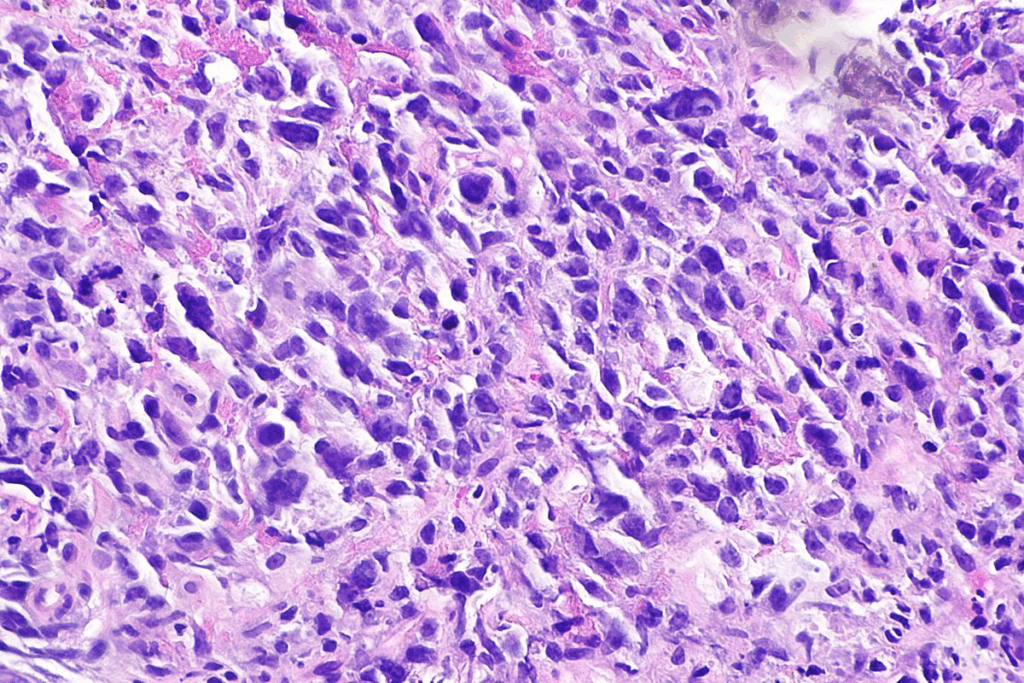
Can allergies cause yellow phlegm? Learn the distinction between allergy-related mucus and phlegm caused by respiratory infection. Many people think yellow or green phlegm always means an infection. But, this isn’t always true. At Liv Hospital, we teach our patients about their symptoms based on science.
Allergies can make mucus turn yellow or green, just like infections do. It’s all about how our body reacts to allergens. When we meet allergens, our body makes more mucus. This mucus can change color because of immune cells.
Knowing this helps us understand allergies and colored phlegm better. We’ll look into how allergies can cause yellow or green phlegm. And what it means for treatment.
Key Takeaways
- Allergies can produce colored mucus, not just infections.
- The color of mucus is not a definitive indicator of infection.
- The body’s immune response to allergens can change mucus color.
- Understanding the cause of colored phlegm is key for proper treatment.
- Empowering patients with knowledge about their symptoms is key to effective care.
Understanding Phlegm and Mucus Production
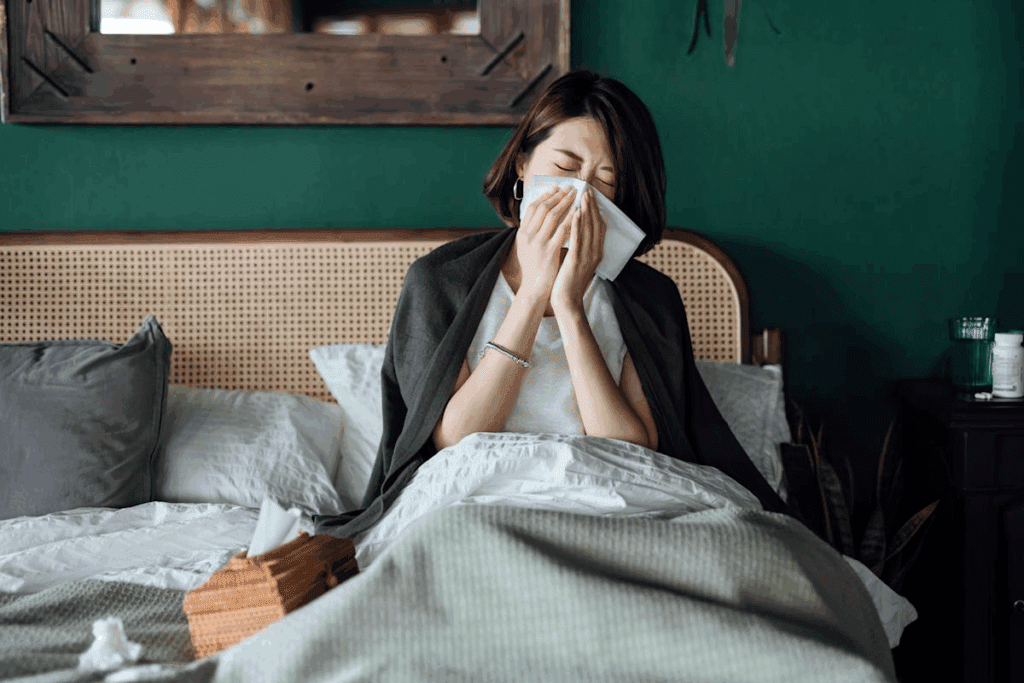
It’s important to know how our body makes phlegm and mucus. Our respiratory system has mucous membranes that make mucus. This mucus catches dust, bacteria, and other particles, keeping them out of our lungs.
What Is Phlegm and Why Do We Produce It?
Phlegm is a thick mucus made in our lungs and airways. It’s thicker than mucus in other parts of our body. We make phlegm to catch pathogens and irritants, helping to keep our respiratory system healthy.
The Normal Color Spectrum of Mucus
Mucus is usually clear or white. But, if it turns yellow or green, it might mean we have an infection or allergy. Knowing this helps us figure out what’s going on.
Mucus Color | Possible Indication |
Clear | Normal, healthy mucus |
White | Mild infection or allergy |
Yellow | Presence of infection or allergic reaction |
Green | Bacterial infection or severe allergic reaction |
How Mucus Changes During Respiratory Issues
When we have respiratory problems, like infections or allergies, our mucus changes. Allergies can make more mucus, causing congestion and discomfort. The immune system plays a big role in these changes, with different cells and enzymes affecting mucus color and texture.
Eosinophils, a type of white blood cell, are involved in allergic reactions. They can make mucus turn yellow or green. Knowing about these immune cells helps us understand how allergies can change mucus.
The Relationship Between Allergies and Respiratory Secretions
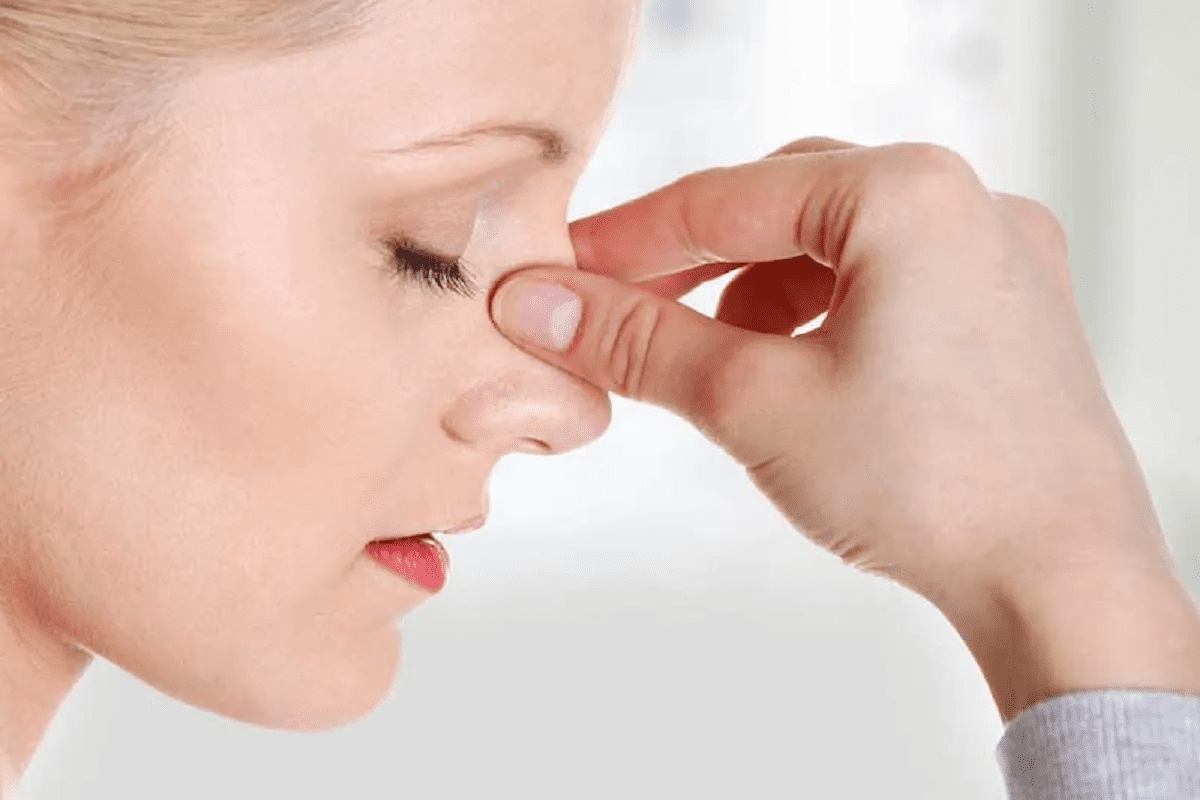
Allergies and respiratory secretions have a complex relationship. An allergic reaction triggers our immune system, causing symptoms like changes in mucus production.
How Allergic Reactions Affect Mucus Production
Allergic reactions can really affect our breathing. When an allergen gets into our body, our immune system sees it as a threat. This leads to the release of histamine and other chemicals.
These chemicals make blood vessels expand, causing more mucus to be made. This mucus can be clear, yellow, or green, depending on the allergen and how long we’re reacting to it.
Increased mucus production is our body’s way of trying to get rid of the allergen. But it can make us feel stuffy, congested, and make it hard to breathe.
Common Allergens That Trigger Mucus Changes
Many things can make mucus change. Pollen from trees, grasses, and weeds is a big one, mainly in spring and fall. Dust mites, pet dander, and mold are also common allergens that can change mucus. Knowing what we’re allergic to helps us manage our symptoms better.
- Pollen from trees, grasses, and weeds
- Dust mites
- Pet dander
- Mold
The Progression from Clear to Discolored Mucus
At first, mucus from an allergen is clear. But if the reaction keeps going or gets worse, the mucus can turn yellow or green. This color change is usually because of enzymes from certain white blood cells.
Getting discolored mucus doesn’t always mean we have a bacterial infection. It can just mean our allergic reaction is strong or lasting. Knowing this helps us get the right treatment.
Can Allergies Cause Yellow Phlegm?
Allergies are common and affect millions worldwide. They can change how our respiratory system works. This includes the production of yellow phlegm.
Allergic reactions happen when our immune system fights off something it sees as a threat. This can be pollen, dust mites, or pet dander. This fight can lead to more mucus, which might turn yellow because of immune cells.
The Science Behind Yellow Mucus in Allergic Reactions
The color of mucus comes from white blood cells and immune factors. In allergies, eosinophils are key. They are a type of white blood cell that can make mucus yellow.
Medical experts say eosinophils have enzymes and proteins. These can make mucus yellow.
“The presence of eosinophils in nasal secretions is a hallmark of allergic inflammation.”
This shows eosinophils are directly linked to yellow mucus in allergies.
Role of Eosinophils in Allergy-Related Yellow Discharge
Eosinophils fight parasites and help with allergic reactions. When an allergen gets in, eosinophils go to the inflammation site. They release proteins that can make mucus yellow or green.
Typical Symptoms Accompanying Yellow Allergy Phlegm
Yellow phlegm from allergies often comes with other symptoms. These include nasal congestion, sneezing, itchy eyes, and a scratchy throat. These happen because the allergic reaction makes the nasal passages and sinuses inflamed, leading to more mucus.
In summary, allergies can cause yellow phlegm because of eosinophils and other immune responses. Knowing these symptoms and their causes is key to managing and treating them.
Green Phlegm and Allergies: The Connection
Allergies can sometimes cause green phlegm, which might not always mean you have an infection. Green mucus often makes people worry about bacterial infections. But, it’s important to know how allergies can change mucus color for the right diagnosis and treatment.
How Allergies Lead to Green-Colored Mucus
Allergic reactions can cause green phlegm. When an allergen enters the body, it triggers an immune response. This response includes the release of chemicals that can cause inflammation and increase mucus production.
The color of mucus comes from certain enzymes and proteins. Green phlegm is often linked to myeloperoxidase, an enzyme in some white blood cells.
The Function of Neutrophils and Their Green Enzymes
Neutrophils, a type of white blood cell, are key in fighting infections and allergens. They have myeloperoxidase, which makes them green. When neutrophils are active during an allergic reaction, they release this enzyme, making the mucus green.
Neutrophils and their enzymes in the airways can be a sign of both infections and allergic inflammation. Knowing why green phlegm occurs is key to figuring out its cause.
Morning Green Mucus: Allergies or Something Else?
Seeing thick green snot in the morning can be scary, but it’s not always a sign of infection. Allergies can make more mucus, which might be more noticeable in the morning. This is because of the body’s natural rhythms and mucus buildup during sleep.
To know if morning green mucus is from allergies or something else, look at other symptoms. If you also have persistent nasal congestion, itchy eyes, or sneezing, it’s likely allergies.
Distinguishing Between Allergy and Infection Symptoms
It’s important to know the difference between allergy and infection symptoms. This is because they can look similar, making it hard to tell what’s causing your respiratory issues.
Key Differences in Accompanying Symptoms
Allergies usually cause sneezing, itchy eyes, and a runny nose. Infections, on the other hand, bring fever, fatigue, and body aches. Knowing these symptoms can help figure out what’s causing your colored phlegm.
For example, if you have a cough with green mucus but no fever or body aches, it might be allergies. But if you have green phlegm, a high fever, and chest pain, it’s probably an infection.
Duration and Progression Patterns
Allergies can last as long as you’re exposed to the allergen. Symptoms may come and go. Infections, though, usually get better with treatment or worse without it.
Watching how your symptoms change can help you tell if it’s allergies or an infection. If symptoms get better when you’re away from certain places or substances, it’s likely allergies.
Fever, Pain, and Other Infection Indicators
Fever is a big sign of infection. If you have a fever and colored phlegm, it’s probably an infection. Also, pain like a sore throat, headache, or chest pain can mean you have an infection.
Other signs of infection include increased white blood cell count and elevated inflammatory markers. If you’re not sure what’s causing your symptoms, see a doctor for a proper diagnosis.
By watching your symptoms closely, you can figure out if your colored phlegm is from allergies or an infection. This helps you choose the right treatment.
The Antibiotic Misconception for Colored Phlegm
Many people think green mucus means they need antibiotics. But this isn’t always true. Using antibiotics too much can make them less effective in the future.
Why Green Mucus Doesn’t Always Require Antibiotics
Green mucus might seem like a sign of a bacterial infection. But it’s not always a clear sign. The color comes from different cells and enzymes in our body.
For example, myeloperoxidase, an enzyme, gives mucus its green color. This enzyme is found in white blood cells. These cells are present in both viral and bacterial infections, and even in allergies.
Allergies can also change the color and texture of mucus. So, seeing colored phlegm doesn’t always mean you have a bacterial infection.
When Antibiotics Are Appropriate vs. When They’re Not
Antibiotics work against bacterial infections, not viruses or allergies. If your colored phlegm is from an allergy or virus, antibiotics won’t help. They can even cause side effects and make future infections harder to treat.
Doctors look at many things to decide if you need antibiotics. They check how long you’ve had symptoms, if you have a fever, and more. They might also do tests to help decide what to do next.
Risks of Unnecessary Antibiotic Use for Allergy Symptoms
Using antibiotics for allergies doesn’t fix the problem. It can cause side effects like stomach problems or allergic reactions to the antibiotic. It also makes future antibiotics less effective.
It’s important for both patients and doctors to know when to use antibiotics. For colored phlegm from allergies or viruses, there are other treatments. These include antihistamines, decongestants, and other options that fit the cause of your symptoms.
Seasonal and Environmental Factors Affecting Phlegm Color
Seasonal allergies can change the color and feel of mucus. Knowing how different seasons and places affect our mucus can help us fight allergies better. It also improves our breathing.
Spring and Summer Allergies: Pollen Impact
In spring and summer, pollen from trees and grasses makes many people sick. This leads to more mucus, often clear or white. But sometimes, the mucus turns yellow or green because of allergic reactions.
Indoor Allergens and Year-Round Symptoms
Things like dust mites and pet dander can make us sick all year. They cause long-term inflammation and more mucus. It’s important to know and deal with these allergens to avoid breathing problems.
How Climate and Weather Influence Mucus Production
Weather and climate also affect how much mucus we make. Dry air makes us produce more mucus to protect ourselves. On the other hand, humid air can make mold and dust mites grow, making allergies worse. Here’s how different weather can change mucus production:
Climate/Weather Condition | Effect on Mucus Production |
Dry Air | Increased mucus production as a protective mechanism |
Humid Environments | Facilitates the growth of mold and dust mites, exacerbating allergy symptoms |
Cold Temperatures | Can irritate the respiratory tract, potentially increasing mucus production |
By knowing how weather and seasons change our mucus, we can fight allergies better. This helps us breathe easier and feel better overall.
Managing Discolored Phlegm Caused by Allergies
Allergies can cause discolored phlegm. There are ways to manage this. Knowing the causes and using the right treatments helps.
Antihistamines and Decongestants: Benefits and Limitations
Antihistamines and decongestants help with allergy symptoms. Antihistamines block histamine, a cause of allergy symptoms. Decongestants reduce nasal congestion by narrowing blood vessels.
But, these medicines have downsides. Antihistamines can make you sleepy. Decongestants are not safe for everyone, like those with high blood pressure.
Nasal Irrigation and Other Physical Interventions
Nasal irrigation is a good way to manage allergy phlegm. It uses a saline solution to clean out mucus and allergens. Nasal irrigation kits are easy to find and use at home.
- Reduces nasal congestion and sinus pressure
- Removes allergens and excess mucus
- Can be used with other treatments
Prescription Treatments for Severe Allergy-Related Phlegm
For severe cases, prescription medicines are needed. These include corticosteroids to reduce inflammation and immunomodulators to change how the body reacts to allergens.
“For patients with severe allergy-related phlegm, prescription treatments can offer significant relief by targeting the underlying inflammatory processes.”
Expert Opinion
It’s important to know about all treatment options for allergy phlegm. Using medicine and making lifestyle changes can help manage symptoms.
Preventing Allergy-Related Discolored Phlegm
To stop allergy-related discolored phlegm, we need to tackle it from many angles. This includes changing our environment and our daily habits. By doing so, we can lessen our allergy symptoms and live better lives.
Environmental Controls and Allergen Avoidance
One key way to fight allergy-related discolored phlegm is by controlling our environment. We should avoid common allergens like pollen, dust mites, and pet dander. Using air purifiers and keeping our homes clean can help a lot.
Using allergen-proof bedding and washing fabrics in hot water can also cut down on dust mite exposure. Keeping windows shut during pollen season and using air conditioning can also filter out allergens.
“Reducing exposure to allergens is a critical step in managing allergy symptoms and preventing discolored phlegm.”
Immunotherapy Options for Long-Term Relief
For those with serious or ongoing allergy issues, immunotherapy can offer lasting relief. It involves regular treatments like injections or tablets that make your body less reactive to allergens. This can make allergy symptoms, including discolored phlegm, much less severe over time.
Immunotherapy is great for those who don’t get better with meds or have bad side effects. It can give long-term relief from allergies, including less discolored phlegm.
Daily Habits That Reduce Mucus Production
There are daily habits that can help cut down on mucus and prevent discolored phlegm. Drinking lots of water helps thin out mucus, making it easier to cough up. Using a humidifier keeps the air in your home just right, preventing mucus from getting too sticky.
- Drinking plenty of water throughout the day
- Using saline nasal sprays to moisturize the nasal passages
- Avoiding irritants such as smoke and strong odors
- Getting regular exercise to improve overall respiratory health
By mixing these habits with environmental controls and, if needed, immunotherapy, we can stop allergy-related discolored phlegm. This way, we can better manage our allergy symptoms.
Conclusion: Understanding Your Body’s Signals
It’s key to understand our body’s signals to manage allergies well. Recognizing the reasons behind colored phlegm helps us treat and prevent allergies. This way, we can live better lives despite allergies.
Allergies can change how our body makes mucus, leading to yellow or green phlegm. It’s important to know the difference between allergy symptoms and signs of infection. This helps us avoid using antibiotics when not needed.
To handle allergy-related colored phlegm, we need to use antihistamines, decongestants, and nasal irrigation. Also, controlling our environment is vital. By doing these things, we can use less medicine and feel better overall.
By listening to our body’s signals, we can manage our allergies better. This knowledge helps us deal with allergy symptoms more effectively. It lets us make smart choices for our health.
FAQ
Does the color of mucus matter?
Yes, the color of mucus can tell you what’s causing it. Clear mucus is normal. But colored mucus might mean you have an allergy or infection.
Can allergies cause yellow or green phlegm?
Yes, allergies can make your phlegm turn yellow or green. This happens because of immune cells like eosinophils and neutrophils.
Is green mucus a sign of infection?
Not always. Green mucus can mean an infection, but it can also be from allergies. Look for fever and pain to figure out the cause.
Do you need antibiotics for green mucus?
Not always. You only need antibiotics if the green mucus is from a bacterial infection. Allergies can also cause green mucus, and antibiotics won’t help then.
Can allergies cause thick green snot in the morning?
Yes, allergies can make your snot thick and green in the morning. This is because of mucus buildup overnight and immune cells like neutrophils.
Is allergy mucus always clear?
No, allergy mucus isn’t always clear. It can be yellow or green too, because of certain immune cells.
Can you have green snot with allergies?
Yes, you can have green snot even with allergies. Neutrophils and their green enzymes can change the color of your mucus.
How can you distinguish between allergy and infection symptoms?
Look at the symptoms, how long they last, and how they change. Fever and pain are signs of an infection, not an allergy.
What are the management options for discolored phlegm caused by allergies?
To manage discolored phlegm from allergies, you can try antihistamines, decongestants, or nasal irrigation. For severe cases, your doctor might prescribe something.
How can you prevent allergy-related discolored phlegm?
To prevent discolored phlegm from allergies, control your environment, avoid allergens, and consider immunotherapy. Also, follow daily habits that reduce mucus.
References
- National Center for Biotechnology Information. (2025). Can Allergies Cause Yellow or Green Phlegm Many. Retrieved from https://www.ncbi.nlm.nih.gov/pmc/articles/PMC9061111/