Last Updated on November 27, 2025 by Bilal Hasdemir

Autoimmune diseases happen when the body’s immune system attacks its own cells and organs. It’s important to understand how these diseases work to find good treatments. We’re getting better at figuring out how they work and finding treatments that target them.
New studies are leading to new ways to stop the immune system from attacking the body. At Liv Hospital, we’re all about top-notch healthcare and keeping up with the latest research. We’re hoping to find a way to autoimmune disease cure. Our team works hard to help patients manage their conditions and live better lives. For example, stem cell therapy is seen as a big hope for treating autoimmune diseases.
Key Takeaways
- Autoimmune diseases result from the immune system attacking the body’s own cells and tissues.
- Current research focuses on developing targeted treatments to manage and potentially cure these diseases.
- Liv Hospital is at the forefront of exploring the latest research and treatments for autoimmune diseases.
- Stem cell therapy represents a promising area of research for treating autoimmune conditions.
- Understanding the mechanisms behind autoimmune diseases is key to developing effective treatments.
Understanding Autoimmune Diseases: The Body’s Misguided Attack
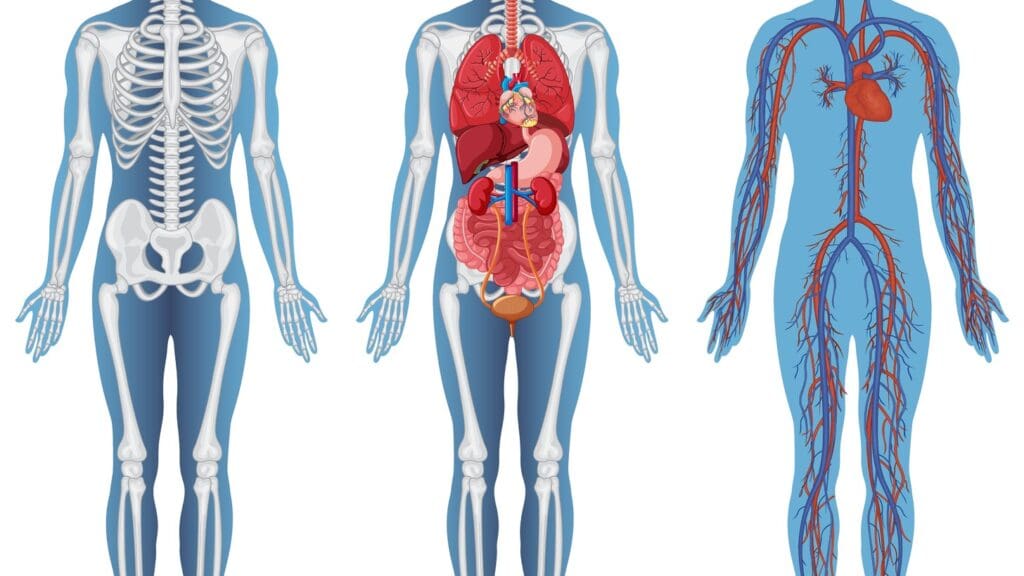
Autoimmune diseases happen when the immune system mistakenly sees the body’s own tissues as invaders. It then attacks these tissues. This can cause many health problems, depending on what parts of the body are affected.
What Happens in Autoimmune Conditions
In autoimmune diseases, the immune system turns against the body. It attacks the body’s cells, tissues, and organs. This self-attack can lead to inflammation, tissue damage, and symptoms that can really affect a person’s life. For example, in rheumatoid arthritis, the immune system attacks the lining of the joints. This causes pain, swelling, and can damage the joints severely over time.
a top researcher in immunology, says,
“The complexity of autoimmune diseases lies not just in their diverse manifestations but also in the complex relationship between genetic predisposition and environmental triggers.”
Common Types of Autoimmune Diseases
There are over 80 recognized autoimmune diseases. Each has its own symptoms and affects different parts of the body. Some common ones include:
- Rheumatoid arthritis, which mainly affects the joints
- Type 1 diabetes, where the immune system attacks the insulin-producing beta cells in the pancreas
- Lupus, a disease that can affect multiple organs, including the skin, joints, and kidneys
- Multiple sclerosis, where the immune system damages the protective covering of nerves, disrupting communication between the brain and the rest of the body
Risk Factors and Triggers
Knowing the risk factors and triggers for autoimmune diseases is key for managing and possibly preventing them. Genetic predisposition plays a big role, with certain genes making it more likely to get an autoimmune disease. Environmental factors, like infections, toxins, and diet, can also trigger autoimmune responses in people who are prone to them.
Recent studies show the need to study autoimmune diseases more to find new treatments. By understanding what triggers these diseases and how they progress, we can create better treatments. These treatments could help stop or even reverse the disease.
The Current Medical Consensus on Curability

Today, doctors mostly manage autoimmune diseases, not cure them completely. These diseases happen when the body’s immune system attacks its own tissues. This makes them hard to treat.
Defining “Cure” vs. “Remission” vs. “Management”
To talk about curing autoimmune diseases, we need to know what “cure,” “remission,” and “management” mean. A cure means the disease is gone for good. Remission is when the disease is not active for a while. Management is about keeping symptoms under control and preventing bad episodes.
These terms help us describe how treatments work for autoimmune diseases. Even though a cure is what we aim for, it’s not always possible with today’s medicine.
Why Most Autoimmune Diseases Resist Complete Cures
Most autoimmune diseases can’t be cured because they involve many factors. These include genetics, environment, and hormones. Research on rare blood and kidney disorders shows how hard it is to find a cure.
Because these diseases are so complex, finding a single cause or cure is tough. So, treatments usually aim to manage symptoms and prevent flare-ups.
The Chronic Nature of Autoimmune Conditions
Autoimmune diseases are usually chronic, meaning they need ongoing care. We help patients create treatment plans that help now and in the future.
Understanding that these diseases are chronic helps us support our patients better. It improves their quality of life.
Varying Prognoses: Disease-Specific Outlook
Autoimmune diseases have different outlooks based on the condition. These diseases range from various disorders, each with its own challenges. Knowing how to manage these conditions is key to better patient care.
Rheumatoid Arthritis and Lupus Management
Rheumatoid arthritis (RA) and systemic lupus erythematosus (SLE) are common autoimmune diseases. RA mainly affects the joints, while SLE can harm organs like the skin, kidneys, and brain.
Management Strategies:
- Medications: DMARDs and biologics help control symptoms and slow disease growth.
- Lifestyle Modifications: Regular exercise, a balanced diet, and managing stress are important for quality of life.
Thyroid Autoimmune Diseases: A More Favorable Outlook
Thyroid autoimmune diseases, like Hashimoto’s thyroiditis and Graves’ disease, often have a better outlook. With the right treatment, some patients can go into remission.
Treatment Approaches:
- Medication: Thyroid hormone replacement for Hashimoto’s and antithyroid drugs for Graves’ disease.
- Monitoring: Regular thyroid function tests help adjust medication and manage symptoms.
Multiple Sclerosis and Type 1 Diabetes: Current Status
Multiple sclerosis (MS) and type 1 diabetes (T1D) are autoimmune diseases affecting the central nervous system and pancreas. Though there’s no cure, new management options have been developed.
| Disease | Current Management | Emerging Therapies |
|---|---|---|
| Multiple Sclerosis | Disease-modifying therapies, symptom management | Stem cell therapy, immunomodulation |
| Type 1 Diabetes | Insulin therapy, continuous glucose monitoring | Islet cell transplantation, immunomodulation |
New therapies like stem cell therapy and immunomodulation offer hope for better management and remission of these diseases.
The Quest for a Cure for Autoimmune Diseases: Historical Perspective
The search for a cure for autoimmune diseases is complex and has a long history. Our understanding and treatment of these diseases have grown over time. This journey has seen many milestones and challenges.
Evolution of Treatment Approaches
Treatments for autoimmune diseases have changed a lot over the years. At first, doctors mainly focused on managing symptoms. Then, immunosuppressive drugs came along. These drugs helped reduce the immune system’s attack on the body.
As we learned more about autoimmune diseases, new treatments were developed. Biologics and other advanced treatments have improved patient care. They have also made life better for those with these diseases.
Major Breakthroughs in Understanding Autoimmunity
One big discovery was the role of granzyme K in the immune system. Research on granzyme K has led to new ways to understand and treat autoimmunity. This has opened doors to finding cures.
These discoveries have helped us understand autoimmune diseases better. They have also led to new treatment ideas. As we keep studying autoimmunity, we get closer to finding a cure.
The search for a cure is ongoing. Researchers and doctors are working together to use new findings for treatments. We’ve made a lot of progress, but there’s more to do. We need to keep researching and understanding autoimmune diseases to find a cure.
Conventional Treatment Approaches: Managing Not Curing
Even though we don’t have a cure for autoimmune diseases yet, we have good ways to manage them. We use medicines and lifestyle changes to help patients feel better and live better lives.
Managing autoimmune diseases involves many steps. We use different treatments and lifestyle changes to control symptoms and stop flare-ups.
Immunosuppressive Medications
Immunosuppressive drugs are key in treating many autoimmune diseases. They calm down the immune system, reducing inflammation and damage. Examples include corticosteroids and other immunosuppressants. But, these drugs can have side effects, so we watch them closely.
, a top rheumatologist, says, “Immunosuppressive therapy has changed how we treat autoimmune diseases. It lets many patients live active lives.”
“The right use of immunosuppressives can greatly help patients, but we must balance their benefits and risks.”
Biologics and Targeted Therapies
Biologics and targeted therapies are newer treatments for autoimmune diseases. They target specific parts of the immune system, helping to control inflammation and disease activity. Examples include TNF-alpha inhibitors and interleukin blockers.
The arrival of biologics has been a big step forward. For example, zaltenibart is being studied for rare blood and kidney disorders. This shows we can manage diseases better with fewer side effects.
Lifestyle Modifications as Complementary Approaches
Lifestyle changes are important too. Eating right, exercising, managing stress, and getting enough sleep can help control symptoms. These changes can make a big difference in how well patients do.
We advise patients to work with their doctors to create a lifestyle plan. says, “Changing your lifestyle can really help manage your disease. But, always talk to a doctor first to make sure it works with your treatment.”
- Eat foods that fight inflammation
- Do gentle exercises like yoga or swimming
- Use stress-reducing techniques like meditation
- Get enough sleep and rest
By mixing medical treatments with lifestyle changes, we can make a big difference in how well autoimmune diseases are managed. This helps patients live better lives.
Breakthrough Research: New Pathways to Potencial Cures
Recent medical research has opened new paths to cure autoimmune diseases. We’re seeing a big change in how these conditions are treated. Now, we’re moving from just managing them to finding real cures.
The discovery of granzyme K is a big breakthrough. It’s a serine protease that helps control the immune system. Research shows it might play a role in some autoimmune diseases, making it a key target for new treatments.
The Granzyme K Discovery and Its Implications
Studies suggest granzyme K can lead to inflammation and tissue damage in autoimmune diseases. Knowing its role could help create new treatments to stop disease growth.
Researchers are looking into granzyme K inhibitors to control the immune system in autoimmune diseases. This could lead to better treatments with fewer side effects than current options.
Targeting Root Causes Instead of Symptoms
We’re now focusing on the root causes of autoimmune diseases, not just their symptoms. This means understanding the mix of genetics, environment, and immune system factors that cause these diseases.
ATR inhibitors are showing promise in treating autoimmune diseases by fixing immune system problems. These treatments aim for lasting remissions by addressing the disease’s root causes.
| Therapeutic Approach | Mechanism of Action | Potential Benefits |
|---|---|---|
| Granzyme K Inhibitors | Modulating immune response by inhibiting granzyme K | Reduced inflammation and tissue damage |
| ATR Inhibitors | Targeting DNA damage response pathways | Improved immune regulation and sustained remission |
| Biologics and Targeted Therapies | Specific targeting of immune cells or cytokines involved in disease | Enhanced efficacy with fewer side effects |
Emerging Clinical Trials and Their Promise
Several new clinical trials are testing therapies that target autoimmune disease causes. These trials offer hope for more effective treatments and even cures.
Research into stem cell therapies and gene editing, like CRISPR/Cas9, is also underway. These early stages show great promise for future treatments.
As research keeps advancing, we’re hopeful for real benefits for patients. The chance of curing or managing autoimmune diseases is getting closer. This brings new hope to those dealing with these conditions.
Can Autoimmune Disease Be Reversed? Examining the Evidence
Reversing autoimmune diseases is a hot topic in medical research. It’s important to understand what it means and how it can be done.
Defining Reversal in Autoimmune Context
Reversal means the immune system stops attacking the body’s own tissues. It’s not just about stopping symptoms. It’s about changing the disease process itself.
Studies show reversal can happen through treatments and lifestyle changes. For example, some autoimmune thyroid diseases can go into long-term remission. This is done by targeting specific pathways and making lifestyle changes.
Documented Cases of Long-Term Remission
Some patients with autoimmune diseases have gone into long-term remission. For instance, those with autoimmune thyroiditis have seen their symptoms greatly decrease. This is thanks to the right treatment and lifestyle changes.
A study in a top medical journal showed patients achieving complete remission. This gives hope for managing and possibly reversing autoimmune diseases.
“The possibility of achieving long-term remission in autoimmune diseases is an area of significant research interest, opening up new treatment options.”
Expert Opinions on Reversibility
Experts have different views on reversing autoimmune diseases. Some think the right treatment and lifestyle can reverse some conditions. Others are more cautious, saying remission is possible but reversal is harder.
, a top autoimmunity expert, says, “We’ve made big strides in understanding autoimmune diseases. But reversing them is something we’re exploring. Our main goal is to help patients live better lives.”
As we look into reversing autoimmune diseases, we need a broad approach. We must deepen our understanding, find effective treatments, and support immune health through lifestyle changes.
The Search for a Cure for Autoimmune: Latest Advancements
New treatments are being developed to tackle autoimmune diseases. This search is leading to breakthroughs in many areas. It brings hope to people all over the world.
Stem Cell Therapy and Regenerative Medicine
Stem cell therapy and regenerative medicine are key in treating autoimmune diseases. They aim to fix or replace damaged tissues. Stem cells can turn into different cell types, making them great for fixing damaged tissues.
- Scientists are looking into using mesenchymal stem cells to fix the immune system and repair tissues.
- Studies are being done to see if stem cell therapy works for diseases like multiple sclerosis and type 1 diabetes.
Immunomodulation Techniques
Immunomodulation techniques aim to balance the immune system. They help the immune system learn to recognize itself and avoid attacking the body.
Some promising methods include:
- Targeted therapies that only affect the immune cells causing autoimmune problems.
- Cytokine therapies that try to balance the body’s inflammatory and anti-inflammatory signals.
- Vaccines that help the body get used to specific autoantigens.
Gene Therapy and CRISPR Applications
Gene therapy and CRISPR technology are changing how we treat autoimmune diseases. CRISPR/Cas9 gene editing can make precise changes to genes involved in autoimmune responses.
- Scientists are working on gene therapies to fix genetic problems that lead to autoimmunity.
- CRISPR is being used to change immune cells so they can’t be attacked by the immune system.
These advancements are exciting, but more research is needed. As we keep exploring these new ways, we get closer to finding cures for autoimmune diseases.
Living Well While Awaiting a Cure: Patient Perspectives
People with autoimmune diseases face a journey that goes beyond just medicine. They find wellness through holistic health approaches. This journey requires a mix of traditional and alternative therapies to manage their conditions.
Quality of Life Considerations
Living with autoimmune diseases brings big challenges. Symptoms and emotional impacts are hard to handle. Improving quality of life is key, involving doctors, patients, and their loved ones.
Staying healthy through diet and exercise is important. Managing stress and getting enough sleep also helps. Personalized care plans tailored to each patient’s needs can greatly improve their well-being.
Integrative Approaches to Symptom Management
Integrative medicine blends traditional treatments with complementary therapies. Acupuncture, mindfulness, and nutritional therapy help some patients feel better. These methods can ease symptoms and enhance life quality.
- Acupuncture helps with pain and well-being.
- Mindfulness, like meditation and yoga, reduces stress.
- Nutritional therapy uses diet to manage symptoms and support health.
Building Resilience and Support Networks
Autoimmune diseases can make people feel isolated. But, building a support network is possible. Building a support network of family, friends, and others with similar conditions is vital. It offers emotional support and practical advice.
“Connecting with others who understand what I’m going through has been incredibly empowering. It’s helped me feel less alone and more in control of my condition.”
Resilience is key to coping with autoimmune diseases. It means developing coping strategies, staying positive, and being proactive about health. By focusing on what they can control, patients can improve their life quality and build resilience.
Conclusion: Hope on the Horizon
Looking at autoimmune disease research today, we see a lot of hope. While finding a cure is not yet here, we’ve made big steps in understanding and treating these diseases. New research and treatments give us reason to be optimistic about the future.
New ways to treat autoimmune diseases are being discovered. Immunomodulation, stem cell therapy, and gene editing like CRISPR are leading the way. These advances might mean we can cure autoimmune diseases one day. As we keep working on these new methods, we’re getting closer to managing and maybe even curing these diseases.
We’re hopeful that more research will bring better treatments and a better life for those with autoimmune diseases. The progress we’ve seen shows the hard work of doctors and the strength of patients. Looking ahead, we’re sure that finding a cure will keep pushing healthcare forward.
FAQ
Can autoimmune diseases be cured?
Right now, there’s no sure cure for most autoimmune diseases. But, scientists are working hard to find new treatments. Some people with thyroid diseases might get better with the right treatment.
What is the difference between a cure, remission, and management of autoimmune diseases?
A cure means the disease is gone for good. Remission is when the disease isn’t active for a while. Management means keeping symptoms under control and stopping flare-ups.
Are autoimmune diseases chronic conditions?
Yes, doctors usually see autoimmune diseases as long-term conditions. They can be managed but not always cured.
Can autoimmune disease be reversed?
Reversing autoimmune diseases is tricky. Some might get better in certain situations. But, experts have different views, and more research is needed.
What are the conventional treatments for autoimmune diseases?
Common treatments include medicines that calm the immune system and biologics. Lifestyle changes like diet and exercise also help.
Are there any new and emerging therapies for autoimmune diseases?
Yes, new research has found promising areas like stem cell therapy and gene editing. These could lead to better treatments.
Can lifestyle changes help manage autoimmune diseases?
Yes, making healthy lifestyle choices can help manage symptoms. This includes eating right and staying active.
Is there a cure for specific autoimmune diseases like rheumatoid arthritis or lupus?
There’s no cure for rheumatoid arthritis or lupus yet. But, they can be managed with the right medicines and lifestyle changes.
Can autoimmune diseases go into long-term remission?
Yes, some autoimmune diseases can go into long-term remission. With the right treatment, people have shown improvement.
Are autoimmune diseases curable?
While some autoimmune diseases can be well-managed, saying they’re “curable” is rare. The main goal is to manage symptoms and achieve remission.
What is the current status of research into autoimmune disease cures?
Research is making progress, with new insights and treatments on the horizon. This gives hope for better management and even cures.
How do emerging clinical trials aim to address autoimmune diseases?
New clinical trials are testing innovative therapies. They aim to tackle the root causes of autoimmune diseases, not just their symptoms.
FAQ
Can autoimmune diseases be cured?
Right now, there’s no sure cure for most autoimmune diseases. But, scientists are working hard to find new treatments. Some people with thyroid diseases might get better with the right treatment.
What is the difference between a cure, remission, and management of autoimmune diseases?
A cure means the disease is gone for good. Remission is when the disease isn’t active for a while. Management means keeping symptoms under control and stopping flare-ups.
Are autoimmune diseases chronic conditions?
Yes, doctors usually see autoimmune diseases as long-term conditions. They can be managed but not always cured.
Can autoimmune disease be reversed?
Reversing autoimmune diseases is tricky. Some might get better in certain situations. But, experts have different views, and more research is needed.
What are the conventional treatments for autoimmune diseases?
Common treatments include medicines that calm the immune system and biologics. Lifestyle changes like diet and exercise also help.
Are there any new and emerging therapies for autoimmune diseases?
Yes, new research has found promising areas like stem cell therapy and gene editing. These could lead to better treatments.
Can lifestyle changes help manage autoimmune diseases?
Yes, making healthy lifestyle choices can help manage symptoms. This includes eating right and staying active.
Is there a cure for specific autoimmune diseases like rheumatoid arthritis or lupus?
There’s no cure for rheumatoid arthritis or lupus yet. But, they can be managed with the right medicines and lifestyle changes.
Can autoimmune diseases go into long-term remission?
Yes, some autoimmune diseases can go into long-term remission. With the right treatment, people have shown improvement.
Are autoimmune diseases curable?
While some autoimmune diseases can be well-managed, saying they’re “curable” is rare. The main goal is to manage symptoms and achieve remission.
What is the current status of research into autoimmune disease cures?
Research is making progress, with new insights and treatments on the horizon. This gives hope for better management and even cures.
How do emerging clinical trials aim to address autoimmune diseases?
New clinical trials are testing innovative therapies. They aim to tackle the root causes of autoimmune diseases, not just their symptoms.
References
Harvard Medical School. Scientists Identify New Driver of Inflammation Implicated in Autoimmune Diseases. https://hms.harvard.edu/news/scientists-identify-new-driver-inflammation-implicated-autoimmune-diseases
National Institutes of Health (NIH). Research suggests autoimmune diseases may be triggered by external factors. https://www.nih.gov/news-events/nih-research-matters/research-suggests-autoimmune-diseases-may-be-triggered-external-factors
ScienceDaily. New AI algorithm may improve autoimmune disease prediction and therapies. https://www.sciencedaily.com/releases/2024/05/240520122111.htm
UCLA Health. Common autoimmune drug may help reverse immunotherapy‑induced diabetes, UCLA study finds. https://www.uclahealth.org/news/release/common-autoimmune-drug-may-help-reverse-immunotherapy