Last Updated on October 20, 2025 by

As we explore blood cancer, hope grows with new treatments and higher survival rates. In 2025, over 1.7 million Americans are living with or in remission from blood cancer. This is thanks to big steps forward in medical research and treatment options.
Getting a blood cancer diagnosis can feel scary. But, new therapies and treatments have made curing some types of blood cancer possible. At Liv Hospital, we’re dedicated to helping you. We offer the latest in care and treatment, making sure you get the best help.
Key Takeaways
- Over 1.7 million Americans are living with or in remission from blood cancer in 2025.
- Advances in targeted therapies and immunotherapy have improved treatment outcomes.
- Precision medicine has enhanced cure rates for specific blood cancer subtypes.
- Liv Hospital provides patient-focused expertise and international standards of care.
- New treatment advances continue to improve survival rates for blood cancer patients.
Understanding Blood Cancer: Types and Prevalence in 2025
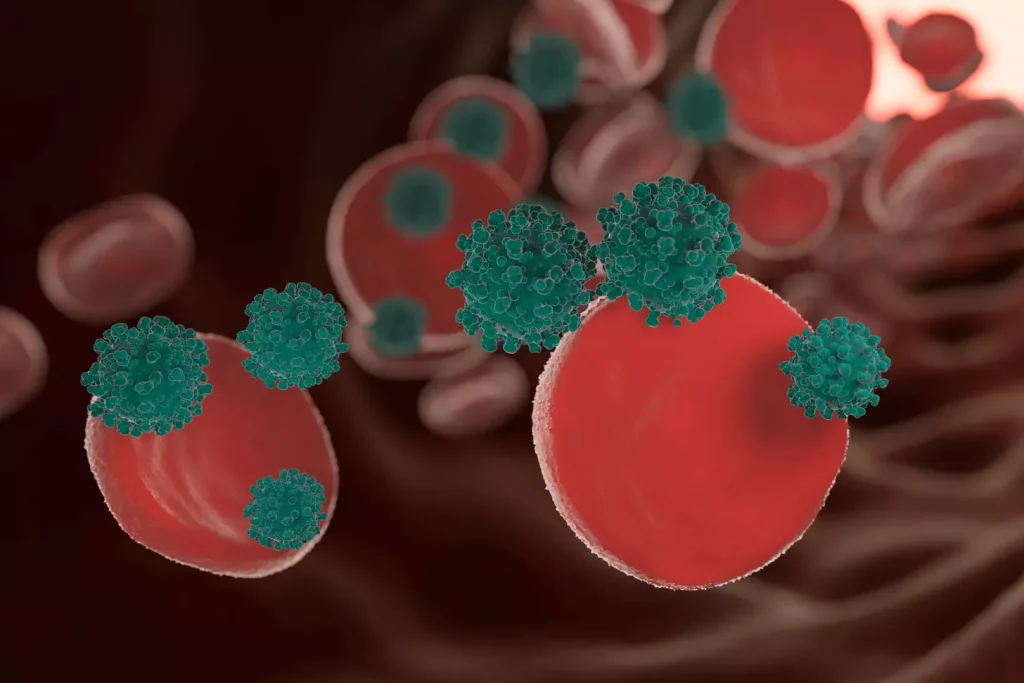
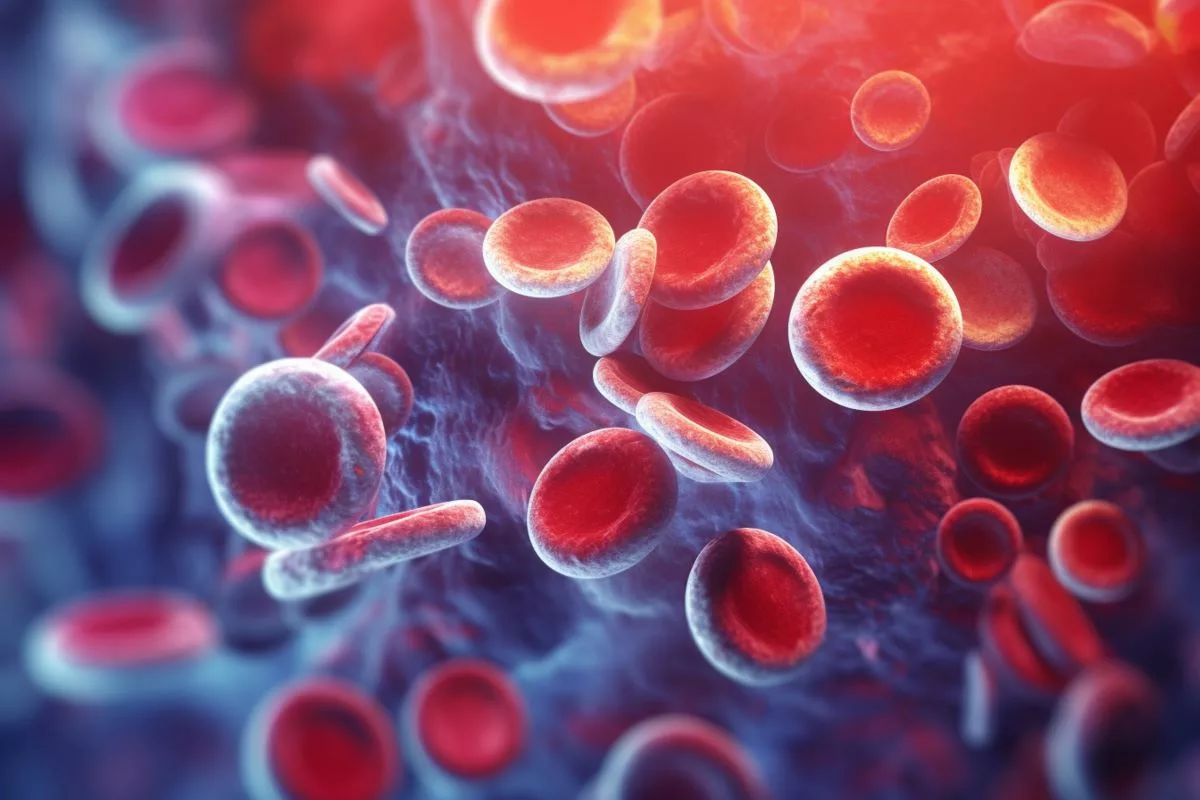
In 2025, it’s key to know about blood cancer. It’s a group of cancers that affect millions globally. Blood cancer impacts the blood, bone marrow, or lymph nodes. It mainly includes leukemia, lymphoma, and multiple myeloma.
Common Types of Blood Cancer
Leukemia is a cancer of the blood and bone marrow. It’s caused by abnormal white blood cells growing too much. It’s the most common cancer in kids and teens.
Lymphoma starts in the lymphatic system. It’s split into Hodgkin and non-Hodgkin lymphoma, with non-Hodgkin being more common. Multiple myeloma affects plasma cells in the bone marrow. This leads to anemia, bone pain, and infections.
Global Statistics and Prevalence
Blood cancers make up 6-9% of all cancer cases and deaths worldwide. Leukemia is the 13th most common cancer globally. Lymphoma is among the top 10. These cancers are more common in developed countries.
Thanks to new treatments, survival rates are improving. For more on these treatments, like stem cell therapies, check out Liv Hospital’s page on stem cell treatments for blood.
Risk Factors and Early Detection
Several factors increase the risk of blood cancer. These include genetic predisposition, exposure to chemicals like benzene, and radiation. Infections like HTLV-1 and Epstein-Barr virus also play a role. Early detection is key for better treatment and survival.
Knowing the risk factors and types of blood cancer can be very helpful. We’re getting better at treating these diseases. This gives hope to patients and their families.
The Current State of Blood Cancer Treatment

The field of blood cancer treatment has seen big changes. We now understand blood cancers better, leading to better treatments. These treatments are more focused and less harsh than old methods.
Standard Treatment Approaches
Doctors use a mix of treatments for blood cancer, based on the type and stage. Chemotherapy is a big part of this, often paired with other treatments.
- Targeted Therapy: Drugs that only hit cancer cells, protecting healthy ones.
- Immunotherapy: Uses the body’s immune system to fight cancer.
- Stem Cell Transplantation: Replaces bad stem cells with good ones, aiming for a cure.
Recent Breakthroughs in Blood Cancer Therapy
Recent years have brought big wins in blood cancer treatment. These advances have made treatments better and life easier for patients. Some top breakthroughs are:
- CAR T-Cell Therapy: Makes T cells attack cancer cells, a new kind of immunotherapy.
- Precision Medicine: Treats cancer based on the patient’s genetic makeup.
- Novel Targeted Therapies: New drugs that target specific cancer mutations or pathways.
Multidisciplinary Care Approaches
Dealing with blood cancer needs a team effort. Doctors from different fields work together. This team approach makes sure patients get the best care for their needs.
What makes up this team effort includes:
- Personalized treatment plans
- Access to clinical trials
- Supportive care services
- Long-term follow-up care
Is There Any Cure for Blood Cancer? The Reality in 2025
Blood cancer is a complex issue. It raises the question: can it be cured? The answer depends on the type of blood cancer, treatment progress, and the patient’s health.
Defining “Cure” in Blood Cancer Context
In blood cancer, a “cure” means no signs of the disease return. But, it’s more than that. It’s about the difference between complete cure and functional cure.
Types of Blood Cancer with Highest Cure Rates
Some blood cancers are more curable than others. For example, Hodgkin lymphoma has a high survival rate for those under 50. Acute promyelocytic leukemia (APL) also sees better results with new treatments.
The cure rates vary by blood cancer type. Here are a few examples:
- Hodgkin lymphoma: 85-90% cure rate in younger patients
- Acute lymphoblastic leukemia (ALL): 90% cure rate in children, 40-50% in adults
- Chronic myeloid leukemia (CML): Long-term survival rates have improved significantly with targeted therapies
Factors Affecting Curability
Several factors affect blood cancer curability. These include:
- Age at diagnosis: Younger patients generally have better outcomes
- Type and stage of cancer: Certain types are more responsive to treatment
- Genetic mutations: Specific genetic markers can affect treatment response
- Overall health: Patients with fewer comorbidities tend to have better outcomes
The Concept of Functional Cure vs. Complete Cure
A functional cure means the disease is controlled, and the patient lives well, even with some cancer cells. A complete cure means no cancer is detectable. New treatments are making functional cures more common.
As we look to 2025, understanding these differences is key. The quest for a blood cancer cure continues, with new research and treatments improving results.
Survival Rates for Different Blood Cancer Types
Recent statistics show different survival rates for various blood cancers. It’s key for patients, doctors, and researchers to know these rates. This knowledge helps in making better treatment and care choices.
Leukemia Survival Statistics
Leukemia is a cancer of the blood and bone marrow. It has several subtypes with different survival rates. The 5-year relative survival rate for all leukemia types is about 65%.
For example, the 5-year survival rate for chronic lymphocytic leukemia (CLL) is around 85%. On the other hand, acute myeloid leukemia (AML) has a survival rate of about 33%. These numbers stress the need for early diagnosis and the right treatment.
| Leukemia Type | 5-Year Relative Survival Rate |
|---|---|
| Chronic Lymphocytic Leukemia (CLL) | 85% |
| Acute Lymphoblastic Leukemia (ALL) | 68% |
| Acute Myeloid Leukemia (AML) | 33% |
Lymphoma Survival Rates
Lymphoma is a common blood cancer, divided into Hodgkin and non-Hodgkin lymphoma. Thanks to better treatments, survival rates have gone up.
The 5-year survival rate for Hodgkin lymphoma is over 85%, sometimes reaching 98% in certain age groups. For non-Hodgkin lymphoma, the 5-year survival rate is about 72%.
“The improvement in survival rates for lymphoma patients is a testament to the advancements in medical science and the effectiveness of modern treatment protocols.”
Multiple Myeloma Prognosis
Multiple myeloma is a cancer of plasma cells in the bone marrow. In recent years, treatment outcomes have improved a lot. The 5-year relative survival rate for multiple myeloma is about 55%.
Age, overall health, and how well a patient responds to treatment are key in determining the prognosis. New therapies are showing promise in boosting survival rates.
Knowing the survival rates for different blood cancers helps patients and doctors better understand diagnosis and treatment. This knowledge can lead to better outcomes.
Success Stories: Hodgkin Lymphoma and Other Highly Treatable Blood Cancers
Hodgkin lymphoma is a beacon of hope in blood cancer treatment. Its high survival rate is a trend seen in other blood cancers too. This shows great progress in treating these diseases.
96% Survival Rate: A Remarkable Achievement in Hodgkin Lymphoma
The survival rate for Hodgkin lymphoma is very high, even for young patients. The overall survival rate is an impressive 96%. This success is thanks to better treatments and early detection.
Early diagnosis and modern treatments have made Hodgkin lymphoma very treatable. The 5-year survival rate for Hodgkin lymphoma is much higher than many cancers.
Other Blood Cancers with Promising Outcomes
While Hodgkin lymphoma is a standout, other blood cancers are also showing promise. Non-Hodgkin lymphoma subtypes have seen survival rate improvements thanks to new therapies.
- Diffuse large B-cell lymphoma (DLBCL) has seen better outcomes with CAR T-cell therapy.
- Acute lymphoblastic leukemia (ALL) has cure rates improving, mainly in kids.
- Chronic myeloid leukemia (CML) is now more manageable with targeted treatments.
What Makes These Cancers More Responsive to Treatment
Several factors have made these blood cancers more treatable. Advances in technology, understanding cancer biology, and new therapies are key.
Tailoring treatments to each patient’s cancer has greatly improved results. Also, team care involving many specialists has improved patient care.
Patient Testimonials and Case Studies
Real-life stories from patients who have beaten or manage these cancers offer hope. For example, a Hodgkin lymphoma patient said,
‘I was diagnosed young, and thanks to new treatments, I’m in remission and living normally.’
These stories highlight the need for ongoing research. They show how modern medicine is improving survival rates and quality of life for blood cancer patients.
Blood Cancer Life Expectancy with Treatment in 2025
Medical treatments have greatly improved for blood cancer patients. New therapies are making a big difference. This means better chances for those with blood cancer.
Factors Influencing Life Expectancy
Several factors affect how long blood cancer patients can live. These include the type of cancer, how far it has spread, the patient’s health, and how well they respond to treatment. Early detection and diagnosis are critical for better outcomes.
Studies show that timely treatment can greatly improve life expectancy. For example, a study found that “the five-year survival rate for all types of blood cancer has increased by 15% over the past decade” (Source: Journal of Clinical Oncology).
Age-Related Differences in Prognosis
Age is a big factor in blood cancer prognosis. Younger patients usually do better than older ones. This is because they often have fewer health problems and respond better to treatment.
- Younger patients (under 40) often have higher survival rates and better tolerance to aggressive treatments.
- Older patients may face additional challenges due to comorbidities and reduced physiological reserve.
- Tailored treatment approaches are being developed to address the unique needs of older patients.
Quality of Life Considerations
While living longer is important, quality of life matters too. Modern treatments aim to improve life quality during and after treatment.
“The goal of treatment is not just to add years to life, but to add life to years.” – A Hematologist
Comparing Life Expectancy Across Different Blood Cancers
Life expectancy varies with different blood cancers. For example:
| Type of Blood Cancer | 5-Year Survival Rate | 10-Year Survival Rate |
|---|---|---|
| Acute Lymphoblastic Leukemia (ALL) | 68% | 55% |
| Chronic Lymphocytic Leukemia (CLL) | 85% | 70% |
| Hodgkin Lymphoma | 85% | 80% |
| Multiple Myeloma | 55% | 30% |
These numbers show why knowing the specific type of blood cancer is key. Advances in treatment are helping improve these numbers, giving hope to patients and their families.
Innovative Treatments Improving Blood Cancer Cure Rates
The fight against blood cancer is getting a boost from new treatments. These therapies are making it easier to cure the disease and improve how patients feel. We’re entering a new era in blood cancer treatment, with treatments that target cancer cells, boost the immune system, and offer better options.
Targeted Therapies and Precision Medicine
Targeted therapies have changed the game for blood cancer treatment. They focus on specific parts of cancer cells, reducing harm to healthy cells and side effects. Precision medicine leads this way, tailoring treatments to each patient’s unique cancer.
- Tyrosine kinase inhibitors (TKIs) have shown significant efficacy in treating certain types of leukemia.
- Monoclonal antibodies target specific antigens on cancer cells, marking them for destruction.
- Proteasome inhibitors have been effective in treating multiple myeloma.
Immunotherapy Breakthroughs
Immunotherapy is a new hope in fighting blood cancer. It uses the body’s immune system to attack cancer. This approach is showing promise for many blood cancer types.
Checkpoint inhibitors and cytokines are being explored for their role in treating blood cancers.
CAR T-Cell Therapy and Gene Editing Approaches
CAR T-cell therapy is a major leap in immunotherapy. It genetically modifies T cells to fight cancer. This method has shown great success in treating some blood cancers, like ALL and DLBCL.
Gene editing, like CRISPR/Cas9, is also being looked into. It could fix genetic mistakes that cause blood cancer.
Stem Cell Transplantation Advancements
Stem cell transplantation is a key treatment for blood cancer. It offers a chance for a cure for many patients. Advances in this area have made the treatment safer and more accessible.
- Reduced-intensity conditioning regimens have decreased treatment-related mortality.
- Improved donor matching has reduced the risk of graft-versus-host disease.
- Post-transplant care has become more sophisticated, improving long-term survival.
Living with Blood Cancer: Remission and Long-term Survival
Living with blood cancer means understanding remission and long-term survival. Thanks to new treatments, many patients are in remission and living longer.
Complete vs. Partial Remission
Remission is key in blood cancer treatment. Complete remission means no cancer is found in the body. Partial remission means the cancer has shrunk but is not gone. Knowing the difference helps set realistic goals and treatment plans.
For some cancers, like acute leukemia, the goal is complete remission. But, ongoing monitoring is needed to catch any signs of cancer coming back early.
Long-term Monitoring and Follow-up Care
Surviving long-term with blood cancer means regular check-ups. These include blood tests, bone marrow biopsies, and scans.
Follow-up care also deals with treatment side effects. These can include fatigue, nerve damage, and higher risks of infections or other cancers. A good care plan helps improve life quality for survivors.
Managing Side Effects and Late Complications
Dealing with side effects and late complications is important for long-term survival. Life-saving treatments can cause heart problems, bone loss, or brain issues. Early detection and treatment help lessen these effects.
Survivors should work with their healthcare team to manage these risks. This might include regular visits, lifestyle changes, and extra treatments for specific problems.
Psychosocial Aspects of Survivorship
The mental and emotional impact of living with blood cancer is significant. Survivors often deal with anxiety, depression, and fear of cancer coming back. Support groups, counseling, and resources are vital for coping.
Connecting with others who have gone through similar experiences is also important. It offers a sense of community and understanding. We recommend exploring these resources as part of your care plan.
Blood Cancer Treatment Success Rates: What the Data Shows
It’s important for patients and doctors to know how well blood cancer treatments work. Over the years, thanks to new technology and ways of treating, results have gotten better.
Measuring Treatment Success
To see if treatments are working, we look at survival rates, how long patients stay cancer-free, and how well they respond to treatment. These numbers give us a full view of treatment success.
Overall survival rates show how many patients live for a certain time after being diagnosed or starting treatment. Disease-free survival is about how long patients stay without cancer symptoms after treatment. Response rates tell us how many patients see their cancer get better, even if it’s just a little.
Comparing Treatment Outcomes Across Different Approaches
Each treatment method has its own success rate for blood cancer patients. We use chemotherapy, targeted therapy, immunotherapy, and stem cell transplants, alone or together.
- Targeted therapy is very promising for some blood cancers by focusing on specific cancer cells.
- Immunotherapy uses the body’s immune system to fight cancer and is very effective for some patients.
- Stem cell transplantation can be a cure for some patients with certain blood cancers or lymphomas.
Regional Differences in Treatment Success
Success rates for blood cancer treatments vary by region. This is because of differences in healthcare access, treatment availability, and patient demographics.
Research shows that better outcomes are linked to access to specialized cancer care and clinical trials. This shows how important it is to have fair access to quality healthcare to improve survival rates.
The Impact of Clinical Trial Participation on Outcomes
Being in clinical trials can greatly improve treatment results for blood cancer patients. These trials offer new treatments and help us learn more about effective treatments.
Patients in trials get to try new therapies that can greatly improve their treatment chances. The data from these trials also helps make future treatment guidelines better for all blood cancer patients.
Blood Cancer Solutions: Resources and Support Systems
Beyond medical treatment, blood cancer patients find great help in support services. These services tackle financial, emotional, and practical needs. They are key to better patient outcomes and a better life during treatment.
Financial Resources and Insurance Navigation
The cost of blood cancer treatment can be high. Financial help and insurance guidance are essential.
Hospitals and cancer centers also have social workers. They help patients understand insurance and find financial aid.
Insurance navigation is critical for managing blood cancer care. Patient advocates or insurance experts can help. They explain coverage options, appeal denied claims, and find specialized care.
Support Groups and Counseling Services
Emotional support is vital in blood cancer care. Support groups and counseling services offer a safe space to share and get support. Organizations like the LLS and CancerCare provide in-person and online groups, as well as one-on-one counseling.
These services help patients deal with the emotional and psychological challenges of blood cancer. They reduce feelings of isolation and improve well-being. Some groups focus on young adults or caregivers.
Advocacy Organizations and Research Foundations
Advocacy groups and research foundations are essential in blood cancer care. They fund research, advocate for policy changes, and provide access to clinical trials. Organizations like the LLS and the Multiple Myeloma Research Foundation (MMRF) do this work.
These groups are a valuable resource for the latest treatment options and research. Supporting them helps in the quest for better treatments and a cure for blood cancer.
Digital Health Tools for Blood Cancer Patients
Digital health tools are becoming more important in blood cancer care. They offer new ways to manage treatment and stay in touch with healthcare teams. Mobile apps, like those from the LLS, provide personalized resources and treatment reminders.
Telemedicine platforms also expand care access. They allow remote consultations, which is great for those with mobility issues or living far away.
By using these resources and support systems, blood cancer patients can face their diagnosis and treatment with more confidence and resilience. As blood cancer care evolves, the need for these support services will grow.
Conclusion: The Evolving Landscape of Blood Cancer Prognosis
The world of blood cancer prognosis is changing fast. This is thanks to new medical research and treatments. We’ve seen big improvements in survival rates and how well treatments work for different blood cancers.
The outlook for blood cancer patients is getting better. Research into new treatments like targeted therapies and immunotherapy is showing great promise. These could lead to even better survival rates and quality of life for patients.
Even with these advances, there are challenges that need to be overcome. We need to keep investing in research and finding new ways to treat blood cancer. It’s important to keep working towards better patient outcomes and meeting the complex needs of those with blood cancer.
By joining forces and using the latest research, we can make a big difference for blood cancer patients. We aim for a future with better survival rates, improved quality of life, and hopefully, a cure.
FAQ
Can blood cancer be cured?
The chance of curing blood cancer varies. It depends on the type, stage, and the patient’s health. Some cancers, like Hodgkin lymphoma, have high cure rates. Others might need ongoing care.
What are the survival rates for different types of blood cancer?
Survival rates differ for each blood cancer type. For example, leukemia, lymphoma, and multiple myeloma have unique survival rates. These rates depend on age, health, and treatment response.
How effective are current blood cancer treatments?
Today’s treatments for blood cancer have greatly improved. They include targeted therapies, immunotherapies, and precision medicine. These advancements have led to better outcomes and care for patients. Research and innovation continue to improve treatment success rates.
What is the difference between complete remission and partial remission in blood cancer?
Complete remission means no cancer is found in the body. Partial remission means a big drop in cancer cells, but not all are gone. Both require ongoing monitoring.
How do innovative treatments like CAR T-cell therapy impact blood cancer cure rates?
CAR T-cell therapy has shown great promise. It has improved cure rates for some blood cancers, mainly in patients who didn’t respond to usual treatments.
What resources are available to support blood cancer patients?
Patients with blood cancer can find many resources. These include financial help, support groups, counseling, advocacy groups, and digital health tools. These resources help manage the disease and improve life quality.
Is blood cancer life expectancy influenced by the type of cancer and treatment approach?
Yes, life expectancy for blood cancer patients depends on several factors. These include the cancer type, stage, treatment, age, and overall health. Comparing life expectancy helps patients understand their prognosis.
Can clinical trial participation impact treatment outcomes for blood cancer patients?
Yes, joining clinical trials can offer new treatments. This can improve outcomes for blood cancer patients. Trials are key in advancing research and treatments.
What are the common types of blood cancer and their prevalence?
The most common blood cancers are leukemia, lymphoma, and multiple myeloma. Their prevalence varies worldwide. Different regions and populations have different rates.
How does age affect the prognosis of blood cancer patients?
Age is a big factor in blood cancer prognosis. Older adults face more challenges in treatment. This is due to comorbidities and decreased physical reserve, affecting their prognosis.
Can blood cancer be cured?
The chance of curing blood cancer varies. It depends on the type, stage, and the patient’s health. Some cancers, like Hodgkin lymphoma, have high cure rates. Others might need ongoing care.
What are the survival rates for different types of blood cancer?
Survival rates differ for each blood cancer type. For example, leukemia, lymphoma, and multiple myeloma have unique survival rates. These rates depend on age, health, and treatment response.
How effective are current blood cancer treatments?
Today’s treatments for blood cancer have greatly improved. They include targeted therapies, immunotherapies, and precision medicine. These advancements have led to better outcomes and care for patients. Research and innovation continue to improve treatment success rates.
What is the difference between complete remission and partial remission in blood cancer?
Complete remission means no cancer is found in the body. Partial remission means a big drop in cancer cells, but not all are gone. Both require ongoing monitoring.
How do innovative treatments like CAR T-cell therapy impact blood cancer cure rates?
CAR T-cell therapy has shown great promise. It has improved cure rates for some blood cancers, mainly in patients who didn’t respond to usual treatments.
What resources are available to support blood cancer patients?
Patients with blood cancer can find many resources. These include financial help, support groups, counseling, advocacy groups, and digital health tools. These resources help manage the disease and improve life quality.
Is blood cancer life expectancy influenced by the type of cancer and treatment approach?
Yes, life expectancy for blood cancer patients depends on several factors. These include the cancer type, stage, treatment, age, and overall health. Comparing life expectancy helps patients understand their prognosis.
Can clinical trial participation impact treatment outcomes for blood cancer patients?
Yes, joining clinical trials can offer new treatments. This can improve outcomes for blood cancer patients. Trials are key in advancing research and treatments.
What are the common types of blood cancer and their prevalence?
The most common blood cancers are leukemia, lymphoma, and multiple myeloma. Their prevalence varies worldwide. Different regions and populations have different rates.
How does age affect the prognosis of blood cancer patients?
Age is a big factor in blood cancer prognosis. Older adults face more challenges in treatment. This is due to comorbidities and decreased physical reserve, affecting their prognosis.
References
-
- American Association for Cancer Research. (n.d.). Transformative advances in blood cancer research and treatment. In Cancer Progress Report 2025. Retrieved from https://cancerprogressreport.aacr.org/progress/cpr25-contents/cpr25-transformative-advances-in-blood-cancer-research-and-treatment/
- American Association for Cancer Research. (n.d.). Cancer in 2025. In Cancer Progress Report 2025. Retrieved from https://cancerprogressreport.aacr.org/progress/cpr25-contents/cpr25-cancer-in-2025/
- Blood Cancer United. (n.d.). Blood cancer facts and statistics. Retrieved from https://bloodcancerunited.org/blood-cancer/blood-cancer-facts-and-statistics