Last Updated on November 27, 2025 by Bilal Hasdemir

At Liv Hospital, we know how worrying hair loss can be. It’s not usually a sign of brain tumors. But, some tumors or treatment side effects might cause hair loss. We focus on your health and happiness, giving you top-notch medical care and support.
Diffuse neurofibroma, a rare tumor, can make hair fall out on the scalp. Treatments like radiation and chemotherapy can also lead to hair loss. Our team works hard to give you the best care, covering both your physical and emotional health.
Key Takeaways
- Hair loss is not typically a direct sign of brain tumors.
- Certain treatments, such as radiation therapy and chemotherapy, can cause hair loss.
- Rare conditions like diffuse neurofibroma can lead to localized hair loss.
- Liv Hospital provides complete care for patients, addressing physical and emotional needs.
- Our team is committed to delivering world-class medical treatment and support.
Understanding Brain Tumors: Types and General Effects
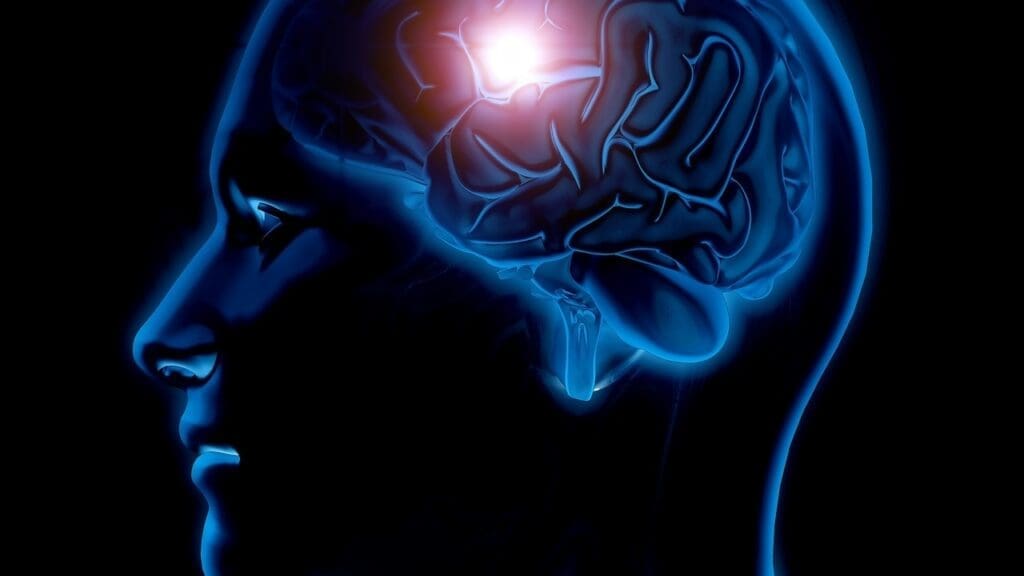
It’s important to know about brain tumors to catch them early and treat them well. This can really improve a person’s life. Brain tumors can be either benign or malignant. Their impact on the body depends on their type, where they are, and how big they are.
Common Types of Brain Tumors
Brain tumors are divided into primary and secondary types. Primary tumors start in the brain, while secondary ones spread from other parts of the body. Common primary tumors include gliomas, meningiomas, and pituitary tumors. For more info, check out National Institute of Neurological Disorders and.
How Brain Tumors Affect Different Brain Regions
The symptoms of brain tumors depend on where they are in the brain. For example, tumors in the cerebral cortex can cause seizures, speech problems, or changes in personality. Tumors in the cerebellum might lead to balance and coordination issues.
Risk Factors and Prevalence in Women
Brain tumors can happen to anyone, but some factors increase the risk. These include radiation exposure and genetic conditions. In women, meningiomas are more common than in men. This makes it important to know the brain tumor warning signs in adults and symptoms of brain tumor in women.
| Type of Tumor | Common Symptoms | Prevalence in Women |
|---|---|---|
| Gliomas | Headaches, seizures | Less common |
| Meningiomas | Headaches, vision changes | More common |
| Pituitary Tumors | Hormonal imbalances | Common |
Is Hair Loss a Sign of Brain Tumor?
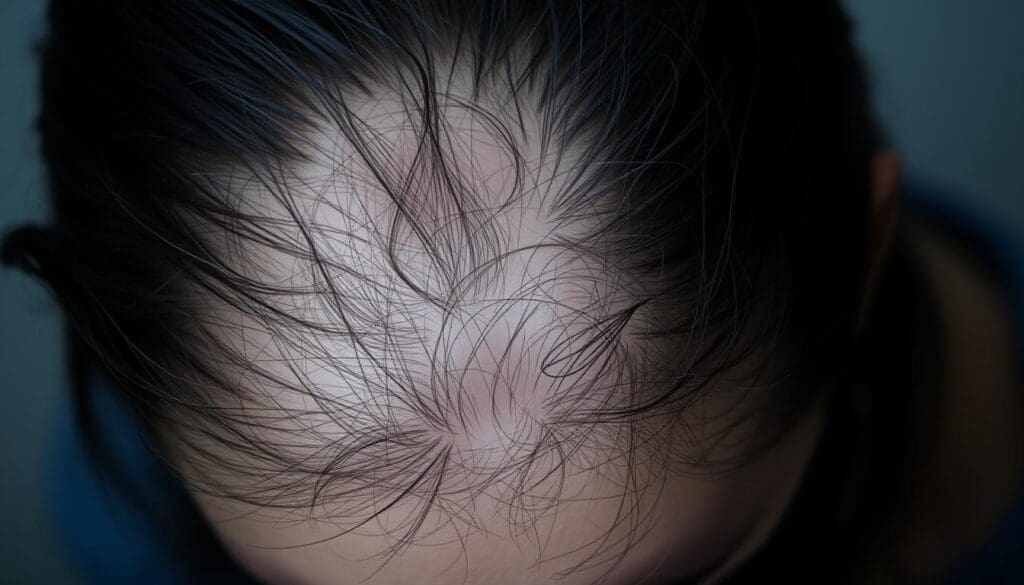
Looking into whether hair loss is linked to brain tumors, we see both direct and indirect ties. Hair loss is not usually a main sign of brain tumors. Yet, it can happen because of some tumor types or treatment side effects.
Direct vs. Indirect Relationships
Hair loss is not a direct sign of brain tumors. But, there can be indirect links. For example, some brain tumors can cause hormonal imbalances leading to hair loss. It’s key to tell apart hair loss from the tumor and from treatment.
Rare Cases: Tumors Affecting the Scalp and Skin
In rare cases, tumors can directly harm the scalp and skin, causing hair loss. A good example is diffuse neurofibroma, which can cause hair loss patches on the scalp. Such cases are rare and often come with other clear symptoms.
Distinguishing Between Disease-Related and Treatment-Related Hair Loss
It’s important to know if hair loss comes from the brain tumor or treatment. Treatments like chemotherapy and radiation can cause hair loss. Knowing the cause helps manage expectations and look into possible solutions.
Hair loss can be upsetting, even more so with a brain tumor diagnosis. By understanding the reasons, patients can handle their treatment choices and side effects better.
Treatment-Induced Hair Loss in Brain Tumor Patients
Patients with brain tumors often face hair loss as a side effect of treatment. This condition, called alopecia, can greatly affect their mood and life quality. Knowing why and when hair loss happens can help patients deal with it better.
Radiation Therapy and Hair Loss Patterns
Radiation therapy is a common treatment for brain tumors. It can cause hair loss in the treated area. The amount of hair loss depends on the radiation dose and length of treatment. High doses can cause permanent hair loss, while lower doses might lead to temporary hair loss.
The hair loss pattern usually matches the radiation area. This means hair loss is mostly in the area directly hit by radiation.
Chemotherapy Effects on Hair Follicles
Chemotherapy can also lead to hair loss in brain tumor patients. The drugs target fast-growing cells, including hair follicles. The severity of hair loss from chemotherapy varies based on the drugs and doses used.
Some patients might just see their hair thinning, while others could lose all their hair.
Timeline: When Hair Loss Occurs and When It May Grow Back
Hair loss from treatment usually starts 2 to 4 weeks after therapy begins. The time it takes for hair to grow back varies. For some, it starts a few months after treatment ends. For others, it may take longer.
Knowing that hair loss is often temporary can offer hope and support during this tough time.
Dealing with hair loss can be hard emotionally. Our healthcare team is dedicated to supporting patients physically and emotionally through this challenge.
Primary Warning Signs of Brain Tumors in Women
It’s important for women to know the early signs of brain tumors. This knowledge can lead to early treatment. Brain tumors can show different symptoms, so being alert is key.
Persistent Headaches and Pain Patterns
Persistent headaches are a common sign of brain tumors. These headaches can get worse over time. They might also cause nausea and vomiting.
Seizures and Neurological Disturbances
Seizures can be a sign of a brain tumor. This is true if the tumor affects motor control or other brain functions. If you start having seizures, see a doctor right away.
Unexplained Nausea and Vomiting
Unexplained nausea and vomiting can also be a sign. These symptoms often happen with headaches or other brain issues. They’re caused by increased pressure in the brain.
Cognitive and Behavioral Changes
Brain tumors can also cause changes in thinking and behavior. This includes memory problems, confusion, and changes in personality. These symptoms can be small and grow slowly.
Knowing these signs can help women catch brain tumors early. If you notice any of these symptoms, see a doctor. They can help figure out what’s going on.
Gender-Specific Symptoms: How Brain Tumors Present in Female Patients
Brain tumors can show up differently in women, making diagnosis and treatment tricky. Some symptoms are the same for both men and women. But, women might have unique signs that need special attention. Knowing these symptoms is key to finding and treating brain tumors early in women.
Hormonal Disruptions and Menstrual Irregularities
Brain tumors can affect women’s hormones in unique ways. Tumors in the pituitary gland or hypothalamus can mess with menstrual cycles and libido. For example, women with pituitary tumors might stop menstruating or have very light periods.
Doctors should think about brain tumors when women have unexplained changes in their periods.
“Hormonal changes due to brain tumors can mimic other gynecological conditions, making diagnosis challenging.”
Pituitary Tumors and Their Unique Effects in Women
Pituitary tumors can mess with hormone levels in women. They can cause too much prolactin, leading to milk production without nursing and infertility. Women with these symptoms should get checked for pituitary tumors.
These tumors can also affect other hormones, causing metabolic and endocrine problems.
Distinguishing from Other Women’s Health Issues
It’s hard to tell if a woman has a brain tumor or another health issue. Symptoms like those of PCOS, thyroid problems, or menopause can be similar. Doctors need to use detailed tests and imaging to make sure.
We stress the need for a team effort to diagnose brain tumors in women. By looking at specific symptoms and using the latest tests, doctors can catch and treat these tumors better in women.
The Connection Between Brain Tumors and Balance Disorders
It’s important to know how brain tumors can lead to balance problems. We’ll look at how tumors can cause vertigo and dizziness. We’ll also talk about which tumors can affect balance.
Can Vertigo Be Caused By a Brain Tumor?
Vertigo, feeling like you’re spinning, can be a sign of a brain tumor. This happens when a tumor impacts the brain’s balance centers, like the cerebellum or brainstem. Can vertigo be caused by a brain tumor? Yes, it can, but it’s not very common.
People with brain tumors often have balance issues. They might feel dizzy, lose coordination, or have trouble walking. How bad these symptoms are depends on the tumor’s size and where it is.
Dizziness as a Warning Sign
Dizziness is a common sign of brain tumors. It can feel like you’re going to pass out or feel unsteady. When a tumor presses on balance areas in the brain, it can cause dizziness. This symptom usually doesn’t go away and can get worse.
Tumor Locations That Affect Balance and Coordination
Some brain areas are more likely to cause balance problems if they have a tumor. These include:
- The cerebellum, which controls coordination and balance.
- The brainstem, which connects the cerebrum to the spinal cord and regulates many automatic functions, including balance.
- The vestibular pathways, which are responsible for processing information related to balance and spatial orientation.
| Tumor Location | Potential Balance-Related Symptoms |
|---|---|
| Cerebellum | Loss of coordination, ataxia, difficulty with balance |
| Brainstem | Dizziness, vertigo, double vision, difficulty walking |
| Vestibular Pathways | Vertigo, dizziness, nausea, vomiting |
Knowing how brain tumors and balance issues are connected helps us spot warning signs early. If you’re always dizzy or have vertigo, see a doctor right away.
Modern Diagnostic Approaches for Suspected Brain Tumors
Diagnosing brain tumors requires a detailed process. It includes various imaging and testing methods. We will look at the latest ways to find brain tumors. We’ll also talk about why quick medical help is key and how advanced imaging helps.
When to Seek Medical Attention
It’s important to know the signs of brain tumors. If you have headaches that won’t go away, seizures, or nausea and vomiting, see a doctor. Also, if you notice memory loss or mood changes, don’t ignore them. Catching brain tumors early is vital for treatment.
Imaging and Testing Procedures
Several tests are used to find brain tumors. These include:
- MRI (Magnetic Resonance Imaging): Gives detailed brain images, showing tumor size and location.
- CT (Computed Tomography) Scan: Uses X-rays to make brain images, spotting tumors and bleeding.
- Biopsy: Removes tumor tissue for lab tests to find the tumor type.
The Diagnostic Journey for Women
Women may face special challenges in diagnosis. Hormonal changes and menstrual issues can be linked to brain tumors. A detailed diagnostic plan is needed for women. This plan uses advanced imaging and thorough medical checks for accurate diagnosis and treatment.
In summary, diagnosing brain tumors today combines advanced imaging, detailed medical checks, and quick action. We urge anyone with ongoing or worsening symptoms to seek medical help.
Managing Hair Loss and Other Side Effects During Treatment
Patients with brain tumors often lose their hair due to treatment. But knowing the reasons and the help available can really help. At Liv Hospital, we offer full care for patients from abroad, including those with brain tumors.
Practical Coping Strategies for Hair Loss
Dealing with hair loss during treatment is tough. But there are ways to make it easier. We suggest looking into headwear options like wigs, scarves, and hats to find what suits you best. Also, using soft hair care products and avoiding heat styling can help prevent more hair loss.
Getting ready for hair loss before it starts can also help. This might mean cutting your hair short or shaving your head. Many find that being prepared makes them feel more in charge.
Hair Regrowth Expectations After Treatment
Knowing what to expect about hair regrowth after treatment can give hope. Often, hair loss from treatment is temporary, and hair grows back once treatment ends. But how fast hair grows back can differ for everyone, and it might take months for hair to look like it did before.
Multidisciplinary Support Resources
At Liv Hospital, we have multidisciplinary support resources for managing treatment side effects, like hair loss. Our team includes nutritionists, psychologists, and support groups. They offer advice and emotional support during treatment.
By using practical strategies and emotional support, patients can handle hair loss and other side effects better. We aim to give top-notch healthcare with full support for patients from abroad.
Conclusion: Awareness, Early Detection, and Support
Knowing the early signs of brain tumors is key for quick diagnosis and treatment. We’ve talked about symptoms like headaches, vomiting, mood swings, seizures, and thinking problems. Spotting these signs early can greatly improve treatment results, as shown in a BMJ study.
This study lists headache, vomiting, and other signs as common brain tumor indicators. For more on early warning signs, check out this article.
It’s vital to spread awareness about brain tumors and support patients during their journey. Early detection leads to better treatment and outcomes. We urge everyone to know the symptoms and seek help if they or someone they know shows them.
Creating a supportive community and giving full care can greatly help those with brain tumors. Our goal is to offer top-notch healthcare and support to international patients, ensuring they get the best care.
FAQ
Is hair loss a common symptom of brain tumors?
Hair loss can worry many people. It’s not a direct sign of brain tumors. But, it might happen with some tumors or as a treatment side effect. At Liv Hospital, we offer full care for these issues.
Can a brain tumor cause hair loss directly?
Brain tumors usually don’t cause hair loss. But, rare cases of tumors near the scalp can lead to it.
How does radiation therapy affect hair loss in brain tumor patients?
Radiation therapy can make hair fall out, mainly in treated areas. How much hair falls out depends on the treatment dose and area. We support our patients through this.
Will my hair grow back after treatment for a brain tumor?
Often, hair grows back after treatment ends. But, how long it takes varies. We help manage hair loss and guide on regrowth.
What are the primary warning signs of brain tumors in women?
Warning signs include constant headaches, seizures, and unexplained nausea. Also, changes in thinking or behavior are key. Early detection is vital, and we’re here to help.
Can brain tumors cause balance disorders like vertigo or dizziness?
Yes, brain tumors can lead to balance issues like vertigo or dizziness. This depends on the tumor’s location. Tumors near balance areas can cause these symptoms.
How are brain tumors diagnosed?
Diagnosis uses imaging tests like MRI or CT scans and other tests. We ensure accurate detection with a detailed diagnostic approach.
What support is available for managing hair loss during treatment?
We offer support for hair loss, including coping strategies and hair growth guidance. Our team supports patients through every care step.
Are there gender-specific symptoms of brain tumors in women?
Yes, hormonal changes and menstrual issues can happen with certain tumors, like pituitary tumors. We focus on these unique effects in female patients.
When should I seek medical attention for symptoms that might indicate a brain tumor?
Seek medical help for persistent or severe symptoms like headaches, seizures, or thinking changes. We’re ready to provide care and support.
References
- PMC – PubMed Central : https://pmc.ncbi.nlm.nih.gov/articles/PMC3876007