Last Updated on November 27, 2025 by Bilal Hasdemir
A cancer diagnosis can be scary, making people look for other treatments. Some think castor oil can shrink tumors. But, it’s key to know the difference between stories and real science.
At Liv Hospital, we get how tough a cancer diagnosis can be. We know the emotional side of cancer is big. Yet, we focus on treatments backed by science. We aim to look closely at castor oil claims and its part in cancer treatment.
Key Takeaways
- The use of castor oil as a cancer treatment lacks scientific proof.
- Some people look for extra options beyond usual treatments.
- Always talk to doctors before trying alternative treatments.
- Liv Hospital offers top-notch healthcare and support for patients worldwide.
- We aim to clear up the risks and possible benefits of using castor oil for cancer.
Understanding Castor Oil: Properties and Traditional Uses
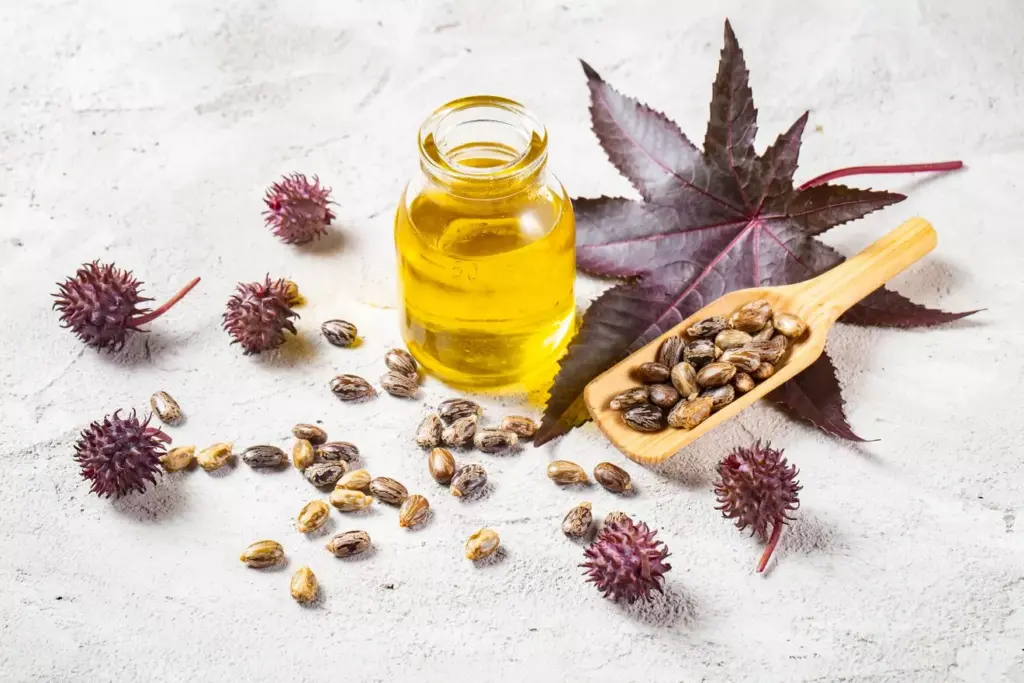
Castor oil comes from the castor bean plant and has been used for centuries. It’s known for its health and beauty benefits. We’ll look into its makeup, past uses, and current applications to see how it might affect health, including cancer.
What is Castor Oil?
Castor oil is made from the seeds of the Ricinus communis plant. It’s rich in ricinoleic acid, which fights inflammation. Even though the castor bean has a toxic compound called ricin, the oil-making process removes it. This makes castor oil safe to use and not harmful to health.
Historical and Traditional Applications
Castor oil has been around for a long time. It was used as a laxative and in traditional medicine for its health benefits. People also used it on the skin for problems and inside for stomach issues. Its many uses have made it a key part of traditional healing.
Modern Uses in Medicine and Cosmetics
Nowadays, castor oil is used in beauty products for its moisturizing effects and in medicine for its anti-inflammatory properties. Some people believe it can help with breast lumps and even breast cancer. But, these ideas need more scientific proof to be confirmed.
The Origin of Cancer Treatment Claims About Castor Oil
Castor oil has been linked to cancer treatment for centuries. To grasp how it became tied to cancer, we must look at the history of alternative cancer treatments.
Historical Context of Alternative Cancer Treatments
For ages, people have sought natural remedies for diseases like cancer. They are drawn to alternative treatments because they seem safer and give them more control over their health. Castor oil, from the Ricinus communis plant, has been used for centuries in traditional medicine for its health benefits, including anti-inflammatory and laxative properties.
How Castor Oil Entered Cancer Treatment Discussions
Castor oil became part of cancer treatment talks through alternative medicine. Supporters of alternative cancer treatments highlight the oil’s ricinoleic acid as a key anti-cancer component. Its long history of use for various ailments led some to believe it could fight cancer.
| Year | Event | Significance |
|---|---|---|
| Early 20th Century | Castor oil use in traditional medicine | Initial reports of its health benefits |
| Mid-20th Century | Exploration of alternative cancer treatments | Castor oil included in some therapies |
| Late 20th Century | Rise of holistic health movements | Castor oil packs became popular for various ailments |
Popular Claims and Purported Mechanisms
Some say castor oil can shrink tumors or ease cancer symptoms. They believe it works by boosting the lymphatic system and reducing inflammation. Yet, these claims lack strong scientific backing.
When we look at castor oil and cancer treatment claims, we must be critical and informed. It’s important to understand both the historical context and the latest research.
Can Castor Oil Shrink Cancer? Examining the Scientific Evidence
Many people think castor oil can make cancer tumors smaller. This idea has led to a closer look at the science behind it. We need to understand the difference between lab tests, animal studies, and human trials.
Laboratory Studies on Castor Oil Components
Lab tests have looked at how castor oil and its parts affect cancer cells. Ricinoleic acid, a key part of castor oil, might help fight cancer in vitro. Studies show it can make some cancer cells die.
“The cytotoxic effects of ricinoleic acid on cancer cells suggest a possible way castor oil could affect tumor growth,” a study found.
Even though lab tests are promising, using castor oil to treat cancer in people is more complicated.
| Study | Component Tested | Effect on Cancer Cells |
|---|---|---|
| Study 1 | Ricinoleic Acid | Induced apoptosis in cancer cell lines |
| Study 2 | Castor Oil Extract | Showed cytotoxic effects on tumor cells |
| Study 3 | Ricin | Demonstrated potent anticancer activity |
Animal Studies and Their Limitations
Animal studies have also shown castor oil might help fight cancer. Mice studies have shown it can slow down tumor growth. But, these studies have big limitations.
Animal models don’t perfectly match human cancer. So, we must be careful when interpreting these results. What works in animals might not work in people.
Absence of Human Clinical Trials
Even with promising lab and animal data, there are no human trials on castor oil for cancer. Without human trials, claims about its benefits are not proven.
As we look into new cancer treatments, we must rely on solid scientific proof. Castor oil might have benefits, but it should be used carefully and with a doctor’s guidance.
Castor Oil and Breast Cancer: Separating Fact from Fiction
Castor oil is sometimes seen as a possible help for breast cancer. But what does the science say? It’s key to know the difference between stories and proven facts when it comes to castor oil and breast cancer.
Common Claims About Castor Oil for Breast Cancer
Some say castor oil can shrink tumors or ease symptoms of breast cancer. Castor oil packs are mentioned as a way to apply it to the breast. But we need to look at the science behind these claims.
Castor oil has ricinoleic acid, which might help with inflammation and fighting germs. Yet, using it for breast cancer treatment lacks strong scientific backing.
Castor Oil Packs for Breast Cancer: Anecdotes vs. Evidence
Castor oil packs are a popular, but unproven, remedy for breast cancer. Some people say it helps with pain or swelling. But these stories can’t replace solid scientific research. There’s a big gap in studies on castor oil packs for breast cancer.
What Oncologists Say About Castor Oil Use
Oncologists are careful about castor oil for breast cancer. They see value in some alternative therapies for comfort. But they stress that castor oil should not replace standard treatments for breast cancer.
| Aspect | Claims About Castor Oil | Medical Consensus |
|---|---|---|
| Efficacy in Reducing Tumors | Anecdotal reports of tumor reduction | Lack of clinical evidence supporting its use for tumor reduction |
| Symptom Relief | Some reports of pain and swelling reduction | Limited studies; more research needed |
| Safety | Generally considered safe for topical use | Potential for skin irritation; not recommended for internal use without medical supervision |
We understand that patients want all options for their care. Castor oil might fit into some alternative therapies. But always talk to a doctor before adding it to your treatment plan.
Castor Oil for Breast Lumps and Fibroadenomas
Castor oil is sometimes used for breast lumps and fibroadenomas. But, it’s important to know the facts. Breast lumps can be caused by many things, and some are serious.
Types of Breast Lumps and Conventional Treatments
Breast lumps can be different types, like cysts, fibroadenomas, and tumors. Fibroadenomas are common in young women and are not cancerous. Treatments depend on the type of lump. Some need no treatment, while others may need surgery.
Topical Castor Oil Applications: Claims and Reality
Some say castor oil can make breast lumps smaller when applied topically. They believe its anti-inflammatory properties help. But, there’s little scientific proof for this.
Castor oil is known for its anti-inflammatory effects in other areas. Yet, its use for breast lumps is mostly based on stories.
How to Use Castor Oil for Breast Fibroadenoma: Examining the Claims
People use castor oil for breast fibroadenomas by applying it directly with a warm compress. They think it can shrink the lump. But, there’s no strong evidence for this. Doctors usually advise against using it without a proper check-up.
Risk of Delayed Diagnosis with Alternative Treatments
Using castor oil or other treatments without a doctor’s advice can hide serious problems. It’s vital to get any lump checked by a healthcare professional. This ensures no cancer or other serious issues are missed. While castor oil might help in some ways, it should not replace medical care.
In summary, castor oil might be used for breast lumps, but its benefits are not proven. Always choose proven health methods, as shown in discussions on liver health and nutrition. Always talk to a doctor before trying new treatments, even for serious issues like breast lumps.
Skin Cancer and Castor Oil: Analyzing Popular Claims
Some people are looking into castor oil as a way to help with skin cancer. We’ll look at the different types of skin cancer, how they’re usually treated, and what’s said about using castor oil.
Types of Skin Cancer and Standard Treatments
Skin cancer comes in several forms, with basal cell carcinoma, squamous cell carcinoma, and melanoma being the most common. The usual treatments depend on the type and stage of cancer. They often include surgery, radiation, and chemotherapy.
| Type of Skin Cancer | Standard Treatments |
|---|---|
| Basal Cell Carcinoma | Surgical removal, topical creams |
| Squamous Cell Carcinoma | Surgery, radiation therapy |
| Melanoma | Surgery, immunotherapy, targeted therapy |
Claims About Castor Oil for Skin Cancer
Some people say castor oil can help with skin cancer because of its anti-inflammatory effects and ability to boost the lymphatic system. But these claims are mostly based on personal experiences and don’t have strong scientific backing.
Castor Oil on Skin Cancer: Possible Risks
Applying castor oil to skin cancer spots might make it harder to find and treat the disease early. It could also irritate the skin, making other skin problems worse.
In summary, while castor oil is used for many health issues, there’s no solid proof it works for skin cancer. Anyone thinking about using it for skin cancer should talk to a doctor first.
Castor Oil for Other Types of Tumors
Castor oil is often talked about for breast cancer. But, it might also help with other tumors. We look into its effects on different types of tumors.
Claims About Castor Oil for Internal Tumors
Some say castor oil can fight internal tumors. They think its anti-inflammatory and antioxidant powers might shrink tumors or slow them down. But, these claims are mostly based on stories, not solid science.
Castor oil might boost the lymphatic system. This could help remove toxins, which might slow tumor growth. Yet, there’s no strong proof for this.
Research on Castor Oil Derivatives in Cancer Research
Scientists have looked into castor oil’s parts, like ricinoleic acid, for fighting cancer. Some studies show these compounds might make cancer cells die. This could be a new way to treat cancer.
| Study | Compound | Findings |
|---|---|---|
| Laboratory Study 1 | Ricinoleic Acid | Induced apoptosis in cancer cells |
| Laboratory Study 2 | Castor Oil Extract | Showed anti-proliferative effects on tumor cells |
The Gap Between Laboratory Findings and Clinical Applications
Even with promising lab results, there’s a big gap to using it in people. Most studies were done in labs or on animals. There are hardly any human trials.
We really need more research to understand how castor oil could help with tumors. This will help make sure it’s safe and works well in treating cancer.
Safety Concerns: Is Castor Oil Carcinogenic or Toxic?
When looking into castor oil for cancer treatment, we must check its safety. Castor oil comes from the Ricinus communis plant and has ricin, a toxic substance. But, the oil is usually safe because ricin is removed during processing.
Ricin Content and Processing Safety
The ricin in castor beans is a big worry. But, the way castor oil is made removes ricin, making it safe. “The removal of ricin during processing is a critical step that ensures the safety of castor oil for various applications,” experts say.
Potential Side Effects of Topical and Internal Use
Castor oil is mostly safe, but it can have side effects. Taking it by mouth can upset your stomach. Applying it to your skin might cause irritation. Knowing these risks is important.
Castor Oil on Breasts Side Effects
Using castor oil on your breasts can lead to redness, itching, and irritation. Women thinking about using it for breast issues should watch for any bad reactions.
Interactions with Conventional Cancer Treatments
There’s not much research on castor oil and cancer treatments. But, it’s key to talk to your doctor before using it, if you’re getting chemotherapy or other treatments.
In summary, castor oil is not harmful and is safe when made right. But, knowing its side effects and how it might affect other treatments is vital. Always talk to a healthcare professional before using castor oil for health reasons.
Conclusion: Making Informed Decisions About Castor Oil and Cancer
Throughout this article, we’ve looked into whether castor oil can shrink cancer or tumors. While it has many uses, there’s no strong proof it works for cancer. This is because there aren’t enough clinical trials to back it up.
If you’re thinking about using castor oil for cancer, know the risks. It’s important not to skip proven treatments for untested ones. Doctors say castor oil shouldn’t replace standard cancer care. They stress the need for treatments that have solid evidence behind them.
When it comes to castor oil and cancer, we need to look at the facts carefully. We urge patients and their families to talk to doctors before choosing treatments. This way, they can make choices based on the best available information.
Our main goal is to support those facing cancer with kindness and understanding. By focusing on treatments that have been proven to work, patients can make the best decisions for their health. Talking openly with doctors is key to getting the right care.
FAQ
Is castor oil effective in shrinking cancer or breast tumors?
There’s no scientific proof that castor oil can shrink cancer or breast tumors. Some lab studies show promise, but we need more human trials to be sure.
What are the possible risks of using castor oil for cancer treatment?
Using castor oil for cancer treatment can be risky. It might delay getting proper medical help. It could also cause side effects or interact with other treatments.
Can castor oil be used to treat breast lumps or fibroadenomas?
Some people think castor oil can help with breast lumps or fibroadenomas. But, there’s no scientific proof. It’s best to see a doctor for these issues to avoid complications.
Is castor oil carcinogenic or toxic?
Castor oil itself isn’t known to be carcinogenic. But, it can have ricin, a toxic substance, if not processed right. Most commercial castor oil has ricin removed, making it safe.
Can castor oil be used on skin cancer?
There’s no scientific backing for using castor oil on skin cancer. In fact, it could be dangerous because it might delay getting the right treatment.
How do oncologists view the use of castor oil for breast cancer?
Oncologists don’t recommend using castor oil instead of standard breast cancer treatment. They say there’s no solid evidence it works and it could be risky.
Can castor oil interact with conventional cancer treatments?
Yes, castor oil might affect how some cancer treatments work. Always talk to a doctor before using it, if you’re getting cancer treatment.
What are the possible side effects of using castor oil on the breasts?
Using castor oil on the breasts can cause skin problems or allergic reactions. It’s important to follow the right usage and talk to a doctor if you have any issues.
Is there any research on castor oil derivatives in cancer research?
Yes, some studies are looking at castor oil derivatives, like ricin-based compounds, for cancer research. But, these studies are just starting, and more research is needed.
How should I use castor oil for breast fibroadenoma?
We don’t suggest using castor oil for breast fibroadenoma or any health issue without a doctor’s advice. While some claim it helps, there’s no scientific proof, and it could be risky if not used correctly.
References
- Medical Realities. Can Castor Oil Help With Breast Cancer? Retrieved from https://medicalrealities.com/can-castor-oil-help-with-breast-cancer/
- Levitsky, D. O., et al. Anti‑breast Cancer Agents Derived from Plants. PMC. Retrieved from https://pmc.ncbi.nlm.nih.gov/articles/PMC4327996/ (PubMed Central)
- Fjällskog, M. L., Frii, L., & Bergh, J. “Paclitaxel‑induced cytotoxicity — the effects of Cremophor EL (castor oil) on two human breast cancer cell lines with acquired multidrug resistant phenotype.” Eur J Cancer. 1994;30A(5):687–690. Retrieved from https://pubmed.ncbi.nlm.nih.gov/7915908/