Last Updated on November 26, 2025 by Bilal Hasdemir
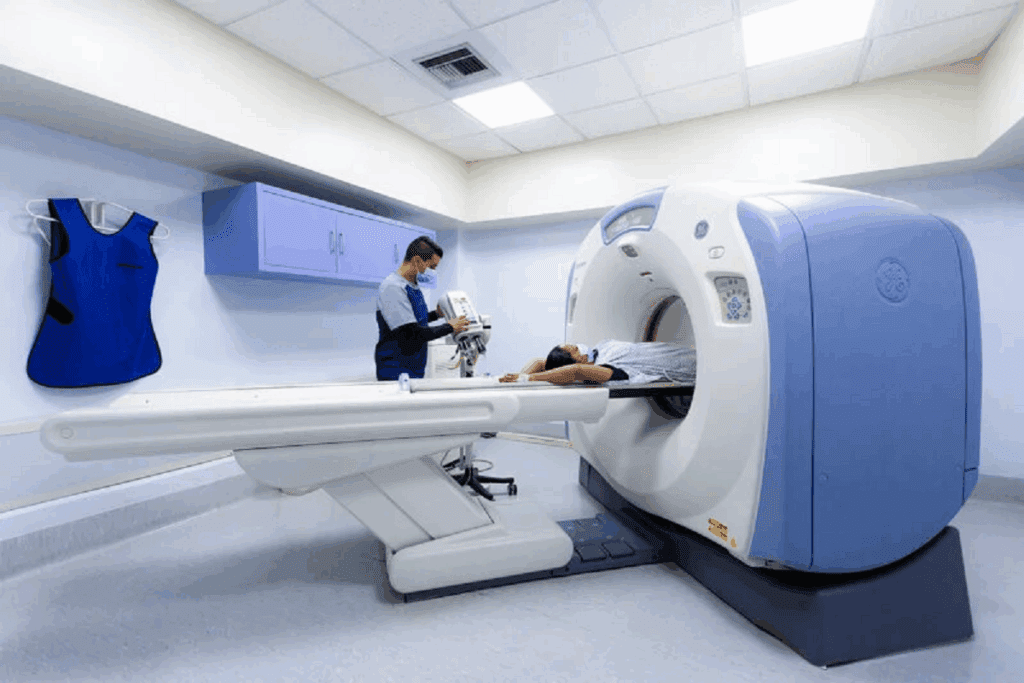
Yes—“can CT detect colon cancer” is true for many cases, especially larger masses; pooled analyses of contrast-enhanced CT report sensitivities around 76% and specificities near 87%, while CT colonography achieves cancer detection sensitivity around 96%, though small or flat lesions and polyps are less reliably seen than with optical colonoscopy. CT is most useful for detecting obvious tumors, complications, and staging (spread to organs and nodes), whereas colonoscopy remains the gold standard for finding and removing precancerous polyps and confirming diagnosis with biopsy.
Key Takeaways
- Early diagnosis improves colon cancer treatment outcomes.
- CT scans are highly sensitive in detecting colorectal tumors.
- Blood tests complement CT scans in diagnosis.
- Understanding diagnostic methods is key to effective disease management.
- Diagnostic tools are essential in identifying colon cancer.
Understanding Colon Cancer: An Overview
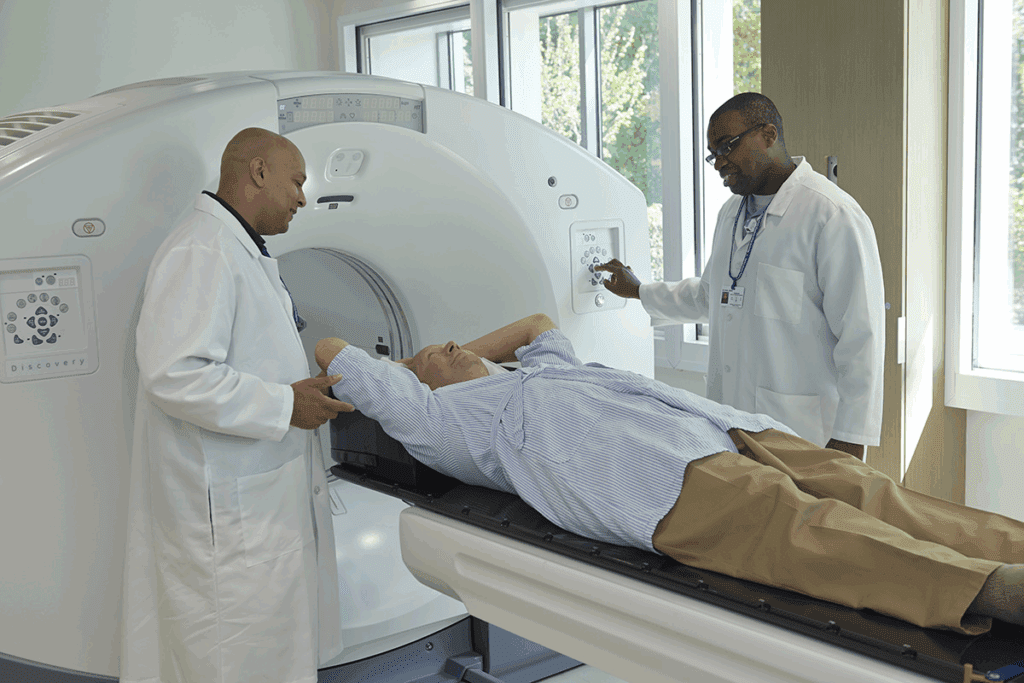
It’s important to know about colon cancer to catch it early. Colon cancer, also called colorectal cancer, grows in the colon or rectum. It’s a common cancer worldwide, causing many deaths.
What is Colon Cancer?
Colon cancer starts in the inner lining of the colon or rectum. It often begins as a benign polyp that can turn cancerous over time. The most common type is adenocarcinoma, which comes from glandular cells.
Key Facts About Colon Cancer:
- Colon cancer is the third most common cancer globally.
- It often develops from adenomatous polyps.
- Early-stage colon cancer may not present symptoms.
Risk Factors and Warning Signs
There are several risk factors for colon cancer. These include:
- Age: Risk increases after 50 years.
- Family history of colon cancer or polyps.
- Genetic syndromes such as Lynch syndrome.
- Dietary factors: High consumption of red and processed meat.
Signs that may mean you have colon cancer include:
- Blood in the stool or black, tarry stools.
- Changes in bowel habits.
- Abdominal pain or discomfort.
- Unexplained weight loss.
| Risk Factor | Description | Relative Risk |
| Age > 50 | Increased risk with age | High |
| Family History | First-degree relative with colon cancer | Moderate to High |
| Genetic Syndromes | Lynch syndrome, FAP | High |
| Diet | High red and processed meat consumption | Moderate |
Importance of Early Detection
Finding colon cancer early can greatly improve treatment results. Screening tests can spot cancer early, even before symptoms show. Blood tests can also help diagnose and monitor the disease.
The importance of early detection cannot be overstated, as it allows for timely intervention, potentially reducing mortality rates.
Knowing the basics of colon cancer, including risk factors and the need for early detection, is key to effective management and better survival rates.
The Diagnostic Journey: When to Seek Testing
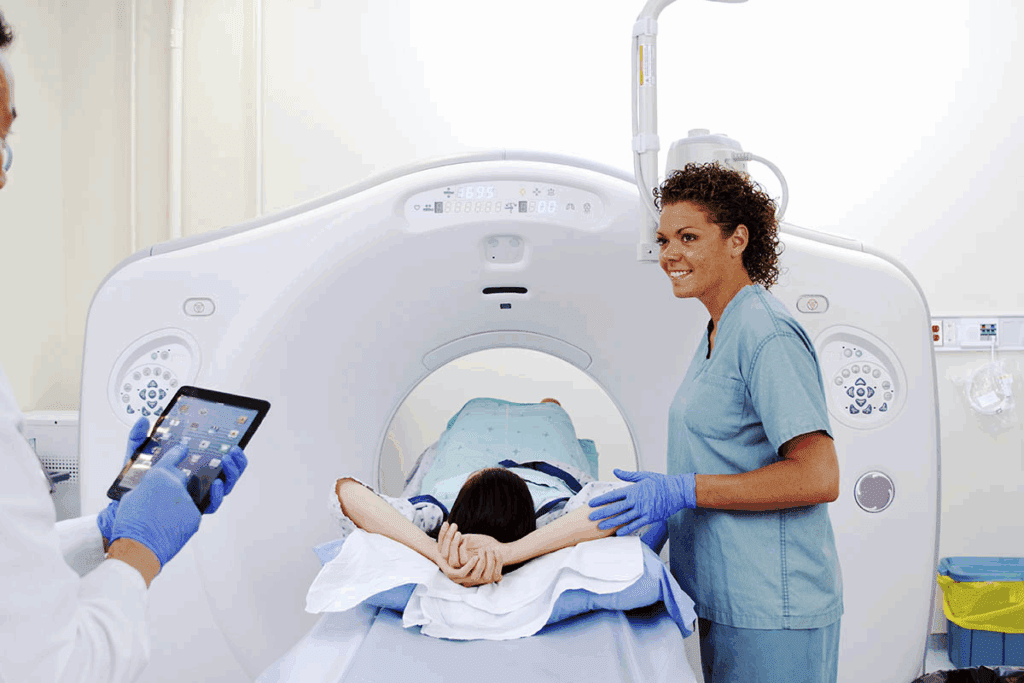
Knowing when to get tested for colon cancer is key to early detection and treatment. Colon cancer is very treatable if caught early. So, it’s important to know the signs and symptoms.
Symptoms That Warrant Diagnostic Investigation
Some symptoms suggest you might need colon cancer testing. These include:
- Changes in bowel habits, like persistent diarrhea or constipation.
- Blood in the stool or black, tarry stools.
- Unexplained weight loss.
- Abdominal pain or cramping.
- Fatigue or weakness.
Having one or more of these symptoms doesn’t mean you definitely have colon cancer. But it’s important to see a doctor for a check-up.
“The American Cancer Society recommends that adults with an average risk of colon cancer start regular screening at age 45.”
Screening Recommendations by Age and Risk Level
Screening guidelines depend on age and risk factors. For those at average risk:
- Start screening at age 45.
- You can choose from colonoscopy, CT colonography, or stool-based tests.
If you’re at higher risk, like with a family history of colon cancer or certain genetic syndromes, you might need to start screening earlier and more often.
Initial Consultation and Diagnostic Planning
At your first visit, your doctor will look at your risk factors, talk about your symptoms, and suggest tests. This might include:
- A detailed medical history.
- A physical exam.
- Blood tests, like colon cancer blood work, are used to check for anemia or tumor markers.
- Imaging tests or endoscopic procedures.
Getting tested early through screening and diagnostic tests can greatly improve your chances of beating colon cancer.
Can CT Scans Detect Colon Cancer? Capabilities and Limitations
CT scans are now used more often to find colon cancer. They use new technology to spot tumors and other issues. This part talks about what CT scans can and can’t do for colon cancer.
How CT Scans Work for Colon Cancer Detection
CT scans make detailed pictures of the belly and pelvis using X-rays. They help see the colon and the tissues around it. This is great for finding big tumors and seeing if cancer has spread.
The process starts with the patient lying on a table that moves into a CT scanner. The scanner moves around the body, taking pictures from different sides. Then, these pictures are put together to show detailed images for doctors to check.
Sensitivity Rates for Colorectal Tumors
Research shows CT scans can spot colorectal tumors 76 to 100 percent of the time. How well they work depends on the tumor’s size, where it is, and the CT technology used.
Effectiveness for Different Tumor Sizes
CT scans work better for bigger tumors. But, they might miss smaller ones. Newer CT technologies, like CT colonography, help find smaller tumors better.
Limitations in Detecting Small Lesions and Lymph Node Involvement
Even though CT scans are helpful, they have some downsides. They can’t always find small tumors or check if cancer has spread to lymph nodes. This is because they can’t always tell if a node is cancerous or not.
In short, CT scans are a key tool in finding and understanding colon cancer. But they should be used with other tests and scans for a full diagnosis.
CT Colonography: A Specialized Approach
CT colonography is a new way to find colon cancer. It’s a non-invasive test that can spot tumors and help figure out how far the cancer has spread.
What is CT Colonography?
CT colonography, or virtual colonoscopy, uses CT scans to see inside the colon and rectum. The colon is filled with air or gas to get clear images.
Key benefits of CT colonography include:
- Minimally invasive
- No need for sedation
- Quick procedure time
- Ability to visualize the entire colon
Procedure and Patient Experience
The test starts with bowel prep, like a regular colonoscopy. Then, the patient lies on the CT scanner table. A small tube is used to fill the colon with gas.
The CT scan is done in two ways: lying on the back and on the stomach. This helps find any growth better.
“CT colonography has emerged as a valuable tool for colorectal cancer screening, a less invasive option than traditional colonoscopy.”
— Medical Expert, Gastroenterologist
Effectiveness in Detecting Mass Lesions
CT colonography is great at finding big growths like polyps and tumors. It can spot growths over 10 mm very well.
| Lesion Size | Sensitivity Rate |
| > 10 mm | 90-95% |
| 6-9 mm | 70-80% |
| 40-60% |
Role in Cancer Staging
CT colonography is key in figuring out how far colon cancer has spread. It shows detailed images of the tumor and nearby tissues.
This info helps doctors decide on the best treatment, like surgery or other therapies.
Would Colon Cancer Show Up in a Blood Test? Understanding Blood-Based Diagnostics
Blood tests are not the main way to find colon cancer. But they can help a bit. They give clues that doctors use with other tests to check for colon cancer.
Complete Blood Count (CBC) Abnormalities in Colon Cancer
A CBC test checks your blood’s parts, like red and white cells. People with colon cancer might have anemia, or low red blood cells. This happens because the tumor bleeds a lot. Some might also have high white blood cell counts, showing infection or inflammation.
Tumor Markers: CEA and Other Biomarkers
Tumor markers are substances in the blood that show up in cancer. Carcinoembryonic antigen (CEA) is one linked to colon cancer. High CEA levels might mean cancer, but it’s not the only sign. Researchers are looking at other markers to find colon cancer in the blood.
Limitations of Blood Tests as Standalone Diagnostics
Blood tests are helpful, but not enough on their own, for colon cancer. Not all cancers show up in blood tests, and some non-cancer conditions can too. So, blood tests can’t say for sure if you have colon cancer.
When Blood Tests Are Most Useful
Blood tests are best when used with other tests. They help track the disease, see if treatment works, and find cancer coming back. For example, doctors watch CEA levels after surgery to see if cancer has come back.
Comprehensive Diagnostic Approach: The Gold Standard
The best way to find colon cancer is by using advanced imaging, endoscopies, and biopsies. This mix helps doctors give patients the right diagnosis. A correct diagnosis is key to good treatment plans.
Colonoscopy: The Definitive Diagnostic Tool
Colonoscopy is seen as the top method for spotting colon cancer. It lets doctors check the colon and rectum well. They can find and take out polyps or tumors for biopsies.
During a colonoscopy, a special tube with a camera goes into the colon. This gives a clear view of the lining. It helps find cancer early and remove precancerous spots to stop cancer.
Imaging, Endoscopic Evaluation, and Tissue Biopsy
Other tools are also key in finding colon cancer. Imaging techniques like CT scans and MRI show how far the disease has spread. Endoscopic evaluation lets doctors see inside the colon. And tissue biopsy checks tissue samples for cancer cells.
Combining Multiple Diagnostic Methods for Accuracy
Using many diagnostic methods is vital for an accurate colon cancer diagnosis. Colonoscopy is the top choice, but CT colonography can help too. These tools together make the diagnosis more accurate.
The Diagnostic Pathway from Suspicion to Confirmation
The journey to diagnose colon cancer starts with a doctor’s suspicion. Then, tests like colonoscopy, imaging, and biopsy follow. This detailed process ensures a quick and correct diagnosis. It helps plan the right treatment.
Special Considerations for Different Populations
It’s important to know the specific needs of different groups for colon cancer diagnosis. Various factors affect how we screen and diagnose, so we must tailor our approach to each person’s needs.
Gender-Specific Approaches to Colon Cancer Testing
Testing for colon cancer in women involves several factors. Women are generally at lower risk than men, but certain factors, like breast cancer history or radiation exposure, can change this. Their overall health and life expectancy also play a role in deciding when to start screening.
Key considerations for women include:
- The impact of reproductive history on colon cancer risk
- The role of hormone replacement therapy in colorectal cancer risk
- The need for overall women’s health care
Tailored Screening for High-Risk Groups
People at high risk due to family history, genetic predisposition, or other factors need special screening plans. For them, starting screening earlier and more often is often advised to catch problems early.
High-risk groups include:
- Those with a first-degree relative diagnosed with colon cancer
- Individuals with known genetic syndromes such as Lynch syndrome
- Those with a history of inflammatory bowel disease
Age-Related Considerations in Colorectal Cancer Diagnostics
Age is a big factor in colon cancer risk, with most cases found in people over 50. Guidelines suggest starting screenings at 45 or 50 for those at average risk. But, for those with a family history or other risk factors, screening might start earlier.
| Age Group | Recommended Screening |
| 45-50 | Start regular screenings for average-risk individuals |
| 50+ | Continue regular screenings; consider more frequent screenings based on risk factors |
Family History and Genetic Factors in Diagnostic Planning
A family history of colon cancer or certain genetic mutations can greatly increase risk. For those with such a history or genetic predisposition, a more aggressive screening plan may be needed.
Key genetic factors to consider include:
- Lynch syndrome
- Familial adenomatous polyposis (FAP)
- Other hereditary colorectal cancer syndromes
Understanding these special considerations helps healthcare providers create better screening and diagnostic plans. This can lead to better outcomes for those at risk of colon cancer.
Emerging Technologies in Colorectal Cancer Diagnostics
The field of colorectal cancer diagnostics is changing fast. New technologies are making diagnoses more accurate and comfortable for patients. They also make the process smoother.
Advances in Imaging Technology
Imaging tech has improved a lot, thanks to new tools. CT colonography is now a key tool for spotting colorectal issues. It gives clear views of the colon and rectum, helping find polyps and tumors.
Advanced imaging, like MRI and PET scans, is also getting used more. They provide detailed images for cancer staging and treatment planning.
New Blood-Based Biomarkers and Liquid Biopsies
Researchers are looking into blood biomarkers for early cancer detection. Circulating tumor DNA (ctDNA) shows great promise. Liquid biopsies, which check blood or fluids for cancer cells or DNA, are also being explored.
These new methods could change how we screen for colorectal cancer. They make screening more accessible and less invasive.
| Diagnostic Method | Description | Advantages |
| CT Colonography | Imaging technique using CT scans to visualize the colon | Non-invasive, detailed images of the colon |
| Liquid Biopsy | Analysis of blood or bodily fluids for cancerous cells or DNA | Minimally invasive, early detection possible |
| Artificial Intelligence in Diagnostics | Use of AI algorithms to analyze medical images and data | Enhanced accuracy, fast analysis |
Artificial Intelligence in Diagnostic Interpretation
Artificial intelligence (AI) is being used more in medical diagnostics. In colorectal cancer, AI can analyze images from colonoscopies and CT scans. It helps spot lesions and tumors.
AI in diagnostics is expected to help doctors work less hard. It will also lead to better patient care by catching cancer early.
Future Directions in Non-Invasive Detection
The future of colorectal cancer diagnostics is non-invasive or minimally invasive tests. Research is ongoing to find new biomarkers and techniques. This could make early detection a reality.
As these technologies improve, they will be key in diagnosing and treating colorectal cancer better.
Conclusion: Making Informed Decisions About Colon Cancer Diagnostics
Knowing about the different ways to find colon cancer is key to making informed decisions. CT scans and blood tests are important tools in finding this disease. Each has its own strengths and weaknesses.
Understanding the various methods helps people make better choices. This includes CT colonography and blood tests. Talking to doctors is important to find the right test for you.
Colon cancer diagnostics complex. Staying up-to-date with new findings helps a lot. Knowing more lets people take charge of their health. This can lead to finding cancer early and treating it well.
FAQ
Would colon cancer show up in a blood test?
Blood tests can hint at colon cancer, but they’re not a surefire way to diagnose it. A Complete Blood Count (CBC) might show anemia. Or, tests like Carcinoembryonic Antigen (CEA) could suggest further tests are needed.
Can colon cancer be detected with a CT scan?
Yes, CT scans can spot colon cancer, mainly larger ones. But how well they work depends on the tumor’s size and where it is. A special CT scan, called CT colonography, is better at finding tumors and helps in figuring out the cancer’s stage.
How to test for colon cancer in women?
Women test for colon cancer the same way men do. This includes colonoscopy, CT colonography, and blood tests. Screening advice is based on age and risk, with some factors considering gender.
What are the limitations of blood tests in colon cancer diagnosis?
Blood tests, like CBC and tumor markers, aren’t enough to confirm colon cancer. They might show issues or track how the disease is growing. But, they’re usually used with other tests like colonoscopy and imaging.
Can a CT scan detect small colon cancer lesions?
CT scans struggle with small lesions. They can spot bigger tumors but miss smaller ones. This is why using CT scans with other tests is key for accurate detection.
What is the gold standard for diagnosing colon cancer?
Colonoscopy with a tissue biopsy is the top choice for diagnosing colon cancer. It lets doctors see the colon and rectum directly. They can take tissue samples for lab tests to confirm cancer.
Are there emerging technologies in colorectal cancer diagnostics?
Yes, new tech includes better imaging, blood-based biomarkers, liquid biopsies, and AI in diagnosis. These aim to catch cancer sooner and more accurately.
How does family history impact colon cancer diagnostic planning?
A strong family history of colon cancer means earlier and more frequent screening. High-risk individuals might get genetic tests and more aggressive screening plans.
What role does CT colonography play in colon cancer diagnosis?
CT colonography is a less invasive imaging method. It can find tumors and help in cancer staging. It’s a good option for some, but it might miss small lesions.
Can colon cancer be seen on a CT scan?
Yes, CT scans can show colon cancer, mainly large tumors. But detection depends on the tumor’s size, location, and the scan’s quality.
References
- American Cancer Society. (2023). Colorectal cancer early detection, diagnosis, and staging. Retrieved October 2025, from https://www.cancer.gov/types/colorectal/hp/colorectal-screening-pdq