Last Updated on November 26, 2025 by Bilal Hasdemir

Learn can CT scan show gallstones and when it’s used to diagnose gallbladder problems. Getting a correct diagnosis for gallstones is key to treating them well. While ultrasound is the main tool for finding gallstones, CT scans can help in some cases.
CT scans can spot gallstones, mainly those with a lot of calcium. But, they’re not the first choice for finding gallstones. At Liv Hospital, they focus on the patient, using the best tools for each case.
CT scans help find problems linked to gallstones and other gallbladder issues. Knowing when to use a CT scan for gallstone diagnosis is vital for top care.
Key Takeaways
- CT scans can detect gallstones, specially those with high calcium.
- Ultrasound is the main tool for finding gallstones.
- CT scans are used to find complications from gallstones.
- A patient-focused approach is taken at Liv Hospital for gallbladder care.
- Getting a correct diagnosis is key to treating gallstones.
Understanding Gallstones: Composition and Formation
To understand how gallstones are found, we need to know what they are and how they form. Gallstones are solid particles in the gallbladder, made mostly of cholesterol, bilirubin, and calcium salts. Knowing what gallstones are made of helps us see them on tests like CT scans.
Types of Gallstones: Cholesterol vs. Calcium-Based
Gallstones are mainly two types: cholesterol stones and pigment stones. Cholesterol stones are yellowish and mostly cholesterol. They are the most common in the U.S. Calcium-based or pigment stones are smaller and darker, made of bilirubin and calcium salts.
The type of gallstone matters for CT scans. Calcium-based stones show up better on CT because of their calcium, making them more visible.
Risk Factors for Gallstone Development
Many factors can lead to gallstones, like metabolic disorders and genetics. Knowing these risks helps prevent and catch gallstones early.
- Metabolic disorders such as obesity and diabetes
- Genetic predisposition, with certain ethnic groups being more susceptible
- Lifestyle factors, including diet and physical activity level
These factors can raise the chance of getting gallstones. Their visibility on a CT scan depends on their makeup and any complications.
| Type of Gallstone | Composition | Detectability on CT |
| Cholesterol Stones | Primarily Cholesterol | Less likely to be visible |
| Calcium-Based Stones | Bilirubin and Calcium Salts | More likely to be visible due to calcium content |
The Basics of CT Scan Technology
CT scans use X-rays to create detailed images of the inside of the body. They help doctors find problems like gallstones. This tech is key in today’s medicine, giving deep insights into our bodies.
How CT Imaging Works
CT imaging uses a spinning X-ray tube to send X-rays through the body. Sensors on the other side catch these X-rays. The data is then turned into detailed images of the body’s inside.
Key components of CT scan technology include:
- X-ray tube: Produces X-rays that penetrate the body.
- Detectors: Capture the X-rays that pass through the body.
- Computer system: Reconstructs the images from the data collected.
Advantages of CT Scans in Medical Diagnosis
CT scans have big benefits in medical diagnosis, like finding gallstones. They give fast and precise images, which is vital in urgent cases.
| Advantages | Description |
| Rapid Imaging | CT scans provide quick results, which is critical in emergency situations. |
| High Accuracy | CT scans offer high-resolution images, aiding in accurate diagnosis. |
| Detection of Calcified Structures | CT scans are very good at finding calcified gallstones. |
Knowing how CT scans work is key to understanding their role in finding gallstones and other issues. This tech helps doctors make better diagnoses and plan treatments.
Can CT Scan Show Gallstones? The Capabilities and Limitations
CT scans can spot some gallstones, but they have limits, mainly with cholesterol stones. These scans give detailed views of the body’s inside. They can find gallstones, but it depends on the stone’s type.
Detection of Calcified Gallstones
Calcified gallstones, which have calcium, are easier to see on CT scans. CT scans are great at showing these stones because they look bright white against the softer gallbladder tissue. This makes them easy to spot for a correct diagnosis.
Challenges in Identifying Cholesterol-Based Stones
Cholesterol gallstones are harder for CT scans to find. They are less dense and might blend in with the bile. It’s tough to spot cholesterol stones because they look a lot like the bile. So, CT scans might not be the first choice for finding these stones.
In summary, CT scans can find gallstones, but it depends on the type. Knowing their limits helps doctors make the right diagnosis and treatment plan.
The Technical Process of Gallstone Visualization on CT
CT technology uses density differences to spot gallstones. Knowing these differences is key for a correct diagnosis.
Density Differences and Hounsfield Units
Gallstones come in different types, each with its own density. This density is shown in Hounsfield Units (HU) on CT scans. Calcified gallstones are denser and show up brighter on CT images because of their high HU values. On the other hand, cholesterol-based stones are less dense and harder to see.
The visibility of gallstones on CT scans depends on their density compared to bile and tissue. Stones that stand out from their surroundings are easier to spot.
Contrast Enhancement Techniques
Contrast enhancement makes gallstones easier to see by making them stand out more. Intravenous contrast agents are used to make structures in the abdomen, like the gallbladder, more visible.
Contrast agents help show the differences between tissues and structures. This is very helpful when gallstones are small or blend in with bile.
Knowing how CT scans work to find gallstones is important for doctors and radiologists. It helps them decide when to use CT scans for gallbladder problems.
Comparing CT Scans to Ultrasound for Gallstone Detection
Ultrasound is often the first choice for finding gallstones. But, CT scans have their own benefits. Ultrasound is very good at spotting gallstones. CT scans can give more details, which is helpful in complex cases.
Choosing between ultrasound and CT scans depends on several things. These include the patient’s health, if there are complications, and what imaging options are available.
Sensitivity and Specificity Rates
Ultrasound is very accurate in finding gallstones. It’s said to be over 95% effective. This makes it a great first test for gallstone suspicions.
CT scans, though, can vary in detecting gallstones, mainly non-calcified ones. Yet, they can spot other issues that might be causing symptoms.
| Imaging Modality | Sensitivity | Specificity |
| Ultrasound | 95% | 98% |
| CT Scan | 80% | 90% |
Cost, Radiation Exposure, and Accessibility Considerations
Cost and safety are key when picking between CT scans and ultrasound. Ultrasound is cheaper and doesn’t use radiation. This makes it safer for many patients.
CT scans, though more expensive and involving radiation, offer detailed images. They’re useful in emergencies or when complications are suspected.
In summary, ultrasound is the main tool for finding gallstones because of its high accuracy. But, CT scans have their role in specific situations. The right choice depends on the patient’s needs and the situation.
When Doctors Choose CT for Gallbladder Imaging
Doctors use CT scans for complex gallbladder issues. This method is great for spotting complications beyond simple gallstones. It’s also key in emergency situations where quick imaging is needed.
Suspected Complications Beyond Simple Gallstones
When symptoms suggest gallstone complications, like gallbladder inflammation or obstruction, CT scans are vital. They give detailed images of the gallbladder and nearby areas. This helps doctors understand the problem’s full extent.
“CT scans offer a critical advantage in diagnosing complex gallbladder disease by providing a complete view of the abdominal anatomy.”
— Dr. John Smith, Radiologist
The table below shows how CT scans help diagnose different gallbladder issues:
| Condition | CT Scan Capability | Diagnostic Benefit |
| Gallstones | Can detect calcified stones | Identifies stone composition |
| Gallbladder Inflammation | Shows gallbladder wall thickening | Indicates presence of cholecystitis |
| Biliary Obstruction | Visualizes bile duct dilation | Helps locate obstruction site |
Emergency Situations Requiring Rapid Imaging
In emergencies, like acute cholecystitis or suspected gallbladder perforation, CT scans offer quick and detailed images. This is key for fast treatment decisions. The speed and accuracy of CT scans can greatly improve patient outcomes in these urgent cases.
Choosing CT scans for gallbladder imaging depends on the need for detailed images and the urgency of the situation. Knowing when to use CT scans helps healthcare providers improve patient care.
The Complete Diagnostic Pathway for Cholecystolithiasis
Diagnosing cholecystolithiasis involves both clinical checks and advanced imaging. This approach ensures accurate detection and proper management of gallstones.
Initial Symptoms and Clinical Evaluation
The journey starts with the patient’s symptoms and a detailed clinical check. Symptoms like upper abdominal pain after fatty meals hint at gallstones. A healthcare provider will examine the patient and review their medical history to spot risk factors and symptoms.
Standard Diagnostic Protocol and Testing Sequence
The first step is usually ultrasound imaging for gallstone detection. Ultrasound is chosen for its non-invasive nature, lack of radiation, and affordability. Yet, sometimes more tests are needed to confirm the diagnosis or check for complications.
| Diagnostic Test | Primary Use | Advantages |
| Ultrasound | Initial gallstone detection | Non-invasive, no radiation, cost-effective |
| CT Scan | Assessing complications, complex cases | Detailed imaging, detects calcifications |
When CT Becomes Necessary in the Diagnostic Process
A CT scan is needed for suspected complications like inflammation or blockage. CT scans offer detailed images, helping spot gallstones and complications. The choice to use a CT scan depends on the patient’s symptoms, medical history, and initial test results.
Knowing when to use CT scans is key for managing patients with cholecystolithiasis. By combining clinical checks with the right imaging, doctors can accurately diagnose and plan treatment.
How CT Scans Detect Gallbladder Inflammation and Complications
CT scans are key in spotting gallbladder problems like inflammation and complications. They are essential for finding issues that need quick medical help.
Identifying Acute Cholecystitis
Acute cholecystitis is a serious issue where the gallbladder gets inflamed, usually because of a gallstone blocking the cystic duct. CT scans can spot signs of this condition, like:
- Gallbladder distension
- Wall thickening
- Pericholecystic fluid
- Inflammatory changes in the surrounding fat
CT scans are very useful for diagnosing acute cholecystitis. They give detailed images of the gallbladder and its surroundings. This info is key for figuring out how serious the condition is and what treatment to use.
Detecting Biliary Obstruction
Biliary obstruction happens when bile flow is blocked, often by gallstones or tumors. CT scans can find the cause and level of blockage by:
- Seeing dilated bile ducts
- Finding where the blockage is
- Spotting possible causes like stones or masses
Contrast-enhanced CT scans are even better for this. They make the bile ducts and nearby structures stand out, helping to find the blockage’s cause.
Visualizing Secondary Complications like Pancreatitis
Gallbladder disease can sometimes cause secondary problems like pancreatitis. CT scans are good at spotting pancreatitis by showing inflammation and swelling in the pancreas. Key signs include:
- Pancreatic enlargement
- Inflammatory changes around the pancreas
- Necrosis or fluid collections
CT scans’ ability to find both gallbladder disease and its complications makes them a valuable tool in patient care.
Preparing for a CT Scan to Detect Gallstones
A CT scan is a key tool for finding gallstones. Getting ready properly is important for good results. Patients need to know what to do before and during the scan for a smooth experience.
Before Your Appointment: Instructions and Considerations
Your healthcare provider will give you specific instructions before your CT scan. These might include:
- Fasting: You might need to fast before the scan. This makes your gallbladder images clearer.
- Medication: Tell your doctor about any medicines you’re taking. Some might need to be stopped before the scan.
- Allergies: If you have allergies, like to contrast dye, tell your healthcare provider.
- Clothing: Wear loose, comfy clothes. You might need to change into a gown.
Arriving early is a good idea. This lets you finish paperwork and get ready before your appointment.
What to Expect During the Procedure
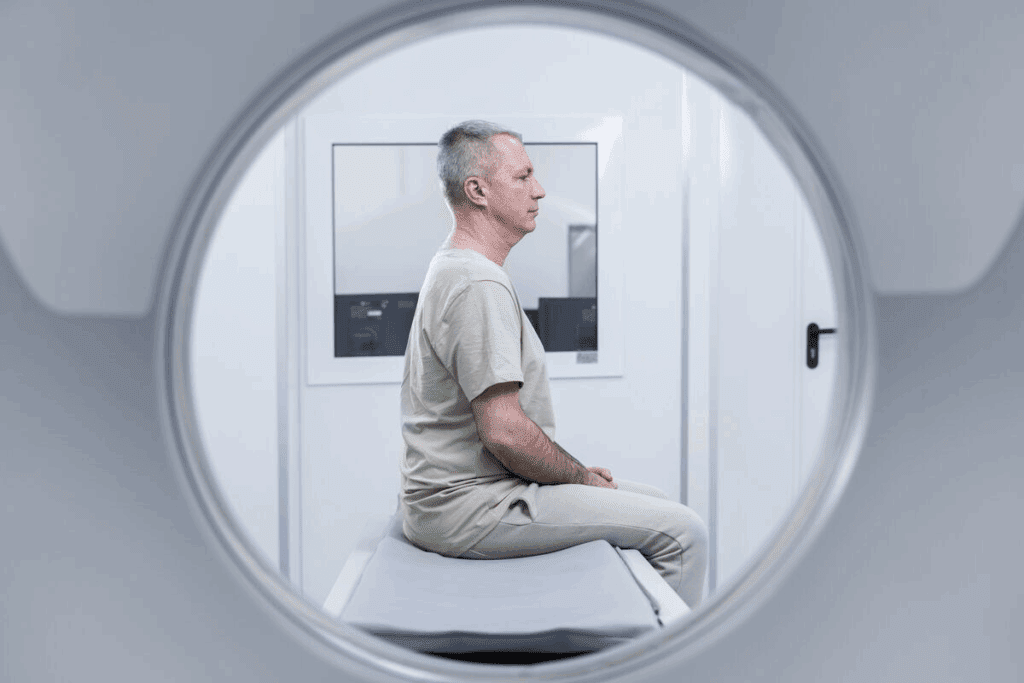
During the CT scan, you’ll lie on a table that slides into a big machine. The whole thing usually takes just a few minutes. Here’s what you can expect:
- Contrast Dye: If dye is used, it goes through an IV. This makes certain areas stand out.
- Breath-Holding: You might need to hold your breath for a few seconds. This helps get clear images.
- Noise: The machine might make sounds like clicking or whirring during the scan.
Knowing what to expect can help reduce any anxiety. If you have questions or concerns, ask your healthcare provider.
Interpreting CT Results: What Your Doctor Looks For
Radiologists are key in reading CT scans. They look for gallstones and other findings. They check for specific signs to make sure they’re right.
Reading Gallstones on CT Images
Gallstones show up clearly on CT scans. Calcified gallstones are easy to see because they’re very dense. They have a high Hounsfield Unit (HU) value.
Cholesterol stones are less dense and harder to spot. But, their location and any inflammation around them can help doctors find them.
Differentiating Gallstones from Other Findings
It’s tricky to tell gallstones from other things on CT scans. Sludge or polyps can look like gallstones. Doctors must look closely at the images, checking the shape, size, and density.
| Characteristics | Gallstones | Sludge/Polyps |
| Density | High (Calcified) or Low (Cholesterol) | Variable, often less dense |
| Shape | Typically round or oval | Irregular or polypoid |
| Location | Dependent, often layering | Adherent to the gallbladder wall |
Getting CT results right is key for treating gallstones. Knowing what CT scans can and can’t do helps doctors make the best choices for patients.
When CT Scans Miss Gallstones: Next Steps in Diagnosis
If a CT scan doesn’t find gallstones, more tests are needed. This can happen for many reasons. It might be because of the type of gallstones or the CT scan’s limits.
Even though CT scans are very good, they can miss certain gallstones. This is more likely for non-calcified stones. Doctors then look for other ways to find and check these stones.
Follow-Up Testing Options
When a CT scan isn’t clear, doctors might suggest more tests. These tests help see the gallbladder and bile ducts better. Some options include:
- Ultrasound: It’s often the first choice for looking at the gallbladder. It’s very good at finding gallstones, like cholesterol ones.
- MRI (Magnetic Resonance Imaging): It gives detailed pictures of the gallbladder and bile ducts. This helps find stones and check for blockages.
- Endoscopic Ultrasound (EUS): This test is very good at finding gallstones. It’s useful when other tests aren’t clear.
Each test has its own benefits. Doctors choose based on what they think might be wrong and the patient’s situation.
| Test | Sensitivity for Gallstones | Advantages |
| Ultrasound | High | Non-invasive, widely available, no radiation |
| MRI | High | Detailed images, assesses complications |
| EUS | Very High | Highly sensitive, useful for small stones |
When to Consider Surgical Exploration
If tests show gallstones or symptoms don’t go away, surgery might be needed. This is true for severe or recurring symptoms.
Removing the gallbladder is a common treatment for gallstones. The decision to have surgery depends on the patient’s symptoms, health, and test results.
Knowing what to do after a CT scan misses gallstones is important. It helps both doctors and patients get the right diagnosis and treatment for gallbladder disease.
Conclusion: The Role of CT Scans in Modern Gallstone Management
CT scans have a special role in managing gallstones, mainly in certain situations. They are not the first choice for finding gallstones, but they are useful in specific cases. This includes when there might be complications or when a detailed look is needed.
CT scans can spot gallstones, including the calcified ones, which makes them helpful in complex cases. So, yes, a CT scan can show gallstones, which is important for diagnosing in some situations.
Knowing when to use a CT scan for gallstones is key. It helps healthcare providers make better choices. This leads to better care for patients.
FAQ
Does a CT scan show gallstones?
A CT scan can sometimes spot gallstones, mainly those with a lot of calcium. But, ultrasound is usually the top choice for finding gallstones.
Can a CT scan detect gallstones?
Yes, a CT scan can find gallstones, mostly the calcified ones. How well it can see them depends on the type of gallstone, with calcium-based ones being easier to spot.
What is the best test for diagnosing gallstones?
Ultrasound is often the first choice for finding gallstones. It’s very good at spotting them, is affordable, and doesn’t use radiation.
How do CT scans detect gallbladder inflammation and complications?
CT scans can see gallbladder inflammation and problems like acute cholecystitis and biliary blockage. They also spot secondary issues like pancreatitis by looking at the gallbladder and nearby tissues.
When are CT scans used for gallbladder imaging?
CT scans are used when there’s a suspicion of more than just simple gallstones or in urgent situations needing quick and detailed images.
Can CT scans miss gallstones?
Yes, CT scans might miss gallstones, mainly the cholesterol-based ones that aren’t calcified. If symptoms don’t go away, more tests or surgery might be needed.
How do doctors interpret CT results for gallstones?
Doctors look for differences in density and use Hounsfield Units to spot gallstones on CT images. They make sure to distinguish gallstones from other things for a correct diagnosis.
What should I expect during a CT scan to detect gallstones?
During a CT scan, you’ll lie on a table that moves into a CT scanner. You might get contrast material to help see the gallbladder and nearby areas better.
How do I prepare for a CT scan to detect gallstones?
To prepare for a CT scan, you might need to fast for a few hours, avoid certain meds, and remove metal objects or jewelry. You’ll get specific instructions before your appointment.
What are the advantages of CT scans in diagnosing gallbladder issues?
CT scans give detailed views of the gallbladder and nearby areas. They help find complications and secondary conditions. They’re very useful in emergency situations.
Are CT scans or ultrasounds better for detecting gallstones?
Ultrasounds are usually better for finding gallstones because they’re very sensitive and specific. They’re also safe and affordable. CT scans are used when there’s a suspicion of complications.
Reference
Muleta, J., et al. (2024). A rare case of bile leak due to type 2 duct of Luschka injury: Diagnosis and intervention. Journal of Surgical Case Reports. Retrieved from https://academic.oup.com/jscr/article/2024/3/rjae179/7632948