Last Updated on December 2, 2025 by Bilal Hasdemir
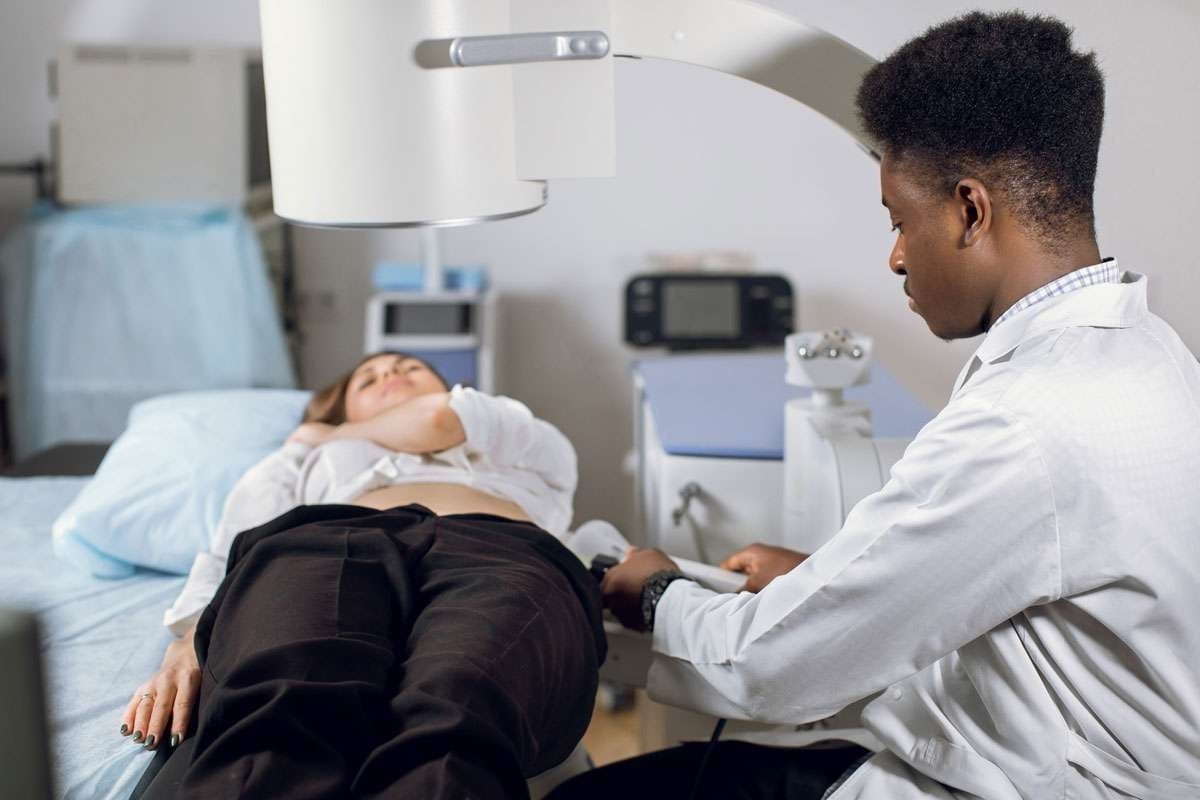
Recent studies show that regular exercise is good for prostate health. It’s beneficial for men with prostate cancer or those on active surveillance. Physical activity has been found to modestly lower PSA levels, a key marker for prostate cancer diagnosis and monitoring. We explore the link between physical activity and prostate health, showing you how to lower psa levels naturally.
A meta-analysis of six RCTs in 2024 found that exercise lowers PSA levels. The reduction was significant, with a standardized mean difference of -0.43. This supports adding physical activity to lifestyle changes for men at risk or undergoing treatment for prostate cancer.
At LIV Hospital, we focus on providing complete care. This includes advice on lifestyle changes that can help medical treatment. By integrating exercise into their routine, patients can potentially improve their outcomes and overall well-being.
Key Takeaways
- Exercise can modestly lower PSA levels in men with prostate cancer.
- A meta-analysis of six RCTs found a significant reduction in PSA levels with exercise.
- Lifestyle modifications, including physical activity, can complement medical treatment.
- Regular exercise can improve overall well-being for patients at risk or undergoing treatment.
- Comprehensive care at LIV Hospital includes guidance on beneficial lifestyle changes.
What PSA Levels Mean for Your Prostate Health
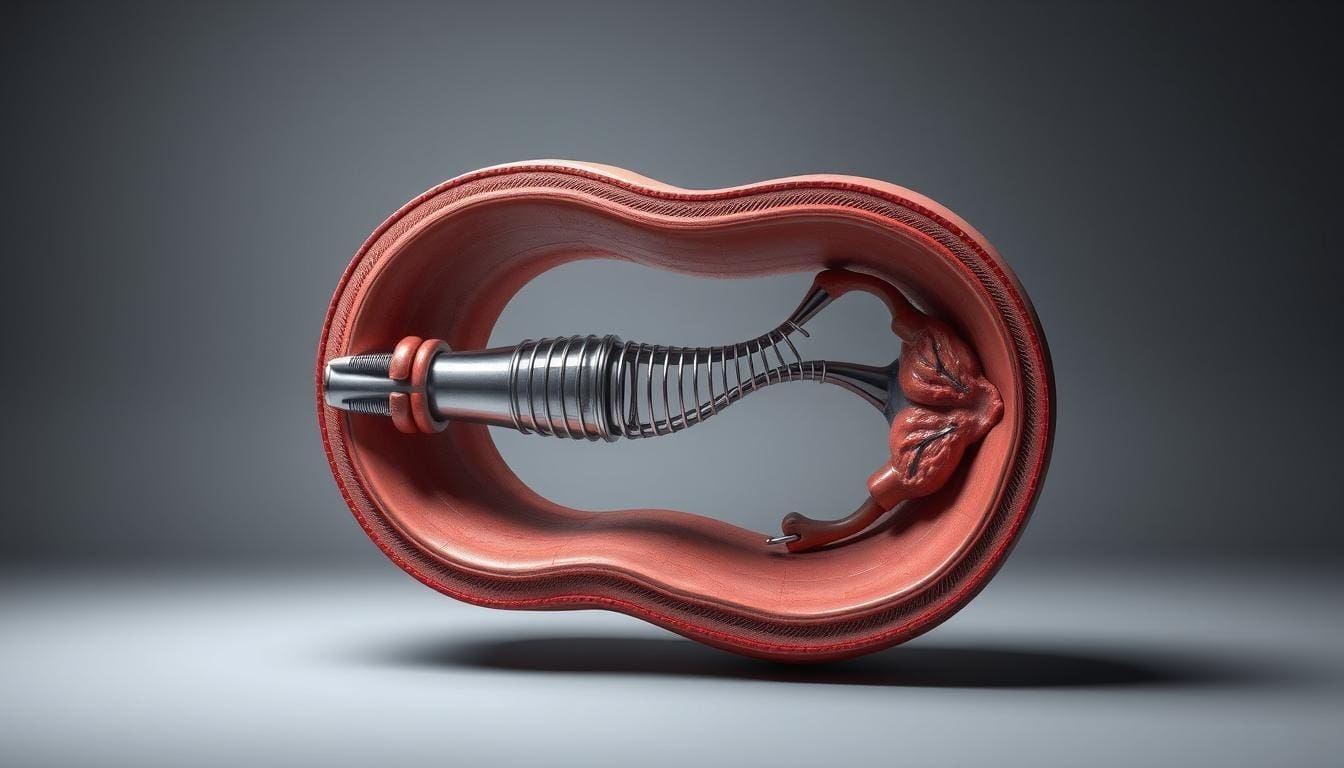
PSA levels are key to checking prostate health. Prostate-Specific Antigen (PSA) is a protein from the prostate gland. Its blood levels show how the prostate is doing. Knowing normal and high PSA ranges is vital for catching and treating prostate problems early.
Defining Normal vs. Elevated PSA Ranges
PSA levels are measured in nanograms per milliliter (ng/mL) of blood. A PSA level of 4.0 ng/mL or lower is usually normal. But, there’s no exact number that says when it’s not normal, as cancer risk varies.
Levels between 4 and 10 ng/mL are borderline. Levels above 10 ng/mL are high.
Why Monitoring PSA Matters
Watching PSA levels is important for several reasons. It helps find prostate cancer early. Men with a PSA between 4 and 10 ng/mL face a prostate cancer risk of about 25%.
Also, seeing how PSA levels change over time can spot problems, even if they’re not high. This is key for men at higher risk, like those with a family history of prostate cancer.
Factors That Naturally Affect PSA Readings
Many things can change PSA readings, making it important to know these when looking at test results. These include:
- Age: PSA levels go up with age, even without cancer.
- Race: African American men often have higher PSA levels than Caucasian men.
- Prostate size: Bigger prostates make more PSA.
- Certain medical procedures: Things like prostate biopsy or surgery can raise PSA levels temporarily.
Knowing these factors and how they affect PSA levels helps men and doctors make better choices about prostate health. It helps decide if more tests or actions are needed to lower PSA levels if they’re high.
The Scientific Evidence: How Exercise Impacts PSA
Recent studies have shown that exercise can lower Prostate-Specific Antigen (PSA) levels. This is good news for men wanting to naturally lower their PSA scores. The scientific world has been studying how exercise affects prostate health, and the results are promising.
2024 Meta-Analysis: Exercise Reduced PSA by 43%
A big study in 2024 found that exercise can really help with PSA levels. It showed that regular exercise can lower PSA levels by 43%. This shows that exercise can be a great way to help manage prostate health.
The study looked at many existing research papers. It combined data from lots of studies to find this important percentage. Different types of exercise were found to help prostate health. This shows that exercise can be very helpful in many ways.
Case Study: 99.54% PSA Decline in Exercise Group
A special case study showed an amazing 99.54% drop in PSA levels in an exercise group. This big drop shows how exercise can really help men with high PSA levels.
“The incorporation of regular exercise into the lifestyle of men with elevated PSA levels can lead to significant improvements in their prostate health.”
Why Exercise Affects Prostate Health
Exercise helps prostate health in several ways. It can reduce inflammation, boost the immune system, and improve overall health. It also helps keep weight in check, which is good for the prostate.
- Reducing inflammation
- Improving immune function
- Maintaining a healthy weight
- Enhancing overall well-being
By adding exercise to their routine, men can lower their PSA levels and improve their prostate health. The evidence shows that exercise is a key part of managing PSA levels.
5 Best Exercise Types to Lower PSA Levels
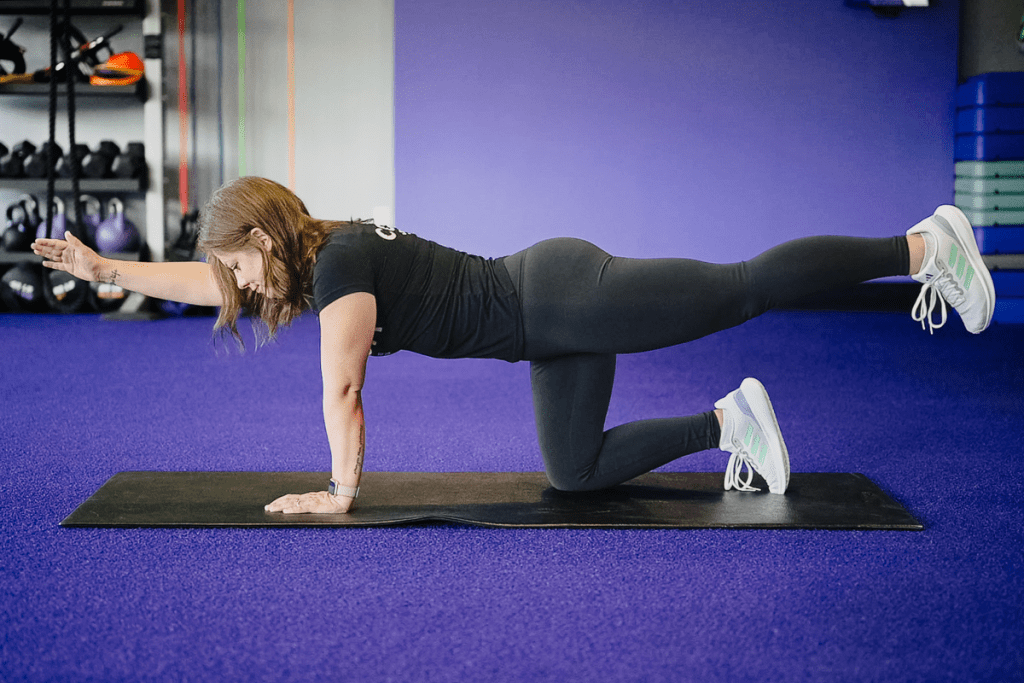
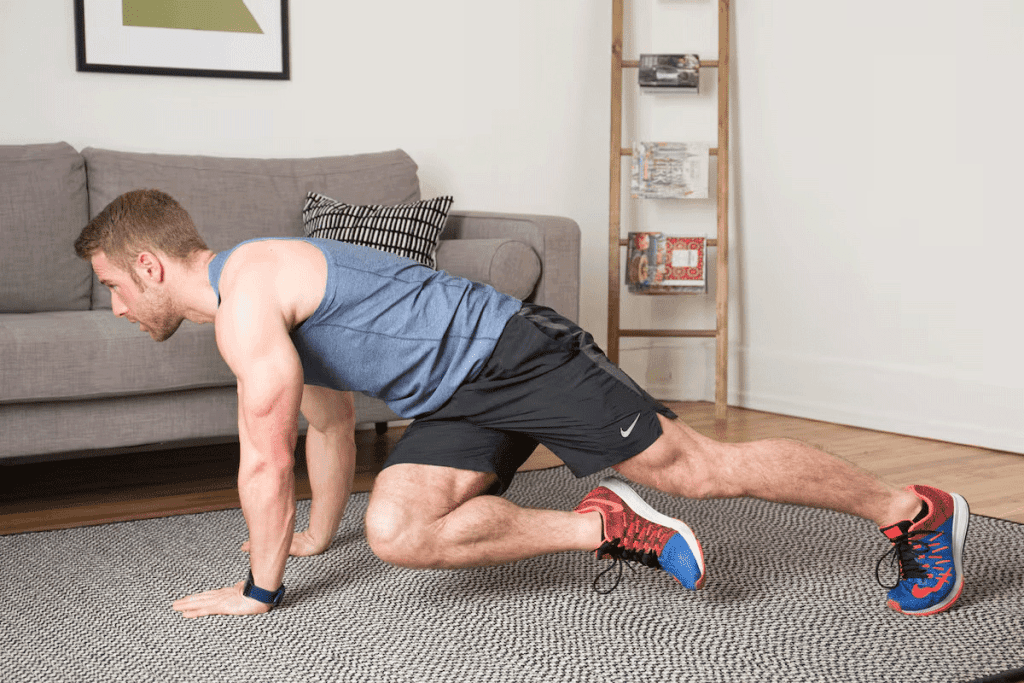
Men wanting to lower their PSA levels should try specific exercises. Studies show that certain activities can boost prostate health.
Moderate-Intensity Aerobic Activities
Aerobic exercises like brisk walking, cycling, and swimming are good for the heart. They may also help lower PSA levels. Aim for at least 150 minutes of these activities weekly.
Strength Training Programs
Strength training is also beneficial. This includes weight lifting, resistance band exercises, or bodyweight exercises. It builds muscle and may help prostate health.
Pelvic Floor Exercises
Pelvic floor exercises, or Kegels, are key for men worried about PSA levels. They strengthen muscles around the prostate and help with urinary control.
Low-Impact Options for Beginners
For beginners or those preferring low-impact, yoga and tai chi are great. They improve flexibility and balance. They may also help lower PSA levels.
Adding these exercises to your routine can help manage PSA levels and improve prostate health.
How to Lower PSA Levels: Creating Your Exercise Plan
Creating a good exercise plan is key for men wanting to lower their PSA levels. Regular exercise can greatly improve prostate health. We’ll help you make a workout plan that fits your needs.
Weekly Exercise Frequency for Optimal Results
To see the best results, being consistent is important. Studies show that working out 3 to 4 times a week can really help your prostate. This schedule keeps you active without pushing too hard.
It’s also important to balance your workouts with rest. Rest helps prevent injuries and lets your body adjust to the exercise.
Duration and Intensity Guidelines
The length and how hard you work out matter a lot. For cardio, aim for 30 to 60 minutes per session. For strength training, do 2 to 3 sets of 8 to 12 reps for each exercise.
Work out at a moderate to high level of intensity. Use the talk test to check your intensity. If you can talk but not sing, you’re at a good level. If you can barely say a few words, you’re working too hard.

Sample 4-Week PSA-Lowering Exercise Schedule
Here’s a 4-week plan to start with:
- Week 1: 3 times per week, 30 minutes of brisk walking
- Week 2: 3 times per week, 30 minutes of cycling + 2 strength training sessions
- Week 3: 4 times per week, 45 minutes of swimming + 2 strength training sessions
- Week 4: 4 times per week, 60 minutes of jogging + 3 strength training sessions
This plan gets more intense and frequent, helping your body adjust.
Tracking Progress and Adjusting Your Routine
It’s important to track your progress. Keep a log of your workouts, including how long, how hard, and how you feel. Check your PSA levels regularly to see how your efforts are working.
If you’re not seeing the results you want, it might be time to increase the intensity or frequency of your workouts. Always listen to your body and don’t overdo it. Too much exercise can be bad for your health.
The Quickest Way to Lower PSA Before Testing
Exercise can affect PSA levels, and knowing how to adjust your routine is key for accurate test results. Men often wonder how to ensure their PSA test results are not influenced by recent physical activity.
Understanding the link between exercise and PSA levels is important. Intense exercise can temporarily raise PSA levels. This might cause unnecessary worry or extra testing.
Timing Your Exercise: When to Stop Before PSA Tests
The timing of your exercise is key when preparing for a PSA test. Research shows that intense physical activity can raise PSA levels temporarily. So, it’s wise to avoid vigorous exercise before your test.
We advise stopping intense exercise at least 48 hours before your PSA test. This helps keep your results accurate.
Avoiding Activities That Temporarily Raise PSA
Certain activities can temporarily increase PSA levels. These include:
- High-intensity workouts
- Bicycle riding
- Certain types of strength training
Avoiding these activities before your test can help ensure accurate results.
48-Hour Pre-Test Protocol
To avoid elevated PSA levels from exercise, follow a 48-hour pre-test protocol. This includes:
- Avoiding intense physical activities
- Choosing light, low-impact exercises if needed
- Staying hydrated
By following this protocol, you can help ensure your PSA test results are accurate.
What to Tell Your Doctor About Your Exercise Habits
Telling your doctor about your exercise habits is important, even in the days before your PSA test. This info helps your doctor understand your test results better.
Make sure to talk about the exercises you’ve been doing, their intensity, and when you last exercised. Being open about this can help your doctor understand your prostate health better.
Exercise Recommendations for Different Patient Groups
Exercise plans tailored to different patient groups can greatly affect their prostate-specific antigen (PSA) levels. We know that men with different prostate issues need unique exercise plans. This helps them manage their condition effectively.
For Men on Active Surveillance
Men on active surveillance for prostate cancer should do regular, moderate-intensity exercise. They should aim for at least 150 minutes of aerobic activity or 75 minutes of vigorous-intensity aerobic activity weekly. Activities like brisk walking, cycling, or swimming are good options. Moderate-intensity exercise helps keep overall health good and may slow disease growth.
During Prostate Cancer Treatment
Exercise is key during prostate cancer treatment to manage side effects and boost quality of life. We suggest mixing aerobic exercise, strength training, and flexibility exercises. For example, pelvic floor exercises (Kegels) can help with urinary incontinence, a common side effect.
For High-Risk Individuals
High-risk individuals might need more intense and frequent exercise. It’s best to talk to a healthcare provider to create a personalized plan. Generally, they should aim for 30 minutes of moderate-intensity exercise daily, five days a week. Activities like jogging, weightlifting, or HIIT are good choices.
After Prostate Surgery or Radiation
After prostate surgery or radiation, exercise helps with recovery and managing side effects. Start with low-impact activities like walking or yoga and increase intensity as you get better. Strength training helps rebuild muscle and improve health.
By customizing exercise plans for each patient, men can lower their prostate PSA and PSA levels. This improves their prostate health.
Complementary Approaches to Reduce PSA Naturally
To get the most out of exercise for lowering PSA, adding other methods is key. Exercise is vital for prostate health. But other lifestyle changes and natural methods can boost its benefits.
Anti-Inflammatory Diet Changes
An anti-inflammatory diet is full of fruits, veggies, and healthy fats. It’s great for lowering PSA. Foods like berries and leafy greens fight oxidative stress. Omega-3s in fish like salmon also reduce inflammation.
Some important diet changes are:
- Eat more broccoli and cauliflower
- Add foods high in lycopene, like tomatoes
- Lower your intake of processed meats and dairy
Stress Reduction Techniques
Stress can raise PSA levels. Stress-reducing activities like meditation, yoga, or deep breathing can help. These activities lower stress and improve overall health.
Effective stress reduction methods include:
- Mindfulness meditation
- Progressive muscle relaxation
- Regular yoga or tai chi practice
Best Supplements Backed by Research
Some supplements may help lower PSA and support prostate health. Saw palmetto is often used for enlarged prostate symptoms. Zinc and vitamin D also support prostate health.
Always talk to a healthcare provider before taking supplements. They can interact with other treatments or have side effects.
Lifestyle Modifications Beyond Exercise
Other lifestyle changes can also help lower PSA. Drinking less alcohol and quitting smoking are key. Both can increase prostate risk.
Keeping a healthy weight and getting enough sleep are also important. They support prostate health.
By adding these lifestyle changes to your routine, you can improve the exercise’s effect on lowering PSA. This can help your overall prostate health.
Conclusion: Building a Comprehensive PSA Management Strategy
Managing Prostate-Specific Antigen (PSA) levels requires a mix of regular exercise, lifestyle changes, and knowing how to read PSA test results. We’ve seen how exercise, like walking and weight lifting, can help lower PSA and keep the prostate healthy.
To learn more about naturally lowering PSA, adopting a wide-ranging plan is vital. This includes eating right, managing stress, and making other lifestyle tweaks. By combining these, people can actively work on keeping their prostate in good shape.
Men can create a tailored plan to manage their PSA levels by using this holistic approach. It not only cuts down PSA levels but also boosts overall health. For those wondering how to lower their PSA, a balanced strategy is essential.
FAQ
Can exercise really lower PSA levels?
Yes, studies show that regular exercise can lower PSA levels. A 2024 meta-analysis found a significant drop in PSA levels. Some studies saw a reduction of up to 43%.
What types of exercise are best for lowering PSA levels?
Aerobic activities, strength training, pelvic floor exercises, and low-impact activities like yoga or swimming are effective. They help reduce PSA levels.
How often should I exercise to lower my PSA levels?
Aim for at least 150 minutes of moderate exercise or 75 minutes of vigorous exercise weekly. Spread it over several days. Also, do strength training 2-3 times a week.
Should I stop exercising before a PSA test?
Yes, avoid vigorous exercise for 48 hours before a PSA test. This includes activities that put pressure on the prostate, like cycling or horseback riding. It prevents temporary PSA elevations.
Can dietary changes help lower PSA levels?
Yes, an anti-inflammatory diet rich in fruits, vegetables, and omega-3 fatty acids supports prostate health. It may also lower PSA levels.
Are there any supplements that can help reduce PSA levels?
Omega-3 fatty acids, vitamin D, and antioxidants like selenium and lycopene may help. But always talk to your doctor before adding supplements.
How can stress reduction techniques impact PSA levels?
Chronic stress can harm prostate health. Techniques like meditation, deep breathing, or yoga can help. They may lower PSA levels.
Can exercise help men on active surveillance for prostate cancer?
Yes, exercise is good for men on active surveillance. It helps keep the prostate healthy and may slow disease progression.
Is it safe to start a new exercise program if I’ve been diagnosed with prostate cancer?
Always check with your healthcare provider before starting a new exercise program, even if you’re being treated for prostate cancer. They can create a safe and effective plan for you.
How can I track my progress and adjust my exercise routine to lower PSA levels?
Monitor your PSA levels and track your exercise. This helps you see what works best. Adjust your routine as needed and get personalized advice from your healthcare provider.
References
- Hoffman, M., Miranda, J., Arce, M., & Garrone, O. (2022). The Impact of Exercise on Improving Body Composition and PSA in High-Risk Prostate Cancer. PMC. https://pmc.ncbi.nlm.nih.gov/articles/PMC9738737/
- Smith, L. P., et al. (2024). Effects of exercise during active surveillance for prostate cancer: A clinical trial. PubMed. https://pubmed.ncbi.nlm.nih.gov/38833183/