It’s important to know how ovulation and pregnancy are linked. Ovulation is when the body releases an egg, ready for sperm to fertilize it. Without this egg, getting pregnant is not possible.
At Liv Hospital, we stress the role of ovulation in getting pregnant. Even though the time when you can get pregnant is longer than ovulation, ovulation itself is key to being fertile. We use science to help people understand their reproductive health.
Key Takeaways
- Pregnancy requires ovulation to occur.
- Without ovulation, there’s no egg available for fertilization.
- The fertile window extends beyond the moment of ovulation.
- Understanding ovulation is critical for conception.
- Liv Hospital is dedicated to evidence-based reproductive medicine.
The Essential Biology of Conception

Understanding how conception works is key to knowing how pregnancy starts. It’s a complex process where sperm meets egg, thanks to ovulation. To understand pregnancy, we must look at the biological steps involved.
How Pregnancy Occurs: Eggs, Sperm, and Fertilization
Pregnancy starts with ovulation, when the body releases an egg. This egg travels through the fallopian tube, where it can meet sperm. The chance to conceive lasts about 5 to 6 days, starting 5 days before ovulation and ending on ovulation day.
Sperm can live inside a woman for up to five days. This means you can get pregnant even if you have sex before ovulation.
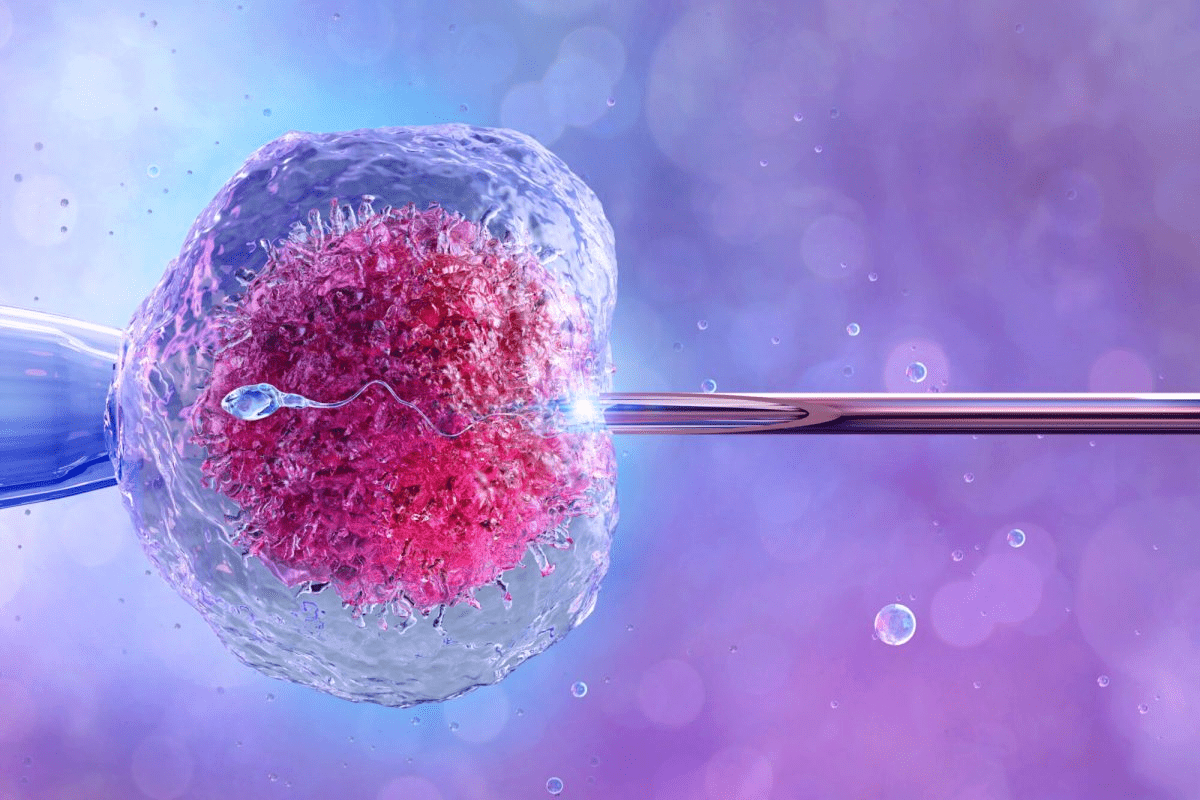
Fertilization happens in the fallopian tube. When a sperm reaches the egg, a zygote forms. This zygote starts its journey to the uterus.
The Journey from Fertilization to Implantation
After fertilization, the zygote divides into many cells, becoming a blastocyst. It travels to the uterus. This journey is vital for the embryo’s growth.
When the blastocyst reaches the uterus, it implants itself in the uterine lining. This is called implantation. It’s a key step for the embryo to get the nutrients it needs to grow.
The fertile window is open for about six days each cycle. Knowing this is important for those trying to get pregnant or avoid it.
| Day | Event | Description |
|---|---|---|
| 1-5 days before ovulation | Sperm survival | Sperm can survive inside the female body, waiting for ovulation |
| Ovulation day | Egg release | The body releases an egg, available for fertilization |
| 6-10 days after ovulation | Implantation | The fertilized egg implants into the uterine lining |
Knowing the biology of conception, from ovulation to implantation, helps us understand pregnancy. It shows the importance of the fertile window and the egg’s journey. This knowledge is key for managing reproductive health.
Why Ovulation Is Necessary for Pregnancy
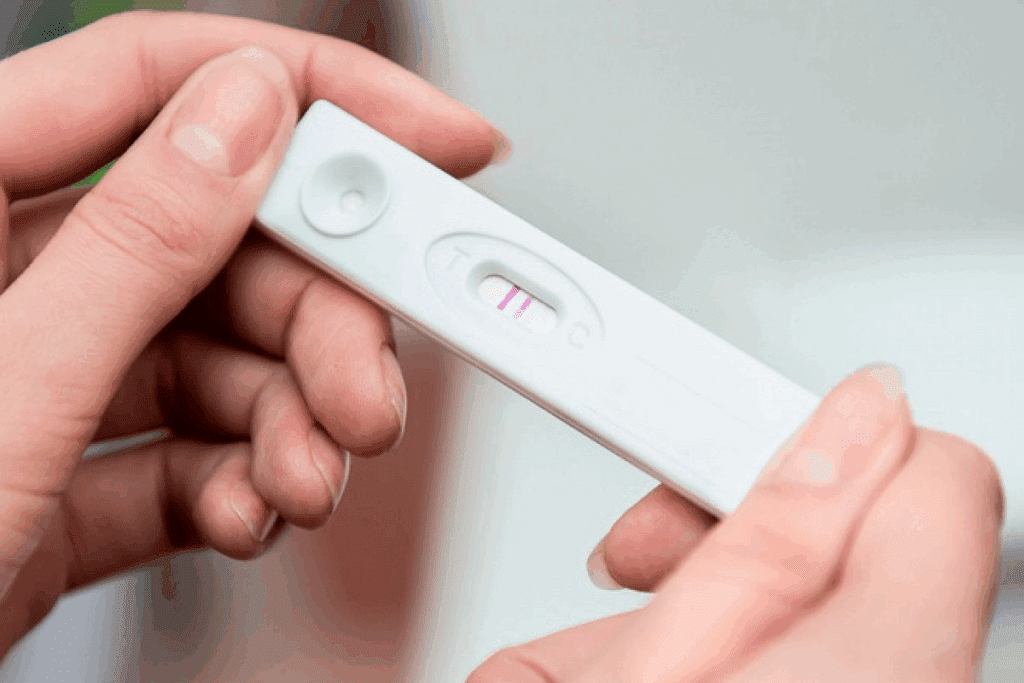
Ovulation is key for pregnancy. It’s when a mature egg is released from the ovary. This egg is then ready for fertilization.
The Ovulation Process Explained
Ovulation happens once in a menstrual cycle, around the middle. It’s triggered by a hormone called luteinizing hormone (LH). The dominant follicle in the ovary releases an egg during this time.
The egg then travels through the fallopian tube. This window for fertilization is short, lasting 12 to 24 hours.
No Egg, No Pregnancy: The Biological Reality
If you don’t ovulate, you can’t get pregnant. This is because there’s no egg to be fertilized. Ovulation is vital for getting pregnant.
| Ovulation Status | Chance of Pregnancy | Reason |
|---|---|---|
| Ovulating | Possible | Egg is released and available for fertilization |
| Not Ovulating (Anovulation) | Impossible | No egg is released, so fertilization cannot occur |
Knowing how ovulation works helps understand its role in fertility. It’s important for women to understand this. It helps them make better choices about their reproductive health.
Understanding Your Fertile Window
Getting pregnant can be tough without knowing your fertile window. This is the time when you can get pregnant. It includes the five days before ovulation and the day of ovulation itself. Knowing this is key for those trying to conceive.
The Science Behind the 5-6 Day Fertility Timeline
The fertile window is about 5 to 6 days long. It starts 5 days before ovulation and goes through the day of ovulation. This is because sperm can live in a woman’s body for up to 5 days. An egg is only good for about 24 hours after it’s released.
Sperm survival is very important in the fertile window. Studies show sperm can stay alive in a woman’s body for days. This means having sex a few days before ovulation can lead to pregnancy.
How Long Sperm Can Survive in the Female Body
Sperm can live in a woman’s body for up to 5 days. The right conditions and cervical mucus help them stay alive longer. This means sex a few days before ovulation can also lead to pregnancy.
Maximizing Chances of Conception During This Period
To increase your chances of getting pregnant, have regular, unprotected sex during the fertile window. Knowing your cycle and when you’re most fertile helps a lot. For those trying to conceive, understanding your fertile window and planning can make a big difference.
It’s hard to get pregnant outside of ovulation, but knowing your fertile window helps. If you’re trying to conceive, tracking your ovulation and knowing your fertile days can boost your chances. On the other hand, knowing the fertile window can help plan contraception for those trying to avoid pregnancy.
Can Females Get Pregnant When They Are Not Ovulating?
Ovulation is key for pregnancy, but many think it’s not needed. It’s important for women who want to get pregnant or avoid it.
The Scientific Consensus
Experts agree ovulation is needed for pregnancy. The Medical organization says you can’t get pregnant without it. This is because ovulation releases a mature egg for fertilization.
The fertile window starts a few days before ovulation and ends on ovulation day. Sperm can live up to 5 days, while an egg is only viable for 24 hours after ovulation.
Why This Question Persists: Common Misconceptions
Despite what experts say, many wonder if you can get pregnant without ovulating. This is because of a few common myths:
- Not understanding the fertile window and thinking pregnancy can happen outside of it.
- Thinking sperm can live longer than they actually can.
- Mixing up ovulation with other body processes.
Let’s look at the facts clearly:
| Condition | Possibility of Pregnancy |
|---|---|
| Ovulation occurs | Yes, if sperm is present |
| No ovulation | No |
| Sperm present during fertile window | Yes, if ovulation occurs |
Knowing these facts helps women understand their fertility better. It helps them make smart choices about their reproductive health.
Why Some Women Believe They Conceived Outside Their Fertile Window
Some women think they got pregnant outside their fertile time because of how ovulation works. Even with regular periods, ovulation can shift a bit each month, as research from Flo Health shows. This small change, mixed with wrong ideas about when you can get pregnant, can confuse people.
Irregular Ovulation Patterns and Unexpected Timing
Irregular ovulation is a big reason for this confusion. Stress, being sick, or big changes in life can mess with when you ovulate. This makes it hard to know when you’re most fertile.
Things that can change ovulation timing include:
- Stress: Too much stress can mess with hormones, making ovulation late or early.
- Illness: Some sicknesses, like fever, can also affect ovulation.
- Changes in Routine: Big changes, like traveling or losing a lot of weight, can also mess with ovulation timing.
Miscalculating Fertile Days: Common Tracking Errors
Women track their fertile days to get or avoid pregnancy. But, mistakes in tracking can lead to wrong ideas about when you’re fertile. These mistakes might be:
- Wrongly recording basal body temperature, which can be affected by things other than ovulation.
- Misreading changes in cervical mucus, which can be small and different each month.
- Not trusting ovulation predictor kits, which might not always work right.
The Reliability of Fertility Awareness Methods
Fertility awareness methods (FAMs) help understand your cycle and plan for pregnancy. But, they’re only as good as how well you track and understand your body’s signs. FAMs can work well, but they’re not perfect and need to be used correctly all the time.
To get the most out of FAMs, it’s key to:
- Use a mix of methods, like basal body temperature, cervical mucus, and ovulation predictor kits.
- Know that FAMs take time to get right and might not be perfect at first.
- Be aware of things that can make FAMs less accurate, like irregular cycles or health issues.
By knowing what affects ovulation and getting pregnant, women can better understand their fertile times. This helps them make smart choices about their reproductive health.
Factors That Can Shift Your Ovulation Schedule
Many things can change when you ovulate, which affects your chances of getting pregnant or avoiding it. Knowing what these factors are is key for those trying to conceive or prevent pregnancy. These elements can shift your ovulation timing, so it’s important to be informed.
Stress, Travel, and Major Life Changes
Stress can mess with your ovulation. When you’re stressed, your body’s hormonal balance can change. Travel and big life changes can also cause stress, affecting when you ovulate. For example, a big change in your life or a new place can mess with your hormones.
It’s not just emotional stress. Physical stress, like too much exercise or big weight changes, can also mess with ovulation. Knowing about these stressors can help you understand your body better.
Illness and Its Impact on Your Cycle
Being sick can also affect when you ovulate. When you’re fighting off an illness, your body might not focus on hormones. This can make your ovulation irregular. For example, a high fever or serious infection can stop ovulation for a while.
Long-term illnesses, like thyroid problems or hormonal imbalances, can also mess with your cycle. It’s important to manage these conditions to keep your ovulation regular.
Hormonal Fluctuations Throughout Life
Hormones change as we age, and these changes can affect ovulation. For example, as women get closer to menopause, their hormones can make ovulation irregular. Hormonal shifts also happen after having a baby or while breastfeeding.
Knowing that hormonal changes are normal can help with planning your family. Being aware of these changes and how they might affect ovulation can help with family planning.
Anovulation: When Ovulation Doesn’t Happen
Understanding anovulation is key for women wanting to get pregnant. It affects fertility a lot. About 30 percent of female infertility cases are due to anovulation, which means no ovulation happens.
Causes of Anovulatory Cycles
Anovulation can be caused by many things. Hormonal imbalances, certain medical conditions, and lifestyle choices are some of them. Hormonal disorders are a big reason, as they mess with ovulation.
- Polycystic Ovary Syndrome (PCOS)
- Thyroid disorders
- Pituitary gland problems
Polycystic Ovary Syndrome (PCOS) and Other Medical Conditions
PCOS is a top cause of anovulation. Women with PCOS often have irregular periods and hormonal imbalances. These stop ovulation from happening.
Other conditions like thyroid problems and issues with the pituitary gland can also cause anovulation.
The Medical organization says anovulation can be caused by hormonal imbalances and certain medical conditions like PCOS.
How Anovulation Contributes to Infertility
Anovulation makes it hard to get pregnant because there’s no egg for fertilization. Even with regular sex, pregnancy can’t happen without ovulation.
Knowing why anovulation happens is important for dealing with infertility. Doctors can help by finding the cause and coming up with a treatment plan. This way, women can try to get pregnant.
Can a woman get pregnant without ovulating? No, ovulation is needed for pregnancy. But, with the right treatment, many women with anovulation can get pregnant.
Tracking Your Ovulation for Pregnancy or Prevention
Knowing when you ovulate is key for those trying to get pregnant or avoid it. Tracking ovulation helps you make smart choices about your reproductive health.
Basal Body Temperature Method: Pros and Cons
The basal body temperature (BBT) method tracks your temperature when you’re resting. It’s a good way to know when you’ve ovulated, as your temperature goes up after ovulation.
Pros: It’s cheap and gives you insight into your cycle.
Cons: You need to track it every day and it doesn’t tell you when ovulation will happen.
Ovulation Predictor Kits: How They Work
Ovulation predictor kits (OPKs) find the luteinizing hormone (LH) surge in your urine. This surge means ovulation is coming. These kits are good at predicting when you’ll ovulate.
How to use OPKs: Just follow the kit’s instructions, testing your urine at the same time each day until you see the LH surge.
Cervical Mucus Changes Throughout Your Cycle
Cervical mucus changes in your cycle, getting more fertile (clear and slippery) before ovulation. Watching these changes can help find your fertile window.
- Pay attention to your cervical mucus’s texture and look.
- Keep a record of your observations to spot patterns.
Digital Fertility Trackers and Apps: Accuracy Considerations
Digital fertility trackers and apps are popular for tracking ovulation and cycles. They’re easy to use and offer insights, but their accuracy can vary.
| Method | Accuracy | Ease of Use |
|---|---|---|
| Basal Body Temperature | High | Moderate |
| Ovulation Predictor Kits | High | Easy |
| Cervical Mucus Observation | Moderate | Moderate |
| Digital Fertility Trackers/Apps | Variable | Easy |
Using different methods together can give a better understanding of your ovulation cycle. For example, using an app like Flo can help you see your cycle patterns and fertility signs.
Medical Interventions for Women Who Don’t Ovulate
There are many medical treatments for women who don’t ovulate regularly. It’s important to know about these options.
Medications That Can Induce Ovulation
Clomiphene citrate is a common medication for women with irregular ovulation. The Medical organization says it helps by releasing hormones needed for ovulation. Letrozole is also used, often for women with PCOS.
These drugs can boost the chances of getting pregnant. But, always talk to a doctor to find the best treatment for you.
Lifestyle Modifications to Promote Regular Ovulation
Changing your lifestyle can also help with ovulation. Eating well, staying active, and managing stress are key.
- Eating a diet rich in fruits, vegetables, and whole grains
- Engaging in regular physical activity
- Practicing stress-reducing techniques, such as yoga or meditation
These changes can improve your reproductive health. They might also make medical treatments work better.
When to Consult a Fertility Specialist
If you’re having trouble getting pregnant, see a fertility specialist. This is a good idea if you’ve been trying for over a year or have health issues.
A fertility specialist can give you tailored advice. They can suggest treatments and guide you through the process of getting pregnant.
Conclusion: The Truth About Pregnancy and the Ovulation Connection
Understanding how ovulation and pregnancy are connected is key to managing fertility. The Medical organization confirms that ovulation is needed for pregnancy. This link is important for those trying to get pregnant or avoid it.
So, can females get pregnant if they’re not ovulating? The answer is no, according to science. Without an egg release, fertilization can’t happen. So, if ovulation doesn’t occur, pregnancy is not possible.
This knowledge is essential for making smart choices about reproductive health. Knowing about ovulation and fertility helps people plan their reproductive goals. It’s useful for those wanting to conceive or avoid pregnancy.
To sum up, ovulation is a vital part of getting pregnant. Women must ovulate to conceive. This understanding helps people manage their fertility, whether they want to get pregnant or not.
FAQ
Can females get pregnant when they are not ovulating?
No, females cannot get pregnant when they are not ovulating. Ovulation is key for releasing an egg that can be fertilized by sperm.
Do you have to be ovulating to get pregnant?
Yes, ovulation is needed for pregnancy. Without it, there’s no egg for sperm to fertilize, making pregnancy impossible.
Can a woman get pregnant without ovulating?
No, a woman cannot get pregnant without ovulating. Ovulation is essential for releasing an egg that can be fertilized, and without it, conception cannot occur.
Can I get pregnant if I don’t ovulate?
No, you cannot get pregnant if you don’t ovulate. Ovulation is necessary for releasing an egg, and without an egg, fertilization and pregnancy are not possible.
Can you get pregnant on a non-fertile day?
It is highly unlikely to get pregnant on a non-fertile day. The fertile window is typically around 5-6 days, and intercourse outside of this window is unlikely to result in pregnancy.
Can you get pregnant outside of the fertile window?
No, you cannot get pregnant outside of the fertile window. The fertile window is the period when ovulation occurs, and sperm can fertilize the released egg.
What are the chances of getting pregnant while not ovulating?
The chances of getting pregnant while not ovulating are zero. Ovulation is necessary for releasing an egg, and without it, pregnancy is not possible.
Can irregular ovulation patterns affect my chances of getting pregnant?
Yes, irregular ovulation patterns can affect your chances of getting pregnant. Irregular ovulation can make it challenging to predict the fertile window, making it harder to conceive.
How can I track my ovulation to get pregnant?
You can track your ovulation using various methods, including basal body temperature tracking, ovulation predictor kits, and digital fertility trackers. These methods can help you identify your fertile window and maximize your chances of conception.
What medical interventions are available for women who don’t ovulate?
Medications that induce ovulation, lifestyle modifications, and consulting a fertility specialist are possible options for women who don’t ovulate. These interventions can help address underlying issues and improve fertility.
References
National Center for Biotechnology Information. Pregnancy Without Ovulation: Understanding the Link. Retrieved from https://www.ncbi.nlm.nih.gov/pmc/articles/PMC6970604/>
Government Health Resource. Evidence-Based Medical Guidance. Retrieved from https://www.nejm.org/doi/full/10.1056/NEJM199512073332301