Last Updated on November 26, 2025 by Bilal Hasdemir
The gallbladder is key in digestion, storing bile for fat digestion. Problems like inflammation or gallstones can disrupt this, causing digestive symptoms.
Diarrhea is a symptom of gallbladder disease. Knowing how can gallbladder issues cause diarrhea affect digestion is important for treatment. At Liv Hospital, we focus on each patient to find the best solution for gallbladder problems.
Key Takeaways
- Gallbladder problems can disrupt digestion, leading to symptoms like diarrhea.
- Signs of gallbladder issues include digestive troubles and unexplained diarrhea.
- Liv Hospital offers patient-centered care for thorough evaluation and treatment.
- Understanding the link between gallbladder issues and symptoms is vital for effective management.
- Gallbladder disease can manifest through various digestive symptoms.
Understanding the Gallbladder and Its Function
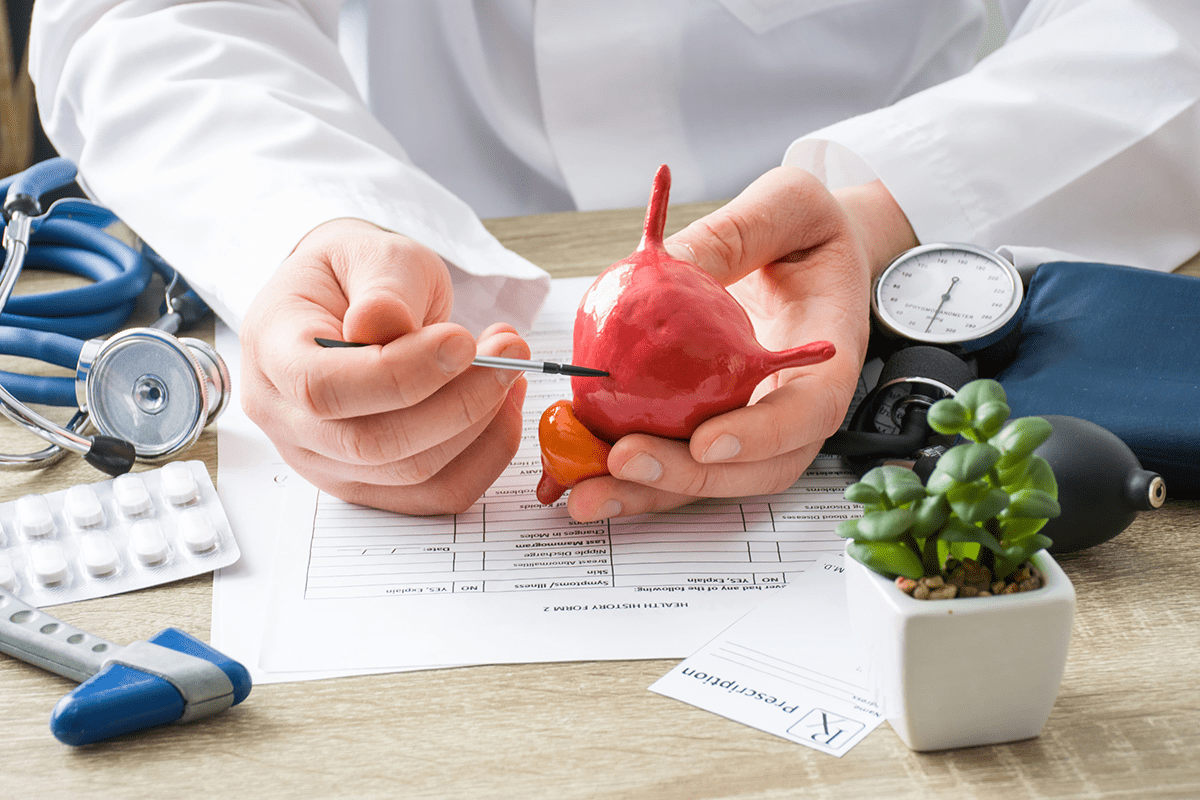
The gallbladder is located under the liver. It stores bile, a fluid key for fat digestion. This small, pear-shaped organ is vital for our digestive system.
The Role of the Gallbladder in Digestion
The gallbladder’s main job is to store and concentrate bile. This yellow-green fluid comes from the liver. When food reaches the small intestine, the gallbladder releases bile into the bile ducts.
Bile then goes to the small intestine. There, it breaks down fats into smaller pieces. This makes it easier for enzymes to digest them.
Bile is key for absorbing fat-soluble vitamins, like vitamins A, D, E, and K. Without enough bile, our body can’t absorb these vitamins properly.
How Bile Affects Digestive Processes
Bile helps with fat digestion and getting rid of waste. It also neutralizes stomach acid and helps absorb fat-soluble vitamins. If bile flow is disrupted, it can cause digestive issues like diarrhea.
Medical experts say, “Bile acids are vital for breaking down and absorbing dietary fats and fat-soluble vitamins.” Problems with this process can cause serious digestive problems.
Knowing how the gallbladder works in digestion shows its importance. Issues like gallstones or inflammation can block bile flow. This can cause dull pain in the gallbladder area and other digestive issues.
The Connection: Can Gallbladder Issues Cause Diarrhea?
Gallbladder problems can lead to diarrhea because of how they affect bile flow. Bile is made by the liver and stored in the gallbladder. It helps digest fats and absorb vitamins. If the gallbladder doesn’t work right, it can mess up how bile is released, changing bowel movements.
The Bile-Diarrhea Relationship
Bile salts help break down fats for easier digestion. But, too much bile in the intestines can cause diarrhea. This happens when the gallbladder is inflamed or when gallstones block the bile duct, leading to irregular bile release.
Chronic diarrhea from gallbladder disease can cause discomfort and lead to nutritional problems. It’s important to know that diarrhea with other symptoms might mean a serious gallbladder problem.
How Disrupted Bile Flow Affects Bowel Movements
When bile flow is disrupted, it can cause irregular bowel movements. This includes diarrhea or constipation. Here’s how different gallbladder conditions affect bowel movements:
| Gallbladder Condition | Effect on Bile Flow | Impact on Bowel Movements |
| Gallstones | Obstructs bile duct, causing irregular bile release | Diarrhea or constipation due to bile imbalance |
| Cholecystitis | Inflammation reduces bile release efficiency | Diarrhea, potentially with fatty stools |
| Chronic Gallbladder Disease | Long-term disruption of bile storage and release | Chronic diarrhea or alternating bowel habits |
It’s key to understand how gallbladder issues can cause diarrhea. This knowledge helps manage symptoms and get the right medical care. If you have persistent diarrhea and other gallbladder symptoms, see a doctor.
Common Gallbladder Conditions That May Cause Diarrhea
Diarrhea can happen due to several gallbladder issues. These problems mess with how we digest food. Knowing about these conditions helps us manage symptoms and live better.
Gallstones and Their Impact on Digestion
Gallstones are hard lumps that form in the gallbladder. They can block bile ducts and mess with digestion. This blockage can cause diarrhea.
Gallstones can sometimes block bile ducts, leading to changing digestive symptoms. In severe cases, they might block the common bile duct, causing serious symptoms.
Cholecystitis (Gallbladder Inflammation)
Cholecystitis is when the gallbladder gets inflamed, often due to gallstones. It can cause severe pain and digestive problems, like diarrhea.
Acute cholecystitis needs quick medical help to avoid serious problems like gangrene or a perforated gallbladder. Long-term inflammation can also cause ongoing digestive issues.
Chronic Gallbladder Disease
Chronic gallbladder disease includes various conditions that affect the gallbladder over time. This can include recurring gallstone blockages, chronic inflammation, or other problems.
Symptoms of chronic gallbladder disease can include recurring diarrhea and other digestive issues. Treating it often involves medical care and lifestyle changes.
| Condition | Primary Symptoms | Impact on Digestion |
| Gallstones | Severe pain, jaundice | Blocks bile ducts, causing digestive issues |
| Cholecystitis | Severe pain, fever | Inflammation affects digestive function |
| Chronic Gallbladder Disease | Recurring pain, diarrhea | Ongoing dysfunction impacts digestive health |
Recognizing Symptoms of Gallbladder Issues
It’s important to know the signs of gallbladder problems early. The gallbladder helps with digestion. Issues with it can show up in different ways.
Dull Pain in the Gallbladder: Location and Characteristics
Dull pain in the gallbladder is a common sign. This pain is usually felt in the upper right abdomen. It might also spread to the back or shoulder. The pain can be steady or happen after eating fatty foods.
The pain’s feel can change. Some people feel a constant gallbladder ache. Others might have pain that comes and goes. Knowing where and how the pain feels is key to figuring out gallbladder problems.
Digestive Symptoms Beyond Diarrhea
Gallbladder issues can cause more than just diarrhea. Symptoms can include:
- Nausea and vomiting
- Bloating and gas
- Indigestion
- Fatty food intolerance
These symptoms happen because the gallbladder helps with digestive processes. It’s important for breaking down fats. If the gallbladder isn’t working right, it can be hard to digest fatty foods.
When Symptoms Indicate an Emergency
Some gallbladder symptoms can be managed on their own. But others need quick medical help. Severe pain, fever, jaundice, or signs of infection are emergency symptoms that need fast attention.
If you notice any of these, get medical help right away:
- Severe abdominal pain that doesn’t go away
- Fever over 101.5°F (38.6°C)
- Yellowing of the skin or eyes (jaundice)
- Vomiting blood or black tarry stools
Knowing these symptoms and what they mean can help you act fast. This can prevent bigger problems.
Signs of a Non-Working or Failing Gallbladder
It’s important to know the signs of a failing gallbladder. A non-working gallbladder can cause many digestive problems. These problems can really affect your life.
Chronic Digestive Issues
A failing gallbladder often leads to chronic digestive issues. You might have persistent diarrhea, feel bloated, or have discomfort. This is because the gallbladder helps digest fats.
Without bile salts from the gallbladder, you might not absorb fats and vitamins well. This can cause mild to severe problems.
Changes in Stool and Urine
One key sign of a non-working gallbladder is changes in stool and urine. Your stool might look pale or clay-colored because of less bile. It could also be greasy or float because of fat issues.
Urine might turn dark, like tea or cola, as your body tries to get rid of extra bile salts.
| Symptom | Description |
| Chronic Diarrhea | Frequent, loose stools due to malabsorption of fats |
| Pale or Clay-Colored Stools | Lack of bile pigments in the stool |
| Dark Urine | Excess bile salts being eliminated through the kidneys |
| Abdominal Bloating | Discomfort and swelling in the abdominal region |
Seeing these signs early is key to getting the right medical help. If you have ongoing digestive problems, see a doctor. They can find out what’s causing them.
Gallbladder Stones and Diarrhea: The Specific Connection
Gallstones can mess with normal bile flow, leading to diarrhea. They block bile ducts, stopping bile from getting into the intestine. Bile is key for digesting fats and vitamins.
How Gallstones Affect Bile Release
Gallstones can block bile ducts, big or small. This stops bile from reaching the small intestine. Without it, digestion gets tough, causing diarrhea.
Blocked bile ducts can also cause bile buildup in the gallbladder. This leads to inflammation and pain. It also means less bile gets into the intestine, messing with digestion.
Patterns of Diarrhea Associated with Gallstones
Diarrhea patterns with gallstones vary. Some get diarrhea after eating fatty foods. This is because gallstones make it hard to digest fats. Others have diarrhea all the time because of constant bile flow blockage.
Diarrhea might come with other symptoms like stomach pain, nausea, or vomiting. Spotting these patterns helps figure out why someone with gallstones has diarrhea.
It’s key to understand how gallstones and diarrhea are linked. This helps manage symptoms and get the right medical help. If you have ongoing or bad diarrhea, see a doctor. They can find the cause and help you get better.
Diagnosing Gallbladder Issues When Diarrhea Is Present
Healthcare providers use a mix of patient history and tests to diagnose gallbladder problems with diarrhea. Finding the right diagnosis can be tough because of the many symptoms, like diarrhea.
Medical Tests and Procedures
Several tests and procedures help find gallbladder issues. Imaging tests are key for seeing the gallbladder and spotting problems. Here are some common ones:
- Ultrasound: It’s often the first test, showing gallstones and inflammation.
- CT Scan: Gives detailed views of the gallbladder and nearby areas, spotting complications.
- MRI: Helps check the bile ducts for blockages.
Other tests, like endoscopic retrograde cholangiopancreatography (ERCP), look at the bile and pancreatic ducts.
What to Tell Your Doctor About Your Symptoms
Tell your doctor all about your symptoms. Share when your diarrhea started, how long it lasts, and what it’s like. Also, mention any other symptoms, like stomach pain or fever. Keeping a symptom journal helps track your symptoms for your doctor.
Also, talk about your medical history, including past gallbladder problems or surgeries. And don’t forget to mention any medicines you’re taking. This info helps your doctor make the right diagnosis and treatment plan.
Treatment and Management Options
Treating gallbladder issues involves medical, surgical, and lifestyle changes. The right treatment depends on the problem’s severity and type.
Medical Interventions
For mild gallbladder problems, doctors often start with medication. This can help with pain and swelling. Ursodeoxycholic acid might be used to break up small stones. But, it works for some people and not others.
Those with severe cholecystitis might need to stay in the hospital. They get antibiotics and fluids through an IV. Managing pain is also key.
Surgical Options and Recovery
Surgery, like cholecystectomy, is often needed for serious gallbladder issues. Laparoscopic surgery is preferred because it’s less invasive. This means patients recover faster.
| Surgical Method | Recovery Time | Advantages |
| Laparoscopic Cholecystectomy | 1-2 weeks | Minimally invasive, less pain, quicker recovery |
| Open Cholecystectomy | 4-6 weeks | Necessary for complex cases, larger incision |
Dietary and Lifestyle Modifications
Eating less fat can help your gallbladder. Foods high in fiber, like fruits and whole grains, are good choices.
Staying active and keeping a healthy weight also helps. Avoid losing weight too fast to prevent gallstones.
Knowing and using these treatment options can help manage gallbladder health. This reduces the chance of serious problems.
Conclusion: Taking Control of Your Gallbladder Health
Understanding your gallbladder health is key to managing it well. Making smart lifestyle choices is important. This includes changing your diet, keeping a healthy weight, and sometimes surgery.
Preventing gallbladder problems is just as important. Eating a diet full of fruits, veggies, and whole grains can help. Also, staying active helps keep your digestive system healthy.
Being proactive about your gallbladder health can help you feel better. It’s important to talk to doctors for advice on managing and preventing issues.
FAQ
Can gallbladder issues cause diarrhea?
Yes, gallbladder issues can lead to diarrhea. Problems with the gallbladder can mess with how your body moves waste. This can cause symptoms like diarrhea.
What are the symptoms of a non-working gallbladder?
A non-working gallbladder can cause chronic digestive problems. You might notice changes in your stool and urine. You could also feel persistent pain in the upper right abdomen.
Can gallstones cause diarrhea?
Yes, gallstones can lead to diarrhea. When gallstones block the bile ducts, it disrupts bile release. This can cause diarrhea.
Where is the pain from the gallbladder located?
The pain from the gallbladder is usually in the upper right abdomen. It’s just below the rib cage. The pain can be dull or sharp.
What are the signs of gallbladder problems?
Signs of gallbladder problems include pain in the upper right abdomen. You might also experience digestive symptoms like diarrhea, nausea, and vomiting. Changes in stool and urine are also signs.
Can gallbladder disease cause diarrhea?
Yes, gallbladder disease can cause diarrhea. Chronic disease can disrupt bile flow. This leads to digestive issues, including diarrhea.
How is gallbladder disease diagnosed when diarrhea is present?
Diagnosing gallbladder disease with diarrhea involves medical tests. These include ultrasound, CT scans, and endoscopy. A doctor will also review your symptoms and medical history.
What are the treatment options for gallbladder issues?
Treatment options include medical interventions and surgery like cholecystectomy. Changing your diet and lifestyle can also help manage symptoms and prevent complications.
Can a failing gallbladder cause nausea?
Yes, a failing gallbladder can cause nausea. Chronic digestive issues, including nausea and vomiting, are common symptoms.
How do gallbladder issues affect bowel movements?
Gallbladder issues can disrupt bile flow. This affects bowel movements and can lead to symptoms like diarrhea, constipation, or changes in stool quality.