Last Updated on December 1, 2025 by Bilal Hasdemir
The human body can heal itself in amazing ways. Recent studies show that some foods might help this process even more. Honey, in particular, is getting a lot of attention for its possible role in cell regrowth.
Can Honey Regenerate Cells? This is a question gaining attention in natural health research. Honey, long valued for its healing properties, is now being studied for its possible role in cell regeneration. Alongside other natural foods, honey may support the body’s ability to repair tissues and promote wellness.
Research on honey and other natural foods is changing how we see health and wellness. These foods might help our bodies heal naturally. This could lead to new ways to prevent and treat illnesses.
Looking into how honey and other foods can boost health is key. This article dives into honey’s role in natural cell regrowth. We’ll look at the science and what it means for our overall health.
Key Takeaways
- Honey has possible regenerative properties.
- Natural foods can support the body’s healing processes.
- Research is ongoing into the health benefits of honey.
- Understanding natural cell regrowth is key for health.
- Honey and other foods may offer preventive health strategies.
The Science of Cellular Regeneration
The human body can make new cells, which is key to staying healthy and fighting off diseases. This process, called cellular regeneration, replaces old or damaged cells with new ones. It keeps tissues and organs working right. Many things can affect this process, like our genes, how we live, and what we eat.
Stem cell activation is a big part of making new cells. Stem cells can turn into different types of cells, helping fix and grow tissues. What we eat and our environment can turn on or off stem cell activation.
Understanding Cell Regeneration Processes
Cell regeneration is a complex process with many steps. It’s vital for keeping tissues healthy and for healing when we get hurt. Stem cell activation is a key step, letting us replace cells that get worn out or damaged.
Some foods and nutrients can help with cell regeneration. For example, eating foods full of antioxidants can protect cells from damage. This helps keep cells young and healthy.
The Role of Nutrition in Cell Repair
What we eat is very important for cell regeneration. Eating foods full of vitamins, minerals, and antioxidants helps our body fix itself. Cell regeneration supplements often have ingredients like aloe vera and honey, which are good for cells.
“The food we eat can either support or hinder our body’s natural ability to regenerate cells. A cellular rejuvenation diet that includes a variety of whole foods can help activate stem cells and promote overall health.”
Eating foods that help stem cells can help keep our cells healthy. Foods with omega-3s, antioxidants, and other nutrients are great. Knowing how food affects cell repair helps us make choices that help our body.
Honey’s Composition and Bioactive Properties
Honey’s bioactive properties have caught a lot of attention. It’s believed to help with cell regeneration. The mix of natural compounds in honey is what makes it good for our health.
Natural Compounds in Honey
Honey has sugars, enzymes, and amino acids. It also has bioactive compounds like flavonoids and ascorbic acid. These add to its antioxidant powers. The exact mix changes based on where it comes from.
These compounds are key to honey’s health benefits. They help with a cell rejuvenation diet. Honey’s unique mix makes it valuable for health.
Antioxidant Profile of Different Honey Types
The antioxidant levels in honey vary by type. Manuka honey, for example, has a lot of methylglyoxal. This is good for fighting bacteria. Other honeys, like buckwheat and clover, have different profiles because of their flowers.
Comparing honey to antioxidant-rich fruits shows its health benefits. Fruits are important, but honey offers extra benefits. It’s good for healing wounds and keeping teeth healthy, known as honey’s role in dental health
Adding honey to a healthy diet is a good idea. Its natural compounds and bioactive properties support cell health. It’s a great part of a cell rejuvenation diet, helping cells and tissues grow.
Historical Uses of Honey in Wound Healing
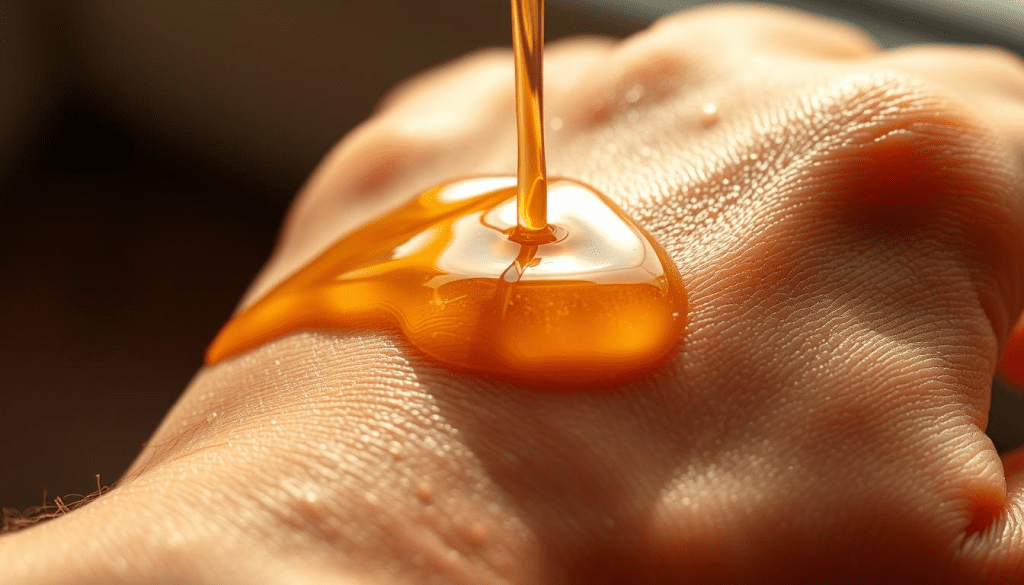
Honey has been used for wound healing for thousands of years. Ancient civilizations knew its healing powers. It has been a key part of traditional medicine for centuries, mainly for wound care.
Ancient Medical Applications
In ancient times, honey was valued for its antibacterial and antifungal qualities. The Egyptians used it to dress wounds and for its anti-inflammatory effects. Honey’s thick texture helped protect wounds from more irritation and infection.
The earliest honey use in medicine was in ancient Egypt around 1600 BCE. It was mentioned in the Ebers Papyrus, one of the oldest medical texts. The papyrus talks about honey’s use in treating various ailments, including wound infections.
Traditional Healing Practices Across Cultures
Honey has been used in many ways across cultures. For example:
- In Ayurvedic medicine, honey is used to carry medicinal herbs, making them more effective.
- Traditional Chinese Medicine also uses honey for its soothing and healing qualities.
- In many indigenous cultures, honey is applied to wounds to help them heal and prevent infection.
These practices show honey’s wide acceptance as a natural remedy for wound healing. Today, honey is used in honey-based skincare products, continuing these traditions for modern skincare needs.
The history of honey in wound healing shows our ancestors’ resourcefulness. They used natural resources for medicine. Today, we’re learning more about honey’s benefits, including its use in modern medicine. This could help develop new treatments that work with stem cell activators reviews.
Scientific Evidence: Can Honey Actually Regenerate Cells?
Honey’s power to regenerate cells is supported by scientific studies. These studies look at honey as a cell regeneration supplement. They check how it affects different cell types and helps with wound healing.
Scientists are studying how honey affects cell growth and change. Lab tests have shown how honey works at the molecular level.
Laboratory Studies on Honey and Cell Proliferation
Lab tests show honey can make cells grow and move better. This is key for fixing tissues. For example, Manuka honey helps grow fibroblasts, which are important for skin repair.
A study in the Journal of Alternative and Complementary Medicine found Manuka honey boosts fibroblast growth. It also helps close wounds faster. This makes honey a strong candidate as a stem cell activator in medicine.
Clinical Research Findings
Clinical studies also back honey’s role in cell regeneration, mainly in wound healing. They show honey can speed up wound healing by fixing tissues and regenerating them.
A study in the Journal of Wound Care showed honey dressings work well for chronic wounds. It found honey helped wounds heal faster than usual treatments.
These results highlight honey as a cell regeneration food for medical use. As more research is done, honey’s role in medicine is expected to grow.
How Honey Supports Tissue Repair
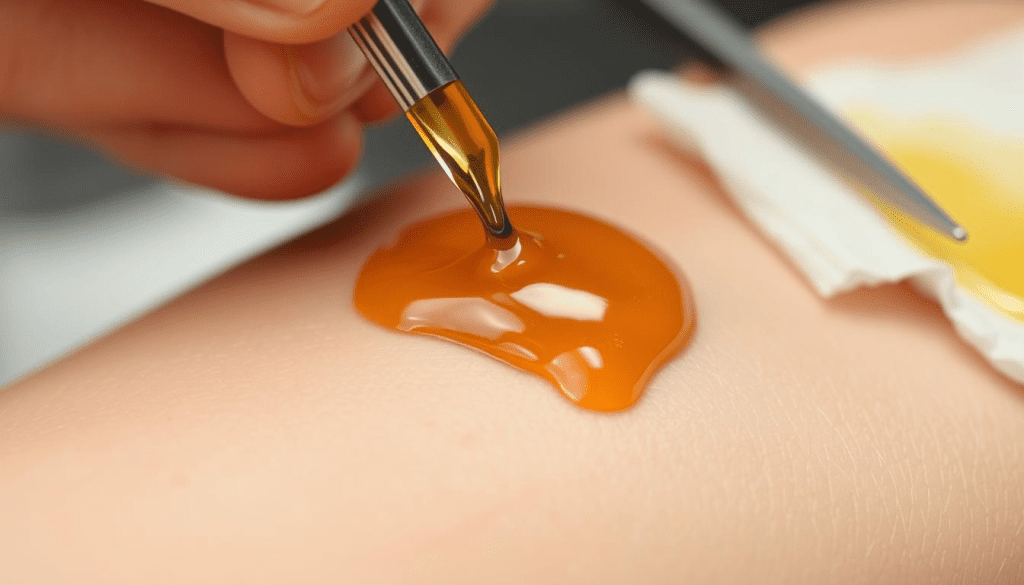
Honey plays a key role in tissue repair through complex biochemical processes. It enhances the body’s natural healing mechanisms. Honey, with its rich history in traditional medicine, promotes cell regeneration and supports tissue health.
Mechanisms of Action
Honey supports tissue repair in several ways. It acts as a protective barrier against infection. It also creates a moist environment that helps healing. Honey’s compounds stimulate cellular repair.
Honey’s viscosity forms a protective layer over wounds. This reduces infection risk and aids healing. Its bioactive compounds, like hydrogen peroxide and methylglyoxal, have antibacterial properties. They work together to stop bacteria growth, preventing infection and supporting healing.
Antibacterial Properties and Wound Healing
Honey’s antibacterial properties are well-known and key to its wound healing effectiveness. It prevents bacterial growth, reducing infection risk. This allows tissues to repair more effectively.
Studies show honey can improve wound healing. It promotes the healing process and lowers complication risk. Honey’s use in wound care leads to faster healing, less scarring, and better patient results.
Manuka Honey: A Special Case for Cell Regeneration
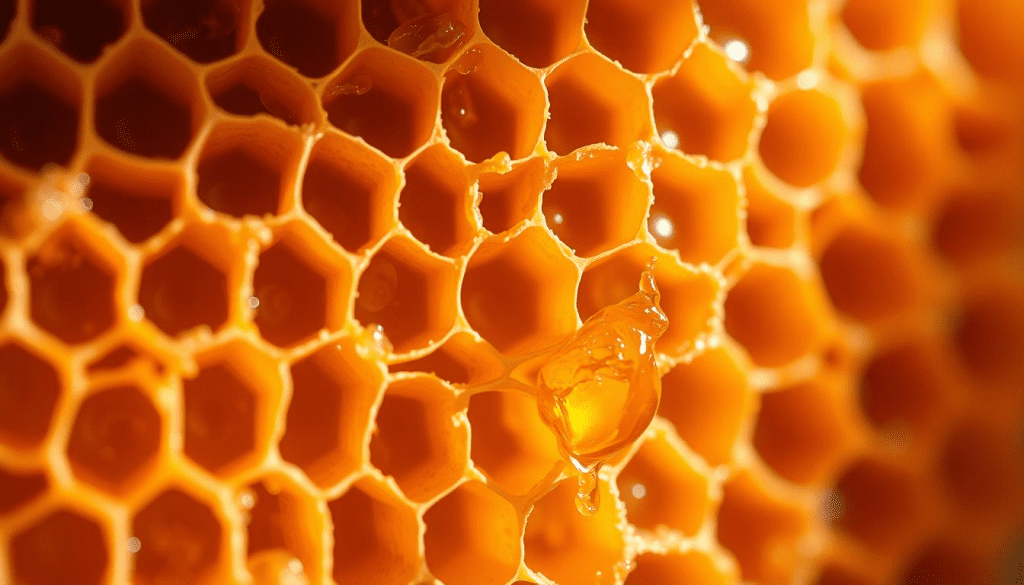
Manuka honey is famous for its antibacterial powers. It comes from New Zealand and is made by bees that visit the Manuka bush. Scientists are excited about its role in healing wounds and regrowing cells.
Unique Properties of Manuka Honey
Manuka honey stands out because of its methylglyoxal. This compound is key to its antibacterial strength. It’s great for healing wounds and helping cells grow back.
Key components of Manuka honey include:
- Methylglyoxal: The main antibacterial agent.
- Hydrogen peroxide: Made by glucose oxidase, it also fights bacteria.
- Other compounds: Like flavonoids and phenolic acids, which are antioxidants.
Research on Manuka Honey and Tissue Repair
Research shows Manuka honey helps with tissue repair and cell growth. It seems to speed up wound healing by boosting cell growth and lowering inflammation. Both lab tests and clinical trials support its healing powers.
Some key findings include:
- Manuka honey helps wounds close by moving fibroblasts and epithelial cells.
- Its antibacterial effects reduce bacteria in wounds, aiding healing.
- Its antioxidants may help protect cells from damage.
In summary, Manuka honey’s special qualities make it a great tool for cell regeneration and tissue repair. Its benefits, backed by science, highlight its value for health and healing.
Cell Regeneration Foods: Beyond Honey
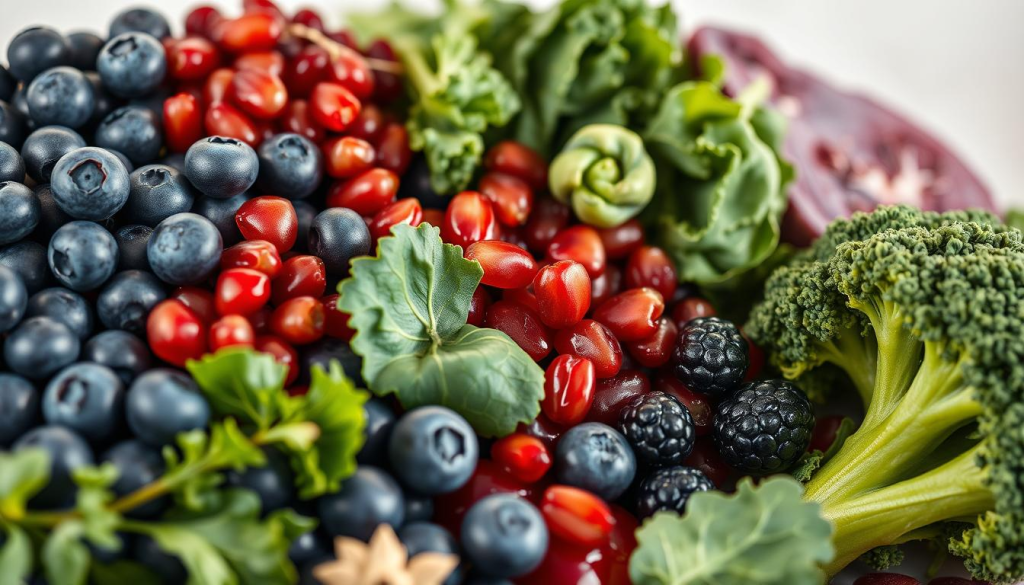
Many foods help with cell health and renewal, not just honey. Eating foods full of antioxidants, omega-3s, and other nutrients helps the body fix itself.
Berries and Antioxidant-Rich Fruits
Berries like blueberries and strawberries are full of antioxidants. These protect cells from harm. They help keep cells healthy by fighting off damage.
Antioxidant-rich foods like berries are key for cell repair. They fight off free radicals and help the body fix itself.
Omega-3 Rich Foods
Omega-3s in foods like salmon and walnuts keep cell membranes healthy. These nutrients help cells work right and keep tissues and organs healthy.
Eating omega-3 rich foods boosts cell regeneration. They give cells what they need to stay healthy.
Cruciferous Vegetables and Cellular Health
Vegetables like broccoli and kale support cell health. They’re full of vitamins and minerals that help detoxify and renew cells.
Eating a variety of cruciferous vegetables helps cells regenerate. They give cells the nutrients they need and keep them healthy.
In summary, a cell renewal diet with lots of different foods is good for the body. Adding fruits, omega-3s, and veggies to your diet helps cells stay healthy and strong.
Stem Cell Activation Through Nutrition
Diet is key to keeping stem cells healthy and active. It affects their ability to grow and repair. Scientists are studying how different foods and nutrients help with stem cell therapy.
Foods That May Stimulate Stem Cell Production
Some foods might boost stem cell production. These include:
- Berries and Antioxidant-Rich Fruits: These fruits are full of antioxidants. They might protect stem cells from damage.
- Omega-3 Rich Foods: Omega-3s in fatty fish and nuts help cells stay healthy.
- Cruciferous Vegetables: Broccoli and others have sulforaphane. It could help stem cells work better.
Eating these foods might help stem cells stay healthy and work better.
The Connection Between Diet and Stem Cell Function
Diet and stem cell function are closely linked. Nutrients like vitamins C and D, and minerals like zinc, are important for stem cells.
Eating a balanced diet with the right nutrients supports stem cell health. The wrong diet can harm stem cells. Scientists are finding out which foods are best for stem cell health.
Learning how diet affects stem cells can help us stay healthy and regenerative.
Honey in Dermatological Applications
Honey is full of bioactive compounds, making it interesting for skin treatments. It’s known for its natural healing and ability to improve skin health. This has made honey a big deal in skincare.
Skin Cell Regeneration and Honey
Honey helps with skin cell growth thanks to its antibacterial and antioxidant properties. It also keeps the skin moist, which is key for healing and regrowing skin. Studies show honey can help skin cells grow back, which is great for skin health and reducing scars and wounds.
“Honey in dermatology is a promising area of research,” says a study on its benefits. Honey’s power to repair and grow tissue is vital for healthy skin.
Honey-Based Skincare Products
Honey is now a big part of skincare, with many products using its natural goodness. From creams and serums to masks and cleansers, honey-based skincare products are loved for their moisturizing, antibacterial, and anti-inflammatory effects.
- Honey face masks for hydration and nourishment
- Creams containing honey for wound healing and skin regeneration
- Soaps with honey for its antibacterial properties
Choosing honey-based skincare products means looking at the type of honey. Different honeys, like Manuka honey, have special benefits because of their unique makeup.
As research keeps finding out more about honey in skin care, we’ll see even more products. These will use honey’s natural healing powers in new and exciting ways.
Digestive Health: Honey’s Impact on Gut Cell Regeneration
Honey might help with digestive health, focusing on gut cell regeneration. The gut lining is key for absorbing nutrients and keeping harmful substances out. Keeping this lining healthy is vital for our overall well-being.
Prebiotic Properties of Honey
Honey is full of prebiotics, which are good for our gut bacteria. Prebiotics are non-digestible fibers that feed beneficial bacteria, helping them grow and work well. Honey’s compounds act as prebiotics, possibly helping to grow new gut cells.
Honey’s prebiotic effect can balance our gut ecosystem. A balanced gut is essential for a healthy digestive system and overall health. Honey supports good bacteria, helping keep the gut lining strong. This is important for absorbing nutrients and keeping harmful substances out.
Gut Lining Repair and Honey Consumption
Honey might help repair the gut lining, a topic of growing interest. Its antibacterial and prebiotic properties could aid in healing the gut lining. This is important in conditions where the gut lining is damaged, like some gastrointestinal disorders.
Eating honey as part of a healthy diet may boost gut health. Honey’s antioxidants and other compounds have beneficial effects. While more research is needed, honey could be a key part of a diet that supports gut health and cell regeneration.
Combining Honey with Other Regenerative Foods
Honey, when paired with other regenerative foods, boosts your body’s health. It helps support cell growth and repair. Adding various nourishing foods to your meals can make honey even more effective.
Synergistic Food Combinations
Some foods work better together than alone. For example, honey and berries boost your antioxidant intake. Honey and salmon also support heart health and cell repair.
Here are some great food pairs to try:
- Honey and berries for a boost in antioxidants
- Honey and leafy greens for enhanced nutrient absorption
- Honey and nuts or seeds for a mix of healthy fats and proteins
Recipe Ideas for Cell Regeneration Support
Adding regenerative foods to your meals is easy and tasty. Here are some recipes that use honey:
- Honey and Berry Smoothie: Blend 1 tablespoon of honey with 1 cup of mixed berries, 1/2 cup of Greek yogurt, and 1/2 cup of almond milk for a refreshing and nutritious drink.
- Honey Glazed Salmon: Mix 2 tablespoons of honey with 1 tablespoon of olive oil and brush over salmon fillets before baking for a dish rich in omega-3s.
- Honey and Spinach Salad: Combine 2 tablespoons of honey with 2 tablespoons of lemon juice and toss with fresh spinach, sliced almonds, and dried cranberries for a healthy and satisfying salad.
Try these food combinations and recipes to help your body regenerate cells. They support your health and well-being.
Limitations and Considerations
It’s important to know the limits of honey for cell regeneration. Honey is known for its health perks, but its quality and where it comes from matter a lot.
When Honey Isn’t Appropriate
Honey isn’t good for everyone, like babies under one year because of botulism risk. Also, people with bee allergies or sensitivities should be careful. Honey is very sweet, which is a problem for those watching their sugar.
- Infants under one year
- Individuals with bee product allergies
- Those with diabetes or on a low-sugar diet
Quality and Sourcing Concerns
The quality and where honey comes from really affect its health benefits. Raw, unfiltered honey is better because it keeps more natural stuff like pollen and propolis. It’s key to get honey from trusted makers to ensure it’s pure and not too processed.
When picking honey for health, look for raw and minimally processed labels. Where the honey comes from, like a local bee farm or elsewhere, also affects its quality and taste.
In summary, honey can be great for cell regeneration, but knowing its limits and choosing quality products is key.
Scientific Controversies and Future Research
Research on honey’s health benefits is ongoing, but it’s not without controversy. The debate over honey’s ability to help cells grow back is complex. It involves discussions on honey’s makeup, its active ingredients, and how it might help cells.
Debates in the Scientific Community
One big debate is about how different honeys work. For example, Manuka honey has special compounds that might make it more effective. Standardizing honey products is hard because of these differences. This makes it tough to get consistent results in studies.
Scientists also argue about how honey affects cells. Some think its antioxidants are key, while others believe its antibacterial properties are more important. This is true, even in healing wounds.
Promising Areas for Further Study
Despite the debates, there are promising areas for research. Honey’s ability to activate stem cells is one of them. This could lead to new ways to help tissues grow back.
Another area is studying honey with other foods that help cells grow. Finding out how honey works with these foods could lead to new health treatments.
Future studies should include clinical trials on humans. This will help settle the debates and show how honey really helps with cell growth.
Practical Applications: Incorporating Honey for Cell Health
To get the most from honey for cell health, knowing how to use it is key. You can add honey to your daily life easily. This can be through what you eat or how you apply it to your skin.
Daily Consumption Guidelines
Choosing the right honey is important for cell health. Go for raw, unfiltered honey for the best nutrition. Aim for one to two tablespoons a day. You can eat it straight, mix it in tea, or sweeten your dishes with it.
Tips for Consumption:
- Add honey to your breakfast oatmeal or yogurt for a nutritious start.
- Use honey as a sweetener in your herbal teas.
- Incorporate honey into your baking recipes for a healthier alternative to refined sugars.
Topical Applications for Skin Health
Honey is great for your skin because it fights bacteria. You can use it as a face mask, treat acne, or moisturize. Always pick a pure, high-quality honey to avoid skin issues.
Methods for Topical Use:
- Apply a thin layer of honey on your face as a mask and rinse off after 15-20 minutes.
- Use honey as a spot treatment for acne by applying it directly to the affected area.
- Mix honey with other natural ingredients like yogurt or oatmeal to create a soothing face mask.
Adding honey to your daily routine can boost your cell health and overall health. You can use it in your diet or apply it to your skin.
Conclusion
Honey has a lot to offer when it comes to cell regeneration. It’s packed with natural compounds and bioactive properties. This article has looked into how honey helps heal wounds and repair tissues.
Eating a balanced diet is key to keeping cells healthy. Foods like honey, berries, and omega-3 rich foods are important. They help support stem cells and overall health.
Manuka honey is special because it boosts skin health and helps with gut cell regeneration. While honey has its limits, it’s a great addition to a healthy diet. Using honey daily can improve your overall well-being and support stem cells.
FAQ
What is cell regeneration and how does it work?
Cell regeneration is when cells are replaced or fixed to keep tissues and organs working right. It uses special cell actions, like stem cell activation, to fix or replace old or damaged cells.
How does honey contribute to cell regeneration?
Honey has special properties that help with cell regeneration. It has antioxidants and antibacterial effects. Some honeys, like Manuka honey, might even help repair tissues better.
What are stem cell activators and how do they work?
Stem cell activators are things that make more stem cells. These cells are key for fixing and making new cells. Foods like honey, berries, and omega-3 foods might help make more stem cells.
Can honey be used to support skin health and regeneration?
Yes, honey is good for the skin. It has antibacterial and antioxidant effects. These can help wounds heal and make the skin healthier.
How can I incorporate honey into my diet to support cell regeneration?
You can eat honey every day in small amounts as part of a healthy diet. You can also use it on your skin or on wounds. But, make sure to pick high-quality, raw honey for the best benefits.
Are there any limitations or considerations when using honey for health benefits?
Yes, honey isn’t good for everyone, like those with allergies or special diets. Also, the quality and where honey comes from matters a lot. So, choose honey from trusted sources.
What other foods support cell regeneration beside honey?
Foods like berries, omega-3 foods, and leafy greens also help with cell regeneration. They have lots of antioxidants, vitamins, and minerals that are good for cells.
Can diet impact stem cell function and activation?
Yes, what you eat affects stem cells. Foods with antioxidants and omega-3s can help make more stem cells and keep cells healthy.
What is the connection between gut health and cell regeneration?
Gut health is very important for cell regeneration. A healthy gut helps keep tissues and organs working well. Honey’s prebiotic effects might help keep the gut healthy and support cell regeneration.
Reference
Trounson, A., & McDonald, C. (2015). Stem cell therapies: The ethical landscape. EMBO Reports, 16(10), 1253-1260. https://www.embopress.org/doi/full/10.15252/embr.201541031
Cheng, C. W., Adams, C. M., & Lau, C. A. (2022). Unsubstantiated “Stem Cell Therapies” in the US: A Review. Cells, 11(21), 3505. https://www.ncbi.nlm.nih.gov/pmc/articles/PMC9689408/