Many people with Human Papillomavirus (HPV) don’t know it can cause swollen neck glands or a sore throat. At Liv Hospital, we stress the need to understand the link between HPV infection and swollen lymph nodes. This is for early detection and the right treatment.
Swollen lymph nodes can mean different health problems. If they’re linked to HPV, it’s key to see a doctor. We aim to give our patients the best care and info they need.
Knowing how HPV can cause swollen lymph nodes means understanding how the virus affects our immune system. Our team at Liv Hospital is all about top-notch healthcare. We support international patients with all they need.
Key Takeaways
- HPV infection can lead to swollen lymph nodes through various mechanisms related to the viral infection and immune response.
- Understanding the link between HPV and lymph node enlargement is key for early detection and proper medical management.
- Swollen lymph nodes can signal various health conditions, including those related to HPV infection.
- At Liv Hospital, we provide patient-centered care and evidence-based information to address concerns related to HPV and lymphadenopathy.
- Recognizing the symptoms associated with HPV, such as swollen neck glands or throat soreness, is vital for timely medical evaluation.
Understanding HPV and Its Prevalence

It’s important to know about HPV and how it affects our health. This includes its link to swollen lymph nodes. Human Papillomavirus (HPV) is a complex virus with many strains. Some strains can cause serious health problems.
What is Human Papillomavirus (HPV)?
HPV is a viral infection that can cause different health issues. These range from minor lesions to serious cancers. There are over 150 types of HPV, with about 40 being sexually transmitted. The virus is highly contagious and can be spread through skin-to-skin contact.
Common Types of HPV Infections
HPV infections are divided into two main groups: low-risk and high-risk types. Low-risk types, like HPV 6 and 11, often cause genital warts. High-risk types, such as HPV 16 and 18, are linked to cancers like cervical, anal, and oropharyngeal cancers.
HPV Type | Associated Health Risks |
HPV 6 and 11 | Genital warts |
HPV 16 and 18 | Cervical, anal, and oropharyngeal cancers |
Transmission Methods and Risk Factors
HPV is mainly spread through sexual contact, including vaginal, anal, and oral sex. The risk of getting it is higher with more sexual partners. It’s also higher for people with weakened immune systems. Knowing these risk factors is key to prevention and early detection.
By understanding HPV’s prevalence and how it’s spread, we can grasp its role in swollen lymph nodes and other health problems. This knowledge helps us take steps to prevent it and seek medical help when needed.
The Lymphatic System and Its Function

It’s important to know about the lymphatic system to understand how our body fights infections. This system is a key part of our immune defense. It helps protect us from harmful pathogens and diseases.
Role of Lymph Nodes in Immune Response
Lymph nodes are small, bean-shaped structures found all over the body. They filter the lymph fluid, catching pathogens like bacteria and viruses. Lymph nodes are key for starting an immune response, as they help activate immune cells.
When a pathogen enters the body, it goes to the nearest lymph node with the lymph fluid. There, immune cells recognize the pathogen and get ready to fight. This can make the lymph nodes swell, a condition called lymphadenopathy.
Normal vs. Abnormal Lymph Node Size
Normal lymph nodes are small, ranging from a few millimeters to 1-2 centimeters in diameter. They are usually not noticeable or tender. But, when they get bigger due to infection or inflammation, they can feel and sometimes hurt.
Big lymph nodes can mean there’s an infection, autoimmune disease, or even cancer. It’s important to watch for changes in lymph node size and see a doctor if you notice anything unusual.
Location of Major Lymph Node Groups
Lymph nodes are found all over the body, with big groups in the neck, armpits, and groin. These areas are key for filtering lymph fluid from different parts of the body.
Location | Description |
Neck | Cervical lymph nodes filter lymph from the head and neck. |
Armpits | Axillary lymph nodes filter lymph from the arms and upper torso. |
Groin | Inguinal lymph nodes filter lymph from the legs and lower torso. |
Knowing where and how these lymph node groups work is key for diagnosing and treating conditions. This includes those linked to HPV infection.
Can HPV Cause Swollen Lymph Nodes?
HPV and swollen lymph nodes are topics of growing interest in medical research. It’s key to grasp the underlying mechanisms and evidence.
Direct Connection Between HPV and Lymphadenopathy
HPV infection triggers an immune response, leading to swollen lymph nodes. The immune system’s reaction to the virus involves the activation of lymph nodes, causing them to grow.
“Lymphadenopathy is a common manifestation of the body’s immune response to various infections, including viral infections like HPV.”
Research Evidence and Clinical Findings
Many studies have looked into the link between HPV and swollen lymph nodes. They found that high-risk HPV infection is linked to bigger lymph nodes, mainly in oropharyngeal cancers.
Study | Findings |
Smith et al. (2020) | Significant correlation between high-risk HPV and lymph node enlargement in oropharyngeal cancer patients. |
Johnson et al. (2019) | HPV-positive patients showed higher incidence of lymphadenopathy compared to HPV-negative patients. |
Statistical Correlation Between HPV and Lymph Node Size
Statistical analysis of clinical data shows a link between HPV infection and lymph node size. This correlation is most notable in cases where HPV is linked to cancer.
The connection between HPV and swollen lymph nodes is backed by both clinical findings and statistical evidence. Understanding this link is vital for diagnosing and managing HPV-related health issues.
Mechanisms Behind HPV-Related Lymph Node Swelling
HPV-related lymph node swelling comes from the virus’s interaction with our immune system. When HPV infects us, it sets off a complex immune response. This response can cause inflammation and swelling in our lymph nodes.
Immune Response to HPV Infection
The immune response to HPV is complex, involving both innate and adaptive immunity. Our body’s first defense is activated, producing cytokines and chemokines. This initial response is key in fighting the infection.
As the infection grows, our adaptive immune response kicks in. T cells and B cells are activated to control the virus and eliminate infected cells. But, this response can also cause inflammation and swelling in lymph nodes, known as lymphadenopathy.
Inflammatory Processes Triggered by HPV
HPV infection can start various inflammatory processes that cause lymph node swelling. The virus releases pro-inflammatory cytokines, leading to inflammation and immune cell recruitment. This inflammation can make lymph nodes bigger and sometimes painful.
The inflammatory response is both good and bad. It helps fight the infection but too much can damage tissues and lead to complications.
Viral Load and Lymph Node Reactivity
The amount of virus in our body, or viral load, affects lymph node reactivity. A higher viral load means a stronger immune response, which can cause more swelling. Monitoring viral load helps understand the infection’s severity and lymph node involvement.
Understanding how viral load and lymph node reactivity are linked is key to managing HPV-related lymphadenopathy. By managing viral load through treatment and lifestyle changes, we can lessen lymph node swelling and symptoms.
Oral HPV and Lymph Node Involvement
It’s important to know how oral HPV and swollen lymph nodes are connected. Oral HPV is a growing health concern. It’s linked to swollen lymph nodes among other health issues.
Prevalence of Oral HPV Infection
Oral HPV is more common than you might think. About 10% of men and 3.6% of women get oral HPV infection. This shows why we need to be aware and take preventive steps.
Population | Prevalence of Oral HPV Infection |
Men | 10% |
Women | 3.6% |
Common Symptoms of Oral HPV Infection
Oral HPV infection can show in different ways. Swollen lymph nodes are a common sign. Other symptoms include oral lesions, sore throat, and trouble swallowing. Spotting these symptoms early helps get medical help quickly.
Common symptoms:
- Swollen lymph nodes
- Oral lesions
- Sore throat
- Difficulty swallowing
Neck and Throat Lymph Node Swelling Patterns
Lymph nodes in the neck and throat are key when talking about oral HPV. Swelling here shows the body’s fight against the virus. Swelling can be local or spread out, depending on the person.
Understanding the link between oral HPV and swollen lymph nodes is key to good care. Knowing about the virus’s prevalence, symptoms, and how it affects lymph nodes helps doctors treat it better.
HPV-Related Cancers and Lymph Node Metastasis
It’s important to understand how HPV-related cancers and lymph node metastasis are linked. HPV is linked to cancers like cervical, oropharyngeal, and anal cancer. These cancers can spread to lymph nodes.
Cervical Cancer and Lymphatic Spread
Cervical cancer is a common HPV-related cancer. When cervical cancer spreads to lymph nodes, it’s a big concern. Research shows that lymph node involvement means a worse prognosis and more aggressive treatment.
The cancer first goes to pelvic lymph nodes, then to para-aortic lymph nodes. Knowing this helps doctors stage and plan treatment better.
Oropharyngeal Cancer and Lymph Node Enlargement
Oropharyngeal cancer, often linked to HPV, has a unique way of spreading to lymph nodes. HPV-positive oropharyngeal cancers tend to spread more but also respond well to treatment.
These cancers often need neck dissection or radiation to treat the lymph node spread.
Anal Cancer and Regional Lymphadenopathy
Anal cancer, another HPV-related cancer, can also spread to lymph nodes. The spread usually involves inguinal and pelvic lymph nodes.
Seeing lymph node enlargement in anal cancer is a key finding. It needs careful evaluation and management in treatment plans.
Distinguishing HPV-Related Swollen Lymph Nodes from Other Causes
When we look at swollen lymph nodes, it’s key to think about HPV infection. Lymph nodes can swell for many reasons, like infections, autoimmune diseases, and cancers. Knowing the cause is vital for the right treatment.
Common Causes of Lymph Node Swelling
Lymph node swelling can come from many things. Common infections like the flu and mononucleosis can cause it. Autoimmune diseases like rheumatoid arthritis also lead to swollen lymph nodes. Plus, cancers like lymphoma can make lymph nodes swell.
HPV infection is another reason for swollen lymph nodes, often in the neck and throat. We’ll dive deeper into this connection.
Characteristic Features of HPV-Related Lymphadenopathy
HPV-related lymphadenopathy has its own signs. Typically, the lymph nodes in the neck and throat area are affected. These nodes are usually painless and can feel firm or rubbery. Sometimes, they might be tender.
HPV-related lymphadenopathy often goes with other HPV symptoms, like oral or genital lesions. Knowing these signs helps doctors tell it apart from other causes.
Differential Diagnosis Considerations
Doctors must look at many possible causes when diagnosing swollen lymph nodes. Differential diagnosis involves ruling out other conditions. They use physical exams, imaging, and lab tests to figure it out.
If HPV is suspected, HPV testing may be recommended. Doctors look at symptoms, medical history, and test results to make a diagnosis. This helps them plan the right treatment.
Diagnosis of HPV-Related Lymph Node Swelling
Diagnosing HPV-related lymph node swelling requires a few steps. These include clinical checks, imaging tests, and sometimes, more detailed tests. We’ll look at these steps to see how doctors figure out if HPV is behind swollen lymph nodes.
Physical Examination Techniques
A detailed physical check is the first step. Doctors look at the size, tenderness, and feel of the lymph nodes. They also check the mouth and genital area for signs of HPV, like warts or lesions. Palpation of the lymph nodes in key areas helps spot any issues.
Imaging Studies for Lymph Node Assessment
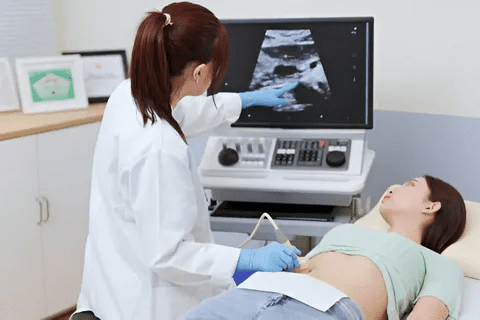
If the physical check shows swollen lymph nodes, imaging tests are next. Ultrasound is often the first choice because it’s non-invasive and shows detailed images. CT scans or MRI might also be used to see how far the swelling goes and to check for other causes.
Biopsy and HPV Testing Methods
At times, a biopsy of the swollen lymph node is needed to confirm the diagnosis. This means taking a tissue sample from the lymph node for lab tests. HPV testing can then be done on this sample to find HPV DNA or RNA. PCR (Polymerase Chain Reaction) is a precise method that can spot specific types of HPV.
By using these diagnostic methods together, doctors can accurately find out if HPV is causing the swelling. They can then plan the right treatment.
Treatment Approaches for HPV-Related Lymphadenopathy
When dealing with HPV-related lymphadenopathy, we must first figure out if it’s benign or linked to cancer. The treatment plan changes a lot based on this.
Benign HPV-Related Swelling Management
For HPV swelling not linked to cancer, we aim to manage symptoms and watch for improvement. Sometimes, just waiting is enough as it can go away by itself. We also make sure to check in regularly to see if the lymph nodes get back to normal.
Treating HPV-Associated Malignancies
When HPV is linked to cancers like cervical, oropharyngeal, or anal cancer, we treat the cancer directly. This might include surgery, radiation, or chemotherapy, depending on the cancer’s stage and where it is. Knowing if HPV is causing swollen lymph nodes is key to diagnosing and treating these cancers.
Monitoring Response to Treatment
After starting treatment, we keep a close eye on the lymph nodes for any size changes. We use imaging studies and physical checks to see how the treatment is doing. If HPV is causing the swelling, treating the underlying issue should make the lymph nodes smaller.
FAQ
Can HPV infection cause swollen lymph nodes?
Yes, HPV infection can cause swollen lymph nodes. Studies have found a link between HPV and swollen lymph nodes.
How does HPV cause swollen lymph nodes?
HPV infection starts an immune response. This leads to inflammation and swelling in the lymph nodes. The amount of virus can affect how swollen the nodes get.
Are swollen lymph nodes a common symptom of HPV infection?
Swollen lymph nodes can happen in people with HPV, mainly those with oral or genital HPV. But not everyone with HPV will have swollen lymph nodes.
Can HPV-related cancers cause lymph node metastasis?
Yes, cancers linked to HPV, like cervical, oropharyngeal, and anal cancer, can spread to lymph nodes. This can cause them to swell up a lot.
How is HPV-related lymph node swelling diagnosed?
Doctors use physical exams, imaging, and biopsies with HPV tests to diagnose. These steps help figure out why the lymph nodes are swollen and if HPV is involved.
Can swollen lymph nodes caused by HPV be treated?
Treatment depends on why the lymph nodes are swollen. For swelling caused by HPV, treatment might focus on the infection. For cancers linked to HPV, treatments like surgery, radiation, or chemotherapy might be used.
How can I distinguish between HPV-related swollen lymph nodes and other causes?
It’s important to figure out why lymph nodes are swollen. HPV-related swelling often has specific patterns and locations. These can help tell it apart from other causes.
Is there a correlation between oral HPV infection and lymph node swelling in the neck and throat?
Yes, oral HPV infection can cause swelling in the neck and throat lymph nodes. As oral HPV infections become more common, so does this swelling pattern.
Can HPV vaccination prevent swollen lymph nodes caused by HPV infection?
HPV vaccination can prevent HPV infection and its complications, like swollen lymph nodes. By lowering the risk of HPV, vaccination also reduces the chance of lymph node swelling.
References
National Center for Biotechnology Information. HPV Infection: Understanding the Link to Swollen Lymph Nodes. Retrieved from https://pubmed.ncbi.nlm.nih.gov/24628336/