Last Updated on December 2, 2025 by Bilal Hasdemir

Nearly 800,000 hernia repair surgeries happen every year in the United States. This makes it a very common procedure. A big worry for patients is how hernia surgery changes their digestive system, like passing gas. Following surgery, patients may experience changes in bowel habits and discomfort due to trapped gas can fart after hernia surgery.
Mechanical forces and tissue mechanics are key in heart and lung health. They also affect digestion after hernia surgery. Knowing about these changes is key for a smooth recovery.
Key Takeaways
- Recognizing the digestive changes that occur after hernia surgery is essential for effective recovery.
- Passing gas can be affected by the surgery.
- Mechanical forces impact digestive function.
- A smooth recovery depends on understanding these changes.
- Nearly 800,000 hernia repair surgeries are performed annually in the US.
Understanding Hernia Surgery and Digestive Function
Hernia repair surgery can change how your digestive system works. The surgery method used is key. It affects your bowel function and digestive health differently.
Types of Hernia Surgeries and Their Impact on the Digestive System

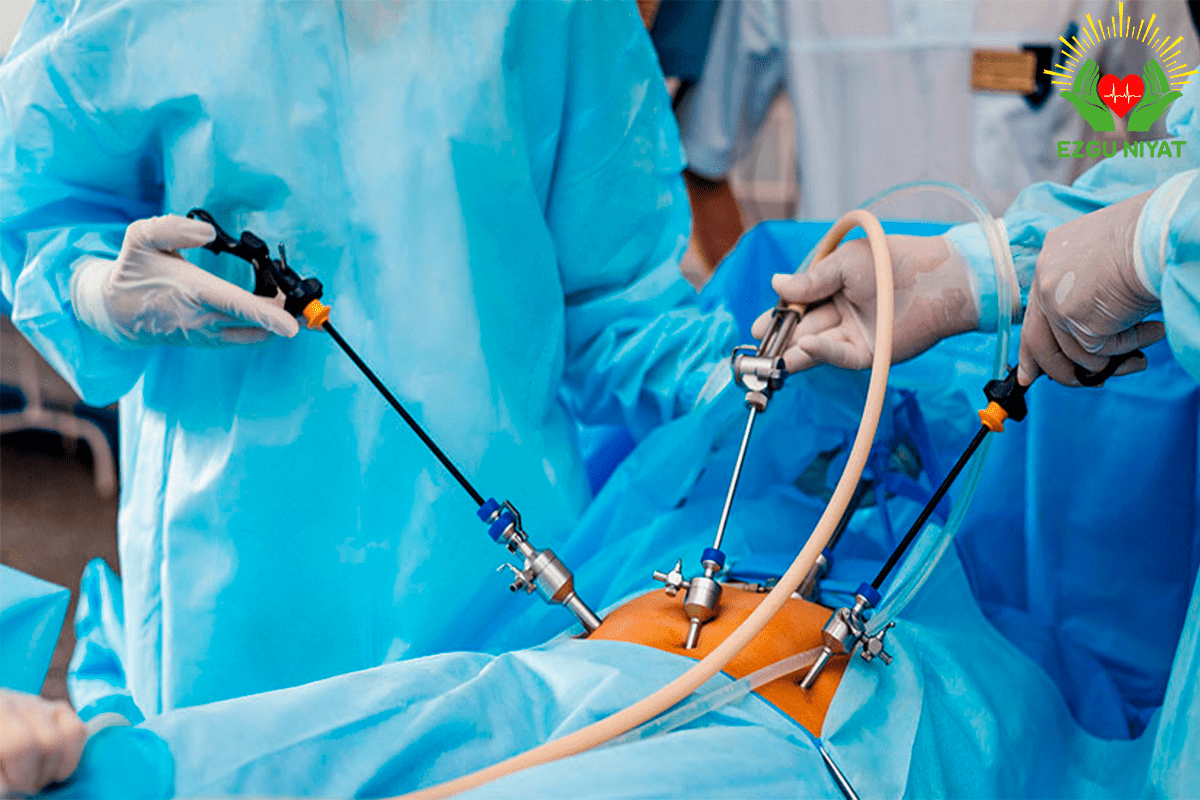
There are two main hernia surgery types: laparoscopic and open repair. Laparoscopic surgery uses small incisions for a camera and tools. It’s less invasive and leads to faster recovery. Open repair needs a bigger cut to directly fix the hernia.
Laparoscopic surgery might cause temporary gas and discomfort. Open repair, being more invasive, can lead to a longer recovery and bigger digestive system effects.
Surgical Approach | Impact on Digestive System | Recovery Time |
Laparoscopic | Temporary gas issues, less invasive | Generally quicker |
Open Repair | Potentially more significant effects on bowel function | Longer recovery period |
How Surgery Affects Normal Bowel Function
Surgery can change your bowel function in several ways. The surgery itself, anesthesia, and pain meds can all affect your bowel habits and gas issues.
Anesthesia can slow down bowel movements. Pain medication can cause constipation, making gas passage harder. Knowing these effects helps manage digestive issues after surgery.
Understanding how hernia surgery affects your digestive system is crucial for preparing for a smooth recovery. It also helps manage any digestive issues that come up.
The Importance of Passing Gas After Hernia Surgery

Passing gas after hernia surgery is a big relief. It shows that your digestive system is working right. It also means your bowel is healing from the surgery.
Why Gas Passage Is a Positive Sign of Recovery
Passing gas after hernia surgery is a key recovery step. It means your intestines are working and the risk of complications is going down. It shows your bowel is healing and getting back to normal.
Key benefits of passing gas after hernia surgery include:
- Indicates bowel recovery
- Reduces risk of post-operative complications
- Signifies return of normal digestive function
What It Means for Your Digestive System Function
Passing gas is a sign of your digestive system’s recovery. After hernia surgery, it means your digestive system is getting back to normal. It also means regular bowel movements will likely return soon.
Digestive Function Indicator | Normal Function | Post-Surgery Status |
Gas Passage | Regular and effortless | Resuming after initial post-surgery period |
Bowel Movements | Regular and consistent | May be slowed initially, then resume |
Abdominal Comfort | No significant discomfort | May experience initial discomfort, then improve |
How Doctors Monitor Bowel Function Post-Surgery
Doctors keep a close eye on bowel function after hernia surgery. They look for signs like gas passage, bowel movements, and abdominal comfort. This helps them see if your digestive system is getting back to normal.
Doctors use different ways to check bowel function, including:
- Clinical assessment of abdominal tenderness
- Review of bowel movement records
- Imaging studies if complications are suspected
By watching these signs, doctors can spot any problems early. They can then help you recover smoothly.
Can I Fart After Hernia Surgery?
Many patients worry about passing gas after hernia surgery. It’s a big deal because it shows if their digestive system is healing right. Passing gas is a natural thing and shows the digestive system is working again.
Timeline for Return of Normal Gas Passage
When gas passage returns to normal varies by person. It can take a few days to a couple of weeks. This depends on the surgery type, the patient’s health, and following doctor’s orders.
Days Post-Surgery | Expected Gas Passage Activity |
1-3 Days | Limited gas passage; possible discomfort due to anesthesia and surgical manipulation |
3-7 Days | Gradual increase in gas passage; some patients may start to experience normal bowel movements |
1-2 Weeks | Most patients start to return to their normal gas passage and bowel habits |
What to Expect in the First Few Days
In the first days after surgery, gas passage is limited. This is because of anesthesia and the body’s reaction to surgery. Being patient and adhering to your healthcare provider’s advice is vital in managing discomfort and promoting digestive health.
Techniques to Safely Encourage Gas Passage
There are safe ways to help gas passage after hernia surgery. These include gentle walking, avoiding carbonated drinks, and not swallowing air. Doctors might also suggest medications or natural remedies to help with gas discomfort.
- Gentle walking to stimulate bowel movements
- Avoiding foods that can cause gas
- Using over-the-counter gas relief medications as directed
Knowing what to expect and using these techniques can help with a smoother recovery. It also helps reduce discomfort from gas passage after hernia surgery.
Why Gas Problems Occur After Hernia Repair
It’s important to know why gas issues happen after hernia surgery. Many patients face gas problems after surgery. Several reasons contribute to these issues.
Anesthesia’s Effect on Bowel Function
Anesthesia affects bowel movements during and after surgery. It slows down bowel activity, causing gas buildup. This can lead to discomfort and bloating for days.
Surgical Manipulation and Intestinal Slowdown
The way intestines are handled during surgery can slow them down. This slowdown can cause gas to build up.
Air Introduced During Laparoscopic Procedures
Laparoscopic surgery uses air to see the area clearly. This air can irritate the diaphragm, causing shoulder pain. It’s also hard to get rid of, leading to bloating and gas pain.
Pain Medication Side Effects
Pain meds, like opioids, can slow down bowel movements. This can cause gas buildup, discomfort, and bloating. Finding other ways to manage pain can help avoid these issues.
Cause | Effect on Gas Problems |
Anesthesia | Slows down bowel movements, leading to gas buildup |
Surgical Manipulation | Causes temporary intestinal slowdown or ileus |
Air Introduced During Laparoscopic Procedures | Irritates the diaphragm, contributes to bloating and gas pain |
Pain Medication | Causes constipation, slows down bowel movements |
Knowing these causes helps patients prepare for gas issues after hernia surgery. Working with healthcare providers can help manage these symptoms.
Common Gas-Related Symptoms Following Hernia Surgery
Hernia surgery can cause several gas-related symptoms. Knowing these symptoms helps manage recovery. It’s important to understand them to know when to seek help.
Bloating and Abdominal Distension
Bloating and abdominal distension are common after hernia surgery. This happens when gas builds up in the digestive system. It can be uncomfortable and sometimes painful.
This bloating is often a body response to the surgery. It includes the effects of anesthesia and air from laparoscopic procedures.
Shoulder Pain and Referred Gas Pain
Some people feel shoulder pain after hernia surgery. This pain might seem unrelated to the surgery site. It’s usually caused by gas irritating the diaphragm during laparoscopic surgery.
The phrenic nerve, which connects the abdomen to the neck, can cause this pain. It leads to pain in the shoulder area.
Inability to Pass Gas
The inability to pass gas can be very uncomfortable. It can cause bloating and increase pressure in the abdomen. This is usually a temporary issue.
There are ways to help pass gas and relieve these symptoms.
Uncomfortable Pressure Sensations
Patients might feel uncomfortable pressure sensations in their abdomen. This can be due to trapped gas or the healing process. These feelings can vary in intensity.
They are generally a normal part of recovery.
Common gas-related symptoms after hernia surgery include:
- Bloating and abdominal distension
- Shoulder pain and referred gas pain
- Inability to pass gas
- Uncomfortable pressure sensations
Knowing these symptoms helps manage recovery. It’s important to follow healthcare provider advice. This ensures a smooth recovery.
Distinguishing Normal Gas Pain from Complications
Gas pain after hernia surgery can worry you. But knowing the difference between normal pain and warning signs can help. It’s key to know what’s normal and when it might mean something serious.
Expected Discomfort vs. Warning Signs
Normal gas pain is usually mild to moderate. It might feel like bloating or discomfort in your belly. This pain comes from your body adjusting to the surgery and air in your belly.
But, it’s important to tell the difference from severe symptoms. These could mean something serious is wrong.
Warning signs that may indicate a complication include:
- Severe or worsening pain
- Persistent vomiting
- Fever
- Abdominal tenderness or guarding
- Inability to pass gas or stool
When to Contact Your Surgeon About Gas Issues
Knowing when to get help for gas pain after hernia surgery can be tricky. If your pain is severe, getting worse, or with fever or vomiting, call your surgeon. Also, if you can’t pass gas or have ongoing discomfort, talk to your doctor.
Potential Complications Related to Digestive Function
Though rare, some digestive issues can happen after hernia surgery. These include bowel obstruction, ileus, or infection. Knowing these risks and watching your symptoms can help catch problems early.
Understanding normal gas pain and complications can make your recovery easier. It helps you know when to get medical help.
Dietary Considerations to Reduce Gas After Hernia Surgery
Eating the right foods can help reduce gas after hernia surgery. After surgery, digestion changes can cause discomfort and gas. Choosing the right foods can help ease these symptoms and aid in recovery.
Foods to Avoid During Recovery
Some foods can make gas and discomfort worse after hernia surgery. It’s best to steer clear of:
- Beans and Legumes: They can cause gas because of their complex sugars.
- Cabbage and Broccoli: These veggies can make you feel bloated and gassy.
- Carbonated Drinks: Drinks like soda and sparkling water add extra gas.
- Dairy Products: If you’re lactose intolerant, dairy can lead to discomfort.
- Fried Foods: Fried foods are hard to digest and can cause gas.
Gas-Reducing Diet Recommendations
Adding certain foods to your diet can help reduce gas and improve digestion:
- Ginger: It’s good for digestion and can help with nausea and gas.
- Yogurt: Yogurt has probiotics that help your gut and reduce gas.
- Bananas: They’re easy to digest and can help keep your bowel movements regular.
- Lean Proteins: Foods like chicken and fish are gentle on your stomach.
- Clear Broths: They keep you hydrated and support your digestive system.
Food Category | Recommended Foods | Foods to Avoid |
Vegetables | Carrots, zucchini, green beans | Cabbage, broccoli, cauliflower |
Fruits | Bananas, applesauce, melons | Berries, citrus fruits |
Proteins | Lean chicken, fish, eggs | Fried foods, beans, legumes |
Hydration and Its Role in Digestive Function
Drinking enough water is key for good digestion. It helps prevent constipation by making stool softer and promoting regular bowel movements. Drinking plenty of water is important all day long.
By eating well and staying hydrated, patients can lessen gas-related discomfort after hernia surgery. This makes recovery smoother and more comfortable.
Safe Physical Activities to Promote Gas Passage
After hernia surgery, gentle physical activities can help a lot. They promote gas passage and aid in recovery. Gentle exercises also help stimulate bowel function, which might be slow after surgery.
Gentle Walking and Its Benefits
Gentle walking is highly recommended after hernia surgery. It promotes gas passage and improves circulation. It also reduces swelling and prevents blood clots. Start with short walks and increase the distance as you get stronger.
Benefits of Gentle Walking:
- Stimulates bowel movements
- Improves blood circulation
- Reduces the risk of complications
- Enhances overall recovery
Approved Movements to Stimulate Bowel Function
There are other movements that can help too. Try gentle leg lifts, pelvic tilts, and deep breathing exercises. These can help your digestive system without straining the surgery area.
Tips for Effective Movement:
- Start slowly and increase intensity gradually
- Avoid heavy lifting or bending
- Listen to your body and rest when needed
Activities to Avoid While Recovering
It’s also key to know what to avoid. Avoid strenuous exercises, heavy lifting, and bending or twisting. These can stress the surgery area and cause problems.
Activities to Avoid:
- Strenuous exercises like running or weightlifting
- Heavy lifting or carrying
- Bending or twisting movements
By choosing safe physical activities, you can help your body heal. This includes promoting gas passage and improving bowel function after hernia surgery.
Medications That Help With Post-Hernia Surgery Gas
Many medications can help with gas pain after hernia surgery. These include over-the-counter (OTC) options and prescription drugs. Each type helps with different levels of gas discomfort.
Over-the-Counter Options for Gas Relief
OTC medications are often the first choice for gas pain. Simethicone breaks up gas bubbles in the stomach and intestines. This makes it easier to pass gas and feel better. Another option is activated charcoal, which absorbs gas in the digestive system.
But, always talk to your healthcare provider before trying any new medication, even if it’s available over-the-counter.
Prescription Medications for Severe Gas Pain
If OTC medications don’t work, prescription drugs might be needed. Metoclopramide helps move gas through the digestive system. For severe gas pain, stronger pain medications might be used. But, these are usually used with caution because of possible side effects.
Potential Interactions With Pain Medications
Talking to your healthcare provider about all medications is key, including those for gas relief. Some combinations can cause problems, like constipation or other stomach issues. Your healthcare provider can help manage gas pain safely with other post-surgical care.
Natural Remedies for Gas Relief After Hernia Repair
Natural remedies offer a gentle way to ease gas pain after hernia repair. They can work alongside traditional treatments to improve comfort and aid in recovery.
Herbal Teas and Their Effectiveness
Herbal teas have been used for centuries to soothe digestive issues, including gas discomfort. Teas made from peppermint, chamomile, and ginger are very effective. Peppermint tea contains menthol, which relaxes digestive tract muscles, making it easier for gas to pass.
Ginger tea is also great, thanks to its natural anti-inflammatory properties. These can help reduce bloating and discomfort.
Gentle Massage Techniques
Gentle massage can stimulate the digestive system and ease gas pain. Abdominal massage is a good example. By massaging the abdomen in a circular motion, you can stimulate the bowel and help gas pass.
Heat Application for Comfort
Heat on the abdominal area can relax muscles and lessen gas pain. A warm heating pad or a hot water bottle wrapped in a towel works well. This simple method can offer quick relief at home.
Positioning Strategies for Gas Relief
Certain positions can help ease gas pain by allowing gas to pass more easily. For example, lying on the side with knees drawn up to the chest can help release trapped gas. Sitting upright or taking a gentle walk can also stimulate the bowel and promote gas passage.
Remedy | Description | Benefits |
Herbal Teas | Peppermint, chamomile, and ginger teas | Relaxes digestive muscles, reduces bloating |
Gentle Massage | Abdominal massage in circular motion | Stimulates bowel, encourages gas passage |
Heat Application | Warm heating pad or hot water bottle | Relaxes muscles, reduces gas pain |
Positioning | Lying on side, sitting upright, gentle walking | Allows gas to pass, stimulates bowel |
The Connection Between Constipation and Gas Problems
Constipation and gas problems often go hand in hand after hernia surgery. This can make managing discomfort a big challenge.
Why Constipation Occurs After Surgery
Constipation is common after hernia surgery. It’s caused by several factors like anesthesia, pain meds, and less movement. Anesthesia slows down bowel movements. Pain meds, like opioids, can also cause constipation by affecting gut receptors.
Factors Contributing to Constipation:
- Anesthesia’s effect on bowel function
- Pain medication side effects
- Reduced physical activity
- Changes in diet
Strategies to Prevent and Manage Constipation
It’s important to manage constipation to reduce gas symptoms. There are several ways to prevent and treat constipation after hernia surgery.
Strategy | Description |
Hydration | Drinking plenty of water to soften stool and promote bowel movements |
Dietary Changes | Increasing fiber intake through fruits, vegetables, and whole grains |
Physical Activity | Engaging in gentle exercises like walking to stimulate bowel function |
Medications | Using stool softeners or laxatives as recommended by a healthcare provider |
How Treating Constipation Improves Gas Symptoms
Treating constipation can greatly improve gas symptoms. Regular bowel movements help reduce gas and bloating discomfort.
Relief through Regular Bowel Movements: Regular bowel movements help expel gas. This reduces discomfort and pain from gas buildup.
By tackling constipation, patients can overcome the cycle of discomfort. This leads to a smoother recovery after hernia surgery.
Different Experiences: Laparoscopic vs. Open Hernia Repair
Laparoscopic and open hernia repair have different recovery times, mainly because of gas issues. Knowing these differences helps manage patient expectations and improve care after surgery.
Gas Issues Specific to Laparoscopic Procedures
Laparoscopic hernia repair uses carbon dioxide gas to see the hernia clearly. This gas can cause specific problems after surgery.
Common gas-related symptoms include:
- Shoulder pain from the diaphragm
- Bloating and discomfort
- Difficulty passing gas
These symptoms are usually short-lived and go away as the body absorbs the gas.
Recovery Differences Between Surgical Approaches
The recovery from laparoscopic and open hernia repair is quite different. Laparoscopic surgery causes less damage and has smaller cuts. This means quicker healing and less pain.
Recovery Aspect | Laparoscopic Hernia Repair | Open Hernia Repair |
Post-operative pain | Generally less due to smaller incisions | Can be more significant due to larger incision |
Recovery time | Typically quicker, often returning to normal activities within a few weeks | May take longer, sometimes requiring 6-8 weeks or more to fully recover |
Gas issues | May experience shoulder pain and bloating due to CO2 inflation | Less likely to have gas-related issues, but may experience more pain and discomfort |
Expected Timeline for Gas Resolution by Procedure Type
The time it takes for gas to resolve is different for laparoscopic and open hernia repair. Laparoscopic procedures usually see gas issues clear up in a few days to a week.
Open hernia repair might not have immediate gas problems. But, recovery can take longer, and discomfort may last for weeks.
Patients should follow their surgeon’s advice on managing gas issues. They should also report any ongoing or severe symptoms.
Long-Term Digestive Function After Hernia Surgery
After hernia surgery, many wonder when their digestive system will get back to normal. The good news is that most people can expect their digestive system to get better over time. But, how long it takes can vary a lot from person to person.
When to Expect Complete Normalization
The time it takes for digestive function to fully recover can be anywhere from a few weeks to several months. It’s important to be patient and let your body heal. Following post-operative instructions and attending follow-up appointments is key to monitoring your recovery.
Most people start to see improvements in their digestive system within 2-4 weeks after surgery. But, some might take longer to get back to normal bowel habits.
Potential Lasting Changes to Be Aware Of
While most people fully recover, some might notice lasting changes in their digestive system. These can include constipation or diarrhea. The type of surgery and how quickly you heal can affect these changes.
It’s important to talk to your healthcare provider about any lasting changes you notice. They might suggest changes to your diet or medication to help manage these changes.
Follow-Up Care for Persistent Digestive Issues
If you’re having ongoing digestive problems after hernia surgery, regular check-ups are vital. Seeing your healthcare provider regularly can help find and treat any underlying issues.
Keeping a record of your symptoms and any changes is helpful. This information can help your healthcare provider tailor their advice and treatment to your needs.
Understanding what to expect for your digestive health after hernia surgery can help you navigate your recovery. With the right care and attention, most people can get back to their normal digestive health.
Patient Experiences: Real Stories About Gas After Hernia Surgery
Recovering from hernia surgery can be tough, with gas being a big issue. People who have gone through this surgery talk about the gas and discomfort they felt. They share their experiences to help others understand what to expect.
Common Patterns in Recovery Experiences
Many patients feel gas and bloating right after surgery. This is often because of the anesthesia and the surgery’s impact on their insides.for example, felt really bloated for almost a week. She said it made her feel awkward about her body.
How fast gas passes through varies from person to person. Some get back to normal quickly, while others take longer.for instance, took about three weeks to get his bowel function back. He had to be patient and change his diet during that time.
Coping Strategies That Helped Others
People have found different ways to deal with gas discomfort. Taking short walks can help get things moving again. Eating certain foods can also make a difference. Staying away from foods that cause gas is a good idea.
Some have found relief in herbal teas and gentle massages.for example, used peppermint tea to ease her gas pain. She found it very soothing.
Unexpected Challenges and Solutions
Some patients face surprises during their recovery, like shoulder pain from gas. Knowing these possible issues can help them prepare and find ways to feel better.
Changing how you sleep can also help. Sleeping with a pillow between your knees or on an incline can ease gas-related pain.
These stories show how important it is to be ready for recovery. They also highlight the various ways to manage gas after hernia surgery.
Communicating With Healthcare Providers About Digestive Issues
Talking clearly with healthcare providers is key to handling digestive problems after hernia surgery. Many patients face issues like gas, bloating, constipation, and discomfort. It’s important to share these concerns with your healthcare team.
Describing Symptoms Effectively
When you talk about digestive problems, be as detailed as you can. Mention how often and how bad the symptoms are. Also, say what makes them better or worse.
Keeping a symptom journal is a good idea. It helps you remember important details. Write down when the discomfort happens, how long it lasts, and what might make it better or worse.
Questions to Ask Your Surgeon About Gas Problems
Make a list of questions for your surgeon. Ask about normal digestive changes after surgery, how long gas and bloating should last, and what foods or activities to avoid. Also, ask about signs of complications.
These questions help you understand your recovery better. They also let you spot any problems early.
Tracking Your Digestive Recovery Progress
It’s important to track how your digestive system is healing. Keep a food diary to see how different foods affect you. Also, note any changes in bowel movements or comfort.
By watching your progress and talking to your healthcare provider, you can tackle digestive issues. This helps you recover more smoothly.
Conclusion
It’s important to understand how hernia surgery affects digestion for a smooth recovery. Passing gas after surgery is a good sign. It means your bowel function is getting back to normal.
Remember, gas passage is key. Knowing common symptoms and how to manage them is also important. Diet, exercise, and medication can help reduce discomfort and aid in recovery.
By knowing the main points, you can better handle your recovery. You’ll know what’s normal and when to get medical help. Talking openly with your healthcare team is also essential for tackling digestive issues and achieving a good outcome.
Having a summary of key points is helpful for those recovering from hernia surgery. It helps ease worries and supports a return to normal digestion.
FAQ
Can I pass gas after hernia surgery?
Yes, passing gas is normal after hernia surgery. It shows your digestive system is working and healing.
How long does it take to start passing gas after hernia surgery?
Passing gas after hernia surgery varies. Most start within a few days. The type of surgery, anesthesia, and pain meds can affect timing.
Why do I experience gas problems after hernia surgery?
Gas issues can come from anesthesia, surgery, pain meds, and air from laparoscopic procedures.
What are the common symptoms associated with gas after hernia surgery?
Symptoms include bloating, distended belly, shoulder pain, and trouble passing gas. You might also feel uncomfortable pressure.
How can I encourage gas passage after hernia surgery?
To help gas pass, try gentle walking and approved movements. Avoid activities that make gas worse.
What dietary changes can help reduce gas after hernia surgery?
Avoid foods that cause gas. Eat a diet that reduces gas and stay hydrated to help digestion.
Are there any medications that can help with post-hernia surgery gas?
Yes, there are over-the-counter and prescription meds for gas pain. But, talk to your doctor about possible interactions with pain meds.
Can natural remedies help alleviate gas pain after hernia surgery?
Yes, natural remedies like herbal teas, gentle massage, heat, and positioning can help with gas pain.
Is there a connection between constipation and gas problems after hernia surgery?
Yes, constipation can lead to gas issues. Managing constipation can help with gas symptoms.
How do laparoscopic and open hernia repair surgeries compare in terms of gas issues?
Laparoscopic surgery might cause gas due to air in the belly. Open repair has different recovery times. Knowing the differences helps manage expectations.
What is the long-term outlook for digestive function after hernia surgery?
Most people’s digestion returns to normal. But, some may have lasting changes. Follow-up care is available for ongoing issues.
How can I communicate effectively with my healthcare provider about digestive issues after hernia surgery?
Describe your symptoms well, ask questions, and track your recovery. This ensures you get the best care.
References
National Center for Biotechnology Information. Evidence-Based Medical Insight. Retrieved from https://www.ncbi.nlm.nih.gov/pmc/articles/PMC3101760/