Last Updated on November 25, 2025 by Ugurkan Demir
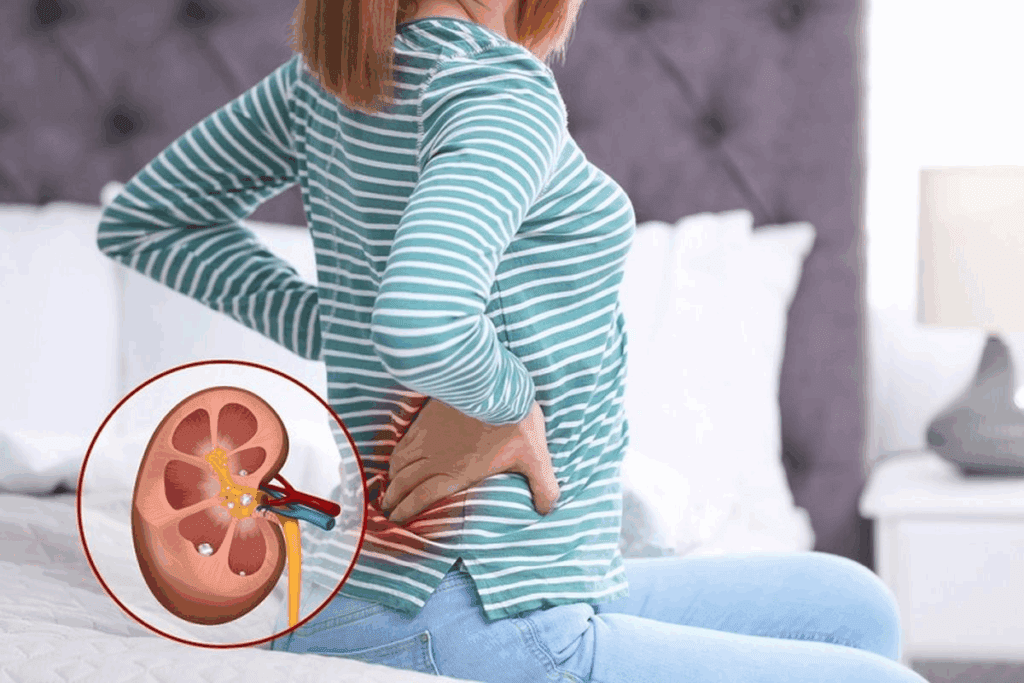
Seeing blood in your urine can be scary. Many people notice this without feeling pain. This raises big questions about what’s going on inside your body.
At Liv Hospital, we know blood in urine needs quick action and a detailed check-up. Kidney stones are a common problem. They can cause hematuria, which is blood in the urine.
When stones move through the urinary tract, they can hurt the lining. This can cause bleeding. This bleeding might happen with or without pain. It’s a tricky situation that needs a doctor’s careful look.
Key Takeaways
- Kidney stones can lead to hematuria, a condition characterized by blood in the urine.
- Bleeding can occur with or without pain, making it a complex clinical presentation.
- Proper medical evaluation is necessary to determine the underlying cause.
- At Liv Hospital, we provide extensive support for international patients.
- Understanding the underlying causes is key for effective treatment.
Understanding Blood in Urine (Hematuria)
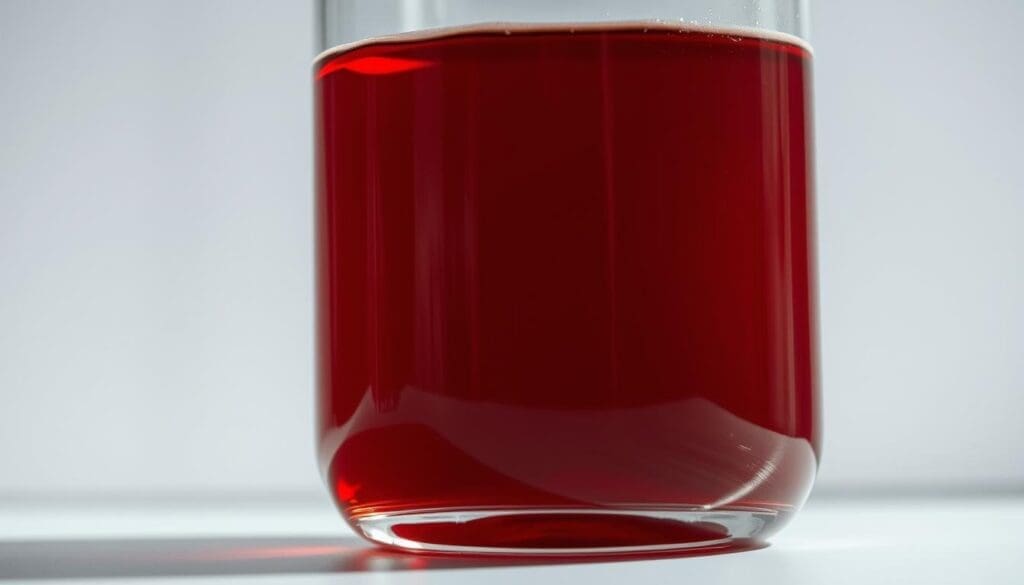
Blood in urine, or hematuria, can show up in different ways. It has many causes. This symptom is often scary and makes people go to the doctor.
Types of Hematuria: Microscopic vs. Gross
Hematuria is split into two types: microscopic and gross. The main difference is how you can see the blood.
- Microscopic Hematuria: This is when blood is too small to see with the naked eye. It’s found during a urinalysis.
- Gross Hematuria: This is when you can see the blood with your eyes. The urine looks pink, red, or cola-like.
Common Causes of Blood in Urine
Many things can cause blood in urine. Some common ones are:
- Urinary tract infections (UTIs)
- Kidney stones
- Bladder or kidney cancer
- Prostate issues
Knowing what causes it helps figure out what to do next.
| Type of Hematuria | Description | Common Causes |
| Microscopic Hematuria | Blood visible only under a microscope | UTIs, kidney stones, early cancer |
| Gross Hematuria | Urine appears pink, red, or cola-colored | Bladder or kidney stones, cancer, prostate issues |
If you see blood in your urine, see a doctor. It could mean you have something serious that needs treatment.
The Relationship Between Kidney Stones and Hematuria
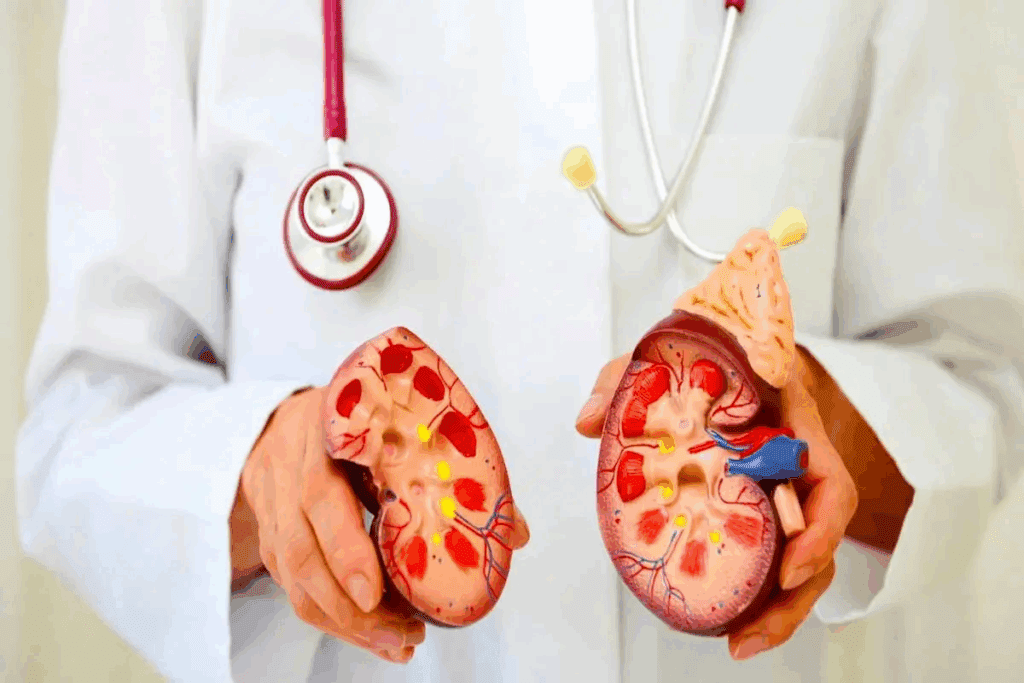
It’s important to understand how kidney stones and hematuria are connected. Hematuria, or blood in the urine, is a common symptom. Kidney stones are a main cause of this issue.
How Kidney Stones Form
Kidney stones form from minerals, acids, and salts in the kidneys. An imbalance or concentration of these substances can cause stones to form. Dehydration, dietary factors, and genetic predisposition can increase the risk.
The process starts when urine becomes too saturated with these substances. This leads to the formation of crystals. Over time, these crystals grow into stones, which can vary in size and type.
Why Kidney Stones Cause Bleeding
Kidney stones can scratch and irritate the urinary tract lining, causing bleeding. The size and location of the stones affect how likely and severe the bleeding will be.
Larger stones are more likely to cause irritation and damage. This can lead to visible blood in the urine, known as gross hematuria. Even smaller stones can cause microscopic hematuria, where blood is only seen under a microscope.
In men, kidney stones can cause blood clots in urine male no pain. This can be alarming. The lack of pain doesn’t mean the condition is less severe. Blood clots can indicate serious irritation in the urinary tract.
Can Kidney Stones Cause Blood in Urine Without Pain?
Kidney stones and blood in urine can be linked in complex ways. Sometimes, people might see blood in their urine without feeling pain. This situation worries both patients and doctors, as it doesn’t always mean the problem is mild.
The Mechanism Behind Painless Hematuria
Painless blood in urine with kidney stones can happen for a few reasons. One reason is that the stone might not be causing enough irritation or blockage. This means it doesn’t trigger pain. Another reason is the stone’s location. If it’s not blocking much or hurting the tissue, there won’t be pain.
Research shows that the size and where the stone is matter a lot. Smaller stones might not cause much trouble and pass without symptoms. But bigger stones can hurt more and lead to blood in urine without pain.
Research and Statistics on Painless Kidney Stone Bleeding
About 10% to 15% of people with kidney stones might see blood in their urine without pain. A study in a urology journal found 12% of patients with kidney stones had painless blood in their urine. These patients often had smaller stones that didn’t block much.
Another study found that uric acid stones were more likely to cause painless blood in urine. This shows that the type of stone can affect whether or not there’s pain.
Case Studies and Clinical Evidence
Many case studies have shown patients with kidney stones having painless blood in urine. For example, a patient was found to have visible blood in their urine without pain. A small stone was found that wasn’t blocking much.
Studies show that pain isn’t always a sign of how serious a kidney stone is. Doctors need to look at many things, like the patient’s history and test results, to figure out what to do next.
Types of Kidney Stones and Their Symptoms
Kidney stones are not just one thing; they are many types. These include calcium stones, uric acid stones, struvite stones, and cystine stones. Knowing about these types helps doctors find and treat them better.
Calcium Stones
Calcium stones are the most common. They happen when there’s too much calcium in the urine. They can cause hematuria, or blood in the urine, even without pain.
Uric Acid Stones
Uric acid stones are common in people with gout or who lose too much fluid. They can also cause hematuria. Symptoms may include changes in how you urinate.
Struvite Stones
Struvite stones happen in people with urinary tract infections (UTIs). They grow fast and can get very big. Symptoms include UTIs and changes in urine color.
Cystine Stones
Cystine stones are rare. They happen in people with a genetic disorder that makes cystine leak through the kidneys. These stones can cause UTIs and hematuria.
Here’s a quick look at the different types of kidney stones and their symptoms:
| Type of Stone | Common Causes | Symptoms |
| Calcium Stones | High calcium levels, dehydration | Hematuria, possible pain |
| Uric Acid Stones | Gout, dehydration, diet | Hematuria, urinary changes |
| Struvite Stones | Urinary tract infections | UTIs, changes in urine |
| Cystine Stones | Genetic disorder | Recurrent UTIs, hematuria |
Knowing the type of kidney stone is key to finding the right treatment. We’ll talk about treatment options later.
Risk Factors for Developing Kidney Stones
Kidney stones form due to genetics, diet, and environment. Knowing these factors helps prevent and manage kidney stones.
Genetic and Hereditary Factors
Genetics are key in kidney stone development. If your family has a history of stones, you’re at higher risk. Certain genetic disorders, like cystinuria, can also play a role.
Dietary Contributors
Your diet affects your risk of kidney stones. Eating too much sodium, animal protein, and foods high in oxalate increases risk. But, a diet rich in calcium can help prevent some types of stones.
Medical Conditions That Increase Risk
Some medical conditions raise your risk of kidney stones. These include urinary tract infections, renal tubular acidosis, and hyperparathyroidism. If you have these, you should know your risk is higher.
Demographic Patterns
Age, sex, and where you live also impact your risk. Men are more likely to get stones than women. And, the risk varies by region.
To better understand the demographic patterns, let’s examine the following table:
| Demographic Factor | Risk Level | Characteristics |
| Age | Higher risk between 30-60 years | Increased risk with age, peaks in middle age |
| Sex | Men > Women | Men are more likely to develop kidney stones |
| Geographic Location | Varies by region | Higher incidence in certain regions, possibly due to diet and climate |
By knowing these risk factors, you can lower your chance of getting kidney stones. This is true, even if you don’t have symptoms like blood in the urine without pain.
Factors Affecting Symptom Presentation
Symptoms of kidney stones can vary a lot. This is because of several important factors. Knowing these helps doctors diagnose and treat kidney stones better, even when there’s no pain but blood in the urine.
Stone Size and Location
The size and where a kidney stone is located affect symptoms. Big stones can block urine and cause more pain. But, some big stones might not cause symptoms until they move or block urine a lot.
Where the stone is in the urinary tract also matters. Stones in the kidney might cause different symptoms than those in the ureter or near the bladder.
- Stones in the renal pelvis might cause blood in urine without pain if they don’t block urine flow.
- Ureteral stones can cause more severe pain because they block urine, but some might not hurt and just cause blood in urine.
- Stones near the bladder might cause more frequent or urgent need to urinate.
Individual Pain Threshold
How much pain someone can handle varies a lot. This can affect how they report symptoms of kidney stones. Some people might not feel pain as much and might only notice blood in urine.
Things like genetics, past pain experiences, and mental state can influence pain threshold.
“Pain is a highly subjective experience and can be influenced by a multitude of factors, including emotional and psychological states.”
Partial vs. Complete Urinary Obstruction
How much a kidney stone blocks urine flow is key. A little blockage might cause mild symptoms, while a big blockage can cause a lot of pain, nausea, and even kidney damage. But, some partial blockages might just cause blood in urine without pain.
Key factors influencing symptom presentation include:
- The size and location of the kidney stone.
- The individual’s pain threshold and perception.
- The degree of urinary obstruction caused by the stone.
Understanding these factors helps doctors treat kidney stones better, even when there’s blood in urine without pain. By looking at how these factors work together, we can make treatment plans that fit each patient’s needs.
Other Symptoms That May Accompany Painless Hematuria
Painless hematuria is a concerning symptom. It often comes with other urinary changes. These changes can help find the cause and plan treatment.
Urinary Changes
People with painless hematuria might notice changes in their urine habits. These include:
- Frequency: Needing to urinate more often than usual
- Urgency: Sudden, intense urges to urinate
- Flow changes: Weak or interrupted urine flow
- Nocturia: Waking up multiple times at night to urinate
These changes can mean different things. They might point to kidney stones, urinary tract infections, or other issues. Talking to a healthcare provider is key to figuring out the cause.
Systemic Symptoms
Sometimes, painless hematuria comes with body-wide symptoms. These can include:
- Fever: Elevated body temperature, potentially indicating an infection
- Nausea and vomiting: These symptoms can occur if the condition is causing a blockage or infection
- Fatigue: Feeling unusually tired or weak
These symptoms can hint at the cause of hematuria. For example, a fever might mean an infection. Fatigue could suggest a chronic issue.
Silent Complications
Some complications from painless hematuria don’t show symptoms at first. These can include:
- Kidney damage: Prolonged or recurrent hematuria can potentially lead to kidney damage over time
- Anemia: Chronic blood loss in the urine can lead to anemia
- Urinary tract obstruction: Gradual blockage of the urinary tract
It’s important to keep an eye on these complications. Regular check-ups with a healthcare provider can help catch and manage them early.
Knowing about the symptoms of painless hematuria helps people talk better with their doctors. This way, they can get the right care.
Differential Diagnosis: Other Causes of Painless Hematuria
When you see blood in your urine without pain, it’s important to think of many possible reasons. Painless hematuria can be a sign of several health issues. A detailed check-up is needed to find out the exact cause.
Urinary Tract Infections
Urinary tract infections (UTIs) can also cause blood in urine without pain. UTIs happen when bacteria get into the urinary system. This can lead to infection in the bladder, ureters, or kidneys. Some people with UTIs might only notice blood in their urine, not pain.
Bladder or Kidney Cancer
In some cases, painless hematuria can be a sign of bladder or kidney cancer. Tumors in these areas can bleed, causing blood in the urine. Though rare, it’s a serious condition that must be checked for.
Benign Prostatic Hyperplasia
Benign prostatic hyperplasia (BPH), or an enlarged prostate, can also cause hematuria in men. As the prostate grows, it can lead to urinary symptoms and sometimes bleeding. BPH is often linked to weak flow or trouble starting to urinate, but it can also cause painless hematuria.
Glomerular Disorders
Glomerular disorders affect the kidneys’ filtering units and can cause hematuria. Conditions like IgA nephropathy or Alport syndrome can lead to blood in the urine. These disorders often run in families and may show up as the main symptom of hematuria.
It’s key to remember that these conditions can sometimes only show up as blood in the urine. A thorough test is needed for men with blood in their urine but no pain.
When to Seek Medical Attention
Blood in urine, or hematuria, can be a sign of kidney stones. It’s key to know when to get medical help. Some cases might get better on their own, but others could mean a serious issue that needs quick treatment.
Warning Signs That Require Immediate Care
If you notice any of these signs, get medical help fast:
- Severe pain in your side or back that spreads to your lower abdomen or groin
- Heavy bleeding that keeps going after a few times of urinating
- Fever over 101.5°F (38.6°C)
- Difficulty urinating or painful urination
- Vomiting or nausea that makes it hard to keep fluids or medicine down
These signs might mean a problem with kidney stones, like an infection or blockage. You need to see a doctor right away.
What to Tell Your Healthcare Provider
When you see your doctor, tell them everything about your symptoms:
- Tell them about the color and consistency of your urine
- Let them know if you have any pain or discomfort while you pee
- Share your recent medical history, like if you’ve had kidney stones or UTIs before
- Tell them about any medications or supplements you’re taking
Sharing this info helps your doctor figure out what’s wrong and how to fix it.
Home Management While Waiting for Care
While you wait to see your doctor, you can do a few things to help:
- Stay hydrated by drinking lots of water to clear out your urinary system
- Avoid irritants like caffeine, alcohol, and spicy foods that can make symptoms worse
- Monitor your symptoms closely and keep track of any changes or new things that happen
But remember, these steps are just temporary fixes. If you think you have hematuria, see your doctor as soon as you can.
Diagnostic Procedures for Painless Hematuria
To find out why there’s blood in urine without pain, doctors use several tests. When someone notices blood in their urine but doesn’t feel pain, it’s important to figure out why. This helps in finding the right treatment.
Urinalysis and Blood Tests
First, doctors do urinalysis and blood tests. Urinalysis checks for blood, protein, or other unusual things in the urine. Blood tests look at kidney function and for signs of infection or inflammation.
Urinalysis can show clues about the cause of blood in urine. For example, finding red or white blood cells or bacteria might mean an infection. Blood tests, like serum creatinine, check how well the kidneys are working.
| Test | Purpose | Relevance to Painless Hematuria |
| Urinalysis | Detects blood, protein, or other abnormalities in urine | Helps identify cause of hematuria |
| Blood Tests (e.g., Serum Creatinine) | Assesses kidney function | Evaluates overall kidney health |
Imaging Studies
Imaging tests are key to finding the cause of painless hematuria. Doctors use ultrasound, CT scans, and MRI to see the urinary tract. They look for problems like kidney stones, tumors, or structural issues.
For example, a CT scan gives detailed pictures of the kidneys, ureters, and bladder. It can spot stones, blockages, or other problems. Ultrasound checks the size of the kidneys and looks for masses or cysts.
Cystoscopy and Other Specialized Tests
In some cases, doctors do cystoscopy to see inside the bladder and urethra. They use a thin, flexible tube with a camera to find tumors, stones, or inflammation.
Other tests, like retrograde pyelography or ureteroscopy, check the upper urinary tract. These tests help find problems in the ureters and kidneys.
By using these tests together, doctors can find out why there’s blood in urine without pain. If you notice blood in your urine but don’t feel pain, see a doctor. They can help figure out what’s going on and treat it.
Treatment Options for Kidney Stones Causing Painless Hematuria
Kidney stones can cause painless hematuria and are treated in different ways. The treatment depends on the stone’s size, location, and type, and the patient’s health. There are both conservative and surgical options available.
Conservative Management
For small stones, doctors often start with conservative management. This means trying to help the stone pass on its own. Drinking lots of water is important to help flush it out. Managing pain is also key, but it’s less of a concern when there’s no pain.
Medical Interventions
If the stone doesn’t pass on its own, doctors may use medications. Alpha-blockers can relax the ureter muscles, making it easier for the stone to move. For certain stones, like uric acid stones, medications can dissolve them.
Surgical Approaches
For large stones or when other treatments fail, surgery is needed. There are a few surgical options:
- Extracorporeal Shock Wave Lithotripsy (ESWL): A non-invasive method that breaks the stone into smaller pieces with shock waves.
- Ureteroscopy: A minimally invasive procedure that uses a small scope to remove or break up the stone.
- Percutaneous Nephrolithotomy (PCNL): A more invasive surgery for large stones, making a small incision to remove the stone from the kidney.
The right surgical option depends on the stone’s size and the patient’s health.
| Treatment Option | Description | Typical Use Case |
| Conservative Management | Watchful waiting, hydration, and pain management | Small stones, minimal symptoms |
| Medical Interventions | Medications to facilitate stone passage or dissolution | Stones that are likely to pass with assistance, certain stone types |
| Surgical Approaches | ESWL, Ureteroscopy, PCNL | Large stones, stones causing significant obstruction, failed other treatments |
Conclusion
Kidney stones can cause blood in urine without pain, known as painless hematuria. It’s important to understand how kidney stones and hematuria are connected. This knowledge helps in managing and treating the condition effectively.
We’ve looked at how kidney stones form and the different types. We’ve also talked about the risk factors for developing them. The symptoms of painless hematuria and the need for accurate diagnosis were highlighted.
If you notice blood in your urine, whether it hurts or not, see a doctor. They can run tests like urinalysis and imaging to find out what’s causing it. This way, they can suggest the right treatment for you.
Knowing about kidney stones causing blood in urine without pain helps you manage your condition better. It also helps prevent future problems.
FAQ
Can kidney stones cause blood in urine without pain?
Yes, kidney stones can cause blood in urine without pain. This is known as hematuria. It happens when a stone moves and causes bleeding in the urinary tract.
What are the types of hematuria associated with kidney stones?
There are two types of hematuria. Microscopic hematuria is when blood is seen under a microscope. Gross hematuria is when blood is visible to the eye. Both can be linked to kidney stones.
What are the common causes of blood in urine beside kidney stones?
Blood in urine can also be caused by urinary tract infections, bladder or kidney cancer, and other conditions. Benign prostatic hyperplasia and glomerular disorders are also common causes.
How do kidney stones form, and why do they cause bleeding?
Kidney stones form when minerals in urine crystallize. As they move, they can scratch the lining of the tract, causing bleeding.
Can the size and location of a kidney stone affect the likelihood of bleeding?
Yes, the size and location of a stone can affect bleeding. Larger stones or those in certain areas are more likely to cause bleeding.
Are certain types of kidney stones more likely to cause painless hematuria?
Yes, some types like calcium or uric acid stones might cause painless bleeding. But any stone can potentially cause bleeding without pain.
What are the risk factors for developing kidney stones?
Risk factors include genetic factors, diet, certain medical conditions, and demographic patterns. These can increase your chance of getting kidney stones.
When should I seek medical attention for blood in urine?
Seek medical help right away for severe symptoms like heavy bleeding or pain. Also, if you have a history of stones or other conditions, get help.
What diagnostic procedures are used to evaluate painless hematuria?
Tests include urinalysis, blood tests, imaging, and cystoscopy. These help find the cause of bleeding.
What are the treatment options for kidney stones causing painless hematuria?
Treatment options include conservative management, medical interventions, and surgery. The best treatment depends on the stone’s size, location, and type, and your health.
Can blood in urine be a sign of a more serious underlying condition?
Yes, it can be a sign of serious conditions like bladder or kidney cancer. It’s important to get checked to find the cause.
How can I manage symptoms while waiting for medical care?
Stay hydrated, avoid hard activities, and follow your doctor’s advice. These steps can help manage symptoms while you wait for care.
What information should I provide to my healthcare provider when seeking medical attention for hematuria?
Tell your healthcare provider about your symptoms, medical history, and any medications. This information helps them understand your situation better.
References
National Health Service (NHS). (2025). Can Kidney Stones Cause Blood in Urine Without. Retrieved from https://www.nhs.uk/conditions/kidney-stones/symptoms