Last Updated on October 31, 2025 by
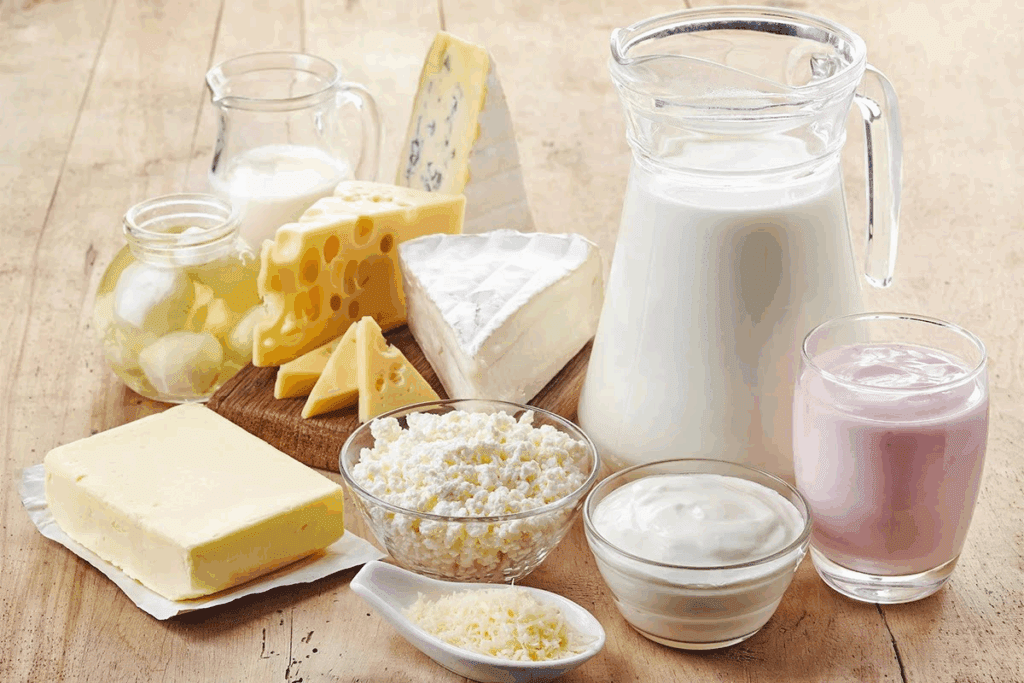
For a long time, people have been avoiding milk and dairy products because they thought they might cause kidney stones. But recent studies have found this worry might not be true.Can milk cause kidney stones? Understand the crucial role of calcium in dairy and why it may actually help prevent most stone types.
Dairy products do not cause kidney stones, and they might even help prevent them. Research shows that eating more dietary calcium from dairy and non-dairy sources can lower the risk of getting kidney stones.
We will look into the link between milk, dairy products, and kidney stones. We will clear up common myths and share the latest research. Our aim is to fully understand how dietary calcium affects kidney stone risk.
Key Takeaways
- Dietary calcium from dairy sources helps prevent kidney stones.
- Moderate intake of calcium-rich foods reduces kidney stone risk.
- Balanced calcium from food sources is essential for preventing kidney stones.
- Recent research debunks the myth that milk causes kidney stones.
- Adequate dairy consumption is recommended for kidney stone prevention.
The Truth About Dairy and Kidney Stones
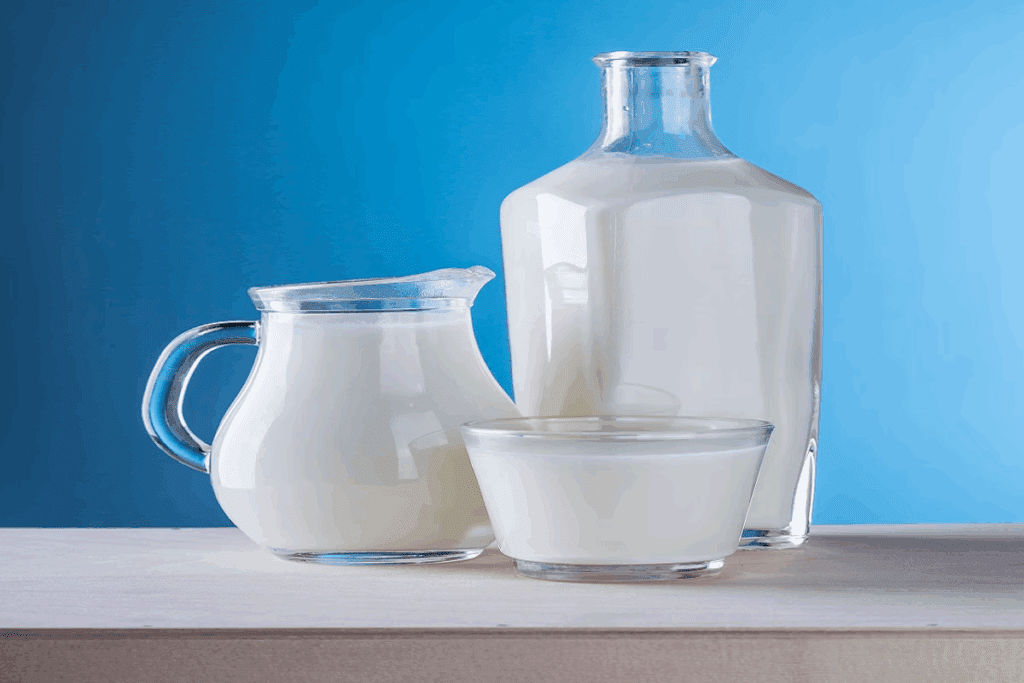
There’s a lot of talk about dairy and kidney stones, but what does science say? For years, many thought dairy might raise the risk of kidney stones. But new studies have brought clarity to this topic, helping those worried about their diet.
Common Misconceptions About Milk and Kidney Stones
Many think dairy products increase kidney stone risk because of their calcium. This belief might come from the fact that most stones are calcium oxalate. But, dietary calcium isn’t the problem. It’s actually the opposite.
Studies show that a diet rich in calcium can prevent kidney stones. This is because calcium in the gut binds to oxalate. This reduces oxalate in the blood and urine, where it can form stones.
Key points to consider:
- Dietary calcium is not the primary cause of kidney stones.
- Calcium from dairy products can help prevent stone formation.
- Misconceptions about dairy and kidney stones have led to unnecessary dietary restrictions.
What Current Research Actually Shows
Recent studies have given us a better understanding of dairy and kidney stones. They found that more calcium from dairy means a lower risk of stones.
A big study showed that those with more calcium had a lower risk of stones. This suggests that dairy, in a balanced diet, is good for the kidneys.
Some key findings include:
- Higher dietary calcium intake is linked to a reduced risk of kidney stones.
- Dairy products are a rich source of calcium that can help prevent stone formation.
- A balanced diet that includes dairy can contribute to overall kidney health.
Understanding Kidney Stones: Types and Formation
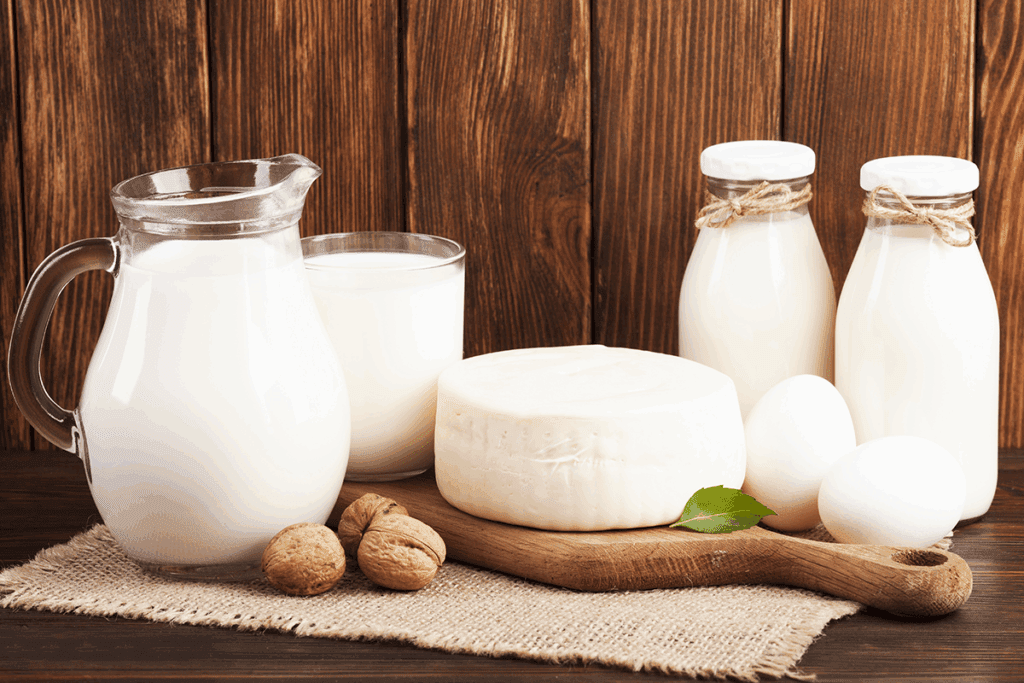
Kidney stones are a common health issue affecting millions worldwide. They come in different types and form in various ways. We will look at the different types of kidney stones, how they form, and the common risk factors.
The Different Types of Kidney Stones Explained
Kidney stones are mainly classified into four types based on their composition. The most common is calcium oxalate stones, making up about 70% of cases. Other types include calcium phosphate stones, uric acid stones, and struvite stones. Each type has its own characteristics and is influenced by different factors.
“The majority of kidney stones are composed of calcium oxalate, highlighting the importance of understanding the role of dietary calcium and oxalate in stone formation,” as noted by recent research.
How Kidney Stones Develop in the Body
Kidney stones form when minerals in the urine become too concentrated. This concentration leads to crystallization and stone formation. Dietary factors, like calcium and oxalate intake, are key in this process. Higher dietary calcium helps because it binds to oxalate in the gut, reducing its absorption and excretion in urine.
Common Risk Factors for Stone Formation
Several factors increase the risk of developing kidney stones. These include:
- Dietary factors: Low calcium intake, high oxalate-rich foods, and too much animal protein.
- Hydration: Not drinking enough water, leading to concentrated urine.
- Genetic predisposition: Family history of kidney stones.
- Medical conditions: Certain conditions like hyperparathyroidism and urinary tract infections.
Knowing these risk factors is key to preventing kidney stones. By making smart dietary choices and staying hydrated, you can lower your risk.
Research shows, “a diet rich in calcium from various sources can help prevent kidney stones by reducing urinary oxalate excretion.”
Can Milk Cause Kidney Stones? The Scientific Answer
Scientists have been studying the link between dairy and kidney stones for a long time. Recent studies have given us new insights. They help us understand how milk might affect kidney stone formation.
The 56-Year Study That Changed Our Understanding
A major study lasted 56 years and involved three large groups. It found that more dietary calcium can lower kidney stone risk. This study has been key in showing how diet affects kidney health.
Recent Research on U.S. Adults (2007-2018)
A study from 2007 to 2018 also supports the benefits of dairy. It showed that drinking milk regularly can prevent kidney stones. This study highlights the value of regular dairy consumption in reducing stone risk.
Why Most People Don’t Get Enough Calcium
Many people don’t get enough calcium, despite its benefits. This can be due to diet choices or not knowing how important calcium is. Getting enough calcium, through food or supplements, is key for kidney health.
| Daily Calcium Intake | Kidney Stone Risk |
| Low (<600 mg/day) | Higher Risk |
| Moderate (600-1200 mg/day) | Moderate Risk |
| High (>1200 mg/day) | Lower Risk |
In summary, the science shows that enough calcium, like from milk, can protect against kidney stones. Knowing the role of calcium and making smart food choices can help keep kidneys healthy.
The Calcium Paradox: How Dietary Calcium Prevents Stones
The link between calcium and kidney stones is complex. Recent studies have given us new insights. For years, we thought too much calcium could lead to kidney stones, like calcium oxalate stones. But now, we know that’s not always true.
Calcium from food like milk and cheese is different from supplements. Some studies show supplements might raise the risk of stones. It’s how calcium in food works with other gut nutrients that matters.
The Science Behind Calcium and Oxalate Binding
Dietary calcium stops kidney stones by binding to oxalate in the gut. Oxalate is in many foods and can form stones with calcium in the urine. But, when we eat calcium, it binds with oxalate in the intestine, making it leave our body in stool.
This action cuts down on oxalate in the blood and urine. Studies show eating more calcium can lower the risk of stones.
Why Higher Calcium Intake Reduces Stone Risk
Studies show eating more calcium can protect against kidney stones. A big study in the New England Journal of Medicine found men with high calcium intake had a 34% lower risk of stones.
More recent studies back this up. They show calcium’s protective effect is strong and consistent across different groups.
| Calcium Intake Level | Relative Risk of Kidney Stones |
| Low (<600 mg/day) | 1.0 (Reference) |
| Moderate (600-1200 mg/day) | 0.8 |
| High (>1200 mg/day) | 0.66 |
The Importance of Timing Your Calcium Consumption
When we eat calcium matters too. Eating calcium-rich foods with meals, like those with oxalate, helps bind calcium and oxalate in the gut. This can lower the risk of stones by reducing oxalate in the blood.
Eating dairy with meals that have oxalate can help prevent stones. It’s a smart way to keep your kidneys healthy.
Dietary Calcium vs. Calcium Supplements: A Critical Distinction
It’s important to know the difference between dietary calcium and supplements. Both provide calcium, but they affect the body differently. This affects how likely you are to get kidney stones.
Why Food Sources of Calcium Are Generally Safer
Calcium from food like milk and cheese is safer than supplements. This is because it comes with other nutrients. It’s also absorbed better by the body.
Dietary calcium helps prevent kidney stones and keeps bones strong. Studies show people who eat enough calcium have a lower risk of stones. This is compared to those who take a lot of supplements.
When Calcium Supplements May Increase Stone Risk
Calcium supplements are okay if you need them, but too much can be bad. Taking too many without thinking about meals or other nutrients can raise your risk of stones.
About 80 percent of people don’t get enough calcium. This can also increase your risk of stones. So, it’s key to know how to use supplements safely.
Best Practices If You Need Supplements
If you need calcium supplements, here’s how to use them safely:
- Take them with meals to help your body absorb them better and lower stone risk.
- Pick supplements that are easy on your stomach and less likely to cause stone problems.
- Keep an eye on how much calcium you’re getting from food and supplements to avoid too much.
By following these tips, you can safely take calcium supplements. This helps lower your risk of getting kidney stones.
| Calcium Source | Impact on Kidney Stone Risk | Recommendations |
| Dietary Calcium (Food) | Reduces risk | Consume calcium-rich foods like milk, yogurt, and cheese. |
| Calcium Supplements | May increase risk if taken excessively | Take with meals, choose gentle formulations, and monitor total calcium intake. |
Optimal Dairy Consumption for Kidney Stone Prevention
To lower the risk of kidney stones, knowing how much dairy to eat is key. Dairy is full of calcium, which helps prevent stones. It does this by binding to oxalate in the gut, reducing oxalate in the blood and urine.
Recommended Daily Calcium Intake by Age and Gender
The daily calcium needed changes with age and gender. Most adults need about 1000 mg of calcium each day. But, postmenopausal women and older adults might need 1200–1300 mg to keep bones strong and lower kidney stone risk.
- Adults 19-50 years: 1000 mg/day
- Women over 50 and adults over 70: 1200 mg/day
Best Dairy Sources for Kidney Health
Not all dairy is good for kidneys. Choose dairy high in calcium but low in oxalate. Good options include:
- Milk
- Yogurt
- Cheese
These foods are not just calcium-rich. They also have other nutrients that are good for your kidneys.
Sample Meal Plans That Incorporate Sufficient Dairy
Adding dairy to your diet can be tasty and easy. Here’s a meal plan with enough dairy:
- Breakfast: Greek yogurt with berries and granola
- Lunch: Grilled chicken salad with cheese and a glass of milk
- Dinner: Creamy tomato soup with a side of whole grain bread
Drinking milk often can help stop kidney stones. Talk to a doctor or dietitian to make a meal plan that fits your calcium needs and supports your kidneys.
Beyond Dairy: Other Dietary Factors That Affect Kidney Stones
Many foods beyond dairy can affect kidney stone risk. Dairy is key for prevention, but other foods matter too.
The Critical Role of Hydration
Drinking enough water is vital to prevent kidney stones. It helps keep minerals from clumping together. Aim for pale yellow urine to know you’re drinking enough.
Tips for Proper Hydration:
- Drink at least 8-10 glasses of fluid per day
- Monitor urine color to ensure it’s pale yellow
- Avoid excessive caffeine and sugary drinks
Sodium, Salt, and Their Impact on Stone Formation
Too much sodium can lead to more calcium in urine, increasing stone risk. Cutting down on salt helps prevent stones.
Ways to Reduce Sodium Intake:
- Limit processed and packaged foods
- Use herbs and spices to flavor food instead of salt
- Check food labels for sodium content
Animal Protein and Oxalate-Rich Foods to Monitor
Eating too much animal protein can raise stone risk. It increases uric acid and calcium in urine. Also, eating too many oxalate-rich foods can lead to stones.
Examples of Oxalate-Rich Foods:
- Spinach
- Rhubarb
- Beets
Citrate-Rich Foods That Help Prevent Stones
Citrate can stop stones by binding to calcium in urine. Eating foods rich in citrate is a good strategy.
Citrate-Rich Foods Include:
- Lemons and limes
- Oranges
- Grapefruit
Knowing how to manage these dietary factors can lower kidney stone risk. A balanced diet with enough water, moderate sodium, and balanced protein is key.
Personalized Approaches for Different Types of Kidney Stones
When it comes to kidney stones, a one-size-fits-all approach doesn’t work. Each type of stone needs its own prevention plan. It’s key to know the type of stone you have.
Calcium Oxalate Stones: The Most Common Type
Calcium oxalate stones are the most common. For those who get these stones, enough calcium in their diet is good. This might seem odd, but calcium in the diet helps bind with oxalate in the intestine. This reduces oxalate absorption and urine excretion.
Calcium supplements can affect you differently than dietary calcium. While dietary calcium is good, supplements might raise stone risk if not used right.
Calcium Phosphate Stones and Dairy Considerations
Calcium phosphate stones are also common and diet plays a role. Dairy products, rich in calcium, are beneficial but also contain phosphate. Too much phosphate can increase stone risk.
So, those with calcium phosphate stones should talk to their doctor about how much dairy to eat.
Uric Acid and Struvite Stones: Different Dietary Needs
Uric acid and struvite stones need different diets. For uric acid stones, eating less animal protein helps lower uric acid in the body.
Struvite stones, linked to UTIs, need a different diet. This includes watching sodium intake and staying hydrated.
In summary, knowing your stone type is key to preventing more. Tailoring your diet to your stone type can greatly lower recurrence risk.
Conclusion: Embracing Dairy as Part of a Kidney Stone Prevention Plan
Our look into milk and dairy and kidney stones shows that moderate dairy can help prevent these painful stones. The link between dairy and kidney stones is complex. But, research says that enough calcium from dairy can lower the risk of kidney stones.
Studies link higher calcium intake to less kidney stone risk. Calcium in the gut binds to oxalate, reducing oxalate in the blood and kidneys. This means adding milk and dairy to your diet can help prevent kidney stones.
To get the most from dairy for preventing kidney stones, eat a balanced diet and drink plenty of water. Also, watch your sodium intake and limit animal protein and foods high in oxalate. Knowing how dairy helps prevent kidney stones and making smart food choices can greatly lower your risk.
FAQ
Can dairy products cause kidney stones?
Dairy products, when eaten in moderation, don’t usually cause kidney stones. They might even help prevent them because of their high calcium content.
Does calcium cause kidney stones?
No, calcium from food doesn’t cause kidney stones. It actually helps prevent them. This is because it binds to oxalate in the gut, reducing the oxalate in the blood and urine.
Is milk bad for kidney stones?
Milk is not bad for kidney stones. It’s actually good because of its high calcium content. This helps stop stones from forming.
How can I prevent kidney stones while taking calcium supplements?
To avoid kidney stones with calcium supplements, follow these tips. Take them with meals, don’t take too much, and drink plenty of water.
Will calcium supplements cause kidney stones?
Calcium supplements might raise the risk of kidney stones if not used right. But, taking them with meals and in small amounts can lower this risk.
What is the recommended daily calcium intake for kidney stone prevention?
The daily calcium needed varies by age and gender. Adults usually need about 1,000 mg. Pregnant women or older adults might need more.
Are there other dietary factors that affect kidney stone risk?
Yes, other things like staying hydrated, watching sodium, eating less animal protein, and avoiding oxalate-rich foods also matter. Eating a balanced diet can help prevent stones.
How does hydration impact kidney stone risk?
Drinking enough water is key to avoiding kidney stones. It helps dilute the urine, making it less likely for minerals to form stones.
Can citrate-rich foods help prevent kidney stones?
Yes, foods high in citrate, like citrus fruits and their juices, can help stop kidney stones from forming.
Are there different dietary approaches for different types of kidney stones?
Yes, different types of stones, like calcium oxalate or uric acid stones, need different diets to prevent them.
References
National Center for Biotechnology Information. (2025). Does Milk and Dairy Cause Kidney Stones What. Retrieved from https://pmc.ncbi.nlm.nih.gov/articles/PMC11133716/