Last Updated on December 1, 2025 by Bilal Hasdemir
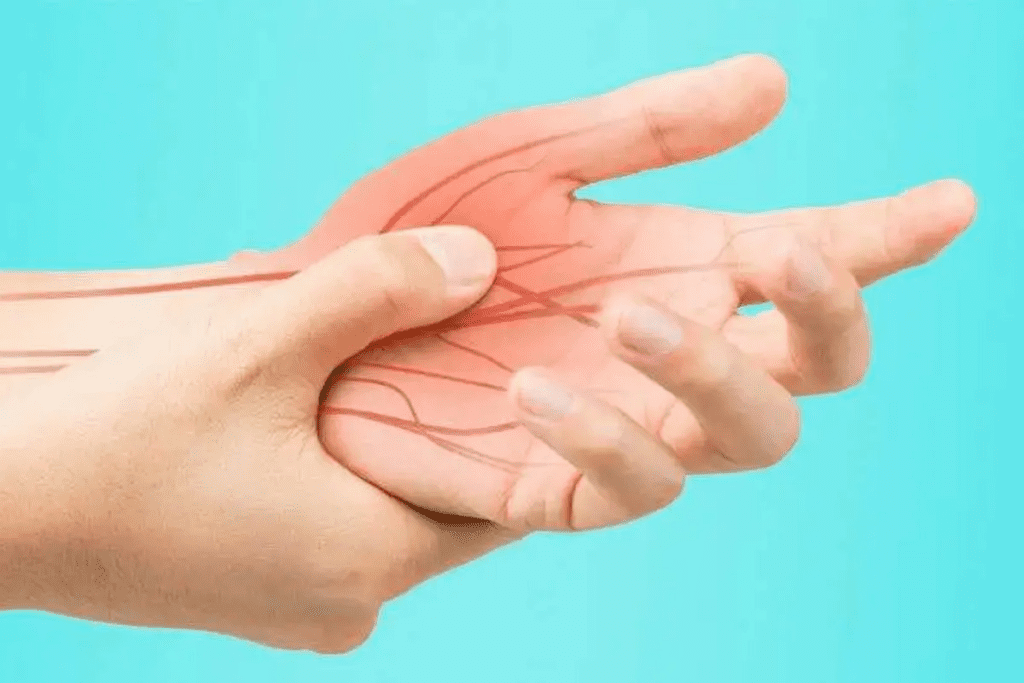
Nerve damage is a big problem, affecting millions of people. can causes numbness, pain, and limits how well you can move. Approximately 20% of the global population suffers from some form of neuropathy, highlighting the urgent need for effective treatments.
Can nerve damage be repaired is a tough job. It depends on your age, health, and how bad the damage is. Some nerves can heal by themselves, but others need a doctor’s help.
It’s important to know how nerves fix themselves to find better ways to treat them. This article will dive into the science of nerve repair. We’ll look at treatments available and the newest research in this area.
Key Takeaways
- Nerve damage is a widespread condition affecting millions worldwide.
- Nerve regeneration is influenced by factors such as age and overall health.
- Some nerves can regenerate on their own, while others require medical intervention.
- Understanding nerve repair mechanisms is key for effective treatments.
- Latest research in nerve regeneration brings new hope for treatments.
Understanding the Nervous System and Nerve Structure
The human nervous system is a complex network. It helps the body react to stimuli and coordinate its functions. It has two main parts: the Central Nervous System (CNS) and the Peripheral Nervous System (PNS).
Basic Anatomy of the Nervous System
The CNS includes the brain and spinal cord. It acts as the body’s control center. The PNS has nerves that branch out from the brain and spinal cord. These nerves connect the CNS with the rest of the body.
The nerves are responsible for transmitting signals between the CNS and the rest of the body. This enables functions like movement, sensation, and control of bodily functions.
Types of Nerves and Their Functions
There are three main types of nerves: sensory, motor, and mixed. Sensory nerves send information from sensory receptors to the CNS. Motor nerves carry signals from the CNS to muscles and glands, telling them what to do. Mixed nerves have both sensory and motor fibers, doing both jobs.
How Healthy Nerves Transmit Signals
Nerve signal transmission is complex, involving electrical and chemical signals. When a nerve is stimulated, it sends an electrical impulse along the nerve fiber. This impulse reaches the synapse, where it turns into a chemical signal through neurotransmitters.
This chemical signal then binds to receptors on adjacent nerves, muscles, or glands. This process continues the signal. Experts say,
Understanding healthy nerves is key to understanding nerve damage and regeneration. The complexity of nerve signal transmission shows the detailed mechanisms behind the body’s functions.
Types of Nerve Damage and Their Causes
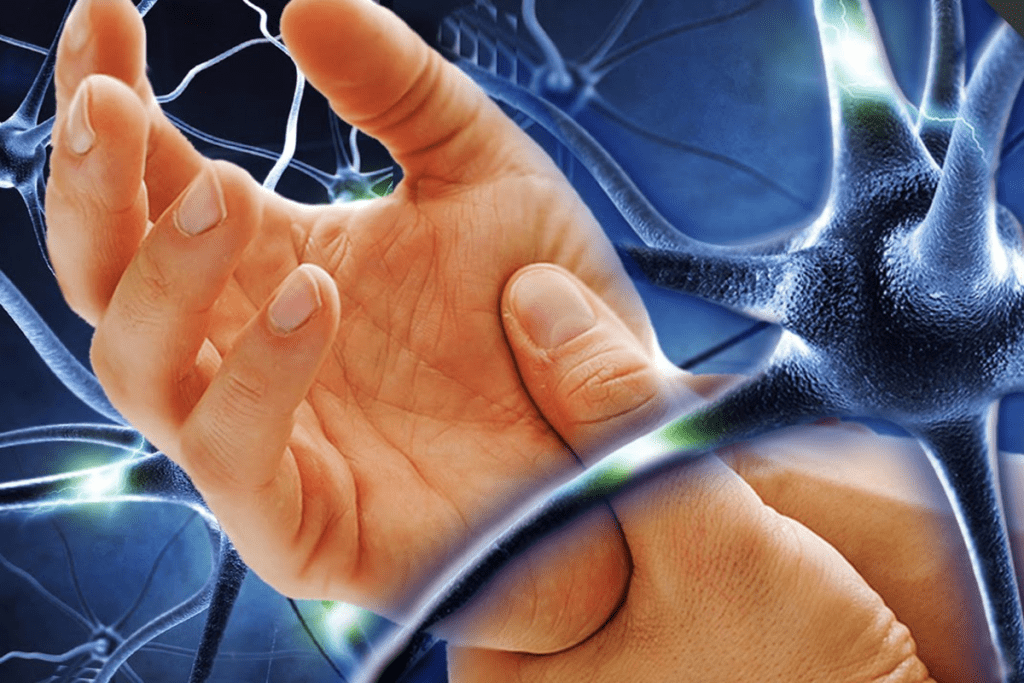
Nerve damage can come from many sources, like accidents, diseases, and environmental factors. Knowing the different types of nerve damage helps find the best treatments.
Physical Trauma and Nerve Injuries
Physical injuries often cause nerve damage. Accidents, falls, or sports injuries can harm nerves. Nerve injuries are divided into neurapraxia, axonotmesis, and neurotmesis, each with its own level of severity and recovery chance.
- Neurapraxia: A mild injury that affects the myelin sheath, often resulting in temporary loss of motor or sensory function.
- Axonotmesis: A more severe injury where the axon is damaged, but the surrounding connective tissue remains intact.
- Neurotmesis: The most severe form, where the nerve is completely severed, requiring surgical intervention for any chance of recovery.
Disease-Related Nerve Damage
Diseases can also harm nerves. Conditions like diabetes, autoimmune disorders, and infections can damage nerves. For example, diabetic neuropathy happens when high blood sugar levels harm nerves.
“Diabetes is a major risk factor for nerve damage, with approximately 50% of people with diabetes developing some form of neuropathy.”
”
| Disease | Type of Nerve Damage | Mechanism |
| Diabetes | Diabetic Neuropathy | High blood sugar damaging nerves |
| Autoimmune Disorders | Inflammatory Neuropathy | Immune system attacking nerves |
| Infections | Infectious Neuropathy | Pathogens directly damaging nerves |
Chemical and Toxic Nerve Damage
Some chemicals and toxins can harm nerves. Substances like heavy metals, industrial chemicals, and certain medicines can be harmful. The effects can range from mild sensory disturbances to severe motor dysfunction, depending on the substance and level of exposure.
Age-Related Nerve Degeneration
Aging naturally leads to nerve degeneration. As we get older, nerves can change, affecting their function. Maintaining a healthy lifestyle and managing chronic conditions can help mitigate some of these effects.
Can Nerve Damage Be Repaired? The Science Explained
Understanding nerve repair is key for treating nerve damage. The body’s ability to fix nerves is complex and studied a lot in medicine.
Natural Nerve Regeneration Capabilities
Nerves can grow back, which is important for healing from damage. This process involves new axons and fixing nerve function. The rate and success of nerve regeneration depend on damage severity and health.
Differences Between Central and Peripheral Nerve Repair
The central nervous system (CNS) and peripheral nervous system (PNS) differ in repair. The PNS can regenerate faster than the CNS. This is because of the environment and growth factors.
Factors Affecting Nerve Regeneration
Many things affect nerve regeneration. These include damage type and severity, age, and health conditions. Knowing these helps predict recovery and plan treatments.
Is Nerve Damage Permanent or Reversible?
Whether nerve damage can be reversed depends on several factors. These include damage extent and the body’s repair ability. In some cases, medical help can reverse nerve damage.
In summary, while nerve regeneration is possible, recovery varies. Research continues to improve our understanding and treatments for nerve damage.
The Biological Process of Nerve Regeneration
Nerve regeneration is a complex process. It involves many steps to restore nerve function. Different cell types, growth factors, and molecular mechanisms work together.
Wallerian Degeneration
Wallerian degeneration is the first step in nerve regeneration. It breaks down the axon after an injury. This makes room for new growth.
“Wallerian degeneration is a critical step in the regeneration process, as it allows for the removal of debris and the preparation of the environment for new axonal growth,” as noted in recent studies on nerve regeneration.
Axonal Sprouting and Growth
After Wallerian degeneration, axonal sprouting happens. The axon starts to grow new tips called growth cones. These tips follow cues to reach their targets.
Neurotrophic factors help axons grow. These proteins support neuron survival and growth. Knowing how they work is key to improving nerve repair.
Remyelination Process
Remyelination wraps new axons with myelin, a fatty substance. This speeds up electrical signal transmission. Schwann cells do this in the peripheral nervous system.
- Remyelination enhances nerve conduction velocity.
- It is critical for normal nerve function.
- Schwann cells are essential in this process.
Cellular Mechanisms of Nerve Repair
Nerve repair involves many cells working together. Schwann cells, macrophages, and fibroblasts clear debris and support growth. They guide new axons.
Recent research shows the importance of these cells. It’s helping to find new ways to repair nerves. Stem cells and gene therapy are promising areas of study.
Peripheral Nervous System Regeneration
Peripheral nerves can heal themselves, unlike the central nervous system. This is key for fixing nerve damage from injuries or diseases.
Why Peripheral Nerves Can Regenerate
Schwann cells help peripheral nerves heal. These cells grow and support new nerve growth. First, damaged nerves are broken down, then new ones grow.
Neurotrophic factors also play a part. They help neurons grow and stay alive.
Typical Recovery Timeframes
How long it takes to heal depends on the damage and health. It can take months to years.
| Nerve Damage Severity | Recovery Timeframe |
| Mild | 1-3 months |
| Moderate | 3-6 months |
| Severe | 6 months to 2 years |
Limitations of Peripheral Nerve Healing
Even though nerves can heal, there are limits. Success depends on damage extent, scar tissue, age, and health.
Success Rates of Peripheral Nerve Regeneration
Success rates vary by nerve and damage. With the right treatment, many people see big improvements.
Timing, rehab quality, and health issues affect success.
Central Nervous System Damage and Regeneration Challenges
The central nervous system (CNS), which includes the brain and spinal cord, faces big hurdles in healing after damage. Unlike other parts of the nervous system, the CNS can’t easily fix itself. This makes injuries here very hard to overcome.
Why CNS Regeneration Is Limited
Several reasons limit CNS regeneration. The neural network is complex, and there are molecules that stop growth. Inhibitory molecules like those in myelin slow down axon growth. Also, scar tissue from injuries blocks the way to healing.
Research Breakthroughs in CNS Repair
New studies have made big strides in understanding CNS repair. Stem cell therapy looks promising for fixing damaged brain areas. Also, gene therapy lets scientists tweak genes for better neural growth, leading to new treatments.
Future Directions for CNS Regeneration
Future research will aim to find new ways to help CNS regeneration. This might include using biomaterials for growth support and electrical stimulation to boost neural activity.
Brain and Spinal Cord Injury Recovery
Recovering from brain and spinal cord injuries is a big challenge. Some people might heal on their own, but others need a lot of help. Rehabilitation therapies, like physical and occupational therapy, are key. They help patients regain lost abilities and adjust to their new situation.
Recognizing Signs of Nerve Damage
It’s important to know the signs of nerve damage early. This can help get the right treatment quickly. Nerve damage shows up in different ways, depending on the nerves and the damage.
Physical Symptoms of Nerve Injury
Nerve injury can cause muscle weakness, twitching, and atrophy. Some people might feel sharp pains or burning sensations.
- Muscle weakness or paralysis
- Twitching or cramping
- Muscle atrophy
Sensory Changes and Warning Signs
Sensory changes often mean nerve damage. You might feel numbness, tingling, or increased sensitivity to touch or temperature.
Watch out for these warning signs:
- Numbness or tingling sensations
- Increased sensitivity to touch or temperature
- Pain or discomfort in response to stimuli that wouldn’t normally cause pain
When to Seek Medical Attention
If you have persistent pain, progressive weakness, or significant sensory changes, see a doctor. Early treatment can make a big difference in recovery.
How to Know If You Have Nerve Damage
To figure out if you have nerve damage, your doctor will look at your medical history, do a physical examination, and might run diagnostic tests.
Diagnosing Nerve Damage: Medical Approaches
Getting a correct diagnosis for nerve damage is key to treating it well. It takes a few medical steps to figure out how bad the damage is. This helps doctors know how to help you best.
Physical Examination Techniques
First, doctors do a detailed physical check-up. They look at muscle strength, reflexes, and how you feel things. Manual muscle testing and sensory testing are big parts of this check-up.
Diagnostic Tests and Imaging
Tests and scans give doctors more info on nerve damage. Magnetic Resonance Imaging (MRI) and Computed Tomography (CT) scans show if nerves are squished or hurt. Nerve ultrasound spots swelling or scarring in nerves.
Nerve Conduction Studies and EMG
Nerve Conduction Studies (NCS) check how fast and strong nerve signals are. Electromyography (EMG) looks at muscle electrical activity. These tests are key to finding out about nerve damage and how serious it is.
Biopsy and Other Advanced Diagnostics
At times, a nerve biopsy is needed to look at nerve tissue up close. Other advanced tests like quantitative sensory testing and autonomic testing check different nerve functions.
| Diagnostic Method | Description | Primary Use |
| Physical Examination | Assessment of muscle strength, reflexes, and sensation | Initial evaluation of nerve damage |
| MRI/CT Scans | Imaging to visualize nerve compression or damage | Identifying structural causes of nerve damage |
| NCS/EMG | Measuring electrical signals in nerves and muscles | Assessing nerve function and damage severity |
| Nerve Biopsy | Examination of nerve tissue | Direct assessment of nerve pathology |
Conventional Medical Treatments for Nerve Damage
Fixing nerve damage needs a mix of treatments. These aim to fix nerve function, ease symptoms, and boost life quality for those with nerve damage.
Surgical Interventions for Nerve Repair
Surgery is key for nerve damage, like when nerves are cut or squished.
Choosing surgery comes after trying other treatments. It’s for serious nerve damage that hurts daily life or causes a lot of pain.
Medication Options for Nerve Regeneration
Medicines are vital for nerve damage treatment. They help with pain, numbness, and tingling. While they can’t make nerves grow back, they help the body repair itself. Some nerve repair supplements might also help, but results vary.
Doctors use pain relievers, anticonvulsants, and antidepressants for nerve damage. The right medicine depends on the damage cause, symptom severity, and overall health.
Physical Therapy Approaches
Physical therapy is key for nerve damage treatment. It aims to restore function and improve movement. Therapists use exercises, manual therapy, and electrical stimulation to help patients regain strength and mobility.
A custom physical therapy plan can greatly improve recovery. It helps nerves grow back and manages pain. It also prevents more injuries.
Suturing Techniques for Severed Nerves
When nerves are cut, suturing is used to join them back. This surgery needs great skill to align nerve fibers for best healing.
Suturing success depends on injury severity, surgeon skill, and care after surgery. Quick medical help is essential for the best results with nerve cuts.
Neuroplasticity and Its Role in Nerve Recovery
Neuroplasticity is the brain’s ability to change and adapt. It plays a key role in recovering from nerve damage. This idea challenges the old belief that the brain can’t change after a certain age. Neuroplasticity lets the brain make new connections and work around damaged areas.
Understanding Neuroplasticity Mechanisms
Neuroplasticity involves complex processes that help the brain adapt. A key part is synaptic plasticity, which changes the strength of connections between neurons. This is vital for learning, memory, and recovering from nerve damage.
Another key aspect is neurogenesis, the growth of new neurons in the brain. While it’s being studied in adults, it’s thought to help the brain heal from injuries.
How the Brain Adapts to Nerve Damage
When nerves are damaged, the brain tries to fix them. If the damage is too much, the brain finds new ways to send signals. This is a sign of neuroplasticity at work.
“The brain’s ability to reorganize itself is a powerful tool in recovering from nerve damage, opening up new ways for treatment and rehabilitation.”
Therapeutic Approaches Leveraging Neuroplasticity
Therapies that use neuroplasticity include physical therapy, cognitive training, and neurofeedback. These help the brain adapt and recover from damage.
- Physical therapy helps by creating new pathways.
- Cognitive training boosts functions affected by nerve damage.
- Neurofeedback helps patients control their brain activity, aiding recovery.
Limitations of Neuroplastic Recovery
Neuroplasticity offers great hope for recovery, but there are limits. The amount of recovery depends on the damage’s severity and location. Age, health, and other conditions also affect how well the brain can adapt.
Knowing these limits helps set realistic goals and create effective treatment plans. This way, we can make the most of neuroplasticity’s benefits.
Natural and Alternative Approaches to Healing Nerve Damage
Healing nerve damage naturally means making changes in what we eat, taking certain supplements, and changing our lifestyle. These natural and alternative methods can help alongside traditional treatments.
Nutritional Support for Nerve Health
Eating foods rich in antioxidants like berries and leafy greens is key. They fight off damage. Foods with omega-3 fatty acids, such as salmon and walnuts, also help our nerves.
Vitamin B12 is important for making myelin, which protects our nerves. Getting enough of this vitamin through food or supplements can aid in nerve repair.
Supplements That May Support Nerve Regeneration
Some supplements might help our nerves grow back. Acetyl-L-carnitine is thought to help our neurons stay healthy and grow. Alpha-lipoic acid might also help with nerve pain.
Always talk to a doctor before taking new supplements. They can affect how medicines work or cause side effects.
Lifestyle Modifications for Nerve Recovery
Making lifestyle changes can really help our nerves heal. Regular exercise boosts blood flow, which is good for our nerves. Stress management techniques, like meditation, can also help with nerve damage symptoms.
It’s important to stay away from harmful things like tobacco and too much alcohol. They can slow down healing and hurt our nerves more.
Complementary Therapies for Nerve Repair
Therapies like acupuncture and physical therapy can help too. They can ease pain and improve how well we can move, helping us heal faster.
Working with doctors to create a treatment plan that includes these therapies is key.
Technological Advancements in Nerve Repair
New technologies are changing nerve repair, giving hope to those with nerve damage. These innovations are making treatments better and helping us learn more about nerve growth.
Nerve Conduits and Scaffolds
Nerve conduits and scaffolds are made to help nerves grow. They are great for fixing gaps in nerves, helping them heal.
Using biodegradable materials to make these conduits is a big step forward. It means no second surgery to take them out.
Electrical Stimulation Therapies
Electrical stimulation therapies use currents to help nerves grow back. This method is showing great promise in making nerve repair faster and more effective.
Studies show that electrical stimulation can help nerves grow and improve function in those with nerve injuries.
| Therapy Type | Application | Benefits |
| Electrical Stimulation | Nerve Regeneration | Enhanced Axonal Growth |
| Nerve Conduits | Nerve Bridging | Supports Nerve Regeneration |
Stem Cell Treatments for Nerve Regeneration
Stem cell therapy is a new way to fix nerves, using stem cells to help them grow back.
Stem cells can turn into different types of cells, including nerve cells. This makes them very useful for fixing damaged nerves.
Gene Therapy Approaches
Gene therapy adds genes to cells to help them fix or grow nerves. It’s a promising way to treat genetic nerve problems and other nerve issues.
By changing gene expression, scientists hope to make nerve repair and recovery better for those with nerve damage.
Timeframes for Nerve Healing and Recovery
Nerve healing times vary a lot. This depends on the type and how bad the nerve damage is. Knowing this helps patients set realistic goals. It also helps doctors plan the best treatment.
Factors Affecting Recovery Speed
Many things can change how fast nerves heal. These include how bad the injury is, the nerve type, the person’s health, and any other health issues.
- Type of Nerve Damage: The injury type, like a crush or cut, changes healing time.
- Age of the Patient: Young people heal faster than older ones because their bodies can repair cells better.
- Health and Lifestyle: What you eat, if you smoke, and health problems like diabetes can slow healing.
Recognizing Signs of Nerve Recovery
It’s important to know when nerves are getting better. This helps doctors adjust treatment. Some signs include:
| Signs | Description |
| Tingling Sensations | Tingling means nerve fibers are growing back. |
| Muscle Strength | Getting stronger muscles is a good sign. |
| Sensory Improvements | Being able to feel touch or temperature changes is a sign of progress. |
Recovery times can be short or long, from weeks to years. Seeing a doctor regularly is key to tracking progress and adjusting treatment.
Conclusion: The Future of Nerve Regeneration Research
Nerve regeneration research is moving fast, bringing hope to those with nerve damage. The future looks bright, with studies on new treatments and therapies.
Recent discoveries in nerve regeneration treatment are promising. They include nerve conduits, electrical stimulation, and stem cell treatments. These breakthroughs are leading to better results after surgery.
As research digs deeper into nerve regeneration, new treatments are being found. The focus is on personalized and effective care. This is thanks to the latest tech and scientific findings.
With nerve regeneration research advancing, patients will have better treatment choices. The outlook for nerve repair and regeneration is very positive. Ongoing research is key to unlocking new possibilities.
FAQ
Can damaged nerves regenerate?
Yes, damaged nerves can regenerate. But, how much they can recover depends on the damage’s type and severity.
What is the difference between central and peripheral nerve repair?
Peripheral nerves can regenerate more than central nerves. Central nerves have a harder time repairing themselves.
How long does it take for nerves to heal?
Healing time for nerves varies. It depends on the damage’s severity, the nerve type, and the person’s health.
Can nerve damage be permanent?
Some nerve damage can last forever. But, other types might heal with the right treatment and care.
What are the signs of nerve recovery?
Signs of recovery include better sensation, less pain, and stronger muscles.
Can neuroplasticity help with nerve recovery?
Yes, neuroplasticity helps a lot. It’s the brain’s ability to adapt and change, aiding in nerve recovery.
Are there any natural approaches to healing nerve damage?
Yes, natural methods like nutrition, supplements, and lifestyle changes can help nerve health and regeneration.
Can electrical stimulation therapies aid in nerve repair?
Yes, these therapies can stimulate nerve growth and improve muscle function.
What are the latest technological advancements in nerve repair?
New tech includes nerve conduits, stem cell treatments, and gene therapy. These aim to boost nerve regeneration.
Can nerve damage be diagnosed with medical tests?
Yes, tests like physical exams, imaging, and nerve studies can diagnose nerve damage.
Is nerve regeneration possible after a severed nerve?
Yes, severed nerves can be repaired with sutures. In some cases, they can even regenerate.
Can age-related nerve degeneration be slowed or reversed?
Age-related nerve degeneration is natural. But, lifestyle changes and nutrition might slow it down.
Can nerve cells regenerate?
Some nerve cells can regenerate. But, it depends on the cell type and damage extent.
How can I support nerve health and regeneration?
A healthy lifestyle, balanced diet, exercise, and stress management help nerve health and regeneration.
References
- Gordon, T. (2016). Nerve regeneration in the peripheral and central nervous systems: Current issues and advances. PMC.
https://pmc.ncbi.nlm.nih.gov/articles/PMC4929322/ - Scheib, J., & Höke, A. (2013). Advances in peripheral nerve regeneration. Nature Reviews Neurology, 9, 668“676.
https://www.nature.com/articles/nrneurol.2013.227 - Supra, R., et al. (2023). Peripheral nerve regeneration: Opportunities and challenges. PMC.
https://pmc.ncbi.nlm.nih.gov/articles/PMC9983644/ - Zhai, X., & Wang, Y. (2024). Physical modulation and peripheral nerve regeneration: A literature review. Cell Regeneration, 13, Article 32.
https://cellregeneration.springeropen.com/articles/10.1186/s13619-024-00215-9