

Nearly 3% of adolescents worldwide have scoliosis. This spinal condition can greatly affect their quality of life if not treated properly. Can scoliosis go away on its own? The Ultimate age when the spinal curve progression Stops is Revealed.
Scoliosis progression is often linked to growth spurts, like during puberty. As we grow, our spines are more likely to curve. This is when adolescent idiopathic scoliosis often shows up.
It’s important to understand how growth affects scoliosis progression. This knowledge helps decide when scoliosis treatment is needed. It also helps figure out when the condition might stop getting worse.
Key Takeaways
- Scoliosis is a complex spinal condition affecting individuals of various ages.
- Scoliosis progression is closely linked to growth spurts during puberty.
- Understanding growth and scoliosis progression is essential for effective management.
- Scoliosis treatment is often necessary to prevent further curvature.
- The age at which scoliosis stops progressing varies among individuals.
Understanding Scoliosis: Definition, Types, and Causes
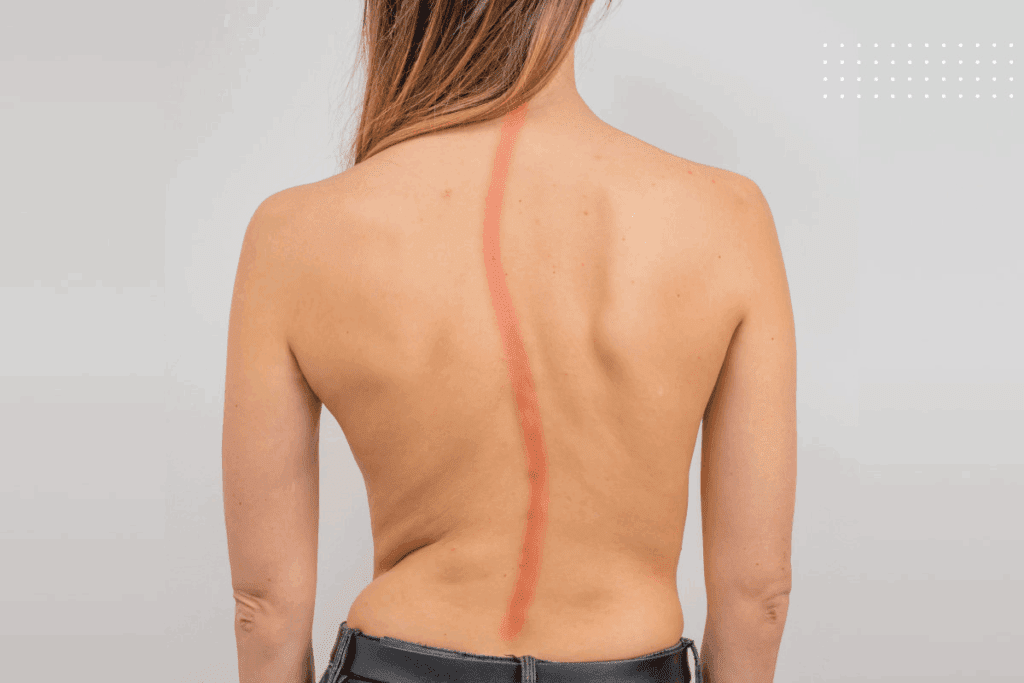
Scoliosis is a complex spinal condition that affects millions worldwide. It is characterized by an abnormal lateral curvature of the spine. This condition involves a mix of genetic, hormonal, and environmental factors.
What is scoliosis and how is it diagnosed?
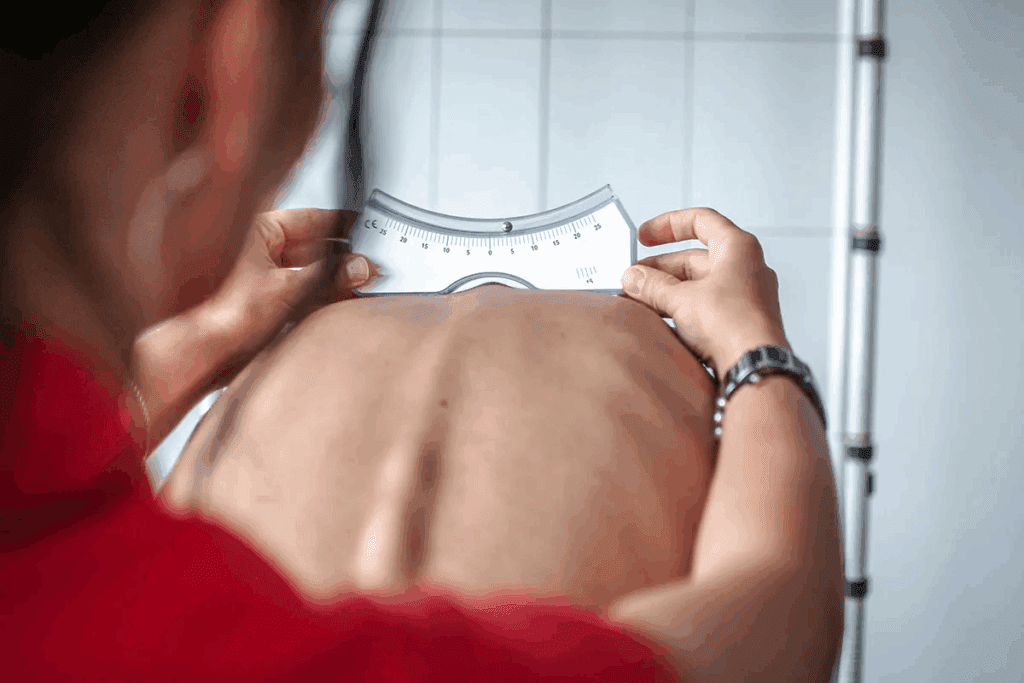
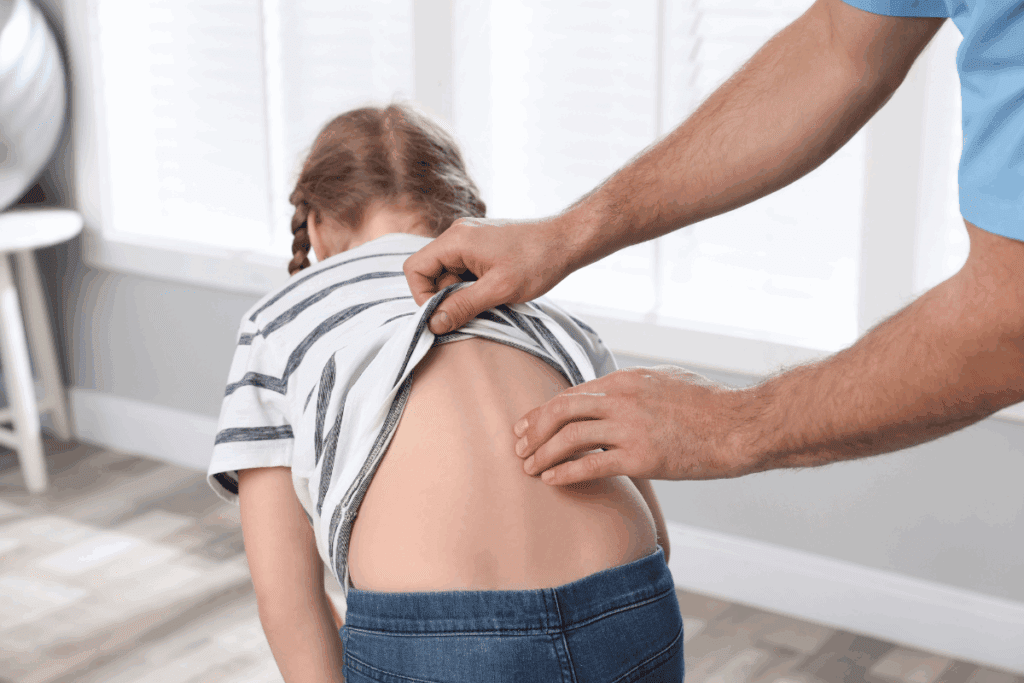
Scoliosis is diagnosed through physical examination and imaging tests like X-rays. Healthcare providers look for uneven shoulders, waist, or hips. They also perform a forward bend test to check the spine’s curvature.
X-rays confirm the diagnosis by measuring the curvature’s degree using the Cobb angle. A curvature of 10 degrees or more is considered scoliosis. MRI or CT scans may be used to assess the spine’s structure and rule out other conditions.
Different types of scoliosis and their characteristics
There are several types of scoliosis, each with distinct characteristics:
- Idiopathic Scoliosis: The most common form, accounting for about 80% of cases, with no known cause. It often appears during adolescence.
- Congenital Scoliosis: Present at birth, caused by abnormal spinal development in the womb.
- Neuromuscular Scoliosis: Associated with neurological or muscular diseases, such as cerebral palsy or muscular dystrophy.
- Degenerative Scoliosis: Occurs in adults due to degenerative changes in the spine.
Common causes and risk factors
While the exact cause of idiopathic scoliosis remains unknown, several factors contribute to its development and progression:
- Genetics: Family history plays a significant role, with a higher risk if parents or siblings have scoliosis.
- Age: Scoliosis can occur at any age, but it’s most common during growth spurts in adolescence.
- Neuromuscular conditions: Conditions like cerebral palsy or spinal cord injuries can lead to scoliosis.
- Congenital conditions: Abnormalities in spinal development can cause congenital scoliosis.
Understanding these aspects of scoliosis is key to developing effective treatment plans and managing the condition effectively.
The Natural Progression of Scoliosis Throughout Life
It’s important to know how scoliosis changes over time. This condition affects the spine and can get worse due to different factors.
How Scoliosis Develops and Worsens
Scoliosis gets worse because of genetics, hormones, and how the body moves. It often gets worse fast during growth spurts, like in teens. Monitoring and timely intervention are key to stop big curvatures.
The way scoliosis gets worse can vary. For example, scoliosis in teens often gets worse faster during puberty. Knowing this helps doctors make better treatment plans.
Factors That Influence Progression Rates
Many things can affect how fast scoliosis gets worse. These include:
- Age: Growing fast during adolescence can make it worse.
- Severity of curvature: Bigger curves tend to get worse faster.
- Genetic predisposition: If your family has it, you might get it too and it could get worse faster.
- Hormonal changes: Hormonal shifts during growth spurts can also affect how fast it gets worse.
Typical Progression Patterns by Age Group
Scoliosis changes differently at different ages. In children and adolescents, it can get worse fast during growth spurts. Adults, on the other hand, might see it get worse more slowly because of aging.
Knowing how scoliosis changes with age helps doctors predict what will happen. For teens, bracing is often used to stop it from getting worse. Adults might need physical therapy or surgery, depending on how bad it is.
Scoliosis in Infants and Young Children
It’s very important to catch scoliosis early in babies and young kids. This is because their bodies grow and change fast. We’ll look at the types of scoliosis in young ones, the risks of their growth, and how to start treatment early.
Congenital and Early-Onset Scoliosis
Congenital scoliosis happens when the spine doesn’t form right in the womb. Early-onset scoliosis shows up before kids are 10. Both need close watching and sometimes treatment to stop it from getting worse.
Congenital scoliosis often comes with other birth defects, so a full check-up is key. Early-onset scoliosis can just happen or be linked to other conditions or syndromes.
“The earlier scoliosis starts, the harder it is to treat and the more it can progress.”
Growth Patterns and Progression Risks
The way young kids with scoliosis grow is very important. Things like how curved their spine is, their age, and any health issues can affect how bad it gets.
| Age Group | Risk Factors | Progression Risks |
| 0-3 years | Congenital anomalies, neuromuscular conditions | High |
| 4-10 years | Rapid growth spurts, idiopathic scoliosis | Moderate to High |
Early Intervention Strategies
Acting fast is key to managing scoliosis in young ones. We use watching closely, bracing, and sometimes surgery. Our goal is to keep the spine stable and let it grow normally.
- Watching closely and regular checks
- Bracing to stop it from getting worse
- Surgery for very bad cases
We take a full approach, mixing these methods as needed. This helps us get the best results for our young patients.
Adolescent Idiopathic Scoliosis: The Critical Growth Years
Adolescent idiopathic scoliosis often starts during puberty. It’s the most common type of scoliosis. This condition affects many teens, and its growth can be influenced by the rapid changes of puberty.
Why Puberty is a High-Risk Period for Progression
Puberty is a time when scoliosis can get worse fast. This is because the spine is growing quickly. We must watch these changes closely to stop the scoliosis from getting worse.
Growth Spurts and Curve Acceleration
During puberty, teens grow fast, which can make their spine curve more. The quicker they grow, the more likely the scoliosis will get worse. Regular monitoring is key to catch any changes early.
Monitoring Protocols for Teenagers
It’s important to have good monitoring for scoliosis in teens. They should see doctors regularly and have X-rays to check the spine. Many teens also need to wear braces to stop the curve from getting worse.
| Monitoring Protocol | Description | Frequency |
| Regular Check-ups | Visits to healthcare providers to assess overall health and scoliosis progression. | Every 4-6 months |
| X-rays | Imaging tests to measure the degree of spinal curvature. | As recommended by healthcare provider |
| Bracing | Use of orthopedic braces to stabilize the spine and prevent further curvature. | As prescribed, typically during growth spurts |
We’ve talked about how important it is to watch and treat scoliosis in teens during puberty. Knowing the risks of growth spurts and using the right monitoring can help manage this condition.
Scoliosis in Young Adults: Does It Continue to Progress?
Young adults with scoliosis often wonder if their condition will get worse after they stop growing. We look into how scoliosis changes in young adulthood, including its progression, risk factors, and what research says.
Post-skeletal maturity progression patterns
Studies show that scoliosis might slow down but not always stop after bones stop growing. The curve can grow, but usually at a slower pace than in teens. “Scoliosis can continue to progress in adulthood, albeit at a slower pace,” as noted by recent studies.
Many things can affect how scoliosis changes after bones stop growing. These include how severe the curve is, any health issues, and family history.
Risk factors for continued progression in your 20s
Young adults with scoliosis need to know what could make their condition worse. These include:
- A significant curvature (typically above 50 degrees) at skeletal maturity
- A family history of scoliosis progression
- Presence of other spinal or systemic conditions
Knowing these risk factors is key to managing scoliosis well in young adulthood.
What research tells us about young adult progression
Research shows that scoliosis progression in adults is complex. It’s influenced by many factors. Studies stress the need for ongoing monitoring and treatment to stop curves from getting worse.
“Long-term follow-up studies are essential to understand the natural history of scoliosis in adulthood and to guide management strategies.”
By staying informed and working with healthcare providers, young adults with scoliosis can manage their condition. This helps reduce the risk of serious progression.
Adult Scoliosis: Progression After Age 30
Scoliosis in adults over 30 is a complex condition. It can come from various factors, including degenerative changes. As we age, our spine naturally wears down, which can cause or worsen scoliosis. Knowing what affects scoliosis in adults is key to finding good treatments.
Degenerative Changes and Their Impact
Degenerative changes are a main reason for scoliosis in adults. These include disc degeneration, facet joint arthritis, and changes in the vertebral bodies. These changes can cause or make scoliosis worse by upsetting the spine’s balance.
Key degenerative changes include:
- Disc degeneration: Loss of disc height and hydration.
- Facet joint arthritis: Inflammation and wear of the facet joints.
- Vertebral body degeneration: Changes in the vertebral bodies, such as osteophyte formation.
Rate of Progression in Middle-Aged Adults
The rate at which scoliosis progresses in middle-aged adults can vary a lot. This depends on the degree of degenerative changes, other health conditions, and the spine’s overall health.
Research indicates that adults with pre-existing scoliosis may see faster progression due to degenerative changes.
Differences Between Adult-Onset and Childhood Scoliosis in Adulthood
Adult-onset scoliosis and childhood scoliosis that lasts into adulthood are different. Adult-onset scoliosis is often linked to degenerative spine changes. Childhood scoliosis that continues into adulthood may have been treated or monitored from adolescence.
Key differences include:
- Adult-onset scoliosis tends to be more related to degenerative spine changes.
- Childhood scoliosis in adulthood may have been treated or monitored from adolescence.
Can Scoliosis Go Away on Its Own?
Scoliosis is a condition where the spine curves abnormally. It often makes people wonder if it can get better or worse over time. The question of whether scoliosis can resolve on its own is a big concern for patients and their families.
Addressing the Myth of “Growing Out” of Scoliosis
Many think that kids can outgrow scoliosis. But this is not usually true. Scoliosis is complex, and its progress depends on several factors. These include when it starts, how severe it is, and how the person grows.
“Scoliosis is not something that you simply grow out of,” says experts. While some curvatures might stay the same, others could get worse if not treated.
Spontaneous Improvement Cases: How Common Are They?
While the idea of “growing out” of scoliosis might be a myth, there are cases where it improves on its own. Studies show that some scoliosis curvatures can get better or even stay the same without treatment. But how often this happens varies.
- Spontaneous improvement is more likely in certain types of scoliosis.
- The degree of curvature and the patient’s age play significant roles in determining the likelihood of spontaneous improvement.
- Regular monitoring is essential to detect any changes in the curvature.
Predicting When Scoliosis Will Stop Progressing
Figuring out when scoliosis will stop getting worse is tricky. It depends on how mature the bones are and if there’s a family history of the condition. Scoliosis, which makes the spine curve abnormally, grows at different rates for everyone. Knowing when it will stop is key to picking the right treatment.
The Relationship Between Skeletal Maturity and Curve Progression
Bone maturity is a big factor in scoliosis growth. As kids and teens grow, their bones get stronger, and the chance of scoliosis getting worse changes. Skeletal maturity indicators help figure out how developed the bones are and how likely the scoliosis is to get worse.
The Risser sign is a common way to check bone maturity. It looks at how well the pelvis bones are growing together. The higher the Risser sign, the less likely scoliosis is to get worse.
Risser Sign and Other Maturity Indicators
Other signs like age, bone age from X-rays, and when secondary sex traits appear also help. By looking at these together, doctors can better understand how mature the bones are. This helps predict if scoliosis will get worse.
Genetic and Family History Factors in Progression Prediction
Genetics and family history also matter a lot. If there’s a family history of scoliosis, it’s more likely to get worse. Scientists have found genes linked to scoliosis. Knowing these can help predict how it will progress and tailor treatments.
Doctors use bone maturity signs, genetics, and family history to guess when scoliosis will stop getting worse. This info is vital for creating a treatment plan that fits the person’s needs. It helps reduce the risk of serious curvature.
Treatment Approaches for Progressive Scoliosis
There are many ways to treat progressive scoliosis. These include watching and monitoring, non-surgical methods, and surgery. The right treatment depends on how severe the curve is, the patient’s age, and if they have symptoms.
Observation and Monitoring Protocols
For mild scoliosis, watching and monitoring are often the first steps. This means regular visits to a healthcare provider to see how the curve is changing. X-rays are used to check the curve’s degree and if it’s getting worse.
Watching is good for kids and teens because their spines can change a lot. How often they need to see a doctor depends on how bad the scoliosis is and how much they’ve grown.
Non-Surgical Interventions
For those with moderate scoliosis or symptoms, non-surgical treatments are often suggested. These include:
- Bracing: Bracing helps stop the curve from getting worse in kids and teens. The brace type depends on the curve’s location and how bad it is.
- Physical Therapy: Certain exercises can help improve posture, lessen pain, and strengthen spine muscles.
- Pain Management: Adults with scoliosis pain might need pain relief like medicine, physical therapy, or injections.
When Surgery Becomes Necessary
Surgery is usually for those with severe scoliosis or whose curve keeps getting worse. The surgery aims to fix the curve and make the spine stable. This can make the spine look better, reduce pain, and stop more problems.
Surgery options include spinal fusion, where vertebrae are joined, and vertebral column resection, where bad vertebrae are removed and the spine is rebuilt. The right surgery depends on the case and is decided by a specialist.
Bracing for Scoliosis: Effectiveness in Stopping Progression
Bracing is a common treatment for scoliosis, mainly for teens. Its success depends on several factors. The main goal is to stop or slow the spine’s curve, mainly during growth spurts. We’ll look at the different braces, research on their success, and how patient cooperation affects results.
Types of Braces and Their Specific Applications
There are many braces for scoliosis, each for a specific use.
- TLSO (Thoraco-Lumbo-Sacral Orthosis) is common. It limits spine movement and corrects the curve.
- The Milwaukee brace is older but used for some thoracic curves.
- Nighttime braces, like the Charleston Bending Brace, are worn at night. They correct the spine in the opposite direction of the curve.
Each brace is chosen based on the curve’s severity, location, and the patient’s health and lifestyle.
Research on Bracing Outcomes
Many studies have looked at bracing’s success in treating scoliosis. A key study in the New England Journal of Medicine found bracing helps stop scoliosis from getting worse in teens.
“Bracing significantly decreased the progression of the curve in patients with scoliosis.”
NEJM, 2013
But, bracing’s success can change based on the curve’s severity, how well the patient follows the treatment, and the brace type.
Compliance Factors and Success Rates
How well a patient follows the bracing treatment is key to its success. Studies show that those who wear their braces as directed do better than those who don’t.
| Compliance Level | Success Rate |
| Full-time (18+ hours/day) | 80-90% |
| Part-time (12-17 hours/day) | 50-70% |
| Low compliance ( |
Bracing is a vital part of treating scoliosis, mainly for teens. Knowing about the different braces, research on their success, and the importance of following the treatment helps both patients and doctors make better choices.
Exercise and Physical Therapy Approaches
Exercise and physical therapy are key in managing scoliosis. They help patients take charge of their spinal health. These methods improve spinal flexibility and strength, slowing down the condition’s progression.
Scoliosis-Specific Exercise Programs
Scoliosis-specific exercise programs meet the unique needs of those with scoliosis. They strengthen muscles around the spine, improve posture, and increase spinal flexibility. Studies show these exercises can slow down scoliosis, mainly in teens.
These programs are customized to fit each person’s condition. Working with a physical therapist who specializes in scoliosis helps create a personalized plan. This plan focuses on the individual’s spinal curvature and health goals.
How Physical Therapy Can Influence Progression
Physical therapy is vital in managing scoliosis. It uses exercises, manual therapy, and education to improve spinal alignment. Research shows regular physical therapy can greatly improve spinal deformity and quality of life for those with scoliosis.
The success of physical therapy depends on several factors. These include the severity of the curvature, the patient’s health, and their commitment to therapy. Working closely with healthcare providers can maximize the benefits of physical therapy.
Combining Exercise with Other Treatments
Combining exercise with other treatments can improve scoliosis management. A treatment plan that includes bracing, physical therapy, and sometimes surgery is often the most effective. Exercise and physical therapy enhance these treatments by improving flexibility, strengthening muscles, and promoting better posture.
By adding exercise and physical therapy to their treatment, patients with scoliosis can actively manage their condition. This approach not only addresses physical aspects but also supports overall well-being. It helps patients live active and fulfilling lives.
Surgical Interventions: When and How They Stop Progression
When other treatments don’t work, surgery is a key option for scoliosis. It’s chosen for severe curvatures or when other treatments fail. Knowing when surgery is needed helps in making the right treatment choice.
Surgical Criteria and Timing Considerations
Deciding on surgery for scoliosis depends on several factors. These include the curve’s severity, the patient’s health, and the risk of further growth. Curvatures over 45-50 degrees often need surgery, mainly in young patients.
The right time for surgery is also important. For teens, waiting until after growth spurts is common. This reduces risks and future surgeries. But, severe cases might need early surgery to avoid more damage.
Modern Surgical Techniques
Today’s scoliosis surgery methods have improved a lot. They offer better results and fewer side effects. Posterior spinal fusion (PSF) is a common method, fusing vertebrae to stabilize the spine.
Other methods, like vertebral body tethering, are newer. They allow for growth while fixing the curve. The right surgery depends on the patient’s condition, age, and health.
Long-term Outcomes After Surgical Correction
Surgery for scoliosis usually leads to good results. Patients see big improvements in their spine and quality of life. Research shows that surgery can stabilize the spine long-term and lessen pain.
| Outcome Measure | Pre-Surgery | Post-Surgery |
| Average Curvature (degrees) | 55 | 20 |
| Pain Levels (Scale: 1-10) | 7 | 3 |
| Quality of Life (Scale: 1-10) | 4 | 8 |
Scoliosis surgery, done at the right time with modern methods, greatly improves life. It stops the spine’s curve from getting worse.
Lifestyle Factors That May Influence Scoliosis Progression
Lifestyle choices can affect how scoliosis progresses. Making smart choices can help slow down the condition. It’s important to understand these factors.
Nutrition and Bone Health
Good nutrition is key for bone health in scoliosis patients. Eating foods rich in calcium and vitamin D can strengthen bones. This might slow down scoliosis progression.
Dairy, leafy greens, and fortified cereals are good sources. A balanced diet with fruits, veggies, whole grains, and lean proteins is also vital. It supports spinal health and helps manage scoliosis.
Physical Activity Considerations
Physical activity is another factor. Scoliosis-specific exercises can strengthen spine muscles. This improves posture and might slow curve progression.
Yoga and Pilates can be helpful when tailored. Always talk to a doctor before starting any exercise plan. Some activities might need to be avoided or modified.
Posture and Ergonomic Factors
Good posture and ergonomic environments are critical. Proper posture reduces spine strain, which can slow curve progression. Be mindful of posture during daily activities.
Ensure workspaces support good spinal alignment. Ergonomic adjustments, like supportive chairs and correct computer monitor heights, are also important. Managing daily activities to avoid spine strain is key.
By focusing on these lifestyle factors, scoliosis patients can manage their condition better. While these steps won’t stop progression, they can improve spinal health and slow it down.
Living with Scoliosis: Long-term Management Strategies
Managing scoliosis means watching it closely, managing pain, and getting psychological support. It’s about taking care of the body, mind, and how we feel around others.
Ongoing Monitoring Recommendations
Seeing your doctor regularly is key to tracking scoliosis. Here’s what we suggest:
- Regular X-rays to check the spine’s curve
- Physical checks to see how the spine is doing
- Changing treatment plans when needed
Ongoing monitoring catches any changes early. This means we can act fast to help.
Pain Management Approaches
Managing pain is a big part of living with scoliosis. We look at different ways to help, like:
- Physical therapy to boost flexibility and strength
- Medicines to reduce pain and discomfort
- Other treatments like acupuncture and chiropractic care
Pain management is more than just treating symptoms. It’s about making life better for those with scoliosis.
Psychological and Social Support
Scoliosis can affect our minds and how we connect with others. We stress the need for:
| Support Type | Description | Benefits |
| Psychological Support | Counseling and therapy for emotional issues | Better mental health and strength |
| Social Support | Groups and networks for support | Feeling part of a community |
With these supports, people with scoliosis can handle their condition better.
Conclusion: Key Takeaways About Scoliosis Progression
Understanding how scoliosis progresses is key to managing it well. Knowing what affects scoliosis helps those with it live healthy, active lives. Managing scoliosis means watching it closely, trying non-surgical methods, and sometimes surgery.
The success of scoliosis treatment depends on several things. These include how severe the curve is, how well the treatment works, and if the patient follows the plan. Early treatment and the right management can greatly improve outcomes.
Managing scoliosis long-term means keeping an eye on it, managing pain, and getting psychological support. A proactive approach helps prevent it from getting worse. This way, people with scoliosis can keep enjoying a good quality of life.
FAQ
At what age does scoliosis typically stop progressing?
Scoliosis often stops growing when bones stop growing, which is around 18-20 for girls and 20-22 for boys.
Can scoliosis be outgrown or does it remain a lifelong condition?
Scoliosis might get better over time, but it’s not always gone for good. It often needs ongoing care.
What are the different types of scoliosis and how do they affect progression?
There are many types of scoliosis, like adolescent and congenital scoliosis. Each type affects growth differently. Knowing the type helps choose the right treatment.
How is scoliosis diagnosed and what are the common diagnostic tools?
Doctors use physical checks, X-rays, and sometimes MRI or CT scans to find scoliosis. The Cobb angle helps measure how curved the spine is.
What are the treatment options for scoliosis, and when is surgery necessary?
Treatments include watching it, using braces, physical therapy, and surgery. Surgery is for severe cases or when it’s getting worse fast. The decision to have surgery depends on many things.
Can bracing effectively stop or slow scoliosis progression?
Yes, braces can help stop or slow scoliosis, mainly during growth spurts. The right brace and wearing it as told is key to success.
How can exercise and physical therapy influence scoliosis progression?
Special exercises and physical therapy can improve flexibility, strength, and posture. This can help slow down scoliosis. Adding these to other treatments can improve results.
What lifestyle factors can impact scoliosis progression?
Eating right, staying active, and good posture are important. They help keep bones strong and avoid putting too much strain on the spine.
How often should individuals with scoliosis be monitored?
How often depends on how curved the spine is, age, and health. Regular check-ups are a good idea, more so during growth spurts.
Can adults with scoliosis experience progression, and what are the risk factors?
Yes, adults with scoliosis can get worse, more so if they’ve had it before or have degenerative changes. Age, how curved it is, and spinal health are risk factors.
What are the long-term management strategies for living with scoliosis?
Managing scoliosis long-term means regular check-ups, managing pain, and sometimes therapy or bracing. Psychological and social support also help keep quality of life high.
Reference
- Weinstein, S. L., Dolan, L. A., Wright, J. G., & Dobbs, M. B. (2013). Effects of bracing in adolescents with idiopathic scoliosis. The New England Journal of Medicine, 369(16), 1512–1521. https://pubmed.ncbi.nlm.nih.gov/24047455/




