Last Updated on December 1, 2025 by Bilal Hasdemir
Regenerative medicine has seen a big jump in recent years. Stem cell therapy is now seen as a hopeful treatment for many serious conditions.
Did you know over 3,000 clinical trials are looking into stem cells worldwide? This shows how much the medical world is excited about regenerative medicine.
As scientists learn more about stem cells, treating many diseases with regenerative medicine seems more likely.
Key Takeaways
- Stem cell therapy is a form of regenerative medicine.
- It has the power to treat many serious conditions.
- Over 3,000 clinical trials are exploring stem cell therapy.
- Regenerative medicine is a field that’s growing fast.
- Stem cells hold great promise for new treatments.
What Are Stem Cells?
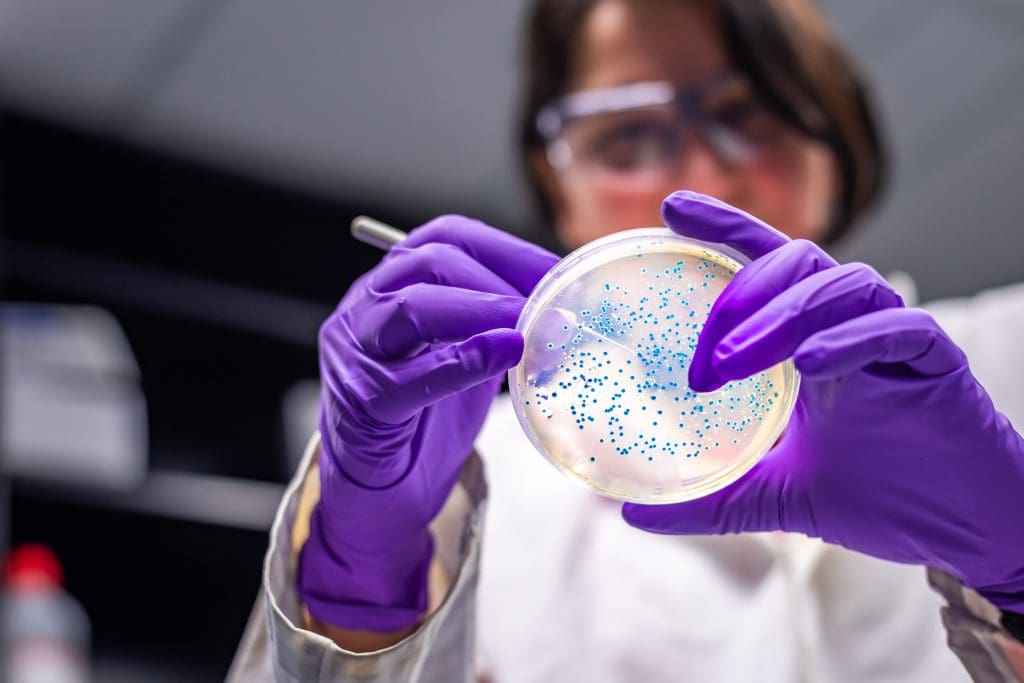
Stem cells are special cells that can grow and change into different types of cells. They are important for growth and fixing damaged tissues. These cells can help treat many diseases.
Definition and Basic Properties
Stem cells can grow and change into many types of cells. This makes them key in regenerative medicine. The stem cell definition shows they are like the body’s raw materials, creating cells with specific jobs.
Stem cells can keep growing and changing without losing their ability to do so. They act like an internal repair system, replacing cells lost to damage or disease.
Self-Renewal and Differentiation Capabilities
Stem cells can keep growing, which helps them stay plentiful. They can also change into different cell types, like nerve or blood cells, when needed. This differentiation capability is important for their use in medicine.
The process of changing into different cells is controlled by genes and environment. Understanding this is key to using stem cells to help people.
Historical Discovery and Research Milestones
The idea of stem cells has been around for decades. Big steps have been made in understanding their role in growth and disease. Early studies focused on embryonic stem cells, which can become any cell type in the body.
Research has grown to include adult stem cells and induced pluripotent stem cells (iPSCs). These discoveries have led to new ways to use stem cells in medicine.
Types of Stem Cells
It’s important to know about the different types of stem cells. They have the power to treat many diseases. Stem cells are grouped by where they come from, what they can do, and the types of cells they can become.
Embryonic Stem Cells
Embryonic stem cells come from embryos. They can turn into any cell in the body. This makes them very useful for fixing damaged tissues.
These cells are taken from embryos that are a few days old. They are no longer needed for making babies. But, using them raises big questions about ethics.
Adult Stem Cells
Adult stem cells are found in grown-up bodies. They can’t change into as many types of cells as embryonic stem cells. But, they are very good at fixing and keeping tissues healthy.
Adult stem cells are found in places like bone marrow and fat. They help treat blood problems and some cancers.
Induced Pluripotent Stem Cells (iPSCs)
Induced pluripotent stem cells are made in the lab. They start with adult cells, like skin or blood cells. Then, special genes are added to make them almost as versatile as embryonic stem cells.
iPSCs are a good choice because they avoid some of the ethical issues of embryonic stem cells. They also help in making treatments that fit each person’s needs.
Umbilical Cord Blood Stem Cells
Umbilical cord blood stem cells come from the blood left in the umbilical cord after a baby is born. These cells can become different types of blood cells.
These stem cells are used to treat blood diseases. Scientists are also looking into their use for other health problems.
| Type of Stem Cell | Source | Differentiation Potential | Key Applications |
| Embryonic Stem Cells | Embryos | Pluripotent | Regenerative medicine, drug development |
| Adult Stem Cells | Adult tissues (e.g., bone marrow, fat) | Multipotent | Tissue repair, treatments for blood disorders |
| Induced Pluripotent Stem Cells (iPSCs) | Reprogrammed adult cells | Pluripotent | Personalized medicine, disease modeling |
| Umbilical Cord Blood Stem Cells | Umbilical cord blood | Hematopoietic | Treatments for blood disorders |
Sources of Stem Cells
Understanding where stem cells come from is key to seeing their healing power. Stem cells can come from different places, each with its own benefits and drawbacks.
Embryonic Sources
Embryonic stem cells come from embryos, usually a few days old. These cells can turn into almost any cell in the body. But, using these cells raises ethical questions because of where they come from.
Adult Tissue Sources
Adult stem cells are found in grown-up bodies. They can’t change into as many types of cells as embryonic stem cells. Yet, they’re good for fixing damaged tissues. You can find them in places like bone marrow and fat tissue.
Umbilical Cord and Placenta
The umbilical cord and placenta are full of stem cells, mainly blood-making stem cells. These cells help treat some blood problems. They’re a big deal in regenerative medicine.
Laboratory-Created Stem Cells
Induced pluripotent stem cells (iPSCs) are made in labs. They’re made by changing adult cells into embryonic-like cells. This breakthrough has changed stem cell research, giving us a nearly endless supply of stem cells for healing.
| Source | Description | Potential Applications |
| Embryonic | Derived from embryos | Regenerative medicine, tissue repair |
| Adult Tissue | Found in adult tissues | Tissue repair, wound healing |
| Umbilical Cord and Placenta | Obtained from umbilical cord blood | Treatment of blood disorders |
| Laboratory-Created | Generated through reprogramming | Regenerative medicine, drug discovery |
Stem cells come from many places, showing how complex and flexible stem cell therapy is. Each source has its own strengths and challenges. This diversity helps in making new treatments using stem cells.
The Science Behind Stem Cell Therapy
Stem cell therapy is a new way in regenerative medicine that gives hope to those with serious diseases. It’s getting a lot of attention for its ability to help with conditions like leukemia and neuropathy.
Collection and Processing Methods
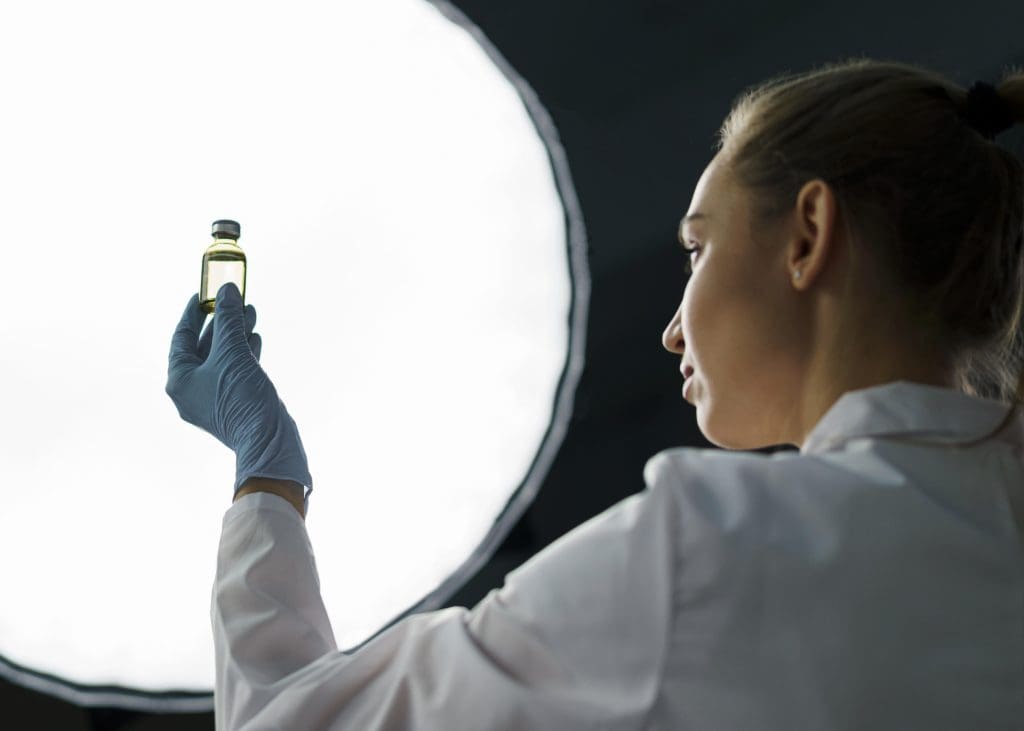
The journey starts with getting stem cells from places like bone marrow, fat tissue, and umbilical cord blood. These cells are then cleaned and focused to make sure they’re ready for use.
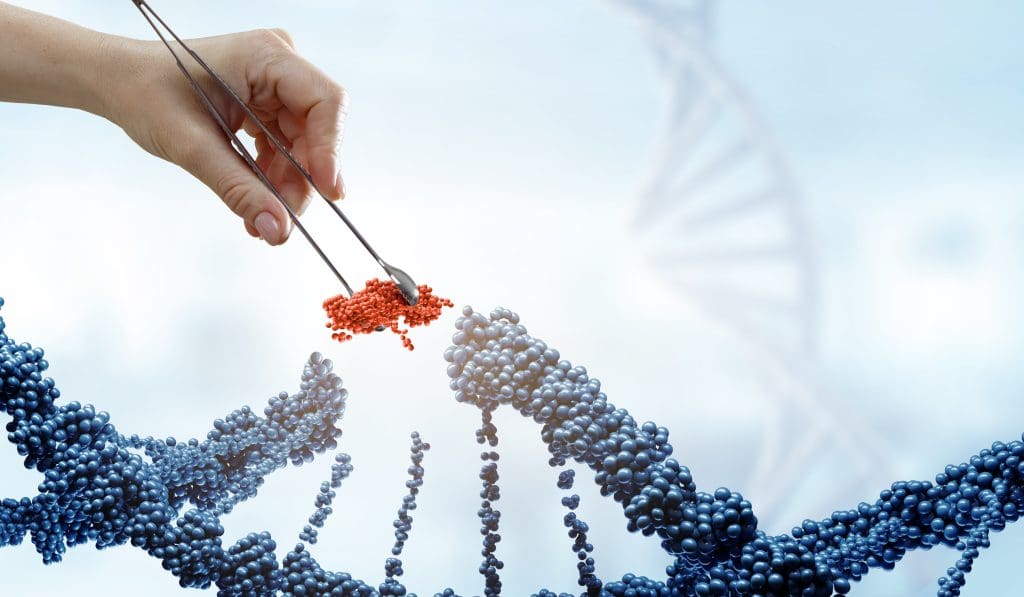
Steps like density gradient centrifugation and cell sorting are used to get the right amount of cells. Each step is important to keep the cells healthy and working well.
Administration Techniques
After processing, the stem cells are given to the patient in different ways. The method used depends on the condition being treated. It might be through an intravenous infusion, direct injection, or other methods.
Intravenous infusion is often used for widespread conditions. For local issues, like bone problems, direct injection is better. The right way to give the cells is key to their success.
Mechanism of Action in the Body
The benefits of stem cell therapy come from the cells’ ability to change into different types, help the immune system, and fix tissues. They go to damaged areas to help heal.
The paracrine mechanism is how they release substances that help with healing and reduce swelling. This complex process shows how stem cell therapy can help with many diseases.
FDA-Approved Stem Cell Treatments
The FDA has approved several stem cell treatments for various medical conditions. This marks a big step forward in regenerative medicine. These approvals allow stem cells to be used in treating many diseases and injuries.
Blood Disorders and Cancers
One key use of FDA-approved stem cell treatments is in hematology. This includes blood disorders and cancers. Hematopoietic stem cell transplantation (HSCT) is a treatment for many blood cancers and disorders.
“Stem cell transplantation has revolutionized the treatment of blood cancers, giving many patients a cure where none existed before.”
Skin Grafts for Burns
Stem cell treatments also show promise in creating skin grafts for burn victims. Epicel is a therapy that uses the patient’s own skin cells. It helps cover burned areas, aiding in healing and preventing infection.
Corneal Regeneration
The FDA has also approved stem cell treatments for corneal regeneration. These treatments help restore vision in cases of severe corneal damage. Healthy stem cells are transplanted onto the damaged cornea to promote healing.
“The use of stem cells in corneal regeneration represents a significant advancement in ophthalmology, giving hope to those with severe corneal damage.”
Regulatory Pathway for Approval
The FDA’s approval process for stem cell treatments is strict. It includes preclinical studies, clinical trials, and a thorough review. The FDA ensures the treatment is safe and effective, following strict guidelines.
The approval process is complex, involving researchers, clinicians, and regulatory bodies. As research improves, we can expect more stem cell treatments to be approved for different conditions.
Current Applications of Stem Cell Therapy
Stem cell therapy is changing the game in regenerative medicine. It uses stem cells to create new treatments for many health issues.
Treating Blood Disorders
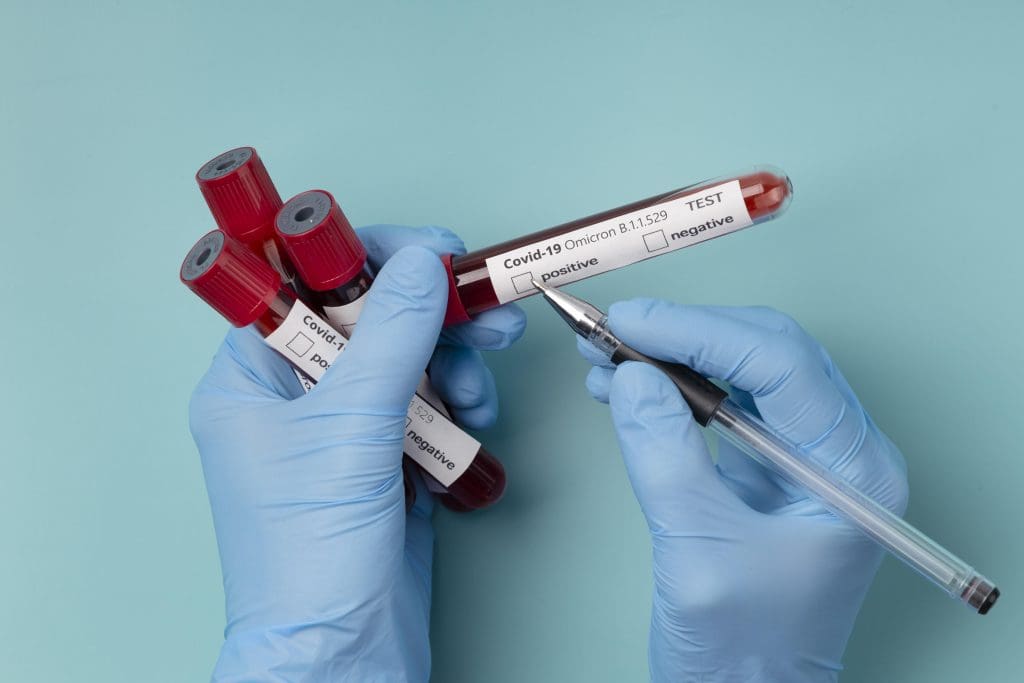
Stem cell therapy is a hit for treating blood diseases like leukemia and lymphoma. Hematopoietic stem cell transplantation is a key method. It replaces bad bone marrow with healthy stem cells.
Orthopedic Applications
In orthopedics, stem cell therapy aims to fix damaged tissues like cartilage and bone. Mesenchymal stem cells are leading the charge because they can turn into different cell types.
| Condition | Treatment Approach | Status |
| Blood Disorders | Hematopoietic Stem Cell Transplantation | Established |
| Orthopedic Conditions | Mesenchymal Stem Cell Therapy | Experimental/Clinical Trials |
| Cardiovascular Disease | Stem Cell Therapy to Improve Heart Function | Ongoing Research |
Cardiovascular Disease Treatments
Scientists are looking into stem cells to fix heart damage and boost heart function in heart disease patients. Early studies are showing great promise.
Neurological Disorder Approaches
Stem cell therapy might help with neurological issues like Parkinson’s disease and multiple sclerosis. The goal is to replace bad neural cells with good ones, hoping to stop disease progress.
As research keeps moving forward, stem cell therapy’s uses will grow. This could bring new hope to patients with many health problems.
Limitations and Challenges of Stem Cell Therapy
Stem cell therapy is growing, but we must face its limits. It shows great promise in treating diseases. Yet, several hurdles must be overcome for safe and effective treatments.
Technical Challenges
One big technical hurdle is isolation and purification of stem cells. It takes advanced methods to find and separate them. Also, scaling up stem cell production while keeping them alive and working is hard.
Creating standard ways to process and give stem cells is key. Without it, treatment results can vary. This makes it hard to prove how well and safely they work.
Immune Rejection Issues
Immune rejection is a big problem in stem cell therapy. When stem cells are put into a patient, the immune system might see them as foreign. This can cause the immune system to attack the cells, making them less effective.
To fight immune rejection, scientists are looking at immunosuppressive drugs and immune-tolerant stem cells. But, these methods also come with their own challenges and risks.
Tumor Formation Risks
The risk of tumors is a worry with stem cell therapy, mainly with pluripotent stem cells. These cells can turn into many types of cells, but they can also grow into tumors.
Scientists are trying to figure out why tumors form and how to prevent it. They’re working on making sure stem cells fully turn into the right cell type before they’re used.
In short, stem cell therapy is promising but faces many challenges. We need to tackle technical issues, immune rejection, and tumor risks. Ongoing research is key to making stem cell therapies safe and effective.
Ethical Considerations
The ethics of stem cell therapy are complex. As it grows, it brings up many concerns. We need to address these to make sure the benefits are worth it.
Embryonic Stem Cell Controversies
One big debate is about using embryonic stem cells. Getting these cells often means destroying embryos. This raises questions about the value of embryos in research.
Critics say embryos are like future humans and shouldn’t be used for research. But, supporters believe the benefits of this research, like finding cures, are more important.
Consent and Donation Issues
Donating embryos or tissues for research raises ethical questions. It’s key that donors give informed consent. They need to know the research’s purpose, risks, and benefits.
It’s hard to make sure donors really understand and aren’t forced. There’s also a debate about who owns donated tissues. We need clear rules for this.
Access and Equity Concerns
Access to stem cell therapies is a big issue. There’s a fear that not everyone who could benefit will get it. Equity concerns include making sure treatments work for different people.
Religious and Cultural Perspectives
Religious and cultural views on stem cell therapy vary. Some people might not agree with certain research because of their beliefs. Others might have cultural reasons for opposing it.
It’s important to listen to these views. We need to create guidelines that respect everyone’s beliefs. This means working with many groups to find a balance.
Stem Cell Tourism and Unproven Treatments
Stem cell research is growing fast. But, unregulated clinics are popping up, promising treatments that aren’t proven. These clinics attract patients hoping for new, life-changing therapies.
The Rise of Unregulated Clinics
More and more clinics are giving stem cell treatments without checks. They often promise big benefits, but these claims are not always true. This can be very risky for patients.
Risks associated with unregulated clinics include:
- Infection from unsterilized equipment
- Rejection of stem cells by the immune system
- Tumor formation from undifferentiated stem cells
- Financial exploitation of patients
Risks and Dangers
Unproven stem cell treatments come with big risks. Without rules, patients face serious health dangers. These dangers can lead to severe health problems.
| Risk | Description | Potential Consequence |
| Infection | Use of unsterilized equipment or unsanitary conditions | Severe infection, sepsis |
| Immune Rejection | Introduction of foreign stem cells | Immune system reaction, organ failure |
| Tumor Formation | Undifferentiated stem cells proliferating uncontrollably | Cancer, tumor growth |
How to Identify Legitimate Treatments
To stay safe from unproven treatments, find treatments that are proven. Real treatments have scientific backing, are approved by bodies like the FDA, and are given by experts.
Steps to verify legitimacy include:
- Checking for FDA approval or approval from a similar regulatory body in your country
- Reviewing clinical trial data to support the treatment’s efficacy and safety
- Ensuring the treatment is administered by a qualified healthcare professional
- Being cautious of clinics that make unsubstantiated claims or promise miracle cures
The Future of Stem Cell Research
Stem cell research is on the verge of a new era. This is thanks to gene editing and new technologies. These advancements will change the field, bringing new treatments and therapies.
Emerging Technologies
New technologies are changing stem cell research. 3D bioprinting lets us make complex tissues for transplants and drug tests. Single-cell analysis helps us understand stem cells better and how they react to different things.
These tools are not just improving our knowledge of stem cells. They also open up new ways to use them in medicine. For example, organoids from stem cells help model diseases and test treatments. This could make new therapies come faster and reduce animal testing.
Gene Editing and Stem Cells
CRISPR/Cas9 gene editing has changed stem cell research a lot. It lets us fix genetic problems that cause diseases. This could lead to new treatments for inherited conditions.
- Correcting genetic mutations in stem cells to prevent inherited diseases
- Modifying stem cells to enhance their therapeutic properties
- Using gene-edited stem cells to model complex diseases for research purposes
Combining gene editing with stem cells is very promising. It could lead to personalized therapies. These therapies use a patient’s own cells to treat their specific condition.
Personalized Medicine Applications
Stem cell research is also merging with personalized medicine. By using a patient’s stem cells, we can create personalized cell models of their disease. This allows for treatments tailored just for them.
Personalized stem cell therapies could change how we treat many diseases. This includes:
- Cancer, by targeting specific tumor cells
- Neurodegenerative diseases, such as Parkinson’s and Alzheimer’s
- Cardiovascular diseases, by repairing damaged heart tissue
Regulatory Evolution
As stem cell research grows, rules will need to change too. This ensures new therapies are safe and work well. This includes:
- Streamlining the approval process for new stem cell therapies
- Enhancing oversight of stem cell clinics and unproven treatments
- Developing standards for the quality and safety of stem cell products
The future of stem cell research looks bright. New technologies, gene editing, and personalized medicine will change the field. As rules evolve, we’ll see safer and more effective treatments for patients.
Can Stem Cells Actually Cure Anything? The Reality of Stem Cell Therapy
Stem cell research is moving fast, but we need to know what’s real and what’s not. Stem cell therapy is getting a lot of attention for treating different health issues. But, we must know what it can really do.
Proven Cures vs. Treatments
It’s important to know the difference between “cures” and “treatments.” Some health issues see big improvements with stem cell therapy. But, calling it a “cure” is too much. It usually means the disease is gone, which is rare.
Stem cell therapy can help by making symptoms better or helping the body heal.
Conditions with Strong Evidence
Some health issues show great results with stem cell therapy, thanks to solid research. These include:
- Blood Disorders: Leukemia and other blood issues have seen success with stem cell transplants.
- Orthopedic Applications: It’s helping with bone and joint problems by fixing damaged tissue.
- Corneal Regeneration: It’s been a game-changer for people with damaged corneas, helping them see again.
Conditions with Preliminary Evidence
For other conditions, early studies look promising but need more proof. These include:
- Neurological Disorders: Parkinson’s and multiple sclerosis might find treatments with stem cells.
- Cardiovascular Diseases: Scientists are looking into using stem cells to fix heart damage.
- Diabetes: Research aims to see if stem cells can grow new insulin-making cells in the pancreas.
Conditions with No Supporting Evidence
Some clinics claim stem cell therapy can fix many things, but there’s no real proof. This includes:
- Anti-Aging and Cosmetic Applications: Many clinics offer stem cell treatments for looking younger, but it’s not backed by science.
- Certain Neurological Conditions: Some clinics say they can treat many brain and nerve problems with stem cells, but there’s no real evidence.
In summary, stem cell therapy is promising but has its limits. We must understand what it can and can’t do. As research grows, so will our knowledge of its uses.
Conclusion
Stem cell therapy is a new and exciting area in medicine. It could help treat many health problems. This is because stem cells can turn into different types of cells, helping fix damaged tissues.
Stem cell therapy is already being used in many ways. It helps with blood disorders, bone problems, and heart diseases. But, there are also challenges. Scientists are working hard to overcome these to make stem cell therapy even better.
It’s important to keep up with the latest in stem cell therapy. This way, we can see what it can do and what it can’t. It could really change how we treat diseases and improve our health.
In short, stem cell therapy is very promising for the future of medicine. It’s important to keep working on it so we can see its full benefits.
FAQ
What are stem cells?
Stem cells are special cells that can turn into different types of cells. They play a key role in growing and fixing tissues.
What is stem cell therapy?
Stem cell therapy uses stem cells to fix or replace damaged cells, tissues, or organs. It’s also known as regenerative medicine.
What are the different types of stem cells?
There are many types of stem cells. These include embryonic, adult, induced pluripotent stem cells (iPSCs), and umbilical cord blood stem cells. Each type has its own uses and abilities.
Where do stem cells come from?
Stem cells come from different places. They can be found in embryos, adult tissues, umbilical cord blood, or made in labs through special methods.
What is the mechanism of action of stem cell therapy?
Stem cell therapy works by adding stem cells to the body. These cells can turn into the needed cell type. This helps fix tissues and can also calm the immune system to aid in healing.
Are stem cell treatments FDA-approved?
Some stem cell treatments are FDA-approved. These include treatments for blood disorders and skin grafts for burns. But, many others are not proven yet.
What are the potentials of stem cell therapy?
Stem cell therapy might help with many conditions. This includes blood disorders, bone problems, heart disease, and brain disorders. More research is needed to find new uses.
What are the limitations and challenges of stem cell therapy?
There are big challenges with stem cell therapy. These include technical issues, immune problems, and the risk of tumors. More research is needed to solve these problems.
What are the ethical considerations surrounding stem cell therapy?
Stem cell therapy raises many ethical questions. These include debates about using embryos, issues with consent and donation, fairness in access, and religious views. These need careful thought and rules.
How can I identify legitimate stem cell treatments?
To find real stem cell treatments, look for FDA approval and research in scientific journals. Also, check if the treatment is open and honest. Be careful of clinics without rules and false promises.
What is the future of stem cell research?
The future of stem cell research looks bright. New technologies, gene editing, and personalized medicine are coming. Rules are also changing to help the field grow.
Can stem cells cure anything?
Stem cells have a lot of promise in treating many conditions. But, saying they can “cure” anything is too simple. Their success depends on the condition. Some show strong results, while others need more study.
What are stem cells?
Stem cells are special cells that can turn into different types of cells. They play a key role in growing and fixing tissues.
What is stem cell therapy?
Stem cell therapy uses stem cells to fix or replace damaged cells, tissues, or organs. It’s also known as regenerative medicine.
What are the different types of stem cells?
There are many types of stem cells. These include embryonic, adult, induced pluripotent stem cells (iPSCs), and umbilical cord blood stem cells. Each type has its own uses and abilities.
Where do stem cells come from?
Stem cells come from different places. They can be found in embryos, adult tissues, umbilical cord blood, or made in labs through special methods.
What is the mechanism of action of stem cell therapy?
Stem cell therapy works by adding stem cells to the body. These cells can turn into the needed cell type. This helps fix tissues and can also calm the immune system to aid in healing.
Are stem cell treatments FDA-approved?
Some stem cell treatments are FDA-approved. These include treatments for blood disorders and skin grafts for burns. But, many others are not proven yet.
What are the potentials of stem cell therapy?
Stem cell therapy might help with many conditions. This includes blood disorders, bone problems, heart disease, and brain disorders. More research is needed to find new uses.
What are the limitations and challenges of stem cell therapy?
There are big challenges with stem cell therapy. These include technical issues, immune problems, and the risk of tumors. More research is needed to solve these problems.
What are the ethical considerations surrounding stem cell therapy?
Stem cell therapy raises many ethical questions. These include debates about using embryos, issues with consent and donation, fairness in access, and religious views. These need careful thought and rules.
How can I identify legitimate stem cell treatments?
To find real stem cell treatments, look for FDA approval and research in scientific journals. Also, check if the treatment is open and honest. Be careful of clinics without rules and false promises.
What is the future of stem cell research?
The future of stem cell research looks bright. New technologies, gene editing, and personalized medicine are coming. Rules are also changing to help the field grow.
Can stem cells cure anything?
Stem cells have a lot of promise in treating many conditions. But, saying they can “cure” anything is too simple. Their success depends on the condition. Some show strong results, while others need more study.