Last Updated on November 26, 2025 by Bilal Hasdemir

Hyperthyroidism is when the thyroid gland makes too many hormones. This can cause many symptoms that affect both the body and mind. Anxiety and night sweats are two of the most distressing symptoms. They often make people wonder if their discomfort is more than just stress.
At Liv Hospital, we know that treating complex conditions like hyperthyroidism is key to patient care. Symptoms like heart palpitations, muscle twitching, and excessive sweating are common. It’s important to understand the cause of these symptoms to treat them effectively. Many patients also ask, “can thyroid cause anxiety?” — and the answer is yes. Overactive thyroid function can increase stress hormones, leading to anxiety, restlessness, and mood changes.
Key Takeaways
- Hyperthyroidism is characterized by the overproduction of thyroid hormones.
- Symptoms include anxiety, night sweats, and heart palpitations.
- Proper diagnosis is essential for managing hyperthyroidism effectively.
- Treatment options vary based on the severity and cause of the condition.
- Liv Hospital offers complete care for patients with thyroid problems.
The Thyroid-Anxiety Connection: An Overview
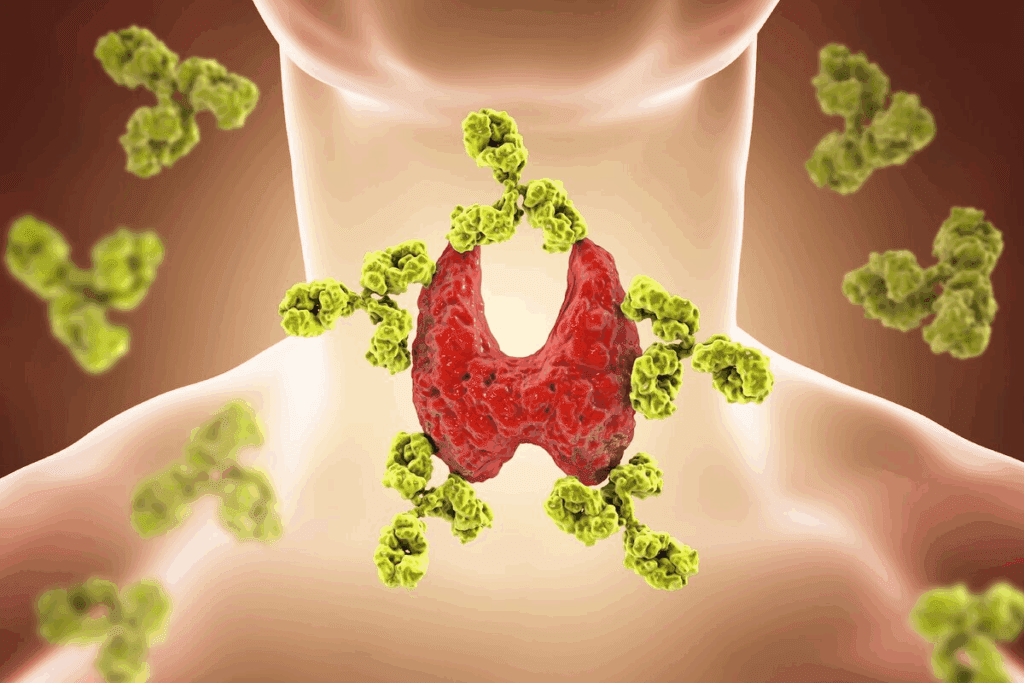
It’s important to understand how thyroid issues can affect mental health. The thyroid gland is a small organ in the neck. It helps control metabolism, energy, and mood. When it doesn’t work right, it can cause anxiety.
How Thyroid Dysfunction Affects Mental Health
Thyroid problems can really mess with your mind. They can make you feel anxious, depressed, or moody. Hyperthyroidism is when you make too much thyroid hormone. This can make you feel jittery, irritable, and your heart beats fast.
“The relationship between thyroid function and anxiety is complex and bidirectional,” notes a study on thyroid disorders and mental health.
“Thyroid hormones influence the brain’s neurotransmitter systems, which can affect mood and anxiety levels.”
This shows we need to look at thyroid problems and mental health together. It’s all about treating the whole person.
The Prevalence of Anxiety in Thyroid Disorders
Many people with thyroid issues also feel anxious. Up to 5 percent of those with new anxiety might have a thyroid problem. This makes it key to check thyroid function when treating anxiety.
Thyroid hormones affect the nervous system. Too much of them can make you feel anxious. This is because they make your nervous system work too hard.
Knowing about the thyroid-anxiety link helps doctors treat both thyroid and mental health problems. This can make patients feel better overall.
Understanding the Thyroid Gland and Hormone Production
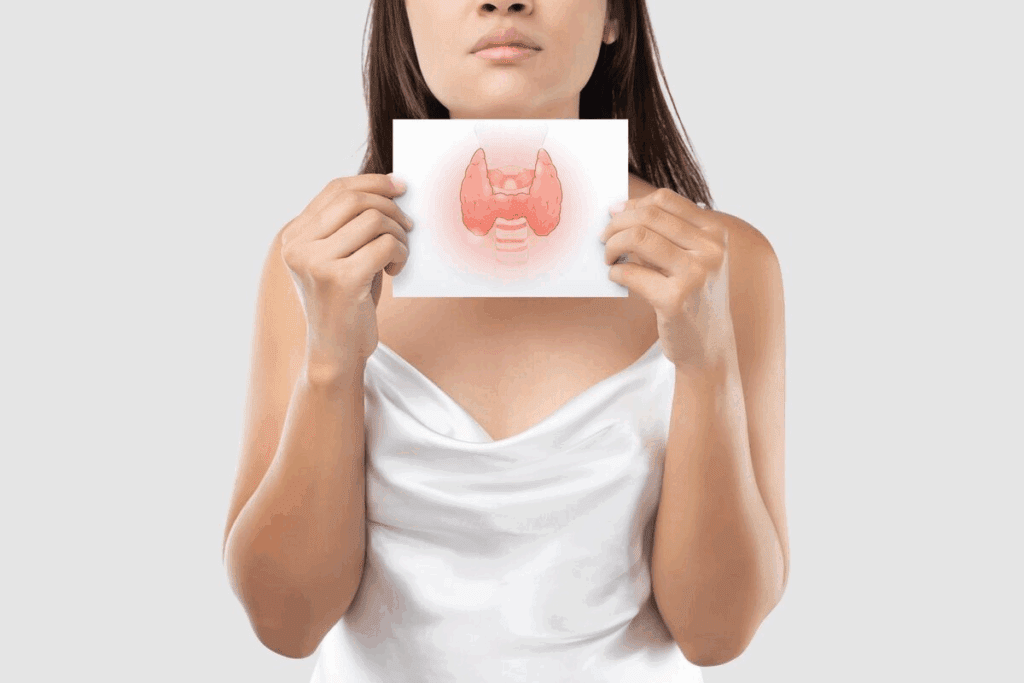
It’s important to know about the thyroid gland and how it makes hormones. This knowledge helps us understand thyroid problems like hyperthyroidism. The thyroid gland is key to the endocrine system, helping control many body functions.
Anatomy and Function of the Thyroid
The thyroid gland is shaped like a butterfly and sits in the neck, below the Adam’s apple. It has two lobes joined by an isthmus. This gland makes thyroid hormones, like triiodothyronine (T3) and thyroxine (T4). These hormones are vital for metabolism, energy, and health.
The Role of T3 and T4 Hormones
T3 and T4 hormones are very important for our body. T4 is stored and then turned into T3, which is more active. T3 helps control how we use carbs, fats, and proteins. It also affects heart rate, body temperature, and energy.
- T3 (Triiodothyronine): The more active form of thyroid hormone, directly influencing metabolic rate and energy production.
- T4 (Thyroxine): The storage form of thyroid hormone, converted to T3 in the body’s tissues.
How Hormonal Imbalance Affects Body Systems
When there’s too much thyroid hormone, like in hyperthyroidism, it can really affect the body. It can make metabolism too fast, leading to weight loss, a faster heart rate, and more energy. On the other hand, not enough thyroid hormone, or hypothyroidism, can slow down metabolism. This can cause tiredness, weight gain, and less energy.
Hormonal imbalances can affect more than just metabolism. They can also impact the heart, nerves, and muscles. Knowing this helps doctors diagnose and treat thyroid problems better.
Can Thyroid Cause Anxiety? The Physiological Mechanism
When the thyroid gland makes too many hormones, it can make the nervous system too active. This can cause anxiety symptoms. We will explore how hyperthyroidism and anxiety are connected.
How Excess Thyroid Hormones Overstimulate the Nervous System
Hyperthyroidism means the thyroid gland makes too much of the hormones triiodothyronine (T3) and thyroxine (T4). These hormones help control how our body uses energy and how we feel. But too much of them can upset the nervous system.
This upset can show up as a fast heart rate, feeling too alert, and feeling anxious. T3 and T4 hormones can change how our brain works, affecting our mood and feelings.
The Biochemical Pathway from Hyperthyroidism to Anxiety
The journey from hyperthyroidism to anxiety starts with too much T3 and T4. This makes the sympathetic nervous system work too hard. This system is what gets us ready to fight or run away, causing symptoms like a fast heartbeat and shaking.
Thyroid hormones also change how we make neurotransmitters like serotonin and dopamine. These are important for feeling good. If they’re out of balance, it can lead to anxiety.
| Biochemical Change | Effect on the Body |
| Increased T3 and T4 hormones | Overstimulation of the nervous system |
| Activation of the sympathetic nervous system | ‘Fight or flight’ response, leading to anxiety symptoms |
| Alteration in neurotransmitter metabolism | Impact on mood regulation, potentially leading to anxiety |
Knowing how hyperthyroidism causes anxiety helps doctors find better treatments. By treating the cause of anxiety in hyperthyroid patients, doctors can help them feel better.
Hyperthyroidism Night Sweats: Causes and Patterns
Hyperthyroidism can cause many symptoms, including night sweats. These night sweats are not just about feeling hot or cold. They are linked to the body’s metabolic rate and hormonal balance.
The Mechanism Behind Hyperthyroidism Sweating
The thyroid gland controls our metabolism. When it makes too much thyroid hormone, our metabolism speeds up. This can make our body heat up, causing us to sweat, even at night.
Hyperthyroidism makes our nervous system work too hard. This can mess with our brain’s temperature control. So, we might sweat too much, even when it’s cool.
Distinguishing Thyroid-Related Night Sweats from Other Causes
Night sweats can have many causes, like infections or cancer. To know if they’re from hyperthyroidism, look for other symptoms like weight loss or shaking. A doctor’s tests can tell if your night sweats are from your thyroid.
Impact on Sleep Quality and Daily Functioning
Night sweats can mess up your sleep, leading to tiredness during the day. This can make it hard to do everyday things. Treating the cause, like hyperthyroidism, is key to better sleep and feeling good.
It’s important to understand why night sweats happen in hyperthyroidism. This way, doctors can give better treatments. It helps improve patients’ lives and quality of sleep.
Physical Manifestations of Hyperthyroidism
Hyperthyroidism can cause many physical changes. These changes affect the heart, muscles, and metabolism. They can make life harder for those with the condition.
Heart Palpitations and Cardiovascular Changes
Heart palpitations are a common sign of hyperthyroidism. Too much thyroid hormone makes the heart beat faster and harder. This can be scary and may lead to serious heart problems if not treated.
Cardiovascular changes associated with hyperthyroidism include:
- Increased heart rate
- Enhanced cardiac contractility
- Potential for arrhythmias
- Increased risk of heart failure in severe cases
Trembling Hands and Overactive Thyroid Hands
Trembling hands are another symptom of hyperthyroidism. Too much thyroid hormone makes the nervous system too active. This leads to shaky hands that can make daily tasks hard.
The tremors associated with hyperthyroidism are usually fine and rapid. They get worse when doing precise tasks or when stressed.
Hyperthyroidism Muscle Twitching and Weakness
Muscle twitching and weakness are common in hyperthyroidism. The hormonal imbalance weakens muscles and causes twitching. This can be uncomfortable and make physical activities harder.
| Symptom | Description |
| Muscle Twitching | Involuntary muscle contractions that can be visible under the skin |
| Muscle Weakness | Reduced muscle strength, making everyday activities challenging |
Thyroid Thirst and Metabolic Changes
Hyperthyroidism also causes big changes in metabolism. It can make you very thirsty. This is because your body is burning energy faster, leading to dehydration.
Metabolic changes associated with hyperthyroidism include:
- Increased metabolic rate
- Enhanced appetite
- Potential for weight loss despite increased appetite
- Increased risk of dehydration
What Does Hyperthyroidism Look Like? Visible Symptoms
Hyperthyroidism shows itself in many ways that can really affect a person’s life. These signs are not just inside the body but can also be seen on the outside. This makes it a condition that affects both how we feel and how we look.
Skin Changes: Texture and Appearance
One sign of hyperthyroidism is changes in the skin. The skin might get warm, moist, and flushed because of faster metabolism and blood flow. Some people might notice their skin getting thinner, making it easier to bruise or get hurt.
The skin can also feel smooth. And some people might sweat more than usual.
Eye Changes and Protrusion
Hyperthyroidism, often caused by Graves’ disease, can cause big eye changes. A common sign is exophthalmos, or bulging eyes. This happens because of extra fat and swelling behind the eyeball.
This can make the eyes stick out, causing eye discomfort, dryness, and sometimes vision problems.
Weight Loss Despite Increased Appetite
Another symptom of hyperthyroidism is unintentional weight loss even when you’re hungry all the time. This happens because your body’s metabolism speeds up, burning calories faster. This can be hard to deal with and might lead to malnutrition if not managed right.
Hyperthyroidism and Pain in Neck: Goiter Development
In some cases, hyperthyroidism can make the thyroid gland grow bigger, leading to goiter. This can cause discomfort or pain in the neck. You might also see a swelling at the base of the neck, and it could make swallowing or breathing hard if it’s big enough.
The symptoms of hyperthyroidism can be different for everyone. But they often include skin changes, bulging eyes, weight loss, and neck swelling. Spotting these signs early is key for getting the right treatment.
Hyperthyroidism Symptoms Male: Gender-Specific Presentations
Hyperthyroidism is more common in women, but men can also be affected. Their symptoms are different and need to be understood for proper diagnosis and treatment.
Why Male Symptoms May Be Overlooked
Male symptoms of hyperthyroidism can be subtle or different from what women experience. For example, men might feel irritable, sweat more, or have muscle twitches. These signs can be mistaken for other issues, leading to delayed treatment.
Common misattributions include:
- Confusing hyperthyroid symptoms with stress or anxiety
- Attributing weight loss to diet or exercise
- Overlooking muscle twitches as minor issues
Common Manifestations in Men
Men with hyperthyroidism may show various symptoms, such as:
- Increased heart rate and palpitations
- Weight loss despite increased appetite
- Nervousness and irritability
- Muscle weakness and twitching
- Excessive sweating
These symptoms can greatly affect a man’s daily life and health. It’s important for doctors to consider hyperthyroidism when men show these signs.
Thyroid and Muscle Twitches in Male Patients
Muscle twitches are a common symptom in some men with hyperthyroidism. These twitches can be uncomfortable and happen often, mainly in the hands and legs. The imbalance of thyroid hormones can cause these twitches.
Managing muscle twitches involves treating the thyroid hormone imbalance. Doctors might use medications or radioactive iodine therapy to help.
Diagnosing Thyroid-Related Anxiety and Sweating
Thyroid problems can cause anxiety and night sweats. It’s important to diagnose these issues correctly for the right treatment. Doctors use a mix of clinical checks, lab tests, and sometimes imaging to find the cause.
Laboratory Tests for Thyroid Function
Labs are key in finding thyroid problems. The main tests are:
- TSH (Thyroid-Stimulating Hormone) Test: Checks TSH levels to see how the thyroid is working.
- Free T4 and Free T3 Tests: Looks at free thyroxine (T4) and triiodothyronine (T3) levels to see how hormones are made.
These tests show if the thyroid is making too much or too little hormone. This can lead to anxiety and night sweats.
Imaging Studies and Their Significance
Imaging helps see the thyroid gland and find any issues. Common methods include:
- Thyroid Ultrasound: Checks the thyroid’s size, shape, and for any growths.
- Radioactive Iodine Uptake Test: Sees how much iodine the thyroid takes up, helping find hyperthyroidism.
These studies give important info for treatment plans.
The Importance of Thyroid Screening in New Anxiety Patients
Testing for thyroid issues is key for new anxiety patients. Finding thyroid problems early helps avoid serious issues and improves health.
In summary, finding thyroid-related anxiety and sweating needs a detailed approach. This includes lab tests and imaging. Knowing how to diagnose helps doctors treat symptoms and improve life quality.
Treatment Approaches for Hyperthyroidism
Hyperthyroidism treatment includes anti-thyroid drugs and radioactive iodine therapy. The right treatment depends on the condition’s severity, the patient’s health, and the cause of hyperthyroidism.
Medication Options: Anti-Thyroid Drugs
Anti-thyroid medications are often the first choice for treating hyperthyroidism. These drugs lower thyroid hormone production. Methimazole and propylthiouracil are common medications used. They aim to balance thyroid hormone levels, ease symptoms, and improve life quality.
Key benefits of anti-thyroid medications:
- Effective in managing symptoms
- Can be used long-term
- Allow for a trial period to assess their effectiveness
Radioactive Iodine Therapy: Process and Considerations
Radioactive iodine therapy is a lasting solution for hyperthyroidism, mainly for those who can’t take anti-thyroid drugs or have a toxic nodular goiter. It involves taking radioactive iodine that destroys thyroid tissue, reducing hormone production.
Considerations for radioactive iodine therapy:
- Effectiveness in destroying thyroid tissue
- Potential for hypothyroidism as a result
- Contraindicated in pregnancy and breastfeeding
Surgical Management of Severe Hyperthyroidism
Surgery is an option for those with large goiters, suspicious thyroid nodules, or when other treatments fail. Removing part or all of the thyroid gland can quickly solve hyperthyroidism symptoms.
Indications for surgery:
- Large goiter causing compressive symptoms
- Suspicion of thyroid malignancy
- Failure of or intolerance to other treatments
Symptom-Specific Treatments
Along with treating the cause of hyperthyroidism, treatments for symptoms like anxiety, palpitations, and tremors are also important. Beta-blockers are often used to manage these symptoms.
Hyperthyroidism treatment plans are tailored to each patient’s needs and health. Understanding the different treatment options helps healthcare providers create the best management strategies for each patient.
Conclusion: Comprehensive Management of Thyroid Disorders
Managing thyroid disorders well needs a team effort. This includes getting the right diagnosis, treatment, and regular check-ups. The treatment for hyperthyroidism, like medicines, radioactive iodine, or surgery, must fit each person’s needs.
Severe symptoms of hyperthyroidism, like night sweats, anxiety, and heart issues, really affect how well someone lives. It’s important to treat these symptoms and the thyroid problem itself.
Healthcare providers must understand how thyroid issues and mental health are connected. This knowledge helps them give the best care. With a complete management plan, people with thyroid problems can see better health and happiness.
FAQ
What is hyperthyroidism and how does it cause anxiety and night sweats?
Hyperthyroidism is when the thyroid gland makes too much hormone. This can make you feel anxious and sweaty at night. The extra hormones can make your nervous system work too hard, causing anxiety. They also make your body burn more energy, leading to sweating.
How does hyperthyroidism affect mental health?
Hyperthyroidism can really affect your mental health. It can make you feel anxious, moody, and irritable. It can also make mental health problems worse.
What are the common symptoms of hyperthyroidism?
Symptoms of hyperthyroidism include feeling anxious, sweating at night, and heart racing. You might also have shaky hands, twitchy muscles, lose weight, and notice changes in your skin.
Can hyperthyroidism cause night sweats?
Yes, it can. The high metabolic rate and hormonal imbalance from hyperthyroidism can cause night sweats. This can really disrupt your sleep and daily life.
How is hyperthyroidism diagnosed?
Doctors use lab tests and imaging studies to diagnose hyperthyroidism. These include thyroid function tests and ultrasound or radioactive iodine uptake tests.
What are the treatment options for hyperthyroidism?
Treatments include medication, radioactive iodine therapy, and surgery. The best treatment depends on how severe the condition is and what the patient needs.
Can hyperthyroidism cause muscle twitching?
Yes, it can. The hormonal imbalance and its effects on the nervous system can cause muscle twitching.
How does hyperthyroidism affect the cardiovascular system?
It can cause heart palpitations, a faster heart rate, and changes in blood pressure. This affects the heart and blood vessels.
Are there any visible symptoms of hyperthyroidism?
Yes, you might notice changes in your skin, eyes, weight loss, and a goiter. These are visible signs of the condition.
How does hyperthyroidism present in males?
In males, symptoms can include muscle weakness, tremors, and changes in libido. These symptoms can be harder to notice, making diagnosis tricky.
Can hyperthyroidism cause thyroid thirst?
Yes, it can. The metabolic changes and hormonal imbalance can make you feel very thirsty.
What is the role of T3 and T4 hormones in hyperthyroidism?
T3 and T4 hormones control metabolism, energy, and other functions. Too much of these hormones can cause symptoms of hyperthyroidism.
How does hyperthyroidism affect sleep quality?
It can really mess with your sleep. You might have trouble sleeping, experience night sweats, and other sleep problems.
References
- Garruti, G., et al. (2018). Cholecystectomy: a way forward and back to metabolic disease? Current Opinion in Lipidology, 29(3), 189-195. Retrieved from