Last Updated on December 4, 2025 by Bilal Hasdemir
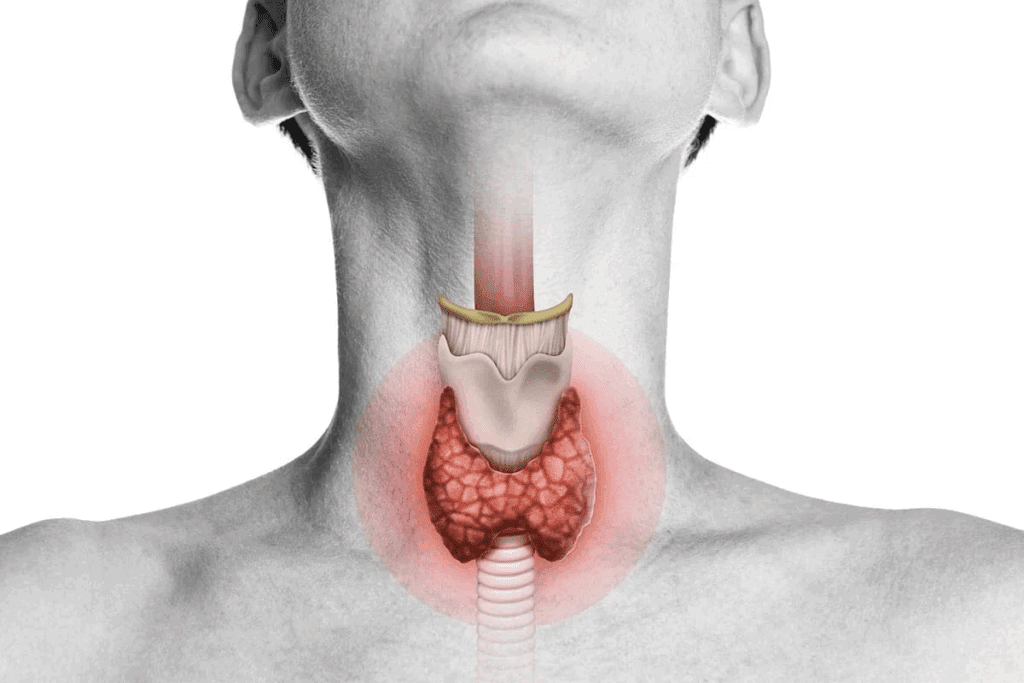
The thyroid gland is key in controlling our metabolism, energy, and mood. When it works too hard, it’s called hyperthyroidism. This can cause many health problems, including anxiety. Learn can thyroid problems cause anxiety and how thyroid imbalance impacts mood and energy.
It’s important to know the signs of hyperthyroidism to catch it early. Signs like constant anxiety, sweating, and heart racing are warning signs. Liv Hospital helps people spot these signs early. This can greatly improve their health.
Key Takeaways
- Hyperthyroidism can cause anxiety due to its impact on the nervous system.
- Early recognition of hyperthyroidism symptoms is key for effective treatment.
- Liv Hospital offers a patient-focused approach to diagnosing and treating thyroid disorders.
- Key symptoms include persistent anxiety, unexplained sweating, and heart palpitations.
- Understanding thyroid health is vital for overall well-being.
The Thyroid-Anxiety Connection: Understanding the Relationship

To understand the thyroid-anxiety connection, we need to look at how the thyroid gland works. This gland is in the neck and makes hormones that control our metabolism and energy. These hormones are key to keeping our body balanced.
How the Thyroid Gland Functions
The thyroid gland makes two main hormones: T4 and T3. These hormones help our body use energy and stay healthy. The pituitary gland controls how much of these hormones are made by sending out TSH.
Thyroid Hormones and Metabolism: These hormones affect almost every cell in our body. They help us use energy, produce heat, and breathe oxygen. It’s important to have the right balance of these hormones for our body to work right.
How Excess Thyroid Hormones Affect the Nervous System
Too much of these hormones can really affect our nervous system. This can cause feelings of anxiety, nervousness, and irritability. It can also make our heart beat faster and make us feel more alert.
The Impact on Anxiety: Too much of these hormones can make anxiety symptoms worse. It can be hard to tell if the anxiety is from the thyroid or another anxiety disorder. This can make us feel restless and anxious.
Distinguishing Thyroid-Induced Anxiety from Other Anxiety Disorders
To tell if anxiety is from the thyroid or another disorder, we need to look closely. Signs like weight loss, feeling too hot, and a fast heart rate can point to hyperthyroidism. A doctor will need to do tests and ask questions to figure it out.
| Symptom | Thyroid-Induced Anxiety | Other Anxiety Disorders |
| Weight Loss | Common due to increased metabolism | Less common; may be related to appetite changes |
| Heart Palpitations | Frequent due to hyperthyroidism | Can occur but not as directly related to thyroid function |
| Nervousness/Irritability | Common symptom of hyperthyroidism | Common in various anxiety disorders |
It’s important to know the difference between thyroid-induced anxiety and other anxiety disorders. This helps doctors find the right treatment. By understanding the causes and symptoms, doctors can help both the thyroid problem and the anxiety.
Can Thyroid Problems Cause Anxiety? The Scientific Evidence
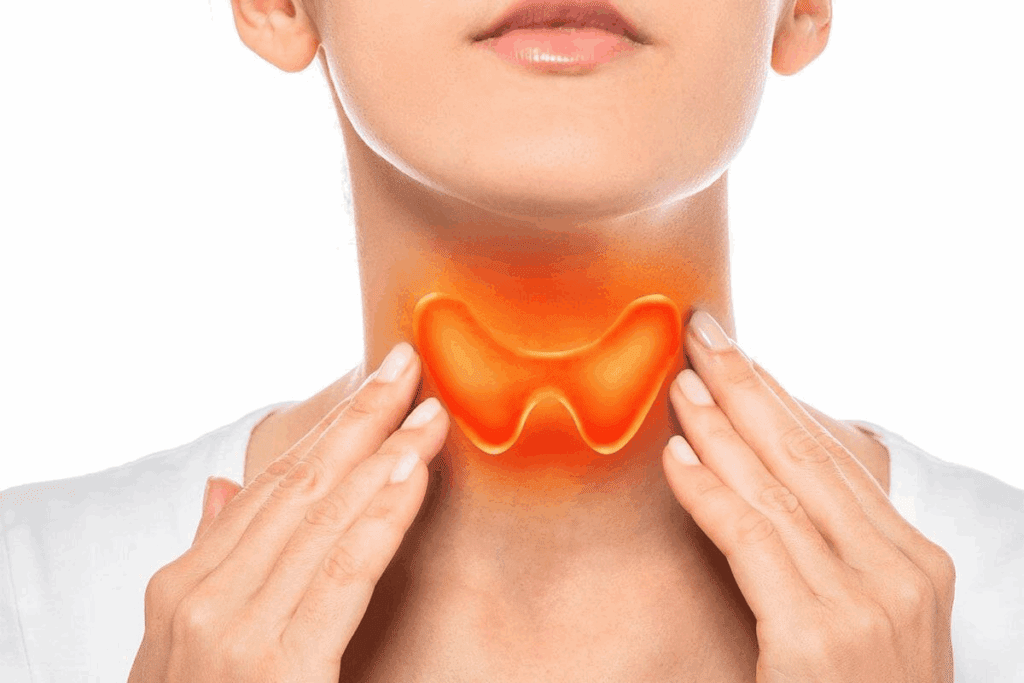
Research has shown a strong link between thyroid issues and anxiety. Hyperthyroidism, where the thyroid makes too many hormones, affects both metabolism and mental health. This can lead to increased anxiety symptoms.
Research on Hyperthyroidism and Anxiety Symptoms
Studies have looked into how often anxiety occurs in people with hyperthyroidism. They found that those with hyperthyroidism tend to have more anxiety than others. A study in the Journal of Clinical Endocrinology and Metabolism found a clear link between hyperthyroidism and higher anxiety levels.
The connection between hyperthyroidism and anxiety is supported by several types of evidence:
- Doctors have noticed more anxiety disorders in patients with hyperthyroidism.
- Large studies have found a link between thyroid hormone levels and anxiety symptoms.
- Lab research has shown how too much thyroid hormone can cause anxiety.
The Physiological Mechanism Behind Thyroid-Related Anxiety
Excess thyroid hormones affect the nervous system, leading to anxiety. Thyroid hormones help control neurotransmitters like serotonin and dopamine. These are important for mood and anxiety.
Key changes include:
- The nervous system becomes more sensitive to adrenaline.
- Genes involved in making neurotransmitters change.
- The body’s metabolic rate goes up, causing more arousal.
How Anxiety Manifests in Hyperthyroidism Patients
Anxiety in hyperthyroidism patients can show up in many ways. This includes generalized anxiety and panic attacks. Symptoms can be both in the mind and body, like feeling restless or having a fast heart rate.
It’s important to understand how anxiety shows up in hyperthyroidism. This helps doctors give better care that covers both the thyroid and mental health.
Physical Appearance Changes in Hyperthyroidism
Hyperthyroidism can change how you look, leading to noticeable symptoms. These changes can be upsetting and affect your life quality. It’s important to know these signs for diagnosis and treatment.
What Does Hyperthyroidism Look Like?
Hyperthyroidism can cause several noticeable changes in physical appearance. These include weight loss, heat intolerance, flushing, and skin changes. The condition can make individuals look different from their usual selves, often causing concern and distress.
Weight Loss Despite Increased Appetite (Symptom #1)
One of the hallmark symptoms of hyperthyroidism is unintentional weight loss despite an increased appetite. This occurs because the excess thyroid hormones accelerate the body’s metabolism, causing it to burn calories more quickly.
Heat Intolerance and Flushing (Symptom #2)
Individuals with hyperthyroidism often experience heat intolerance, feeling hot even in cooler temperatures. This can lead to flushing, where the skin becomes red and warm to the touch.
Skin Changes in Hyperthyroidism (Symptom #3)
The skin is another area affected by hyperthyroidism. Common changes include thinning of the skin, making it more fragile, and other dermatological issues.
| Symptom | Description |
| Weight Loss | Unintentional weight loss despite increased appetite due to accelerated metabolism. |
| Heat Intolerance | Feeling hot even in cooler temperatures, often leading to flushing. |
| Skin Changes | Thinning of the skin, making it more fragile and susceptible to other issues. |
Hyperthyroidism and Excessive Sweating
Many people with hyperthyroidism sweat a lot. This is because their thyroid gland is too active. It makes daily life hard and uncomfortable.
Why Hyperthyroidism Causes Increased Sweating (Symptom #4)
Hyperthyroidism makes your body burn more energy. This means it produces more heat. So, it sweats more to cool down.
Increased sweating in hyperthyroidism can be due to several factors:
- Increased metabolic rate
- Heightened sympathetic nervous system activity
- Direct effect of thyroid hormones on sweat glands
Hyperthyroidism Night Sweats (Symptom #5)
Night sweats are a big problem for those with hyperthyroidism. They can soak through clothes and bedding, making it hard to sleep well.
Night sweats can be challenging because they:
- Disrupt sleep patterns
- Cause discomfort and anxiety
- May require changes in bedding and nightclothes
Thyroid Sweating During Daily Activities (Symptom #6)
Hyperthyroidism also makes you sweat during the day. Even simple tasks can be hard because of the sweating. It’s embarrassing and uncomfortable.
Managing Thyroid-Related Sweating
To manage sweating from hyperthyroidism, you need to treat the condition. Medication or other treatments can help control the symptoms.
| Management Strategies | Description |
| Medication | Antithyroid medications to reduce thyroid hormone production |
| Lifestyle Changes | Avoiding triggers like heat, stress, and certain foods |
| Cooling Measures | Using cooling packs or taking cool showers to reduce body temperature |
Cardiovascular and Energy-Related Symptoms
Hyperthyroidism can cause many symptoms that affect your heart and energy levels. These symptoms can really change how you live your life. They can be very hard to deal with and affect your health a lot.
Heart Palpitations and Thyroid Dysfunction (Symptom #7)
Heart palpitations are a common symptom of hyperthyroidism. Heart palpitations and thyroid dysfunction are closely related. Too much thyroid hormone can make your heart beat too fast and strong, causing palpitations.
Hyperactivity and Restlessness (Symptom #8)
Hyperthyroidism can also make you feel very active and restless. It’s hard to relax or do quiet things. This can really mess up your daily life, affecting your work, social life, and overall happiness.
Fatigue Despite Feeling “Wired” (Symptom #9)
Hyperthyroidism can make you feel tired, even though you feel “wired.” People with this condition often say they’re exhausted but can’t relax. This shows how thyroid hormones and energy levels are connected in a complex way.
| Symptom | Description | Impact on Daily Life |
| Heart Palpitations | Fast or irregular heartbeat due to excess thyroid hormones | Can cause anxiety and disrupt sleep |
| Hyperactivity and Restlessness | Increased nervous system activity | Affects work, social life, and relaxation |
| Fatigue | Exhaustion despite feeling “wired” | Impacts daily activities and overall well-being |
Neurological Manifestations of Hyperthyroidism
Hyperthyroidism can cause many neurological problems. These include issues with motor control and thinking. The excess thyroid hormones affect the nervous system.
Thyroid-Related Hand Tremors (Symptom #10)
One common symptom is hand tremors. Thyroid-related hand tremors make it hard to do precise tasks. This includes writing or holding things steady.
Hyperthyroidism Muscle Twitching (Symptom #11)
Muscle twitching is another symptom. This can show as muscle fasciculations, small muscle contractions under the skin. It can be uncomfortable and disrupt sleep or daily activities.
Concentration Problems and Mental Fog (Symptom #12)
Cognitive symptoms are common too. People often have concentration problems and feel mentally foggy. This makes it hard to focus, remember things, and can affect work and personal life.
| Symptom | Description | Impact on Daily Life |
| Hand Tremors | Fine shaking or trembling of the hands | Difficulty with precise tasks like writing |
| Muscle Twitching | Small, localized muscle contractions | Discomfort, disrupted sleep, and daily activities |
| Concentration Problems | Difficulty focusing, memory issues | Impact on work and personal life due to mental fog |
Other Significant Hyperthyroidism Symptoms
Hyperthyroidism can cause many symptoms, some not as well-known. Beyond the usual signs, there are other important symptoms people with hyperthyroidism may face.
Excessive Thirst and Frequent Urination (Symptom #13)
Excessive thirst and frequent urination are lesser-known symptoms. Hyperthyroidism can mess with how the body handles fluids and electrolytes. This leads to drinking more water and needing to go to the bathroom more often. It can really disrupt daily life.
Neck Pain and Thyroid Enlargement (Symptom #14)
Neck pain and thyroid enlargement are significant symptoms. The thyroid gland is in the neck, and swelling can cause neck pain. This swelling can happen for many reasons, like Graves’ disease, a common cause of hyperthyroidism.
Gender-Specific Symptoms in Males
Hyperthyroidism can affect men differently, leading to gender-specific symptoms. Men may see a drop in libido or sexual problems. They might also experience gynecomastia, or enlarged breast tissue. These symptoms can really affect a man’s life quality.
| Symptom | Description |
| Excessive Thirst | Increased fluid intake due to hyperthyroidism affecting fluid regulation. |
| Frequent Urination | More frequent need to urinate due to the body’s altered fluid balance. |
| Neck Pain | Discomfort or pain in the neck due to thyroid enlargement. |
| Thyroid Enlargement | Swelling of the thyroid gland, potentially causing neck discomfort. |
| Gender-Specific Symptoms in Males | Decrease in libido, sexual dysfunction, and gynecomastia. |
Severe Hyperthyroidism: When to Seek Immediate Medical Attention
It’s important to know the severe symptoms of hyperthyroidism to get medical help quickly. Severe hyperthyroidism can cause serious health problems. One of these is a life-threatening condition called thyroid storm.
Warning Signs of Thyroid Storm
A thyroid storm is a rare but dangerous condition. It happens when hyperthyroidism is not treated well. The warning signs include:
- Severe tachycardia or heart arrhythmias
- High fever
- Confusion or agitation
- Nausea and vomiting
- Diarrhea
- Dehydration
Seeing these symptoms early is key to avoiding serious problems.
Eye Problems in Graves’ Disease
Graves’ disease, the main cause of hyperthyroidism, can cause eye problems. These are called Graves’ ophthalmopathy. Symptoms include:
- Bulging eyes (exophthalmos)
- Redness and swelling
- Double vision
- Sensitivity to light
Complications of Untreated Hyperthyroidism
Untreated hyperthyroidism can lead to serious problems. These include:
| Complication | Description |
| Heart Problems | Arrhythmias, heart failure, and increased risk of heart attack |
| Osteoporosis | Weakening of bones due to accelerated bone turnover |
| Thyroid Storm | A life-threatening condition requiring immediate medical attention |
Diagnostic Tests for Hyperthyroidism
Diagnosing hyperthyroidism involves several tests. These include:
- Thyroid Function Tests (TFTs)
- Thyroid Antibody Tests
- Thyroid Ultrasound
- Radioactive Iodine Uptake Test
These tests help find out if you have hyperthyroidism and what’s causing it. They guide the right treatment.
Conclusion: Managing Hyperthyroidism and Its Symptoms
Managing hyperthyroidism well is key to feeling better and living a good life. It’s important to know the signs like losing weight even when you’re hungry, feeling too hot, sweating a lot, and having a racing heart. Spotting these signs early helps get the right treatment fast.
Getting the right diagnosis and treatment for hyperthyroidism can really help. It can lessen symptoms like night sweats and feeling anxious. This lets people take back control of their health. Doctors can then tailor treatments based on what they know about thyroid-related anxiety and symptoms.
To manage hyperthyroidism, a mix of treatments is needed. This includes medicines, making lifestyle changes, and keeping an eye on your health. With this approach, people can lessen the effects of hyperthyroidism symptoms on their daily lives. They can also improve their overall health and well-being.
FAQ
What are the common symptoms of hyperthyroidism?
Symptoms of hyperthyroidism include weight loss and feeling hot all the time. You might also sweat a lot, have a fast heart rate, and feel restless. Other signs are feeling tired, having shaky hands, and trouble concentrating.
Can hyperthyroidism cause anxiety?
Yes, it can. Too much thyroid hormone can mess with your nervous system, leading to anxiety.
What does hyperthyroidism look like?
It can show up physically. You might lose weight, feel hot, and have skin changes. Other signs are visible too.
Why does hyperthyroidism cause excessive sweating?
It’s because your body’s metabolism goes up. This makes you feel hot and sweat more.
Can hyperthyroidism cause night sweats?
Yes, it can. Your body’s high metabolism and heat intolerance can cause night sweats.
How does hyperthyroidism affect the heart?
It can make your heart beat faster and cause palpitations. This is because of the extra thyroid hormones.
What are the neurological symptoms of hyperthyroidism?
Symptoms include shaky hands, muscle twitches, trouble focusing, and feeling mentally foggy.
Can hyperthyroidism cause muscle twitching?
Yes, it can. The extra thyroid hormones can affect your nervous system, leading to muscle twitches.
What is a thyroid storm?
It’s a serious condition. It happens when hyperthyroidism isn’t treated, causing high fever, fast heart rate, and confusion.
How is hyperthyroidism diagnosed?
Doctors use a physical exam, medical history, and lab tests. These include thyroid function tests and imaging studies.
Can hyperthyroidism cause eye problems?
Yes, it can. Graves’ disease, a type of hyperthyroidism, can cause bulging eyes, double vision, and light sensitivity.
What are the complications of untreated hyperthyroidism?
Untreated hyperthyroidism can lead to heart problems, brittle bones, and a serious condition called thyroid storm.
Can hyperthyroidism cause excessive thirst?
Yes, it can. The increased metabolic rate and other factors can make you feel very thirsty.
How does hyperthyroidism affect males?
It can cause decreased libido, erectile dysfunction, and other reproductive issues in males.
Can hyperthyroidism cause neck pain?
Yes, it can. Neck pain might occur due to thyroid enlargement or other reasons.
Reference
Gutt, C. (2020). The treatment of gallstone disease. Clinics in Liver Disease, 24(2), 487–492. https://www.ncbi.nlm.nih.gov/pmc/articles/PMC7132079/