Last Updated on November 17, 2025 by Ugurkan Demir
Blood clots in the arm are serious and often linked to health problems or medical devices like catheters or pacemakers.
Upper extremity deep vein thrombosis (UEDVT) happens when a clot forms in the deep arm veins. This can be due to hard work, the body’s structure, or other reasons.
The team at Liv Hospital focuses on patient care and the latest diagnostic tools. They help spot the signs and risks of this serious condition.
Key Takeaways
- UEDVT is a condition where a blood clot forms in the deep veins of the arm.
- It can be associated with health conditions or the use of medical devices.
- Exertion or anatomical structure can also lead to UEDVT.
- Recognizing the signs and symptoms is key for early diagnosis.
- Liv Hospital offers advanced diagnostics for identifying blood clots.
Understanding Arm Blood Clots
It’s important to know about arm blood clots for early treatment. These clots, known as Upper Extremity Deep Vein Thrombosis (UEDVT), form in the arm’s deep veins. They are less common than leg clots but can cause serious health problems if not treated.
What Is Upper Extremity Deep Vein Thrombosis?
UEDVT happens when a blood clot forms in the arm’s deep veins. It often occurs in the subclavian, axillary, or brachial veins. Symptoms include swelling, pain, and arm discoloration.
Early signs of an arm blood clot include swelling, pain, tenderness, and skin color changes. It’s key to spot these symptoms early for quick medical help.
How Blood Clots Form in the Arm
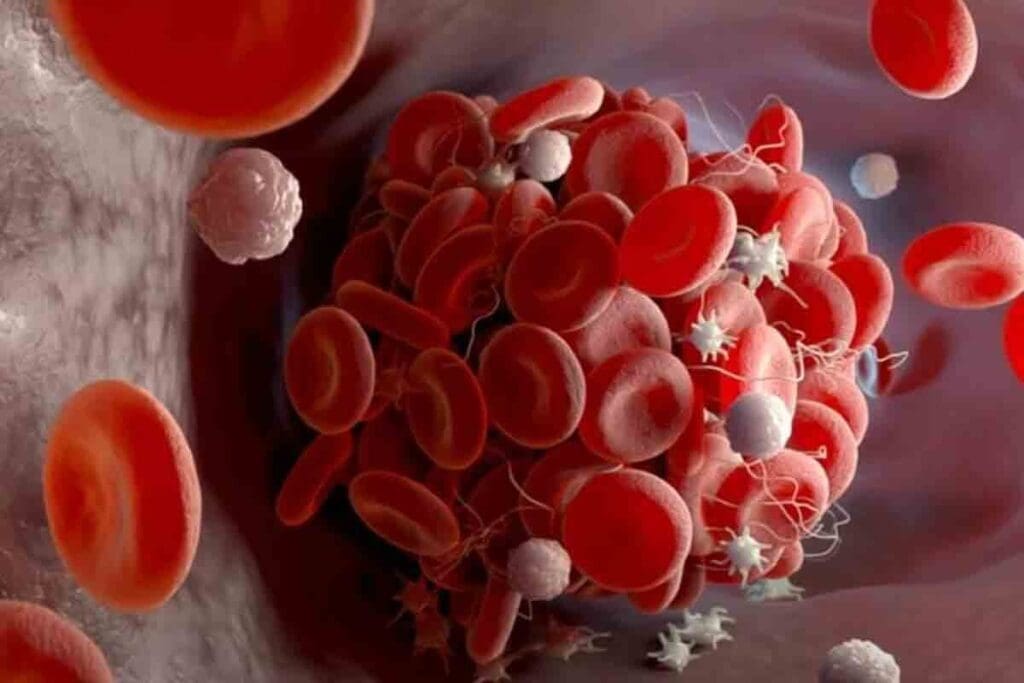
Blood clots in the arm form due to various factors. Injury, medical procedures, or health conditions can trigger clotting. The clotting process involves platelets and blood cells clumping, blocking blood flow.
Prevalence and Statistics
4% to 10% of DVT cases occur in the arm. This shows UEDVT is a notable concern, even if less common than leg clots. Most arm clots happen in the upper arm, mainly in people with certain risks like cancer or recent surgery.
Knowing the prevalence and statistics of arm blood clots helps in assessing risk and prevention. It’s vital for healthcare providers and patients to understand risk factors and symptoms for early detection and treatment.
Can U Get Blood Clots in Your Arm?
Arm blood clots, also known as upper extremity deep vein thrombosis (UEDVT), are serious. They can cause big health problems if not treated fast. UEDVT is less common than DVT in the legs but can happen for many reasons.
These reasons include physical injury, recent surgery, or using medical devices. Prolonged sitting or doing the same arm movements over and over can also cause it.
Common Locations for Arm Blood Clots
Blood clots can form in different places in the arm. They can be in the deep veins of the upper arm, near the elbow, or in the superficial veins. Primary UEDVT is rare and often linked to repetitive or strenuous arm activities.
Studies show that up to 80% of people with primary UEDVT had done a lot of arm work. This could be from lifting weights or rowing.
Doctors say that more people are getting upper extremity deep vein thrombosis. This is mainly because of more use of central venous catheters. This trend shows how important it is to know the risks of medical devices and procedures.
| Location | Description | Common Causes |
| Deep Veins of the Upper Arm | Clots forming in the deeper veins of the arm | Trauma, immobility, medical devices |
| Near the Elbow | Clots occurring around the elbow region | Repetitive strain, injury |
| Superficial Veins | Clots in the veins closer to the skin surface | IV catheters, infections |
Arm blood clots can come from many things. This includes physical trauma, medical procedures, and underlying health conditions. Knowing these causes helps in preventing and diagnosing UEDVT.
Recognizing the Symptoms of Arm Blood Clots
It’s important to know the signs of arm blood clots to avoid serious problems. These clots, also known as upper extremity deep vein thrombosis (DVT), can show up in different ways. Understanding the symptoms helps you get medical help quickly.
Early Warning Signs
The first signs of arm blood clots can be small but very important. You might notice swelling in the arm that comes on fast. This swelling can be big and might be the first clue you have a blood clot.
Pain and Discomfort Characteristics
Pain and discomfort are common signs of arm blood clots. The pain might feel aching or throbbing and get worse when you move your arm. Remember, the pain might start off mild but get much worse if not treated.
Changes in Sensation
Some people with arm blood clots might feel numbness or tingling. These feelings can be scary and might be paired with weakness in the arm. If you notice these symptoms, it’s important to see a doctor right away.
When Symptoms May Be Absent
About 33% to 60% of people with DVT in their arm might not feel any symptoms at first. This makes finding out you have a clot harder. But, most people will start to feel symptoms that get worse over time. Knowing the risk factors and taking steps to prevent them is key.
In short, spotting the signs of arm blood clots early is key to getting the right treatment. If you notice swelling, pain, or changes in how you feel, see a doctor fast.
What Does a Blood Clot in Arm Look Like?
Knowing how to spot a blood clot in the arm is key for quick treatment. Blood clots in the arm can show up in different ways. It’s important to know the signs.
Visible Signs on the Skin Surface
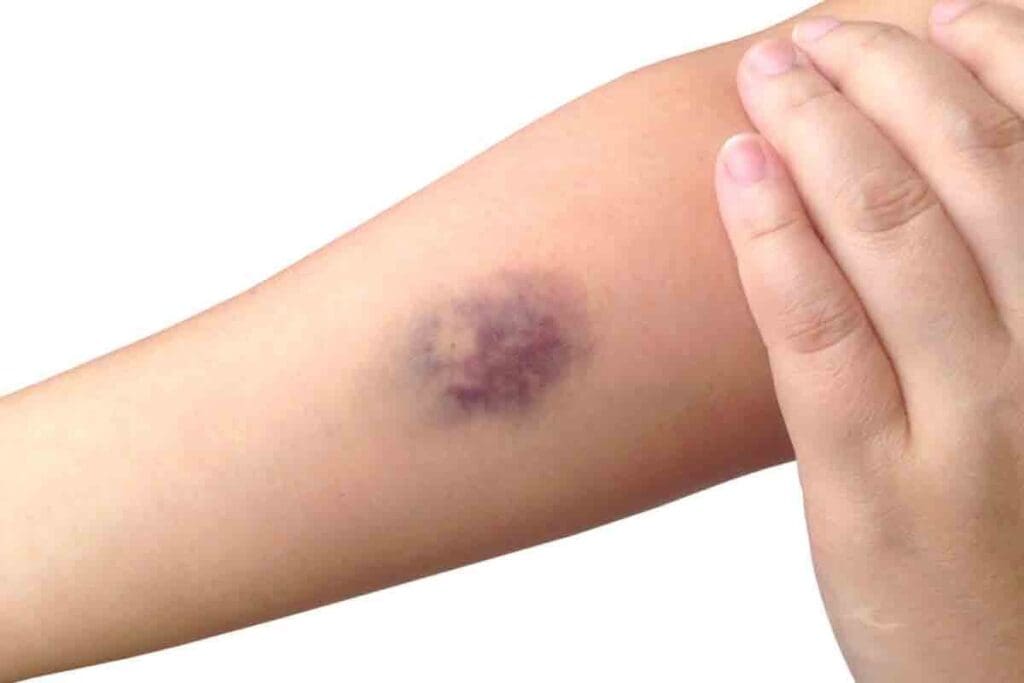
The skin can give clues about blood clots. Look for skin discoloration, which might be red, purple, or blue. This is because blood flow is blocked. The area might also feel warm to the touch or be tender.
Doctors say blood clots can change the skin’s look. These changes are important signs of the problem.
Blood Clot Arm Swelling Patterns
Swelling is a common sign of arm blood clots. Swelling can be just around the clot or spread further. Sometimes, it comes with pain or cramping, which gets worse if not treated.
| Symptom | Description |
| Swelling | Localized or extended swelling around the clot |
| Pain/Cramping | Can worsen over time if untreated |
| Skin Discoloration | Red, purple, or blue due to restricted blood flow |
Visible or Bulging Veins
Some people might see visible or bulging veins. You might notice enlarged veins and pain in the neck or shoulder. These signs, along with swelling or skin color changes, could mean a blood clot.
Spotting these signs early can help a lot with treatment. If you think you have a blood clot, get medical help right away.
What Causes Blood Clots in Arms?
It’s important to know why blood clots form in the arm. This knowledge helps prevent them and get medical help fast. Blood clots in the arm, or upper extremity deep vein thrombosis (DVT), can happen for many reasons.
Physical Trauma and Injury
Getting hurt in the arm can damage blood vessels. This damage can lead to clots. Accidents, falls, or any harm to the arm can cause this.
Medical Procedures and Devices
Some medical procedures and devices can raise the risk of blood clots in the arm. For example, central venous catheters or pacemaker cables can mess with blood flow. This can cause clots. Surgery, too, can increase this risk, mainly if it’s in the arm or shoulder.
Activity-Related Causes
Doing activities that strain the arm can lead to blood clots. For instance, thoracic outlet syndrome can get worse with certain activities. This condition happens when nerves and/or blood vessels get compressed between the neck and shoulder.
Underlying Medical Conditions
Some health issues can make you more likely to get blood clots in the arm. These include problems with blood clotting, like thrombocytosis. Genetic factors that affect clotting also play a part. Cancer, dehydration, and hormonal treatments can also increase the risk.
Blood clots in the arm are serious and need quick attention. Knowing the causes helps prevent them and get medical help when needed.
Risk Factors for Developing Arm Blood Clots
Arm blood clots can be caused by lifestyle, medical, and genetic factors. Knowing these risk factors helps identify who is more likely to get them.
Lifestyle Factors
Lifestyle greatly affects the risk of arm blood clots. Key factors include:
- Prolonged Immobilization: Staying in one spot for too long, like on long flights or in bed, raises the risk.
- Smoking: It damages blood vessel linings, making them more likely to clot.
- Obesity: Being overweight or obese adds pressure on veins, raising clot risk.
Medical History Considerations
Some medical conditions and procedures increase arm blood clot risk. These include:
- Cancer: Cancer and its treatment can raise clot risk due to clotting substances.
- Central Venous Catheters: These can irritate veins, leading to clots.
- Recent Surgery: Surgery, like orthopedic, can increase clot risk due to immobilization and vein trauma.
Genetic Predisposition
Genetics also play a big role in arm blood clots. People with a family history or genetic conditions like Factor V Leiden are at higher risk.
Dehydration and Its Impact
Dehydration makes blood more likely to clot. It’s important to drink enough water, even more so during risk times like illness or travel.
Blood clots in the arms are dangerous because they can travel to the lungs. This can be very serious and even life-threatening. Studies show that arm DVTs can be fatal in 11% to 29% of cases, often due to cancer or cancer treatment.
How Dangerous Are Blood Clots in the Arm?
It’s important to know the risks of arm blood clots to get help quickly. Blood clots in the arm can be serious but their danger level varies. This depends on where they are, how big they are, and if they move to other parts of the body.
Potential Complications
One big danger is pulmonary embolism (PE). This happens when a clot breaks loose and goes to the lungs. It can block blood flow and is very serious.
Other problems include post-thrombotic syndrome. This causes chronic pain, swelling, and skin color changes in the arm. Also, blood clots can come back if the cause isn’t fixed.
When Arm Blood Clots Become Life-Threatening
Arm blood clots are most dangerous when they cause a pulmonary embolism. The risk is higher with big clots or if there are many. Symptoms include sudden shortness of breath, chest pain, and coughing up blood.
Quick medical help is key to avoid a deadly outcome. Treatment usually includes medicines to stop more clots. Sometimes, more serious steps are needed to dissolve or remove the clot.
Long-Term Health Implications
Arm blood clots can have lasting effects. Even after treatment, some people may have pain, swelling, or limited arm movement.
| Complication | Description | Prevention/Treatment |
| Pulmonary Embolism | A potentially life-threatening condition where a blood clot travels to the lungs. | Anticoagulant medications, thrombolytic therapy. |
| Post-Thrombotic Syndrome | Chronic condition causing pain, swelling, and skin discoloration. | Compression stockings, pain management. |
| Recurrent Blood Clots | Repeated occurrence of blood clots, potentially due to underlying conditions. | Addressing underlying causes, long-term anticoagulation. |
In conclusion, while arm blood clots are serious, knowing the risks and acting fast can help. Being aware and getting medical help quickly is key to managing and preventing complications.
Diagnosis of Arm Blood Clots
Diagnosing arm blood clots involves several steps. These include clinical checks, imaging, and lab tests. Getting the diagnosis right is key to treating the clot and avoiding serious issues.
Initial Medical Evaluation
The first step is a detailed medical history and physical check-up. Doctors look at symptoms, risk factors, and any recent surgeries or times when you were not moving much. This helps figure out if a blood clot might be present and what tests to do next.
Imaging Tests and Procedures
Imaging tests are vital for spotting arm blood clots. Some common ones are:
- Ultrasound: Uses sound waves to see blood flow and find clots without needing to cut you open.
- Venography: Involves putting contrast dye into veins to see the clot on an image.
These tests help confirm if there’s a clot, where it is, and how big it is.
Laboratory Testing
Lab tests are used along with imaging to help diagnose. The D-dimer test checks for a protein fragment made when a clot breaks down. It’s not perfect on its own but can help rule out clots in people at low risk.
Differential Diagnosis: Conditions That Mimic Arm Blood Clots
Not every case of arm swelling or pain is a blood clot. Other things can look like deep vein thrombosis (DVT), such as:
- Muscle strain or injury
- Cellulitis (skin infection)
- Baker’s cyst (fluid-filled cyst behind the knee)
It’s important to do a thorough check to find the real cause and treat it right.
After confirming an arm blood clot, doctors can talk about the best treatment plans with the patient.
Treatment Options for Arm Blood Clots
Knowing the treatment options for arm blood clots can greatly help patients. There are many ways to treat these clots, each aimed at stopping the clot and avoiding more problems.
Medication Approaches
Medicine is key in treating arm blood clots. Anticoagulants are often given to stop the clot from getting bigger and to prevent new ones. These drugs are used for months, but some people may need them longer if they’re at risk again.
In serious cases, thrombolytics might be used to break up the clot. But, this can increase the risk of bleeding and is only used when it’s really needed.
Surgical and Interventional Procedures
Sometimes, surgery or other procedures are needed to treat arm blood clots well. Thrombectomy or embolectomy is a surgery to remove the clot, which can save lives in bad cases. Also, surgical decompression might be done to take pressure off the limb.
Home Care and Management
Home care is very important for getting better from a blood clot. Patients are usually told to elevate the affected arm to lessen swelling and improve blood flow. Wearing compression garments can also help with symptoms.
It’s important for patients to stick to their medicine and check in with their doctor regularly. This helps make sure the treatment is working right and makes any needed changes.
Recovery Timeline and Expectations
The time it takes to get better from an arm blood clot can vary. It depends on how bad the clot is and the person’s health. Usually, people start feeling better in a few weeks after starting treatment.
It can take months to fully recover. During this time, it’s important to watch for any changes in symptoms and tell the doctor right away.
Getting better from a blood clot means more than just treating the clot. It’s also about managing risks to avoid it happening again. By knowing the treatment options and following a good care plan, patients can lower the risk of problems and live better.
Prevention and When to Seek Help
To prevent blood clots in the arm, make lifestyle changes and watch for signs. Look for warm, tender, or discolored spots in your arms. Also, compare both arms for swelling.
If you feel pain or see signs of UEDVT, call your doctor right away. Early action can prevent serious problems. Make sure to finish your treatment and keep up with follow-up visits.
Staying healthy is key to avoiding blood clots and knowing when to get help. Learn about risk factors and take steps to lower them. This can help prevent UEDVT.
FAQ
References
- Bleker, S. M., van Es, N., Kleinjan, A., Büller, H. R., & Kamphuisen, P. W. (2016). Current management strategies and long-term clinical outcomes of upper extremity venous thrombosis. Journal of Thrombosis and Haemostasis, 14(5), 973–981. https://onlinelibrary.wiley.com/doi/abs/10.1111/jth.13291
What does a blood clot in the arm look like?
A blood clot in the arm can show signs like swelling and redness. The skin might look different, and veins could bulge or show more.
How can you tell if you have a blood clot in your arm?
Symptoms of a blood clot in the arm include pain and swelling. You might also feel numbness or tingling.
Can you get blood clots in your arm?
Yes, blood clots can happen in the arm, known as upper extremity deep vein thrombosis (UEDVT). They can be caused by injury, medical procedures, or health conditions.
What causes blood clots in the arms?
Blood clots in the arms can come from injury, medical procedures, or health issues. Risk factors include lifestyle, medical history, and genetics.
How dangerous are blood clots in the arm?
Blood clots in the arm can be serious. They can break loose and go to the lungs, causing a pulmonary embolism. They can also lead to long-term health problems.
What are the risk factors for developing arm blood clots?
Risk factors for arm blood clots include lifestyle, medical history, and genetics. Dehydration also plays a role.
How are arm blood clots diagnosed?
Diagnosing arm blood clots involves a medical check-up, imaging tests, and lab tests. Doctors also use differential diagnosis.
What are the treatment options for arm blood clots?
Treatment for arm blood clots includes medicine, surgery, and home care. Knowing what to expect during recovery is also important.
Can blood clots in the arm be prevented?
Yes, preventing arm blood clots is possible. Stay hydrated, exercise, and avoid sitting for long periods. Watching for symptoms and getting medical help is key.
When should I seek help for a blood clot in my arm?
If you have symptoms like pain, swelling, or warmth in your arm, seek medical help right away.