Last Updated on November 26, 2025 by Bilal Hasdemir

The thyroid gland is key to how our body uses energy. It affects metabolism, heart rate, mood, and body temperature. Even without it, we can live, but we need thyroid hormone replacement therapy for life.
Liv Hospital’s teams help patients after thyroid removal with care and trust. They make sure patients get the care they need for the best results. Without a thyroid gland, we must rely on synthetic hormones to work like the gland.
Key Takeaways
- The thyroid gland is vital for metabolism, heart rate, and body temperature.
- Lifelong thyroid hormone replacement therapy is needed after removal.
- Expert medical care is key to managing life without a thyroid gland.
- Synthetic thyroid hormones mimic the gland’s natural functions.
- Keeping care consistent is important for the best results after removal.
The Essential Functions of the Thyroid Gland
Can U Live Without a Thyroid? The Amazing, True Facts
The thyroid gland is key to our health, affecting how we grow, our energy, and how we use food for energy. It makes hormones like thyroxine (T4) and triiodothyronine (T3). These hormones help control many body functions.
Role in Metabolism and Energy Regulation
The thyroid gland mainly helps control how we use energy. It does this by regulating our metabolism. This means it affects how many calories we burn, even when we’re not moving.
Metabolic Regulation: Thyroid hormones also guide how we use carbs, proteins, and fats. They help turn these into energy for our bodies.
Impact on Growth and Development
Thyroid hormones are vital for growing and developing, more so in kids. They help the brain, nervous system, and bones grow.
- In kids, not having enough thyroid hormone can cause cretinism. This means they won’t grow or develop properly.
- In adults, thyroid hormones help keep bones strong and healthy.
Influence on Other Body Systems
The thyroid gland affects more than just growth. It impacts the heart and muscles, too. Thyroid hormones help the heart beat stronger and muscles work better.
| Body System | Influence of Thyroid Hormones |
| Cardiovascular System | Influences heart rate and contraction strength |
| Nervous System | Affects muscle strength and reflexes |
| Musculoskeletal System | Impacts muscle mass and strength |
The thyroid gland works with the pituitary gland to keep hormone levels balanced. This balance is vital for our health. Knowing how the thyroid gland works shows its importance and the challenges of living without it.
Reasons for Thyroid Gland Removal
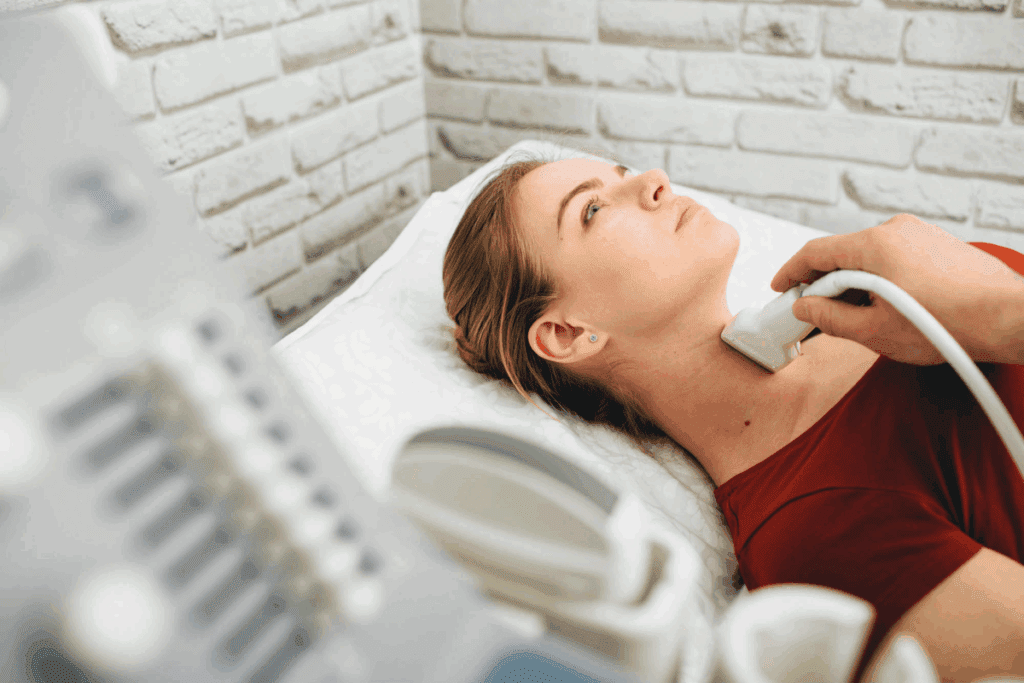
Removing the thyroid gland is a surgical procedure for different thyroid problems. It’s usually done when other treatments don’t work or when the problem is serious.
Thyroid Cancer and Treatment
Thyroid cancer is a main reason for this surgery. Surgery is often the first step to treat thyroid cancer. The goal is to remove the cancer or the whole gland if needed.
Patients with thyroid cancer ask, “Can a person survive without a thyroid?” Yes, but they need to take thyroid hormone replacement therapy for life. This keeps the body’s metabolism and energy levels right.
Graves’ Disease and Hyperthyroidism
Graves’ disease is an autoimmune disorder that leads to too much thyroid hormone. If other treatments don’t work, surgery might be needed. Removing the gland helps control the symptoms by stopping the hormone overproduction.
Those with Graves’ disease wonder, “Can you survive without a thyroid gland?” Yes, but they must take thyroid hormone replacement medication to replace the gland’s function.
Multinodular Goiter and Other Conditions
A multinodular goiter occurs when the thyroid gland becomes big with many nodules. This can cause discomfort and breathing issues. Sometimes, surgery is needed to fix these problems. Other reasons include large goiters or nodules that might be cancerous.
People facing thyroid gland removal need to understand the impact. The question, “Can a person live without a thyroid gland?” is yes, with the right hormone replacement therapy, many people live normal lives after surgery.
Can U Live Without a Thyroid? The Medical Reality
Many wonder if it’s possible to live without a thyroid gland. The gland is key to metabolism and energy. It’s removed in cases of cancer or other diseases.
Without a thyroid, you must take hormone replacement therapy for life. This keeps your metabolism running smoothly.
Survival Depends on Hormone Replacement
For those without a thyroid, gland hormone replacement is a must. It’s not just a suggestion. It’s about taking synthetic hormones to replace the natural ones.
Key aspects of hormone replacement therapy include:
- Consistency in taking medication as prescribed
- Regular monitoring of thyroid hormone levels
- Adjustments to dosage as needed based on blood tests
Quality of Life Considerations
Living without a thyroid can be managed with treatment. Many people live normal lives. The key is effective hormone therapy and good health.
Factors influencing quality of life include:
- The accuracy of thyroid hormone dosage
- The presence of other health conditions
- Lifestyle choices, including diet and exercise
What Medical Science Tells Us
Research shows that with the right therapy, life expectancy is normal. It’s all about sticking to the treatment plan and seeing your doctor regularly.
Here’s a summary of key findings related to living without a thyroid gland:
| Aspect | Details |
| Life Expectancy | Generally normal with proper treatment |
| Quality of Life | It can be high with effective hormone replacement therapy |
| Management Requirements | Lifelong thyroid hormone replacement therapy |
Living without a thyroid is tough, but it’s doable with the right care and commitment. Understanding the medical side and following treatment plans can lead to a fulfilling life.
Thyroid Hormone Replacement Therapy Explained
After removing the thyroid, patients need hormone replacement therapy to stay healthy. This treatment is key for those who have had their thyroid removed. It replaces the hormones the thyroid would make.
Types of Synthetic Thyroid Hormones
Levothyroxine is a common synthetic thyroid hormone used in treatment. It’s a man-made version of thyroxine (T4). In the body, T4 turns into triiodothyronine (T3), the active hormone.
T3 is important for metabolism and energy. Some patients get both T4 and T3. The choice depends on the patient’s needs and the doctor’s advice.
How Replacement Therapy Works
Thyroid hormone replacement therapy supplements the body’s natural hormones. It aims to keep thyroid hormone levels normal. This helps with metabolism, energy, and overall health.
Synthetic hormones can manage hypothyroidism symptoms well. They help people live active, healthy lives. Dosage is adjusted with blood tests to keep hormone levels right.
Dosage Determination and Adjustments
Finding the right dosage involves blood tests for thyroid-stimulating hormone (TSH). TSH controls thyroid hormone production. Doctors use TSH levels to fine-tune hormone doses.
Adjustments may be needed as the patient’s situation changes. Regular check-ups with a doctor are vital. They ensure the treatment works and make any needed changes.
The Daily Reality of Living Without a Thyroid Gland
Living without a thyroid gland means you need to focus on your health. This includes taking the right medication, eating well, and making lifestyle changes.
Medication Routines and Considerations
After thyroid removal surgery, you’ll need to take thyroid hormone replacement therapy for life. This keeps your metabolism balanced and your health good.
The kind and amount of synthetic thyroid hormones you need can change. It’s important to have regular blood tests to check your hormone levels. This helps your doctor adjust your medication.
Key considerations for medication routines include:
- Take your medication at the same time every day.
- Be aware of how other medicines might affect it.
- Go to your doctor’s appointments to change your dosage if needed.
Dietary Recommendations and Restrictions
Your diet is very important when you don’t have a thyroid gland. Some foods can affect how well your body absorbs thyroid hormones.
Here are some tips:
- Eat a balanced diet with all the nutrients you need.
- Avoid too much soy and cruciferous vegetables because they can harm your thyroid.
- Make sure you get enough iodine, but this is more important for people with a thyroid gland.
“A well-balanced diet is key for people without a thyroid gland. It helps keep the right balance of thyroid hormones in your body.”
Exercise and Lifestyle Adaptations
Exercise is important for your health and can help with hypothyroidism symptoms. But, you might need to adjust the type and intensity of your workouts based on your health.
| Exercise Type | Benefits | Considerations |
| Cardiovascular Exercises | Improves heart health and metabolism | Start with low intensity and gradually increase |
| Strength Training | Enhances muscle mass and bone density | Consult with a healthcare provider before beginning |
| Flexibility Exercises | Improves range of motion and reduces stiffness | Can be done daily, even by those with mobility issues |
By making smart choices about medication, diet, and exercise, you can live a full and active life without a thyroid gland.
Monitoring Health After Thyroid Removal
After removing the thyroid gland, you must always watch your health closely. You’ll need to take synthetic hormones every day. Regular check-ups are also key to staying healthy.
Regular Blood Tests and What They Mean
After thyroid removal, blood tests are very important. They check your thyroid hormone levels. TSH levels show if your hormone medication is right.
If TSH levels are off, your doctor might change your medication. This keeps your hormone levels balanced. It’s important for your health.
Signs of Medication Imbalance
Knowing the signs of an imbalance is key. If you have too little hormone, you might feel tired, gain weight, or have dry skin. Too much hormone can cause weight loss, a fast heart rate, anxiety, and feeling too hot.
Spotting these signs early helps you get the right treatment. Your doctor can adjust your medication to keep your hormone levels just right.
Working With Your Healthcare Team
Managing life without a thyroid gland is a team effort. You need to see your doctor regularly. Talking openly about your health is important.
Don’t hesitate to ask questions. Working together, you can manage your condition well. This way, you can live a healthy and active life.
Can You Survive Without a Thyroid and No Medication?
Not having a thyroid gland means you need to understand the risks of skipping medication. You must take thyroid hormone replacement therapy. This therapy helps your body make thyroid hormones like the gland would.
Immediate Effects of Missed Medication
Stopping thyroid medication can cause immediate problems. Your body lacks thyroid hormones. This can lead to:
- Extreme fatigue and weakness
- Cold intolerance
- Dry skin
- Hair loss
- Constipation
Thyroid hormones are key to metabolism and energy. Without them, you feel very tired and weak.
Progressive Symptoms of Untreated Hypothyroidism
Untreated hypothyroidism gets worse over time. Symptoms can include:
- Significant weight gain
- Severe depression
- Memory problems
- Fluid retention
- Muscle weakness
Untreated hypothyroidism can lead to serious health complications. It can make life very hard and even life-threatening.
Myxedema Coma: A Life-Threatening Emergency
Myxedema coma is a severe problem from untreated hypothyroidism. It’s a medical emergency. Symptoms include:
- Severe hypothermia
- Confusion or loss of consciousness
- Respiratory depression
Myxedema coma is a medical emergency that needs quick hospital care. It’s vital to take your medication to avoid such dangers.
In summary, living without a thyroid gland and not taking medication is not safe. Thyroid hormones are vital for your body. Taking thyroid hormone replacement therapy is key to staying healthy and avoiding serious problems.
Challenges and Complications of Living Without Thyroid
Living without a thyroid gland is tough. People who have had their thyroid removed face many health issues. They need to take care of themselves carefully.
Managing Medication Interactions
One big challenge is managing thyroid hormone replacement therapy. This means taking synthetic hormones to replace the thyroid’s natural ones. But these medications can interact with other drugs, making treatment less effective.
Some foods and supplements can also mess with how well the medication works. For example, eating soy products or iron supplements too close to taking thyroid meds can lower their effectiveness. Knowing about these interactions is key to getting the best treatment.
| Medication | Potential Interaction | Recommendation |
| Thyroid Hormone Replacement | Soy Products | Avoid consuming soy products within 4 hours of medication |
| Thyroid Hormone Replacement | Iron Supplements | Take iron supplements at a different time of day |
| Thyroid Hormone Replacement | Calcium Supplements | Avoid taking calcium supplements within 4 hours of medication |
Dealing with Persistent Symptoms
Even with thyroid hormone replacement, some people may keep feeling tired, gain weight, or have mood swings. It’s important to work with a doctor to adjust the medication and handle these symptoms.
Getting regular blood tests is also key. They help check if the medication is working correctly. By making changes as needed, people can manage their symptoms better and live a better life.
Psychological Aspects of Chronic Condition Management
Living with hypothyroidism can affect your mind too. The need for lifelong meds and regular check-ups can be stressful. It’s important to take care of your mental health as well.
Getting support from doctors, family, and support groups is vital. They can help you deal with the emotional side of living without a thyroid. By facing these challenges and getting help, you can handle your condition better.
Life Expectancy and Long-Term Outlook
Thanks to medical progress, people without a thyroid gland can live a normal life span. Studies show that with the right treatment, they can lead active and meaningful lives.
Research on Longevity After Thyroid Removal
Research shows that those without a thyroid and on the right hormone therapy live as long as those with one. The key is finding the right dosage for each person.
Long-term studies have looked at patients with thyroid issues, including those without a thyroid gland. They found that with good care, there’s no big difference in life span.
Factors Affecting Long-Term Health Outcomes
Several things can affect how well someone does without a thyroid. These include the quality of hormone therapy, keeping an eye on hormone levels, and overall health.
- Sticking to the medication plan
- Going to regular check-ups
- Living a healthy lifestyle, like eating right and exercising
Comparing Quality of Life With and Without a Thyroid
People without a thyroid can have a similar quality of life to those with one, if they get the right care. This care includes medication and making lifestyle changes.
| Aspect | With Thyroid Gland | Without Thyroid Gland (with proper management) |
| Life Expectancy | Normal | Normal |
| Quality of Life | Generally good | Generally good |
| Need for Medication | No | Yes, thyroid hormone replacement therapy |
In summary, while managing without a thyroid is a big job, the outlook is good. With the right care and sticking to treatment, people can live a full and healthy life.
Conclusion: Thriving Without a Thyroid
Living without a thyroid gland is manageable with the right treatment. People can live healthy lives. The key is effective thyroid hormone replacement therapy.
Can a person live without a thyroid gland? Yes, if they follow their medication and make lifestyle changes. It means sticking to medication routines, eating right, and checking health often.
Knowing about the thyroid gland’s role helps people live without it. With the right care, it’s possible to survive and enjoy life fully.
FAQ
Can a person live without a thyroid gland?
Yes, a person can live without a thyroid gland. They will need to take thyroid hormone replacement therapy for life to survive.
What happens if you don’t take thyroid medication?
Not taking thyroid medication after thyroid removal can cause symptoms like fatigue and weight gain. These can lead to serious conditions like myxedema coma, which is life-threatening.
How is thyroid hormone replacement therapy determined and adjusted?
Thyroid hormone replacement therapy is adjusted through regular blood tests. These tests check thyroid hormone levels. The dosage is then adjusted to keep levels normal.
What are the challenges of living without a thyroid gland?
Living without a thyroid gland is challenging. It involves managing medication, dealing with symptoms, and coping with the emotional side of a chronic condition.
Can you survive without a thyroid gland and no medication?
No, surviving without a thyroid gland and no medication is not possible. The body needs thyroid hormones to function properly.
What is the life expectancy of someone living without a thyroid gland?
With proper thyroid hormone replacement, people without a thyroid gland can live a normal life expectancy. But health conditions and medical care quality also play a role in long-term health.
Are there any dietary recommendations for individuals living without a thyroid gland?
Yes, people without a thyroid gland should eat a diet rich in nutrients. They should avoid foods that can interfere with their medication.
How often should someone living without a thyroid gland have their thyroid hormone levels checked?
People without a thyroid gland should have their hormone levels checked every 6-12 months. This ensures their medication dosage is correct and makes any needed adjustments.
Can you live a normal life without a thyroid gland?
Yes, with the right medication and lifestyle changes, people without a thyroid gland can live a normal life. They may need to make some adjustments to manage their condition.
What are the signs of medication imbalance in individuals living without a thyroid gland?
Signs of medication imbalance include weight changes, fatigue, and heart rate changes. These symptoms require immediate medical attention to adjust the medication dosage.
References
- Hays, J. C. (2019). Management of thyroid cancer post-thyroidectomy: An overview. Journal of Clinical Endocrinology, 104(8), 3590-3599. Retrieved from https://www.ncbi.nlm.nih.gov/pmc/articles/PMC6713857/