Last Updated on November 26, 2025 by Bilal Hasdemir
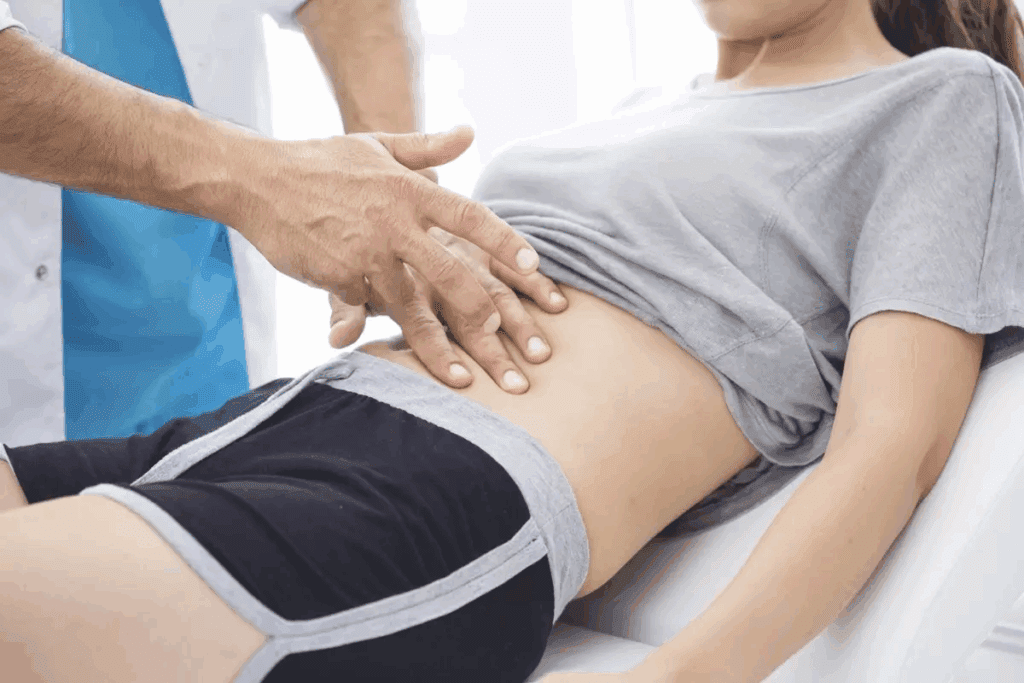
Learn can umbilical hernia cause bloating and what symptoms signal the need for prompt treatment.
Is it just your stomach acting up, or is something more serious going on? Liv Hospital’s trusted expertise sheds light on umbilical and epigastric hernia symptoms.
Umbilical hernias can cause a visible bulge near the belly button, along with discomfort and bloating. Epigastric hernias, on the other hand, may cause pain and bloating in the upper stomach area.
This article will explore the common symptoms of these conditions. We’ll look at bloating and discomfort and discuss diagnosis and treatment options.
Key Takeaways
- Umbilical hernias can cause a visible bulge and discomfort around the belly button.
- Epigastric hernias can lead to pain and bloating in the upper abdominal area.
- Common symptoms include bloating, discomfort, and pain.
- Liv Hospital’s expertise can help diagnose and treat these conditions.
- Understanding the symptoms is key for proper diagnosis and treatment.
Understanding Abdominal Hernias: The Basics
Abdominal hernias happen when an organ or tissue bulges through a weak spot in the abdominal muscles. This can cause pain, discomfort, and serious health issues if not treated.
What Defines a Hernia?
A hernia is when an organ or tissue pushes through a weak spot in the muscle or tissue. Hernias can happen in different parts of the body. When they happen in the belly area, they are called abdominal hernias.
Common Types of Abdominal Hernias
There are many types of abdominal hernias, each with its own features. The most common ones are:
- Umbilical hernias, which happen around the navel
- Epigastric hernias, which occur in the upper midline of the abdomen
- Incisional hernias, which happen through a scar or incision in the abdominal wall
Knowing these types is key for diagnosing and treating them.
How Hernias Affect Abdominal Organs
Hernias can put pressure on nearby organs and tissues, leading to problems. For example, if the intestine is involved, it can cause a bowel obstruction. This is a serious condition that needs quick medical help.
The effect of a hernia on abdominal organs depends on its size and location. It’s important to get medical help if symptoms get worse or don’t go away.
Umbilical Hernias: An Overview
Umbilical hernias happen when part of the intestine or fatty tissue bulges through the belly button area. This is a common issue that can be caused by weak spots in the abdominal wall and increased pressure inside the belly.
Definition and Anatomy
An umbilical hernia occurs when tissue bulges through the navel area. Normally, the belly wall is strong. But if it’s weak, tissue can bulge out, making a bulge. The umbilical ring is a natural weak spot because it is the site where the umbilical cord was once attached during fetal development.
The area around the navel is key to understanding umbilical hernias. The belly wall has layers of muscles and fascia. A weakness in these layers, near the navel, can cause a hernia.
Who Is at Risk for Umbilical Hernias?
Several factors increase the risk of getting an umbilical hernia. These include:
- Pregnancy: The strain and increased abdominal pressure during pregnancy can contribute to the development of umbilical hernias.
- Obesity: Excess weight can put additional strain on the abdominal wall, increasing the risk.
- Multiple pregnancies: Women who have had multiple pregnancies are at a higher risk due to repeated strain on the abdominal wall.
- Fluid in the abdomen (ascites): Conditions that cause ascites can increase abdominal pressure, leading to a higher risk of hernia.
Umbilical hernias can also happen in infants and young children. This is often because of a congenital weakness in the abdominal wall.
Why Umbilical Hernias Are More Common in Females
Umbilical hernias are more common in females, mainly because of pregnancy. The increased pressure and strain during pregnancy can weaken the belly wall near the navel. Hormonal changes during pregnancy also play a role in making the risk higher.
“Pregnancy is a significant risk factor for umbilical hernias in women, as it imposes both mechanical strain and hormonal changes that can affect the abdominal wall.”
Knowing the risk factors is important for preventing and catching umbilical hernias early. Recognizing the signs and symptoms early can help avoid serious problems.
Can Umbilical Hernias Cause Bloating?
Umbilical hernias can cause bloating by changing how abdominal organs move and trapping gas. This happens when part of the intestine bulges through a weak spot in the abdominal muscles near the navel. Knowing how hernias cause bloating helps doctors treat it better.
The Mechanism Behind Hernia-Related Bloating
Bloating from umbilical hernias comes from the way they mess with the stomach’s usual work. When a hernia forms, it can block the intestines’ movement and function.
Disruption of Normal Processes: A hernia can block the intestines, causing gas and fluid to build up. This buildup leads to bloating and pain.
Disruption of Normal Abdominal Organ Positioning
Umbilical hernias cause bloating by moving organs out of place. This can lead to:
- Changes in digestion
- More pressure on nearby tissues
- Gas getting trapped
A medical expert said, “Umbilical hernias moving organs can really hurt digestion, causing bloating.”
“The way umbilical hernias change the body’s anatomy affects more than just the navel area. It can mess with comfort and health in the whole abdomen.”
Gas Trapping and Increased Abdominal Pressure
Gas trapping is a big reason for bloating in people with umbilical hernias. When gas gets trapped, it raises pressure in the belly, making discomfort and bloating worse.
| Factors Contributing to Bloating | Effects on Abdominal Health |
| Gas Trapping | More pressure in the belly, discomfort |
| Organ Displacement | Changes in digestion, possible complications |
Distinguishing Hernia Bloating from Other Causes
Telling if bloating is from a hernia or something else is important for the right treatment. Other reasons for bloating include what you eat, irritable bowel syndrome (IBS), and other stomach problems.
To figure out why someone is bloating, a full medical check-up is needed. This might include tests and looking at the patient’s health history.
In summary, umbilical hernias can cause bloating by messing with organ placement and trapping gas. Knowing how they do this helps doctors give better care and relief to those with hernia-related bloating.
7 Key Symptoms of Umbilical Hernias
Knowing the symptoms of umbilical hernias is key for getting help early. These hernias show up in different ways, affecting daily life and health.
Visible Bulge Around the Navel
A bulge or swelling near the navel is a common sign. It gets bigger when you cough, strain, or stand up.
Pain and Discomfort
Pain or discomfort around the navel is another symptom. It can be mild or severe and gets worse with activity or heavy lifting.
Bloating and Digestive Issues
Bloating and digestive problems can also happen. They come from the hernia messing with how organs sit and trapping gas.
Changes During Physical Activity
Symptoms of umbilical hernias can shift with activity. For example, the bulge or pain might get worse with hard work.
| Symptom | Description | Factors that Exacerbate |
| Visible Bulge | Swelling around the navel | Coughing, straining, standing |
| Pain and Discomfort | Localized pain around the navel | Physical activity, heavy lifting |
| Bloating and Digestive Issues | Bloating, digestive discomfort | Gas trapping, organ displacement |
| Changes During Activity | Variation in symptoms with activity | Strenuous activities |
Epigastric Hernias Explained
It’s important to know about epigastric hernias to treat their pain. These hernias happen in the upper belly, between the chest and the belly button.
What Makes Epigastric Hernias Different
Epigastric hernias stand out because of where they are and how they happen. They’re not like umbilical hernias, which are near the navel. This unique spot changes how symptoms and treatments work.
“Finding an epigastric hernia can be tough because its symptoms are similar to other belly issues,” a study on hernias says. This shows we need accurate ways to diagnose them.
Anatomical Location Above the Belly Button
The upper belly is where epigastric hernias bulge through weak spots in the wall. The spot they appear in matters because it affects the pain and possible problems.
Prevalence and Demographics
Epigastric hernias are not as common as other belly hernias. They happen more in men than women. Knowing who’s at risk helps in stopping them before they start.
- Epigastric hernias are rare, making up a small part of all belly hernias.
- They mostly show up in adults, causing pain and discomfort.
- Spotting them early is key to avoiding bigger issues.
Understanding epigastric hernias helps doctors give better care. Knowing about them also helps in finding ways to prevent them in people who might get them.
What Causes Epigastric Hernias?
Epigastric hernias can be caused by several factors. These include congenital weaknesses and lifestyle-related conditions. Knowing these causes helps in preventing and treating the condition.
Congenital Weakness in the Abdominal Wall
Congenital weakness in the abdominal wall is a main cause of epigastric hernias. This weakness is present from birth. It can show up later in life due to various reasons.
The abdominal wall has layers of muscles and connective tissue. Any congenital defect in these layers can lead to a hernia.
Obesity and Weight-Related Factors
Obesity is a big factor in getting epigastric hernias. Being overweight puts more pressure on the abdominal wall. This makes it more likely to herniate.
Rapid weight loss or gain also strains the abdominal muscles. This increases the risk of a hernia.
Physical Strain and Pressure
Physical strain and increased abdominal pressure are major causes. Activities like heavy lifting, bending, or strenuous exercise can stress the abdominal wall. This can lead to a hernia.
Chronic coughing or straining during bowel movements also raises the risk. These actions increase the pressure on the abdominal wall.
Other Contributing Medical Conditions
Certain medical conditions can also cause epigastric hernias. For example, conditions that increase intra-abdominal pressure, like ascites or large tumors, can weaken the abdominal wall. Over time, this can lead to a hernia.
Chronic diseases that affect connective tissue, like Ehlers-Danlos syndrome, also raise the risk. These diseases can weaken the abdominal wall, making it more susceptible to hernias.
Symptoms of Epigastric Hernias in Males and Females
Epigastric hernias show different symptoms in men and women. This is why knowing the signs is key for a correct diagnosis. These hernias happen in the upper belly, between the navel and the breastbone.
Common Symptoms Across Genders
Even though there are differences, some symptoms are the same for both men and women. These include:
- Pain or discomfort in the upper abdomen, which can be sharp or dull
- A noticeable bulge or lump in the epigastric region
- Nausea and vomiting, mostly after eating
- Bloating and discomfort after meals
Table: Common Symptoms of Epigastric Hernias
| Symptom | Description |
| Pain/Discomfort | Sharp or dull pain in the upper abdomen |
| Visible Bulge | Noticeable lump in the epigastric region |
| Nausea/Vomiting | Especially after eating |
Gender-Specific Manifestations
While symptoms are similar, there are differences between men and women. For example, pregnancy can make symptoms worse in women because of increased belly pressure.
Epigastric Hernia Symptoms in Women
Women might have extra symptoms or different ones because of pregnancy or hormonal changes. For example, pregnancy can make belly pressure worse. Hormonal changes can also affect belly muscle tone.
- Increased abdominal pressure during pregnancy
- Hormonal changes affecting abdominal muscle tone
- Potential for misdiagnosis due to overlapping symptoms with other conditions
It’s important for doctors to know these differences. This helps them diagnose and treat epigastric hernias better in both men and women.
Diagnosing Umbilical and Epigastric Hernias
To find out if you have an umbilical or epigastric hernia, doctors use a detailed clinical examination. They might also do imaging studies to see how big the hernia is.
Clinical Examination Techniques
First, doctors do a physical check to look for a bulge or swelling in your belly. They focus on the area around your navel or the epigastric region.
They might ask you to stand, cough, or strain to see the hernia better. They also check its size and if it hurts.
Imaging Studies and Their Importance
Even with a physical check, imaging studies like ultrasound or CT scans might be needed. They help confirm the diagnosis or see how serious the hernia is.
These studies are key when the diagnosis is not clear. They help spot complications like incarceration or strangulation of the hernia.
Differential Diagnosis Considerations
When checking for umbilical and epigastric hernias, doctors also look at other possible causes. This includes abdominal wall tumors, abscesses, or other hernias.
A good physical check and imaging studies help doctors make the right diagnosis. This way, they can plan the best treatment for you.
Treatment Options for Abdominal Hernias
There are many ways to treat abdominal hernias. You can choose from watching and waiting to surgery. The right choice depends on the hernia’s size, your health, and symptoms.
Conservative Management Approaches
Small, symptom-free hernias might just need watching. You can make lifestyle changes to help. Keep a healthy weight, avoid heavy lifting, and manage coughing or constipation.
- Watchful waiting for small, asymptomatic hernias
- Lifestyle changes to prevent hernia progression
- Avoiding activities that strain the abdominal muscles
Surgical Interventions
Big, symptomatic, or complicated hernias usually need surgery. There are open and laparoscopic repairs. The choice depends on the hernia and your health.
Key surgical options include:
- Open hernia repair, which involves making an incision near the hernia site to repair the weakness
- Laparoscopic hernia repair, a minimally invasive technique using small incisions and a camera to guide the repair
Recovery and Post-Treatment Care
After surgery, rest and avoid heavy lifting. Follow your doctor’s care instructions closely. This helps prevent complications and aids in recovery.
Regular check-ups with your healthcare team are important. They help monitor your healing and address any issues.
Liv Hospital’s Multidisciplinary Approach to Hernia Treatment
Liv Hospital treats hernias with a team of experts. This team includes surgeons, radiologists, and rehabilitation specialists. They work together to tailor care to each patient.
Liv Hospital’s approach includes:
- Thorough pre-operative evaluation to determine the best treatment plan
- State-of-the-art surgical facilities and techniques
- Comprehensive post-operative care and follow-up
When to Seek Medical Attention for Hernia Symptoms
If you have hernia symptoms, knowing when to get medical help is key. Some hernias may not show severe symptoms at first. But, it’s important to watch your condition and know when to seek medical help.
Warning Signs of Complications
Certain symptoms can mean serious problems with hernias. These include:
- Severe abdominal pain that gets worse over time
- Nausea and vomiting, if you can’t keep food or liquids down
- Constipation or trouble passing gas, which might mean bowel obstruction
- Fever, which could mean infection or inflammation
- A change in the color or temperature of the skin over the hernia, which could mean strangulation or incarceration
If you have any of these symptoms, you need to see a doctor right away.
Emergency Situations Requiring Immediate Care
Some hernia problems are emergencies. For example, if a hernia becomes strangulated or incarcerated, it can cut off blood to the intestine. This can lead to tissue death. Emergency symptoms include:
- Extreme pain at the hernia site
- Tenderness and swelling around the hernia
- Can’t push the hernia back in
- Signs of bowel obstruction or ischemia
In these cases, you need to get medical help fast. It’s not just a good idea; it’s necessary.
Finding the Right Specialist
If you think you have a hernia or are experiencing symptoms, see a specialist. Look for a gastrointestinal surgeon or a general surgeon with hernia repair experience. They can diagnose you properly and suggest the best treatment.
Liv Hospital’s Preventive and Curative Services
Liv Hospital offers full care for hernias, including prevention and treatment. Their team includes skilled surgeons for hernia repair. They help from the first visit to aftercare, focusing on your overall health.
Knowing the warning signs and when to get medical help can prevent serious problems. This ensures the best treatment for your hernia.
Conclusion: Managing Hernia-Related Bloating and Symptoms
Understanding hernia symptoms is key to managing them well. Hernia-related bloating can be tough to handle. It depends on the hernia type, size, and your overall health.
Knowing the signs of umbilical and epigastric hernias is important. It helps you get medical help early. This can prevent serious problems and improve treatment results.
Treatment options, whether non-surgical or surgical, aim to reduce symptoms like bloating. They help restore normal function in your abdomen.
Places like Liv Hospital use a team approach to treat hernias. This ensures patients get care that fits their needs. Learning about hernia-related bloating helps you manage it better. It can also improve your life quality.
FAQ
What is the difference between an umbilical hernia and an epigastric hernia?
An umbilical hernia is near the belly button. An epigastric hernia is higher, between the belly button and the chest.
Can umbilical hernias cause bloating?
Yes, umbilical hernias can cause bloating. This happens because of how they affect the position of organs and gas.
What are the symptoms of an epigastric hernia?
Symptoms include pain in the upper belly, bloating, and a visible bulge.
How are umbilical and epigastric hernias diagnosed?
Doctors use a physical exam and imaging like ultrasound or CT scans to diagnose hernias.
What are the treatment options for abdominal hernias?
Treatment can be non-surgical, like lifestyle changes, or surgical, like hernia repair.
Can epigastric hernias cause pain?
Yes, they can cause pain in the upper belly. This pain can get worse with activity or heavy lifting.
Are umbilical hernias more common in females?
Yes, umbilical hernias are more common in females. This is often due to pregnancy or weight changes.
What causes epigastric hernias?
Causes include congenital weakness, obesity, and physical strain. Other medical conditions can also play a role.
How can I distinguish between hernia-related bloating and other causes of bloating?
To tell the difference, you should see a healthcare professional. They can evaluate and diagnose properly.
When should I seek medical attention for hernia symptoms?
Seek medical help for severe pain, vomiting, or bowel obstruction signs. Also, if the hernia suddenly gets bigger.
Can I prevent abdominal hernias?
While you can’t prevent all hernias, staying healthy, avoiding heavy lifting, and managing conditions can help.
What is the role of Liv Hospital in treating hernias?
Liv Hospital offers a team approach to hernia treatment. They provide detailed care and surgery for abdominal hernias.
References
Khalil, H. M., et al. (2021). Biliary leakage following cholecystectomy: A prospective population study. Journal of Research in Medical and Dental Science, 9(5), 289-296. Retrieved from https://www.jrmds.in/articles/biliary-leakage-following-cholecystectomy-a-prospective-population-study-84919.html