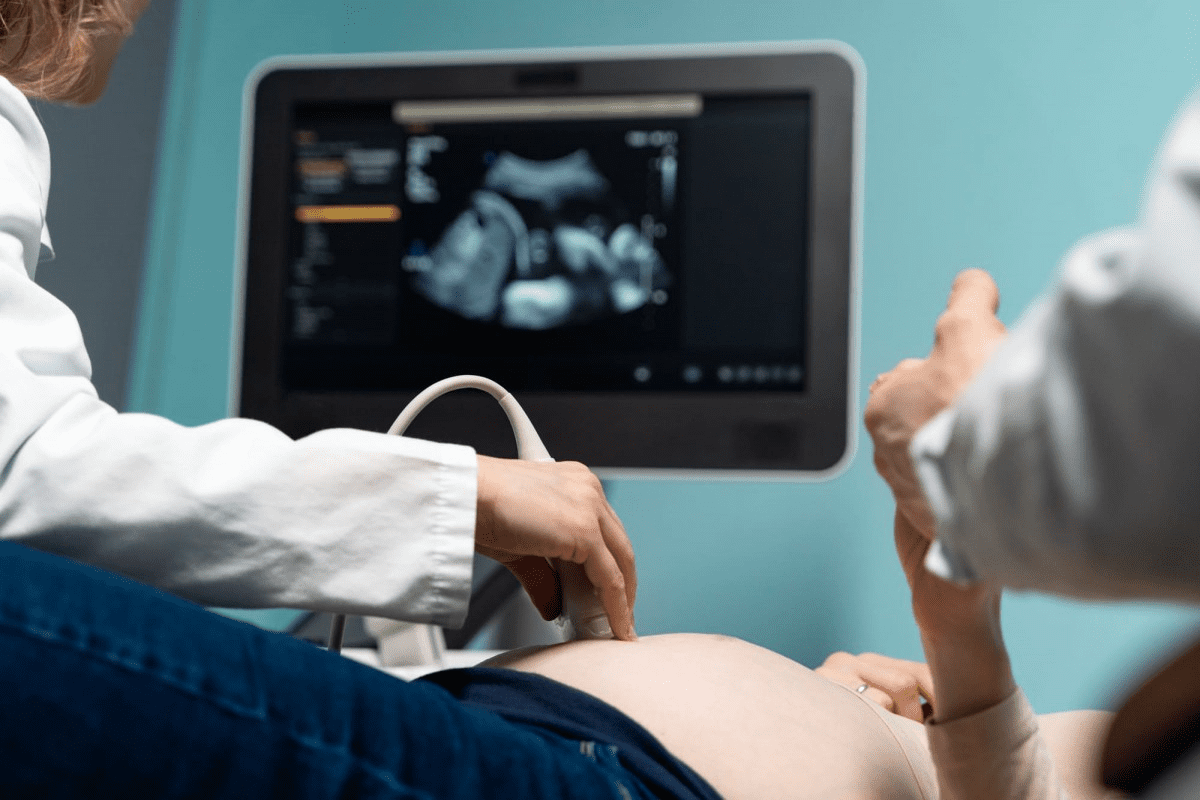

Many women think having a regular period means they’re fertile. But, it’s not that simple. Can you be infertile and still have a period? This ultimate guide reveals the alarming, critical truth about anovulation and hidden infertility.
Even with regular periods, women can face infertility. This is because of issues with ovulation, egg health, or how their reproductive organs work.
At Liv Hospital, we get how complicated menstruation and fertility are. We use the latest tech and focus on our patients to tackle these challenges.
Key Takeaways
- Regular periods do not guarantee fertility.
- Underlying conditions can affect ovulation and egg health.
- Reproductive organ function plays a critical role in fertility.
- Advanced diagnostic tools can spot fertility problems.
- Putting patients first is key to solving reproductive health issues.
Understanding the Relationship Between Periods and Fertility

Many women think regular periods mean they’re fertile. But this isn’t always true. Regular menstrual cycles show good reproductive health, but the link between menstruation and fertility is complex.
Regular periods are just one part of reproductive health. They show the uterus works well and hormones are balanced.
What Regular Periods Actually Indicate
Regular periods mean the uterine lining sheds regularly, which is good. But, it doesn’t confirm ovulation or other reproductive processes work right. It’s key to know regular periods don’t mean you’re fertile.
The Difference Between Menstruation and Ovulation
Menstruation is when the uterine lining sheds, and ovulation is when an egg is released. These are different processes. Knowing this helps us understand fertility better.
14% to 25% of women have irregular cycles, which might mean fertility issues. Regular periods don’t mean ovulation or other reproductive processes work right.
Understanding menstruation and ovulation helps us see how periods and fertility are connected.
The Menstrual Cycle Explained
The menstrual cycle is a monthly process that prepares the body for pregnancy. It involves hormonal and physiological changes. These changes help women conceive.
Hormonal Regulation of Menstruation
Hormones like estrogen and progesterone control the menstrual cycle. Estrogen levels rise in the first half, helping the uterine lining grow. Progesterone levels increase in the second half, keeping the lining ready for an egg.
We will look at how these hormones affect fertility. Controlling these hormones is key for ovulation and the menstrual cycle.
The Four Phases of the Menstrual Cycle
The menstrual cycle has four phases: menstruation, the follicular phase, ovulation, and the luteal phase. Knowing these phases helps us understand fertility.
- Menstruation: The shedding of the uterine lining if no pregnancy occurs.
- Follicular Phase: The period when follicles mature, leading to ovulation.
- Ovulation: The release of a mature egg from the ovary.
- Luteal Phase: The period after ovulation where the uterine lining is maintained for possible implantation.
Each phase is vital for the cycle and fertility. Problems in any phase can affect a woman’s ability to conceive.
Understanding the menstrual cycle and its hormones helps us see the complexity of fertility. It shows how issues can arise even with regular periods.
Can You Be Infertile and Stil Have a Period?
Infertility and regular periods can happen together. It’s important to know why for those trying to get pregnant. Many women with regular cycles think they’re fertile, but this isn’t always true. Many health issues can affect fertility, even with regular periods.
The Surprising Truth About Periods and Fertility
Regular periods mean the menstrual cycle is working right. But, being fertile is more than just having periods. It also means ovulating, having good egg quality, and a healthy reproductive system. For example, anovulation, when no egg is released, can cause infertility even with regular periods.
Statistics on Regular Periods and Infertility
About 30 to 40 percent of infertility cases are due to irregular or abnormal ovulation. This shows that even women with regular periods can face fertility issues. It’s because of many different reasons.
Cause of Infertility | Percentage of Cases |
Irregular or Abnormal Ovulation | 30-40% |
Blocked Fallopian Tubes | 10-20% |
Hormonal Imbalances | 5-10% |
Common Misconceptions About Menstruation and Fertility
Many think regular periods mean they’re fertile. But, regular periods don’t always mean you can get pregnant. Other things like egg quality, fallopian tube health, and hormonal balance are also important for fertility.
Knowing these things helps understand why some women with regular periods might struggle with infertility.
Anovulation: Having Periods Without Releasing Eggs
Many women with regular periods might not know they’re not ovulating. This is called anovulation. It happens when the ovaries don’t release an egg, even though they bleed. This is a big reason why some women can’t get pregnant.
Understanding Anovulatory Cycles
Anovulatory cycles happen when hormones needed for ovulation get out of balance. The menstrual cycle relies on a balance of hormones, like estrogen and progesterone. When this balance is off, ovulation doesn’t happen.
About 30-40% of female infertility is due to anovulation. This shows how important it is to understand and treat anovulation in women trying to get pregnant.
Identifying Anovulation
It’s hard to tell if someone is not ovulating, as they might have regular periods. But, there are signs like irregular or missing ovulation, changes in cycle length, and trouble getting pregnant.
Doctors use tests like tracking basal body temperature, ovulation predictor kits, and ultrasound to find anovulation. Blood tests for hormone levels, like progesterone, also help see if ovulation has happened.
Causes of Anovulatory Cycles
Many things can cause anovulatory cycles. Hormonal imbalances are common. Other causes include polycystic ovary syndrome (PCOS), thyroid problems, too much prolactin, and big weight changes.
Cause | Description | Impact on Ovulation |
Hormonal Imbalance | Disturbances in estrogen, progesterone, and testosterone levels. | Disrupts ovulation by affecting follicular development and release. |
PCOS | A condition characterized by multiple cysts on the ovaries, hormonal imbalance, and ovulation problems. | Often leads to anovulation due to hormonal and metabolic factors. |
Thyroid Disorders | Both hypothyroidism and hyperthyroidism can affect ovulation. | Can disrupt the normal hormonal balance necessary for ovulation. |
Knowing why anovulation happens is key to finding treatments. By fixing the underlying issues, women with anovulatory cycles can increase their chances of getting pregnant.
Age-Related Fertility Decline Despite Regular Periods
Age and fertility are linked in a complex way. Even with regular periods, fertility can decline with age. As women get older, their bodies undergo changes that affect their ability to get pregnant.
How Age Affects Egg Quality
Egg quality is a key factor in fertility decline with age. Egg quality naturally gets worse as women get older. This happens because cells in the eggs get damaged over time.
Women in their 20s and early 30s usually have better egg quality. But even with regular periods, egg quality can drop, making it harder to get pregnant.
The Fertility Timeline for Women
Knowing when you’re most fertile is important for women trying to conceive. Fertility peaks in the early to mid-20s. After that, it starts to decline.
By 35, the decline is more noticeable. And by the late 30s and early 40s, getting pregnant naturally becomes very challenging.
- Women under 25: Optimal fertility
- Women between 25-35: Fertility begins to decline gradually
- Women over 35: Noticeable decline in fertility
- Women over 40: Significant challenges in conceiving
Testing Ovarian Reserve
For women worried about their fertility, testing ovarian reserve can offer insights. It checks the number and quality of eggs through hormone tests and ultrasounds.
These tests help women understand their chances of getting pregnant. They can make better decisions about their fertility plans.
Fallopian Tube Issues and Infertility
The fallopian tubes are key to fertility. They carry the egg to the uterus and are where fertilization happens. Issues with them can cause infertility.
Causes of Blocked Fallopian Tubes
Blocked fallopian tubes are a big reason for infertility. Several things can cause blockages, including:
- Pelvic Inflammatory Disease (PID): PID often comes from untreated sexually transmitted infections and can block the tubes.
- Endometriosis: This condition can cause inflammation and scarring in the tubes, leading to blockages.
- Previous Surgeries: Surgeries, like those on the fallopian tubes, can cause scar tissue and adhesions that block the tubes.
- Tubal Ligation: While meant to prevent pregnancy, tubal ligation can sometimes be reversed. But it causes blockage.
Diagnosing Tubal Factor Infertility
Tests are used to see if the fallopian tubes are blocked. These include:
- Hysterosalpingogram (HSG): An HSG is an X-ray test that uses dye to see the tubes and check for blockages.
- Laparoscopy: This surgery lets a doctor look at the tubes and other organs for damage or blockages.
- Sonohysterography: This ultrasound test uses fluid in the uterus to check for tube abnormalities.
Treatment Options for Tubal Blockages
Treatment for blocked tubes depends on the cause and how bad it is. Options include:
- Surgical Intervention: Surgery can remove blockages, repair damaged tubes, or reverse tubal ligation.
- In Vitro Fertilization (IVF): IVF bypasses the tubes, making it a good option for women with blockages.
- Antibiotics for PID: Antibiotics can clear PID infections, which might help restore tube function.
Knowing about fallopian tube issues, diagnosis, and treatments is key for women with infertility. By tackling these problems, many women can increase their chances of getting pregnant.
Uterine Abnormalities That Affect Fertility
Uterine abnormalities can make it hard for women to get pregnant. These issues can be structural or functional. We’ll look at how they affect fertility and how to diagnose them.
Fibroids and Their Impact on Conception
Fibroids are non-cancerous growths in or around the uterus. They can be small or large and affect fertility. Fibroids can affect fertility by changing the uterine shape, making implantation hard, or altering blood flow.
The size, number, and location of fibroids matter. For example, submucosal fibroids can hurt fertility more than subserosal ones.
Polyps, Adhesions, and Other Structural Issues
Other uterine issues can also impact fertility. Polyps on the uterine lining can block implantation or change the uterine shape. Adhesions, or Asherman’s syndrome, are scar tissues inside the uterus, often from surgeries or infections.
Structural issues like unicornuate or bicornuate uterus can also affect fertility. These issues can change the uterine shape and size, making it hard for an embryo to implant or grow.
Diagnostic Approaches for Uterine Factors
Diagnosing uterine issues involves imaging tests and procedures. Ultrasound is often the first test used to check the uterus. It can spot fibroids, polyps, and other issues.
Hysteroscopy lets doctors see inside the uterus directly. Saline infusion sonography (SIS) fills the uterus with saline to improve ultrasound images. Sometimes, MRI is used for more detailed images.
It’s important to understand and treat uterine abnormalities for women with fertility issues. Identifying and treating these problems can help increase the chances of getting pregnant.
Hormonal Imbalances and Regular Periods
It’s important for women trying to conceive to know about hormonal issues. Even if periods are regular, hormonal imbalances can affect fertility.
Subtle Hormonal Issues That Affect Fertility
Hormonal imbalances can show up in different ways, impacting fertility even with regular periods. The balance of hormones that control ovulation and support pregnancy is key.
Common hormonal issues include thyroid problems, insulin resistance, and imbalances in estrogen and progesterone. These can mess with ovulation, making it tough to get pregnant.
The Role of Prolactin and Other Hormones
Prolactin, made by the pituitary gland, is very important for fertility. Elevated prolactin levels can stop ovulation, causing fertility problems. Hormones like FSH and LH are also vital for ovulation and reproductive health.
- Prolactin helps regulate milk production during breastfeeding.
- Abnormal prolactin levels can indicate pituitary gland issues.
- FSH and LH work together to facilitate ovulation.
Testing for Hormonal Imbalances
Diagnosing hormonal imbalances involves medical history, physical exam, and lab tests. Blood tests measure hormone levels, like prolactin, FSH, and LH, to find imbalances.
In some cases, additional testing is needed to check thyroid function or insulin sensitivity. Knowing these hormonal balances is essential for tackling fertility challenges.
PCOS: Regular-Looking Periods That May Affect Fertility
Women trying to get pregnant need to know about PCOS. It can affect fertility, even if periods seem normal. PCOS, or Polycystic Ovary Syndrome, is a complex disorder that affects many women.
Understanding Polycystic Ovary Syndrome
PCOS has symptoms like hormonal imbalances and ovulation problems. Women with PCOS might have irregular or regular periods. This makes it tricky to diagnose.
The exact cause of PCOS is not known. But, genetics and environment play a role. Women with PCOS often have insulin resistance, high androgens, and inflammation.
How PCOS Impacts Fertility Despite Menstruation
PCOS is a top reason for infertility in women. Even with regular periods, women with PCOS may struggle to get pregnant. The hormonal imbalance can stop ovulation, making it hard to release an egg.
PCOS also links to metabolic problems like insulin resistance. This makes fertility even harder. Managing PCOS is key to improving fertility.
Managing PCOS for Improved Fertility
Managing PCOS needs a mix of lifestyle changes, medical treatments, and sometimes fertility help. Eating well, exercising, and keeping a healthy weight can help. These steps improve insulin sensitivity and hormonal balance.
Doctors might prescribe medications to regulate cycles and ovulation. They can also suggest fertility treatments like IUI or IVF for those who can’t conceive.
Understanding PCOS and its effects on fertility is important. Women can take steps to manage their condition and boost their chances of getting pregnant. Working with healthcare providers is essential to create a personalized treatment plan.
Male Factor Infertility in Couples
Many think the problem with not getting pregnant is the woman’s fault. But, male factor infertility is a big part of it. Even if the woman’s cycles are regular, the man’s fertility can stop conception. It’s key to understand these issues to solve the problem.
When Her Cycles Are Perfect But Conception Doesn’t Occur
If the woman has regular cycles and seems to ovulate right, but they can’t get pregnant, look at the man’s fertility. Check out different parts of male fertility to find the problem.
Common Male Fertility Issues
Male fertility can be hit by several things, like low sperm count and poor motility. These can really make it hard to get pregnant.
Some common male fertility problems are:
- Low sperm count: This means there are fewer sperm than usual in the semen.
- Poor sperm motility: Sperm can’t move well through the reproductive system.
- Abnormal sperm morphology: Sperm are shaped wrong, which makes it hard for them to fertilize an egg.
Evaluating Male Fertility
To check male fertility, there are tests and exams to look at sperm quality and other things. A semen analysis is a main test to see sperm count, motility, and shape.
Test | Description | Normal Values |
Semen Analysis | Examines sperm count, motility, and morphology | Count: 15 million/ml; Motility: >32%; Morphology: >4% |
Hormone Testing | Checks levels of testosterone and other hormones important for sperm making | Varies by hormone and lab standards |
Genetic Testing | Finds genetic problems that might affect fertility | N/A |
It’s important to know about male factor infertility for couples trying to conceive. By finding and fixing male fertility problems, couples can find ways to have a baby.
When to Seek Medical Help for Fertility Concerns
If you’re having trouble getting pregnant, knowing when to get medical help is key. Many couples face challenges in conceiving. It’s important to know when to seek assistance.
Having regular periods doesn’t mean you’re definitely fertile. “You can be infertile and have a period,” a fact many find surprising. This is why it’s key to know when to get medical help.
Age-Based Guidelines for Fertility Evaluation
Age is a big factor in fertility. Guidelines suggest when to get evaluated based on age and how long you’ve been trying. Women under 35 should try for a year before seeking help. Those over 35 should try for six months.
Consider your age and health when deciding to get evaluated. Women over 40 should seek help within three months. This is because egg quality and quantity drop fast with age.
Warning Signs Despite Regular Periods
Even with regular periods, some signs may mean you need to see a doctor. Look out for severe menstrual cramps, heavy or irregular bleeding, and big weight changes.
Other signs include a history of pelvic surgery, known endometriosis, or past fertility problems. Spotting these signs early can help tackle fertility issues.
“The presence of regular periods is not always a reliable indicator of fertility. Underlying issues can affect conception.”
Preparing for Your First Fertility Appointment
Getting ready for your first fertility appointment means knowing what to expect and gathering info. Keep track of your menstrual cycles, symptoms, and medical history.
At the appointment, you’ll get a full check-up. This includes talking about your medical history, a physical exam, and possibly tests. Being ready makes the most of your visit.
Understanding when to seek medical help and being ready for your evaluation can help couples tackle fertility concerns.
Conclusion
Many think regular periods mean you’re fertile. But, it’s not that simple. We’ve looked into how different things can affect fertility, even with regular cycles.
Things like not ovulating can really hurt your chances of getting pregnant. Getting older can also make your eggs less good. Plus, problems with the fallopian tubes, uterus, or hormones can play a part. Even with regular periods, conditions like PCOS can mess with your fertility.
Don’t forget about male infertility. It’s just as important as the woman’s side. We’ve talked about why looking at both partners is key when trying to conceive.
Understanding fertility is complex. If you’re having trouble getting pregnant, getting medical help is a big step. We urge those facing infertility to talk to doctors. They can help create a plan just for you.
FAQ
Can you be infertile and yet ovulate?
Yes, it’s possible. Ovulation means an egg is released from the ovary. But being fertile involves more, like egg quality and hormonal balance.
Can you be infertile and have regular periods?
Yes, regular periods don’t mean you’re fertile. Many things, like age or hormonal issues, can affect fertility even with regular cycles.
Can you be infertile and have a period?
Yes, it’s possible. Menstruation is when the uterine lining is shed. It’s different from ovulation and fertility.
Can you ovulate and be infertile?
Yes, ovulation is key but not enough for fertility. Other factors like egg quality and hormonal balance also matter.
Are regular periods a sign of fertility?
No, regular periods just mean your uterus is working and hormones are balanced. But they don’t guarantee you can get pregnant.
Does an infertile woman have periods?
Yes, many infertile women do have periods. Being infertile doesn’t mean you can’t have periods. It means you can’t get pregnant.
How do you know if you’re not fertile?
Tests can show if you’re not fertile. These include hormone tests and scans to check your reproductive organs.
Can you ovulate and yet be infertile?
Yes, ovulation is important for fertility. But other issues like poor egg quality or blocked tubes can also cause infertility.
How to know if a woman is barren?
“Barren” is an old word for infertility. Doctors can check fertility with hormone tests and scans to find problems.
How to know if you’re not fertile?
Medical tests can check fertility. These include tests for hormone levels and the health of your reproductive organs.
Do infertile women have periods?
Yes, many infertile women have regular periods. Being infertile means you can’t get pregnant, not that you can’t have periods.
How do you know if you’re fertile or not?
Doctors can check fertility with tests. These include hormone tests and scans to see if your reproductive organs are healthy.
If you’re infertile, do you get periods?
Yes, many infertile women do get periods. Getting periods doesn’t mean you’re fertile.
If you’re infertile, do you have periods?
Yes, being infertile doesn’t mean you won’t have periods. Menstruation and fertility are different things.
References
National Center for Biotechnology Information. Regular Menstrual Cycles and Infertility: Challenging Assumptions. Retrieved from https://www.ncbi.nlm.nih.gov/pmc/articles/PMC4964792/