Last Updated on November 14, 2025 by Ugurkan Demir
Anemia is when your body doesn’t have enough healthy red blood cells or hemoglobin. If it’s not treated or is very severe, it can cause serious problems. This can shorten your life and even lead to death. Many patients ask can you die being anemic, and the answer is yes, especially in severe cases or when anemia is a complication of other chronic diseases. Around the world, about 1.6 deaths per 100,000 people are due to anemia every year.
At Liv Hospital, we know how serious anemia can be. We focus on helping our patients get the care they need quickly. This way, we can lower the risks of this condition.
Key Takeaways
- Anemia can be life-threatening if severe or left untreated.
- Approximately 1.6 deaths per 100,000 people are linked to anemia globally each year.
- Timely medical intervention is key in managing anemia.
- Liv Hospital offers a patient-centered approach to treating anemia.
- Understanding the risks of anemia is important for effective management.
Understanding Anemia: Definition, Types, and Severity Levels
Anemia is a condition where the body doesn’t get enough oxygen. This happens when there’s less hemoglobin or red blood cells. It’s important to know about anemia and its risks.
What Is Anemia and How Is It Diagnosed?
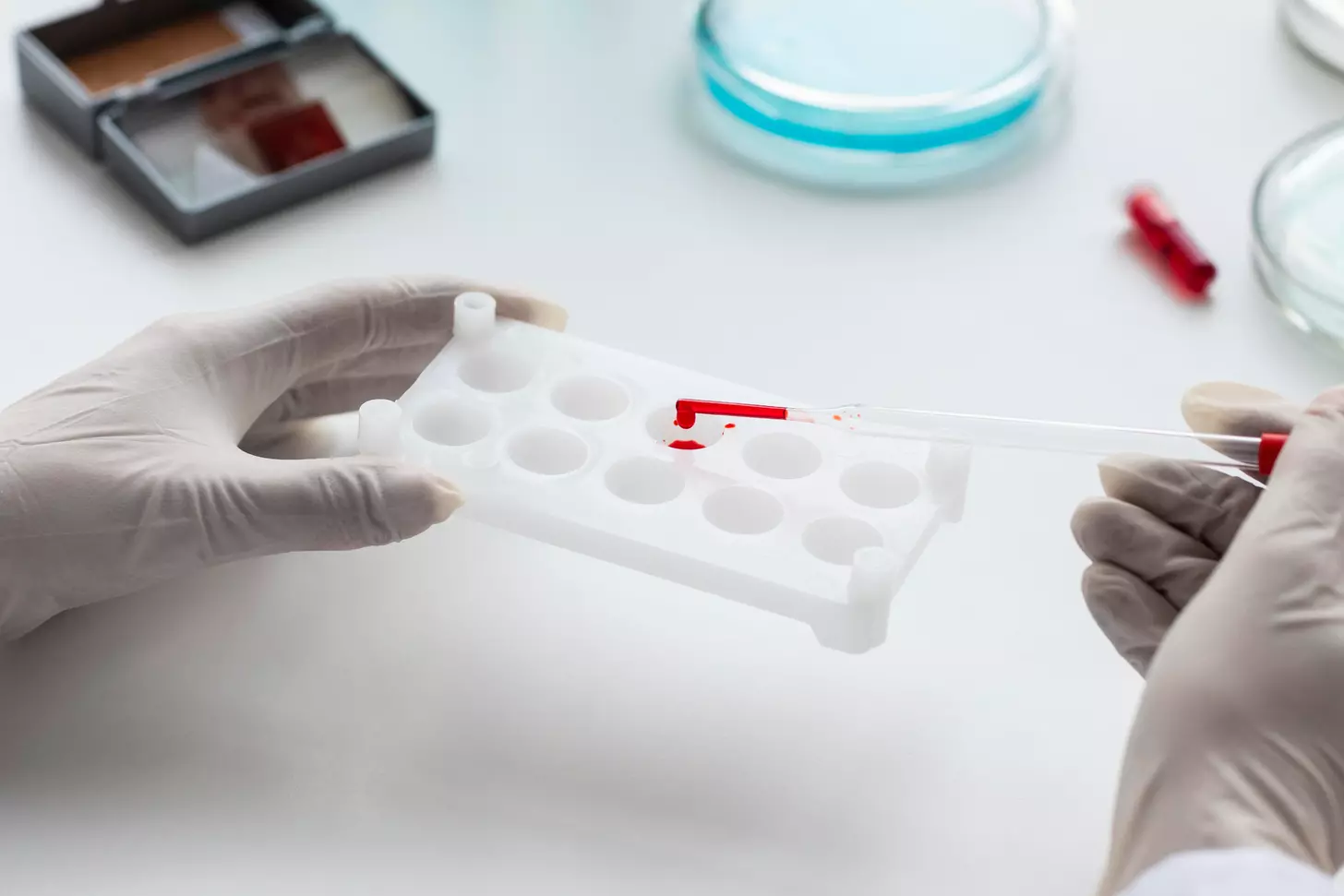
To find out if you have anemia, doctors do blood tests. They check your hemoglobin, hematocrit, and red blood cell count. If your hemoglobin is too low, you might have anemia.
Common Types of Anemia and Their Causes
There are many types of anemia, each with its own cause. Iron deficiency anemia happens when you don’t have enough iron. Aplastic anemia is when your bone marrow doesn’t make enough blood cells. Hemolytic anemia is when red blood cells break down too fast.
| Type of Anemia | Cause | Characteristics |
| Iron Deficiency Anemia | Insufficient iron | Low hemoglobin levels |
| Aplastic Anemia | Bone marrow failure | Reduced production of blood cells |
| Hemolytic Anemia | Premature destruction of red blood cells | Elevated bilirubin levels |
Measuring Severity: Mild, Moderate, and Severe Anemia
Anemia can be mild, moderate, or severe. Mild anemia might not show symptoms. Moderate anemia can make you feel tired and weak. Severe anemia can cause serious health issues, like heart problems and problems during pregnancy.
Global Mortality Statistics: Can You Die Being Anemic?
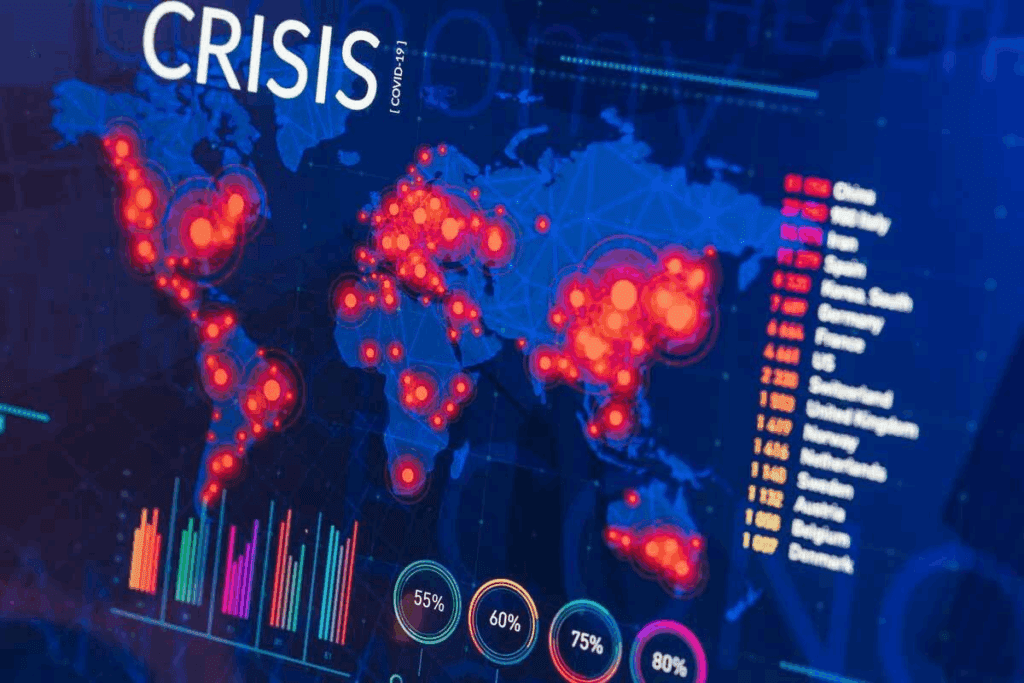
Anemia has a big impact on health worldwide, causing many deaths each year. It’s not just a condition; it’s a serious health issue. If not managed well, it can lead to death.
Worldwide Anemia-Related Death Rates
About 1.6 deaths per 100,000 people are linked to anemia every year. This shows how serious anemia is as a global health problem. People in developing countries face higher risks due to poor healthcare and lack of nutrients.
Anemia-related deaths are not spread out evenly around the world. Places with more anemia, often because of poor nutrition or chronic diseases, see more deaths from it.
Risk Factors That Increase Mortality
Several factors make anemia more deadly. These include:
- Underlying Health Conditions: Diseases like heart disease, kidney disease, and cancer can make anemia worse, raising the risk of death.
- Nutritional Deficiencies: Not getting enough iron, vitamin B12, and folate can cause different types of anemia. Some can be deadly if not treated.
- Age and Gender: Pregnant women and the elderly are more at risk from anemia’s severe effects.
Healthcare Disparities and Vulnerable Populations
Healthcare gaps are a big part of anemia-related deaths. People without access to healthcare often go undiagnosed or untreated, raising their death risk. Those in low-income countries or with poor healthcare are hit hardest.
It’s key to tackle these gaps to lower anemia deaths. We need better healthcare access, nutrition education, and effective treatments to fight anemia’s global impact.
Life-Threatening Complications of Severe Anemia
Severe anemia can cause serious health problems. It can lead to serious illness and even death if not treated. We will look at the dangerous complications of severe anemia.
Cardiovascular Complications: Heart Failure and Stroke
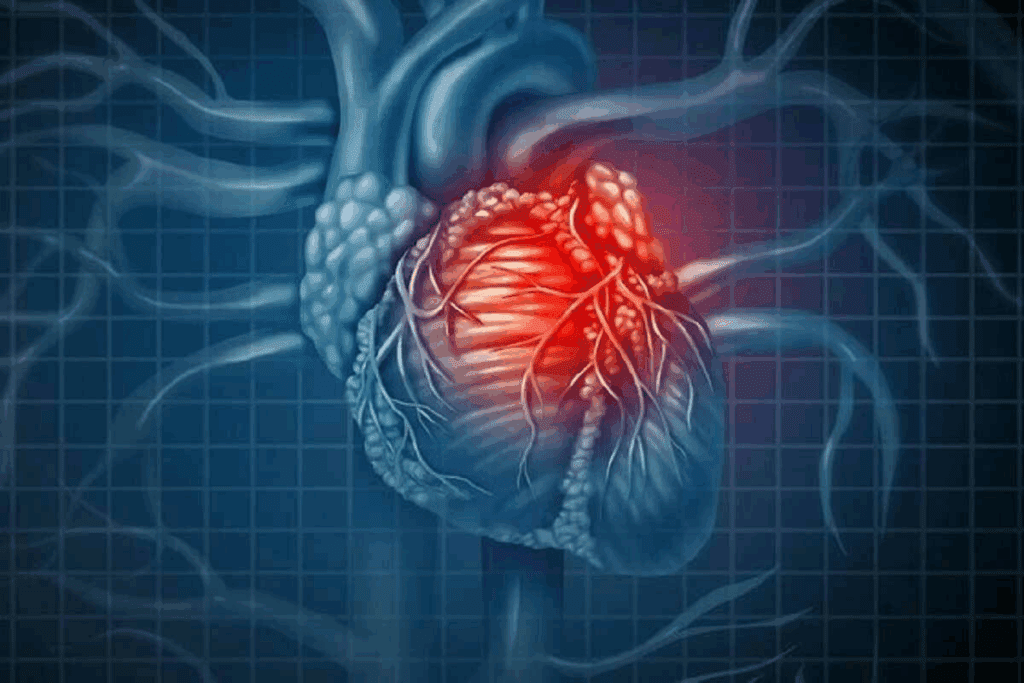
Severe anemia puts a lot of strain on the heart. This can cause heart failure, where the heart can’t pump enough blood. It also raises the risk of stroke, as the brain may not get enough oxygen.
Cardiovascular Complications of Severe Anemia
| Complication | Description | Risk Factors |
| Heart Failure | The heart’s inability to pump enough blood | Pre-existing heart disease, severe anemia |
| Stroke | Insufficient blood supply to the brain | High blood pressure, atherosclerosis, severe anemia |
Can Low Hemoglobin Cause Death?
Yes, low hemoglobin levels can be deadly. Hemoglobin is key for carrying oxygen to our bodies. Low levels can cause tissue damage and organ failure, leading to death if not treated quickly.
Organ Damage and Multi-System Failure
Severe anemia can harm many organs because of poor oxygen delivery. This can cause multi-system failure, where organs like the kidneys and liver fail. Quick medical help is needed to avoid these failures.
Acute Complications Requiring Emergency Intervention
Severe anemia can cause sudden and dangerous problems like severe hemolysis. These need immediate medical care to prevent serious harm or death.
Knowing the risks of severe anemia shows why early diagnosis and treatment are key. Effective management can prevent these serious complications and improve patient health.
Deadly Forms of Anemia and Their Prognosis
It’s key to know about the deadly types of anemia to get the right treatment. Anemia can be complex, and its severity depends on the cause. Types like iron deficiency, aplastic, and hemolytic anemia are dangerous if not treated right.
Iron Deficiency Anemia: When Does It Become Life-Threatening?
Iron deficiency anemia is common worldwide. It’s not usually deadly right away, but severe cases can be. Can you die from low iron anemia? Yes, in rare cases, if it gets very bad without treatment. It can cause heart issues, like heart failure, because the heart works too hard.
Signs of severe iron deficiency anemia include extreme tiredness, pale skin, shortness of breath, and dizziness. If you have these symptoms, you need to see a doctor.
Aplastic Anemia: When Bone Marrow Fails
Aplastic anemia is rare and can be deadly. It happens when the bone marrow can’t make blood cells. This leads to severe infections, anemia, and bleeding because of the lack of cells.
The outcome for aplastic anemia depends on how bad it is and how well it responds to treatment. In severe cases, a bone marrow transplant might be needed. Without treatment, it can be fatal, so early diagnosis and treatment are critical.
Hemolytic Anemias: Thalassemia and Sickle Cell Disease
Hemolytic anemias, like thalassemia and sickle cell disease, cause red blood cells to break down early. These conditions can cause severe anemia, organ damage, and other serious problems.
Thalassemia is a genetic disorder that affects hemoglobin production, leading to anemia. Severe forms, like beta-thalassemia major, need regular blood transfusions and can be deadly without proper care.
Sickle Cell Disease is a genetic disorder that makes red blood cells misshapen. It causes anemia, pain crises, and a higher risk of infections. Serious complications, like acute chest syndrome and stroke, can be life-threatening.
| Condition | Main Characteristics | Potential Complications |
| Iron Deficiency Anemia | Lack of iron leading to reduced red blood cell production | Heart failure, poor pregnancy outcomes |
| Aplastic Anemia | Bone marrow failure to produce blood cells | Severe infections, bleeding, and anemia |
| Thalassemia | Genetic disorder affecting hemoglobin production | Severe anemia, organ damage, bone deformities |
| Sickle Cell Disease | A genetic disorder causing misshapen red blood cells | Pain crises, infections, stroke, acute chest syndrome |
In summary, while anemia can often be managed, some types like iron deficiency, aplastic, and hemolytic anemias can be deadly if not treated right. Knowing about these conditions and their risks is key for early treatment and better patient outcomes.
Anemia and Life Expectancy: Long-Term Outlook
Anemia’s impact on life expectancy is complex. It depends on the condition itself and related health issues. We’ll look at how different anemia types affect life span and modern treatments to extend life.
Impact of Chronic Anemia on Lifespan
Chronic anemia can greatly affect a person’s quality of life and life span. Chronic anemia means a long-term low red blood cell count or hemoglobin levels. This can lead to serious complications if not treated properly.
The severity and how long anemia lasts are key to its life expectancy impact. Mild anemia might not affect life span much. But severe chronic anemia can cause serious health problems, like heart issues and organ damage.
| Anemia Severity | Potential Complications | Impact on Life Expectancy |
| Mild | Minimal symptoms, manageable with treatment | Minimal impact if treated properly |
| Moderate | Noticeable symptoms, possible complications | Moderate impact, depends on treatment success |
| Severe | Significant complications, including heart issues and organ damage | Significant impact, potentially life-threatening |
Sickle Cell Disease: Life Expectancy Challenges
Sickle Cell Disease (SCD) is a genetic disorder that affects hemoglobin production. It causes abnormally shaped red blood cells. These sickled cells can lead to serious health problems, like pain crises, infections, and organ damage.
People with SCD face unique challenges that can affect their life expectancy. Advances in medical care have improved their outlook. But, it’s a condition that needs careful management.
Modern Treatment Protocols That Extend Life
Modern treatments for anemia and related conditions have greatly improved. For anemia, treatments include dietary changes, iron supplements, and blood transfusions. These address the condition and its underlying causes.
For SCD, treatments now include medications to reduce pain crises and other complications. Bone marrow transplants are also an option in some cases. These advancements have improved life expectancy and quality of life for many.
We’re seeing progress in managing anemia and related disorders. Early diagnosis, proper treatment, and ongoing care are key to improving life expectancy and quality of life.
Conclusion: Prevention, Early Detection, and Treatment
Understanding anemia risks is key because it can be deadly if ignored. Can anemia cause death? Yes, severe cases can lead to heart failure, organ damage, and death. The question is, can you die from being anemic? Yes, if it’s not managed well.
Prevention, early detection, and treatment are vital to lower anemia death risks. The National Institutes of Health says about 1.6 billion people worldwide have anemia, mostly due to iron deficiency. Early treatment and dietary changes can prevent severe issues. For more on anemia treatment, check out this resource from the National Institutes of Health.
By focusing on prevention, early detection, and treatment, we can lower anemia death risks. Effective anemia management needs a full approach. This includes accurate diagnosis, treatment, and educating patients.
FAQ
Can anemia cause death?
Yes, anemia can be deadly if not treated. We’ll talk about the dangers and how it affects life expectancy.
What are the different types of anemia?
Anemia comes in several forms, like iron deficiency, aplastic, and hemolytic anemia. Each has its own causes and outcomes.
How is anemia diagnosed?
Doctors use blood tests to find anemia. These tests show how severe it is and guide treatment.
Can low hemoglobin cause death?
Yes, low hemoglobin can cause serious problems. This includes heart failure and organ damage, which can be fatal. We’ll look at these risks.
What are the risk factors that increase mortality from anemia?
Some groups, like pregnant women and those with chronic diseases, face higher risks. We’ll explore these disparities and factors.
Can you die from being anemic?
Yes, severe anemia can lead to serious issues. This includes heart disease and organ failure. We’ll talk about the need for quick treatment.
How does anemia impact life expectancy?
Chronic anemia can shorten life, especially if untreated. We’ll look at the long-term effects and modern treatments.
Can anemia be prevented?
Yes, preventing anemia is possible. This includes diet changes, supplements, and regular check-ups. We’ll discuss prevention and early detection.
Is anemic deadly?
Anemia can be serious, and severe cases are life-threatening. We’ll discuss the dangers and the need for timely treatment.
Can low iron cause death?
Yes, iron deficiency anemia can cause serious issues. This includes heart failure and organ damage. We’ll talk about the importance of iron treatment.
Can anemia result in death?
Yes, severe anemia can lead to fatal complications. We’ll discuss the need for emergency care and timely treatment.
References
- Anemia, Iron Deficiency, and Cause-Specific Mortality. (2023). https://pmc.ncbi.nlm.nih.gov/articles/PMC11493523/