Last Updated on November 25, 2025 by Ugurkan Demir

How Can You Die From Anemia? Causes, Risks, and Prevention ExplainedFind out if can you die from an enlarged heart and understand the major risks and survival chances.
An enlarged heart, also known as cardiomegaly, is a serious issue. It can lead to heart failure, sudden cardiac arrest, and stroke. Knowing the risks and what to expect is key to better care and outcomes.
Symptoms of an enlarged heart include shortness of breath, swelling, and heart palpitations. At Liv Hospital, we take these symptoms seriously. We provide top-notch care to patients from around the world.
Key Takeaways
- Cardiomegaly increases the risk of serious health complications.
- Understanding the prognosis is key for effective management.
- Symptoms may include shortness of breath, swelling, or heart palpitations.
- Quick medical attention is vital for better results.
- Liv Hospital offers top care for patients from abroad.
Understanding Cardiomegaly: What Is an Enlarged Heart?
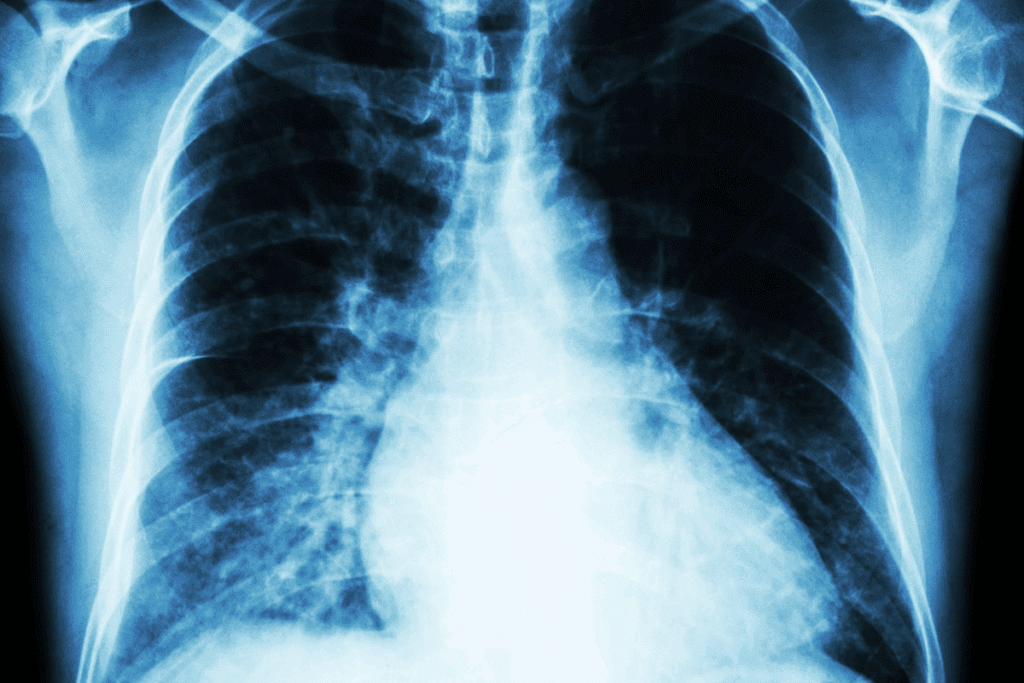
It’s important to understand cardiomegaly to see how it affects health. An enlarged heart, or cardiomegaly, happens when the heart grows too big. This can make it work less efficiently.
Definition and Medical Terminology
Cardiomegaly is when the heart gets too big. Doctors use tests like echocardiograms and chest X-rays to spot it. The term cardiomegaly comes from Greek words for “heart” and “enlargement.”
Doctors can tell if the heart’s left or right side is enlarged. Or, it could be both sides. This leads to different kinds of heart enlargement.
Types of Heart Enlargement
There are many kinds of heart enlargement. Each has its own signs:
- Left Ventricular Hypertrophy: The left ventricle’s walls get thick, usually from high blood pressure.
- Right Ventricular Hypertrophy: The right ventricle gets bigger, often from high blood pressure in the lungs.
- Dilated Cardiomyopathy: The heart’s chambers get bigger, making it hard to pump blood well.
How the Normal Heart Functions vs. an Enlarged Heart
A normal heart pumps blood well. But an enlarged heart might not pump as well. This is because it’s bigger and its muscles might be weaker.
An enlarged heart can cause problems like heart failure and arrhythmias. It also raises the chance of blood clots. Knowing these differences helps us understand the risks of cardiomegaly.
Causes of Heart Enlargement

Heart enlargement, or cardiomegaly, can come from many medical conditions and lifestyle choices. Knowing these causes helps us spot risks and prevent them.
Medical Conditions Leading to Cardiomegaly
Hypertension, or high blood pressure, is a big risk because it makes the heart work too hard. This can make the heart muscle thick. Heart valve issues, like stenosis or regurgitation, also cause problems by messing with blood flow. Plus, cardiomyopathy, a heart muscle disease, can make the heart bigger because it can’t work right.
Other conditions like coronary artery disease, heart infections, and thyroid problems can also cause heart enlargement. These can directly harm the heart muscle or lead to complications that make the heart bigger.
Lifestyle Factors Contributing to Heart Enlargement
Lifestyle choices are key in getting cardiomegaly. Poor diet, not exercising enough, and drinking too much alcohol can lead to obesity and high blood pressure. These are risks for heart enlargement. Smoking is also very harmful because it can cause heart disease and cardiomegaly.
Changing your diet, exercising regularly, and avoiding harmful substances can lower the risk of an enlarged heart.
Genetic Predispositions
Genetics also play a part in cardiomegaly. If your family has heart problems, you might be more at risk. Some genetic disorders can harm the heart muscle, leading to cardiomyopathy and possibly cardiomegaly.
Knowing your family’s medical history helps you understand your own risks. It’s a step towards preventing or managing heart enlargement.
Diagnosing an Enlarged Heart
It’s important to know how to diagnose an enlarged heart. This is because early treatment can make a big difference. Doctors use symptoms, medical history, and tests to figure out if your heart is enlarged.
Common Symptoms and Warning Signs
Knowing the signs of an enlarged heart is key. Look out for shortness of breath, swelling in your legs and feet, fatigue, and heart palpitations. These happen because your heart can’t pump blood well, causing fluid buildup.
If these symptoms don’t go away or get worse, see a doctor. Catching it early can help a lot with treatment.
Diagnostic Tests and Procedures
There are many tests to find out if your heart is enlarged. Here are some:
- Echocardiograms: This test uses sound waves to show your heart’s size and how it works.
- Electrocardiograms (ECG or EKG): It checks your heart’s electrical activity to spot any rhythm problems.
- Chest X-rays: A chest X-ray can show if your heart looks bigger than usual.
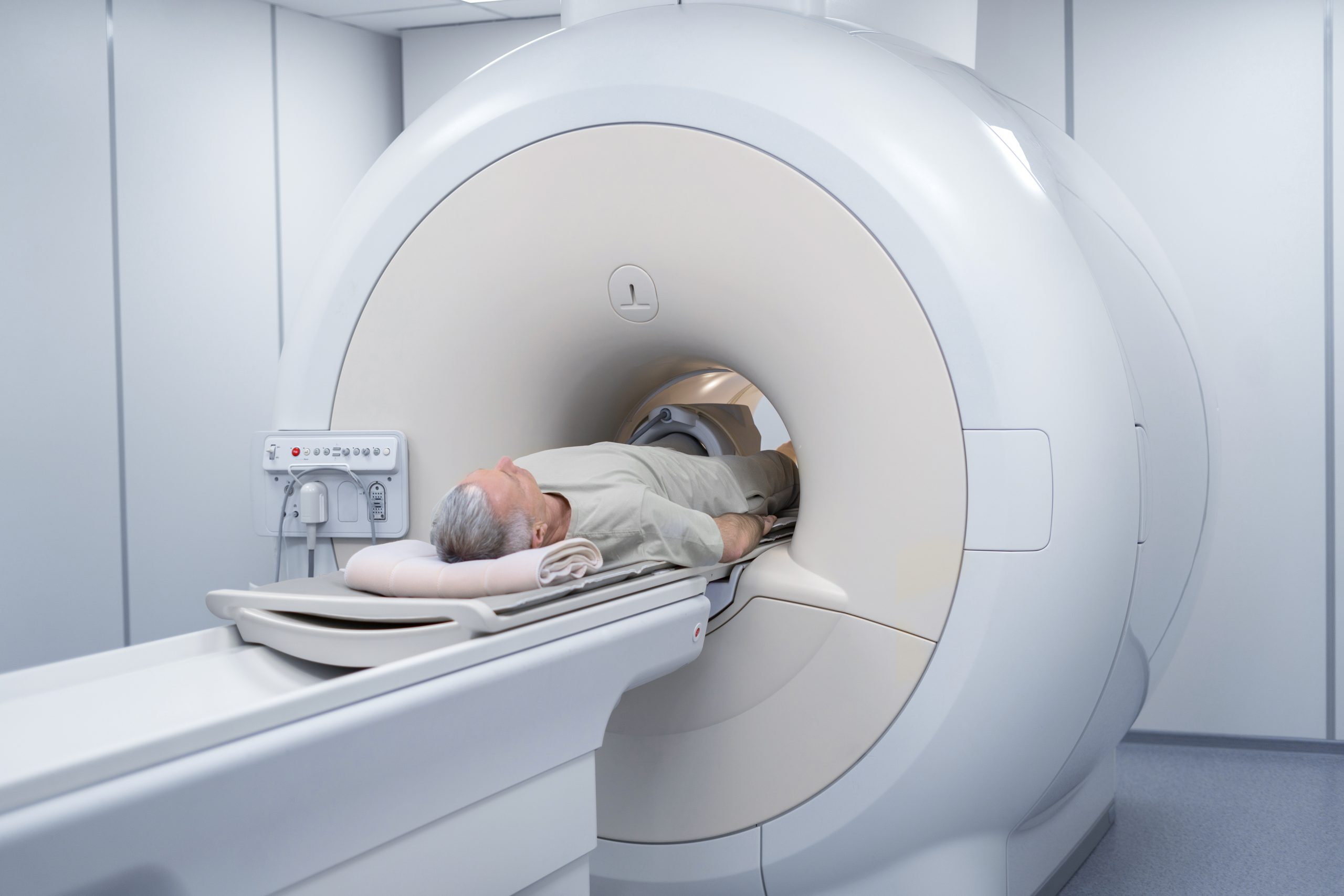
- Cardiac MRI or CT scans: These tests give detailed pictures of your heart’s structure and function.
When to Seek Medical Attention
If you have trouble breathing, chest pain, or feel very tired, get help right away. These could mean you have a serious problem that needs quick treatment.
Also, don’t forget to see your doctor regularly. This is even more important if you have heart disease or other conditions that could lead to an enlarged heart.
Can You Die From an Enlarged Heart?
An enlarged heart, or cardiomegaly, is a serious health issue. It can lead to a higher risk of death. It’s important for both patients and doctors to know about these risks.
Mortality Statistics and Recent Research
Studies show that an enlarged heart can increase the risk of death. This is mainly due to heart failure, arrhythmias, or sudden cardiac arrest. The outlook for people with cardiomegaly depends on the cause and other health issues.
Recent research found that cardiomegaly raises the risk of bad outcomes, including death, in heart failure patients.
“Cardiomegaly is a marker of poor prognosis in patients with cardiovascular disease.”
This highlights the importance of managing the condition well and quickly.
Mechanisms of Death in Cardiomegaly
Death in cardiomegaly can happen through several ways. Heart failure is a big concern. An enlarged heart may not pump blood well, causing many problems.
- Heart failure: The heart’s poor pumping can lead to organ failure and death.
- Arrhythmias: Abnormal heart rhythms can be dangerous, leading to sudden cardiac arrest.
- Sudden cardiac arrest: This sudden loss of heart function, often due to arrhythmias, can be fatal if not treated quickly.
Risk Factors That Increase Mortality
Several factors can raise the risk of death in people with cardiomegaly. These include:
- Underlying medical conditions, such as hypertension or coronary artery disease.
- Lifestyle factors, including smoking and excessive alcohol consumption.
- Genetic predispositions that may contribute to cardiomegaly.
Managing these risk factors is key to improving survival chances. Doctors can create better treatment plans by understanding and addressing these factors. This helps reduce the risk of death from an enlarged heart.
Is an Enlarged Heart Dangerous? Understanding the Risks
It’s important to know the dangers of an enlarged heart. This condition can cause serious heart problems. It affects a person’s health and well-being.
Impaired Blood Circulation
An enlarged heart can’t pump blood well. This leads to less blood flow. People might feel tired, have trouble breathing, and their legs and feet might swell.
Impaired blood circulation also means organs don’t get enough oxygen. This can damage organs over time. It’s key for those with enlarged hearts to watch their condition closely and work with their doctor.
Heart Valve Dysfunction
An enlarged heart can harm the heart valves. These valves are important for blood flow. When they’re damaged, it’s harder for the heart to pump blood.
Heart valve problems can lead to heart failure and irregular heartbeats. Regular check-ups and treatment can help manage these issues.
Arrhythmias and Electrical Disturbances
Cardiomegaly can mess with the heart’s electrical system. This can cause arrhythmias and electrical disturbances. Arrhythmias are when the heart beats too fast, too slow, or irregularly.
These can be mild or serious. Severe cases can even lead to cardiac arrest. Managing arrhythmias often involves medication, lifestyle changes, and sometimes procedures.
Blood Clot Formation and Stroke Risk
An enlarged heart raises the risk of blood clot formation in the heart. Blood clots can form because of slow blood flow or abnormal heart rhythms. If a clot breaks loose, it can cause a stroke or other serious problems.
The risk of stroke is a big worry for those with enlarged hearts. Preventive steps, like anticoagulant medications, are important to reduce this risk.
| Risk Factor | Description | Potential Complications |
| Impaired Blood Circulation | Reduced efficiency in blood pumping | Fatigue, shortness of breath, organ damage |
| Heart Valve Dysfunction | Damage to heart valves | Heart failure, arrhythmias |
| Arrhythmias | Disruption of heart’s electrical system | Cardiac arrest, irregular heartbeats |
| Blood Clot Formation | Increased risk of clots due to sluggish blood flow | Stroke, other embolic events |
How Long Can You Live With an Enlarged Heart?
The life expectancy for people with an enlarged heart depends on several factors. These include the type and cause of the condition. Knowing the survival rates and what affects them is key to managing the condition well.
Survival Rates for Different Types of Cardiomegaly
Different enlarged heart conditions have different survival rates. For example, dilated cardiomyopathy, where the heart muscle weakens, has a 5-year survival rate of 44-50 percent. On the other hand, hypertrophic cardiomyopathy, where the heart muscle thickens, often has a better outlook, with many living long without symptoms.
A study in the Journal of the American College of Cardiology shows survival rates vary. It found that about 80% of patients survive the first year, but this drops to around 50% by the fifth year. This highlights the need for early diagnosis and proper care.
| Type of Cardiomegaly | 5-Year Survival Rate |
| Dilated Cardiomyopathy | 44-50% |
| Hypertrophic Cardiomyopathy | Higher than 80% with proper management |
| Restrictive Cardiomyopathy | Variable, generally poorer prognosis |
Factors That Influence Survival
Several factors can affect how long someone with an enlarged heart can live. These include the cause of the condition, other health issues, lifestyle, and treatment success. For instance, treating reversible causes like thyroid disease or alcohol abuse can lead to significant improvement.
“The presence of comorbid conditions, such as diabetes and hypertension, can significantly impact the prognosis of patients with cardiomegaly.”
– Medical Expert, Cardiologist
Changing lifestyle habits, like eating well, exercising, and quitting smoking, can also help. Taking medications as directed and seeing doctors regularly are also vital for managing the condition.
Quality of Life Considerations
Managing an enlarged heart is not just about living longer; it’s also about living well. People with this condition may need to make big changes in their lifestyle. This includes watching for symptoms, following treatment plans, and making healthy choices.
By understanding their prognosis and managing their condition, people with enlarged hearts can improve their survival and quality of life. Regular check-ups and care are key to managing the condition effectively.
Treatment Options for an Enlarged Heart
Managing an enlarged heart needs a detailed plan. This plan includes different treatments. The right treatment depends on the cause and how severe the heart is enlarged. We will look at the ways to manage an enlarged heart, from medicines to changes in lifestyle.
Medication Therapies
Medicines are key in treating an enlarged heart. ACE inhibitors and beta-blockers help the heart work better. Diuretics are used to reduce fluid buildup, a common problem.
Surgical Interventions
Surgery is sometimes needed to fix the heart. Heart valve repair or replacement surgery fixes valve problems. Coronary artery bypass grafting (CABG) is done for artery disease.
Device Therapies
Device therapies are also important. Implantable cardioverter-defibrillators (ICDs) prevent sudden death by shocking the heart. Cardiac resynchronization therapy (CRT) devices help the heart pump better by coordinating ventricle contractions.
Lifestyle Modifications
Changing your lifestyle is also key. Eating a heart-healthy diet and exercising regularly are important. Quitting smoking and drinking less alcohol also help your heart.
By using these treatments, people with enlarged hearts can live better lives. It’s important to work with doctors to find the best treatment plan.
Preventing Complications and Improving Prognosis
To prevent complications from cardiomegaly, a detailed plan is needed. This includes watching your health closely, making lifestyle changes, and eating right. By acting early, you can control your condition, lower the chance of problems, and boost your health outlook.
Monitoring Your Condition
Keeping an eye on your health is key when dealing with cardiomegaly. You should see your healthcare provider regularly. This lets them track your condition and change your treatment if needed. Tests like echocardiograms and blood tests help check how well your heart is working.
It’s important to notice any changes in your body and tell your doctor. This way, they can act fast and stop problems before they start.
Exercise and Physical Activity Guidelines
Exercise is very important for managing cardiomegaly. It can make your heart work better, lessen symptoms, and make you feel better overall. But, the right kind and amount of exercise depends on your health and condition.
Low-to-moderate intensity aerobic exercises, like walking fast, swimming, or biking, are usually best. Avoiding hard activities that can stress your heart too much is important. Always talk to your doctor before starting or changing your exercise routine.
What you eat also matters a lot in managing cardiomegaly. Eating foods that are good for your heart, like those low in salt, saturated fats, and cholesterol, can help. Working with a doctor or dietitian to create a diet plan that’s right for you is a good idea.
Conclusion
An enlarged heart, or cardiomegaly, is a serious condition that needs quick and effective care. It’s important to understand the risks and complications to improve life expectancy.
We talked about the causes, how to diagnose, and treatment options for an enlarged heart. Knowing that it’s a serious condition is key. It can lead to problems like poor blood flow, heart valve issues, and irregular heartbeats.
Getting medical help and following treatment plans can greatly improve life quality. It also lowers the risk of serious problems. Proper care is essential for the best possible outcome.
FAQ
Can you die from an enlarged heart?
Yes, an enlarged heart can be deadly. It can lead to heart failure, arrhythmias, and stroke. It’s important to manage it well.
What is the prognosis for an enlarged heart?
The outlook for an enlarged heart varies. It depends on the cause, how big the heart is, and how well treatment works. With the right care, many people can live active lives.
How long can you live with an enlarged heart?
Life expectancy with an enlarged heart varies. It depends on the cause, how severe it is, and treatment response. Some people live long with it, while others face a tougher road.
Is an enlarged heart serious?
Yes, an enlarged heart is very serious. It can cause heart failure, arrhythmias, and stroke. It needs medical care and ongoing management.
What are the risks associated with cardiomegaly?
Cardiomegaly carries many risks. These include poor blood flow, heart valve problems, arrhythmias, and a higher risk of blood clots and stroke. Knowing these risks helps manage the condition better.
How is cardiomegaly diagnosed?
Diagnosing cardiomegaly involves a physical exam, medical history, and tests. Tests like echocardiography, ECG, and chest X-rays show heart size and function.
What are the treatment options for an enlarged heart?
Treatments for an enlarged heart include medicines, surgery, devices, and lifestyle changes. The right treatment depends on the cause and severity.
Can lifestyle changes help manage an enlarged heart?
Yes, lifestyle changes can help. Eating well, exercising, reducing stress, and not smoking can improve heart health. These changes are often part of treatment.
How can I prevent complications from an enlarged heart?
To avoid complications, closely watch your condition, follow your treatment, make healthy lifestyle choices, and see your doctor regularly.
Is enlargement of the heart dangerous?
Yes, heart enlargement is dangerous. It raises the risk of serious health issues. It’s vital to understand the risks and work with your doctor to manage it.
References:
- Chaudhry, R. (2022). Physiology, Cardiovascular. In StatPearls. National Center for Biotechnology Information. https://www.ncbi.nlm.nih.gov/books/NBK493197/