Last Updated on December 1, 2025 by Bilal Hasdemir
A SPECT scan is a test that uses a small amount of radioactive material. It helps diagnose and monitor health conditions. It’s used to check heart function, find certain cancers, and look at bone disorders.
After a SPECT scan, patients might worry about driving. This worry is valid because of the possible risks. While it’s usually safe, some side effects like dizziness or fatigue could affect driving.
It’s important to know the limits and risks of a SPECT scan. This helps patients make smart choices about their health and safety after the test.
Key Takeaways
- Understand the purpose and process of a SPECT scan.
- Recognize the possible side effects of a SPECT scan.
- Learn about the safety of driving after a SPECT scan.
- Identify the limitations of SPECT scan technology.
- Be aware of the possible risks associated with SPECT scans.
What is a SPECT Scan and How Does it Work?
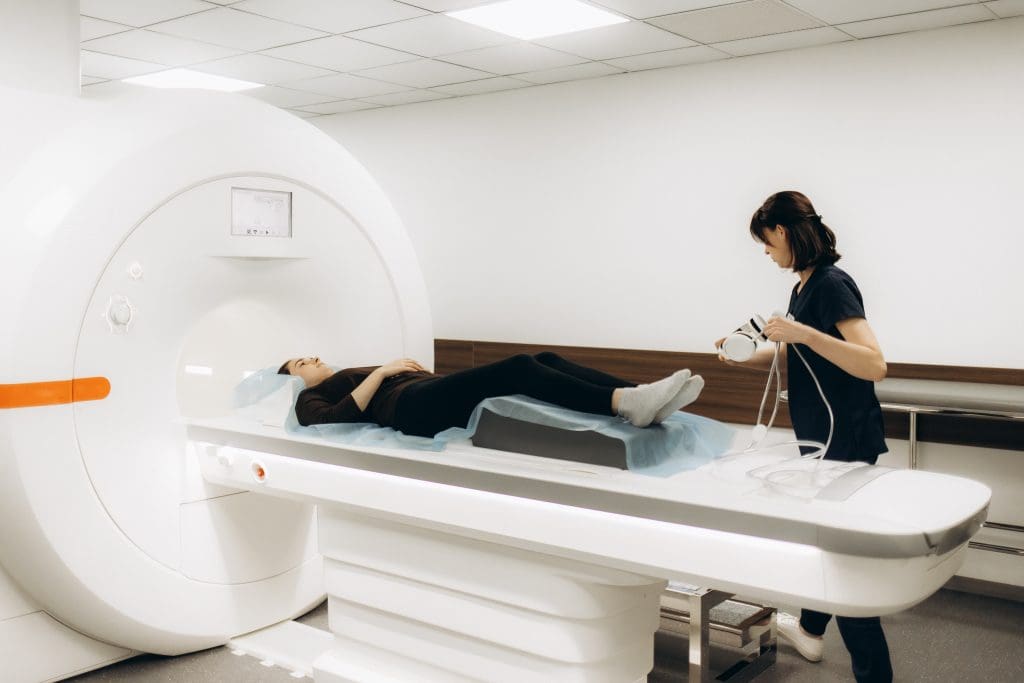
A SPECT scan is a detailed imaging method. It shows how the body works inside. use it to find and track health issues.
Definition and Basic Principles
SPECT scans use a tiny bit of radioactive material, called a radiotracer. This material is injected into the patient. As it decays, it sends out gamma rays.
The scanner moves around the patient. It catches these gamma rays from different sides. This creates a detailed image of the area being looked at.
The radiotracer goes to areas with certain activities, like high blood flow. This helps see how organs and tissues work.
The Role of Radioactive Tracers
Radioactive tracers are key in SPECT scans. They target specific parts of the body. For example, some tracers find bone problems.
pick the right tracer for each case. Tracers like Technetium-99m and Iodine-123 are common. They help show what the scan can tell us.
Difference Between SPECT and Other Imaging Techniques
SPECT scans show how the body works, unlike CT or MRI. They give functional details, not just pictures.
While SPECT scans are less sensitive than PET, they’re more common and cheaper. The choice depends on what the doctor needs to know and what’s available.
Knowing SPECT’s strengths and weaknesses helps us see its value in medicine. It’s great for functional info but not as detailed as some other scans.
Common Medical Applications of SPECT Scans
SPECT scans are key in medical diagnostics, used in many areas of medicine. They show how different parts of the body work. This helps diagnose and treat many conditions.
Cardiac Assessment
SPECT scans are mainly used for heart health checks. Myocardial perfusion SPECT looks at blood flow to the heart. It helps find heart disease and see if heart tissue is working after a heart attack.
The Royal Brompton & Harefield NHS Foundation Trust says it’s vital. It helps spot blood flow problems, decide on treatments, and predict how patients will do.
Brain Imaging
SPECT scans are also used for brain health checks. They find blood flow and metabolic issues in the brain. This is helpful for diagnosing Alzheimer’s disease, epilepsy, and stroke.
Brain SPECT scans show how well brain tissue is working. They help understand cognitive decline and choose treatments.
Bone Scans
Bone SPECT scans check bone health and find bone disorders. They’re great for spotting bone metastases, fractures, and infections. SPECT scans highlight active or inactive bone areas.
This helps diagnose and keep track of conditions like osteoporosis, Paget’s disease, and bone cancer.
Other Diagnostic Uses
SPECT scans are used in more than just heart, brain, and bone imaging. They help check liver and kidney function and evaluate tumors. Their versatility makes them a valuable tool in nuclear medicine.
They support a wide range of diagnostic procedures. This helps in patient care.
| Application | Description | Use |
| Cardiac Assessment | Evaluates blood flow to the heart muscle | Diagnoses coronary artery disease, assesses heart tissue viability |
| Brain Imaging | Assesses blood flow and metabolic activity in the brain | Diagnoses Alzheimer’s disease, epilepsy, stroke |
| Bone Scans | Examines bone metabolism | Detects bone metastases, fractures, infections |
Preparing for Your SPECT Scan
Getting ready for a SPECT scan is important for a good experience. Your healthcare provider will give you specific instructions to follow.
Pre-scan Instructions
Before your SPECT scan, you’ll get detailed instructions from your doctor. You might need to arrive early, avoid certain foods or meds, and remove metal items.
- Arrive at least 15 minutes before the scheduled scan time to complete any necessary paperwork.
- Remove any metal objects, including jewelry, glasses, or clothing with metal parts.
- Inform your healthcare provider about any allergies or sensitivities you have.
Medication Considerations
Some medications might need to be adjusted or stopped before your scan. Tell your doctor about all the meds you’re taking, including prescriptions and supplements.
Medications to Discuss with Your Healthcare Provider:
- Thyroid medications
- Caffeine-containing medications
- Certain antidepressants or antipsychotics
Dietary Restrictions
There might be dietary rules for your SPECT scan. For example, you might need to fast or avoid certain foods and drinks.
| Dietary Restriction | Description |
| Fasting | Avoid eating and drinking for a specified period before the scan. |
| Caffeine Restriction | Avoid consuming caffeine-containing products for a certain period. |
| Specific Food Avoidance | Avoid certain foods that may interfere with the scan results. |
What to Wear and Bring
Wear comfy, loose clothes without metal. You might need to change into a gown at the imaging center.
Items to Bring:
- cards and identification
- Any relevant medical records or previous imaging results
- A list of your current medications
The SPECT Scan Procedure: What to Expect
Knowing what happens during a SPECT scan can make you feel less nervous. A SPECT scan is a detailed tool that shows how different parts of your body work.
Administration of the Radiotracer
The first thing in a SPECT scan is giving you a radiotracer through an IV. This tiny bit of radioactive material goes to the part of your body being checked.
The kind of radiotracer used depends on what the scan is for. Some are for your heart, while others are for your brain or bones.
Waiting Period
After getting the radiotracer, you wait for it to spread or gather in the right spot. This wait can be anywhere from 15 minutes to a few hours. It depends on the scan and the radiotracer.
- You might need to rest or do certain things to help the tracer get to the right place.
- It’s important to listen to your healthcare team’s instructions for the best results.
The Scanning Process
After waiting, you’ll lie on a table for the scan. The scanning process means lying there while the SPECT camera moves around you, taking pictures from all sides.
Duration and Patient Experience
The duration of the SPECT scan is usually 30 minutes to an hour. You’ll need to stay very quiet to get clear pictures.
- The room might be a bit chilly, and you’ll hear some noise from the machine.
- It’s important to listen to the technologist’s instructions about breathing and moving.
Most people find the SPECT scan easy to handle. You can usually go back to your normal activities right after it’s done.
SPECT Scan Limitations and Possible Risks
It’s important to know the limits and risks of SPECT scans for better healthcare choices. SPECT scans give valuable info but have their downsides.
Radiation Exposure Concerns
SPECT scans use small amounts of radioactive tracers. These tracers emit gamma rays that the scanner picks up. The dose is usually safe, but there’s debate on long-term risks.
Radiation exposure risks might harm DNA, raising cancer risk. But, the scan’s benefits often outweigh these risks.
Accuracy and Resolution Limitations
SPECT scans are not as accurate or detailed as MRI or CT scans. Their images might not show small details well.
This can make diagnostic accuracy lower, needing more precise images. Yet, SPECT scans are great for seeing how organs work and metabolize.
Patient-Related Limitations
Things about the patient can also affect SPECT scan quality. For example, moving during the scan can mess up the images.
- Claustrophobia can make it hard for some to get scanned.
- Being overweight or big can lower image quality.
- Some medical issues, like kidney disease, can slow down the tracer.
Technical Constraints
Technical issues can also affect SPECT scans. The scanner’s quality, collimator type, and algorithms used all play a part in image quality.
| Technical Factor | Impact on SPECT Scan |
| Scanner Quality | Affects resolution and sensitivity |
| Collimator Type | Influences spatial resolution and sensitivity |
| Reconstruction Algorithms | Impacts image quality and artifact reduction |
In summary, SPECT scans have limits and risks. Knowing these helps both and patients. This knowledge helps make SPECT scans safer and more useful.
Post-SPECT Scan Care: Immediate Considerations
After a SPECT scan, patients often ask about the first steps for recovery. It’s important to take care of yourself right after the scan. This section will guide you on recovery time, staying hydrated, what activities to avoid, and when to see a doctor.
Recovery Time
The recovery time after a SPECT scan is usually short because it’s non-invasive. Most people can go back to their normal activities soon after. But, it’s best to stay hydrated and maybe take it easy for the rest of the day.
Hydration Requirements
Drinking lots of water is key to get rid of the radioactive tracer used in the scan. Adequate hydration helps remove the tracer from your body. This reduces any risks from radiation.
Activity Restrictions
Most people can do their usual activities right away. But, some might need to avoid certain things, like if they got sedated. Always follow the instructions from your healthcare team.
When to Seek Medical Attention
Some people might have bad reactions or side effects after a SPECT scan. If you have severe allergic reactions, trouble breathing, or other serious signs, get medical help right away.
By following these tips, you can have a safe and comfortable recovery after your SPECT scan.
Can You Drive After a SPECT Scan?
Whether you can drive after a SPECT scan depends on several factors. The procedure is usually safe, but some aspects might affect your driving ability.
Factors Affecting Driving Ability
Several factors can influence your ability to drive after a SPECT scan. These include the type of radiotracer used, sedation, and your overall condition post-procedure.
Type of Radiotracer Used
The radiotracer used in a SPECT scan can have varying effects on patients. Some might cause drowsiness or other side effects that could impair driving ability. It’s important to understand the specific radiotracer used and its side effects.
Sedation Considerations
If sedation is used during the SPECT scan procedure, it can significantly impact your ability to drive. Sedatives can cause drowsiness, impair reaction times, and affect judgment, making it unsafe to drive.
Official Guidelines and Recommendations
Official guidelines regarding driving after a SPECT scan can vary. Generally, patients are advised not to drive if they have received sedation. It’s recommended to follow the specific instructions provided by your healthcare provider.
In conclusion, whether you can drive after a SPECT scan depends on multiple factors. These include the radiotracer used and whether sedation was administered. Always follow the guidelines and recommendations provided by your healthcare provider to ensure safety.
Side Effects and Adverse Reactions from SPECT Scans
SPECT scans are important for diagnosing health issues. But, it’s key to know about their side effects for safety. These scans use small amounts of radioactive tracers. While safe for most, some people may react.
Common Minor Side Effects
Most people have little to no side effects from SPECT scans. But, some might feel a headache, dizziness, or nausea. These effects are usually short and go away without needing a doctor.
Some might feel pain or discomfort where the tracer was injected. This is usually mild and goes away soon after the scan.
Allergic Reactions to Radiotracers
Allergic reactions to the tracers in SPECT scans are rare but can happen. Symptoms include rash, itching, or trouble breathing. It’s important to tell your doctor about any allergies before the scan.
Severe allergic reactions are very rare but can be dangerous. watch patients closely during and after the scan to catch and treat any issues quickly.
Long-term Considerations
The long-term effects of SPECT scans are usually small because of the tiny amount of radioactive material. There’s a slight chance of getting cancer from it. But, this risk is small compared to the scan’s benefits.
Talk to your doctor about your risk if you’ve had many scans with radiation.
Monitoring and Managing Side Effects
Knowing what to expect from a SPECT scan helps manage side effects. This knowledge reduces anxiety and ensures quick reporting of any issues.
are key in watching for and handling side effects. They might give advice on what to do after the scan, like drinking water and avoiding certain activities.
Being aware of possible side effects and taking steps to prevent them is important. Following your doctor’s instructions is also key to your safety and the success of the scan.
Special Considerations for Different Patient Groups
When it comes to SPECT scans, we tailor our approach for each patient group. This ensures the best results and safety. It’s vital for certain groups who might need extra care or have unique needs.
Pregnant and Breastfeeding Women
Pregnant women need careful thought before getting a SPECT scan. This is because of the risk of radiation to the unborn baby. Breastfeeding moms also need advice on whether to keep nursing after getting radiotracers.
Key Considerations:
- Is the SPECT scan really needed?
- Use the least amount of radiotracer needed
- Advice on stopping breastfeeding if needed
Children and Adolescents
Children and teens need special care because of their growing bodies and the long-term risks of radiation.
Dosing Adjustments:
- Adjust radiotracer doses based on weight or age
- Try to keep scan times short
Elderly Patients
Elderly patients might have health issues or be less able to handle tests. So, we carefully check them before a SPECT scan.
Considerations for Elderly Patients:
| Condition | Consideration |
| Renal Impairment | Adjust radiotracer dose |
| Diabetes | Watch blood sugar levels |
| Hydration Status | Make sure they’re well-hydrated |
Patients with Allergies or Sensitivities
People with allergies or sensitivities to SPECT scan components need a thorough check before the test.
Precautions:
- Give pre-medication for allergies
- Watch for signs of allergic reactions during and after
SPECT Scan Contraindications: When to Avoid This Procedure
SPECT scan contraindications are important for healthcare providers to check before the scan. Knowing these helps keep patients safe and ensures accurate results.
Absolute Contraindications
Absolute contraindications mean it’s not safe for a patient to have a SPECT scan. One big one is pregnancy. The scan’s radioactive tracers could harm the fetus. So, women must tell their if they might be pregnant.
Another big no is severe claustrophobia that can’t be fixed. Even if the scanner isn’t fully closed, it can be very scary for those with severe claustrophobia.
Relative Contraindications
Relative contraindications mean it’s not always a good idea for a SPECT scan. But it’s not a complete no. These include:
- Breastfeeding: It’s not a total no, but breastfeeding moms might need to stop for a bit. This is because the scan’s tracer can get into breast milk.
- Recent nuclear medicine procedures: If you’ve had another scan recently, you might need to wait. This is to avoid too much radiation.
- Severe renal impairment: Some scans use tracers that kidneys clear. If your kidneys aren’t working well, it could be risky.
Risk-Benefit Assessment
For relative contraindications, a risk-benefit assessment is key. It’s about weighing the scan’s benefits against its risks. look at how urgent the scan is, other imaging options, and how to lower risks.
In short, knowing SPECT scan contraindications is key for safe and useful imaging. By looking at both absolute and relative contraindications, can make smart choices. This balances the need for scans with keeping patients safe.
Patient Comfort Issues During SPECT Scans
The SPECT scan procedure is non-invasive but can be uncomfortable for some. Ensuring patient comfort is key for a successful scan. It affects the quality of the images obtained.
Claustrophobia Management
Claustrophobia, or fear of enclosed spaces, is a big issue during SPECT scans. Patients with claustrophobia may feel anxious or panicked. To manage this:
- Pre-scan counseling: Explaining the procedure and the scanner’s design can help alleviate fears.
- Relaxation techniques: Deep breathing exercises or meditation can be recommended.
- Sedation: In some cases, mild sedation may be prescribed to help the patient relax.
Position-Related Discomfort
Patients may feel uncomfortable due to staying in one position for a long time. Strategies to mitigate this include:
- Comfortable positioning: Adjusting the table and providing pillows or cushions for support.
- Communication: Ensuring patients can communicate any discomfort during the scan.
Duration and Immobility Challenges
The SPECT scan’s duration can vary, and patients must stay perfectly steady. To address this challenge:
- Clear instructions: Informing patients about the importance of remaining steady.
- Scan time optimization: Technologists work to minimize scan time while maintaining image quality.
Available Accommodations
To enhance patient comfort, various accommodations can be made:
| Accommodation | Description |
| Adjustable tables | Tables that can be adjusted to a comfortable height or position. |
| Pillows and cushions | Provided to support patients’ backs, legs, or other areas for comfort. |
| Blankets | Offered to keep patients warm and comfortable during the scan. |
By understanding and addressing these comfort issues, healthcare providers can significantly improve the SPECT scan experience for their patients.
Comparing SPECT to Other Imaging Modalities
Understanding the differences between various imaging modalities is key for accurate diagnosis and treatment. SPECT scans are valuable in nuclear medicine but not the only option for healthcare providers.
SPECT vs. PET Scans
SPECT and PET scans are both nuclear medicine techniques. The main difference is in the radiotracer used and image resolution. PET scans have higher resolution images, often used for cancer and neurological disorders. SPECT scans are used for cardiac and bone assessments.
Key differences between SPECT and PET scans:
- Radiotracer: SPECT uses gamma-emitting radiotracers, while PET uses positron-emitting radiotracers.
- Resolution: PET scans typically provide higher resolution images.
- use: SPECT is often used for cardiac and bone imaging, while PET is used for oncology and neurology.
SPECT vs. MRI
MRI uses strong magnetic fields and radio waves to create detailed images. It does not involve radiation, making it safer for some patients. But, MRI may not be good for patients with metal implants or claustrophobia.
Comparison points between SPECT and MRI:
- Radiation: SPECT involves radiation, while MRI does not.
- Contrast: SPECT provides functional information, while MRI offers detailed anatomical images.
- Patient suitability: MRI may not be suitable for patients with certain metal implants.
SPECT vs. CT Scans
CT scans use X-rays to create detailed images. They are faster than SPECT scans and provide more anatomical information. But, they may not offer the same functional information as SPECT scans.
Differences between SPECT and CT scans:
- Imaging purpose: SPECT provides functional information, while CT scans offer anatomical details.
- Radiation: Both involve radiation, but CT scans typically use more.
- Scan duration: CT scans are generally quicker.
Choosing the Right Imaging Test
The choice of imaging modality depends on several factors. These include the type of condition, the required detail, and patient-specific considerations. Healthcare providers must consider the advantages and limitations of each modality to choose the best test for each patient.
By understanding the differences between SPECT, PET, MRI, and CT scans, patients and healthcare providers can make informed decisions. This leads to more accurate diagnoses and effective treatment plans.
Considerations for SPECT Scans
The of a SPECT scan is a big worry for many. It’s important to know about the financial side of things. This includes the scan’s price, other , and what insurance might cover.
Average in the United States
In the U.S., SPECT scan prices vary a lot. This depends on where you go and if it’s in a hospital or . can be anywhere from $800 to over $2,500.
Coverage Patterns
for SPECT scans is different for everyone. Most plans cover it if it’s needed, but how much can vary. Always check with your insurance to know what you’ll pay.
Out-of-Pocket Expenses
When you get a SPECT scan, you might have to pay extra. This could be for things like your deductible, copays, or coinsurance. You might also face extra for reading the results or more tests.
Financial Assistance Options
If money is tight, there are ways to get help. Some places offer financial aid or lower prices based on how much you make. Non-profit groups can also help with medical .
Knowing about these financial points can help you deal with a SPECT scan better. By understanding , insurance, and help available, you can make smarter choices about your health.
- Key Financial Considerations:
- Average range: $800 to $2,500+
- Variability in insurance coverage
- Potential out-of-pocket expenses
- Availability of financial assistance
Technological Advancements and Future of SPECT Imaging
New breakthroughs in SPECT technology are making images clearer and using less radiation. This marks a new era in nuclear medicine. These changes are key for better diagnosis and safer care for patients.
Hybrid Imaging Systems
Hybrid imaging systems are a big step forward in SPECT. They mix SPECT with CT or MRI. This gives both the function and structure of the body in one go.
Benefits of Hybrid Imaging:
- It makes diagnosis more accurate by combining different types of data.
- It’s more convenient for patients, needing fewer scans.
- It helps find problems more precisely, making treatment plans better.
A study in the Journal of Nuclear Medicine found hybrid SPECT/CT systems improve diagnosis in many areas. This includes cancer and heart disease.
Improved Resolution Techniques
New detector tech and algorithms have greatly improved SPECT images. Methods like resolution recovery and advanced iterative reconstruction are making images clearer.
| Technique | Description | Benefits |
| Resolution Recovery | Fixes the loss of detail due to detector issues. | Images are sharper and more detailed. |
| Iterative Reconstruction | Uses complex algorithms to improve image quality. | Images are clearer and have less noise. |
Reduced Radiation Exposure
Lowering radiation in SPECT imaging is a big goal. New methods and tech are being made to cut down radiotracer doses. This keeps image quality high.
“Lowering radiation isn’t just for safety; it also lets us scan more often when needed.”
Artificial Intelligence Applications
AI is changing SPECT imaging by making image analysis better. AI can spot problems automatically and make diagnoses more consistent.
As AI gets better, we’ll see even more uses in SPECT imaging. This could lead to earlier diagnoses and treatments tailored to each patient.
Conclusion: Making Informed Decisions About SPECT Scans
Understanding SPECT scans is key to making smart choices about your health. SPECT scans give important information about many health issues. But, they also have limits and risks.
Before getting a SPECT scan, think about the good and bad sides. Consider things like radiation, the type of tracer, and if you’ll need sedation. Knowing these details helps patients choose what’s best for them.
Deciding on a SPECT scan means knowing what to expect before, during, and after. Being informed helps patients feel sure about their choices. This way, they get the right care for their health needs.
FAQ
How long does a SPECT scan take?
A SPECT scan can take 15-60 minutes. But, getting ready and waiting can add several hours to the total time.
Can I undergo a SPECT scan if I have a medical implant or device?
If you have a medical implant or device, like a pacemaker, tell your doctor before the scan. Some devices might not be safe for the scan, or special steps might be needed.
Are there any contraindications for SPECT scans?
Don’t have a SPECT scan if you’re pregnant or have severe kidney or liver disease. Other conditions, like breastfeeding or claustrophobia, might also be a problem.
What is the difference between SPECT and PET scans?
SPECT and PET scans are both nuclear medicine techniques. PET scans offer better detail and are more sensitive to certain processes. SPECT scans are more common and less expensive.
How do I prepare for a SPECT scan?
To prepare for a SPECT scan, follow the instructions from the imaging center. This might include dietary restrictions, medication changes, and removing metal objects. Tell your doctor about any health conditions or allergies.
Are SPECT scans safe for pregnant or breastfeeding women?
SPECT scans are not recommended for pregnant women due to radiation risks. Breastfeeding women might be able to have a scan, but they should talk to their doctor first. They’ll need to follow safe breastfeeding guidelines after.
What are the common side effects of SPECT scans?
Minor side effects of SPECT scans include mild allergic reactions and changes in blood pressure or heart rate. Serious side effects are rare but can happen. Patients need close monitoring during and after the scan.
Can I drive after a SPECT scan?
Driving after a SPECT scan depends on the tracer used, sedation level, and your health. Always follow your doctor’s or imaging center’s advice.
What are the disadvantages of SPECT imaging?
SPECT imaging has downsides like radiation exposure and limited detail. It can also be affected by patient movement or technical problems. Some people, like those with severe kidney or liver disease, might not be good candidates.