Last Updated on October 31, 2025 by
Radical prostatectomy changes a man’s ability to ejaculate. Men facing this surgery worry about their sexual future. Even though the procedure stops traditional ejaculation, men can have satisfying orgasms and maintain sexual function. Can you ejaculate without a prostate? Learn about the phenomenon of dry orgasm (retrograde ejaculation) post-prostatectomy.
Understanding the impact of prostate removal on sexual health is key. At Liv Hospital, we focus on our patients. We offer detailed counseling before and after surgery. This helps men know what to expect and find ways to stay sexually satisfied.
Key Takeaways
- Radical prostatectomy removes the prostate gland and seminal vesicles, affecting ejaculation.
- Men can STILL experience orgasms after prostate removal, though traditional ejaculation is eliminated.
- Comprehensive sexual health counseling is available to support men before and after surgery.
- Liv Hospital’s patient-centered approach helps men maintain sexual satisfaction.
- Understanding the physiological changes after prostate removal is essential for managing expectations.
Understanding the Prostate’s Role in Ejaculation
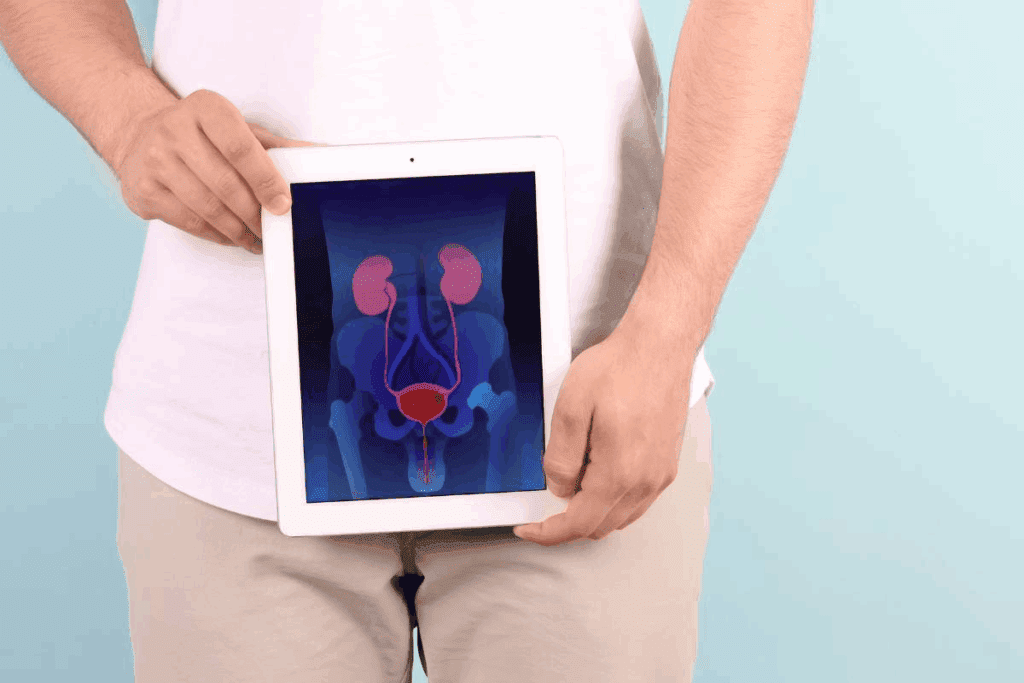
The prostate gland is key in the male reproductive system, mainly in ejaculation. To grasp its importance, we need to know the male reproductive system’s anatomy. We also need to see how the prostate helps with ejaculation.
The Anatomy of the Male Reproductive System
The male reproductive system is complex, with many organs working together for reproduction. The prostate gland is below the bladder, around the urethra. It’s vital for making seminal fluid. The seminal vesicles, near the prostate, also make a lot of semen’s fluid.
How the Prostate Contributes to Ejaculation
When ejaculation happens, the prostate gland tightens and releases its fluids into the urethra. These fluids, full of enzymes and nutrients, mix with sperm and seminal vesicle fluids to form semen. The prostate’s role is key for sperm survival and movement.
The Composition of Semen and the Prostate’s Contribution
Semen is a mix of fluids from different male organs. The prostate gland makes most of semen’s fluid. The seminal vesicles add about 60% of semen’s volume. The prostate’s fluids are alkaline, helping sperm survive in the vaginal tract.
Knowing how the prostate affects ejaculation and semen is vital. After prostate removal, changes in ejaculation can happen. The prostate’s role in seminal fluid is big, and removing it can affect how you ejaculate.
What Happens During Radical Prostatectomy
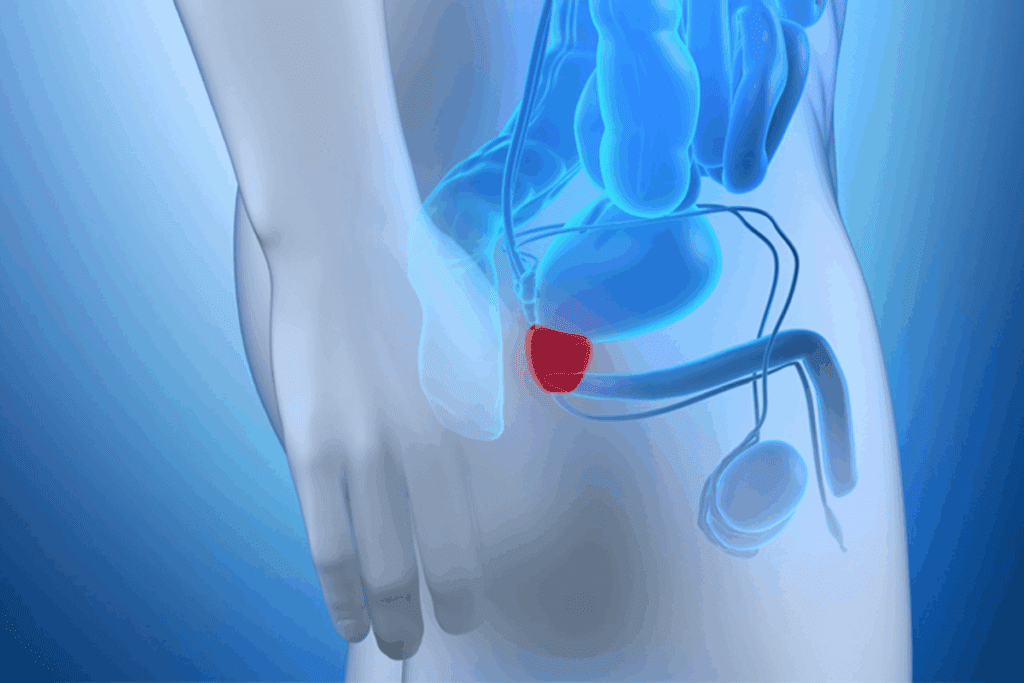
Radical prostatectomy is a common surgery for prostate cancer. It removes the prostate gland and nearby tissues. This can affect nerves and structures important for sex.
The Surgical Procedure Explained
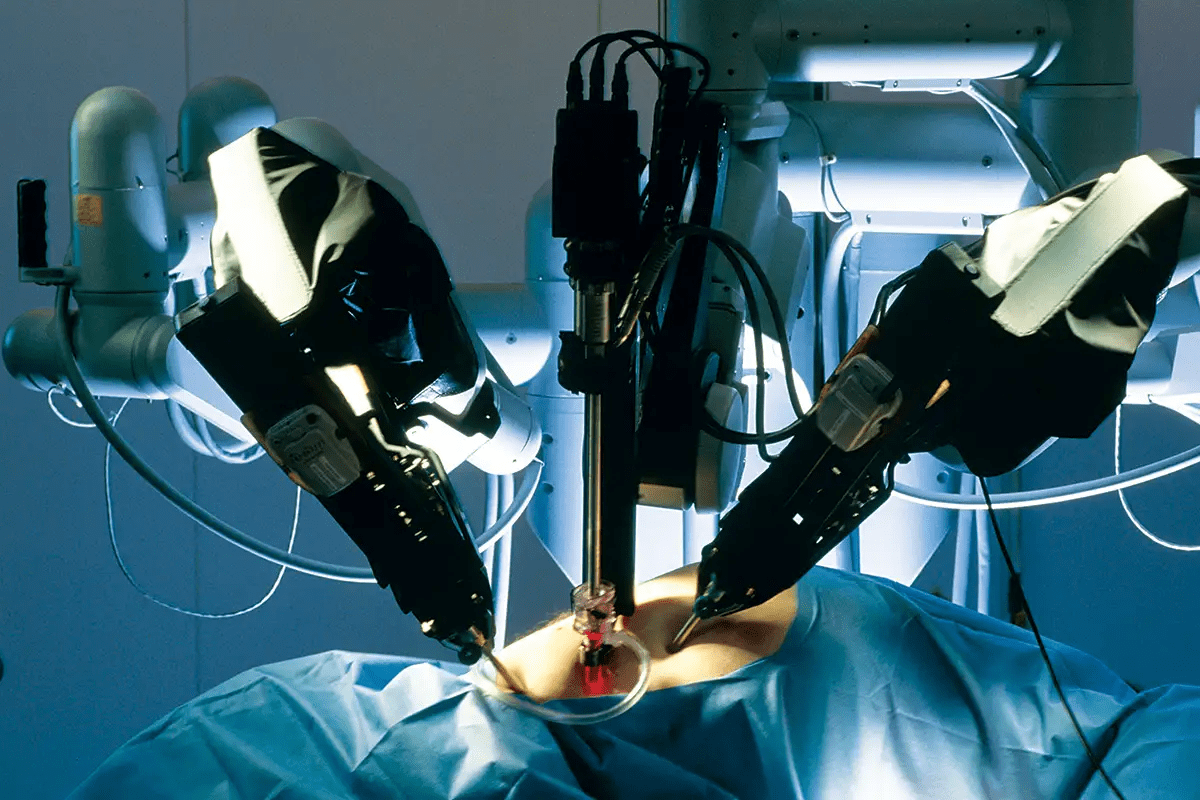
This surgery is done under general anesthesia, so the patient won’t feel pain. There are different ways to do it, like open surgery, laparoscopic surgery, or robotic-assisted laparoscopic surgery. The choice depends on the patient’s health and the surgeon’s skill.
Different Surgical Approaches and Techniques
The method used can change the surgery’s outcome. Open surgery uses one big cut. Laparoscopic surgery uses small cuts for a camera and tools. Robotic-assisted laparoscopic surgery offers better vision and control.
Removal of the Prostate and Seminal Vesicles
In radical prostatectomy, the prostate and seminal vesicles are taken out. Seminal vesicles help make seminal fluid, a key part of semen. Removing them can change semen’s makeup and affect ejaculation.
Impact on Surrounding Structures and Nerves
The prostate gland is close to nerves and structures important for sex. During surgery, doctors try to save these nerves. But, damage can happen, leading to changes in sex function, like dry ejaculation.
Knowing how radical prostatectomy affects sex can help patients prepare. While it’s key for treating prostate cancer, it can also change how men ejaculate and their overall sex health.
Can You Ejaculate Without a Prostate?
Men facing prostate removal surgery need to know how it affects ejaculation. The prostate is key to the male reproductive system. Its removal changes how men ejaculate.
The Physiological Reality After Surgery
After a radical prostatectomy, men can’t ejaculate like before. The surgery removes the prostate and sometimes the seminal vesicles. These are vital for semen production.
Studies show men won’t ejaculate the same way after surgery. They might have a “dry orgasm,” feeling orgasm without semen release.
Understanding Dry Orgasms
A dry orgasm is when a man feels orgasm without semen release. This is common after prostate removal. It’s because semen production is greatly reduced or stopped.
Even without semen, men can feel orgasm. But, it’s a big change. It shows surgery’s impact, not a man’s sexual ability or pleasure.
The Difference Between Ejaculation and Orgasm
Ejaculation and orgasm are not the same. Ejaculation is semen release, while orgasm is the climax’s pleasure. After prostate removal, men can have orgasm but not ejaculate.
This difference is key for understanding sexual changes after surgery. It helps manage what to expect.
Scientific Evidence on Post-Prostatectomy Ejaculation
Research confirms radical prostatectomy reduces or stops ejaculation. Yet, many men can have orgasm, though it feels different.
Science backs the idea that orgasm can happen without ejaculation. This knowledge is vital for guiding patients and setting realistic sexual function expectations after surgery.
Sexual Function After Prostate Removal
Prostate removal affects men’s sex lives in many ways. It’s a big step for those with prostate problems. Knowing what happens next is key to keeping sex life healthy and enjoyable.
Orgasm Without Ejaculation
Men often can’t ejaculate after prostate surgery. This is because the prostate and seminal vesicles are removed. Men can feel orgasm, but it’s different from before.
Changes in Sensation and Pleasure
Removing the prostate can change how men feel during sex. Some say their orgasms are less intense. Others feel new sensations. These changes come from the nerves and structures around the prostate.
Patient Experiences and Satisfaction Rates
How men feel after surgery varies a lot. Some adjust quickly, while others take time. Studies show many men can keep a fulfilling sex life with the right support.
Adjusting to New Sexual Realities
Getting used to new sexual realities needs open talk with partners and sometimes help from experts. Counseling can help men and their partners stay connected and happy in their relationship.
Understanding and dealing with changes in sex life after prostate removal is possible. With the right support, men can face this big change with confidence.
Erectile Function Following Prostatectomy
Erectile function is a big worry for men having prostatectomy. The surgery can really affect a man’s ability to get and keep an erection. Knowing what affects erectile function after prostate removal is key for managing hopes and making smart treatment choices.
Prevalence of Erectile Difficulties
Erectile dysfunction (ED) is a common side effect of radical prostatectomy. The chance of getting ED after prostate surgery varies a lot. It depends on the surgery method, the patient’s age, and health. “The chance of erectile dysfunction after prostate surgery is high, but it’s not the same for everyone,” says Medical Expert, a top urologist. We will look at what affects this chance.
Factors Affecting Recovery of Erectile Function
Many things affect how well erectile function comes back after prostatectomy. These include:
- The surgery method, with nerve-sparing techniques usually leading to better results.
- The patient’s age, with younger men often having a better chance of recovery.
- Any health problems, like diabetes or high blood pressure.
Knowing these factors helps men and their doctors plan for better erectile function recovery.
Nerve-Sparing Surgery and Its Impact
Nerve-sparing surgery tries to keep the nerves around the prostate that are key for erections. “Nerve-sparing prostatectomy greatly improves the chance of getting erections back,” a study in the Journal of Urology found. This method isn’t right for everyone, but for those who can have it, it makes a big difference in their ability to get erections after surgery.
Timeline for Possible Improvement
How long it takes for erectile function to get better after prostatectomy varies. Most men see some improvement in the first year after surgery. Some may see more improvement up to two years or more. “Being patient and sticking with treatment is important, as getting better can take time,” Medical Expert, a sexual health expert, advises.
By understanding how prostatectomy affects erections and what affects recovery, men can make better choices. This helps them work towards the best possible results.
Retrograde Ejaculation After Prostate Surgery
Retrograde ejaculation is a possible side effect after prostate surgery. It happens when semen goes back into the bladder instead of coming out through the penis. This usually occurs because the surgery changes how semen flows during ejaculation.
What is Retrograde Ejaculation?
Retrograde ejaculation means semen goes into the bladder instead of out through the penis. Normally, the bladder neck closes to keep semen out. But after prostate surgery, this might not work right.
Why It Occurs After Prostatectomy
Removing the prostate gland and sometimes the seminal vesicles can mess with the nerves and muscles that control ejaculation. This can cause the bladder neck to stay open, letting semen go back into the bladder.
Health Implications of Retrograde Ejaculation
Retrograde ejaculation isn’t bad for your health, but it can affect your ability to have kids. It might also make you feel differently about sex. If you want to have children, you might need to look into other ways to do so.
Managing Retrograde Ejaculation Symptoms
Understanding that retrograde ejaculation is a common side effect of prostate surgery is key. It’s not a sign of a bigger health problem. You can talk to your doctor about how to handle it or any fertility worries you have.
Men who have had prostate surgery should know about the chance of retrograde ejaculation. Talking to your doctor about it can help you deal with its effects.
Recovery Timeline and Expectations
Knowing how to recover after prostate surgery is key. It helps manage expectations and get the best results. The recovery time can differ for everyone, but there are general guidelines to help.
Short-Term Recovery from Surgery
Right after surgery, you’ll need time to heal. You might feel pain, be tired, and have trouble moving. Doctors usually tell you to avoid heavy lifting and hard activities for weeks.
It’s important to follow your doctor’s advice on caring for your wound, taking medicine, and going to follow-up visits. Watch for any signs of problems like infection or too much bleeding.
Sexual Function Recovery Milestones
Recovering sexually after prostate surgery is a big concern. Recovery times vary, but most men see improvements over months to a year or more. How fast you recover depends on the surgery, your health, and age.
Recovering sexually means more than just being able to get an erection. It also means getting your sex drive back and being able to orgasm, even if you can’t ejaculate.
When to Seek Additional Medical Help
Even with successful recovery, sometimes you need more help. See a doctor if you have ongoing pain, signs of infection, can’t control your urine, or can’t get an erection. Getting help early can make a big difference in your recovery.
Realistic Expectations for Long-Term Outcomes
It’s important to have realistic hopes for long-term results after prostate surgery. Many men see big improvements in their urine control and some sexual function. But how much you recover can vary.
| Recovery Aspect | Short-Term Expectation | Long-Term Expectation |
| Urinary Continence | Initial incontinence, improving over weeks | Significant improvement, with some men achieving full continence |
| Erectile Function | Initial dysfunction, with gradual improvement | Varies; some men recover fully, others experience partial recovery |
| Sexual Function | Potential for dry orgasms; libido may be affected | Libido often returns; orgasmic function may recover, though ejaculation is typically lost |
Understanding these recovery aspects helps men and their partners prepare for changes after surgery. It makes the recovery process more supportive and realistic.
Managing Sexual Changes After Prostate Removal
Prostate removal surgery can cause sexual changes. It’s important to understand and manage these changes to keep sex life fulfilling. Men may find it harder to ejaculate, have trouble with erections, and feel less sexually satisfied.
Medical Interventions for Erectile Function
There are ways to improve erectile function after surgery. PDE-5 inhibitors help men get and keep an erection. Penile rehabilitation programs, which include medications and devices, also help.
Men should talk to their doctor to find the best treatment for them.
Psychological Adjustment Strategies
Adjusting to sexual changes can be tough, both physically and emotionally. Counseling or therapy can help with feelings of anxiety or depression. It’s a way to deal with the emotional side of sexual health changes.
Practicing mindfulness and stress-reducing activities can also help. They can make it easier to cope with emotional changes.
Communication with Partners About Changes
Talking openly with partners is key when dealing with sexual changes. Discussing feelings and expectations can strengthen the relationship. It can also improve intimacy.
Partners can play a big role in the treatment process. They can offer support and understanding as men adjust to their new reality.
Support Groups and Resources
Joining support groups can be very helpful. Men can share their experiences and learn from others who have gone through similar surgeries. It’s a way to feel understood and supported.
There are also many online resources and educational materials available. They offer guidance and support for men dealing with sexual changes after prostate removal.
Conclusion
Prostate removal through radical prostatectomy greatly affects a man’s ability to ejaculate. We’ve looked into the changes and treatments available to help men cope with these changes.
Men can have orgasms after prostate removal, but it’s different. It’s important to know that ejaculation and orgasm are not the same. After surgery, men might have dry orgasms or retrograde ejaculation, where semen goes into the bladder instead of coming out.
The question of whether you can ejaculate without a prostate is complex. The prostate is key to ejaculation, but removing it doesn’t mean you can’t ejaculate. It changes how you ejaculate, though.
Many men wonder if they can ejaculate after prostate removal. There are treatments and adjustments that can help men enjoy sex again. By understanding the challenges and opportunities for recovery, men can better handle these changes.
Understanding the effects of prostate removal on sex and finding treatments can help men feel confident and intimate again. We aim to give men the support they need after prostatectomy, helping them navigate these changes.
FAQ
Can men stil ejaculate after prostate removal?
After a prostate removal, men usually don’t ejaculate like before. They might have dry orgasms. This means they feel like they’re having an orgasm but don’t release semen.
What is a dry orgasm, and why does it occur after prostatectomy?
A dry orgasm is when you feel like you’re having an orgasm but don’t release semen. This happens because the prostate and seminal vesicles are removed. They’re key in making semen.
Can a man stil experience orgasm without a prostate?
Yes, men can have orgasms without a prostate. The feeling might be different, but it’s possible. Understanding these changes can help men enjoy sex again.
What is retrograde ejaculation, and how is it related to prostatectomy?
Retrograde ejaculation means semen goes back into the bladder during orgasm. After prostate removal, this can happen. It’s because the prostate and seminal vesicles are gone.
How long after prostatectomy can you ejaculate?
Men usually can’t ejaculate like before after prostate removal. How long it takes to recover varies. But most men don’t get back to normal ejaculation.
Can you stil have a fulfilling sex life after prostate removal?
Yes, men can have a fulfilling sex life after prostate removal. With the right help and adjustments, it’s possible. Medical treatments, talking to partners, and support groups can help.
What are the health implications of retrograde ejaculation?
Retrograde ejaculation is usually not a big health worry. But it might mean there’s something else going on. If you have it, talk to your doctor to check for other issues.
How can men manage sexual changes after prostate removal?
Managing sexual changes after prostate removal needs a few steps. Medical help, adjusting to the changes, and talking to your partner are key. Support groups can also offer help.
What is the timeline for recovery of erectile function after prostatectomy?
How long it takes to get back erectile function varies. Age, health, and the surgery type all play a part. Nerve-sparing surgery can help improve recovery.
When should men seek additional medical help after prostatectomy?
If you’re having trouble with erectile function, pain, or other issues after prostate removal, get help. Talking to a doctor can help you get better.
References
Welliver, R. C., Jr., Henderson, C. L., Hotaling, J. M., Smith, K. D., & Lipshultz, L. I. (2016). Analysis of semen parameters during 2 weeks of daily ejaculation: A first in humans study. Translational Andrology and Urology, 5(5), 629–634. https://www.ncbi.nlm.nih.gov/pmc/articles/PMC5071206/