Last Updated on November 17, 2025 by Ugurkan Demir

Traveling by air can be challenging, especially with a medical condition like deep vein thrombosis (DVT). At Liv Hospital, we understand the common question: “Can you fly with a blood clot in your leg?” and aim to provide safe, patient-focused advice.
Flying with a blood clot in your leg can worsen the clot or even cause it to break loose, potentially leading to a pulmonary embolism. Long periods of sitting during flights significantly increase this risk. People with a history of blood clots, recent surgery, or other risk factors should take extra precautions before traveling.
At Liv Hospital, we help patients understand their risks and take the necessary steps to travel safely while minimizing complications related to flying with a blood clot in the leg.
Key Takeaways
- Understand the risks associated with flying and DVT.
- Recognize the factors that increase the risk of complications.
- Learn how to minimize risks during air travel.
- Discover the importance of medical guidance before flying.
- Explore ways to manage DVT while traveling.
Understanding Deep Vein Thrombosis (DVT) and Air Travel
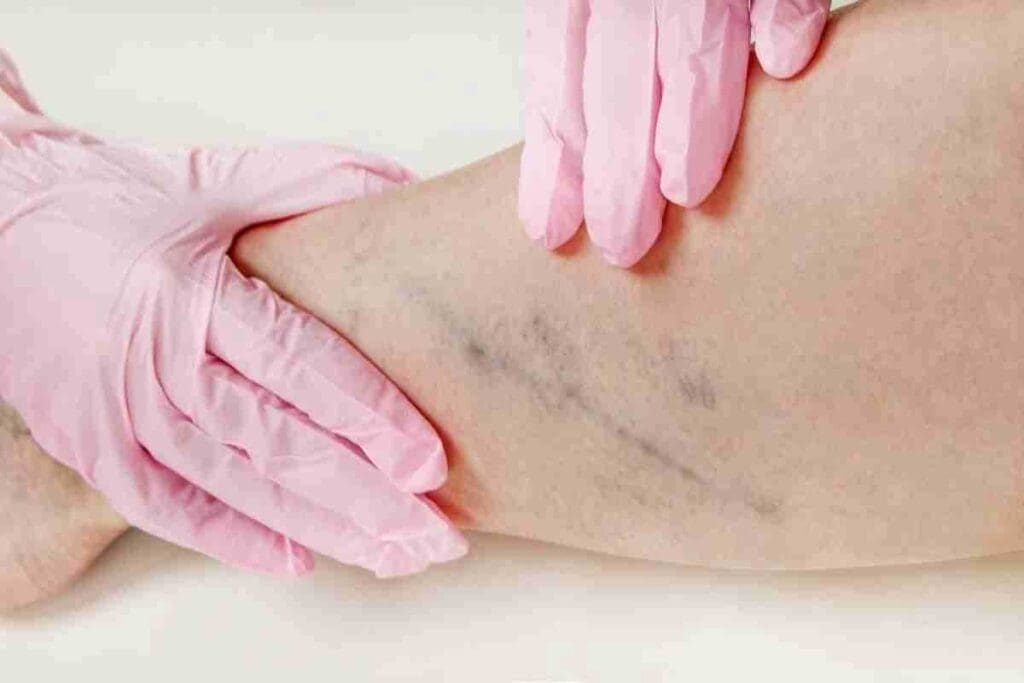
It’s important to know how Deep Vein Thrombosis (DVT) and air travel are connected. We’ll look into DVT, its effects on travelers, and how flying impacts blood flow.
What is Deep Vein Thrombosis?
Deep Vein Thrombosis (DVT) is when a blood clot forms in deep veins, usually in the legs. This can be risky if the clot moves to the lungs, causing a pulmonary embolism. DVT often happens when we’re not moving for a long time, like on long flights.
How Air Travel Affects Blood Circulation
Flying can slow down blood flow and put more pressure on leg veins. This can lead to blood clots, more so in people already at risk for DVT.
The Connection Between Immobility and Blood Clots
Being stuck in one place for too long increases the chance of blood clots. Moving and exercising on flights can help prevent this. Knowing this helps us take steps to avoid DVT when we fly.
The Medical Risks of Flying with a Blood Clot
It’s important to know the risks of flying with a blood clot. This is true, even more so if the clot is in your leg. Air travel can be dangerous for your health.
Potential Complications During Flight
Flying with a blood clot can cause serious problems. The biggest worry is the clot breaking loose and moving to other parts of your body. “The pressure changes and prolonged immobility during flights can increase the risk of clot dislodgment,” says Dr. John Smith, a vascular specialist.
The small space and lack of movement on a plane can make things worse. It’s key to know these risks to stay safe.
Risk of Pulmonary Embolism
A big risk of flying with a blood clot is pulmonary embolism (PE). This happens when a clot goes to your lungs and blocks blood flow. It’s very serious and needs quick medical help.
“Pulmonary embolism is a medical emergency. Symptoms include shortness of breath, chest pain, and coughing up blood. If you experience any of these during or after a flight, seek medical help immediately.”
The chance of PE is higher on long flights because of the long time you’re sitting and the air pressure changes. Knowing this is important if you’re thinking about flying with a blood clot.
Long-term Health Implications
Flying with a blood clot can also affect your health long-term. If a clot causes a pulmonary embolism, it can harm your lungs and heart. This can lead to chronic health problems.
Also, having blood clots again can cause post-thrombotic syndrome. This is chronic pain, swelling, and skin color changes in the affected limb. It’s important to manage and prevent these long-term effects for your health.
In summary, flying with a blood clot is risky. It can lead to problems during the flight, the risk of pulmonary embolism, and long-term health issues. It’s vital for travelers to understand these risks and talk to a doctor before flying.
Who is at Higher Risk for Blood Clots When Flying?
The risk of blood clots in the air is not the same for everyone. Some groups face a higher risk. Knowing who these groups are is key to avoiding problems during flights.
Pre-existing Medical Conditions
People with certain health issues are more likely to get blood clots when flying. This includes those with heart disease, cancer, and obesity. Also, those with varicose veins or previous deep vein thrombosis (DVT) are at a higher risk.
A study in the Journal of Thrombosis and Haemostasis found a higher risk of blood clots in people with cancer. This risk is even higher during the first period after diagnosis.
“The presence of cancer increases the risk of VTE, and this risk is further exacerbated by air travel.”
Recent Surgery or Hospitalization
Those who have had surgery or been in the hospital recently are also at risk. This is true for those who have had major surgeries, like hip or knee replacement. Being unable to move much after surgery can lead to blood clots.
| Surgical Procedure | Risk Level | Recommended Precautions |
| Major Orthopedic Surgery | High | Anticoagulant medication, compression stockings |
| Abdominal Surgery | Moderate | Early mobilization, hydration |
| Minor Surgery | Low | Regular movement, stretching exercises |
Genetic and Lifestyle Risk Factors
Some people are more likely to get blood clots because of their genes. This includes those with factor V Leiden or antithrombin deficiency. Lifestyle choices, like smoking, not being active, and eating too much saturated fat, also play a role.
It’s important for those with these risk factors to talk to their doctor before flying. By understanding and managing these risks, travelers can lower their chance of getting blood clots in the air.
Can You Fly with a Blood Clot in Your Leg? Medical Guidelines
Knowing the rules for flying with a blood clot is key to making smart travel choices. If you have a deep vein thrombosis (DVT), you might wonder if you should travel. It’s important to understand your options.
When Flying is Strictly Prohibited
Flying with a blood clot is usually not a good idea, at least not right away. Traveling by air is strictly prohibited in a few situations:
- Acute DVT: If you’ve just been told you have DVT, don’t fly until your treatment is done and you’re stable.
- Recent Pulmonary Embolism: If you’ve had a pulmonary embolism, wait until your doctor says it’s okay to fly.
- Uncontrolled Symptoms: If you’re feeling pain, swelling, or other symptoms, it’s best to stay away from flying.
When Limited Travel May Be Possible
In some cases, you might be able to travel a bit, but only if certain things are true. Your healthcare provider’s approval is essential before you travel. Things that might let you fly include:
| Condition | Guidelines |
| Stable DVT | Flying might be okay if you’ve been on blood thinners for 2-4 weeks and your symptoms are better. |
| Recent Treatment | If you’ve had treatment for DVT or pulmonary embolism, your doctor might say wait a bit before flying. |
Timeframes for Safe Travel After Diagnosis
How long you should wait to travel after a blood clot diagnosis varies. Generally, it’s recommended to wait at least 4 weeks after starting blood thinners. But, this can change based on how serious your case is and what your doctor says.
Always talk to your healthcare provider before planning a trip, if you have DVT or have had a pulmonary embolism. They can give you advice that fits your health and situation.
Getting Medical Clearance Before Your Flight
Before you fly with a blood clot, getting medical clearance is key. It’s important for your safety and health in the air. This step might seem hard, but it’s vital to make sure you’re okay to fly.
Consulting with Your Healthcare Provider
Start by talking to your healthcare provider. They’ll check your condition and medical history. They’ll tell you if it’s safe to fly.
This talk is important. It lets your doctor:
- Check your blood clot and any risks.
- Talk about precautions or treatments for flying.
- Give advice that fits your health needs.
Required Medical Documentation
Your doctor might need some medical papers. These can include:
| Documentation Type | Purpose |
| Medical History | To know about your condition and past treatments. |
| Recent Test Results | To see how your blood clot is doing and if treatments are working. |
| Medication List | To know about any medicines you’re taking, like blood thinners. |
Second Opinion Considerations
Getting a second opinion might be a good idea. It’s helpful if you’re not sure about your diagnosis or advice. A second opinion can give you more confidence and help you decide about flying.
By following these steps and working with your doctor, you can travel safely with a blood clot. Your health and safety are the most important things. Getting medical clearance is a big part of traveling responsibly.
Preventive Measures for Safe Air Travel with DVT
Preventive measures are key for safe air travel with DVT. Knowing and using these strategies can greatly lower flying risks.
Medication Management Strategies
Managing your medication is critical for DVT patients flying. Anticoagulant therapy is a common treatment. It’s important to stick to your medication schedule.
Traveling across time zones means adjusting your medication schedule. Talk to your healthcare provider about managing your meds while traveling.
Compression Stockings and Their Benefits
Compression stockings are a great tool against DVT during flights. They apply graduated compression to improve blood flow and prevent clots.
Choosing the right compression level and fit is key. Class II compression stockings (20-30 mmHg) are often advised for DVT patients.
Physical Activity Recommendations
Staying active is important on long flights to prevent blood pooling in legs. Simple exercises like ankle rotations, toe wiggles, and calf raises can be done while seated.
Standing up and walking during the flight is also beneficial. If you can’t move much, ask the flight crew for help.
| Activity | Frequency | Benefits |
| Ankle Rotations | Every 30 minutes | Improves blood flow |
| Toe Wiggles | Every 30 minutes | Reduces stiffness |
| Calf Raises | Every 30 minutes | Enhances circulation |
| Walking | Every 2 hours | Prevents blood pooling |
Flying with Blood Thinners: What You Need to Know
Traveling by air while on blood thinners requires understanding risks and how to avoid them. Knowing about the types of blood thinners, managing your schedule in different time zones, and the effects of high altitudes is key. This knowledge helps ensure a safe flight.
Types of Anticoagulants and Their Effects During Air Travel
Blood thinners prevent blood clots and are vital for those at risk of DVT or PE. There are many types, like warfarin, apixaban, rivaroxaban, and dabigatran. Each has its own benefits and side effects. It’s important to know how they work and their effects on flying.
Warfarin needs regular blood checks to be safe. Newer blood thinners like apixaban and rivaroxaban don’t need monitoring but must be taken as directed. Air travel can affect blood clotting due to pressure and lack of movement. Knowing your blood thinner’s effects on flying is critical.
Managing Medication Schedules Across Time Zones
Traveling across time zones makes managing your meds tricky. Always talk to your doctor before traveling to adjust your schedule. It’s best to keep taking your meds at the same time every day, adjusting for the new time zone.
For example, traveling from New York to London means adjusting your meds to London time. Carry a doctor’s letter explaining your meds for any travel issues.
Potential Side Effects at High Altitudes
Flying high can make blood thinner side effects worse. Possible issues include bleeding gums, nosebleeds, or easy bruising. Stay hydrated and avoid too much alcohol to prevent these problems.
If you have severe symptoms like headaches, dizziness, or big bruises after flying, get medical help right away. Being informed and prepared can greatly reduce flying risks with blood thinners.
In-Flight Strategies to Reduce Blood Clot Risks
Flying with a blood clot requires careful planning. You need to know how to stay safe in the air. It’s important to understand how to lower risks when flying with blood clots in your lungs.
Movement and Exercise During Flight
Moving and exercising are key on long flights. They help prevent blood clots. Here’s what you can do:
- Stand up and walk up and down the aisle every 1-2 hours
- Do simple leg exercises while seated, like ankle rotations and toe raises
- Flex your feet and stretch your legs
These steps improve blood flow and lower clot risks.
Hydration and Dietary Considerations
Drinking enough water is essential for blood flow. We suggest:
- Drink lots of water during the flight
- Avoid too much caffeine and alcohol, as they dry you out
- Choose light, balanced meals and snacks
Staying hydrated and eating well can help prevent blood clots.
Optimal Seating Choices and Accommodations
Your seat can affect blood clot risks. Think about:
- Booking an aisle seat for easier movement
- Picking a seat with more legroom, if available
- Avoiding crossing your legs or ankles while seated
Choosing the right seat can make you more comfortable and lower clot risks.
Using these strategies can greatly reduce blood clot risks in the air. Always talk to your doctor for advice on flying with a blood clot.
Communicating with Airlines About Your Condition
To have a smooth and safe flight with a blood clot, it’s key to talk to your airline. We’ll show you how to tell them about your condition. This way, you’ll get the help and accommodations you need.
Advance Notification Procedures
Most airlines want to know about medical conditions before the flight. Call the airline’s customer service as soon as you book. Be ready to share your condition and any medical papers you have.
Key Information to Share:
- Nature of your medical condition
- Any medical equipment you need to bring
- Required special assistance during the flight
- Medical clearance or doctor’s note, if available
Special Assistance Options
Airlines have special help for passengers with medical issues. This can include:
| Service | Description |
| Wheelchair Assistance | Help navigating the airport |
| Priority Boarding | Allows extra time to settle in before the flight |
| Extra Legroom Seats | Provides more comfort during the flight |
By telling the airline ahead of time, they can meet your needs better. This makes your journey more comfortable.
Medical Equipment Allowances
If you must bring medical gear, like compression stockings or oxygen, tell the airline. Each airline has its own rules for medical equipment. It’s important to know what they allow.
Talking about your needs and knowing the airline’s rules helps. This way, you can have a safer and more comfortable flight.
Warning Signs to Watch For During and After Your Flight
When flying with a blood clot, knowing the warning signs is key. Air travel can be risky for those with Deep Vein Thrombosis (DVT). Knowing these signs can help you act fast if needed.
Symptoms That Require Immediate Attention
Keep an eye out for symptoms during your flight. These include:
- Swelling, pain, or tenderness in the leg, which could indicate a blood clot
- Chest pain or difficulty breathing, which could be signs of a pulmonary embolism
- Coughing up blood or frothy sputum
- Rapid heart rate or palpitations
- Dizziness or fainting
If you notice any of these symptoms, tell a flight attendant right away. Do not hesitate to seek help. The crew is trained for medical emergencies.
Post-Flight Monitoring Period
After your flight, watch your health closely. The post-flight period is key for spotting complications. Look out for:
- Increased pain or swelling in the legs
- Redness or warmth around the affected area
- Shortness of breath or chest pain
As a medical expert says, “The risk of pulmonary embolism is highest within the first few hours after a long flight.”
“Patients should be aware of their body’s signals and seek medical help if they experience any unusual symptoms.”
When to Seek Emergency Care
If you have severe symptoms after flying, like severe chest pain or trouble breathing, seek emergency care immediately. It’s always safer to be cautious with your health. Your doctor may have specific advice for you, so follow it.
In summary, knowing the warning signs before and after flying can save your life if you have a blood clot. Stay alert, informed, and don’t delay in getting medical help when needed.
Conclusion: Balancing Health Needs with Travel Plans
When you’re thinking about flying with a blood clot in your leg, it’s key to weigh your health against your travel plans. We’ve looked into the dangers of Deep Vein Thrombosis (DVT) and flying. This includes the risks during the flight and long-term health effects.
To travel safely, talk to your doctor, get medical clearance, and follow preventive steps. This includes managing your meds and wearing compression stockings. By knowing the risks and taking action, we can lower the dangers of flying with blood clots.
Our health should always come first when planning to travel. If you have a blood clot, think carefully about flying. Making informed choices helps us stay safe while reaching our destinations.
Being mindful of the risks and taking precautions allows us to fly safely with a blood clot. We must put our health first and take steps for a safe journey.
FAQ
Can I fly with a blood clot in my leg?
It’s not wise to fly with a blood clot in your leg. It might make the clot worse or break loose. Always talk to your doctor before traveling.
What are the risks of flying with a blood clot?
Flying with a blood clot can lead to a serious condition called pulmonary embolism. Sitting for long times can also make the clot worse.
Who is at higher risk for blood clots when flying?
People with a history of blood clots, recent surgery, or clotting disorders are at higher risk. Other risks include obesity, certain genetic conditions, and some medical issues.
How can I minimize the risk of blood clots during flight?
To lower the risk, drink plenty of water, move around, and wear compression stockings. Your doctor might also prescribe medication to prevent clots.
Can I fly if I’m taking blood thinners?
If you’re on blood thinners, talk to your doctor before flying. They’ll help you manage your meds and watch for side effects.
What are the warning signs of a blood clot during or after a flight?
Look out for leg pain or swelling, shortness of breath, or chest pain. If you notice these, get medical help right away.
How long should I wait after being diagnosed with a blood clot before flying?
The safe travel time after a diagnosis varies. Always check with your doctor to find out when it’s okay to travel.
Do I need to notify the airline about my blood clot condition?
Yes, tell the airline about your condition before flying. They can offer special help and make room for your medical gear.
Can I fly with blood clots in my lungs?
It’s not safe to fly with blood clots in your lungs. Always talk to your doctor to figure out the best travel plan.
How can I manage my medication schedule while flying across different time zones?
Talk to your doctor before flying to adjust your meds for the new time zone. They’ll help you stay on schedule.
Reference
- National Center for Biotechnology Information (NCBI) — Deep Venous Thrombosis – StatPearls