Last Updated on November 26, 2025 by Bilal Hasdemir
Can you get gallstones without a gallbladder? Get the bad truth. Learn how painful stones can still form in your bile ducts post-surgery.
Many patients who have had their gallbladder removed wonder: Is it possible to get gallstones again? The truth is, gallstones can form in places other than the gallbladder. They can also appear in the bile ducts. Studies show that stones can form in the common bile duct or cystic duct, even after the gallbladder is gone.
People who are overweight or lose weight quickly are more likely to get gallstones. Experts at Liv Hospital say that removing the gallbladder doesn’t mean you’re safe from gallstones. It’s important to know the risks and take steps to prevent them to stay healthy.
Key Takeaways
- Gallstones can form in the bile ducts even after gallbladder removal.
- Being overweight or losing weight rapidly increases the risk of gallstones.
- The gallbladder’s removal does not eliminate the risk of gallstone formation.
- Preventive measures are essential for maintaining health after surgery.
- Understanding the risks associated with gallstones is important for patients.
Understanding Gallstones and Gallbladder Function

To understand gallstones and the gallbladder, knowing how gallstones form and the gallbladder’s role is key. Gallstones are common and affect many people. They have a complex relationship with the gallbladder.
What Are Gallstones?
Gallstones are hard deposits that form in the gallbladder or biliary tree. They are made of cholesterol, bilirubin, and bile. These stones can be different sizes and numbers. Their formation depends on bile composition and gallbladder function.
The Role of the Gallbladder in Bile Management
The gallbladder stores bile from the liver, making it more concentrated. It then releases it into the small intestine to help digest fats. The gallbladder is vital for digestion. Removing it changes how bile is managed.
After the gallbladder is removed, the liver keeps making bile. This bile goes straight into the small intestine.
Common Reasons for Gallbladder Removal
Gallbladder removal, or cholecystectomy, is done to treat pain or infection from gallstones. It’s considered when gallstones keep coming back or cause problems. Liv Hospital offers care for biliary diseases, including surgery for gallbladder removal.
People who have their gallbladder removed need to adjust to changes in their digestive system. It’s important to understand these changes and how they affect gallstone formation. This helps manage health after surgery.
Can You Get Gallstones Without a Gallbladder?
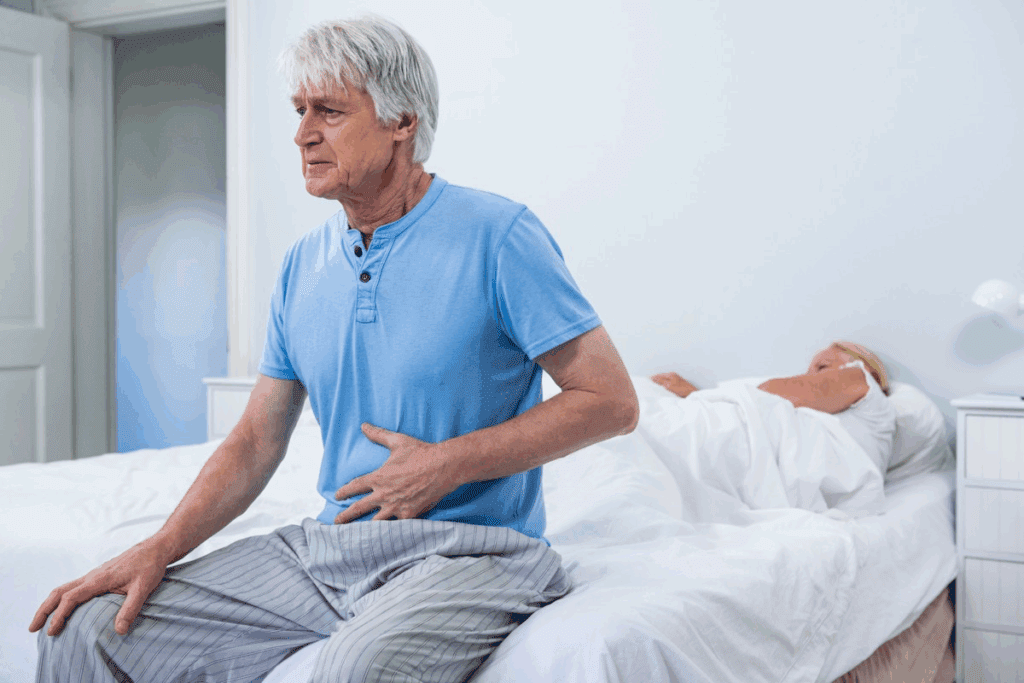
Removing the gallbladder doesn’t mean you’re safe from gallstones. Gallstones can form in the bile ducts even after surgery. This is because the gallbladder is not the only place where stones can form.
The Scientific Answer: Yes, It’s Possible
Studies show that gallstones can form even after the gallbladder is gone. These are called bile duct stones or choledocholithiasis.
Bile duct stones form in the bile ducts. These ducts carry bile from the liver to the small intestine. Stones can form here due to bile stasis, infection, or foreign bodies.
Understanding Bile Duct Stones (Choledocholithiasis)
Choledocholithiasis means stones are in the bile ducts. This can cause serious health issues if not treated.
Symptoms of bile duct stones include abdominal pain, jaundice, and fever. In severe cases, they can lead to pancreatitis, a serious condition.
Statistical Occurrence After Gallbladder Removal
Research shows that 5% to 15% of patients get bile duct stones after gallbladder removal. This is during surgery.
| Time Frame | Percentage of Patients Developing Symptoms |
| Within 5 years | 10% |
| Within 20 years | 20% |
This shows why it’s key to keep an eye on patients after gallbladder surgery. Regular check-ups are important.
How Stones Form in the Biliary System Post-Cholecystectomy
After gallbladder removal, the biliary system can change in ways that lead to bile duct stones. Cholecystectomy is done to treat gallstones causing pain or infection. But, it doesn’t stop the risk of stones in the biliary system.
The Biliary System Without a Gallbladder
Without a gallbladder, the liver keeps making bile. This bile then goes straight to the small intestine. This change can cause bile to always flow into the intestine, not just when we eat. This can make the bile ducts a place for stones to form.
Liv Hospital follows the latest medical guidelines for biliary diseases. They stress the need to understand how the body changes and the risks after gallbladder removal.
Stone Formation Mechanisms in Bile Ducts
Stones in bile ducts can form in several ways. Bile stasis, infection, and foreign bodies can all play a part. Bile stasis happens when bile doesn’t move right, letting particles stick together. Infection can change bile’s makeup, helping stones form.
Studies show that getting stones in bile ducts after gallbladder removal is a big worry. Here’s a table of key factors that help stones form:
| Factor | Description | Risk Level |
| Bile Stasis | Poor bile flow | High |
| Infection | Presence of bacteria | Moderate |
| Foreign Bodies | Presence of non-bile particles | Low |
Pancreatic Duct Stones
Pancreatic duct stones can also happen after gallbladder removal. These stones are made of calcium carbonate and minerals. They can cause pancreatitis, a painful inflammation of the pancreas.
“The formation of stones in the pancreatic duct is a serious condition that requires prompt medical attention to prevent complications such as pancreatitis.”
The exact reasons for pancreatic duct stone formation are not fully known. But, it’s thought to be linked to changes in pancreatic secretions and blockages in the ducts.
It’s important to know about the risks and how stones form in the biliary system after gallbladder removal. Regular check-ups with healthcare providers are key for those who have had gallbladder surgery.
Risk Factors for Developing Stones After Gallbladder Removal
Removing the gallbladder doesn’t mean you won’t get gallstones. Many factors can lead to stone formation after surgery. It’s important for those who have had their gallbladder removed to know these risks.
Previous History of Gallstones
If you’ve had gallstones before, you’re more likely to get them again. People who have had gallstones are at a higher risk of getting stones in the bile ducts.
Dietary and Lifestyle Factors
Your diet and lifestyle can affect your risk of getting stones after gallbladder removal. Eating a lot of saturated fats and sugar can increase your risk. Also, being overweight or having insulin resistance can lead to gallstones.
- Eating too many processed foods
- Not being active enough
- Being overweight or obese
Medical Conditions That Increase Risk
Some medical conditions can also raise your risk of getting stones after gallbladder removal. These include metabolic problems, high cholesterol, and diabetes.
| Medical Condition | Increased Risk |
| Metabolic Derangements | Yes |
| Dyslipidemia | Yes |
| Diabetes | Yes |
Knowing these risk factors can help patients and doctors prevent stones after gallbladder removal.
Symptoms of Bile Duct Stones
Knowing the symptoms of bile duct stones is key for quick diagnosis and treatment. These stones can block the bile ducts, leading to various symptoms.
Common Symptoms and Warning Signs
The symptoms of bile duct stones vary but often include abdominal pain, jaundice, and fever. Abdominal pain in the right upper quadrant is common. This pain can be on and off or constant, and may get worse with fatty meals.
Jaundice, a yellowing of the skin and eyes, happens when bilirubin builds up in the blood. This is because the bile duct is blocked, stopping bilirubin from being released into the intestine.
Fever can also occur, often with an infection. In severe cases, this infection can lead to cholangitis, a serious condition needing quick medical care.
How Symptoms Differ From Traditional Gallstones
The symptoms of bile duct stones are different from those of traditional gallstones. Gallstones in the gallbladder might cause pain after eating fatty foods. But, bile duct stones can cause more severe and ongoing symptoms because they block bile flow.
As one medical expert noted,
“The presence of stones in the bile duct can lead to a complex clinical picture that includes pain, jaundice, and potentially life-threatening infections.”
When to Seek Medical Attention
It’s important to see a doctor if symptoms don’t go away or get worse. Severe abdominal pain, high fever, or jaundice are signs that need quick attention.
- Severe or persistent abdominal pain
- Jaundice or yellowing of the skin and eyes
- Fever or chills
Early diagnosis and treatment can greatly improve outcomes for patients with bile duct stones.
Diagnosis of Stones in Patients Without a Gallbladder
Diagnosing bile duct stones in people without a gallbladder is complex. Liv Hospital uses the latest medical methods for accurate diagnosis.
Diagnostic Procedures and Tests
Several tests are used to find stones in those without a gallbladder. Ultrasound is often first because it’s non-invasive and good at spotting stones. But, more tests might be needed to be sure.
Other tests include:
- Liver function tests to check enzyme levels and look for problems.
- Complete blood count (CBC) to see if there’s infection or inflammation.
- Endoscopic ultrasound (EUS) for detailed bile duct images.
Imaging Techniques for Detection
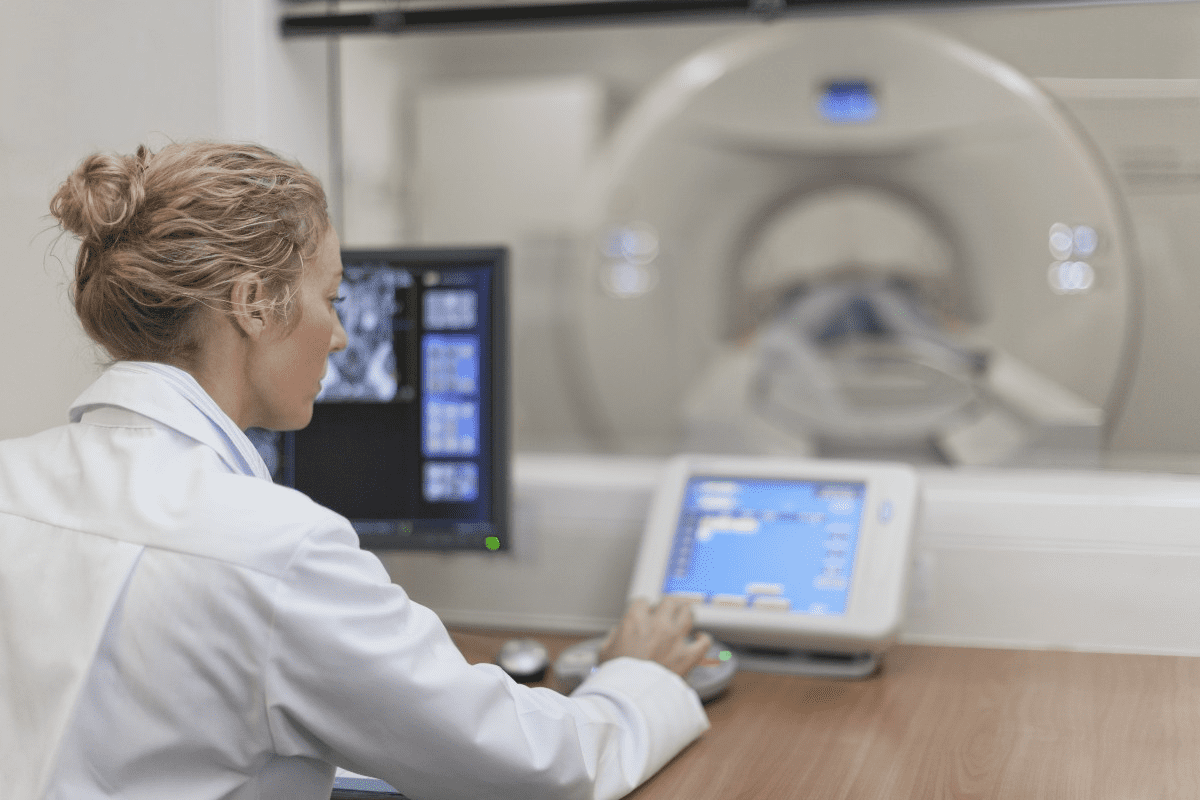
Many imaging methods help find bile duct stones. Computed Tomography (CT) scans are great for spotting stones and seeing the bile ducts’ shape. Magnetic Resonance Cholangiopancreatography (MRCP) gives clear images of the ducts without contrast agents.
Endoscopic Retrograde Cholangiopancreatography (ERCP) is both a diagnostic and treatment tool. It lets doctors see the bile ducts and remove stones during the test.
Differential Diagnosis Considerations
When diagnosing, it’s important to think of other reasons for symptoms that might look like bile duct stones. This includes pancreatitis, cholangitis, and other liver and bile duct issues. A detailed differential diagnosis is key for the right treatment.
Differential diagnosis uses clinical checks, lab tests, and imaging. By looking at all possible causes, doctors can create a treatment plan that fits the patient’s needs.
Treatment Options for Bile Duct Stones
Managing bile duct stones involves different treatments. These include endoscopic, surgical, and medical options. The right treatment depends on the patient’s health, the stone’s size and location, and their medical history.
Endoscopic Retrograde Cholangiopancreatography (ERCP)
ERCP is a common method for treating bile duct stones. It uses an endoscope to reach the bile duct through the mouth. A dye is then used to see the stones on an X-ray.
Surgical Interventions
Sometimes, surgical intervention is needed for bile duct stones. This is when ERCP is not possible or has failed. Surgery can remove stones or fix any issues that cause stones.
Medication and Dissolution Therapies
For some, medication and dissolution therapies are options. These include drugs like ursodeoxycholic acid to dissolve stones. This is usually for those who can’t have ERCP or surgery.
Liv Hospital offers care for biliary diseases, including bile duct stones. A team of experts creates a treatment plan for each patient.
Prevention Strategies After Gallbladder Removal
After having your gallbladder removed, it’s important to take steps to avoid future biliary problems. A healthy lifestyle is key to managing and preventing these issues.
Dietary Recommendations
Eating right is essential after gallbladder surgery. Here are some tips:
- Eat more fiber-rich foods like fruits, veggies, and whole grains.
- Limit fatty foods, avoiding saturated and trans fats.
- Avoid crash diets and go for slow weight loss if needed.
- Drink lots of water to stay hydrated.
Lifestyle Modifications
Changing your lifestyle can also help prevent biliary problems:
- Stay active to keep a healthy weight and better digestion.
- Don’t smoke and drink alcohol in moderation to avoid pancreatitis.
- Use stress-reducing activities like meditation or yoga.
Regular Medical Follow-ups
Seeing your doctor regularly is vital for checking your biliary health. These visits can catch and manage problems early.
- Make sure to schedule regular doctor’s appointments.
- Talk to your doctor about any symptoms or worries.
- Stick to the schedule for liver tests and other checks.
By following these prevention tips, people who’ve had their gallbladder removed can lower their risk of more biliary problems.
Conclusion
It’s important to know about the risk of gallstones after removing the gallbladder. Even though it’s less common, it can happen. Patients need to be aware of this possibility.
Liv Hospital is dedicated to helping patients manage these risks. They offer solutions to prevent and treat gallstones. This is why they are leaders in this field.
Changing your diet and lifestyle can help lower your risk of gallstones. It’s also key to see your doctor regularly. This helps catch any problems early.
50+ Cancer Types: A Complete Guide and Key Facts You Need to KnowCan you get gallstones without a gallbladder? Yes, it’s possible. Knowing this helps you take care of your health. By staying informed and proactive, you can stay healthy even after gallbladder removal.
FAQ
Can you get gallstones without a gallbladder?
Yes, you can get gallstones even after your gallbladder is removed. These are called bile duct stones or choledocholithiasis. The risk is lower, though.
What are bile duct stones?
Bile duct stones form in the bile ducts. These ducts carry bile from the liver to the small intestine. They can happen even after the gallbladder is gone.
How common are bile duct stones after gallbladder removal?
About 5% of people might get bile duct stones after their gallbladder is removed. The exact number can vary.
What are the risk factors for developing stones after gallbladder removal?
Certain factors increase your risk. These include having had gallstones before, your diet and lifestyle, and medical conditions like bile duct blockage or liver disease.
What are the symptoms of bile duct stones?
Symptoms include pain in your abdomen, jaundice, fever, and dark urine. These signs are different from traditional gallstones.
How are bile duct stones diagnosed?
Doctors use imaging like ultrasound, CT scans, or MRI to find them. They also use endoscopic procedures like ERCP.
What are the treatment options for bile duct stones?
Treatments include ERCP, surgery, and medicines to dissolve the stones.
Can you prevent bile duct stones after gallbladder removal?
Yes, you can lower your risk. Eat a balanced diet, make lifestyle changes, and see your doctor regularly.
Are there any specific dietary recommendations after gallbladder removal?
Eat foods low in fat and high in fiber. This can help prevent bile duct stones.
Can you get gallstones after gallbladder surgery?
Yes, gallstones can form after surgery. But the risk is mostly for stones in the bile ducts.
Can u get gallstones without gallbladder?
Yes, you can get gallstones without a gallbladder. They are usually bile duct stones.
Can you have gallstones with no gallbladder?
Yes, gallstones can occur without a gallbladder. They form in the bile ducts.
Can you get gallstones after gallbladder removal?
Yes, you can get gallstones after your gallbladder is removed. They are bile duct stones.
Can you get a gallstone after the gallbladder is removed?
Yes, you can get a gallstone after the gallbladder is removed. They are usually in the bile ducts.