
Polycystic ovary syndrome (PCOS) is a chronic condition that affects up to 20% of women during their reproductive years. Many women wonder if they can get PCOS after having a baby. The answer is clear: PCOS does not develop after pregnancy if it wasn’t already there. But, pregnancy can make existing PCOS symptoms worse. Can you get pcos after having a baby? This ultimate guide reveals the surprising, critical facts about developing symptoms postpartum.
At Liv Hospital, we know how important it is to manage PCOS, even during and after pregnancy. Our approach focuses on the patient, combining medical knowledge with caring support. We aim to help women with PCOS throughout their reproductive years.
Key Takeaways
- PCOS is a chronic condition that persists throughout life.
- Pregnancy can trigger changes in existing PCOS symptoms.
- Women with PCOS are at a higher risk for postpartum complications.
- Effective management of PCOS is key during and after pregnancy.
- Liv Hospital offers complete care for women with PCOS.
What Is Polycystic Ovary Syndrome (PCOS)?
PCOS is a hormonal disorder that affects many areas of a woman’s health. It’s a common endocrine disorder in women of childbearing age.
Definition and Key Characteristics
PCOS is marked by irregular periods, high androgen levels, and polycystic ovaries. It’s a complex condition with varied symptoms among women. Key traits include high androgen levels, irregular ovulation, and polycystic ovaries.
Diagnosing PCOS can be tough because of its varied symptoms. Women with PCOS may have mild or severe symptoms. It’s important to know the diagnostic criteria.
Prevalence in Women of Reproductive Age
PCOS affects 6% to 12% of women in the U.S. who are of reproductive age. It’s a major cause of female infertility. Worldwide, it’s a significant health concern for women of childbearing age.
Up to 20% of women may have PCOS during their reproductive years. The exact number depends on the criteria used and the population studied.
Common Symptoms and Manifestations
Women with PCOS often have irregular periods, hirsutism, acne, and male pattern baldness. They may also gain weight and find it hard to lose it. This can make their condition worse.
Polycystic ovaries are a key sign of PCOS, seen on ultrasound. These ovaries have many small cysts. Knowing what PCOS ovaries look like is important for diagnosis.
Women with PCOS are also at risk for metabolic problems like insulin resistance and type 2 diabetes. Managing these risks is key to PCOS care.
The Physical Markers: Multiple Follicles in Ovaries
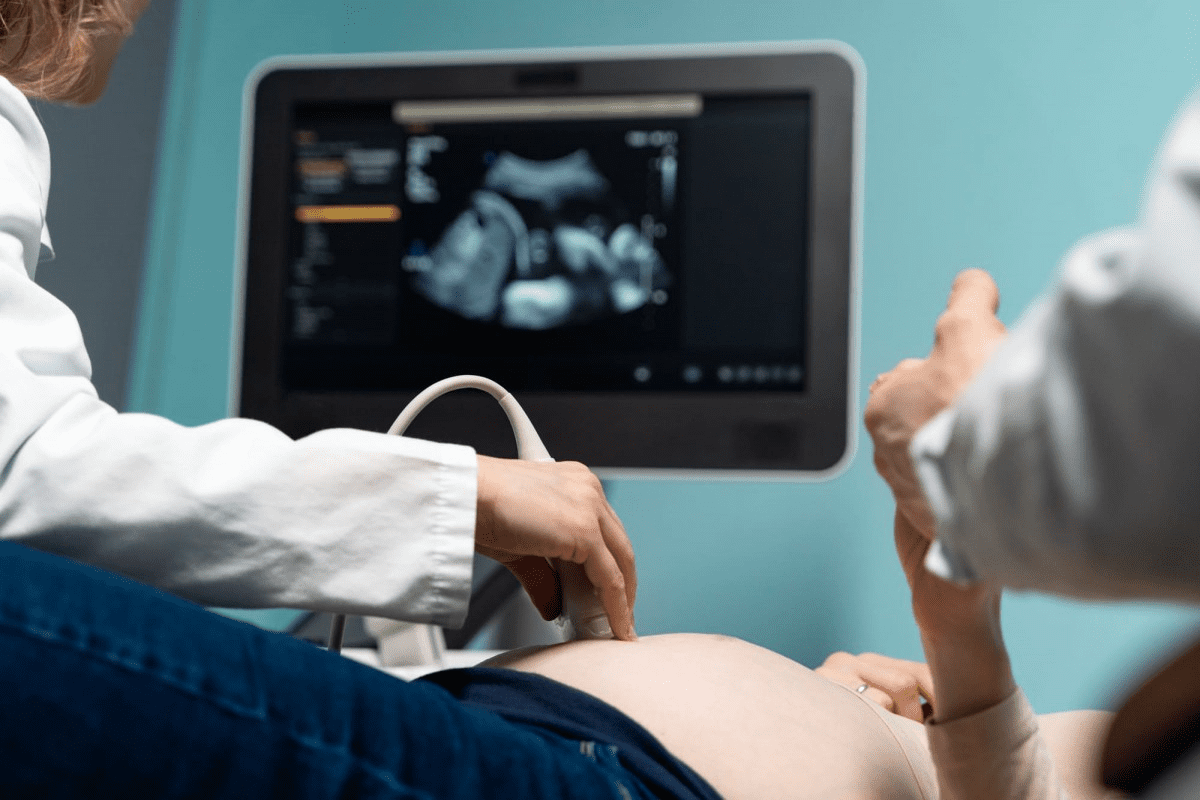
PCOS is marked by multiple follicles in the ovaries. These can be seen with ultrasound imaging. This tool helps doctors see the ovaries and check their shape.
What PCOS Ovaries Look Like on Ultrasound
Ultrasound shows ovaries in PCOS women as big and full of small follicles. These follicles are on the edge of the ovary. This makes the ovary look different. The multiple ovarian follicles are a key sign of PCOS.
Doctors can measure the ovaries and count follicles. Studies show these signs don’t change much after pregnancy. This makes them reliable signs of PCOS.
Understanding Ovarian Volume and Follicle Count
Ovarian volume is measured by ultrasound. It shows how big the ovaries are. Bigger ovaries are often seen in PCOS. Also, the follicle count is important. Women with PCOS usually have more follicles.
Research says ovarian volume and follicle count are good signs of PCOS. They stay the same even after pregnancy. This helps doctors diagnose and manage PCOS.
Enlarged Polycystic Ovaries vs. Normal Ovaries
Polycystic ovaries are bigger and have more follicles than normal ovaries. These differences help doctors tell PCOS apart from other conditions.
It’s important for doctors to know these differences. This helps them diagnose and treat PCOS correctly. The presence of many follicles and big ovaries are key signs of PCOS.
Diagnosing PCOS: Before and After Pregnancy
Diagnosing Polycystic Ovary Syndrome (PCOS) is complex. It involves many factors and evaluations. This condition, with hormonal imbalance and ovulation problems, affects many women. Accurate diagnosis is key for proper care.
Diagnostic Criteria for PCOS
The diagnosis of PCOS uses the Rotterdam criteria. It requires at least two of three conditions: oligo-anovulation, clinical and/or biochemical signs of hyperandrogenism, and polycystic ovaries on ultrasound. Knowing these criteria helps healthcare providers make accurate diagnoses.
Diagnostic Criterion | Description |
Oligo-anovulation | Irregular or absent ovulation, leading to infrequent or absent menstruation. |
Hyperandrogenism | Excessive levels of male hormones, manifesting as acne, hirsutism, or male pattern baldness. |
Polycystic Ovaries | The presence of multiple cysts on the ovaries, detected through ultrasound. |
Challenges in Postpartum Diagnosis
Diagnosing PCOS after pregnancy is hard. Hormonal changes and other postpartum issues can hide or mimic PCOS symptoms. Healthcare providers must carefully check symptoms and perform tests to confirm the diagnosis.
“The postpartum period is a critical time for diagnosing PCOS, as the physiological changes can complicate the diagnostic process.”
Medical Expert, PCOS Expert
The Role of Hormonal Testing
Hormonal testing is key in diagnosing PCOS. Tests check for testosterone levels, thyroid function, and other hormonal imbalances. These tests help tailor treatment to the patient’s hormonal needs.
Some women with PCOS don’t have visible cysts on their ovaries. This is called “PCOS but no cysts.” It shows how complex PCOS diagnosis can be, needing a full evaluation.
In conclusion, diagnosing PCOS before and after pregnancy needs a detailed approach. This includes clinical evaluation, hormonal testing, and ultrasound. Understanding the diagnostic criteria and challenges is vital for accurate diagnoses and effective care.
Can You Get PCOS After Having a Baby?
Many women wonder if they can get PCOS after having a baby. To answer this, we need to understand PCOS and its link to pregnancy.
The Chronic Nature of PCOS
PCOS is a long-term endocrine disorder that affects women of childbearing age. It’s marked by hormonal imbalance, ovulation issues, and cysts on the ovaries. Studies show that PCOS is a lifelong condition, not something that starts after pregnancy.
Key characteristics of PCOS include:
- Hormonal imbalance
- Ovulation dysfunction
- Cysts on the ovaries
- Insulin resistance
Why PCOS Doesn’t Develop Postpartum
PCOS is not a condition that starts after pregnancy. Instead, it’s a condition women may have before getting pregnant. Hormonal changes during pregnancy can hide PCOS symptoms, but they usually come back after the baby is born.
“PCOS is a complex endocrine disorder that is present throughout a woman’s reproductive life, not something that develops after pregnancy.”
A study looked at ovarian morphology in women with and without PCOS. It found that PCOS characteristics were present before pregnancy, not after childbirth.
Characteristics | Women with PCOS | Women without PCOS |
Hormonal Imbalance | Present | Absent |
Ovulation Dysfunction | Common | Rare |
Cysts on Ovaries | Common | Rare |
Misconceptions About Postpartum PCOS Development
Many think PCOS can start after having a baby. But, PCOS is not a condition that suddenly appears after pregnancy. Instead, women with PCOS may see their symptoms come back after pregnancy.
Knowing that PCOS is a chronic condition can help women manage it better throughout their reproductive years.
How Pregnancy Affects Existing PCOS
Pregnancy can bring both challenges and surprises for women with PCOS. Hormonal changes during pregnancy can greatly affect PCOS symptoms. Sometimes, these changes can even offer temporary relief.
Temporary Symptom Improvement During Pregnancy
Many women with PCOS see their symptoms improve during pregnancy. This is due to the rise in estrogen and progesterone levels. These hormonal shifts can help with more regular ovulation and better insulin sensitivity, easing some PCOS symptoms.
Medical Expert, an expert in reproductive endocrinology, says, “Pregnancy can be a special time for women with PCOS. It’s a chance for their bodies to work better, at least for a while.”
“The hormonal changes in pregnancy can sometimes make ovarian function better in women with PCOS, leading to improved symptoms.” – Medical Expert
Hormonal Changes Throughout Pregnancy
Pregnancy brings big changes in hormones. The placenta makes hormones that can affect insulin sensitivity and androgen levels. This mix can sometimes lessen PCOS symptoms, like hirsutism and acne, as the body’s hormone balance changes.
Hormone | Change During Pregnancy | Effect on PCOS Symptoms |
Estrogen | Increases | Improves insulin sensitivity |
Progesterone | Increases | Can reduce androgen production |
Insulin | Sensitivity improves | Reduces risk of metabolic complications |
The Return of Symptoms After Delivery
After delivery, hormone levels drop, and menstrual cycles may take time to adjust. For women with PCOS, this can mean symptoms like irregular periods, acne, and excess hair growth return. It’s key for these women to work closely with their healthcare providers to manage symptoms after delivery.
Medical Expert, “Postpartum care for women with PCOS should include watching for symptom return and adjusting treatment plans as needed to keep their health and well-being in check.”
Research Findings: Ovarian Morphology After Childbirth
New research has shed light on how childbirth affects ovarian morphology in women with PCOS. The LIPCOS study is a key example. It shows how changes in ovarian shape after childbirth impact PCOS management.
The LIPCOS Study Results
The LIPCOS study looked at ovarian shape in PCOS women with and without children. It found that childbirth doesn’t greatly change ovarian size or score in PCOS women.
Key Findings from the LIPCOS Study:
- Ovarian volume stays about the same, with or without childbirth.
- The ovarian score, a measure of PCOS severity, doesn’t change much after childbirth.
Comparing Women With and Without Children
Comparing PCOS women with and without children shows interesting results. The study found that childbirth doesn’t greatly change ovarian shape in PCOS women.
Characteristics | Women with PCOS (With Children) | Women with PCOS (Without Children) |
Ovarian Volume (mean) | 10.2 cm³ | 10.5 cm³ |
Ovarian Score (mean) | 4.1 | 4.3 |
Long-term Implications for PCOS Management
Knowing that ovarian shape doesn’t change much after childbirth is key for managing PCOS. It means treatments should focus on hormones and symptoms, not just expecting changes in ovarian shape.
This research highlights the need for a full approach to PCOS. It should consider both physical and hormonal aspects of the condition.
Postpartum Complications for Women with PCOS
PCOS can make pregnancy hard and lead to serious problems after birth. Women with PCOS face a higher risk of health issues after giving birth.
Increased Risk of Preeclampsia and Eclampsia
Preeclampsia and eclampsia are big worries for women with PCOS after birth. Preeclampsia is high blood pressure with protein in the urine. Eclampsia is worse, with seizures. Women with PCOS are more likely to get preeclampsia, and this risk stays after birth.
The exact reasons for this risk are not clear. But, hormonal and metabolic issues in PCOS are thought to play a part. It’s important to watch blood pressure and signs of preeclampsia closely for women with PCOS after birth.
Peripartum Cardiomyopathy Concerns
Peripartum cardiomyopathy (PPCM) is a serious heart problem. Women with PCOS might be more at risk of PPCM because of their metabolic and hormonal issues.
PPCM is rare but serious. Symptoms include shortness of breath, fatigue, and leg swelling. These need quick medical help.
Higher Rates of Postpartum Depression
Postpartum depression (PPD) is a big worry for new moms, but more so for women with PCOS. Hormonal changes after birth can make mental health issues worse. Managing PCOS adds more stress.
Healthcare providers should watch for PPD signs in women with PCOS. Early help and support can greatly improve their situation.
Knowing these risks and acting early can help women with PCOS and their doctors. Together, they can reduce the chances and effects of these postpartum problems.
Distinguishing Between Normal Postpartum Changes and PCOS Symptoms
After having a baby, women go through big changes. It’s hard to tell if these changes are just part of getting better or if they’re signs of Polycystic Ovary Syndrome (PCOS). Knowing what’s normal is key, even more so for those with PCOS or at risk of getting symptoms after having a baby.
Typical Hormonal Fluctuations After Childbirth
Right after giving birth, hormone levels drop a lot. This can cause many physical and emotional changes. These changes are a normal part of getting better after having a baby. But for women with PCOS, these changes can make symptoms worse or harder to handle.
Some common hormonal changes after childbirth include:
- Lower estrogen levels, which can affect mood and energy
- Changes in progesterone levels, influencing menstrual cycle regularity
- Variations in thyroid hormone levels, potentially impacting metabolism and mood
When to Be Concerned About Symptoms
While many symptoms after childbirth are normal, some signs need medical attention. Women should worry if they have:
- Persistent or severe symptoms that don’t get better
- Big changes in menstrual cycle regularity or heaviness
- Excessive hair loss or growth in unusual areas
- Acne or skin changes that are upsetting
If any of these symptoms are present, it’s important to see a healthcare provider for help.
Consulting Healthcare Providers About Postpartum PCOS
Women with symptoms that might be related to PCOS after childbirth should talk to a healthcare provider. They can help manage symptoms, offer support, and figure out if symptoms are from PCOS or something else.
When talking to a healthcare provider about postpartum PCOS, be ready to share details about your symptoms. Talk about when they started, how long they’ve lasted, and what makes them better or worse. This info is key for a correct diagnosis and treatment plan.
Understanding the difference between normal postpartum changes and PCOS symptoms helps women get through the postpartum period better. It also helps them know when to seek medical help.
Managing PCOS After Having a Baby
Managing PCOS after having a baby needs a full plan. This includes lifestyle changes and medical treatments. It’s key to know how to handle PCOS symptoms well.
Lifestyle Modifications for Symptom Control
Lifestyle changes are vital for managing PCOS symptoms. They help balance hormones, improve insulin use, and boost health.
Important lifestyle changes include:
- Dietary changes: Eat a balanced diet with whole foods, fruits, and veggies.
- Regular exercise: Do activities that help with insulin and weight.
- Stress management: Use stress-reducing methods like meditation or yoga.
Lifestyle Modification | Benefits for PCOS |
Dietary Changes | Regulates blood sugar, improves insulin sensitivity |
Regular Exercise | Enhances insulin sensitivity, aids in weight management |
Stress Management | Reduces cortisol levels, improves hormonal balance |
Medical Treatment Options
There are medical treatments for PCOS symptoms too. These include:
- Hormonal therapies: Help regulate menstrual cycles and lower androgen levels.
- Fertility medications: For those planning future pregnancies.
- Insulin-sensitizing medications: Improve insulin resistance.
It’s important to talk to a healthcare provider to find the best treatment.
Fertility Considerations for Future Pregnancies
For women with PCOS planning more kids, fertility is key. Knowing how PCOS affects fertility and treatment options helps make informed choices about reproductive health.
Preconception counseling offers insights on improving fertility and lowering pregnancy risks.
Conclusion: Living with PCOS Through Different Life Stages
PCOS is a chronic condition that needs ongoing care throughout a woman’s life. The symptoms and challenges of PCOS change a lot as we go through different life stages, including after having a baby.
Living with PCOS means knowing how it affects your health and taking steps to manage it well. Women with PCOS should work closely with their healthcare providers. They need to create a management plan that fits their unique needs and health goals.
By understanding PCOS and its effects, women can handle its complexities better. Improving their quality of life involves making lifestyle changes, using medical treatments, and getting emotional support.
As research improves our understanding of PCOS, we’ll see new ways to manage it. For now, staying informed and working with healthcare providers is essential for living well with PCOS.
FAQ
What is Polycystic Ovary Syndrome (PCOS)?
PCOS is a hormonal disorder that affects women of childbearing age. It causes hormonal imbalances, ovulation issues, and cysts on the ovaries.
Can PCOS develop after having a baby?
No, PCOS is a lifelong condition that doesn’t start after pregnancy. But, symptoms might become more noticeable or change after having a baby.
What are the common symptoms of PCOS?
Symptoms include irregular periods, high androgen levels, and multiple follicles in the ovaries. These can be seen on an ultrasound.
How is PCOS diagnosed?
Doctors diagnose PCOS by looking at symptoms, hormone tests, and ultrasound results. They check for ovarian size and follicle count.
What does a PCOS ovary look like on ultrasound?
Ultrasound images show PCOS ovaries as enlarged with many small follicles. There are usually more than 20 follicles per ovary and increased size.
How does pregnancy affect existing PCOS?
Pregnancy can make PCOS symptoms better due to hormonal changes. But, symptoms often come back after the baby is born.
What are the postpartum complications for women with PCOS?
Women with PCOS face higher risks of preeclampsia, eclampsia, heart problems, and depression after giving birth.
How can I manage PCOS after having a baby?
Managing PCOS after pregnancy involves making lifestyle changes, like eating well and exercising. There are also medical treatments and fertility options to consider for future pregnancies.
What is the difference between polycystic ovaries and normal ovaries?
Polycystic ovaries have many small follicles and are larger. Normal ovaries have fewer follicles and are of regular size.
Are women with PCOS at a higher risk of postpartum depression?
Yes, women with PCOS are more likely to get postpartum depression. It’s important to watch their mental health after giving birth.
Can lifestyle changes help manage PCOS symptoms?
Yes, making healthy lifestyle choices can help manage PCOS symptoms. A good diet and regular exercise can improve overall health.
References
National Center for Biotechnology Information. Evidence-Based Medical Guidance. Retrieved from https://www.ncbi.nlm.nih.gov/pmc/articles/PMC4646640/