Many women think you can’t get pregnant during your period. But, medical studies show this is a big mistake. Getting pregnant during your period is rare, but it can happen under the right conditions. Can you get pregnant on your period? This ultimate guide reveals the surprising, critical facts about your fertile window and menstruation.
It’s key to know about your menstrual cycle, when you ovulate, and how long sperm can live. Sperm can stay alive in your body for 3-5 days. This means you might get pregnant if you ovulate right after your period.
At Liv Hospital, we give you the facts you need for your reproductive health. We focus on your unique cycle to help you plan your family better.
Key Takeaways
- Pregnancy during menstruation is unlikely but possible.
- Sperm can survive in the body for 3-5 days.
- Understanding your menstrual cycle and ovulation timing is key for family planning.
- Every woman’s cycle is different, which can change your chances of getting pregnant.
- Liv Hospital offers expert advice on reproductive health.
The Basics of Your Menstrual Cycle

To understand if you can get pregnant during your period, you need to know about your menstrual cycle. This cycle happens every month and gets your body ready for pregnancy. We’ll explain the different parts and what happens during menstruation. We’ll also talk about how long cycles usually are and why they can vary.
The Four Phases Explained
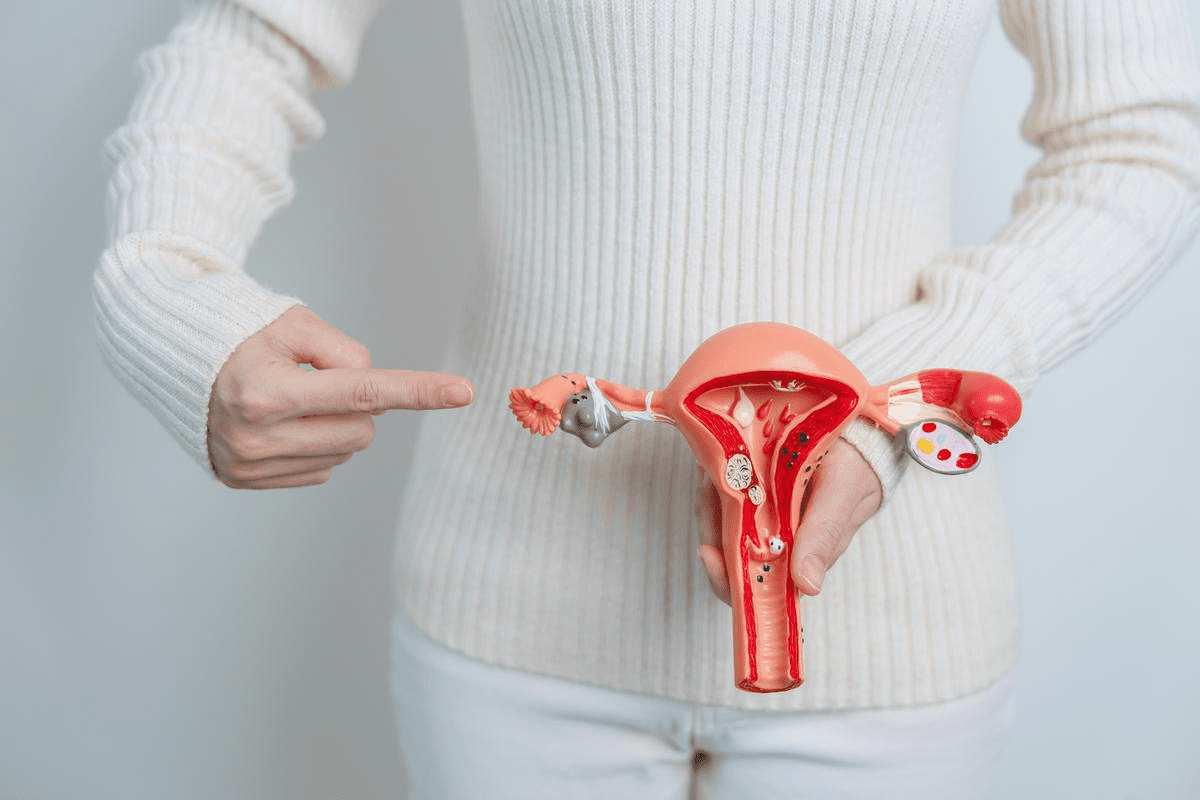
The menstrual cycle has four main parts: menstruation, the follicular phase, ovulation, and the luteal phase. Menstruation is the first part, where the uterus sheds its lining if there’s no pregnancy. Then comes the follicular phase, where follicles in the ovaries grow, leading to ovulation, when an egg is released. The luteal phase gets the uterine lining ready for a possible pregnancy.
What Actually Happens During Menstruation
During menstruation, the body sheds the uterine lining, causing bleeding. This is a natural part of the cycle and usually lasts 3 to 7 days. Hormonal changes, including prostaglandins, make the uterus contract and shed its lining.
Typical Cycle Length and Variations
The average menstrual cycle is 28 days, but it can vary a lot. “Regular” cycles can be between 24 to 38 days. Knowing your cycle length is key to figuring out when you’re most fertile.
Cycle Length (Days) | Menstruation Duration (Days) | Fertile Window |
24-28 | 3-5 | Days 10-16 |
29-32 | 5-7 | Days 12-18 |
33-38 | 7+ | Days 14-20 |
By knowing these variations and your own cycle, you can better understand your chances of getting pregnant during your period.
Can You Get Pregnant on Your Period?
Getting pregnant during your period is more complex than you might think. It’s less likely, but it can happen. This depends on your menstrual cycle and fertility.
The Statistical Likelihood
Research shows getting pregnant during your period is rare but possible. The chance depends on your cycle length and when you ovulate.
Women with 28-day cycles usually don’t get pregnant during their period. This is because ovulation happens mid-cycle. But, if your cycle is shorter or ovulation is early, getting pregnant during menstruation is more likely.
Research Findings on Period Pregnancy
Some studies say a small number of women might ovulate before their period ends. This means about 5% might ovulate by day 11, and 1.6% by day 9.
This shows that while rare, getting pregnant during menstruation is not impossible. It’s more likely for women with shorter cycles or irregular ovulation.
Why Most Women Don’t Conceive During Menstruation
Most women don’t get pregnant during their period because ovulation happens after menstruation. The uterine lining sheds during menstruation, making it hard for implantation.
Menstrual blood also makes it tough for sperm to survive. This further lowers the chance of conception during menstruation.
Knowing these reasons helps understand why getting pregnant during your period is rare. But, remember, everyone’s body is different. This means some women might get pregnant during their period.
The Biological Factors That Make Conception Possible
To understand how conception happens, we need to look at the biological factors involved. Conception is a complex process. It requires many physiological elements to come together at the right time.
How Fertilization Works
Fertilization is when a sperm meets an egg, creating a zygote. This usually happens in the fallopian tube. For fertilization to occur, there must be healthy sperm and egg, and the timing must be right in the menstrual cycle.
The journey starts with sperm release during ejaculation. Sperm then move through the cervix and uterus into the fallopian tubes. There, they might meet an egg. For fertilization, the sperm must get past the egg’s outer layer.
Sperm Survival: 3-7 Days in the Reproductive Tract
Sperm survival is key for conception. Studies show sperm can live 3 to 5 days or up to 7 days in the female reproductive tract. This means sex a few days before ovulation can lead to pregnancy.
- Sperm survival depends on the quality of cervical mucus.
- Good cervical mucus helps sperm live longer.
- The environment in the reproductive tract affects sperm survival.
The 24-Hour Egg Viability Window
While sperm can last for days, the egg’s window is much shorter. An egg is viable for about 24 hours after ovulation. If not fertilized in this time, the egg will break down, and pregnancy won’t happen.
This short window shows how important timing is for conception. Knowing about sperm survival and egg viability helps us understand our reproductive health better.
By understanding these biological factors, we can see how complex conception is. We can also see what affects fertility.
Understanding Your Fertile Window
Knowing your fertile window is key for planning or preventing pregnancy. It’s the time in your cycle when you can get pregnant. This time is based on when you ovulate and how long sperm and eggs last.
The Science of Ovulation Timing
Ovulation happens once a month, when an egg is released into the fallopian tube. Most cycles last about 28 days, but they can vary. Ovulation usually happens around day 14 in a 28-day cycle, but it can change.
The fertile window includes the day of ovulation and the five days before it. Sperm can live up to five days inside a woman’s body. But the egg is only good for about 24 hours after it’s released.
Research on Fertile Days in a Typical Cycle
Research says the fertile window is usually around days 12 to 16 in a 28 to 30-day cycle. But it can change based on your cycle. For women with irregular cycles, it’s harder to guess when you’re most fertile.
“The fertile window is not just a single day but a period during which conception is possible due to the survival of sperm in the female reproductive tract.” – Reproductive Health Expert
How to Calculate Your Most Fertile Period
To find your most fertile days, first figure out your cycle length and how regular it is. Women with regular cycles can track their cycle and use tools like basal body temperature charts or ovulation predictor kits to guess when they’ll ovulate.
Cycle Length (Days) | Typical Ovulation Day | Fertile Window |
28 | 14 | 9-15 |
30 | 16 | 11-17 |
26 | 12 | 7-13 |
For those trying to get pregnant, knowing your fertile window can help a lot. On the other hand, if you don’t want to get pregnant, knowing when you’re most fertile can help you choose the right birth control.
Why Cycle Variations Matter for Pregnancy Risk
It’s important to know about menstrual cycle variations to understand pregnancy risk. Menstrual cycles can differ a lot between women and even for the same woman over time. These differences can change when ovulation happens, which affects how likely it is to get pregnant.
Early Ovulation: The 5% Who Ovulate Before Day 11
About 5% of women ovulate before day 11. This means some women can get pregnant even if they have sex during their period. This is true, even if their cycle is short or irregular.
Key factors to consider:
- Cycle length variability
- Irregular periods
- Sperm survival rate
Very Early Ovulation: The 1.6% Who Ovulate Before Day 9
Only about 1.6% of women ovulate before day 9. For them, the time between their period and ovulation is very short. This makes it more likely to get pregnant right after their period.
This shows how important it is to know your own cycle to figure out your pregnancy risk.
How Short Cycles Increase Period Pregnancy Risk
Women with cycles of 21 to 24 days ovulate sooner. This makes it more likely to get pregnant if they have unprotected sex during their period. The closer ovulation is to the end of menstruation, the higher the chance of getting pregnant.
- Shorter cycles lead to earlier ovulation.
- Increased risk of conception during or after menstruation.
- Awareness of cycle length is key for family planning.
Knowing about these cycle variations helps people understand their own risk factors. This way, they can make better choices about their reproductive health.
Identifying Your Personal Risk Factors
To figure out if you can get pregnant during your period, you need to know your personal risk factors. These factors can change how regular your cycle is and when you ovulate. This affects your chances of getting pregnant on your period.
How to Determine Your Cycle Length
Finding out your cycle length is key to understanding your reproductive health. You track the days from the start of one period to the next. Most cycles last between 21 and 35 days, with 28 being the average. To get an accurate cycle length, track your periods for three to six months.
Here are some tips to track your cycle length:
- Mark the first day of your period on a calendar.
- Count the days until your next period starts.
- Keep doing this for months to spot any patterns or irregularities.
Signs of Irregular Cycles
Irregular cycles make it hard to guess when you’ll ovulate and can lead to unexpected pregnancies. Look out for these signs:
- Changes in how long your cycle is.
- Different amounts or lengths of menstrual flow.
- Missing periods or spotting between them.
If you notice these signs, see a healthcare provider. They can check for any health issues.
Medical Conditions That Affect Ovulation Timing
Some health issues can mess with ovulation timing and cycle regularity. Here are a few:
Medical Condition | Effect on Ovulation |
Polycystic Ovary Syndrome (PCOS) | Irregular ovulation or no ovulation at all |
Endometriosis | Inflammation and scarring can mess with ovulation |
Thyroid Disorders | Can mess with ovulation and menstrual cycle |
Pituitary Gland Disorders | Can affect hormone regulation and ovulation |
As the American Society for Reproductive Medicine says, “Women with PCOS are at higher risk for menstrual irregularities and ovulation disorders.”
“The presence of PCOS is associated with an increased risk of ovulation disorders, which can lead to difficulties in conceiving.”
American Society for Reproductive Medicine
Knowing these factors helps you understand your risk of getting pregnant during your period. Being aware of your cycle length, signs of irregular cycles, and any health issues lets you make smart choices about your reproductive health.
Common Misconceptions About Period Fertility
Many women don’t know the truth about getting pregnant during their period. This lack of knowledge can lead to surprises.
The “Safe Period” Myth
Some think there are days when you can’t get pregnant. But, this idea is a misconception. There’s no completely safe time to avoid pregnancy.
Studies show sperm can live in a woman’s body for up to 5 days. If your cycle is short, you might ovulate right after your period. This means you could get pregnant sooner than you think.
Confusing Ovulation Bleeding with Periods
Some women get ovulation bleeding, which looks like a light period. It happens when an egg is released and can cause mild cramps. It’s important to know it’s different from a regular period.
To tell them apart, watch when and how much you bleed. Ovulation bleeding is usually lighter and happens in the middle of your cycle.
Mistaking Implantation Bleeding for Menstruation
Implantation bleeding can also be mistaken for a period. It happens when a fertilized egg attaches to the uterine lining, causing light bleeding or spotting.
Characteristics | Menstrual Bleeding | Implantation Bleeding |
Timing | Occurs at the end of a menstrual cycle | Typically happens 6-12 days after fertilization |
Flow | Usually heavier, with clots | Light spotting or bleeding |
Duration | Lasts several days to a week | Short duration, often just a few hours |
Knowing the differences can help you track your fertility better. This way, you can make smarter choices about your reproductive health.
Tracking Your Cycle for Better Awareness
Tracking your menstrual cycle can give you insights into your fertility and health. Knowing the different ways to track your cycle helps you make smart choices about your reproductive health.
Digital Apps and Their Accuracy
Digital apps are popular for tracking menstrual cycles. They help monitor cycle length, predict ovulation, and track symptoms. But, their accuracy depends on the app and how well you use it.
Some apps use complex algorithms to guess when you might be fertile. They consider basal body temperature, cervical mucus, and period dates. While helpful, remember these apps have limits and shouldn’t be your only guide for fertility.
“The accuracy of fertility apps varies widely, and users should be cautious when relying on these apps for family planning or contraception.”
Medical Expert, OB-GYN
App Features | Accuracy Level | User Reviews |
Period tracking, ovulation prediction | High | 4.5/5 |
Symptom tracking, fertility window prediction | Medium | 4.0/5 |
Basic period tracking | Low | 3.5/5 |
Physical Symptoms to Monitor
Monitoring physical symptoms can also help understand your cycle. Key symptoms include:
- Cervical mucus changes
- Basal body temperature
- Ovulation pain
- Breast tenderness
Tracking these symptoms helps you understand your cycle better and spot any irregularities.
When to Seek Medical Guidance for Irregular Cycles
If you have irregular cycles or persistent symptoms, see a doctor. Irregular cycles might signal health issues like PCOS or thyroid problems.
A healthcare provider can find the cause of your irregular cycles. They can also guide you on managing them. They might suggest tests or treatments for any underlying conditions.
By tracking your cycle and getting medical help when needed, you can manage your reproductive health. This way, you make informed decisions about your body.
Effective Contraception Options During Menstruation
Knowing your options for contraception during menstruation is key. Even though getting pregnant during your period is less likely, it’s not impossible. So, it’s important to look at the different ways to prevent pregnancy.
Hormonal Methods and Their Effectiveness
Hormonal contraception is very effective if used right. Here are some examples:
- Oral Contraceptives: Birth control pills that control hormones to stop ovulation.
- Contraceptive Patch: A patch you wear on your skin that releases hormones into your blood.
- Vaginal Ring: A ring you put in your vagina that releases hormones.
- Depot Injection: An injection you get every few months that releases hormones into your blood.
These methods not only prevent pregnancy but also help with menstrual cycles and cramps.
Barrier Methods During Your Period
Barrier methods block sperm from reaching the egg. Here are some common ones:
- Condoms: Condoms for men and women are a popular choice.
- Diaphragms: A diaphragm is a thin, flexible cup that covers your cervix.
- Cervical Caps: Like diaphragms but smaller and only cover the cervix.
Using barrier methods during menstruation can work well if done right.
Emergency Contraception: Facts and Timing
Emergency contraception (EC) is for preventing pregnancy after unprotected sex. It’s available in two main forms:
- Emergency Contraceptive Pills (ECPs): These pills can be taken up to 72 hours after sex to prevent pregnancy.
- Copper Intrauterine Device (IUD): A copper IUD can be inserted up to 5 days after sex to prevent pregnancy.
Remember, emergency contraception is not a regular method but a backup when needed.
By knowing and using these contraception options, you can make smart choices about your reproductive health, even during your period.
Conclusion: Making Informed Decisions About Your Reproductive Health
Knowing your menstrual cycle and when you can get pregnant is key. We’ve looked into how the menstrual cycle works, the chances of getting pregnant during your period, and what affects fertility.
Understanding your cycle length, when you ovulate, and your fertile days helps you control your reproductive health. This knowledge lets you make smart choices about birth control and planning a family, lowering the chance of an unplanned pregnancy.
Menstrual cycle awareness is vital for your reproductive health. By tracking your cycle and knowing your body’s unique patterns, you can better manage your fertility. This helps you make informed health choices.
In the end, making smart choices about reproductive health means knowing your body well. By staying informed and aware, you can take care of your reproductive health. This way, you can make choices that fit your goals and values.
FAQ
Can you get pregnant on your period?
Getting pregnant during your period is unlikely but possible. It depends on your menstrual cycle length and when you ovulate.
How common is it to get pregnant on your period?
It’s rare to get pregnant during menstruation. But, certain factors can make it more likely.
Can you get pregnant on the 3rd day of your period?
It’s less likely but possible to get pregnant on the 3rd day. This is more likely if your cycle is short or you ovulate early.
Can you get pregnant on the 5th day of your period?
Yes, getting pregnant on the 5th day is possible. This is more likely with a short cycle or if sperm lasts longer in your body.
Can you get pregnant on the 6th day of your period?
Getting pregnant on the 6th day is possible. This is more likely if you ovulate early or have a short cycle.
What are the chances of getting pregnant a day before your period?
Getting pregnant a day before your period is unlikely. But, it can vary based on your cycle length and ovulation timing.
How easy is it to get pregnant on your period?
Getting pregnant during your period is difficult but not impossible. Factors like cycle length, ovulation timing, and sperm survival play a role.
When on your cycle can you get pregnant?
You can get pregnant during your fertile window, around ovulation. Knowing your cycle and ovulation timing helps you know when you’re most fertile.
Can you conceive on your period?
Yes, you can conceive during your period, though it’s less likely. The chances depend on ovulation timing and sperm survival.
How likely is it to get pregnant on your period?
Getting pregnant on your period is generally unlikely. But, it can vary based on your cycle length and ovulation timing.
What are the odds of getting pregnant on your period?
The odds of getting pregnant during menstruation are low. But, factors like cycle length and ovulation timing can influence them.
References
National Center for Biotechnology Information. Evidence-Based Medical Guidance. Retrieved from https://www.ncbi.nlm.nih.gov/pmc/articles/PMC7164578/