
]
If you’ve had gastric sleeve surgery but gained weight back, you might feel both scared and hopeful about surgery again. Today, there are many ways to fix this, from tiny endoscopic procedures to more complex laparoscopic techniques. These methods aim to make your sleeve work like it did when you first had surgery. Explaining the revision options when patients ask: can you get your gastric sleeve tightened (Re-sleeve or Bypass).
Getting a gastric sleeve is a big step towards losing weight. But, some people don’t lose enough weight or face problems that need fixing. Our guide looks at the revision surgery options out there. We’ll tell you about the different surgeries and what they can do for you.
Key Takeaways
- Revision surgery options are available for those who have experienced weight regain after gastric sleeve surgery.
- Minimally invasive endoscopic procedures and advanced laparoscopic techniques are now available.
- The purpose of revision surgery is to restore the restrictive function of the gastric sleeve.
- Patients who have faced complications or inadequate weight loss after initial surgery can benefit from revision.
- A range of surgical and non-surgical options are available, catering to different patient needs.
Understanding Weight Regain After Gastric Sleeve Surgery
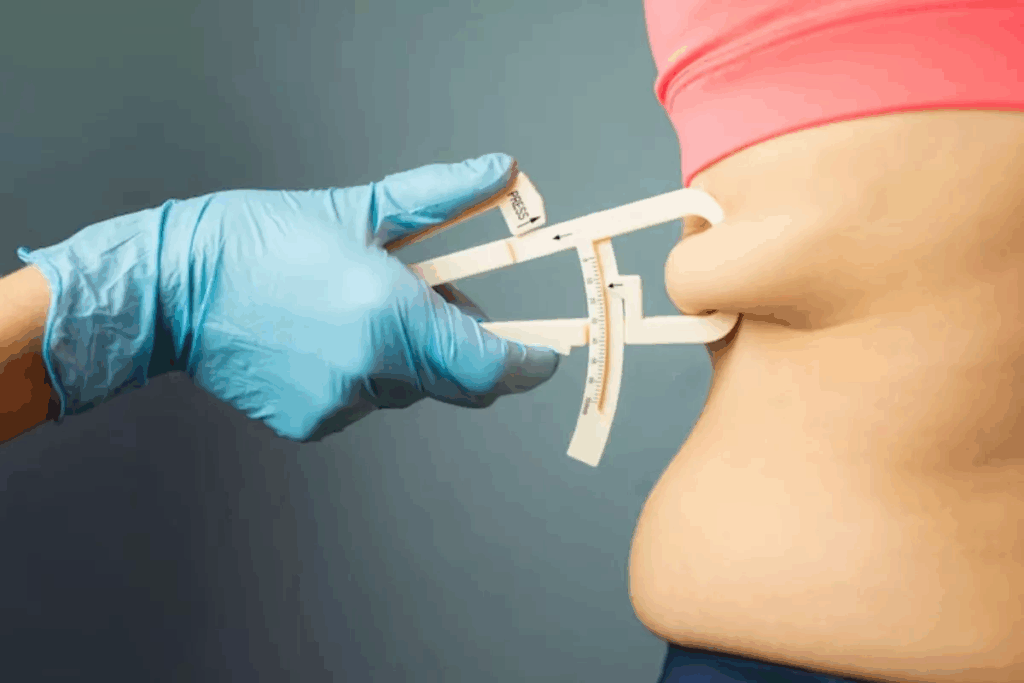
Many people wonder if they’ll regain weight after gastric sleeve surgery. Weight regain is a worry for those who’ve had this surgery. Gastric sleeve surgery helps with weight loss, but some may regain weight for different reasons.
Common Causes of Weight Regain
Several things can lead to weight regain after gastric sleeve surgery. Dietary habits are key in managing weight after surgery. Eating too many calories or not sticking to the diet can cause weight gain.
How active you are also matters. Regular exercise helps keep weight off. Changes in the stomach, like sleeve stretching, can also cause weight regain.
Statistics on Post-Sleeve Weight Regain
Studies show that 35 percent to 40 percent of patients see weight regain after gastric sleeve surgery. Here are some stats on post-sleeve weight regain.
Time Post-Surgery | Percentage of Patients Experiencing Weight Regain |
1-2 years | 15% |
2-5 years | 25% |
5+ years | 40% |
Signs Your Gastric Sleeve May Have Stretched
Increased hunger or weight gain might mean your sleeve has stretched. Feeling full slower or eating more without discomfort are other signs.
If you notice these symptoms, talk to your doctor. They can check your condition and suggest what to do next.
Can You Get Your Gastric Sleeve Tightened? Exploring the Possibilities
[Add image here]
Many people wonder if their gastric sleeve can be tightened after weight regain. Losing weight again can be tough and demotivating, after working hard to lose it in the first place.
Tightening a gastric sleeve is about understanding why weight regain happens. Sleeve stretching is a main reason for weight gain after surgery. When the sleeve stretches, it can hold more food, causing weight gain.
The Science Behind Sleeve Stretching
Sleeve stretching happens when the stomach pouch made by surgery gets bigger. This can be because of diet, hormones, or mechanical problems with the sleeve. When the sleeve stretches, it can’t limit food intake as well, leading to weight gain.
When Revision Surgery Becomes Necessary
Not every weight regain needs surgery. But, if stretching is the main problem, surgery might be needed. Revision surgery aims to make the sleeve work like it did before. It helps patients lose more weight.
Diagnostic Procedures to Evaluate Sleeve Function
To decide if surgery is needed, tests are very important. Endoscopy and tests like barium swallows check the sleeve’s size and function. These tests show if the sleeve is stretched or has other problems, helping decide if surgery is needed.
The Sleeve-in-Sleeve (SIS) procedure is a new, non-surgical way to fix weight regain. It makes a new, inner sleeve in the old one. This tightens the stomach and might help with weight loss.
Re-Sleeving: The Traditional Revision Approach
Re-sleeving is a way to make the original gastric sleeve work better again. It’s for people who have gained weight back because their sleeve stretched or had other problems.
How Re-Sleeving Works
Re-sleeving, or revision sleeve gastrectomy, means making the stomach sleeve smaller again. It’s done to help people lose weight better. This is usually needed when the sleeve gets too big and causes weight gain.
First, doctors check the stomach to see where it’s not working right. Then, they make the sleeve smaller again. This can be done in different ways, depending on the patient and the doctor’s plan.
Key aspects of the re-sleeving procedure include:
- Restoring the original sleeve size
- Re-stapling to keep the sleeve in shape
- Adjusting for each patient’s needs
Candidates for Re-Sleeving Procedures
Not everyone can have re-sleeving. It depends on things like scar tissue, health, and why they gained weight back. The best candidates are those who have gained a lot of weight back and are healthy.
To see if someone is a good candidate, doctors do tests and look at their medical history. They check the stomach and health to decide if re-sleeving is right.
Expected Outcomes and Success Rates
Re-sleeving can help people lose more weight and feel better. But, how well it works depends on many things, like following diet and lifestyle advice after surgery.
Research shows re-sleeving can help a lot with weight loss and health problems. But, results can differ. Success also depends on sticking to healthy habits for a long time.
“Re-sleeving offers a second chance at achieving significant weight loss for patients who have experienced weight regain after gastric sleeve surgery.” — Expert Opinion
The Sleeve-in-Sleeve (SIS) Procedure: A Modern Solution
In 2018, Brigham and Women’s Hospital introduced the SIS procedure. It’s a new way to help people who have gained weight after gastric sleeve surgery. This method makes a smaller stomach inside the old one, without making big cuts.
The SIS procedure uses endoscopic plication. This technique changes the stomach size with an endoscope. It makes recovery faster and lowers the chance of problems from big surgeries.
Development and History of SIS
The SIS procedure was made to fix problems with old ways of revising gastric sleeves. It uses new endoscopic tech for a minimally invasive solution. This is good for people who don’t want another big surgery.
- The SIS procedure was first used at a top medical place, showing a big step forward in surgery.
- It makes a new sleeve inside the old one, cutting down stomach size without big cuts.
How SIS Differs from Traditional Re-Sleeving
SIS is different from old re-sleeving because it’s less invasive. It doesn’t cut out stomach parts like old ways do. This makes it safer and quicker to heal.
- SIS uses an endoscope, so no big cuts are needed.
- It might be done without staying in the hospital, depending on the patient and doctor.
The Endoscopic Plication Process
The endoscopic plication process uses an endoscope to put stitches in the stomach. This makes a smaller stomach sleeve. It’s very precise and can be adjusted during the procedure.
This modern method lowers the risk of problems and shortens recovery time. But, it’s key to talk to a doctor to see if SIS is right for you.
Other Gastric Sleeve Revision Options
Gastric sleeve revision isn’t for everyone. There are other options, like switching to different bariatric surgeries. If you’ve gained weight back or have problems after your surgery, you might need a different approach.
Conversion to Gastric Bypass
One option is to switch to gastric bypass surgery. This makes a small pouch from your stomach and connects it to your small intestine. It’s good for those who’ve gained weight back, as it limits food and changes how you digest it.
Switching to gastric bypass can lead to more weight loss and better health. But, it’s important to think about the risks and possible problems with this surgery.
Conversion to Duodenal Switch
Another choice is duodenal switch surgery. This is a more complex surgery that removes more of your stomach and changes your intestines. It’s good for those who have gained a lot of weight or need bigger changes.
Duodenal switch surgery can lead to more weight loss and better health. But, it might cause nutritional problems and needs close watching after surgery.
Endoscopic Revision Techniques
For those wanting less invasive options, endoscopic revisions are available. These use an endoscope to change your gastric sleeve without more surgery. They can tighten the sleeve or fix dilation issues.
Endoscopic revisions have benefits like quick recovery, less scarring, and fewer risks. But, they might not work for everyone, and their success can vary.
Comparing Revision Surgery Options: Which Is Right for You?
When looking into revision surgery for a gastric sleeve, you face many choices. Each option has its own good points and things to think about. It’s important to compare these options carefully.
Effectiveness Comparison
The success of gastric sleeve revision surgeries differs. Research shows success rates can be between 60% and 80%. This depends on the method used and the patient’s health.
Procedure | Success Rate | Average Weight Loss |
Re-Sleeving | 70% | 45 kg |
Sleeve-in-Sleeve (SIS) | 75% | 50 kg |
Conversion to Gastric Bypass | 80% | 60 kg |
As the table shows, different surgeries have different success rates and weight loss. Talking to your doctor is key to finding the right choice for you.
“The choice of revision surgery should be tailored to the individual patient’s needs and health status.”Dr. John Smith, Bariatric Surgeon
Risk Profiles of Different Procedures
Every revision surgery has its own risks. For example, re-sleeving might have a higher risk of leakage. On the other hand, switching to gastric bypass could lead to nutritional problems.
- Re-Sleeving: Risk of leakage, bleeding
- SIS Procedure: Risk of sleeve narrowing, complications related to the second sleeve
- Conversion to Gastric Bypass: Risk of nutritional deficiencies, dumping syndrome
Knowing these risks helps patients make better choices for their health.
Recovery Time Considerations
Recovery times differ among surgeries. Minimally invasive procedures like SIS might have shorter recovery times. More invasive surgeries, like gastric bypass conversion, take longer.
Talking to your surgeon about your health and lifestyle is important. This helps choose the best surgery for your recovery.
Gastric Sleeve Revision Requirements and Qualification
To qualify for gastric sleeve revision, patients must meet certain medical and psychological standards. A detailed evaluation is done to check if the patient is right for the surgery.
Medical Prerequisites
For gastric sleeve revision, a patient’s past surgery results and current health are reviewed. We look at the patient’s overall health and any health issues that might affect the surgery or recovery. A full medical history is key to deciding if a revision is needed.
Patients must have various tests to check how their gastric sleeve is working. These tests help us find out why weight gain or other problems are happening. This information helps us make the best choice for the revision surgery.
Insurance Coverage Considerations
Insurance for gastric sleeve revision varies a lot. It’s important for patients to know what their insurance covers. We help patients gather the medical reasons for the revision surgery. This is often needed for insurance approval.
Patients need to provide all the details about their past surgeries, weight loss, and health problems. This information is vital for getting insurance to cover the revision surgery.
Psychological Evaluation
A psychological check is a big part of the gastric sleeve revision process. We look at if the patient is mentally ready for the surgery and can make the lifestyle changes needed after. This helps us find out if there are any mental issues that could affect the surgery’s success.
The psychological test includes a detailed interview and sometimes special tests. This step is very important to make sure patients are ready for the challenges of revision surgery.
The Revision Surgery Process: What to Expect
Revision surgery after a gastric sleeve can seem scary. But knowing what to expect can help a lot. We’ll walk you through everything, from getting ready to recovering, so you’re informed every step.
Pre-Surgery Preparation
Before surgery, getting ready is key. You’ll need to change your diet to be healthy for the surgery. We might suggest a special diet to lower risks and make the surgery easier.
Medical checks are also important. These help us see your health and find any surgery risks. You might have blood tests, scans, and other checks to see how you’re doing and your stomach’s condition.
Key Pre-Surgery Steps:
- Dietary adjustments
- Medical evaluations
- Review of your medical history
- Discussion of expectations and outcomes
The Day of Surgery
On surgery day, follow our instructions closely. Arrive on time, don’t eat or drink as told, and be ready to talk about your health and worries.
The surgery is done under general anesthesia for your comfort. Our team uses the latest methods to make recovery faster and safer.
Hospital Stay and Immediate Recovery
After surgery, you’ll be in the recovery area. Our team will watch over you. How long you stay in the hospital depends on your needs and the surgery.
Recovery means managing pain, eating the right foods, and slowly getting active. We’ll give you all the details on how to take care of yourself. This helps you recover well and smoothly.
Recovery Aspect | Guidelines |
Pain Management | Follow our prescribed pain management plan |
Diet | Adhere to the post-operative diet plan provided |
Physical Activity | Gradually increase activity as instructed |
As we’ve shown, getting ready and caring for yourself after surgery are key. Knowing what to expect helps you through this journey and towards your health goals.
“The key to a successful revision surgery is not just the procedure itself, but the complete care that surrounds it.” Expert Opinion
Recovery and Lifestyle After Gastric Sleeve Revision
Recovering from gastric sleeve revision surgery involves diet, exercise, and lifestyle changes. It’s important to know the steps for a good recovery.
Post-Operative Diet Progression
The diet after surgery starts with liquids. This helps the stomach heal and lowers the risk of problems.
As you get better, you’ll move to pureed foods and then solids. Always follow your doctor’s diet plan to avoid issues.
Diet Stage | Duration | Food Types |
Liquid Diet | 1-2 weeks | Clear broths, electrolyte-rich beverages |
Pureed Diet | 2-4 weeks | Pureed fruits, vegetables, and proteins |
Solid Foods | After 4 weeks | Gradual introduction of solid foods, starting with soft textures |
Physical Activity Guidelines
Starting to move after surgery is key for recovery and weight loss. Begin with gentle walks to keep blood flowing and prevent clots.
As you get stronger, you can do more. But, avoid heavy lifting and high-impact exercises early on to avoid problems.
Long-term Lifestyle Modifications
Keeping up with lifestyle changes is vital for long-term success. This includes eating well, staying active, and seeing your doctor regularly.
Change your eating habits to eat smaller, more frequent meals. Also, avoid foods that can upset your stomach or cause nutritional issues.
- Eat slowly and mindfully
- Avoid high-calorie, high-fat foods
- Stay hydrated with adequate fluids
- Consider vitamin and mineral supplements as recommended by healthcare providers
By making these lifestyle changes, you can lose weight and improve your health and life quality.
Potential Risks and Complications of Revision Surgeries
It’s important to know the risks and complications of gastric sleeve revision surgeries. These surgeries can help if you’ve gained weight back after your first surgery. But, they also have their own challenges.
Common Side Effects
People getting revision surgery might feel nausea, discomfort, and trouble swallowing. These feelings usually go away with time and the right treatment.
Knowing about these side effects helps with a smoother recovery. Our team will help you manage them well.
Serious Complications to Be Aware Of
Though rare, serious problems can happen. These include leaks, strictures, and bleeding. Leaks at the staple line are very serious and need quick medical help.
Strictures make eating hard and cause pain. Bleeding, whether inside or outside, also needs fast treatment.
Complication | Description | Symptoms |
Leaks | Leakage at the staple line | Severe abdominal pain, fever |
Strictures | Narrowing of the stomach | Difficulty swallowing, vomiting |
Bleeding | Internal or external bleeding | Dizziness, rapid heartbeat, low blood pressure |
When to Contact Your Surgeon
Knowing when to get help is key. If you have severe pain, vomit blood, or feel feverish and shivery, call your surgeon right away.
“Prompt medical attention is critical in managing complications effectively. Patients should be vigilant about their symptoms post-surgery.”
We stress the need for follow-up care and watching for any signs of trouble after surgery. This helps catch and fix problems quickly.
Conclusion: Making an Informed Decision About Gastric Sleeve Revision
Weight regain after gastric sleeve surgery is common and might need a revision. There are several options, like re-sleeving or changing to other surgeries. Each has its own benefits and risks.
It’s important to talk to your doctor about these choices. They can help find the best option for you. This way, you can make a decision that fits your needs.
Choosing the right gastric sleeve revision means looking at all your options carefully. This helps you lose weight successfully and get healthier. It’s a big step towards better health.
Understanding your options well is key to a good outcome. Work with your healthcare team to get the best results. They can guide you through the process.
FAQ
What is gastric sleeve revision surgery?
Gastric sleeve revision surgery is a procedure to fix issues after initial gastric sleeve surgery. It changes the original sleeve to make it work better or to switch to another weight loss surgery.
Why do I need gastric sleeve revision?
You might need it if you regain weight, don’t lose enough, or have problems like sleeve stretching or leakage. Revision surgery can fix these issues and make the original surgery work again.
What is the difference between re-sleeving and Sleeve-in-Sleeve (SIS) procedures?
Re-sleeving is a traditional method that re-staples the stomach. SIS is a newer technique that uses endoscopy to make the stomach smaller without cuts.
Can I get my gastric sleeve tightened without surgery?
Yes, SIS is a non-surgical way to tighten the sleeve. It’s a minimally invasive option, but it’s not for everyone.
What are the risks and complications of gastric sleeve revision surgery?
Risks include leakage, stricture, or nutritional problems. Always talk to your surgeon about these risks and follow their advice to avoid complications.
How do I prepare for gastric sleeve revision surgery?
You’ll need to change your diet, get medical checks, and have a mental health evaluation. Your surgeon will guide you on how to prepare for a smooth surgery.
What is the recovery process like after gastric sleeve revision?
Recovery means eating slowly, exercising gently, and making lifestyle changes. Your surgeon will help you with post-op care to support your weight loss journey.
Will my insurance cover gastric sleeve revision surgery?
Insurance coverage varies. It’s important to check your policy and talk to your surgeon’s office about any questions.
Can I undergo gastric sleeve revision if I have had previous abdominal surgery?
Your past surgeries might affect your eligibility. Your surgeon will assess your situation and decide the best course of action.
How do I choose the right surgeon for my gastric sleeve revision?
Look for a surgeon with experience in revision surgery. They should have good patient outcomes and provide personalized care.
What are the benefits of laparoscopic sleeve gastrectomy revision?
Laparoscopic revision has smaller cuts, less pain, and faster recovery than open surgery.
Reference
National Center for Biotechnology Information. Evidence-Based Medical Guidance. Retrieved from https://pubmed.ncbi.nlm.nih.gov/32636173/