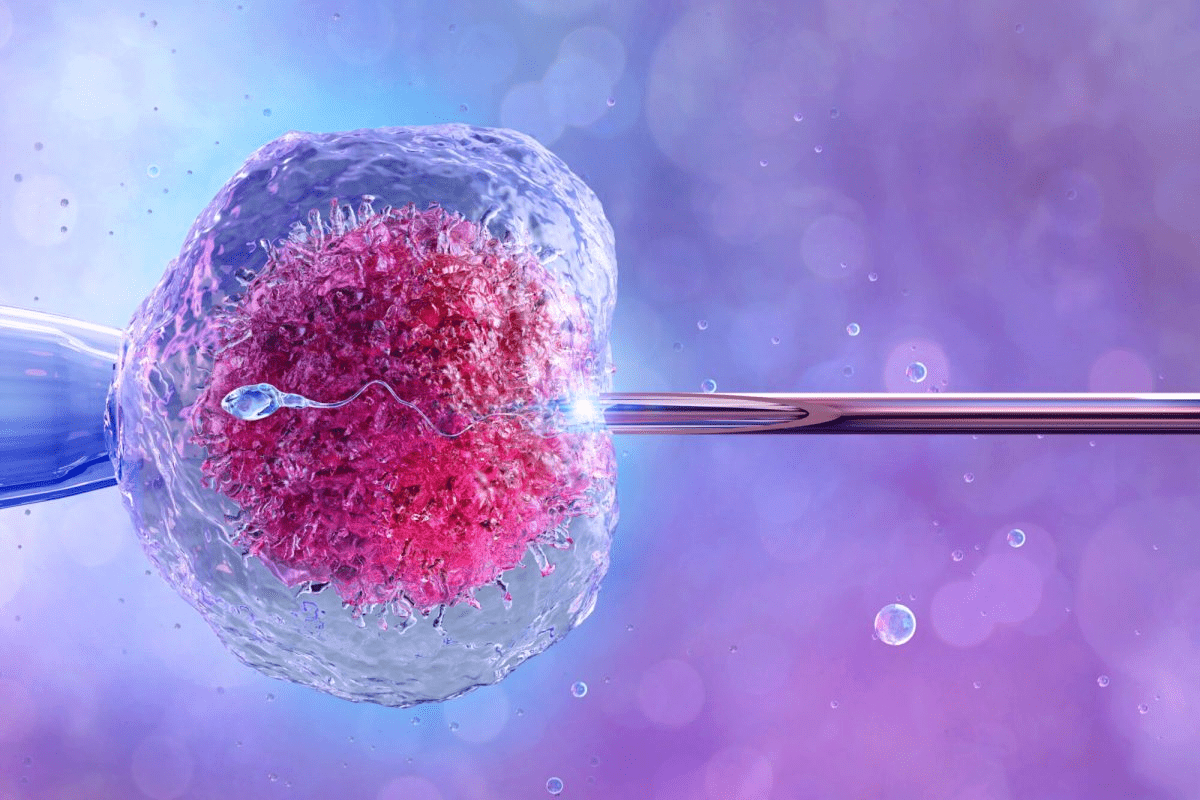
Explaining the process and high likelihood that can you have ivf after tubal ligation. Tubal ligation, or having your tubes tied, is a very effective birth control method. But, recent studies show it’s not 100% effective.
Every year, about 700,000 women in the U.S. get this procedure. It blocks the fallopian tubes to stop pregnancy. Yet, sometimes, pregnancy can happen after the procedure.
At Liv Hospital, we know it’s tough to think about having kids after getting your tubes tied. Our team focuses on you, using the newest reproductive medicine. We aim to give you caring, evidence-based care.
Key Takeaways
- Tubal ligation is a highly effective form of birth control, but not 100% foolproof.
- Pregnancy can sometimes occur after the procedure, but the chances are low.
- Recent studies have highlighted the nuances in the effectiveness of tubal ligation.
- Liv Hospital offers patient-centered care and the latest reproductive medicine protocols.
- Understanding your current medical possibilities is key when thinking about having kids after tubal sterilization.
Understanding Tubal Ligation and Tube Removal

It’s important for women to know about tubal ligation and salpingectomy if they’re thinking about permanent birth control. Tubal ligation, or “getting one’s tubes tied,” is a surgery that stops pregnancy by changing the fallopian tubes.
What Is Tubal Ligation?
Tubal ligation is a way to prevent pregnancy by blocking or cutting the fallopian tubes. This stops eggs from being fertilized. It’s done under general anesthesia or sedation and uses different methods.
A medical expert says, “Tubal ligation is a very effective birth control method. It gives women a permanent way to avoid pregnancy.” But, it’s a big decision because it can’t be undone.
Different Methods of Tubal Sterilization
There are many ways to do tubal sterilization, including:
- Cutting and tying the fallopian tubes with special thread
- Closing the tubes with bands or clips
- Cauterizing the tubes to seal them
Each method has its own benefits and risks. It’s important to talk about these with a doctor.
Complete Fallopian Tube Removal (Salpingectomy)
Salpingectomy, or removing the fallopian tubes completely, is a more serious procedure than tubal ligation. It not only stops pregnancy but also lowers the risk of some cancers.
“Salpingectomy is getting more attention for its benefits beyond just preventing pregnancy,” says a doctor. “It can also lower the risk of ovarian cancer.” This shows why it’s key to think about all options for permanent birth control.
Effectiveness of Tubal Ligation as Birth Control

Tubal ligation’s success as birth control depends on several things. These include the sterilization method and the woman’s age. We will look at how well this procedure works, its success rates, and what affects its success.
Success Rates and Statistics
About 2.9 percent of women who get tubal sterilization become pregnant in the first 12 months. Studies show the failure rate is about 1.85% in 10 years. This shows tubal ligation is mostly effective but there’s always a small chance of pregnancy.
The method used for tubal ligation affects its success. Different methods have different success rates. This is important to know for understanding how reliable the procedure is.
Factors Affecting Effectiveness
Several things can change how well tubal ligation works. These include:
- Age at the time of procedure: Women under 28 are more likely to fail than older women.
- Method of sterilization: Methods like clipping or banding have different failure rates than cutting or burning.
- Surgical technique: The surgeon’s skill and the technique used can also affect success.
Knowing these factors is key for women thinking about tubal ligation. They directly affect how well the procedure works.
Comparing Different Sterilization Techniques
Each sterilization method has its own success rate. For example, the Filshie clip and Hulka clip are less effective than the Pomeroy method or salpingectomy. Here’s a comparison:
| Sterilization Method | Failure Rate |
|---|---|
| Pomeroy Method | 0.4-1.5% |
| Salpingectomy | 0.1-0.5% |
| Filshie Clip | 1-2% |
| Hulka Clip | 1-3% |
This comparison shows why choosing the right method is important. It depends on individual needs and preferences.
Understanding tubal ligation’s effectiveness and what affects it helps women make informed choices about their reproductive health.
Can Pregnancy Occur After Tubal Ligation?
Tubal ligation is a common birth control method. Yet, sometimes it doesn’t work as expected. The chance of getting pregnant after it depends on how the procedure was done and the woman’s age at the time.
Failure Rates Over Time
Research shows that the risk of pregnancy after tubal ligation changes over time. A big study in the American Journal of Obstetrics and Gynecology found that the chance of getting pregnant goes up with time.
| Years After Tubal Ligation | Chance of Getting Pregnant |
|---|---|
| 1 year | 0.5% |
| 5 years | 1.8% |
| 10 years | 3.3% |
The table shows that the chance of getting pregnant goes up with time. This highlights the need for ongoing care after tubal ligation.
Recent Research Findings
New studies have uncovered why tubal ligation might fail. A study in the Journal of Reproductive Medicine found that how the procedure was done matters. For example, using clips can lead to a higher failure rate than other methods.
“The risk of pregnancy after tubal sterilization is influenced by the method of sterilization, with clip application having a higher failure rate compared to other techniques.”
Acknowledgement to the Journal of Reproductive Medicine
Age-Related Factors in Sterilization Failure
Age at the time of tubal ligation also plays a big role. Younger women are more likely to get pregnant after the procedure. This is because their fallopian tubes might heal over time.
It’s important to talk about these age-related factors when discussing tubal ligation. As we learn more, we see that each woman’s situation is unique. This means personalized care and open discussions are key in women’s health.
Why Tubal Ligation Sometimes Fails
Tubal ligation failure is rare but serious for many women. We’ll look into why it happens. This will help us understand the birth control method better.
Recanalization of Fallopian Tubes
One main reason for failure is when fallopian tubes reconnect. This can happen months or years after the surgery. Recanalization can cause surprise pregnancies. It shows why follow-up care is so important.
Surgical Error or Incomplete Procedure
Surgical mistakes or incomplete procedures also cause failures. If the tubes aren’t sealed or cut right, pregnancy can happen. Precision is key in these surgeries to lower the risk.
Fistula Formation
Fistula formation is a rare but possible failure reason. A fistula is an abnormal connection that can form. It can let an egg get fertilized. Knowing the risks and signs of fistula can help in early detection and treatment.
Women who have had tubal ligation need to know about these risks. While it’s usually effective, knowing why it fails helps women make better choices about their health.
Risk Factors for Pregnancy After Tubal Sterilization
Several key factors can influence the likelihood of pregnancy after undergoing tubal ligation or tube removal. Understanding these risk factors is essential for women considering this form of birth control.
Age at Time of Procedure
The age at which a woman undergoes tubal sterilization significantly impacts the procedure’s effectiveness. Younger women are at a higher risk of sterilization failure. Research indicates that the failure rate is higher for women who undergo the procedure at a younger age.
We must consider the physiological factors that contribute to this increased risk. The younger a woman is, the more likely her body is to naturally attempt to reverse the sterilization, potentially leading to recanalization or the formation of a fistula.
Method of Sterilization Used
The method of tubal sterilization used is another critical factor that affects the risk of pregnancy. Different techniques have varying success rates. For instance, clips and bands are less effective than cutting or removing portions of the tubes. The choice of method can significantly influence the likelihood of sterilization failure.
We will examine the different methods in more detail in the following table, which compares the effectiveness of various tubal sterilization techniques.
| Method | Failure Rate | Description |
|---|---|---|
| Clips | Higher | Mechanical occlusion using clips |
| Bands | Moderate | Mechanical occlusion using bands |
| Cutting/Removing | Lower | Surgical removal or cutting of tubal portions |
Time Elapsed
The time elapsed after the tubal sterilization procedure also plays a role in its effectiveness. Generally, the longer it has been, the lower the risk of failure. This factor is closely related to the age at the time of the procedure, as younger women have more years ahead of them during which a failure could potentially occur.
We must consider the long-term implications of tubal sterilization and how they might affect a woman’s risk of pregnancy over time.
Pregnancy Risks After Tubal Ligation
It’s important for women to know about the risks of pregnancy after tubal ligation. Tubal ligation is a very effective birth control method. But, if a pregnancy happens after, it can be risky.
Increased Risk of Ectopic Pregnancy
One big risk is an ectopic pregnancy. This is when a fertilized egg grows outside the uterus, often in a fallopian tube. It’s very dangerous and needs quick medical help.
Studies show many pregnancies after tubal ligation are ectopic. In fact, about a third of them are. This means women should get medical help right away if they think they’re pregnant after tubal ligation.
Signs of Pregnancy to Watch For
Women who’ve had tubal ligation should watch for early pregnancy signs. These include missed periods, nausea, breast tenderness, and fatigue. But, these signs can be hard to notice.
For an ectopic pregnancy, look out for pelvic pain, vaginal bleeding, or dizziness. These symptoms mean you need to see a doctor fast to avoid serious problems.
When to Seek Medical Attention
If you think you might be pregnant after tubal ligation, see a doctor right away. Knowing early if you’re pregnant and where it is can help a lot.
Here’s what to do if you’ve had tubal ligation and think you might be pregnant:
- Call your healthcare provider to report any symptoms.
- Get a pregnancy test to confirm.
- Have an ultrasound to find out where the pregnancy is.
Getting medical help quickly can lower the risks of pregnancy after tubal ligation, like ectopic pregnancy.
Comparing Tubal Ligation vs. Complete Tube Removal
Women looking into permanent birth control need to know the difference between tubal ligation and complete tube removal. Both methods aim to stop pregnancy, but they work in different ways. They also have different effects on long-term health.
Effectiveness Differences
Tubal ligation blocks or cuts the fallopian tubes. It’s very effective but not 100% sure. Complete tube removal, or salpingectomy, removes the risk of ectopic pregnancy. It’s very effective in stopping pregnancy.
Comparison of Effectiveness:
| Procedure | Effectiveness | Ectopic Pregnancy Risk |
|---|---|---|
| Tubal Ligation | High (99%) | Possible |
| Complete Tube Removal | Very High (99.5%) | Minimal to None |
Long-term Health Considerations
Both methods have different long-term health effects. Tubal ligation might not stop all ectopic pregnancies, which can be dangerous. Salpingectomy greatly lowers this risk.
Cancer Risk Reduction with Salpingectomy
Studies show that salpingectomy might lower cancer risk, like ovarian cancer. This is important for women with cancer in their family.
Talking to a healthcare provider is key. They can help choose the best option based on your health and family plans.
Can You Have IVF After Tubal Ligation?
IVF technology has opened new doors for women who had tubal ligation and want to get pregnant. It works by bypassing the fallopian tubes. This makes IVF a good choice for those who have been sterilized.
How IVF Works for Women with Tubal Sterilization
IVF mixes an egg with sperm outside the body, then puts the embryo in the uterus. This way, it doesn’t need the fallopian tubes. So, women with tubal ligation can get pregnant through IVF.
Key steps in the IVF process for women with tubal sterilization include:
- Ovarian stimulation to produce multiple eggs
- Egg retrieval through a minor surgical procedure
- Fertilization of eggs with sperm in the laboratory
- Embryo culture and monitoring
- Embryo transfer to the uterus
Success Rates of IVF After Tubal Procedures
IVF success after tubal ligation depends on several things. These include the woman’s age, how many eggs she has, and sperm quality. The American Society for Reproductive Medicine (ASRM) shares data on success rates based on age and other factors.
| Age | Success Rate per Cycle |
|---|---|
| Under 35 | 47.7% |
| 35-37 | 37.8% |
| 38-40 | 25.4% |
| 41-42 | 13.3% |
The IVF Process and Timeline
The IVF journey takes a few weeks. It starts with ovarian stimulation, then egg retrieval, fertilization, and embryo transfer. The time it takes can change based on individual needs, like ICSI or PGD.
Knowing about the IVF process and its success rates helps women decide on their fertility options after tubal ligation.
Tubal Reversal Surgery: An Alternative to IVF
Tubal reversal surgery reconnects the fallopian tubes, giving hope for pregnancy after tubal ligation. It’s an option for women who have had tubal ligation and now want to conceive.
Candidacy for Reversal Surgery
Not every woman who has had tubal ligation can have the surgery. The decision to have the surgery depends on several things. These include the type of tubal ligation, the health of the remaining tubes, and the woman’s age.
Women with more damage or whose tubes were removed more may face lower success rates. Our team looks at each case carefully. We consider these factors to see if the surgery will likely work.
Success Rates and Recovery
The success of tubal reversal surgery varies. Success depends on the original sterilization method, the length of the tubes, and the woman’s age at the time of surgery.
| Age at Reversal | Success Rate |
|---|---|
| Under 30 | 60-80% |
| 30-35 | 40-60% |
| 36-40 | 20-40% |
| Over 40 | Less than 20% |
Recovery from tubal reversal surgery usually takes a few weeks. Women are told to avoid heavy lifting and strenuous activities during this time.
Tubal Reversal vs. IVF: Pros and Cons
Women considering pregnancy after tubal ligation often compare tubal reversal surgery and IVF. Tubal reversal surgery might restore natural fertility. It could allow for multiple pregnancies without needing more IVF cycles.
But IVF offers a controlled way to conceive. It lets you test embryos for genetic issues. This is key for older women or those with a history of miscarriages.
Emotional and Psychological Aspects of Fertility After Sterilization
Fertility after sterilization touches on many emotional and psychological layers. Women and couples often face big emotional hurdles when their family planning plans change. It’s key to tackle these feelings with care and support.
Coping with Changed Family Planning Goals
Deciding on tubal ligation or tube removal is a big step. It can bring feelings of relief or regret, based on life’s twists and turns. When family plans shift, people might feel sad, guilty, or worried about their fertility choices. It’s important to recognize these emotions and seek help.
Dealing with these changes means more than just the medical side. It’s about the emotional and psychological sides too. Getting support from doctors, counselors, or support groups is key to adjusting to new situations.
Support Resources for Women and Couples
Having the right support is critical for women and couples facing fertility issues after sterilization. Support groups, online or in-person, offer a place to share and learn from others. Professional counseling can provide personal guidance and emotional backing.
We suggest looking into different support options to find what fits best. This could be therapy, online forums, or educational materials focused on the emotional and psychological sides of fertility after sterilization.
Discussing Options with Partners
Talking openly with your partner is essential when fertility changes come up after sterilization. Talking about what you want, fear, and expect can make your relationship stronger. It helps in making choices together.
We advise couples to talk with kindness and understanding. Think about both the emotional and practical sides of your fertility choices. This way, you can find a path that matches your shared dreams and values.
Financial Considerations for Fertility After Tubal Ligation
It’s important to understand the financial side of fertility treatments after tubal ligation. The costs for reversing tubal ligation or IVF can be high. Planning your finances is key.
Insurance Coverage for Reversal and IVF
Insurance for tubal reversal and IVF varies a lot. Some plans might cover some or all costs, while others might not. Always check your policy to see what’s covered.
Key factors to consider when reviewing insurance coverage include:
- The specific terms of your policy
- Any exclusions or limitations related to fertility treatments
- The need for pre-approval or pre-authorization
Comparing Costs of Different Options
IVF and tubal reversal have different costs. IVF includes multiple cycles, medications, and genetic testing. Tubal reversal costs depend on the surgeon, facility, and follow-up care.
Comparing these costs can help you decide on your fertility options.
| Procedure | Average Cost | Factors Affecting Cost |
|---|---|---|
| IVF | $15,000 – $25,000 per cycle | Medications, number of cycles, additional procedures |
| Tubal Reversal | $5,000 – $15,000 | Surgeon’s fees, facility costs, follow-up care |
Financial Assistance Programs
Fertility treatments can be expensive. But, there are financial help programs available. These include grants, loans, and financing for fertility treatments.
Looking into these options can help with costs. Also, talk to your healthcare provider about financial concerns. They might offer advice or resources.
Conclusion
Understanding fertility after tubal ligation is key for women who have had this procedure. We’ve looked at how well tubal ligation works as birth control, the risks of pregnancy after it, and options for those wanting to conceive.
Tubal ligation is very effective in preventing pregnancy. But, it’s not 100% safe. Pregnancy can happen due to the fallopian tubes reconnecting or a mistake during surgery. Women who get pregnant after tubal ligation face a higher risk of ectopic pregnancy. It’s vital to see a doctor right away if symptoms show up.
For women wanting to conceive after tubal ligation, there are choices. IVF and tubal reversal surgery are options. IVF works around the fallopian tubes, while tubal reversal tries to fix the tubes. Women should talk to a healthcare provider to figure out the best choice for them.
In short, while tubal ligation is very effective, it’s not a complete guarantee against pregnancy. Women who have had this procedure need to know the risks and options. This way, they can make smart choices about their fertility.
FAQ
Can you get pregnant after having your tubes removed or tied?
Tubal ligation and salpingectomy are very effective birth control methods. But, there’s a small chance of pregnancy. This chance depends on the method used and the woman’s age at the time.
What is the difference between tubal ligation and salpingectomy?
Tubal ligation blocks or cuts the fallopian tubes to prevent pregnancy. Salpingectomy removes the tubes completely. Salpingectomy is seen as more permanent and effective.
How effective is tubal ligation as a form of birth control?
Tubal ligation is very effective, with over 99% success rate. But, success can vary. It depends on the method and the woman’s age at the time.
Can you get pregnant years after tubal ligation?
Yes, getting pregnant years after tubal ligation is rare but possible. The risk can increase over time. This is due to the fallopian tubes reconnecting or fistula formation.
What are the risks associated with pregnancy after tubal ligation?
Pregnancy after tubal ligation is risky. It can lead to ectopic pregnancy, which is dangerous. Women who think they might be pregnant should see a doctor right away.
Can IVF help women conceive after tubal ligation or salpingectomy?
Yes, IVF can help women conceive after tubal ligation or salpingectomy. IVF bypasses the fallopian tubes, allowing fertilization outside the body.
What is the success rate of IVF after tubal ligation or salpingectomy?
IVF success after tubal ligation or salpingectomy varies. It depends on the woman’s age, egg and sperm quality, and the fertility clinic’s expertise.
Is tubal reversal surgery an option after tubal ligation?
Tubal reversal surgery is an option for some after tubal ligation. But, it’s not for everyone. Success depends on the tubal ligation method and the woman’s age.
What are the financial considerations for fertility treatments after tubal ligation?
Fertility treatments like IVF and tubal reversal surgery can be expensive. Insurance and financial help programs may be available to reduce costs.
Can you get pregnant after having tubes removed?
Salpingectomy is a very effective birth control method. But, it’s extremely rare for pregnancy to happen if any tube remains.
Can you get pregnant with tubes tied?
Tubal ligation is very effective, but there’s a small chance of pregnancy. The chance depends on the method and the woman’s age at the time.
References:
- Schwarz, E. B., et al. (2024). Pregnancy after Tubal Sterilization in the United States—Results from the National Survey of Family Growth. NEJM Evidence. https://pubmed.ncbi.nlm.nih.gov/39189861/