Women who have had tubal ligation or tube removal might think they can’t get pregnant. But, modern reproductive medicine offers viable options for pregnancy. We’re here to help you explore your choices. Wondering can you have ivf if your tubes are tied? The answer is a resounding YES. Learn the amazing facts about how IVF bypasses tubal ligation.
Tubal ligation blocks the fallopian tubes to prevent pregnancy. It’s seen as a permanent birth control method. Yet, there are exceptions. Advanced fertility treatments, like IVF, and surgical reversal can make pregnancy possible.
Key Takeaways
- Pregnancy is possible after tubal ligation or tube removal.
- IVF and tubal reversal surgery are primary options.
- Success rates vary depending on individual factors.
- Personalized treatment planning is key.
- Experienced fertility specialists can guide you through the process.
Understanding Tubal Ligation and Removal
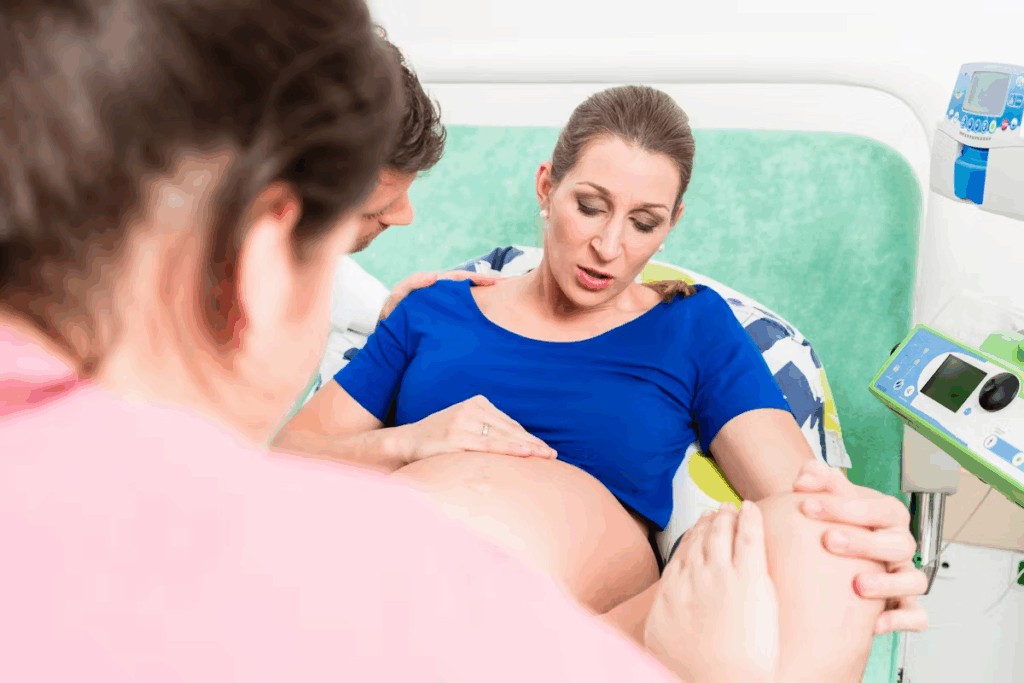
Deciding on tubal ligation or removal is a big choice. It’s important to know what these procedures are. Tubal ligation, or “getting one’s tubes tied,” is a surgery to stop pregnancy. It’s chosen by many who have finished having kids or face health risks with pregnancy.
We’ll look into tubal ligation and removal in detail. We’ll cover the different methods and what they mean. Knowing this is key for women thinking about their future pregnancy options.
What Happens During Tubal Ligation
During tubal ligation, the fallopian tubes are blocked or cut to stop eggs from being fertilized. There are several ways to do this, like cutting and tying the tubes, or using bands or clips.
The surgery is done under general anesthesia or sedation to keep the patient comfortable. The method used can vary, depending on the patient’s health and the surgeon’s advice.
Different Methods of Tubal Sterilization
There are several ways to do tubal sterilization, each with its own benefits and risks. The most common methods are:
- Cutting and tying (Pomeroy method)
- Applying bands or clips (e.g., Yoon ring or Filshie clip)
- Cauterization (using heat to block the tubes)
Each method has its own success rate and possible side effects. It’s important for women considering tubal ligation to understand these differences.
Method | Description | Success Rate |
Cutting and Tying | Surgical cutting and ligation of the fallopian tubes | High |
Bands or Clips | Application of bands or clips to block the tubes | High |
Cauterization | Using heat to destroy a portion of the tubes | High |
Complete Tube Removal (Salpingectomy)
Salpingectomy is when one or both fallopian tubes are removed. It’s sometimes recommended for women at high risk of ovarian cancer. It doesn’t affect IVF success rates, as IVF doesn’t use the fallopian tubes.
Studies show that IVF success rates after tubal ligation or removal are similar to other infertility cases. This is important for women who might want to conceive in the future.
Natural Pregnancy After Tubal Procedures

Natural pregnancy after tubal ligation or removal is rare but possible. These procedures are meant to prevent pregnancy but are not 100% effective.
Failure Rates of Tubal Ligation
Tubal ligation, or “getting your tubes tied,” has a failure rate of about 1.85% in 10 years. This means nearly 2 out of 100 women may get pregnant after the procedure. The success rate can change based on the method and the woman’s age at the time.
There are different ways to do tubal sterilization, each with its own success rate. For example, the clip method might have a higher failure rate than cutting and tying the tubes. Knowing these differences is key for women thinking about this option.
Pregnancy Risks After Failed Sterilization
If a pregnancy happens after a failed tubal ligation, there are higher risks. One big concern is the chance of an ectopic pregnancy.
Ectopic Pregnancy Concerns
An ectopic pregnancy happens when a fertilized egg implants outside the uterus, often in a fallopian tube. This is a serious condition that needs immediate medical help.
Understanding Ectopic Pregnancy
Ectopic pregnancy is a serious issue that can come from a failed tubal ligation. Symptoms include severe abdominal pain, vaginal bleeding, and dizziness. If a woman has these symptoms after a tubal ligation, she should get medical help right away.
Ectopic pregnancy risks are higher in pregnancies that occur after a failed tubal ligation. Women should know about these risks and get medical care if they think they might be pregnant after tubal sterilization.
While the risk of ectopic pregnancy is a concern, many women who get pregnant after a failed tubal ligation will have a normal pregnancy. But, the chance of complications, including ectopic pregnancy, means they need careful monitoring and quick medical help if they have any unusual symptoms.
Can You Have IVF If Your Tubes Are Tied?
IVF is a top choice for women wanting to get pregnant after their tubes are tied or removed. It gives hope to those who thought they were done with family planning.
How IVF Bypasses Blocked or Missing Tubes
IVF works by fertilizing eggs in a lab and then putting embryos in the uterus. This is great for women with tubal ligation or removal. It means they don’t need working fallopian tubes.
The IVF process has several important steps:
- Stimulating the ovaries to produce many eggs
- Getting eggs through a small surgery
- Fertilizing eggs with sperm in a lab
- Putting embryos in the uterus
IVF Process for Women with Tubal Sterilization
For women with tubal sterilization, IVF is similar but with some special steps. We start with a detailed check to see how well the ovaries are doing and overall health.
Initial Fertility Evaluation is key to figuring out the best IVF plan. This includes:
- Ultrasound to check ovarian health
- Blood tests for hormone levels
- Looking at medical history, including tubal ligation or removal
Initial Fertility Evaluation for IVF Candidates
Before starting IVF, we do a full check to see what might affect success. We look at egg and sperm quality and the uterus health.
Knowing the individual’s fertility situation helps us make the IVF plan better. This way, we increase the chance of a successful pregnancy.
Success Rates of IVF After Tubal Ligation
Learning about IVF success rates after tubal ligation is key for women wanting to have a family. IVF is a good choice for women who have had tubal sterilization.
Statistical Outcomes for Different Age Groups
IVF success rates change with age. Women under 35 have higher success rates, with live birth rates around 54.5% per IVF cycle. Women aged 40-42 see a drop in success rates, with live birth rates around 12.3%. This shows how age affects IVF outcomes.
Age Group | Live Birth Rate per IVF Cycle |
Under 35 | 54.5% |
35-37 | 43.8% |
38-40 | 26.8% |
41-42 | 12.3% |
Comparing Success Rates to Other Infertility Diagnoses
IVF success rates for women with tubal ligation are similar to those with other infertility issues. This is because IVF bypasses the blocked or damaged tubes, directly addressing the problem.
- Comparable Success Rates: Women with tubal ligation have similar IVF success rates as those with other infertility causes.
- Key Factors: Age, ovarian reserve, and sperm quality are critical determinants of IVF success.
Factors That Influence IVF Success
Several factors affect IVF success rates, including age, ovarian reserve, sperm quality, and overall health. Knowing these factors helps manage expectations and improve treatment plans.
Healthcare providers can tailor IVF treatments to meet individual needs. This increases the chance of a successful outcome.
The IVF Process After Tubal Sterilization
IVF offers hope to women who have had tubal ligation or removal. It involves several key steps for a successful pregnancy. We’ll walk you through each stage, explaining what to expect.
Ovarian Stimulation and Monitoring
The first step is ovarian stimulation. This uses medications to make the ovaries produce many eggs. “The goal is to get as many healthy eggs as possible,” says Medical Expert, a fertility specialist. We watch the ovaries closely with ultrasound and blood tests to find the best time for egg retrieval.
Patients usually take injectable medications for 8-14 days. The exact dosage and time can change based on how each person responds. We adjust the treatment as needed to get the most eggs safely.
Egg Retrieval Procedure
When the eggs are ready, we do the egg retrieval procedure. This is a minor surgery done under sedation. Using ultrasound, a needle is inserted through the vaginal wall to get the eggs. The whole procedure takes about 20-30 minutes.
Egg retrieval is a key part of IVF. The eggs are then fertilized in the lab. The quality and number of eggs greatly affect the success of the IVF cycle.
Embryo Transfer and Implantation
After fertilization, the embryos grow in the lab for 3-5 days. We pick the best embryo(s) for transfer into the uterus. The embryo transfer is simple and painless, done through the cervix.
Success rates for IVF after tubal sterilization are promising. Many women get pregnant in a few cycles. Success depends on age, egg quality, and health. “IVF has changed the game for women who thought they were done having kids,” says Medical Expert, a leading IVF specialist.
We offer full support and monitoring throughout IVF. Our goal is to make your journey to parenthood smooth and successful.
Tubal Reversal Surgery as an Alternative
Tubal reversal surgery is a good option for women wanting to get pregnant again after tubal ligation. This surgery reconnects the fallopian tubes, making natural conception possible.
Candidate Eligibility for Reversal Surgery
Not every woman who had tubal ligation can have the surgery to reverse it. Whether you can get the surgery depends on a few things. These include how long your fallopian tubes are left and how you were sterilized.
Key factors influencing eligibility include:
- The length and health of the remaining fallopian tube
- The method used for the initial tubal ligation
- The presence of any other fertility issues
- The woman’s age, as fertility declines with age
Studies show that women with more than 4 cm of tube left have better chances of success with the surgery.
Surgical Techniques for Reconnecting Tubes
The surgery to reverse tubal ligation uses microsurgery to join the tubes. The method used depends on the sterilization type and tube condition.
The surgical process typically involves:
- Assessing the condition of the fallopian tubes
- Removing any damaged or scarred portions
- Reconnecting the healthy segments using fine sutures
Pre-Surgery Evaluation Requirements
Before the surgery, a detailed check-up is needed. This includes looking at your medical history, a physical exam, and tests to see how your tubes are. This helps figure out if you’re a good candidate for the surgery.
This thorough check-up helps understand how likely you are to get pregnant after the surgery. It’s important for making the right choice about having the surgery.
Evaluation Criteria | Description |
Medical History | Review of previous surgeries, medical conditions, and fertility history |
Physical Examination | Assessment of overall health and any possible surgical risks |
Diagnostic Tests | Hysterosalpingogram (HSG) or laparoscopy to check the tubes |
Tubal reversal surgery is an option for some, with pregnancy chances between 42 to 69 percent. This depends on your age and how you were sterilized.
“The success of tubal reversal surgery depends a lot on the surgeon’s skill and your condition.”
Success Rates of Tubal Reversal
Women thinking about tubal reversal need to know how it works. Tubal reversal, or tubal reanastomosis, is a surgery to open up the fallopian tubes again. This is after a tubal ligation.
Factors Affecting Reversal Success
Several things can change how well tubal reversal works. These include:
- Age: Being younger, like under 35, can help. Younger women often have better results.
- Method of Sterilization: The way the tubes were closed the first time matters. Less damage, like clips or rings, leads to better chances than more damage, like electrocautery.
- Length of Remaining Tube: How much of the tube is left is key. Longer parts mean better chances of getting pregnant.
Pregnancy Rates Based on Sterilization Method
The way the tubes were closed affects how well reversal works. Here’s what studies say:
- Women with clip or ring sterilization do better after reversal. They have higher pregnancy rates than those with electrocautery.
- Pregnancy rates after reversal can be between 40% and over 80%. This depends on the factors mentioned.
Risk of Ectopic Pregnancy After Reversal
There’s a big risk with tubal reversal: ectopic pregnancy. This risk is higher than with natural conception. Women should watch their pregnancy closely.
Knowing about tubal reversal can help women decide about their fertility. While it can work well, it’s important to think about personal factors that might affect success.
IVF vs. Tubal Reversal: Comparing Options
When looking at fertility options after tubal ligation, you have two main choices: IVF and tubal reversal surgery. Each has its own benefits and things to think about, which we’ll dive into.
Medical Considerations for Each Procedure
IVF means fertilizing an egg outside the body and then transferring the embryo to the uterus. It doesn’t need the fallopian tubes. Tubal reversal surgery, on the other hand, tries to open up the fallopian tubes for natural conception.
Important things to know about IVF include:
- It requires ovarian stimulation and egg retrieval
- There’s a risk of having multiple babies if more than one embryo is transferred
- There’s also a chance of ovarian hyperstimulation syndrome (OHSS)
For tubal reversal surgery, you should consider:
- The surgery’s complexity, which might need microsurgery
- The risk of an ectopic pregnancy after the surgery
- Finding a skilled surgeon with tubal reversal experience
Recovery Time Comparison
Recovery time is key when deciding between IVF and tubal reversal. IVF has a short recovery, usually just a few days after egg retrieval. Tubal reversal surgery, being more invasive, takes longer, often weeks.
IVF’s quicker recovery is great for women who need to get back to their routine fast.
Long-term Fertility Outcomes
Success rates for fertility vary between IVF and tubal reversal. IVF success depends on age, egg, and sperm quality. Tubal reversal success depends on the type of tubal ligation, tube length, and other fertility factors.
A study showed that IVF works better for women under 35. But, tubal reversal might be cheaper for younger women with no other fertility problems.
Choosing between IVF and tubal reversal depends on your situation, like medical history, age, and what you prefer. Talking to a fertility specialist can help figure out the best choice for you.
Cost Analysis: IVF and Tubal Reversal
Choosing between IVF and tubal reversal can be costly. It’s key to look at the costs of each option. This helps in making a well-informed choice.
Average Costs for IVF Cycles
IVF costs change based on several things like the clinic and location. A single IVF cycle usually costs between $12,000 to $15,000. But, there are extra costs like:
- Medications for ovarian stimulation, which can cost between $2,000 to $5,000 per cycle
- Pre-cycle testing and evaluations
- Embryo freezing and storage
- Genetic testing of embryos
It’s also important to remember that you might need more than one IVF cycle. This can increase the total cost a lot.
Tubal Reversal Surgery Expenses
Tubal reversal surgery is usually a one-time cost. The price can range from $5,000 to $13,000. The cost depends on:
- The method of sterilization initially used
- The length of the tubal segment remaining
- The surgeon’s expertise and fees
Unlike IVF, tubal reversal is a single procedure. But, it comes with surgical risks and recovery time.
Insurance Coverage Considerations
Insurance for IVF and tubal reversal varies a lot. Some plans might cover part or all of the costs. Others might not cover it at all. It’s important to:
- Check with your insurance provider to understand what is covered
- Review the specific terms and conditions of your policy
- Consider additional financing options or savings plans offered by fertility clinics
Knowing the financial aspects and insurance coverage helps in making a better choice between IVF and tubal reversal.
Emotional and Psychological Considerations
Fertility treatments offer hope but also bring emotional and psychological challenges. The journey through treatments like IVF or tubal reversal surgery is tough. It affects you not just physically but also emotionally.
Coping with Fertility Challenges
Coping with fertility issues needs a broad approach. It’s key to recognize the emotional toll of these treatments. Support from family, friends, and professional counselors is vital in overcoming these hurdles.
Stress-reducing activities like meditation, yoga, or relaxation techniques are helpful. They aid in managing the stress and anxiety linked to fertility treatments.
Support Resources for Women and Couples
Access to the right support can greatly impact your journey. Support groups, whether online or in-person, offer a space to share and learn from others. They provide insights into similar experiences.
Counseling services focused on fertility issues offer emotional support and guidance. These services help individuals and couples deal with the emotional side of their fertility journey.
Managing Expectations During Treatment
Managing your expectations is key during fertility treatment. Understanding the possible outcomes and being ready for different scenarios can lessen disappointment and frustration.
It’s also vital to have realistic expectations about the treatment process. Knowing what to expect at each step can reduce anxiety and make the journey less overwhelming.
The IVF process is emotionally and physically demanding, even if multiple cycles are needed. Support resources and managing expectations are essential for dealing with the challenges of fertility treatments.
Conclusion
Women looking to regain fertility after tubal ligation or tube removal need to know their options. We’ve looked into IVF if your tubes are tied and tubal reversal surgery.
IVF and tubal reversal each have their benefits and things to think about. Your choice depends on your health, age, and what you prefer. IVF doesn’t need working fallopian tubes, while tubal reversal tries to make natural fertility possible again.
Thinking about fertility options means looking at success rates, costs, and how you’ll feel. We’re here to support you, giving you all the care and advice you need. This will help you decide on your fertility path.
Knowing your options and what they mean for you is key. We suggest talking to a fertility expert to find the right path for you.
FAQ
Can you get pregnant after having tubes removed?
Getting pregnant after removing the tubes is very unlikely. This is because the tubes are key for fertilization. But, IVF can be a good way to get pregnant.
Can you get pregnant if your tubes are tied?
Tubal ligation makes pregnancy very hard, but not impossible. There’s a small chance of getting pregnant, including ectopic pregnancy. IVF is often a better choice for getting pregnant after tubal ligation.
What are the chances of getting pregnant after tubal reversal surgery?
Tubal reversal success depends on several things. These include how the tubes were sterilized, your age, and health. Younger women usually have better chances, but there’s a risk of ectopic pregnancy.
How does IVF bypass the need for fallopian tubes?
IVF works by fertilizing eggs in a lab and then putting the embryo in the uterus. This way, it doesn’t need the fallopian tubes. So, it’s a good option for women with tubal ligation or removal.
What are the success rates of IVF after tubal ligation?
IVF success rates after tubal ligation are similar to other infertility cases. Success depends on age, egg quality, and health.
What is the cost difference between IVF and tubal reversal surgery?
IVF costs more because it often needs multiple cycles. Tubal reversal is a one-time surgery. Insurance can also affect the cost.
How do I choose between IVF and tubal reversal?
Choosing between IVF and tubal reversal depends on your situation. This includes your age, health, how you were sterilized, and what you prefer. Talking to a fertility specialist can help you decide.
Are there emotional support resources available for women undergoing fertility treatments?
Yes, there are many support options. These include counseling, support groups, and online forums. They help with the emotional and psychological challenges of fertility issues.
How long does the IVF process take after tubal sterilization?
The IVF process has several steps. These include evaluation, ovarian stimulation, egg retrieval, and embryo transfer. It usually takes a few weeks to a few months.
What are the risks associated with pregnancy after tubal ligation or removal?
Pregnancies after tubal ligation or removal have a higher risk of ectopic pregnancy. IVF lowers this risk by directly placing embryos in the uterus.
References
National Center for Biotechnology Information. IVF Offspring: Long-Term Health Outcomes Research. Retrieved from https://www.ncbi.nlm.nih.gov/pmc/articles/PMC3650450/