Last Updated on October 31, 2025 by
Many men worry about losing sexual function after a prostatectomy. The prostate is key to the male reproductive system. Removing it can impact a man’s sexual function, but it doesn’t mean the end of intimacy. Can you have sex without a prostate? Learn about the impact of prostatectomy on sexual function and the keys to a successful sex life afterward.
We’re here to help you understand the changes and ways to adapt after surgery. With the right medical support and rehabilitation, men can enjoy sexual intercourse and orgasm again. The important thing is to know how the prostate affects sexual function and to explore the options available.
Key Takeaways
- The prostate gland plays a significant role in male reproductive health.
- Removing the prostate affects sexual function but doesn’t eliminate the possibility of intimacy.
- Proper medical support and rehabilitation are key to adapting to post-surgery changes.
- Men can enjoy sexual intercourse and orgasm without a prostate.
- Understanding the changes and options available is key to navigating post-surgery intimacy.
Understanding the Prostate’s Role in Sexual Function
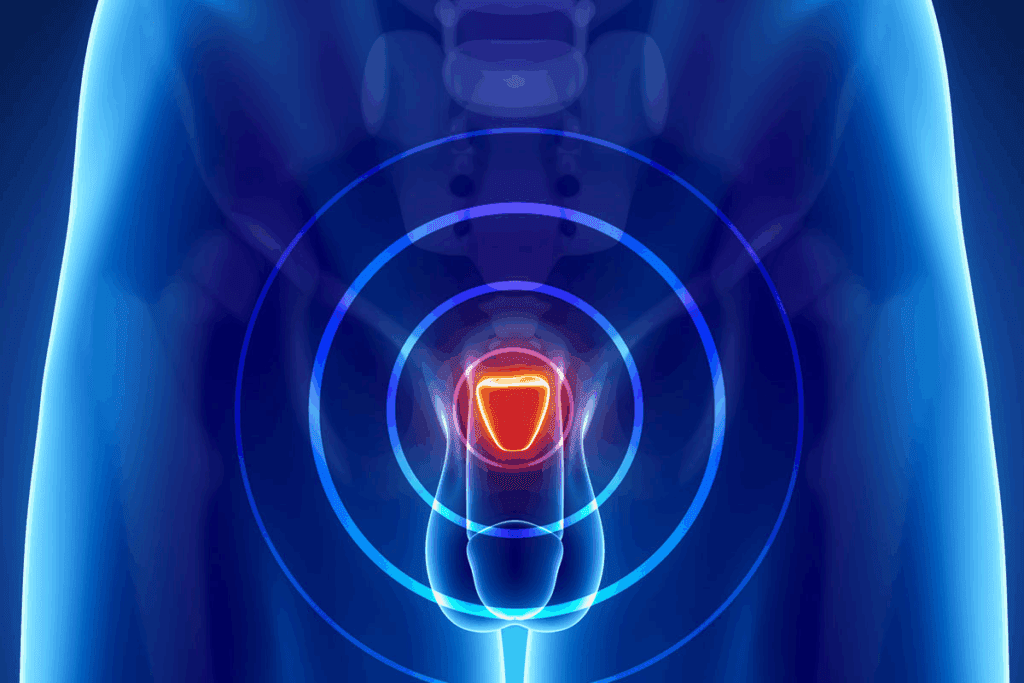
The prostate is key to the male reproductive system, impacting sexual function and health. Knowing its role is vital for men, whether they’re facing surgery or dealing with prostate issues.
What the Prostate Does During Sex
During climax, the prostate releases its secretions. These mix with sperm and other fluids to form semen. This is essential for ejaculation, as seminal fluid carries sperm.
The prostate’s fluid is full of enzymes, proteins, and nutrients vital for sperm survival. Also, the prostate’s contractions during orgasm help push semen through the urethra and out of the body, making ejaculation possible.
How the Prostate Contributes to Seminal Fluid
Seminal fluid comes from various male reproductive organs, with the prostate being a major source. The prostate adds both quantity and quality to seminal fluid, supporting sperm health. It includes:
- Proteins and enzymes that help sperm survive
- Zinc, which is important for sperm health
- Other nutrients that feed the sperm
The prostate gland is essential for sperm health and fertility. It produces and secretes key components for this purpose.
Can You Have Sex Without a Prostate?

Prostate surgery raises many questions about sex, like if it’s possible without a prostate. Removing the prostate gland, or prostatectomy, is often done to treat prostate cancer. It’s a big surgery that can save lives but also changes how men feel during sex.
The Short Answer: Yes, But With Changes
Yes, men can have sex without a prostate, but it’s different. The ability to achieve orgasm remains, but the nature of ejaculation changes significantly. Most men experience dry orgasms, or anejaculation, where they climax without semen.
This change happens because the prostate and seminal vesicles, which make seminal fluid, are removed or changed during surgery. It’s important to know that while orgasm can be felt, not ejaculating can change the sexual experience. Men may need to adapt to these changes and explore new ways of achieving intimacy and satisfaction.
Research on Sexual Activity Post-Prostatectomy
Research on sex after prostate removal shows mixed results. But most agree that men can have sex. Studies say that how fast men recover from surgery depends on their age, the surgery method, and how well they could get an erection before surgery.
A lot of research supports the idea that early intervention and rehabilitation programs can improve sexual outcomes after prostate surgery. These programs often include therapies to help restore erectile function and improve sexual health.
In conclusion, while sex without a prostate involves changes, many men can have a fulfilling sex life. The right support and adaptations are key.
Changes in Ejaculation After Prostate Removal
Men who have prostate surgery often notice changes in their sex life. The prostate gland helps make seminal fluid, which is released during orgasm. Without it, the way they ejaculate can change.
Understanding Dry Orgasms and Anejaculation
After prostate surgery, men might have dry orgasms or anejaculation. This happens because the prostate is key in making seminal fluid. Without it, they might not have much or any ejaculate.
Dry orgasms mean feeling an orgasm without semen. Anejaculation means no ejaculation at all. Both are common after prostate surgery.
Differences Between Pre-Surgery and Post-Surgery Orgasms
Before surgery, men usually have orgasms with ejaculation. After surgery, things can be different. Some main differences are:
- Reduced or Absent Ejaculation: The biggest change is less or no ejaculate.
- Sensation of Orgasm: The feeling of orgasm might stay, but it can feel different.
- Emotional Adjustment: Men might need to get used to these changes emotionally.
It’s important for men to know about these changes to deal with them better.
Knowing what to expect after prostate surgery can help. Even though ejaculation might change, the emotional and sensual parts of intimacy can stay the same.
Erectile Function After Prostatectomy
Prostate removal can change how men get erections. It’s important to know this before surgery. This knowledge helps set realistic hopes and find ways to treat any issues.
Immediate Effects on Erections
Right after surgery, many men face erectile problems. This is because the nerves and tissues around the prostate get hurt. How much this affects each man can vary a lot.
Nerve damage is a big reason for these problems. Doctors try to avoid this, but some damage is common.
Recovery Rates by Age Group
How well men recover from prostate surgery depends on their age. Younger men usually do better than older ones. This is because their nerves and blood vessels are healthier.
- Men under 60 years old typically have higher recovery rates for erectile function.
- For men between 60 and 70, recovery rates are lower but significant.
- Men over 70 often face more challenges in recovering erectile function.
Knowing these age differences is key. It helps manage hopes and make smart choices about care after surgery.
Nerve-Sparing Surgical Techniques
Nerve-sparing surgery has changed prostate surgery for the better. It helps men keep their sexual health intact. These methods protect the nerves around the prostate, which are key for erections.
Using nerve-sparing techniques, surgeons can greatly enhance sexual function after surgery. This is vital for men having prostate surgery due to cancer or other reasons.
Preserving Sexual Function Through Modern Surgery
Today’s surgery can save more nerves for erections. Surgeons use careful dissection and advanced tools to do this. They aim to protect the neurovascular bundles, vital for erections.
Nerve-sparing surgery boosts erectile function after prostate surgery. Research shows men who get this surgery are more likely to regain their ability to have erections than those with traditional surgery.
Outcomes: Traditional vs. Nerve-Sparing Surgery
Looking at traditional and nerve-sparing surgery shows big differences in sexual function recovery. The table below highlights findings from recent studies.
| Surgical Approach | Erectile Function Recovery Rate | Average Time to Recovery |
| Traditional Surgery | 40% | 12-18 months |
| Nerve-Sparing Surgery | 70% | 6-12 months |
The table shows nerve-sparing surgery leads to better erectile function recovery and quicker recovery times than traditional surgery.
It’s important to remember that everyone reacts differently to surgery. Factors like age, health, and the surgeon’s skill can affect outcomes.
Timeline for Sexual Recovery After Prostate Surgery
Recovering sexual function after prostate surgery is different for everyone. There are general guidelines to help men understand what to expect during their recovery.
Initial Recovery Phase
In the first three months after surgery, men often face challenges with sexual function. This is a key time for healing. Some men may start to see small improvements in their sexual health. But, full recovery can take longer.
During this time, men might struggle with erectile dysfunction or changes in ejaculation. These issues can be tough, but they’re common and often temporary. It’s important for men to be patient and not rush the recovery.
Progressing Towards Recovery
Between six to twelve months after surgery, many men see big improvements in their sexual function. This is a time of continued healing and the return of erectile function. Some men may start to notice better erections, but it varies.
During this phase, men should work closely with their healthcare providers. Open communication with healthcare professionals is key to navigating the recovery process effectively.
Long-term Outcomes
By one to two years after surgery, most men have reached their maximum sexual recovery. While some may face ongoing challenges, many regain a lot of their pre-surgery sexual function. The recovery can depend on the surgery, the man’s age, and his health.
Knowing the timeline for sexual recovery after prostate surgery helps men set realistic goals. By staying informed and working with healthcare providers, men can better navigate their recovery journey.
Treatment Options for Erectile Dysfunction After Prostatectomy
Recovering from prostate surgery and getting back to normal can be tough. Many men face erectile dysfunction (ED) after a prostatectomy. But, thanks to new medical tech and better sexual health knowledge, there are many ways to help men regain their ability to get an erection.
Oral Medications
Oral meds are often the first choice for treating ED after prostate surgery. Phosphodiesterase type 5 inhibitors (PDE5 inhibitors) like sildenafil and tadalafil are common picks. They boost nitric oxide, a natural body chemical that relaxes penis muscles, improving blood flow.
But, how well these meds work can vary. It depends on the surgery’s nerve damage and your health. Always talk to a doctor to find the right medication and dose for you.
Penile Injections
If oral meds don’t work, penile injections are an option. These injections put a drug directly into the penis to cause an erection. Drugs like alprostadil relax penis muscles, increasing blood flow.
Penile injections can be effective but need careful use to avoid side effects. Getting training from a healthcare expert is key.
Vacuum Erection Devices
Vacuum erection devices (VEDs) are another choice. They work by creating a vacuum around the penis, drawing blood, and then using a ring to keep the erection.
VEDs are easy to use and can be bought or rented. They’re a cost-effective option that might need some practice to master.
Penile Implants for Severe Cases
For men with very severe ED, penile implants might be the answer. These are surgically placed devices that can be inflated for an erection.
There are inflatable and semi-rigid implants, each with its own benefits and risks. The choice depends on your health, preferences, and the surgeon’s advice. Penile implants are usually a last resort due to surgery risks.
Getting back to normal after prostate surgery takes time and trying different treatments. It’s important for men to work with their doctors to find the best treatment plan.
Sexual Rehabilitation Programs
Sexual rehabilitation programs help men regain their sexual function after prostate surgery. They focus on both the physical and emotional sides of sexual health. This approach supports men in their recovery journey.
Early Intervention Approaches
Starting rehabilitation early is key. It can help men recover better from erectile function loss. Early intervention approaches include medications, pelvic floor exercises, and counseling for emotional support.
Studies show early help can greatly improve sexual function recovery. This early action helps reduce long-term sexual health impacts from surgery.
Working With Sexual Health Specialists
Sexual health specialists are essential in these programs. They include urologists, sex therapists, and counselors. Together, they offer a complete approach to sexual recovery. Men get personalized plans and guidance.
Working with these experts helps tackle both physical and emotional challenges post-surgery. This support improves sexual well-being and overall life quality.
Emotional and Relationship Impacts
Prostate surgery can deeply affect a man’s life. It changes not just his health but also his emotions and relationships. Understanding these emotional and relational changes is key to recovery.
Communicating With Your Partner
Talking openly with your partner is very important during this time. The emotional effects of prostate surgery can be big. Sharing your feelings and fears can make your bond stronger.
Talking about changes in sex and intimacy is hard but necessary. It helps couples find new ways to be close and loving, even with surgery changes.
Addressing Body Image and Masculinity
Prostate surgery can change how a man sees himself. It can make him feel vulnerable or affect his sense of masculinity. We offer support to help men deal with these feelings.
Men often feel anxious or depressed after surgery. It’s okay to feel these emotions and to seek help. Facing these feelings helps men recover fully.
Finding New Forms of Intimacy
Intimacy after surgery can be different but just as meaningful. Emotional closeness can grow as couples find new ways to connect. We encourage exploring these new forms of intimacy.
| Strategies for Maintaining Intimacy | Benefits |
| Open Communication | Strengthens bond, fosters understanding |
| Emotional Support | Enhances emotional intimacy, reduces feelings of isolation |
| Exploring New Forms of Intimacy | Enriches relationship, adapts to changes post-surgery |
By using these strategies and talking openly, couples can overcome surgery challenges. They can come out stronger and closer together.
Preparing for Prostate Surgery: Sexual Expectations
Knowing what to expect about sex before prostate surgery can make recovery easier. It’s important to understand how your sex life might change.
Pre-Surgery Sexual Function Assessment
Checking your sex life before surgery is a key step. You’ll talk about your sex history with your doctor. This includes any problems with getting an erection, ejaculation, or sex drive.
This check-up helps in:
- Finding any sex problems you already have
- Knowing what to compare your sex life to after surgery
- Creating a plan to help you get back to normal sex
Being open about your sex life is very important. This way, your healthcare team can help you the most during and after treatment.
Setting Realistic Recovery Goals
Setting achievable goals for recovery is key. It helps manage your hopes and aims for the best results after surgery. You’ll learn how surgery might affect your sex life and make a plan just for you.
Some things to think about include:
- Understanding how surgery might change your erections and ejaculation
- Talking about nerve-sparing surgery and its benefits
- Looking into treatments for erectile dysfunction after surgery
By setting realistic goals and having a detailed support plan, men can handle recovery better. They can work towards getting their sex life back.
Getting ready for prostate surgery is more than just knowing about the surgery. It’s about being ready for how it might change your sex life. By checking your sex life before surgery and setting realistic goals, you can make recovery easier.
Conclusion
Men can have sex even without a prostate, but it might feel different. After surgery, they learn about new ways of ejaculation and getting an erection. We’ve looked at how surgery changes sex life, including the importance of nerve-sparing techniques and treatments for erectile dysfunction.
With the right help, men can enjoy sex again after surgery. Programs for sexual rehabilitation are key in this process. It’s important for men to talk to their partners and explore new ways of being intimate.
Knowing what to expect and how to deal with challenges is important for men after prostate surgery. We urge men to get the support they need to improve their sex life. With the right help, they can find joy and intimacy again.
FAQ
Can a man have sex without a prostate?
Yes, men can have sex without a prostate. But, it changes how they ejaculate and might affect their erections.
How does prostate removal affect ejaculation?
Men often have dry orgasms or can’t ejaculate after prostate removal. This is because the prostate gland makes a lot of the seminal fluid.
Can you stil have an erection without a prostate?
Yes, men can have erections without a prostate. But, they might face erectile dysfunction after surgery. Recovery depends on age and health.
What are the treatment options for erectile dysfunction after prostate surgery?
Treatments include oral meds, injections, vacuum devices, and implants. Each has its own benefits and things to consider.
How long does it take to recover sexually after prostate surgery?
Recovery time varies. Some men take up to a year or more. It depends on the surgery and their health.
What is a nerve-sparing prostatectomy, and how does it help?
This surgery tries to save nerves around the prostate. It might help men keep their erectile function and sexual health better.
How can men and their partners cope with the emotional impacts of prostate surgery?
Talking openly, dealing with body image, and finding new intimacy are key. They help with emotional and relationship challenges after surgery.
What is the role of sexual rehabilitation programs after prostate surgery?
These programs offer early help and support from experts. They aim to help men regain their sexual function and intimacy.
Can you ejaculate without a prostate?
Usually, men without a prostate have dry orgasms. This is because the prostate gland makes a lot of the seminal fluid.
How does age affect recovery of erectile function after prostatectomy?
Age is a big factor in recovering erectile function. Younger men tend to recover better than older ones.
What should men do to prepare for prostate surgery in terms of sexual expectations?
Men should check their current sexual function and set realistic goals before surgery. This helps them cope with changes.
References
Cocuzza, M., Alvarenga, C., & Athayde, K. (2009). Steps in the investigation and management of low semen volume in the infertile man. Canadian Urological Association Journal, 3(4 Suppl 2), S101–S112. https://www.ncbi.nlm.nih.gov/pmc/articles/PMC2792416/