Last Updated on November 27, 2025 by Bilal Hasdemir
Getting a brain tumor diagnosis can change your life. It makes you wonder about your future. The path to getting better is complex. It depends on the tumor type, stage, and who you are.
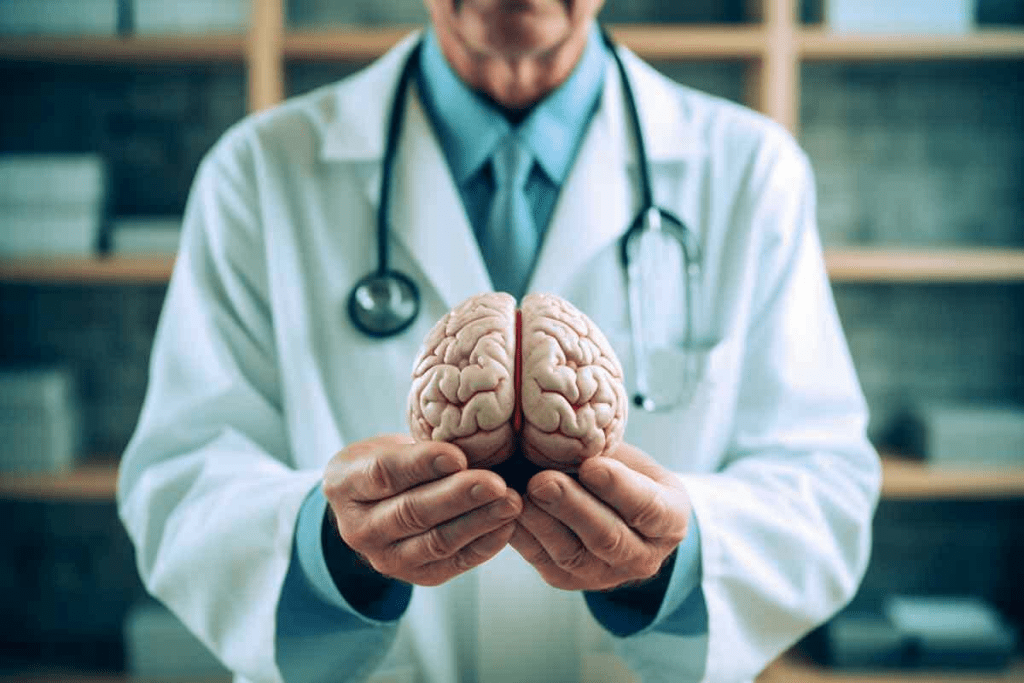
People who survive often struggle with memory loss, speech problems, and brain function issues after surgery. But, with a team effort in rehab, many regain a lot of brain function. They also see a big improvement in their quality of life.
Recent studies show that the five-year survival rate for brain and nervous system cancers is about 33-36%. Thanks to better medical care and support, patients can handle the recovery better.
Key Takeaways
- Recovery from a brain tumor is influenced by tumor type, stage, and patient factors.
- Multidisciplinary rehabilitation plays a key role in getting brain function back and improving quality of life.
- Survivors may face challenges like memory loss and brain function problems.
- Advances in medical care and support help patients do better.
- Liv Hospital offers trusted, patient-focused care for brain tumor patients.
Understanding Brain Tumors: Types, Stages, and Prognosis
Brain tumors are a diverse group of diseases. Knowing their types, stages, and prognosis is key for effective management. The complexity of brain tumors requires a detailed approach to diagnosis and treatment.

Common Types of Brain Tumors
Brain tumors can be benign or malignant. The most common types include:
- Gliomas: Arising from glial cells, these tumors can range from low-grade to high-grade malignancies.
- Meningiomas: Typically benign, these tumors originate from the meninges, the protective membranes surrounding the brain.
- Glioblastoma: A grade IV brain tumor that grows quickly and invades healthy surrounding tissue, making it one of the most aggressive forms.
Staging and Grading Systems
The staging and grading of brain tumors are key to determining the extent of the disease and planning treatment. The World Health Organization (WHO) grading system is commonly used. It ranges from I (least aggressive) to IV (most aggressive).
“The grading of brain tumors is a critical factor in determining prognosis and guiding treatment decisions.”
Current Survival Statistics and Trends
Survival statistics for brain tumors vary significantly based on the type and grade of the tumor. For instance, the five-year survival rate for glioblastoma is relatively low compared to other types. Understanding these statistics is essential for patients and healthcare providers to make informed decisions.
Experts note that
“Advances in treatment modalities and a better understanding of tumor biology have led to improvements in survival rates for some types of brain tumors.”
By understanding the type, stage, and prognosis of a brain tumor, patients can better navigate their treatment options and outcomes.
Can You Recover from a Brain Tumour? Factors Affecting Recovery
It’s important to know what affects recovery from a brain tumor. Recovery depends on the patient, the tumor, and when treatment starts.

Patient-Specific Factors Influencing Outcomes
The patient’s health and age are key to recovery. Younger patients with no other health issues usually do better. How well a person can handle treatment also matters a lot.
Key patient-specific factors include:
- Age at diagnosis
- Overall health and presence of comorbidities
- Physical and mental resilience
- Response to treatment
Tumor Characteristics That Impact Recovery
The type, stage, and grade of the tumor are very important. Some tumors grow fast and need more treatment. Where and how big the tumor is also affects treatment and recovery.
Tumor characteristics that affect recovery include:
- Type of brain tumor (benign vs. malignant)
- Stage and grade of the tumor
- Location and size of the tumor
- Growth rate and chance of coming back
The Critical Role of Early Intervention
Getting diagnosed and treated early is key. Early treatment can lessen the tumor’s effects. This can lead to better outcomes and quality of life.
Early intervention is very important. It means quick diagnosis, good treatment plans, and starting therapy fast. This can greatly improve a patient’s recovery and survival chances.
Treatment Approaches for Brain Tumors
Treating brain tumors is complex and involves surgery, radiation, and chemotherapy. Each treatment is chosen based on the tumor type, stage, and the patient’s health.
Surgical Interventions and Techniques
Surgery is often the first step in treating brain tumors. New techniques like neurosurgical navigation and awake craniotomy help remove tumors more safely. This way, more of the brain is spared.
Radiation Therapy Options
Radiation therapy is key for treating brain tumors, mainly for those that can’t be removed or are likely to come back. External beam radiation therapy and stereotactic radiosurgery are used. They focus the radiation on the tumor site precisely.
Chemotherapy Protocols
Chemotherapy can be used alone or with other treatments. The choice depends on the tumor type and how aggressive it is. Temozolomide is often used for glioblastoma, given with radiation therapy.
Adjuvant Therapy Importance
Adjuvant therapies, like targeted and immunotherapy, are becoming more common. They aim to improve treatment results by targeting specific tumor traits.
| Treatment Modality | Description | Indications |
| Surgery | Removal of tumor tissue | Accessible tumors, diagnostic purposes |
| Radiation Therapy | Delivery of radiation to kill tumor cells | Inoperable tumors, high-risk recurrence |
| Chemotherapy | Use of drugs to kill tumor cells | Tumor type and grade dependent |
| Adjuvant Therapy | Targeted or immunotherapy to complement standard treatments | Specific molecular characteristics |
Can Brain Tumors Be Cured? Remission and Long-Term Outcomes
The idea of curing brain tumors is complex. It depends on the tumor type, the patient’s health, and the treatment used. Knowing if a cure or remission is possible is key for patients and their families.
A well-known oncologist, once said,
“The journey to understanding brain cancer is multifaceted, involving not just the treatment of the tumor, but also the care of the patient as a whole.”
This approach is vital in understanding if brain tumors can be cured.
Defining Cure vs. Remission in Brain Cancer
A cure means the tumor is gone for good. Remission means the tumor is gone for now, but might come back.
Remission can be complete or partial. Complete means the tumor is gone. Partial means it’s smaller but not gone. Knowing the difference helps manage hopes and treatment plans.
Glioblastoma Remission Possibilities
Glioblastoma is a very aggressive brain cancer with a tough prognosis. But, new treatments might help more patients.
Studies show immunotherapy and targeted therapy could help glioblastoma patients. These findings are hopeful, but glioblastoma is a tough cancer to beat.
Factors That Improve Chances of Cure
Several things can help a brain tumor patient’s chances of being cured. These include:
- The type and grade of the tumor
- The patient’s overall health and age
- The effectiveness of the treatment plan
- The presence of any genetic mutations that may affect treatment response
Early detection and treatment are key to a cure. Better diagnostic tools and treatments are helping brain tumor patients more.
In summary, while a cure is not always possible for all brain tumors, research and new treatments offer hope for better outcomes.
Promising Advances in Brain Tumor Treatment
New breakthroughs in immunotherapy and targeted therapies are changing how we treat brain tumors. These new methods aim to make treatments better and improve patients’ lives.
Immunotherapy Approaches
Immunotherapy uses the body’s immune system to fight cancer. It includes methods like checkpoint inhibitors and cancer vaccines. These help the immune system find and attack cancer cells.
CAR T-cell therapy is a key part of immunotherapy. It changes a patient’s T-cells to target cancer cells. Research at ASCO 2025 showed that dual-target CAR T-cell therapy can slow aggressive brain cancers.
CAR T-Cell Therapy for Aggressive Tumors
CAR T-cell therapy is a hopeful treatment for tough brain tumors like glioblastoma. It makes T-cells attack specific cancer cells. This makes treatment more personal and effective.
While CAR T-cell therapy is new, early trials look promising. They show it could be a big help in fighting aggressive brain tumors.
Targeted Therapies and Precision Medicine
Targeted therapies and precision medicine are also being studied. They focus on specific genetic changes in tumors. This way, treatments can be more precise and effective.
Precision medicine aims to tailor treatments to each patient’s tumor. This could lead to better results and fewer side effects. Researchers are working hard to find new targets and improve these therapies.
Memory Loss and Cognitive Changes After Brain Tumor Surgery
Brain tumor surgery often leads to memory loss and other cognitive issues. The impact varies based on the tumor’s location, the surgery method, and the patient’s health.
Types of Memory Impairment
Memory loss after surgery can take different forms. Some people struggle to remember recent events or learn new things. Others find it hard to recall memories from before the surgery.
The severity of memory loss depends on where the tumor is and how it was treated. For example, tumors near the hippocampus can greatly affect memory.
Brain Tumor Affecting Speech and Memory
Brain tumors and their removal can also impact speech and memory. Tumors near language centers can cause speech problems and memory loss.
Cognitive Assessment and Monitoring
Monitoring cognitive changes is key in caring for brain tumor patients after surgery. Regular checks help understand the extent of changes and plan rehabilitation.
| Cognitive Domain | Assessment Tools | Intervention Strategies |
| Memory | Neuropsychological tests, Memory questionnaires | Memory aids, Cognitive training |
| Speech and Language | Language assessments, Speech therapy evaluations | Speech therapy, Language rehabilitation programs |
| Executive Functions | Executive function tests, Behavioral observations | Cognitive-behavioral therapy, Compensatory strategies |
Understanding cognitive changes after surgery helps healthcare providers offer better support. This improves patients’ quality of life.
The Multidisciplinary Approach to Brain Tumor Recovery
Recovering from a brain tumor needs a team effort. A good recovery plan includes many healthcare experts. They work together to give multidisciplinary care that fits each patient’s needs.
This team effort is key for patients to get back to their lives after treatment. The recovery includes many therapies and support. These include cognitive, physical, speech, and psychological help.
Cognitive Rehabilitation Techniques
Cognitive rehab is a big part of getting better after a brain tumor. It helps with memory and attention problems. The methods used are:
- Memory training exercises
- Attention and concentration enhancement strategies
- Problem-solving and decision-making skills development
These methods help patients adjust to brain changes. They improve brain function overall.
Physical Therapy for Neurological Recovery
Physical therapy is very important for brain tumor recovery. Physical therapists help patients:
- Improve mobility and strength
- Enhance balance and coordination
- Manage fatigue and pain
A tailored physical therapy plan helps patients become more independent. It lets them do daily tasks again.
Speech and Language Therapy Interventions
Speech and language therapy is key for those with communication or swallowing issues after treatment. Speech-language pathologists offer:
- Speech therapy to improve articulation and fluency
- Language therapy to enhance comprehension and expression
- Swallowing therapy to reduce the risk of aspiration
These therapies help patients talk better and eat safely again.
Psychological Support and Counseling
Psychological support is vital for brain tumor recovery. It deals with patients’ emotional and mental health. Counseling services include:
| Support Type | Description |
| Individual Counseling | One-on-one therapy to address personal concerns and emotional challenges |
| Group Therapy | Group sessions to share experiences and connect with others facing similar challenges |
| Family Support | Counseling for family members to cope with the impact of brain tumor diagnosis on their loved ones |
A multidisciplinary approach to brain tumor recovery offers full care. It meets the complex needs of patients. This improves their quality of life.
Quality of Life After Brain Tumor Surgery: Rebuilding and Adapting
After brain tumor surgery, patients face the challenge of rebuilding their lives. This journey includes physical recovery and adapting to new mental and emotional states.
Adapting to New Cognitive Patterns
Brain tumor surgery often leads to cognitive changes. Patients might struggle with memory, focus, and processing information. Cognitive rehabilitation can help manage these issues.
Using memory aids, cognitive training, and other strategies can aid in overcoming these challenges. It’s key for patients to work with their healthcare team to create a personalized plan.
Managing Physical Limitations
Physical challenges after surgery can differ for each patient. Some may face weakness, numbness, or balance issues. Physical therapy is vital for regaining strength and mobility.
A customized physical therapy program can help patients tackle their specific physical hurdles. This improves their overall quality of life.
Returning to Work and Daily Activities
Going back to work and daily activities is a big step in recovery. It requires careful planning and adjustments for any remaining physical or mental limitations.
It’s important for patients to talk to their healthcare provider and possibly a vocational counselor. This ensures a smooth return to their daily routines.
Support Systems and Resources
Support from loved ones and support groups is incredibly valuable during recovery. There are also many resources available to help patients and their families through the challenges of brain tumor recovery.
| Resource | Description | Benefit |
| Support Groups | Groups where patients and families can share experiences and advice | Emotional support and community |
| Rehabilitation Services | Physical, occupational, and speech therapy tailored to individual needs | Improved physical and cognitive function |
| Counseling Services | Professional counseling to address emotional and psychological challenges | Enhanced mental well-being |
Advanced Protocols and Innovations in Rehabilitation
Advanced rehabilitation protocols are key to improving life for those recovering from brain tumors. These new methods tackle the complex needs of patients. They help patients regain their cognitive, physical, and emotional abilities.
Technology-Assisted Cognitive Training
Technology-assisted cognitive training is a big step forward in rehab. It uses top-notch software and virtual reality for personalized exercises. This technology-assisted training boosts cognitive recovery and makes it fun for patients.
Neuroplasticity-Based Approaches
Neuroplasticity-based approaches are changing neuro-rehabilitation. They focus on the brain’s ability to adapt and change. Through targeted exercises and therapies, these methods help patients overcome brain damage. This way, patients can improve their overall function.
Liv Hospital’s Comprehensives Recovery Programs
Liv Hospital has top-notch recovery programs. Their team creates personalized plans using the latest in rehab.
International Standards in Neuro-Rehabilitation
Liv Hospital follows international standards in neuro-rehabilitation. Their programs meet global best practices. This ensures patients get the best care and helps them recover fully.
Conclusion: Embracing Hope in the Brain Tumor Recovery Journey
The path to recovery from a brain tumor is complex. It involves many treatments and ways to get better. Thanks to new medical tech and care, many people are getting their lives back.
Hope is key in this journey. Patients and their families need to stay positive and involved. Care that includes therapy, physical help, and mental support is essential. It helps people face new challenges and start anew.
Knowing about brain tumors helps patients choose the right treatments. A team effort in recovery, using the latest tech, brings hope for a better life. Holding onto hope and staying dedicated to recovery can greatly improve lives touched by brain tumors.
FAQ
Can you recover from a brain tumor?
Recovery from a brain tumor depends on many things. This includes the tumor’s type, stage, and grade. Also, the patient’s health and how well they respond to treatment play a big role.
What are the factors that affect recovery from a brain tumor?
Several factors influence recovery. These include the patient’s health, the tumor’s characteristics, and when treatment starts. Early treatment and a team approach to care can greatly improve outcomes.
Can brain tumors be cured?
Cure chances vary by tumor type. Some benign tumors can be cured with surgery. But, tumors like glioblastoma often need a mix of treatments and have a tougher prognosis.
What is the difference between cure and remission in brain cancer?
A cure means the cancer is gone for good. Remission means the cancer is controlled but could come back.
How does a brain tumor affect memory and cognitive function?
Brain tumors can lead to memory loss and cognitive changes. This depends on the tumor’s location and treatment. Keeping an eye on these effects is key.
What treatment approaches are available for brain tumors?
Treatments include surgery, radiation, chemotherapy, and more. The right treatment depends on the tumor type, stage, and the patient’s health.
What is the role of immunotherapy in brain tumor treatment?
Immunotherapy uses the body’s immune system to fight cancer. It’s being studied for brain tumors, like glioblastoma, as a promising treatment.
How can patients rebuild their lives after brain tumor surgery?
Rebuilding life means adapting to new ways of thinking and moving. It also means using support systems. A team approach to care, including therapy and support, is vital.
What are the latest advances in brain tumor rehabilitation?
New rehab methods include technology and neuroplasticity-based training. Programs like those at Liv Hospital follow international standards in neuro-rehabilitation.
Can glioblastoma go into remission?
Glioblastoma is tough to treat, but remission is possible. The right treatment includes surgery, radiation, and chemotherapy. How long remission lasts varies.
How can patients manage memory loss after brain tumor surgery?
Managing memory loss involves special training and strategies. This includes memory aids and cognitive training. Speech therapy may also be needed for some.
References
- Watanabe, T., et al. (2025). Improved health-related quality of life after rehabilitation in brain tumor patients: A prospective cohort study. European Journal of Physical and Rehabilitation Medicine. https://pubmed.ncbi.nlm.nih.gov/39960468/