Last Updated on November 27, 2025 by Bilal Hasdemir
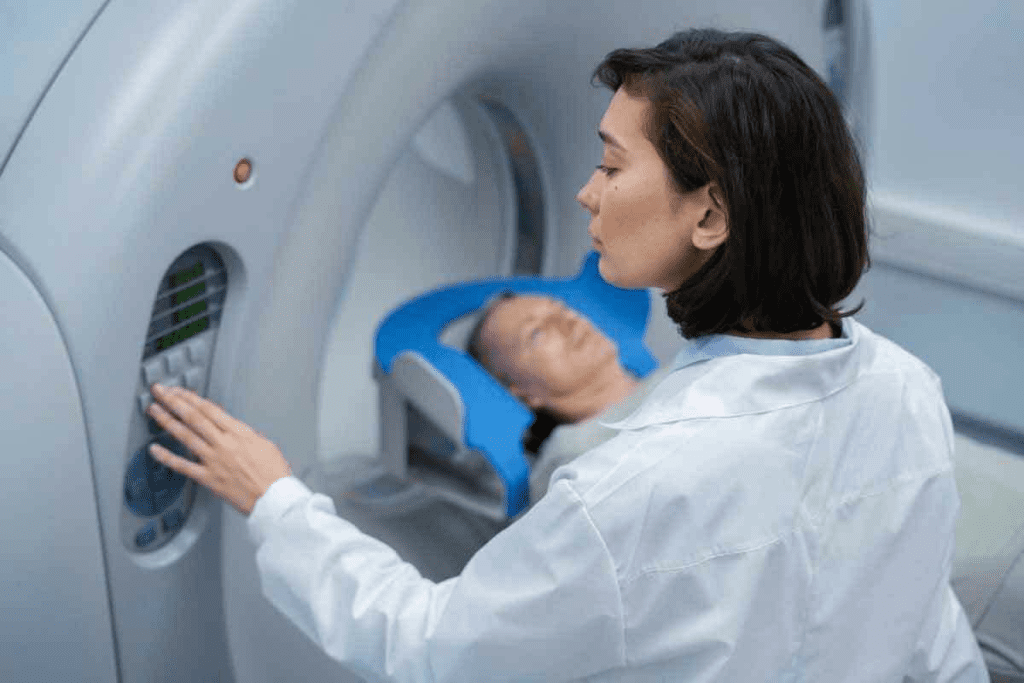
Getting ready for a PET scan can feel overwhelming. There are many steps to take for the best results. We tell patients to stop smoking at least 12 hours before their scan. Nicotine and other chemicals in tobacco can change how your body works, making the scan less accurate.
Medical rules say to avoid nicotine products, like patches and cigarettes, for 12 hours before your visit.
It’s very important to follow these rules to get good results and stay safe. For more info on how to prepare for a PET scan, check out reliable medical sites. The University of Rochester Medical Center has lots of helpful tips. Can you smoke before a PET scan? Learn why smoking is restricted and key prep tips.
Key Takeaways
- Avoid smoking and nicotine products for at least 12 hours before a PET scan.
- Nicotine can alter metabolic activity, potentially affecting scan accuracy.
- Follow specific preparation guidelines to ensure reliable results and safety.
- Consult trusted medical resources for detailed PET scan preparation information.
- Proper preparation is key for accurate PET scan results.
The Purpose and Importance of PET Scans
PET scans are key in diagnosing and managing serious health issues. They show how different parts of the body work. This helps doctors spot and treat problems like cancer, brain disorders, and heart disease.
What is a PET Scan?
A PET scan is a medical test that uses a special tracer to see how body parts work. It’s different from other tests that just show what parts look like. PET scans tell us how well different parts of the body are functioning.
To do a PET scan, a tiny bit of radioactive material is given to the patient. This material goes to the body’s tissues and organs. The PET scanner picks up signals from this material. It then makes detailed images of how these parts are working.
How PET Scans Differ from Other Imaging Tests
PET scans are not like CT or MRI scans. While those tests show what body parts look like, PET scans show how they work. This is because PET scans focus on how body parts function, not just their shape.
Key differences include:
- Metabolic information: PET scans give insights into how body parts work.
- Functional assessment: They help see how different body parts function.
- Early detection: PET scans can spot changes before they show up in other tests.
PET scans are often used with other tests like CT or MRI. This gives a full picture of the body’s health. For example, a PET-CT scan combines metabolic info from PET scans with detailed images from CT scans. This gives a complete view of the body’s condition.
Common Medical Conditions Diagnosed with PET Scans
PET scans help diagnose and manage many health issues. These include:
- Cancer: They help find cancer, see how far it has spread, and check if treatments are working.
- Neurological disorders: They help diagnose and manage conditions like Alzheimer’s, Parkinson’s, and epilepsy.
- Cardiovascular disease: They check if heart tissue is working well and find coronary artery disease.
PET scans are vital for understanding how body parts work. They help doctors diagnose and manage these complex conditions.
Can You Smoke Before a PET Scan? Understanding the Restrictions
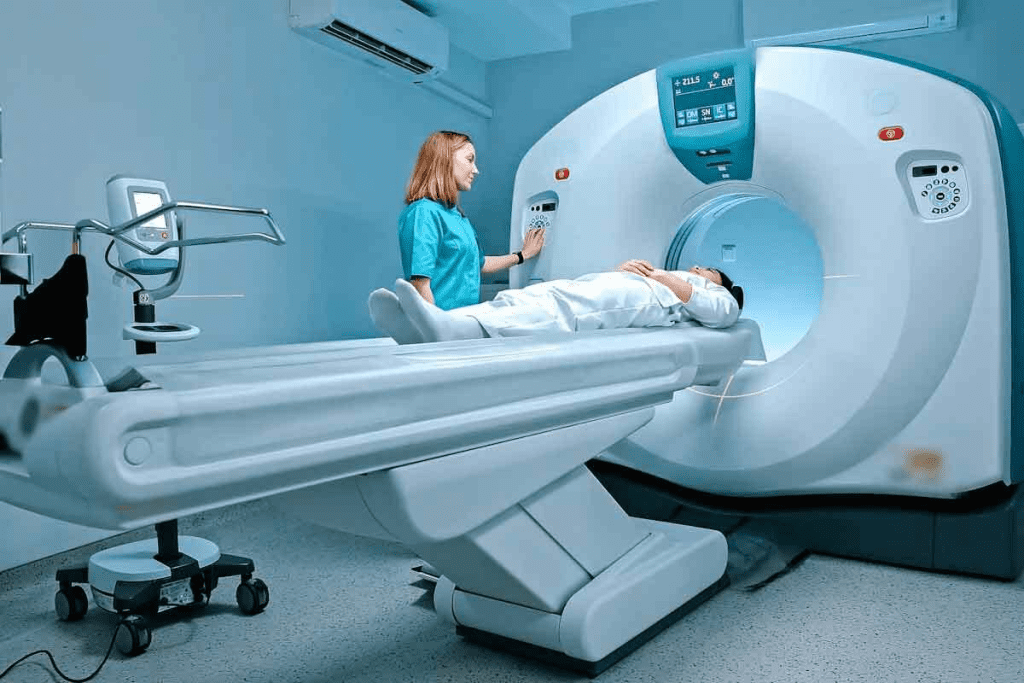
It’s important to know the rules about smoking before a PET scan. PET scans are key for diagnosing, and smoking can affect their results.
How Nicotine Affects Metabolic Activity
Nicotine, found in tobacco, changes how your body works. It gets into your blood and can change how a PET scan works. This might make the scan less accurate.
Before a PET scan, knowing how nicotine affects you is key. It can change how your body uses energy, which might affect the scan’s results.
The Impact of Smoking on Scan Accuracy
Smoking can make PET scan results less reliable. Tobacco’s chemicals can change blood flow and how your body uses energy. This can mess up the scan’s results, affecting your treatment.
To get the best scan results, we tell patients to stop smoking before their PET scan. This helps your healthcare team make better decisions for you.
Recommended Abstinence Period Before Your Scan
The time you should not smoke before a PET scan varies. But usually, it’s 4 to 12 hours. This helps make sure your scan is as accurate as possible.
We tell our patients to avoid nicotine for 12 hours before their scan. Following these rules helps make sure your PET scan is useful for your healthcare team.
Why No Caffeine Before PET Scan: Complete Guidelines
To get accurate results from your PET scan, it’s important to follow certain guidelines about caffeine. Caffeine can change how the scan works, which is a big deal for heart and brain scans.
Caffeine’s Effect on Metabolic Imaging
Caffeine is a stimulant that can change how your body works. This can make PET scan results not accurate. Avoiding caffeine before a PET scan is key to getting reliable results.
We suggest that patients don’t have any caffeinated drinks for at least 24 hours before their PET scan. This means no coffee, tea, cola, or chocolate because they all have caffeine.
Specific Concerns for Cardiac and Neurologic PET Scans
For heart and brain PET scans, it’s even more important to avoid caffeine. Caffeine can change heart rate and blood flow, which can mess up the scan. It can also mess with brain activity in brain scans, making it hard to diagnose.
| PET Scan Type | Caffeine’s Impact | Recommended Abstinence |
| Cardiac PET Scan | Affects heart rate and blood flow | 24 hours |
| Neurologic PET Scan | Influences brain activity | 24 hours |
| General PET Scan | Alters metabolic activity | 24 hours |
Other Stimulants to Avoid
Other than caffeine, some other things can also mess with PET scan results. This includes some medicines, herbal supplements, and energy drinks. Telling your healthcare provider about any substances you’re taking is very important before your PET scan.
Some common things to avoid include:
- Nicotine
- Certain antidepressants
- Energy drinks
- Herbal supplements like guarana
By staying away from these stimulants and following the guidelines, you can make sure your PET scan results are accurate and reliable.
Fasting for a PET Scan: Essential Requirements
To get the best results from your PET scan, it’s key to follow fasting rules. These rules help get clear and accurate images.
The Science Behind Fasting Requirements
Fasting before a PET scan is needed to keep blood sugar levels steady. This is important for the tracer to work right. When you eat, your body uses glucose from food, raising blood sugar. This can mess up how the tracer is taken up by tissues, making scan results less accurate.
We ask patients to fast for a while before their PET scan. This makes sure blood sugar levels are stable. This helps get clear images and accurate results.
Standard 4-6 Hour Fasting Protocol
The usual fasting rule for a PET scan is to not eat or drink (except water) for 4 to 6 hours before. This time is best for your body to be ready for the scan.
For six hours before your appointment, only drink plain water. Avoid sugary drinks, coffee, and any calorie-rich beverages.
Permitted and Prohibited Foods and Beverages
Knowing what you can and can’t eat before a PET scan is important. Here’s a quick guide:
| Permitted | Prohibited |
| Plain water | Sugary drinks (e.g., soda, juice) |
| Coffee and other caffeinated beverages | |
| Caloric beverages (e.g., milk, creamers) | |
| Food (including snacks and meals) |
By sticking to these rules, you help make sure your PET scan results are accurate. If you have questions or worries about fasting or your PET scan, talk to your healthcare provider.
PET Scan Time Frame: What to Expect
The time it takes for a PET scan can vary. We’re here to help you understand what to expect. You might wonder how long the whole process will last.
Total Appointment Duration
A PET scan usually takes 1.5 to 3 hours. This includes time for registration, getting ready, and the scan itself.
Actual Scanning Time
The actual scan time is much shorter, lasting 20 to 45 minutes. For example, PET/CT scans usually take 15 to 35 minutes. The exact time depends on your scan’s needs and the facility’s technology.
Factors That May Extend Your Appointment
Several things can make your PET scan longer. These include:
- Extra preparations or procedures needed
- The scan’s complexity, like how many areas are being checked
- Any unexpected delays or technical problems during the scan
Following your healthcare provider’s or the imaging facility’s instructions can help avoid delays.
Knowing the PET scan time frame helps you plan your day better. It also reduces anxiety about the procedure. If you have questions, ask your healthcare provider for more details.
Special Considerations for Diabetic Patients
Diabetic patients need to do more than just follow standard PET scan prep. They must manage their blood sugar levels carefully. This is to keep them safe and ensure the scan’s accuracy.
Blood Glucose Management Before Fasting
Before fasting for a PET scan, diabetic patients must watch their blood sugar closely. It’s vital to follow your healthcare provider’s specific guidelines to avoid problems. If your scan is in the morning, you might not take insulin or diabetes meds that day.
But, your plan might be different. Always talk to your healthcare provider for advice on managing your blood sugar before the scan.
Modified Preparation Instructions
Diabetic patients might need to change their PET scan prep. This includes adjusting your fasting and medication as your healthcare provider suggests. Also, drink water unless told not to.
- Follow your healthcare provider’s specific instructions regarding fasting and medication.
- Monitor your blood glucose levels closely before and after the scan.
- Inform the PET scan facility about your diabetes and any medications you are taking.
Medication Adjustments for Diabetics
Changing your diabetes meds before a PET scan is key. Your healthcare provider may suggest changing your medication schedule for the scan. It’s important to follow these changes to avoid bad effects.
Never change your medication without talking to your healthcare provider. They will guide you based on your health and the scan’s needs.
The Complete PET Scan Procedure: Step by Step
Learning about the PET scan process can help you feel less anxious. We’ll walk you through each step, from getting ready at home to after the scan. This will help make your PET scan as easy as possible.
Pre-Scan Preparation at Home
Before your PET scan, there are steps to take at home. It’s important to follow your healthcare provider’s instructions. This might include not eating certain foods, avoiding some medicines, and other preparations. For more details.
Usually, you’ll need to fast for 4-6 hours before the scan. Wear comfy, loose clothes and avoid metal items like jewelry or zippers.
Check-in and Tracer Administration
When you arrive, you’ll check in and then go to the PET scan suite. The technologist will explain the process and answer your questions. First, they’ll give you a tracer through an IV. This tracer helps the PET scan see how your body is working.
The Scanning Experience
After getting the tracer, you’ll lie down on the scanning table. The scan is usually painless and takes 20 to 45 minutes. This time can vary based on the scan type and body area.
You’ll need to stay very quiet and might be asked to hold your breath sometimes. The technologist will watch from a control room.
| Step | Description | Duration |
| Pre-scan preparation | Dietary restrictions, medication adjustments | Varies |
| Tracer administration | Intravenous line for radiopharmaceutical | 5-10 minutes |
| Scanning | PET scan imaging | 20-45 minutes |
Immediate Post-Scan Protocol
After the scan, you can get off the table and wait in a room. Drink lots of water to get rid of the tracer. You can usually go back to your normal day unless told not to.
Our team will give you instructions after the scan and answer any questions. We aim to make your PET scan as comfortable and stress-free as possible.
Can I Drive After a PET Scan? Transportation Planning
Many people wonder if they can drive home after a PET scan. The answer depends on the details of their procedure. Usually, most people can drive after a PET scan, unless they got sedated.
Standard Post-Scan Driving Guidelines
Most patients can drive after a PET scan if they didn’t get sedated. But, it’s key to follow certain rules for safety. Also, after the scan, avoid long times or close contact with young kids or pregnant people.
When Sedation Affects Driving Ability
If sedation was used during the PET scan, it’s not safe to drive. Sedation can slow down your reaction and judgment. This makes driving risky. If you got sedated, don’t drive yourself home.
Alternative Transportation Options
If you got sedated, plan for other ways to get home. Here are some options:
- Have a friend or family member drive you home
- Use a ride-sharing service
- Book a taxi or car service
Your safety is our top concern. We want to make sure you get home safely after your procedure.
By planning ahead, you can focus on your health and recovery. If you’re worried about driving after your PET scan, talk to your healthcare provider.
How to Get a PET Scan Approved: Insurance and Referrals
Getting a PET scan approved takes a few steps. You need a doctor’s referral and to meet insurance requirements. Knowing these steps helps the process go smoothly.
Physician Referral Process
A PET scan needs a doctor’s referral. This step is important to make sure the scan is really needed.
To start the referral process:
- See your primary doctor or a specialist.
- Talk about your symptoms and why you might need a PET scan.
- If it’s needed, your doctor will give you a referral.
A medical expert says, “A doctor’s evaluation is key before a PET scan.” This check makes sure the scan is right for you.
Insurance Coverage Criteria and Documentation
To get insurance for a PET scan, you must meet certain criteria. These can differ by insurance company. But, they usually include:
| Criteria | Description |
| Medical Necessity | The PET scan must be needed for your health, as decided by a doctor. |
| Pre-authorization | Some plans need you to get approval before the scan. |
| Documentation | You’ll need detailed medical records and codes to show why you need the scan. |
Working with your doctor to get all needed documents is key.
“Knowing your insurance and what’s needed for a PET scan makes approval easier.”
A healthcare professional
Self-Advocacy for Scan Approval
Patients are important in getting a PET scan approved. They should:
- Know what their insurance covers for PET scans.
- Make sure their doctor sends all needed documents.
- Check with their insurance to see if they’ve approved the scan.
Being informed and proactive helps patients get their PET scan approved without trouble.
Conclusion: Ensuring the Best Results from Your PET Scan
To get the best results from your PET scan, follow the recommended preparation steps. This includes making dietary changes and avoiding certain substances. These steps are detailed in the sections above.
It’s important to stick to these guidelines to get accurate scan results. For example, eating a diet high in protein and low in carbs and sugar 24 hours before your scan can improve the scan’s quality.
Following the guidelines closely is essential. This includes fasting, avoiding nicotine and caffeine, and managing blood sugar levels if you’re diabetic. Doing so ensures your scan gives your healthcare team the most useful information.
Being well-prepared is key to a successful PET scan. If you have any questions or concerns, talk to your healthcare provider. They can guide you. Proper preparation makes your PET scan experience smoother and more effective.
FAQ
Can you smoke before a PET scan?
We ask patients to not smoke for at least 12 hours before a PET scan. This is because nicotine and other chemicals in tobacco can change how your body works. It can also make the scan less accurate.
Why can’t you smoke before a PET scan?
Nicotine can change how your body works, which can make the scan results not accurate. It’s best to not smoke for at least 4 to 12 hours before the scan.
Can you drive after a PET scan?
Usually, you can drive home after a PET scan. But if you’ve had sedatives, it’s best to get a ride from someone else. Sedatives can make it hard to drive safely.
Why is there a restriction on caffeine before a PET scan?
Caffeine can also change how your body works. This can make the scan results not accurate, which is a big deal for heart and brain scans. So, we ask you to avoid caffeine and other stimulants before your scan.
Do you have to fast for a PET scan?
Yes, fasting is required before a PET scan to get accurate results. You need to not eat or drink anything (except water) for 4 to 6 hours before the scan.
How long does a PET scan take?
Getting ready for and doing the scan takes about 1.5 to 3 hours. The actual scan time is usually 20 to 45 minutes.
Are there special considerations for diabetic patients undergoing a PET scan?
Yes, diabetic patients need special care before a PET scan. It’s important to manage your blood sugar to keep you safe and ensure the scan is accurate.
How do I get a PET scan approved?
To get a PET scan, you need a doctor’s referral and to meet insurance rules. Knowing what you need and having your documents ready can help get approval faster.
What is the fasting protocol for a PET scan?
The fasting rule is to not eat or drink anything (except water) for 4 to 6 hours before the scan.
How long does a PET scan last for diabetic patients?
Diabetic patients have the same scan time as others, which is 1.5 to 3 hours. The actual scan time is 20 to 45 minutes.
Can I drive after a PET scan if I’ve been given sedatives?
No, if you’ve had sedatives, you shouldn’t drive. Sedatives can make it hard to drive safely, so it’s best to get a ride.
References
- Solberg, T. D., et al. (2011). Quality and safety considerations in stereotactic radiosurgery and stereotactic body radiation therapy. Journal of Applied Clinical Medical Physics, 12(4), 3414. https://www.ncbi.nlm.nih.gov/pmc/articles/PMC3808746/
- Liu, H. Y., et al. (2024). Guidelines for safe practice of stereotactic body (ablative) radiation therapy: RANZCR 2023 update. Journal of Medical Imaging and Radiation Oncology. https://pubmed.ncbi.nlm.nih.gov/38160448/