Last Updated on November 26, 2025 by Bilal Hasdemir
Can you still get stones after gallbladder removal? Get the shocking truth about this bad risk and why it happens.
Even without a gallbladder, stones can form in the bile ducts. Liv Hospital focuses on patient care and quality, helping those who’ve had or are thinking about gallbladder surgery.
Key Takeaways
- Gallstones can form again after gallbladder removal, mainly in the bile ducts.
- Liv Hospital offers detailed care for those who’ve had cholecystectomy.
- It’s key to understand the risks after surgery for good health.
- Patients should know about the chance of stones in the bile ducts after surgery.
- Good management includes watching for and dealing with any problems.
The Gallbladder and Its Function in Digestive Health
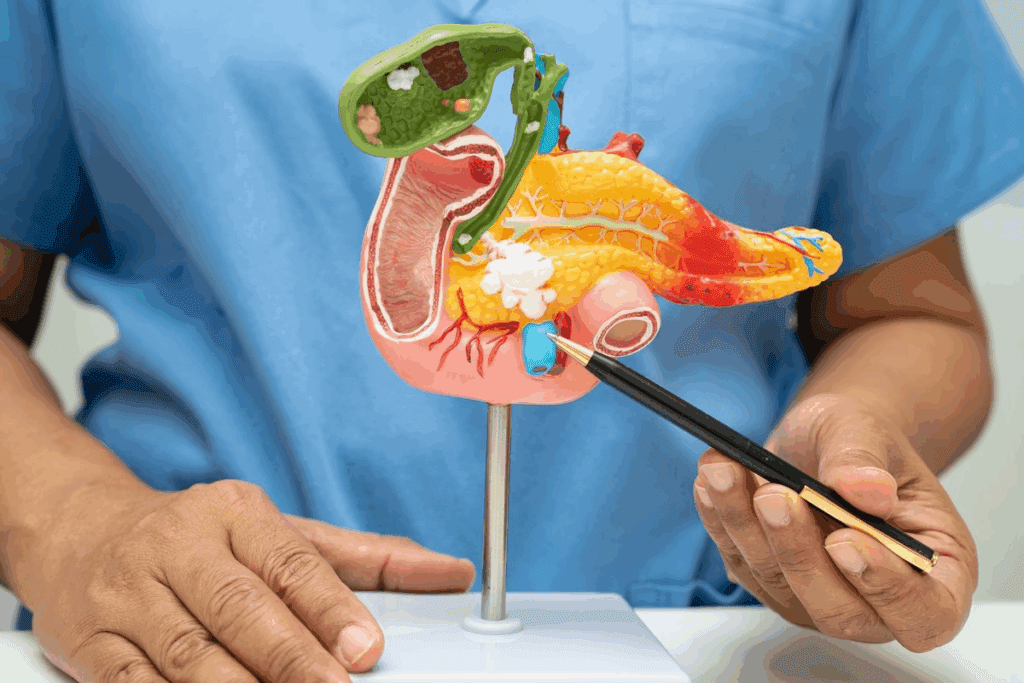
It’s important to know how the gallbladder works to understand its role in digestion. This small, pear-shaped organ sits under the liver. It plays a key part in how we digest food.
Normal Gallbladder Anatomy and Physiology
The gallbladder’s main job is to hold bile, a digestive fluid made by the liver. Bile helps break down fats into smaller bits. This makes it easier for our bodies to absorb these fats.
The gallbladder’s design helps it do this job well. It has a muscular wall that squeezes bile into the bile duct. From there, it goes to the small intestine.
Bile Production, Storage, and Release
Bile production happens all the time in the liver. The liver sends bile to the gallbladder through ducts. It stays there until it’s needed.
When we eat, the gallbladder releases bile into the common bile duct. It then goes to the small intestine. There, it helps digest fats.
How Gallstones Typically Form
Gallstones form when bile’s makeup gets out of balance. This usually means too much cholesterol or bilirubin. These substances can clump together and form stones.
Things like diet, obesity, and certain health issues can raise the risk of gallstones. The way gallstones form is complex. It involves many factors, like bile salts and cholesterol levels.
Knowing how gallstones form helps us understand the challenges faced by those without a gallbladder. They can also get bile duct stones.
Understanding Cholecystectomy: The Gallbladder Removal Procedure
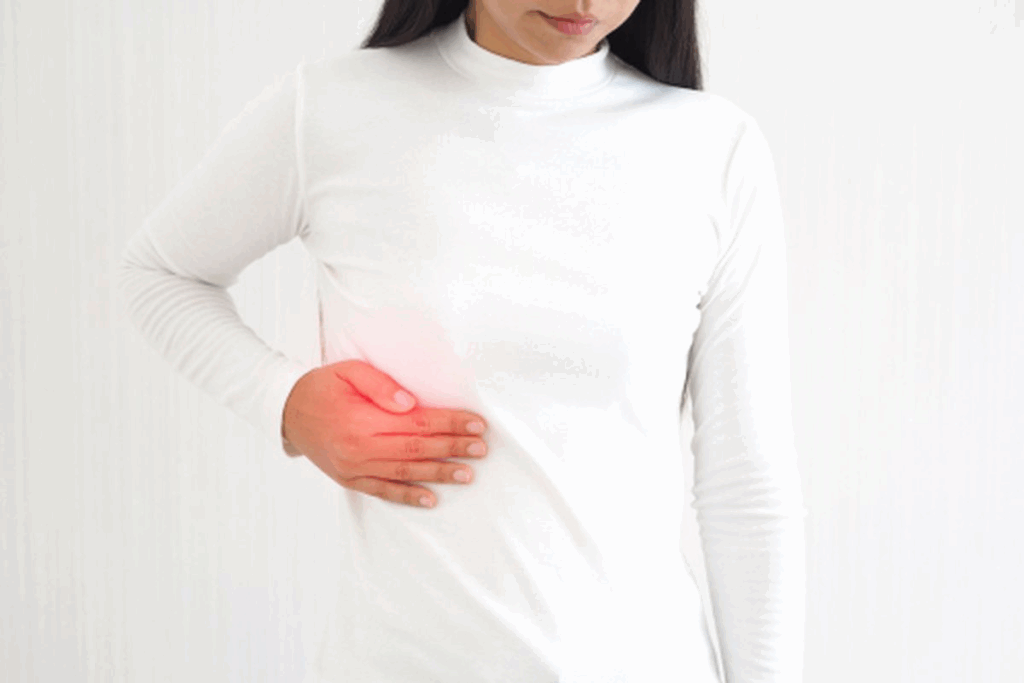
Cholecystectomy is a surgery to remove the gallbladder. It’s often needed for gallstones and other gallbladder issues. This surgery is considered when problems are severe or keep coming back, affecting a person’s life a lot.
Common Reasons for Gallbladder Removal
People might need to have their gallbladder removed if they have gallstones or inflammation. This is also true for other problems that cause a lot of pain. Doctors usually suggest surgery after trying other treatments.
Some main reasons for removing the gallbladder include:
- Gallstones causing pain or problems
- Cholecystitis, or inflammation of the gallbladder
- Gallbladder polyps or tumors
- Biliary dyskinesia, where the gallbladder doesn’t work right
Laparoscopic vs. Open Cholecystectomy
There are two main types of gallbladder removal surgeries: laparoscopic and open. Laparoscopic surgery uses small cuts in the belly to insert tools. It’s chosen for its quick recovery and less pain.
Open cholecystectomy, on the other hand, uses a bigger cut in the belly. It’s used when laparoscopic surgery can’t be done, like in complicated cases.
| Procedure Type | Description | Recovery Time |
| Laparoscopic Cholecystectomy | Minimally invasive surgery with small incisions | Typically 1-2 weeks |
| Open Cholecystectomy | Traditional surgery with a larger abdominal incision | Usually 4-6 weeks |
Immediate Post-Surgical Expectations
After surgery, patients might feel some pain, discomfort, and tiredness. They will need to manage their pain, follow a diet, and slowly get back to normal activities.
“Most patients can return to their normal activities within a few days to a week after laparoscopic cholecystectomy, though it’s key to follow the surgeon’s advice for a smooth recovery.”
It’s also important for patients to know about possible complications. They should reach out to their doctor if they notice anything unusual.
Can You Stil Get Stones After Gallbladder Removal?
Removing the gallbladder doesn’t mean you’re safe from stones. Even after surgery, stones can form in the bile ducts. This is called choledocholithiasis.
The Science Behind Post-Cholecystectomy Stone Formation
Stones can form after gallbladder removal due to many reasons. Changes in bile flow and composition play a big role. Without a gallbladder, bile goes straight to the small intestine. This can change how bile works.
Key factors contributing to post-cholecystectomy stone formation include:
- Bile stasis due to altered anatomy
- Changes in bile composition
- Presence of residual stones
- Bacterial infection or inflammation
Bile Duct Stones (Choledocholithiasis) Without a Gallbladder
Even without a gallbladder, bile duct stones can form. These stones can cause serious problems like jaundice and pancreatitis.
The formation of bile duct stones post-cholecystectomy is often associated with:
- Residual stones not detected during the initial surgery
- New stone formation within the biliary system
- Stone spillage during the surgical procedure
Statistical Incidence: The 10-20% Risk Factor
Research shows that 10-20% of patients get bile duct stones after gallbladder removal. This highlights the need for ongoing care and monitoring.
| Risk Factor | Incidence |
| Residual stones | 5-10% |
| New stone formation | 5-15% |
| Overall risk | 10-20% |
Knowing these risks helps in managing and possibly lowering the chance of bile duct stones after gallbladder removal.
Common Causes of Stone Formation After Gallbladder Surgery
Stone formation after gallbladder surgery is a big worry. It’s caused by several main factors. Knowing these causes helps in managing and maybe even preventing this issue.
Residual Stones Not Detected During Initial Surgery
One main reason for stone formation after gallbladder removal is undetected residual stones. These stones can stay in the bile ducts and cause trouble later.
Key factors contributing to residual stones include:
- Inadequate imaging techniques during surgery
- Small stones that are hard to find
- Stones in hard-to-reach biliary system areas
New Stone Formation in the Biliary System
Another big cause is new stones forming in the biliary system after gallbladder removal. This happens because of changes in bile composition and flow.
The process involves:
- Changes in bile salt and cholesterol levels
- Bile stasis or slowed flow
- Infection or inflammation in the biliary system
Stone Spillage During Surgical Procedures
Stone spillage during laparoscopic cholecystectomy is another cause. When gallstones spill into the abdominal cavity, they can cause inflammation. This might lead to new stone formation.
Preventive measures include:
- Careful handling of the gallbladder during surgery
- Irrigation of the abdominal cavity to remove spilled stones
- Retrieving as many spilled stones as possible
Risk Factors That Increase Chances of Developing Bile Duct Stones
Many factors can make you more likely to get bile duct stones after your gallbladder is removed. Knowing these risk factors is key to managing and maybe even preventing these stones.
Dietary Contributors to Stone Formation
Your diet can play a big role in getting bile duct stones. Eating a lot of fat can raise your risk. This is because fat makes more bile, which can turn into stones.
Also, not eating enough fiber can help stones form. This is because fiber affects how bile is made.
Medical Conditions Associated with Higher Risk
Some health issues can make you more likely to get bile duct stones. For example, cirrhosis, bile duct strictures, and infections can change how bile works. This can lead to stones forming.
Anatomical Variations That Predispose to Stone Development
Abnormalities in the bile duct can also increase your risk. These changes can block bile flow. This causes bile salts to concentrate, which can form stones.
Recognizing Symptoms of Bile Duct Stones Post-Cholecystectomy
It’s important to know the signs of bile duct stones after your gallbladder is removed. These stones can cause a lot of pain and serious problems if not treated quickly.
Classic Symptoms That Mimic Gallbladder Disease
The signs of bile duct stones are similar to those before your gallbladder was removed. It’s key to watch for these symptoms. Common ones include:
- Upper right quadrant pain: Pain or discomfort in the upper right abdomen is a frequent complaint.
- Nausea and vomiting: These symptoms can occur, specially after eating fatty meals.
- Jaundice: Yellowing of the skin and eyes due to bile duct obstruction.
Differentiating from Other Digestive Disorders
It can be hard to tell if you have bile duct stones or another digestive problem. Conditions like irritable bowel syndrome (IBS), pancreatitis, and hepatitis can have similar symptoms. You need a detailed medical check-up and imaging tests to find out what’s causing your symptoms.
| Condition | Common Symptoms | Diagnostic Tests |
| Bile Duct Stones | Pain, jaundice, nausea | Ultrasound, CT, MRCP |
| IBS | Abdominal pain, bloating, changes in bowel habits | Colonoscopy, symptom criteria |
| Pancreatitis | Severe abdominal pain, elevated pancreatic enzymes | CT scan, serum amylase/lipase |
Emergency Warning Signs Requiring Immediate Care
Some symptoms need you to get medical help right away. These include:
- Severe abdominal pain: Pain that is intense or getting worse.
- Fever and chills: These signs point to possible infection.
- Dark urine or pale stools: These are signs of bile duct blockage.
If you see any of these emergency signs, get medical help fast.
Post-Cholecystectomy Syndrome: When Symptoms Persist
After having your gallbladder removed, some people may keep feeling bad. This is called post-cholecystectomy syndrome. It’s confusing because they thought the surgery would fix their gallbladder problems.
Defining Post-Cholecystectomy Syndrome
Post-cholecystectomy syndrome means you keep having symptoms like before the surgery. These can be pain in your belly, trouble digesting food, and jaundice. Studies show it happens in 10-15% of people after gallbladder surgery.
Connection Between Persistent Symptoms and Bile Duct Stones
Bile duct stones play a big role in post-cholecystectomy syndrome. These stones can block the bile ducts, causing pain and jaundice. It shows that surgery might not have fixed the problem completely.
There are many reasons why bile duct stones form after surgery. It could be because some stones were missed, new ones formed, or stones spilled during the surgery. Knowing why they form helps in treating the syndrome better.
Managing Chronic Symptoms After Gallbladder Removal
Dealing with long-term symptoms after gallbladder surgery needs a detailed plan. First, doctors do tests to find out what’s causing the symptoms, like bile duct stones. Then, they might use endoscopy to remove the blockage or other treatments based on the cause.
Working together with doctors from different fields is key. Gastroenterologists, surgeons, and others team up to give the best care for post-cholecystectomy syndrome.
| Symptom | Possible Cause | Management Approach |
| Abdominal Pain | Bile Duct Stones | Endoscopic Stone Removal |
| Jaundice | Bile Duct Obstruction | ERCP and Stenting |
| Digestive Issues | Bile Salt Imbalance | Dietary Modifications and Medication |
Understanding why post-cholecystectomy syndrome happens and having a custom treatment plan can really help. It can make a big difference in how patients feel.
Diagnostic Approaches for Detecting Stones Without a Gallbladder
After removing the gallbladder, finding stones in the bile ducts is tricky. It requires a detailed approach to spot these stones. This is because there’s no gallbladder to guide the way.
Advanced Imaging Techniques
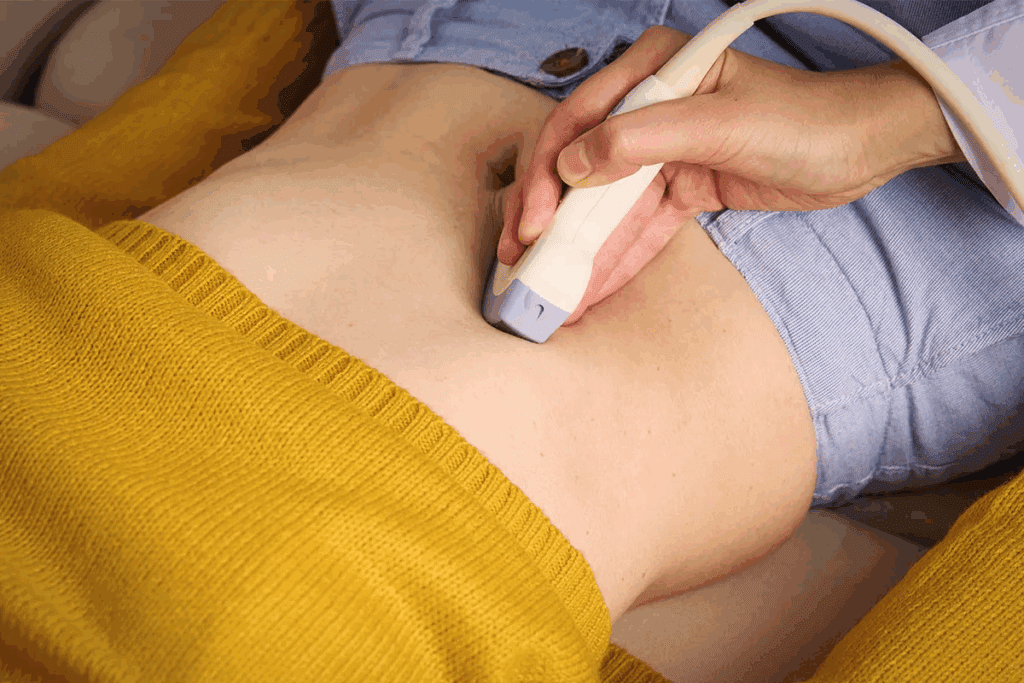
Imaging plays a key role in finding bile duct stones. Ultrasound is often the first choice because it’s easy and doesn’t hurt. But, it might miss stones if there’s too much gas in the bowel or if the person doing the scan isn’t skilled enough.
Computed Tomography (CT) scans are better at finding stones and other problems like blockages. They’re great for people who have had their gallbladder removed and think they might have stones.
Magnetic Resonance Cholangiopancreatography (MRCP) is very good at showing the bile and pancreatic ducts. It’s a non-invasive test that gives clear pictures. This makes it perfect for spotting stones and other issues in these ducts.
Endoscopic Retrograde Cholangiopancreatography (ERCP)
ERCP is a special test that can both find and fix problems. It uses a thin tube to look into the bile duct. Then, it uses dye to see inside the ducts. ERCP is great at finding stones and can even take them out at the same time.
Laboratory Tests and Biomarkers
Lab tests can help show if there are stones in the bile duct. Tests like liver function tests and pancreatic enzymes can show if there’s a blockage. High levels of bilirubin or other enzymes might mean there’s a problem.
Biomarkers like CA 19-9 can also be high if there’s a blockage. But, they’re not specific to stones. To accurately diagnose, doctors need to look at the whole picture. This includes the patient’s history, physical exam, lab tests, and imaging studies.
Treatment Options and Modern Management Approaches
Dealing with bile duct stones after gallbladder surgery needs a team effort. Today’s methods tackle the challenges of these stones head-on.
Endoscopic Stone Removal Procedures
ERCP is key in managing bile duct stones. It uses a flexible tube with a camera and tools to clear stones. ERCP is highly effective and often done under sedation or anesthesia.
ERCP works well for removing bile duct stones. But, it can lead to pancreatitis or bleeding. Thanks to new techniques and experts, it’s safer now.
Surgical Interventions for Complex Cases
When ERCP can’t work or fails, surgery might be needed. Choledochotomy, a surgical method, removes stones directly. It’s for tough cases or when other treatments don’t work.
Surgical interventions are for big stones, many stones, or other issues like strictures or tumors. The choice to go for surgery depends on the patient’s health and the situation.
Multidisciplinary Care Pathways for Optimal Outcomes
Handling bile duct stones after gallbladder surgery is better with a team. Doctors from different fields work together for the best care. This team ensures the right treatment for each patient.
Each patient gets a care plan that fits their needs. Multidisciplinary care leads to better results by making sure the right steps are taken on time.
Conclusion: Prevention and Long-Term Outlook
Knowing the risk of gallstones after removing the gallbladder is key to managing health long-term. Even without a gallbladder, bile duct stones can form. This is a common issue for many patients.
Making dietary changes and staying on top of health checks are vital. These steps help prevent stones from forming after surgery. It’s important for those without a gallbladder to watch for signs like pain and jaundice.
Regular health screenings and check-ups are essential. They help catch problems early. By staying proactive and working with doctors, people can avoid complications. This ensures good digestive health even after surgery. The question “can you get gallstones without gallbladder” shows the need for ongoing care.
FAQ
Can you get gallstones without a gallbladder?
Yes, it’s possible to get stones in the bile ducts even after the gallbladder is removed. These are called bile duct stones or choledocholithiasis.
Can you get stones after gallbladder removal?
Yes, you can get stones in the bile ducts after having your gallbladder removed. This is because the gallbladder is gone, but bile can form stones in the ducts.
Can you have gallstones without a gallbladder?
Yes, it’s possible to have gallstones in the bile ducts without a gallbladder. This is less common but can happen.
What are the risk factors for developing bile duct stones after gallbladder removal?
Several factors can increase your risk of getting bile duct stones after gallbladder removal. These include your diet, certain health conditions, and the shape of your bile ducts.
How are bile duct stones diagnosed?
Doctors use advanced imaging like ultrasound, CT, and MRCP to find bile duct stones. They also use ERCP and lab tests.
What are the symptoms of bile duct stones?
Symptoms can be similar to those of gallbladder disease. They include pain, jaundice, and fever. Severe pain, vomiting, and infection signs need urgent care.
Can you get gallstones after gallbladder surgery?
Yes, it’s possible to get new stones in the biliary system after gallbladder surgery. This includes stones in the bile ducts.
What is post-cholecystectomy syndrome?
Post-cholecystectomy syndrome is when you have ongoing or recurring symptoms after gallbladder removal. It can be due to bile duct stones or other digestive issues.
How are stones in the bile ducts treated?
Treatment for bile duct stones includes endoscopic removal and surgery for complex cases. A team of doctors works together for the best care.
Can u get gallstones without gallbladder?
Yes, you can get stones in the bile ducts without a gallbladder. The risk is more related to the bile ducts than the gallbladder itself.
Can you get stones without a gallbladder?
Yes, bile duct stones can happen without a gallbladder. Many factors and causes can influence their formation.
Stone in bile duct without gallbladder, is it common?
Bile duct stones without a gallbladder are a recognized complication. They occur in some patients who have had their gallbladder removed.
Reference:
Garg, P. K., Venkatachalam, U., & Tandon, R. K. (1995). Cholesterol bile duct stones with no stones in the gallbladder. Gastroenterology, 20(4), 296-299. https://pubmed.ncbi.nlm.nih.gov/7665818/