Last Updated on December 1, 2025 by Bilal Hasdemir

Did you know that cancer is one of the leading causes of death in children worldwide, yet it remains relatively rare? Recent statistics show that finding pediatric cancer symptoms early can greatly improve treatment results.
Spotting the signs of cancer in children can be tough because they often look like other common childhood illnesses. But knowing the warning signs is key. Look out for unexplained weight loss, persistent pain, fatigue, and swelling or lumps.
In this topic, we’ll look at the main signs that might show a serious health issue in kids. Early detection is key, and we aim to give you the info you need to spot these signs.
Key Takeaways
- Early detection of pediatric cancer improves treatment outcomes.
- Common signs include unexplained weight loss, persistent pain, and fatigue.
- Awareness of childhood cancer symptoms is vital for parents and caregivers.
- Identifying signs of cancer in children can be challenging.
- Regular check-ups and monitoring can help in early detection.
Overview of Childhood Cancer Signs
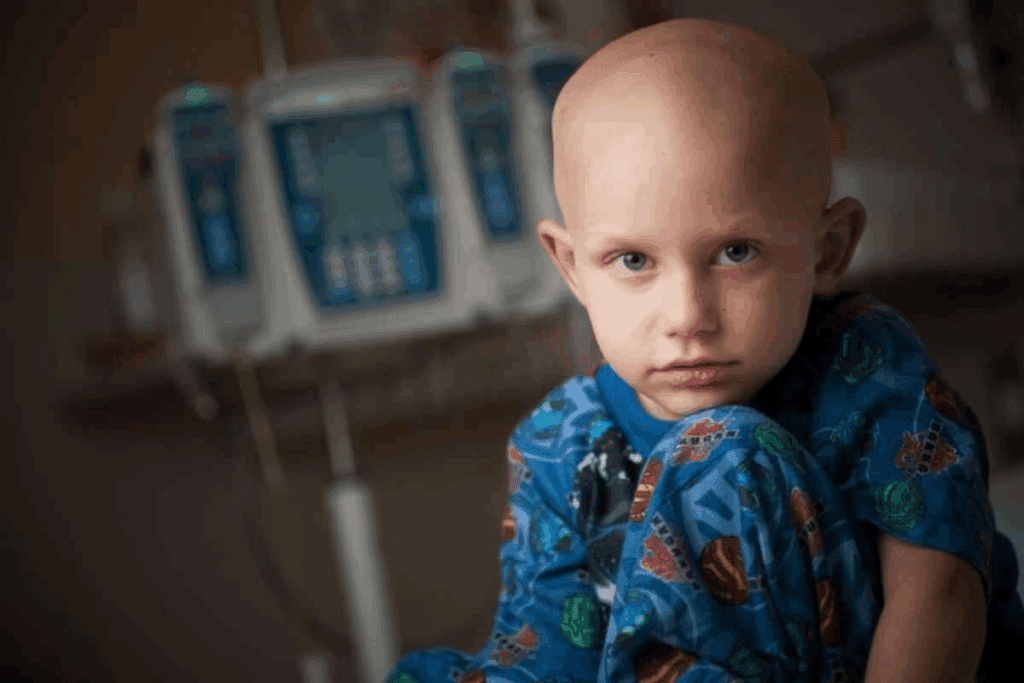
Childhood cancer often shows subtle signs. Catching these early can lead to better health outcomes. It’s key for parents and caregivers to spot these signs and get medical help fast.
Importance of Early Detection
Finding cancer early in kids greatly improves treatment success. Early diagnosis means better chances of beating the disease. We stress the need to know the signs and symptoms of pediatric cancer for early detection.
Parents and caregivers should watch for health changes in their kids. Look out for unexplained weight loss, persistent pain, or unusual fatigue. These could be signs of cancer and need a doctor’s check-up.
Common Misconceptions
Many think cancer in kids only shows up with severe symptoms. But, early signs can be very subtle. They might look like common childhood illnesses, making it hard to spot cancer early.
Some also think childhood cancer is rare and not a big deal. While it’s less common than adult cancer, it’s a serious issue. Knowing the pediatric cancer signs and symptoms helps in catching it early and treating it effectively.
By understanding cancer signs and clearing up misconceptions, we can aim for earlier detection and better treatment for kids with cancer.
Types of Childhood Cancer

It’s important to know about the different types of childhood cancer. This knowledge helps in early detection and treatment. We’ll look at leukemia, brain tumors, neuroblastoma, and Wilms tumor, the most common ones.
Leukemia
Leukemia is the top cancer in kids, making up about 30% of all childhood cancers. It affects the blood and bone marrow, causing abnormal white blood cells. Symptoms include fatigue, pale skin, infections, and easy bruising.
Early detection is key because leukemia can grow fast if not treated. There are many types, but acute lymphoblastic leukemia (ALL) is the most common in kids. Treatment often includes chemotherapy and sometimes bone marrow transplantation.
Brain Tumors
Brain tumors are the second most common cancer in kids. They can be benign or malignant and affect different parts of the brain. Symptoms include headaches, nausea, vomiting, and seizures.
Diagnosing brain tumors often involves MRI or CT scans. Treatment depends on the tumor’s type, location, and grade. It can include surgery, radiation therapy, and chemotherapy. Thanks to new technologies, many kids are now surviving brain tumors.
Neuroblastoma
Neuroblastoma is a cancer of immature nerve cells. It often starts in the adrenal glands, neck, chest, or spinal cord. Symptoms include a lump in the neck, chest, or abdomen, and changes in the eyes.
Diagnosis involves imaging studies and biopsy. Treatment varies based on the risk category. It may include surgery, chemotherapy, and radiation therapy. High-risk cases need intensive treatment.
Wilms Tumor
Wilms tumor, or nephroblastoma, is kidney cancer in kids. It usually shows up as a big abdominal mass. Symptoms include abdominal pain, fever, and hematuria (blood in the urine). It’s linked to genetic mutations.
Treatment combines surgery, chemotherapy, and sometimes radiation therapy. Early diagnosis greatly improves the prognosis.
In summary, childhood cancer includes leukemia, brain tumors, neuroblastoma, and Wilms tumor. Each type needs a specific treatment plan. Thanks to early detection and better medical care, more kids are surviving these cancers.
- Leukemia is the most common childhood cancer.
- Brain tumors are the second most common type.
- Neuroblastoma arises from immature nerve cells.
- Wilms tumor is a type of kidney cancer.
Common Symptoms of Childhood Cancer
Knowing the signs of cancer in kids can help them get better faster. Childhood cancer shows itself in many ways. It’s key for parents and caregivers to know the common symptoms.
Unexplained Weight Loss
Unexplained weight loss is a big warning sign. If a child loses weight without diet or exercise changes, it might mean cancer.
Keep an eye on your child’s weight and health. If they lose weight without reason and show other symptoms, see a doctor.
Persistent Pain
Persistent pain that won’t go away is serious. Kids might say they have headaches or stomachaches. But if the pain lasts, it could be cancer.
It’s important to tell normal aches from serious ones. If pain stays in one place, it needs checking.
Fatigue and Weakness
Children usually have lots of energy. But if they’re always tired or weak, it’s a worry. This could mean cancer.
Watch for changes in your child’s energy and activity. If they’re always tired or don’t want to play, talk to a pediatrician.
| Symptom | Description | Possible Indication |
| Unexplained Weight Loss | Losing weight without changes in diet or exercise | Potential sign of cancer or other serious health issues |
| Persistent Pain | Ongoing pain not relieved by usual measures | Could indicate cancer or other medical conditions |
| Fatigue and Weakness | Prolonged tiredness and lack of energy | May be a sign of cancer among other health issues |
Physical Symptoms to Watch For
Knowing the signs of cancer in kids is key to their care. As parents, watching for changes in your child’s body is very important.
Swelling and Lumps
Look out for swelling or lumps in your child’s body. These can show up in places like the belly, neck, or arms. Swelling or lumps might mean tumors, which are not normal tissue growths. If you see any unusual swelling or lumps, see a doctor right away.
Changes in Appetite
Changes in how much your child eats can be a big sign. Kids with cancer might eat less, leading to weight loss and other issues. Keep an eye on your child’s food habits and tell your pediatrician if there are big changes.
Frequent Fever
Fever that keeps coming back is another sign to watch. Fever can mean many things, but if it keeps happening without reason, it could be cancer. Keep track of your child’s fevers and talk to your doctor about them.
Knowing these signs and talking to your child’s doctors can help catch cancer early. We urge parents to be alert and get medical help if they see any odd signs or symptoms.
Behavioral Changes Indicating Cancer
As parents, we must watch for changes in our child’s behavior. Some changes could mean they have a health problem, like cancer. It’s important to know the signs of serious issues.
Irritability and Mood Swings
Children with cancer might get irritable or have mood swings. This could be because they’re in pain or uncomfortable. For example, a kid with leukemia might get upset because of bone pain.
Some key points to watch for include:
- Unusual irritability that persists over time
- Mood swings that are uncharacteristic for the child
- Withdrawal from activities they once enjoyed
Changes in Sleep Patterns
Cancer can mess with a child’s sleep. It might be because of pain, discomfort, or how their body reacts to the illness. Changes in sleep can be an early warning sign.
Noticing these changes early can be critical:
- Difficulty falling asleep or staying asleep
- Sleeping more than usual or showing signs of excessive fatigue
- Changes in appetite that may accompany sleep disturbances
It’s vital to keep an eye on these behavioral changes. If you see anything unusual, talk to a doctor right away. Catching cancer early is key to treating it well.
Specific Signs Based on Cancer Type
Childhood cancer symptoms vary a lot based on the cancer type. Knowing these signs can save lives. We’ll look at the unique signs for different childhood cancers. This helps parents and caregivers spot warning signs early.
Unique Symptoms of Leukemia
Leukemia is the most common childhood cancer. It shows up with symptoms related to fewer healthy blood cells. Common signs include pale skin, feeling very tired, and getting sick often because of fewer white blood cells.
Children might also get easy bruises or bleed a lot. This includes frequent nosebleeds because of low platelet counts.
Indicators of Brain Tumors
Brain tumors in kids can cause different symptoms. Headaches, often worse in the morning, and vomiting are common. These can mean there’s more pressure in the skull.
Other signs might be changes in personality, trouble balancing, or vision problems. In younger kids, a bigger head can also be a sign.
Spotting these signs early can lead to quicker diagnosis and treatment. It’s key to know these symptoms and see a doctor if they don’t go away or get worse.
When to Consult a Pediatrician
Knowing when to see a pediatrician is key for catching childhood cancer early. As parents, we worry about our kids’ health. Spotting the right signs can really help.
Guidelines for Parents
See a pediatrician if your child shows unusual or lasting symptoms. Here are some signs to watch for:
- Unexplained weight loss or gain
- Persistent pain or fatigue
- Changes in appetite or sleep patterns
- Frequent fevers or infections
If you’re not sure about your child’s symptoms, it’s safer to talk to a pediatrician.
Family History Considerations
A family history of cancer ups a child’s risk. Parents with such a history should watch their child’s health closely. Talk to a pediatrician about your concerns.
| Family History | Recommended Action |
| Known history of cancer | Regular check-ups and discussions with a pediatrician |
| No known history | Monitor for unusual symptoms and report to a pediatrician |
Being alert to signs and taking action early can help fight childhood cancer.
Role of Blood Tests in Diagnosis
Diagnosing childhood cancer often starts with blood tests. These tests are key to finding signs of cancer. They help us figure out what to do next.
Common Blood Test Indicators
Blood tests can show signs of cancer. For example, a complete blood count (CBC) can reveal abnormal cell counts. We look for signs like anemia or unusual cell counts.
Specific markers in blood tests also give us clues. These markers can tell us if cancer is present.
Some common signs include:
- Abnormal white blood cell counts
- Low red blood cell count (anemia)
- Low platelet count
- Presence of specific tumor markers
Follow-Up Testing
If blood tests show something’s off, we suggest more tests. This might include X-rays, CT scans, or MRIs. We also do biopsies to check tissue samples.
Follow-up tests are important. They help us:
- Confirm cancer presence
- Determine cancer type and stage
- Plan effective treatment
By using blood tests and other tools, we get a clear diagnosis. Then, we create a treatment plan just for your child.
Imaging Tests for Cancer Detection
Imaging tests like X-rays and MRIs are key in finding cancer early in kids. They show detailed pictures of the inside of the body. This helps doctors spot problems that might mean cancer.
Importance of X-Rays and MRIs
X-rays and MRIs are top choices for finding cancer in kids. X-rays are great for seeing tumors in bones. MRIs are better for soft tissues, like brain tumors.
These tests help us figure out what to do next. For example, MRI scans show where and how big a tumor is. This info is key for planning treatment.
What Parents Should Expect
It’s normal to worry when your child has imaging tests. But these tests are safe and made to be as easy as possible for your child.
We’ll tell you all about the test before it happens. Your child will lie on a table that moves into the machine. MRI scans might make loud noises, but we give ear protection.
Following our instructions is very important. This helps get clear images for diagnosis. You might need to keep your child very quiet or follow breathing steps.
Combining Symptoms for Better Diagnosis
Diagnosing pediatric cancer needs a detailed approach. This involves combining symptoms to spot patterns. This way, doctors can make better diagnoses and plan treatments.
When kids show many symptoms, finding the cause can be tough. But, by studying these symptoms and looking for patterns, doctors can guess the diagnosis. They can then order the right tests.
Pattern Recognition in Signs
Spotting patterns is key in diagnosing pediatric cancer. Some symptom combinations hint at certain cancers. For example, if a child is always tired, loses weight, and gets sick a lot, they might have leukemia.
| Symptom Combination | Potential Diagnosis |
| Fatigue, weight loss, frequent infections | Leukemia |
| Headaches, vomiting, vision changes | Brain Tumor |
| Abdominal pain, swelling, fever | Neuroblastoma or Wilms Tumor |
A pediatric oncologist, says, “Spotting symptom patterns is key for early cancer detection. It’s not just about the symptoms themselves, but how they fit together.”
“The key to diagnosing pediatric cancer is not just in the individual symptoms, but in how they present together as a pattern.” – A Pediatric Oncologist
Keeping a Symptom Diary
Keeping a symptom diary helps with pattern recognition. Parents can write down their child’s symptoms. They should note when they happen, how long they last, and what might make them better or worse.
Using a symptom diary has many benefits:
- It helps spot patterns that might not be obvious
- It gives doctors all the info they need
- It shows how symptoms change over time
By combining symptoms and recognizing patterns, doctors can make more accurate diagnoses. This method, along with a symptom diary, greatly improves the diagnosis process for pediatric cancer.
Support Systems for Parents and Children
Families facing childhood cancer need strong support systems. A cancer diagnosis in a child can be very tough on the whole family. It’s important to have emotional support and community programs to help.
Resources for Emotional Support
Emotional support is key for families going through childhood cancer. We offer counseling services, support groups, and online resources. These help families deal with the emotional side of cancer treatment.
- Counseling services tailored to the needs of families dealing with cancer
- Support groups for parents and children to share experiences and find community
- Online resources, including forums and educational materials
Importance of Community Programs
Community programs are vital for families with childhood cancer. We work with organizations that offer financial help and fun activities for kids in treatment.
- Financial assistance programs to help with treatment costs
- Recreational and therapeutic activities for children
- Educational workshops for families on navigating the cancer journey
By combining emotional support with community programs, we offer a full support system for families with childhood cancer. This approach ensures families get the help they need during treatment.
Conclusion: Detecting Childhood Cancer Early
Early detection of childhood cancer is key for better treatment and outcomes. We’ve talked about signs like unexplained weight loss, persistent pain, and fatigue. Also, changes in behavior or physical condition can be signs.
Key Indicators to Watch For
Parents should watch for swelling, lumps, changes in appetite, and frequent fever. Spotting these signs early can greatly help in getting the right treatment.
Seeking Medical Attention
If you’re worried about your child’s health, see a pediatrician. Early diagnosis and treatment can greatly improve a child’s chances. By knowing the signs and acting fast, you can help your child get the care they need.
FAQ
What are the common signs and symptoms of childhood cancer?
Signs include unexplained weight loss and persistent pain. Fatigue and swelling or lumps are also common. Changes in appetite and frequent fever are other symptoms. Irritability and changes in sleep patterns can also occur.
How can I tell if my child’s symptoms are related to cancer?
Most symptoms aren’t cancer. But, see a pediatrician if your child’s behavior or physical condition changes. Persistent or unusual changes are key.
What are the most common types of childhood cancer?
Leukemia, brain tumors, neuroblastoma, and Wilms tumor are common. Each has its own symptoms and characteristics.
Why is early detection of childhood cancer so important?
Early detection can greatly improve treatment outcomes. It also increases survival rates for children with cancer.
What role do blood tests play in diagnosing childhood cancer?
Blood tests can spot abnormal cell counts. This might mean cancer. They help guide further tests.
What imaging tests are used to diagnose childhood cancer?
X-rays, MRIs, and CT scans are used. They help diagnose and stage cancer. This info is key for treatment planning.
How can I support my child if they are diagnosed with cancer?
Emotional support and being involved in their care are important. Accessing community resources can also help a lot.
Are there any resources available for families affected by childhood cancer?
Yes, many organizations and support groups exist. They offer emotional support, counseling, and practical help to families.
Can childhood cancer be prevented?
There’s no sure way to prevent it. But, knowing the signs and symptoms and regular check-ups with a pediatrician can help early detection.
How can I keep track of my child’s symptoms to discuss with their pediatrician?
A symptom diary can help you spot patterns. It gives valuable info to your child’s healthcare team.
References
National Cancer Institute. (2024). Childhood cancers—Patient version. Retrieved October 27, 2025, from