Last Updated on November 13, 2025 by
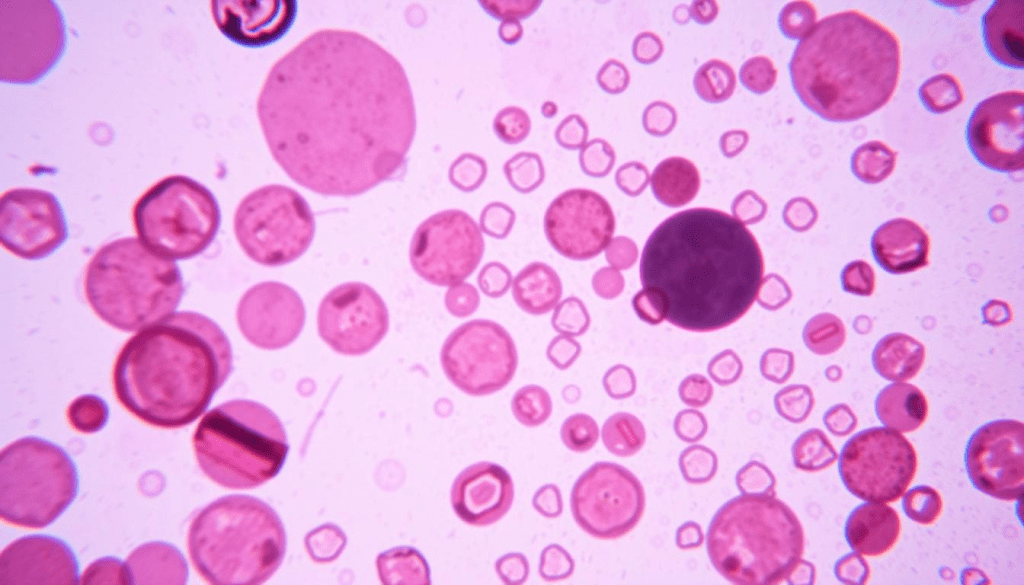
Thrombocytopenia is when a patient’s platelet count drops below 100,000/μL. It’s a common issue in those with cancer. This happens because treatments for cancer can harm the bone marrow. Which cancer complications causing thrombocytopenia are the most dangerous? Learn the crucial link between malignancy and dangerously low platelet counts.
Chemotherapy-induced thrombocytopenia is a big concern. It can lead to serious bleeding complications. This usually happens because the cancer or its treatment damages the bone marrow.
It’s important to understand thrombocytopenia to manage Cancer Complications and treatment better. We need to use the latest, ethical care methods to handle this issue.
Key Takeaways
- Thrombocytopenia is a frequent complication in cancer patients.
- Chemotherapy-induced thrombocytopenia poses significant bleeding risks.
- Bone marrow suppression is a primary cause of thrombocytopenia.
- Effective management of thrombocytopenia is key to cancer treatment.
- Cutting-edge care protocols are needed to tackle thrombocytopenia.
Understanding Thrombocytopenia in Cancer Patients
Thrombocytopenia is a big problem for Cancer Complications with patients. It makes their treatment harder and can affect their health. This condition means they have too few platelets in their blood, which can cause bleeding.

Thrombocytopenia is a big challenge in fighting cancer. It can change how doctors treat patients, which might affect their health. For example, some treatments like radiation therapy can make it worse. People with hematological malignancies are at even higher risk because of their disease and treatment.
Significance and Clinical Impact in Oncology
Thrombocytopenia is very important in cancer treatment. It makes treatment harder and can lower patients’ quality of life. Bleeding problems can be serious and need extra medical help.
Doctors need to understand how thrombocytopenia affects patients. They must watch platelet counts closely and adjust treatments to avoid it.
Grading of Thrombocytopenia Severity
The severity of thrombocytopenia depends on the platelet count. Doctors use different ways to grade it, but it’s usually mild, moderate, or severe. Severe cases are very dangerous and need quick medical help.
- Mild thrombocytopenia might not need treatment, but needs watching closely.
- Moderate thrombocytopenia might need changes in treatment and extra care.
- Severe thrombocytopenia often needs quick action, like platelet transfusions.
Cancer Complications Causing Thrombocytopenia
Cancer patients often face many complications that can lead to thrombocytopenia. This is a condition where the platelet count is too low. It can make managing Cancer Complications harder, affecting treatment success and patient care.
Overview of Pathophysiological Mechanisms
The reasons for thrombocytopenia in cancer patients are complex. Splenomegaly and platelet sequestration play big roles. An enlarged spleen can hold onto platelets, making them less available in the blood. Also, treatments like chemotherapy can slow down platelet production.
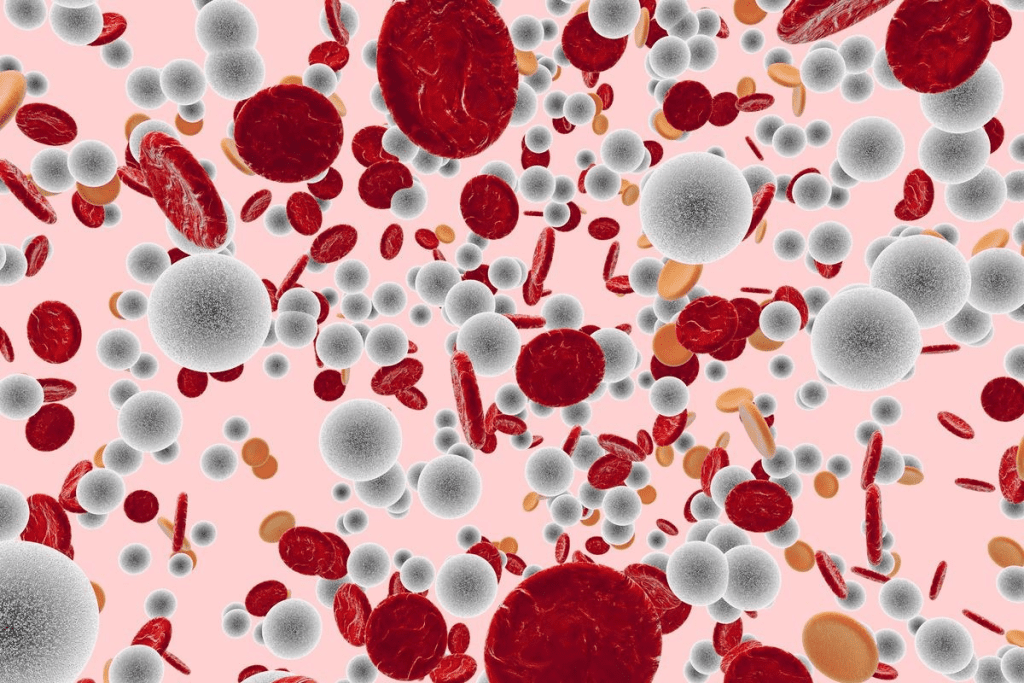
Chemotherapy is a main cause of thrombocytopenia. Some treatments are more likely to cause this because they weaken the bone marrow. How often and how severe thrombocytopenia is can depend on the treatment type, length, and dose.
Incidence and Prevalence Across Cancer Complications Types
Thrombocytopenia happens more often in some cancers than others. Leukemia and lymphoma are more likely to cause it because of bone marrow issues or treatment side effects.
- Hematological malignancies are more likely to cause thrombocytopenia.
- Solid tumours can also lead to thrombocytopenia, especially with advanced disease or during intensive treatment phases.
Risk Factors for Developing Thrombocytopenia
Many factors can increase the risk of thrombocytopenia in cancer patients. These include the cancer type and stage, past treatments, and bone marrow health. Knowing these risk factors helps doctors spot and treat thrombocytopenia early.
By understanding the causes and risks of thrombocytopenia, healthcare providers can better manage it. This helps improve patient outcomes and care.
Chemotherapy-Induced Thrombocytopenia
Chemotherapy is a key part of cancer treatment. But it can cause problems like thrombocytopenia. We must handle this well to avoid bleeding and keep treatment going.
Antifibrinolytic therapy and thrombopoietin receptor agonists are new ways to fight this issue. They help reduce the dangers of low platelets. This lets cancer patients get the care they need without breaks.
Knowing why and how chemotherapy causes thrombocytopenia helps us find solutions. Managing these blood problems is key in cancer care. It helps us give better care and improve how patients do.
FAQ’s:
What is thrombocytopenia, and how is it related to cancer?
Thrombocytopenia is when you have too few platelets in your blood. This can cause bleeding problems. In people with cancer, it often happens because the bone marrow is damaged by treatments like chemotherapy or radiation.
How does chemotherapy cause thrombocytopenia?
Chemotherapy can harm the bone marrow. This makes it produce fewer platelets. As a result, patients may have trouble stopping bleeding.
What are the risk factors for developing thrombocytopenia in cancer patients?
Several things can increase the risk of thrombocytopenia in cancer patients. These include the type and stage of cancer, the chemotherapy used, and radiation therapy. Some cancers, like leukemia, are more likely to cause this problem.
How is the severity of thrombocytopenia graded?
Doctors grade thrombocytopenia based on how low the platelet count is. The lower the count, the more severe the condition. This helps doctors choose the right treatment.
What are the treatment options for chemotherapy-induced thrombocytopenia?
There are a few ways to treat thrombocytopenia caused by chemotherapy. Doctors might use antifibrinolytic therapy or thrombopoietin receptor agonists. These treatments help manage the risks and ensure patients get the care they need.
Can radiation therapy cause thrombocytopenia?
Yes, radiation therapy can lead to thrombocytopenia. This is more likely if the radiation area includes the bone marrow. It can lower platelet production and cause thrombocytopenia.
How does splenomegaly contribute to thrombocytopenia?
An enlarged spleen, or splenomegaly, can trap platelets. This reduces the number of platelets in the blood. As a result, thrombocytopenia can occur.
What are the clinical implications of thrombocytopenia in cancer patients?
Thrombocytopenia can lead to serious problems for cancer patients. It increases the risk of bleeding, delays treatment, and lowers quality of life. Managing thrombocytopenia well is key to giving cancer patients the best care.
Reference
Yang, Y., Wang, K., Chen, L., & Zhou, H. (2023). Chemotherapy-induced thrombocytopenia: literature review. Journal of Hematology & Oncology, (PMC). https://pmc.ncbi.nlm.nih.gov/articles/PMC9877263/ PMC