Last Updated on December 1, 2025 by Bilal Hasdemir
Cancer not detected by PET scan
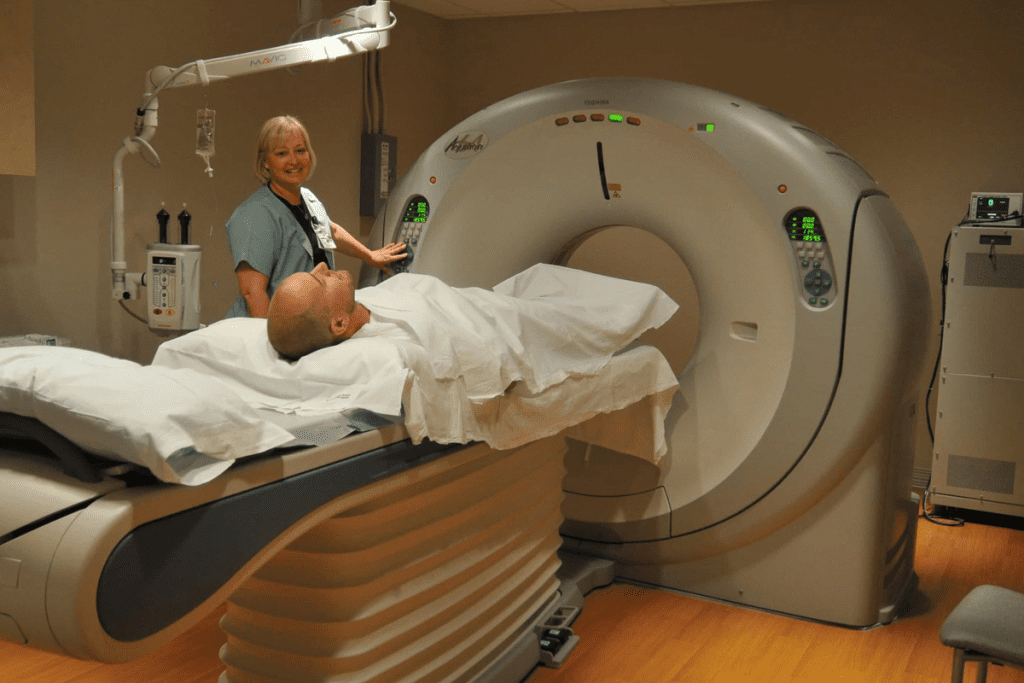
Early detection is key to beating cancer. CT scans are a big help in finding cancer early.
Even though CT scans work well, some cancers can’t be found by PET scans. This shows how important it is to know the limits of these tools.
Key Takeaways
- CT scans are a key tool in cancer detection and diagnosis.
- Early detection greatly improves cancer treatment results.
- PET scans have limits in finding certain cancers.
- Knowing how accurate CT scans are is critical for good cancer diagnosis.
- Using CT scans with other tools can help find more cancers.
The Role of Imaging in Cancer Detection and Diagnosis
Cancer Imaging Technologies
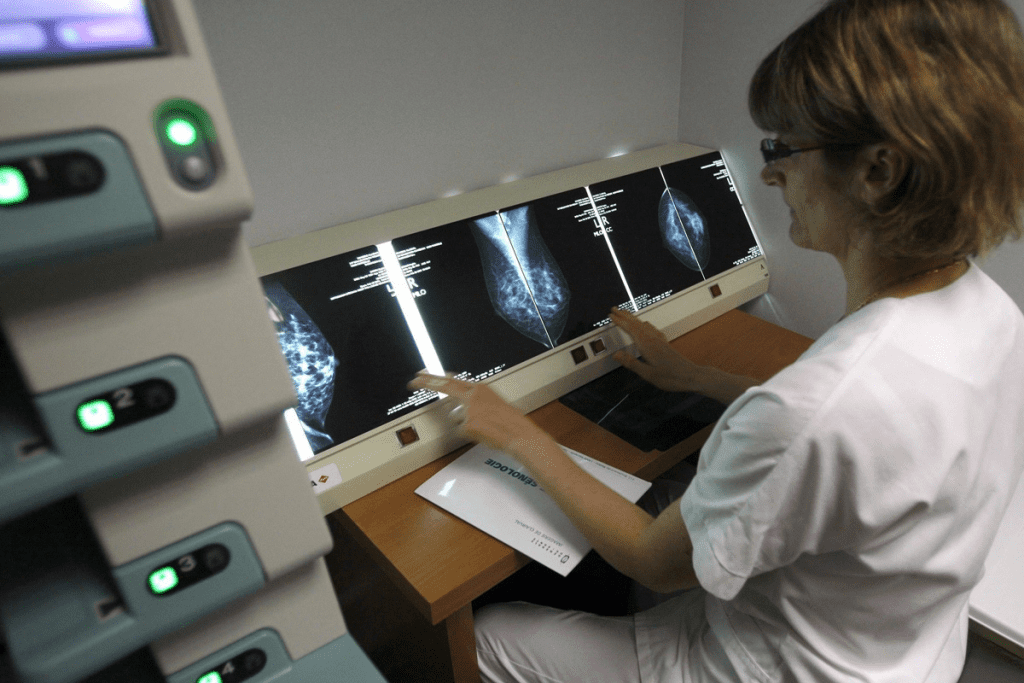
Imaging is key in finding and diagnosing cancer early. Seeing tumors and where they spread helps doctors know how far the cancer has gone. This info is important for choosing the right treatment.
Evolution of Cancer Imaging Technologies
Cancer imaging has changed a lot over the years. We’ve moved from simple X-rays to advanced CT and PET scans. Computed Tomography (CT) scans use X-rays to show detailed body images. They help find tumors and how big they are.
Positron Emission Tomography (PET) scans use special tracers to see how tissues work. They spot areas with high activity, which is common in cancer.
Using both CT and PET scans together gives doctors more info. This combo helps find cancer better by showing both what it looks like and how it works.
Comparing CT and PET Scan Fundamentals
CT scans are great for seeing the body’s structure. They’re perfect for finding physical problems. PET scans, though, are better at showing how body parts function. They highlight areas with high activity, like in cancer.
| Characteristics | CT Scan | PET Scan |
| Imaging Type | Anatomical | Functional/Metabolic |
| Primary Use | Detecting structural abnormalities | Assessing metabolic activity |
| Radiation Type | X-rays | Radioactive tracers (e.g., FDG) |
Knowing what each scan can do is important for accurate cancer diagnosis. CT scans give clear body images. PET scans show how tumors work, helping doctors understand how aggressive the cancer is and how well it’s responding to treatment.
Understanding CT Scan Accuracy for Cancer Detection
CT scan accuracy for cancer detection
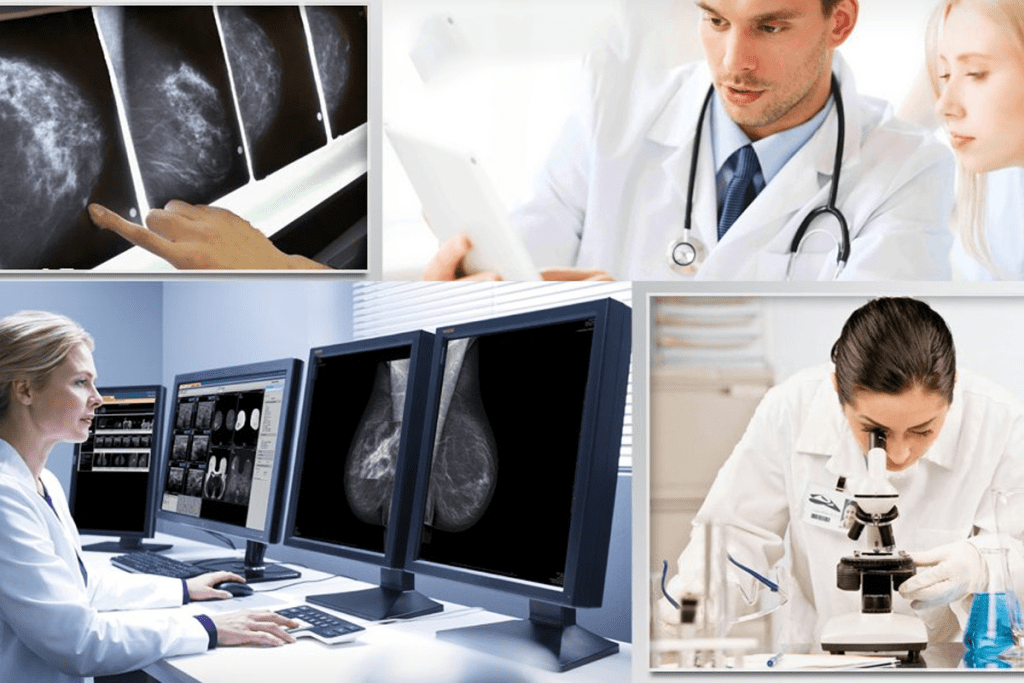
It’s important to know how well CT scans work in finding tumors. They are key in cancer imaging. They give detailed pictures that help doctors see tumors and their size and where they are.
How CT Scans Visualize Tumors
CT scans use X-rays to show what’s inside the body. Tumors show up as different tissue density areas. This can be clearer with contrast agents.
Tumor characteristics like density and blood flow affect how well they show up. Tumors with lots of blood vessels show up better with contrast.
Sensitivity and Specificity Rates
The sensitivity of a CT scan is how well it finds cancer. The specificity is how well it doesn’t find cancer when it’s not there. These rates change for different cancers. For example, CT scans are good at finding big tumors but not always small or spread-out ones.
- Sensitivity rates are generally higher for larger tumors.
- Specificity can be affected by the presence of benign lesions that mimic tumors.
Limitations of CT Technology
CT scans have some downsides. One big one is the use of harmful ionizing radiation. They also might not always tell the difference between cancer and non-cancerous growths without more tests.
They can also miss some cancers, like neuroendocrine tumors or mucinous carcinomas. Knowing these limits helps doctors understand CT scan results better.
PET Scan Technology: Principles and Applications
PET scan technology
PET scans give us a peek into how cancer cells work. They help doctors figure out how far cancer has spread and if treatments are working.
How PET Scans Work
PET scans use a special tracer called Fluorodeoxyglucose (FDG). Cancer cells, which are more active, grab more FDG. This makes them show up clearly on the scan.
FDG Uptake and Metabolic Imaging
PET scans rely on how cells take up FDG. Tumors, being more active, take up more FDG. This helps doctors spot and understand tumors better.
Integration with CT: The PET/CT Advantage
When PET scans are paired with CT scans (PET/CT), they offer a complete picture. This combo gives doctors a clearer view of cancer, helping with treatment planning.
| Imaging Modality | Primary Information | Clinical Application |
| PET | Metabolic activity | Cancer detection, treatment response |
| CT | Anatomical detail | Tumor localization, structural assessment |
| PET/CT | Combined metabolic and anatomical information | Accurate cancer staging, treatment planning |
The PET/CT combo gives a full view of cancer. It mixes how cells work with where they are. This is super helpful for tricky cases or when finding tumors is key.
Key Benefits of PET/CT:
- Enhanced diagnostic accuracy
- Improved cancer staging
- Better treatment planning and monitoring
While PET scans, with CT, are a big help in cancer imaging, they’re not perfect. They might miss some cancers or not be as sensitive in all cases.
Cancer Not Detected by PET Scan: Understanding the Gaps
PET scans are very useful in finding cancer, but they’re not perfect. They help doctors diagnose, stage, and check how well treatments are working. Yet, they can miss some cancers.
Common Causes of False Negatives
There are several reasons why PET scans might not find cancer. These include the tumor’s size, type, and how active it is. Also, the PET scan’s technology can play a role.
- Tumor Size: Small tumors might not show up because PET scans have limits.
- Tumor Type: Some tumors, like those that don’t use much glucose, can be hard to spot.
- Technical Limitations: Problems like patient movement or scanner errors can cause false negatives.
Experts say, “PET scans’ ability to find tumors depends on the tumor’s glucose use. Some tumors might not use enough glucose to stand out.”
“The use of PET scans in oncology has changed the game, but we must know their limits to avoid mistakes.”
Clinical Implications of Missed Diagnoses
When PET scans miss cancer, it can lead to big problems. It might mean a cancer is found too late or treated the wrong way.
| Implication | Description |
| Delayed Diagnosis | Not catching cancer early can let it grow and become harder to treat. |
| Inappropriate Treatment | Missing cancer can lead to treatments that don’t work or are too aggressive. |
| Patient Anxiety | Thinking everything is okay when it’s not can make it harder to find cancer later. |
Case Studies and Statistics
Many studies have shown that PET scans can miss cancers. For example, a study on lung cancer found that small tumors were often missed.
Research shows that how often PET scans miss cancer can vary. It depends on the cancer type and the PET scan technology used.
Technical Limitations Affecting PET Scan Accuracy
Technical issues greatly impact PET scan accuracy. PET scans are very useful in finding and diagnosing cancer. But, their performance can be limited by several technical factors.
Resolution and Size Thresholds
PET scans have limits in resolution and size. This can make it hard to spot small tumors or lesions. The resolution is usually between 4-6 mm. This means objects smaller than this might not be seen clearly.
Standardized Uptake Value (SUV) Interpretation Challenges
The Standardized Uptake Value (SUV) is key in reading PET scans. It shows how much tracer is taken up by a tumor compared to the surrounding tissue. But, interpreting SUV values can be tricky. This is due to many factors, like how the patient is prepared, the scanner’s setup, and the algorithms used to make images.
Equipment and Protocol Variables
Different PET scanners and protocols can also affect accuracy. Each scanner model and manufacturer works differently. Also, the way scans are done can change image quality and SUV measurements.
| Technical Factor | Impact on PET Scan Accuracy | Potential Solution |
| Resolution and Size Thresholds | Limited ability to detect small tumors or lesions | Advancements in scanner technology |
| SUV Interpretation Challenges | Difficulty in comparing SUV values across scans | Standardization of SUV measurement protocols |
| Equipment and Protocol Variables | Variability in image quality and SUV measurements | Harmonization of scanning protocols and equipment maintenance |
Knowing about these technical limits is key to understanding PET scan results. It helps doctors make better decisions for their patients.
Physiological Factors Influencing PET Scan Results
PET scan results influenced by blood glucose levels
Many physiological factors can change how PET scans work. This is important for finding cancer correctly. Knowing this helps doctors choose the right treatment for patients.
Blood Glucose Levels and FDG Competition
Blood sugar levels can change PET scan results. High sugar levels mean less Fluorodeoxyglucose (FDG) gets into cells. This makes the scan less accurate, possibly leading to false negatives. Patients are often told to fast before a PET scan to avoid this.
Inflammatory Responses and False Positives
Inflammation in the body can also mess with PET scan results. FDG builds up in cancer cells and inflamed areas. This means infections, autoimmune diseases, or recent surgery can cause false positives. Doctors must look at the patient’s history and current health when reading PET scans.
Patient Preparation Impact on Accuracy
Getting ready for a PET scan is key for accurate results. This includes fasting, avoiding hard exercise, and keeping the room cool. Following these steps helps reduce errors in the scan.
By managing these factors, PET scans can be more reliable. This leads to better cancer diagnoses and treatment plans.
Cancer Types Commonly Missed by PET Scans
PET scans are powerful tools for finding cancer. Yet, they can miss some types of cancer. This shows we need to understand which cancers PET scans can’t find.
Low-Grade and Slow-Growing Tumors
Low-grade and slow-growing tumors are hard for PET scans to spot. This is because these tumors don’t take up much FDG. They blend in with the surrounding tissue, making them hard to see.
Characteristics of Low-Grade Tumors:
- Low metabolic rate
- Slow growth pattern
- Less aggressive
Well-Differentiated and Indolent Cancers
PET scans also struggle with well-differentiated and indolent cancers. These cancers grow slowly and don’t use much energy. This makes them hard to find on PET scans.
The inability of PET scans to detect well-differentiated cancers highlights the need for alternative imaging modalities or biopsy in certain cases.
Mucinous Carcinomas
Mucinous carcinomas are hard to spot with PET scans. They don’t take up much FDG because of their mucinous content. This makes them less visible.
| Cancer Type | FDG Uptake | Detectability on PET |
| Mucinous Carcinoma | Low | Difficult |
| Low-Grade Tumor | Low | Difficult |
| Well-Differentiated Cancer | Variable | Variable |
Neuroendocrine Tumors
Neuroendocrine tumors (NETs) can be tricky to find with PET scans. This is true, even for well-differentiated ones. Using 68Ga-DOTATATE PET/CT has helped improve NET detection.
PET scans have their limits when it comes to finding all cancer types. This shows we need to use different ways to diagnose cancer. We should use many imaging techniques and tools to make sure we find and stage cancer accurately.
Organ-Specific Challenges in Cancer Imaging
Imaging cancers in different organs is tricky. It affects how well doctors can diagnose and plan treatment. Each organ has its own challenges that make cancer harder to spot.
Brain Tumors and Metastases Detection Issues
Brain tumors and metastases are hard to image because of the brain’s complex structure. PET scans can struggle to detect certain types of brain tumors, mainly those with low activity. The blood-brain barrier also limits PET tracers, making tumors hard to see.
Advanced imaging, like MRI with contrast, helps. But combining PET and MRI is even better for spotting brain tumors.
Urinary Tract and Kidney Cancer Visualization
Urinary tract and kidney cancers are tricky to image. Tumors can look different on scans, and PET tracers can cause false positives. Accurate staging is key for the right treatment. Contrast-enhanced CT and PET/CT help assess tumors and spread.
Liver Cancer Detection Challenges
Liver cancer is hard to detect because of the liver’s blood supply and background disease. PET scans may not work well for all liver cancers, like hepatocellular carcinoma. New imaging, like MRI with liver-specific agents, is being tested to improve detection.
“The diagnosis of liver cancer remains challenging due to the variability in tumor appearance and the background liver disease,” according to a recent clinical review.
Prostate Cancer Imaging Limitations
Prostate cancer imaging is also challenging. It’s hard to spot small tumors and tell if a cancer is slow-growing or aggressive. The role of PET imaging, with new tracers like PSMA, is growing. New techniques are promising for better diagnosis and treatment planning.
Micrometastases and Small Tumor Detection
Finding micrometastases and small tumors is key to fighting cancer. But, current tech often can’t find them. Micrometastases are tiny groups of cancer cells that spread from the main tumor to other parts. They’re too small for most imaging tools, like PET scans, to spot.
Size Thresholds for Reliable Detection
Today’s imaging tools struggle to find very small tumors or micrometastases. The size needed for detection changes with the imaging method and tech used. For PET scans, finding tumors smaller than 5-10 mm is tough. This depends on the cancer type, tumor location, and PET tracer used.
Advancements in PET technology have helped find smaller lesions. But, finding micrometastases smaller than current limits is a big challenge.
Clinical Significance of Undetected Micrometastases
Undetected micrometastases can change a patient’s treatment plan. They can also lead to cancer coming back after treatments. This shows why finding these tiny cancer cells is so important.
Accurate detection of micrometastases helps doctors plan better treatments. This might include extra therapies to fight tiny cancers not seen on regular scans.
Emerging Technologies for Small Lesion Detection
New tech could make finding small tumors and micrometastases easier. This includes better PET tracers, high-resolution PET/CT scanners, and AI in image analysis. These tools aim to improve cancer diagnosis and treatment planning.
- Advanced PET tracers for specific tumor types
- High-resolution PET/CT scanners
- AI-assisted image analysis
These new technologies are set to be game-changers in cancer detection. They could lead to better diagnosis and treatment plans for patients.
Alternative and Complementary Imaging Modalities
There are many imaging techniques beyond PET scans. They offer unique benefits in finding and understanding cancers. These methods are key when PET scans don’t give clear results or when tumors have specific traits.
MRI Advantages in Specific Cancer Types
Magnetic Resonance Imaging (MRI) shines in certain cancer types. Its clear view of soft tissues is perfect for spotting tumors in the brain, spine, and pelvis. It’s also great for seeing how far cancer has spread in the prostate and checking how treatments work.
Compared to CT scans, MRI can show tumor edges better and find smaller tumors. This is vital for planning surgeries and checking if treatments are working.
Specialized Nuclear Medicine Techniques
PET scans are key in nuclear medicine for cancer, but other methods add more info. Sentinel lymph node imaging uses special tracers to find cancer’s first spread point, helping with surgery planning.
Techniques like bone scintigraphy and somatosatin receptor scintigraphy show how far cancer has spread and its type. They’re great for spotting bone metastases and neuroendocrine tumors.
Ultrasound and Other Targeted Methods
Ultrasound is great for looking at surface tumors and guiding procedures. It’s safe because it doesn’t use harmful radiation. It’s good for tracking treatment success and doing biopsies.
Other methods like contrast-enhanced ultrasound and elastography give more details on tumors. They help tell if a growth is cancerous and check tissue stiffness, which might show if it’s cancer.
Multimodality Approaches to Cancer Detection
Using many imaging types together, called multimodality imaging, is becoming more common. It combines the best of each method to better understand tumors and their spread.
For example, PET/CT, PET/MRI, and mixing functional and anatomical images are successful. These methods can improve how accurately we diagnose and help decide on treatments better than one method alone.
Improving Cancer Detection Beyond Standard Imaging
New methods are making cancer detection better. Medical technology has advanced a lot. This helps us diagnose and treat cancer more effectively.
Advanced Tracers and Novel Radiopharmaceuticals
Advanced tracers and new radiopharmaceuticals are key in cancer imaging. They can find cancer cells more accurately. This makes tests more sensitive and specific.
For example, tracers that stick to cancer cell proteins or metabolites are being made. This targeted method can spot cancers early, even before symptoms show up.
| Tracer Type | Target | Application |
| FDG (Fluorodeoxyglucose) | Glucose metabolism | General cancer detection |
| FLT (Fluorothymidine) | Cell proliferation | Assessing tumor aggressiveness |
| PSMA (Prostate-Specific Membrane Antigen) | Prostate cancer cells | Prostate cancer detection and staging |
Next-Generation Hybrid Imaging Technologies
Hybrid imaging like PET/CT and PET/MRI is getting better. They mix PET’s functional info with CT or MRI’s anatomy.
This combo gives a clearer view of tumors and their surroundings. It boosts diagnostic accuracy.
Artificial Intelligence in Image Interpretation
Artificial intelligence (AI) is being used in cancer imaging. AI can quickly and accurately analyze big datasets. It spots patterns humans might miss.
AI helps lower false positives and negatives. This makes diagnoses more accurate.
Liquid Biopsy and Molecular Diagnostics
Liquid biopsy and molecular diagnostics are changing cancer detection. They look at blood for tumor DNA or biomarkers. This is a non-invasive way to find cancer.
Liquid biopsies give real-time tumor genetic info. This helps in making treatment plans and tracking cancer.
By using these advanced technologies, we can detect cancer better. Research keeps improving. We’ll see more new ways to fight cancer soon.
Clinical Decision-Making When Imaging Results Conflict
When different imaging tests show different things, finding the right diagnosis is tough. It takes a detailed look at all the information to make sure we get it right.
Risk Assessment for False Negative Results
One big challenge is figuring out if a test might miss something important. Missing a diagnosis can delay treatment, which can hurt patient outcomes. Doctors need to know how good each test is at finding problems.
Factors influencing false negatives include the type of cancer, how far along it is, and the test’s limitations. For example, PET scans might not catch all tumors, like those that don’t use much energy.
Developing Comprehensive Testing Strategies
To avoid missing important information, doctors use many tests together. This might mean using CT, PET, and MRI scans to get a clearer picture.
- Using a mix of tests to get a full view of the disease.
- Using new technologies, like PET/CT scans, to improve accuracy.
- Trying new medicines to help find certain cancers better.
The Role of Biopsy and Histopathological Confirmation
Even with better imaging, a biopsy is often the best way to confirm a diagnosis. When tests don’t agree, a biopsy can clear things up.
The histopathological examination gives detailed info about the tumor. This info is key for choosing the right treatment.
Patient Communication About Imaging Limitations
Talking openly with patients about test results is very important. Doctors need to explain the chances of missing something and why they use many tests. They also need to talk about the role of biopsy in confirming a diagnosis.
Clear communication helps manage patient worries and makes sure they’re involved in their care.
Conclusion: Navigating the Future of Cancer Detection
Looking ahead, cancer imaging will be key in improving how we diagnose and treat cancer. The use of PET/CT scans has already helped us find and understand cancer better. But, we must keep learning to make these tools even better.
New technologies and radiopharmaceuticals are on the horizon. They promise to help us spot cancer sooner and more accurately. This will be a big step forward for cancer detection.
The future of cancer detection is bright, thanks to new imaging tech and AI. These tools will help us make better diagnoses and treatments. By exploring new ways to image cancer, we can help patients more effectively.
FAQ
What are the limitations of PET scans in detecting cancer?
PET scans can miss some cancers. This includes low-grade and slow-growing tumors. They also miss well-differentiated and indolent cancers, mucinous carcinomas, and neuroendocrine tumors.
Why do PET scans sometimes fail to detect cancer?
PET scans might not find cancer due to technical issues. These include resolution and size limits. Blood glucose levels, inflammatory responses, and how well the patient prepares also play a role.
What types of cancer are challenging for PET scans to detect?
PET scans find it hard to spot certain cancers. These include low-grade and slow-growing tumors. They also struggle with well-differentiated and indolent cancers, mucinous carcinomas, and neuroendocrine tumors.
How do physiological factors impact PET scan accuracy?
Physiological factors affect PET scan accuracy. Blood glucose levels, inflammatory responses, and patient preparation can lead to false positives or negatives.
What are the technical limitations that affect PET scan accuracy?
Technical issues also impact PET scan accuracy. These include resolution and size limits. Challenges in SUV interpretation and equipment and protocol variables also play a role.
Can alternative imaging modalities detect cancer more effectively than PET scans in certain cases?
Yes, other imaging methods can be better than PET scans for some cancers. MRI, specialized nuclear medicine, ultrasound, and multimodality approaches can be more effective.
How can emerging technologies improve PET scan accuracy?
New technologies aim to make PET scans better. Advanced tracers, next-generation hybrid imaging, and artificial intelligence in image interpretation are being developed.
What is the role of biopsy and histopathological confirmation in cancer diagnosis when imaging results are conflicting?
Biopsy and histopathological confirmation are key when imaging results don’t match. They help confirm a diagnosis and guide treatment.
How can patients be informed about the limitations of imaging tests like PET scans?
Patients should know about imaging test limits. This includes the chance for false negatives and positives. It helps them understand the results and what comes next.
What is the future of cancer detection and imaging?
The future of cancer detection and imaging looks promising. Advances in PET scans and new technologies like liquid biopsy and molecular diagnostics are on the horizon.
References
Erdi, Y. E., et al. (2012). Limits of tumor detectability in nuclear medicine and PET. Seminars in Nuclear Medicine, 42(2), 121-133. https://pmc.ncbi.nlm.nih.gov/articles/PMC3590963/
Griffeth, L. K. (2005). Use of PET/CT scanning in cancer patients: Technical and practical considerations. Radiologic Clinics of North America, 43(1), 1-17. https://pmc.ncbi.nlm.nih.gov/articles/PMC1255942/
Plaxton, N. A., & Bradshaw, T. (2015). Characteristics and limitations of FDG PET/CT for imaging abdominal malignancies. American Journal of Roentgenology, 205(4), 758-767. https://ajronline.org/doi/10.2214/AJR.14.12828
Stefano, A., et al. (2024). Challenges and limitations in applying radiomics to PET imaging: A systematic review. European Journal of Nuclear Medicine and Molecular Imaging, 51(4), 1123-1135. https://www.sciencedirect.com/science/article/pii/S0010482524009120
Pijl, J. P., et al. (2021). Limitations and pitfalls of FDG-PET/CT in infection and inflammation: A systematic review. European Journal of Nuclear Medicine and Molecular Imaging, 48(6), 1931-1945. https://www.sciencedirect.com/science/article/pii/S0001299821000404